You walk through the world feeling like you live in real time. A glass slips, you see it fall, you hear it shatter, and it all seems instantaneous. But a growing body of research suggests that what you experience as “right now” is actually a carefully edited replay, delayed and stitched together by your brain. Once you realize that your present is slightly in the past, everyday life starts to feel a bit like watching a livestream that is never quite live. You are not a video camera that records each microsecond as it comes. Instead, your brain behaves more like a film editor working behind the scenes, collecting raw sensory footage, aligning it, cutting what does not fit, and only then letting you “see” the moment. That editing takes time – tens or even hundreds of milliseconds – and this silent lag can change how you think about free will, memory, and who is really in charge of your life.
Your Brain Runs on a Slight Delay, and You Rarely Notice
If you could flip a mental stopwatch every time something happened – a flash of light, a touch on your skin, a sudden sound – you might expect your awareness to track those events instantly. But your nervous system needs time to carry signals from your senses to your brain, process them, and build a conscious experience. Researchers estimate that this processing often takes on the order of a small fraction of a second, long enough that a speeding car or a flying ball can move a surprising distance before you even feel like you have seen it. You usually do not notice this delay because your brain hides it from you. It smooths over the gaps and compensates by predicting what will probably happen next, so your experience feels seamless and continuous. In a way, your brain is like a news channel that always runs a short delay: you watch events slightly after they happened, but the broadcast feels live because everything is so well produced.
Perception Is Buffered and Edited Before You Become Aware
You might imagine that your senses send information to your brain and that you become conscious of each little piece the moment it arrives. Instead, many consciousness researchers argue that your brain collects sensory data for a short window of time and then packages it into a single coherent “now.” During that brief window, events can still be re-ordered, filled in, or filtered out before they reach your awareness. Think of it like your phone buffering a video: it loads a chunk, analyzes it in the background, and only then shows you a smooth clip. Your consciousness works in a similar chunked way. This means that what you experience as a single moment can actually be the result of the brain integrating many tiny slices of time, slightly blurring the line between what just happened and what is happening.
Vision, Sound, and Touch Don’t Arrive at the Same Time

In your day-to-day life, you usually feel that you see, hear, and feel things as a unified experience. When someone claps their hands, it seems like you see the clap and hear the sound in sync. In reality, visual signals, sound waves, and touch all travel at different speeds through the environment and your nervous system. Light reaches your eyes faster than sound reaches your ears, and signals from your toes take longer to get to your brain than signals from your lips. Yet you do not walk around feeling that the world is out of sync. Your brain quietly recalibrates these timing differences to create a single, unified now. It slightly holds back one sense and pulls another forward so they match. You could say your brain is constantly doing its own audio-visual syncing job, like an editor fixing laggy sound on a movie so that the actors’ lips and voices line up.
Experiments Hint That Your Story of “Now” Is Rewritten After the Fact
Some classic psychological experiments suggest that your brain can reach back over a brief period of time and revise how you remember the order of events. In certain setups, you might see a flash of light, then something else happens, and your brain ends up reporting an experience that does not perfectly match the true sequence. The wild part is that it does not feel edited to you; it just feels like the way things actually occurred. You can think of this like your brain writing a short story about what just happened, then quietly fixing the narrative before you read it. The story you eventually experience feels smooth and self-consistent, but that is because some details were adjusted or interpreted at the last second. This retroactive editing is one reason why your sense of now can be more flexible and delayed than you intuitively assume.
Prediction Lets You Feel “Instant” Even When You’re Not
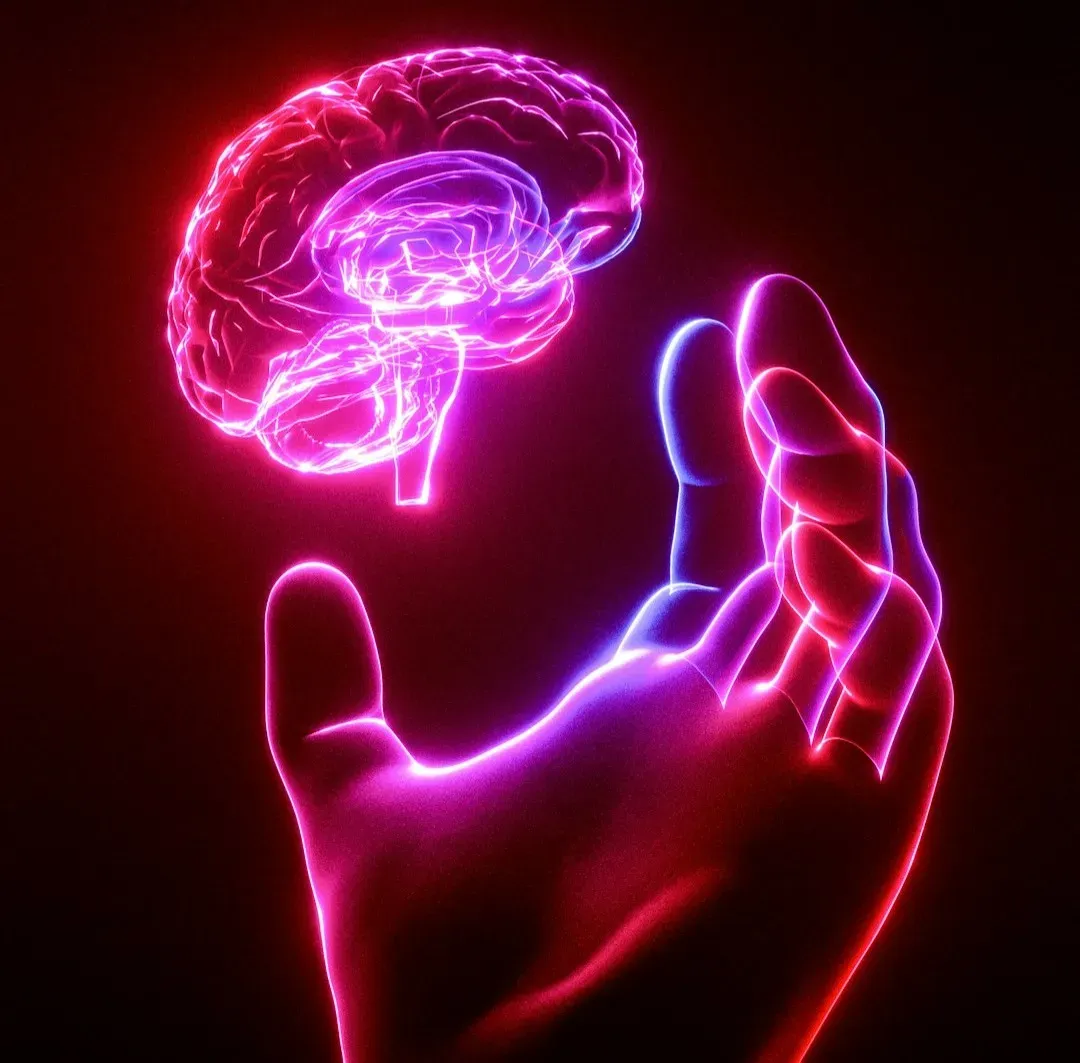
If your conscious awareness is delayed, you might wonder how you ever manage to catch a falling object or hit a moving target. The answer is that your brain does not just wait for information – it predicts. Based on your past experience and the patterns it has learned, your brain constantly guesses what will happen next, and your actions are often guided by these predictions rather than by a fully conscious snapshot of the present. You can see this in sports and everyday movement. When you play catch, you are not reacting to where the ball is right now; you are reacting to where your brain predicts it will be by the time your hand gets there. This predictive machinery makes your behavior feel instant, even though your conscious perception of the world is playing on a slight delay, like a video that has been smoothed and auto-corrected in real time.
The Delay Has Big Implications for Free Will and Responsibility

Once you understand that your experience of now lags behind the physical events in your brain and body, questions about free will start to feel different. If your awareness appears slightly after neural processes are already underway, it can seem as if your conscious self is arriving late to the party, taking credit for decisions that your brain started preparing before you felt like you chose them. This can be unsettling when you first confront it. At the same time, a delay does not mean you are just a helpless passenger. Over slightly longer time scales, you constantly reflect, plan, and adjust. You learn from past actions, change your habits, and shape the conditions that influence what your brain will do next. You might not control every millisecond-level event, but you still play a central role in steering the longer arcs of your life, much like a driver who cannot control each pebble under the wheels but still chooses the road.
Everyday Life Quietly Reveals Your Brain’s Timing Tricks
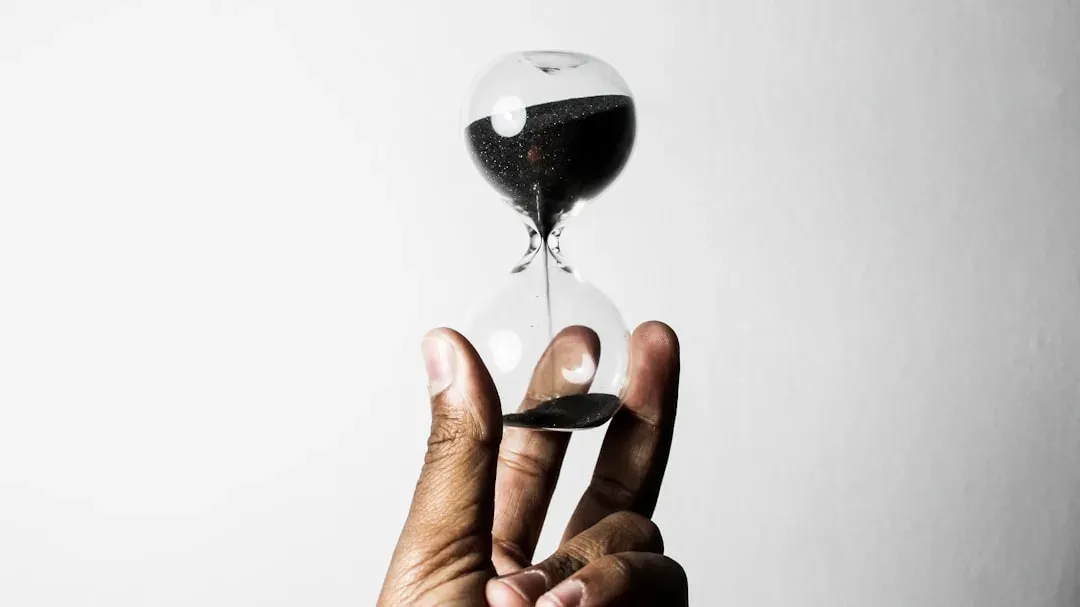
You can spot hints of this delayed now in ordinary situations if you pay attention. Moments when you startle at thunder after seeing lightning, or when you realize you reacted before you consciously registered a sound, show just how differently your body and conscious mind can operate in time. Even something as simple as noticing that you already started pulling your hand away from a hot stove before you fully felt the pain reveals how much is handled before awareness kicks in. You also experience this in how you remember very short events. Think about times when you looked back and felt that something happened “all at once,” even though it clearly involved multiple steps. That compressed feeling is a sign that your brain bundled those steps into a single experiential moment, smoothing over the micro-timing so your memory could hold onto a cleaner, more digestible story.
How Understanding the Delay Can Change How You See Yourself
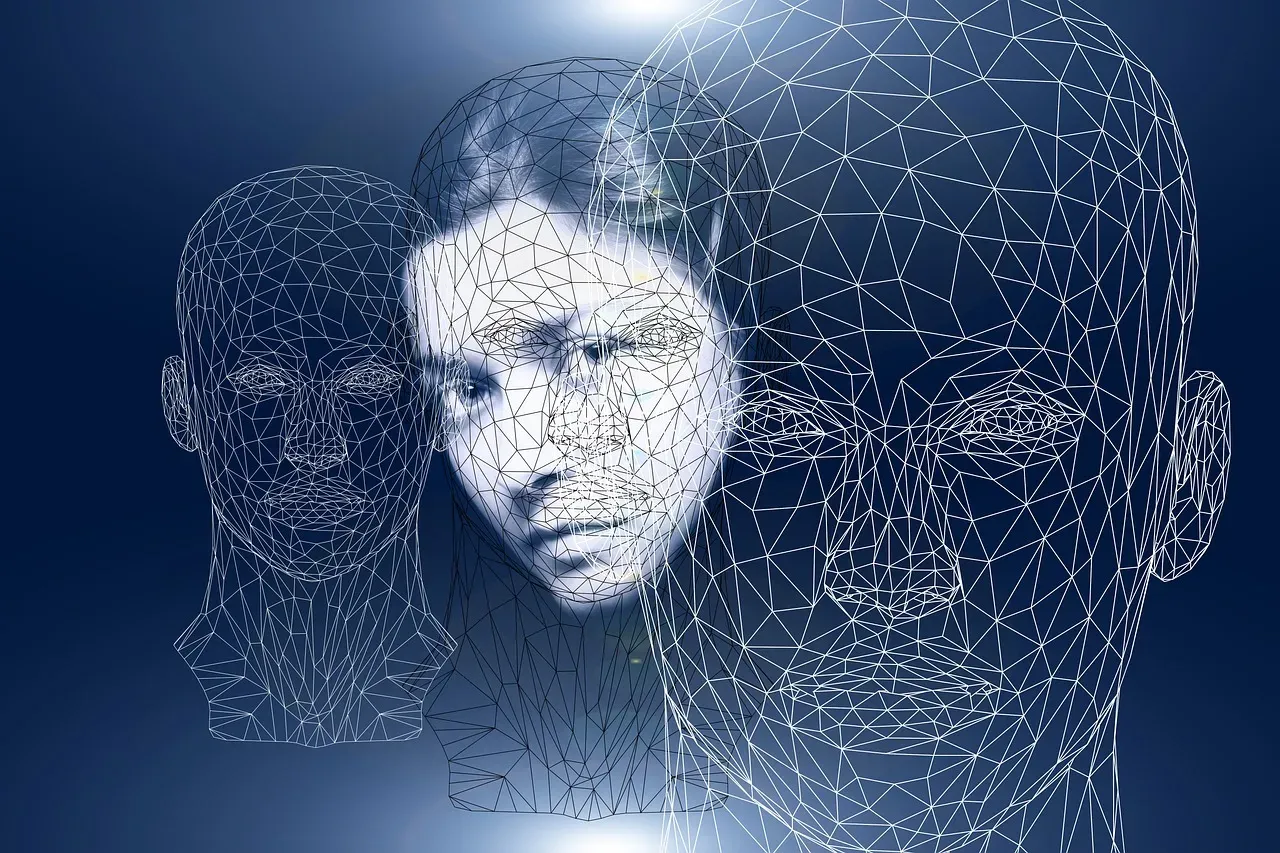
Realizing that your brain delays and edits your experience of now can be strangely liberating. It reminds you that your moment-to-moment impressions are not perfect readouts of reality but carefully constructed models. When you feel absolutely certain about what you saw or how quickly you reacted, this knowledge nudges you to hold that certainty a little more lightly and to stay open to the idea that your perception can be off by just enough to matter. You can also use this insight to be kinder to yourself and to others. When you realize that both you and everyone around you are living in slightly edited versions of the present, you gain more patience for misunderstandings, split-second mistakes, and conflicting memories. You start to see each person as working with a delayed, filtered feed, doing their best to navigate a world that is always one small step ahead of what they consciously feel.
Conclusion: Living Wisely in a Delayed “Now”
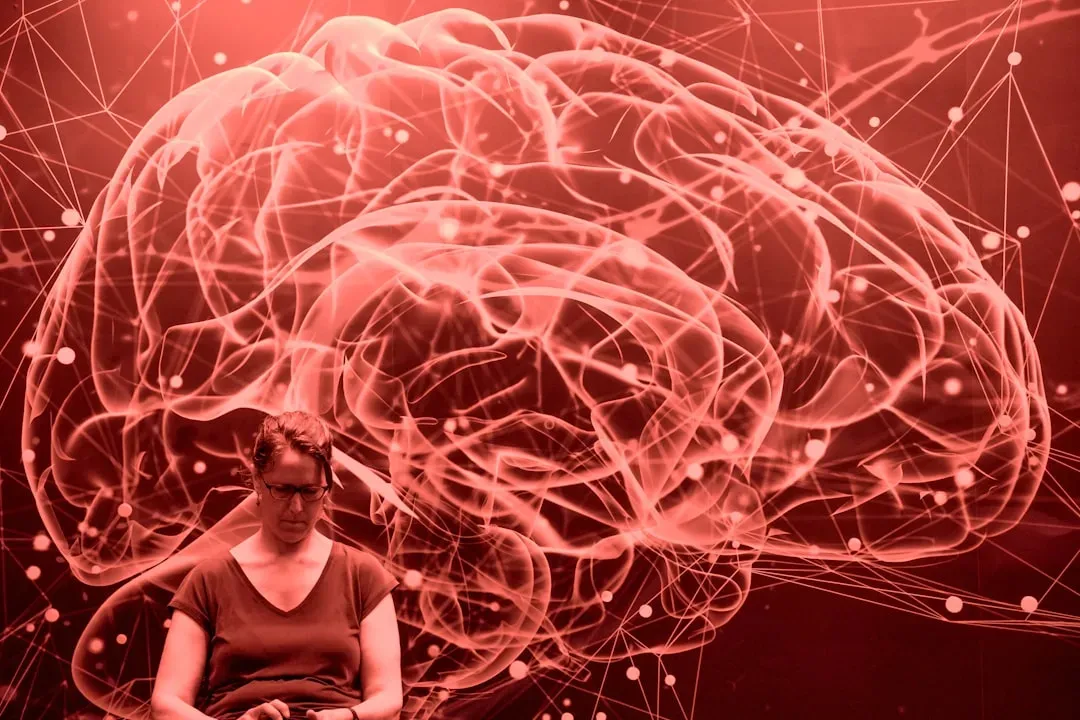
If your experience of now is really a carefully crafted echo of the immediate past, then your everyday sense of reality is both more fragile and more impressive than it seems. Your brain takes messy, delayed data and turns it into a smooth present, fast enough that you can catch a ball, cross a street, or hold a conversation without feeling the hidden lag. Instead of being discouraged by this delay, you can see it as a sign of how astonishingly well your brain performs its editing job. Understanding this delayed now also gives you a quiet superpower: you know that your first impression of timing is not sacred, that your story of an event might have been gently rewritten before you even became aware of it. With that in mind, you can move through life with a bit more humility, a bit more curiosity, and maybe a bit more wonder at the hidden work happening behind your eyes. Knowing that your present is always slightly in the past, how differently might you treat the choices you are making today?