
You wake up with one scene burned into your mind: a strange argument, a fall from a rooftop, a long-lost friend turning up out of nowhere. Out of the dozens of dreams you probably had that night, why did that one survive the trip into the morning? You might feel like your brain just picked at random, but sleep science says there is a quieter, more deliberate process at work. Your sleeping mind is not switched off; it is busy sorting, trimming, and tagging experiences, like a night shift librarian deciding what gets filed and what gets tossed. The dreams you remember are not necessarily the wildest or the longest; they are often the ones your brain quietly labeled as meaningful. In other words, the fact that you remember a dream at all is already a kind of verdict: your brain considered it important enough to save.
Your Brain Is Running a Night Shift Memory Audit

When you fall asleep, your brain does not simply drop into darkness; it moves through cycles where different systems take turns being in charge. During rapid eye movement sleep, the stage most closely tied to vivid dreaming, areas involved in emotion and memory light up while regions for logical planning dial down. You are not solving math problems in this state, but you are replaying fragments of your day, your fears, your hopes, and your unresolved tensions. Think of it like a nightly audit of everything you have recently seen, felt, or worried about. Some experiences are tossed in the mental trash, others are filed away in long-term storage, and some sit on the desk waiting for a decision. Dreams are woven out of this raw material, and the ones that feel charged, emotional, or personally relevant are more likely to be flagged as worth keeping. When you wake up, those are the scenes that float to the surface.
Emotional Heat Makes a Dream More “Save-Worthy”

The dreams you remember most clearly are usually the ones that hit you in the gut. A nightmare about losing a loved one, an intense romantic encounter, or a terrifying chase through a dark hallway all have something in common: they flood your sleeping brain with emotional intensity. During REM sleep, regions linked to emotion are especially active, which means your night mind may amplify certain feelings as it sifts through them. Your brain treats emotional material like priority mail. When something feels threatening, thrilling, or deeply moving, your nervous system reads it as potentially important for survival, learning, or future decisions. That emotional surge acts like a “save” button, making it more likely you will remember the dream when you wake up. So if a dream lingers with you all morning, it usually did not feel neutral; on some level, it mattered to you.
Waking Up at the Right Moment Decides What You Remember

Even if your brain has tagged a dream as important, timing still matters. You are far more likely to remember a dream if you wake up during it or right after it, especially during a REM phase. If your alarm cuts in mid-scene or you naturally surface from sleep while the dream is still unfolding, those images have a better chance of crossing the fragile bridge into waking consciousness. On the other hand, you might have a powerful dream in the middle of the night, roll over, sink into deeper sleep stages, and lose almost all of it by morning. Your memory is not a perfect recorder; it is more like a whiteboard that gets smudged as you move through the night. The dreams that stick are often the ones that are both emotionally charged and lucky enough to be aligned with your wake-up window.
Your Personal Concerns Are the Scriptwriters

If you look closely, the dreams you remember are often weirdly on-brand for your current life. When you are stressed about work, you might dream of failing a test or missing a flight. When you are worried about a relationship, you might dream of being abandoned at a party or ignored in a crowd. The symbols can be bizarre, but the underlying themes usually echo what you already care about when you are awake. Your brain does not waste energy processing what feels irrelevant. During sleep, it tends to give more screen time to ongoing problems, unfinished business, deep desires, and repeating worries. Because those concerns already carry weight for you, dreams built around them are more likely to be flagged as significant. As a result, you are more likely to remember the dream that touches a raw nerve than the random nonsense about someone you barely know.
Memory Systems Decide What Gets Stored and What Fades
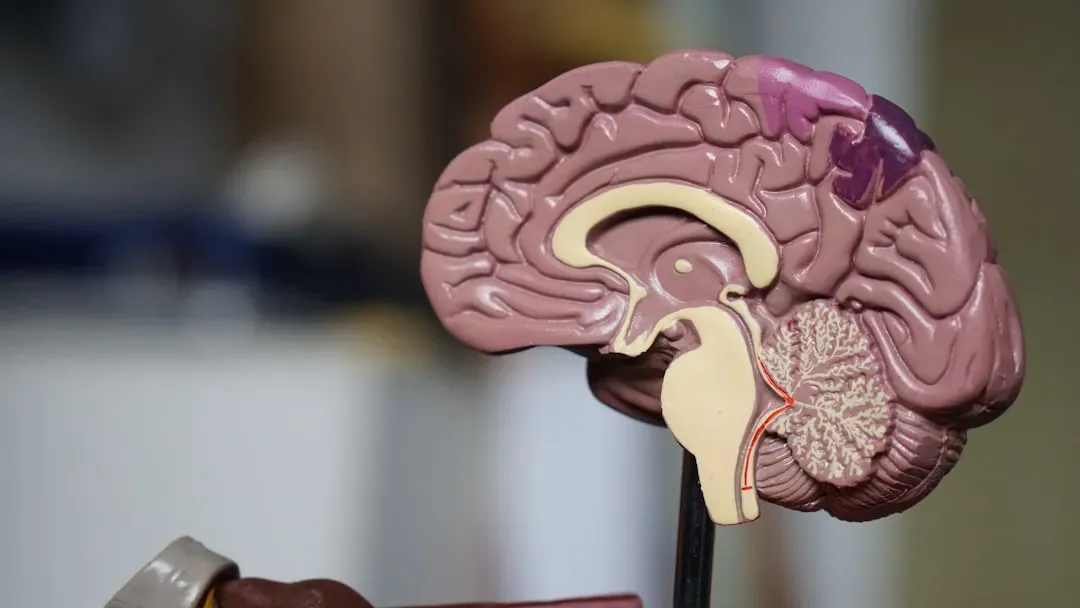
Behind the scenes, you have different memory systems doing different jobs. A structure deep in your brain helps turn day-to-day moments into longer-term memories, while other regions handle emotions, body sensations, and even the sense of self. During sleep, these systems interact in a way that helps strengthen some connections and weaken others. It is a bit like pruning a tree so that only the healthiest branches thrive. The dreams you remember are mostly the ones that manage to recruit these memory systems effectively. When a dream ties together strong feelings, meaningful images, and parts of your real-life story, it has more hooks for your memory to grab onto. A dull, drifting dream made of bland fragments may never really get those systems involved, so it dissolves quickly when you wake up, as if it never happened at all.
Rehearsal and Reflection Turn a Fleeting Dream Into a Lasting One

What you do in the first sixty seconds after waking can make or break a dream memory. If you lie still and mentally replay what you saw, you strengthen the trace and give your brain a second chance to file it away. If you grab your phone, jump out of bed, or immediately get pulled into your morning routine, the fragile memory can vanish before you have even brushed your teeth. When you jot a dream down in a notebook or tell someone about it over breakfast, you are effectively telling your brain that this experience matters. That extra bit of attention acts like adding a second coat of paint; it deepens and protects the memory. Over time, the dreams you choose to notice, repeat, and record become the ones that stick around, shaping how you think about your inner life.
Stress, Anxiety, and Trauma Can Flood Your Memory With Dreams

If you are going through a hard time, you may notice that you remember more dreams, especially disturbing ones. High stress and anxiety can make sleep more fragmented, causing you to wake up more often during the night, sometimes straight out of REM. Each abrupt awakening is an opportunity for a dream to be remembered, which is why rough periods in life can feel packed with vivid dream recall. In more extreme cases, such as after a traumatic event, your brain might replay certain themes or images again and again as if trying to process what happened. Those dreams can feel incredibly real and often come back night after night. Your brain is not trying to torture you; it is wrestling with experiences that feel too big to absorb in one go. Because these dreams are drenched in significance for your survival and sense of safety, they are almost impossible to forget.
You Can Train Yourself to Remember More (and Why That Matters)

If you want to remember more dreams, you can nudge your brain to save them. Simple habits like going to bed at a consistent time, limiting heavy screens right before sleep, and waking up gently can all help. You can also set a quiet intention by telling yourself, before you drift off, that you will try to recall whatever you dream. It sounds small, but this mental priming can make your brain more attentive to dream content. Keeping a dream journal by your bed and writing down even fragments as soon as you wake up can dramatically change how much you recall over time. As you train yourself to pay attention, your brain slowly learns that dreams are not disposable – they are worth tracking. That can help you notice patterns in your worries, tap into creative ideas, and better understand how your mind is trying to connect the dots when you are off the clock.
Conclusion: Your Remembered Dreams Are Messages Your Brain Chose to Keep

When you look back at the dreams you remember, you are not seeing the full story of your night; you are looking at the highlight reel your brain decided to keep. It tends to save the ones loaded with emotion, tied to your real concerns, and lucky enough to surface at the right moment in your sleep cycle. Those remembered scenes are not random noise – they are glimpses of what your inner world quietly considers worth your attention. If you start treating remembered dreams as hints about what your mind finds meaningful, they can become less like weird late-night glitches and more like coded messages from your own deeper self. You do not have to turn into a mystical dream interpreter to benefit from that shift; you just have to notice what keeps returning, what keeps bothering you, and what keeps inspiring you. The real question is: now that you know your brain is choosing what to save, what might your next remembered dream be trying to tell you?