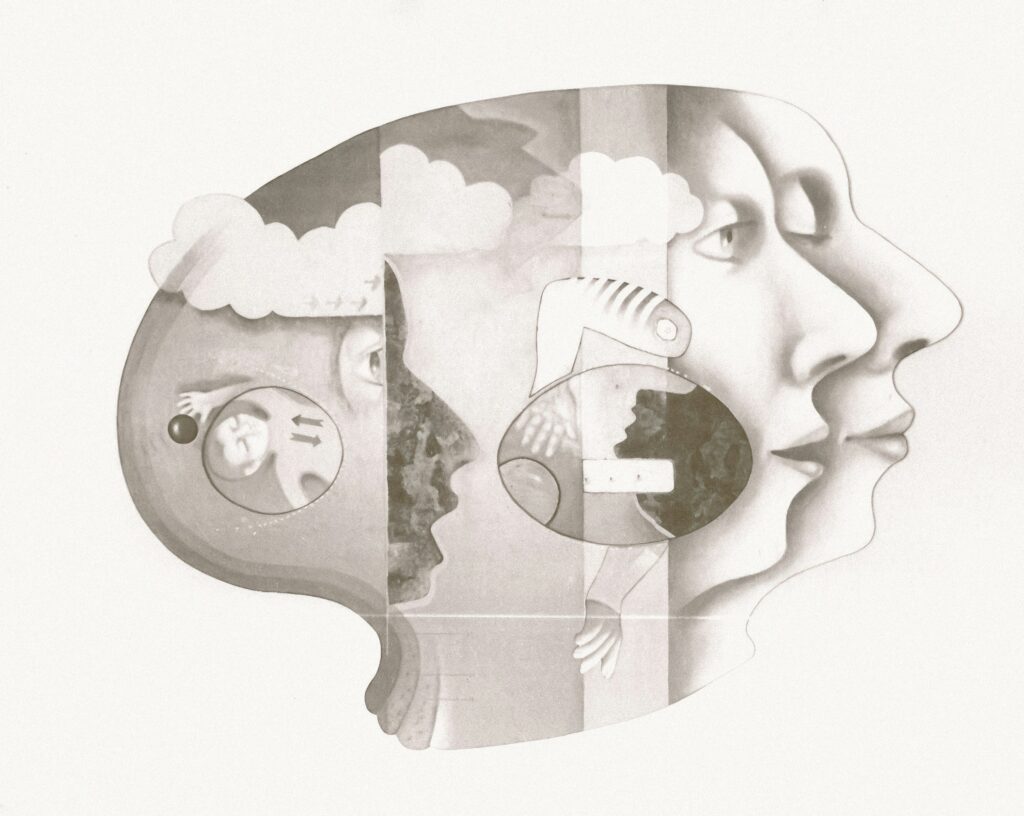
You like to think of yourself as a clear-eyed observer of reality. You notice things, you weigh the evidence, and then you decide what is true. But here is the unsettling twist: long before you are aware of it, your brain is already busy stitching together a story, filling in gaps you never even noticed were there.
This is not a glitch; it is how your brain keeps you moving through a chaotic world without getting paralyzed by uncertainty. Once you start to see how quickly and automatically you turn fragments into narratives, you begin to question how many of your most confident beliefs are actually just your mind doing its best improv. And that realization, far from being depressing, can give you a surprising amount of freedom.
Your Brain Hates Gaps, So It Fills Them In
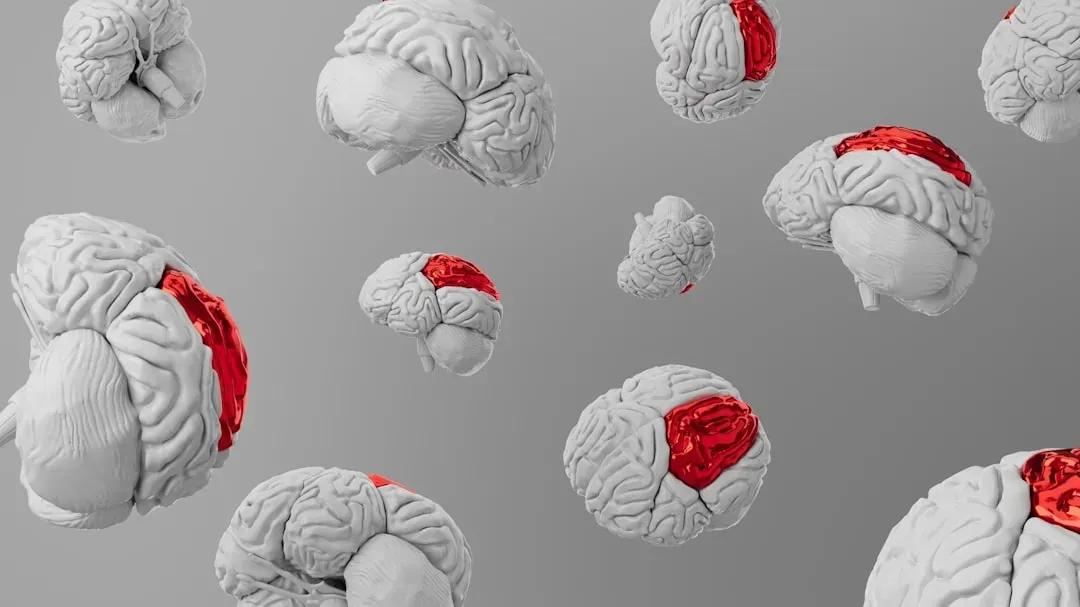
You are wired to dislike incomplete information. When you see only part of a scene, hear half a sentence, or know only bits of someone’s story, your brain rushes in to patch the holes. It does this so fast that you usually never feel the gap; you just experience a smooth, confident sense of “this is what happened.”
Think about when you mishear song lyrics but feel totally sure you know the words, or when you see a friend across the street, wave, then realize it was a stranger. In both cases, your brain grabbed a few cues, jumped to a conclusion, and made a coherent picture before all the data was in. You do not choose to do that; the mechanism is automatic, and it usually works well enough that you only notice it when it fails.
The Left-Brain “Interpreter”: Your Inner Storyteller
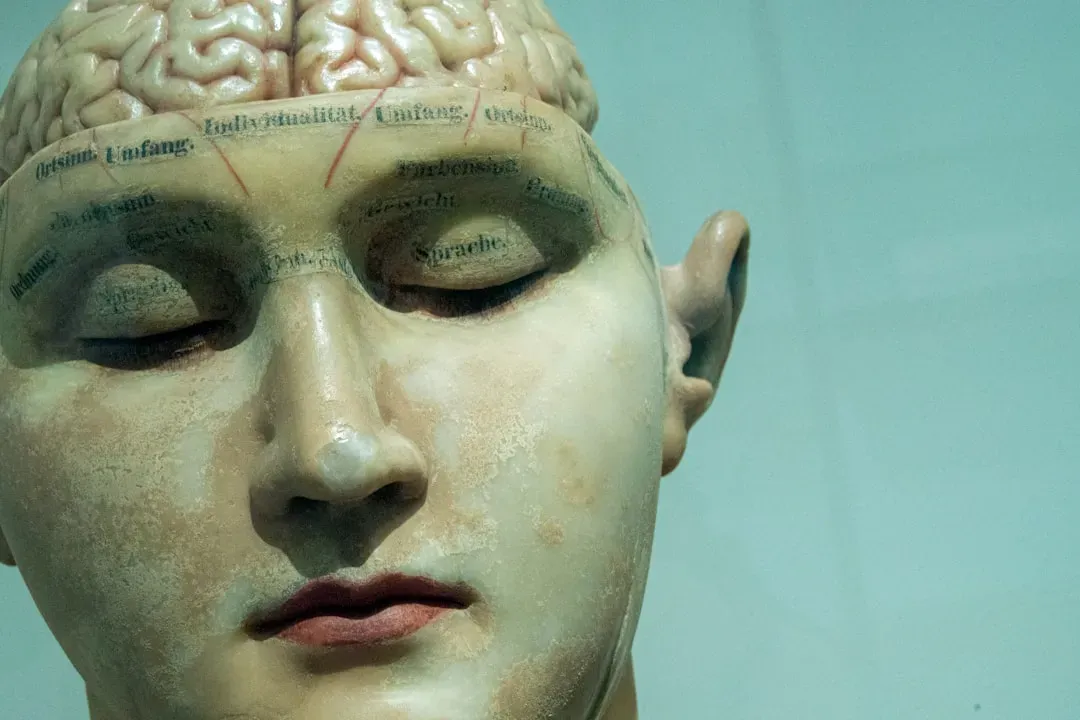
Deep in your brain, especially in parts of your left hemisphere, there is a kind of built-in narrator that constantly tries to make sense of what you do and what you see. You might think you act first because of a conscious decision and then explain it, but often your actions and reactions come first, and your brain explains them after the fact. That explanation feels like truth, but it is really your storyteller doing a quick clean-up job.
You can notice this when you make a snap decision and then immediately come up with a logical reason that sounds polished and sensible. Maybe you passed on a job offer because something felt off, then a moment later you told yourself it was the commute or the culture. You are not lying to yourself on purpose; your mind just cannot stand a behavior without a reason, so it invents one that fits the moment.
How Memory Quietly Rewrites Your Past
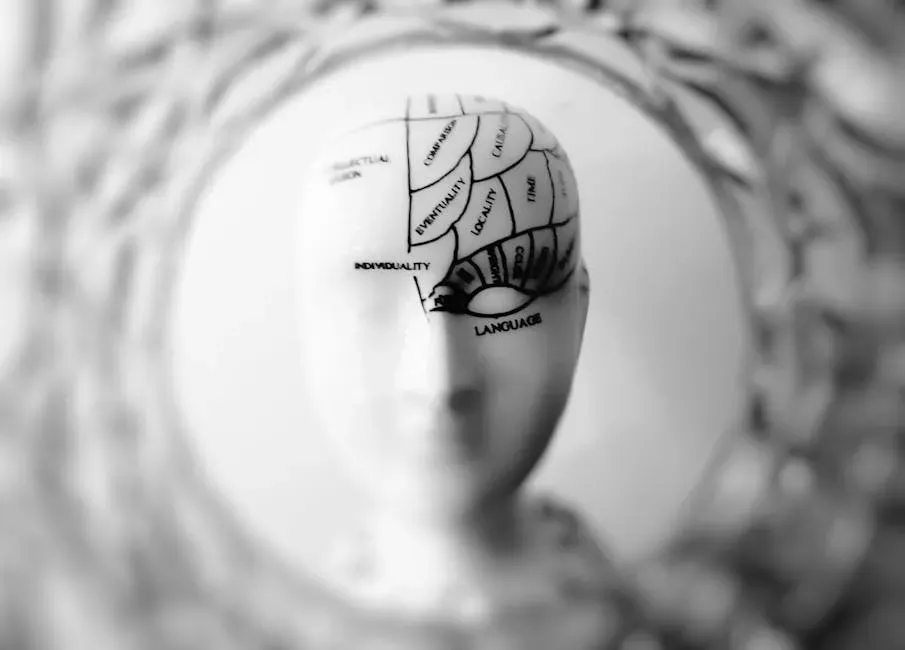
You might trust your memories as recordings of what actually happened, but your brain treats them more like editable stories. Each time you remember something, you are not just replaying it; you are reconstructing it from fragments, emotions, and expectations. In the process, small details can shift to fit the story that makes the most sense to you now.
This is why two people can walk away from the same argument genuinely believing completely different versions of what was said. Your brain smooths over the messy, conflicting parts and locks in a narrative where your behavior feels reasonable and your reactions feel justified. Over time, those reconstructed stories become your reality, even if important pieces were missing or distorted from the start.
Illusions That Prove You See Stories, Not Raw Reality
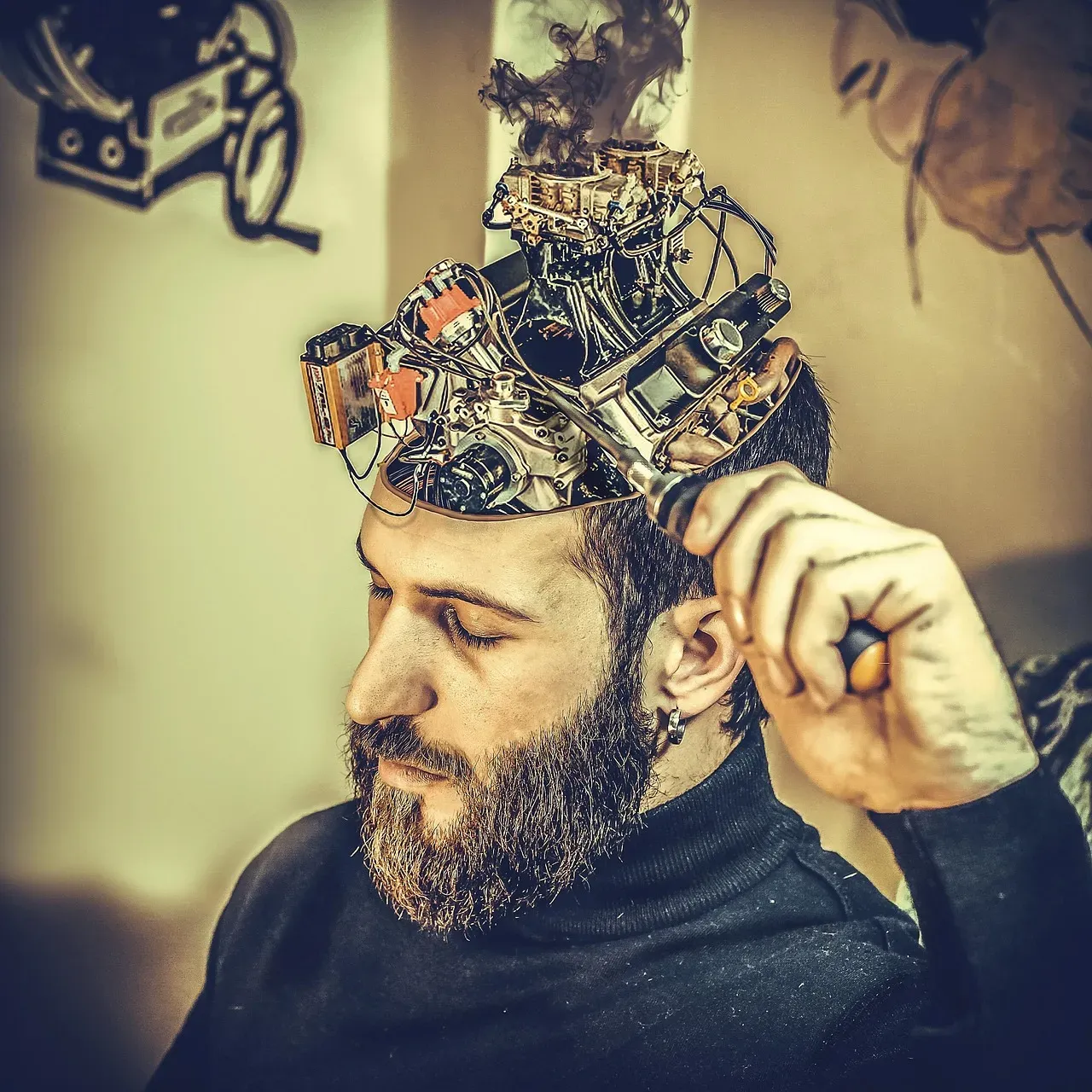
Visual illusions are one of the clearest ways you can catch your brain inventing reality. When you see shapes that look like they are moving when they are still, or colors that seem different depending on context, your mind is not malfunctioning; it is applying rules and shortcuts that normally help you navigate the world. You are not seeing the raw image; you are seeing the brain’s best guess about what the image means.
The same thing happens in social situations. You see a quick facial expression, a brief silence, or a short message with no emoji, and your brain instantly constructs a story about what that person thinks or feels. Maybe they are angry, maybe they are bored, maybe they secretly dislike you. In reality, you often have almost no data, but the narrative in your head feels unshakably real.
Why Your Brain Prefers a Wrong Story Over No Story
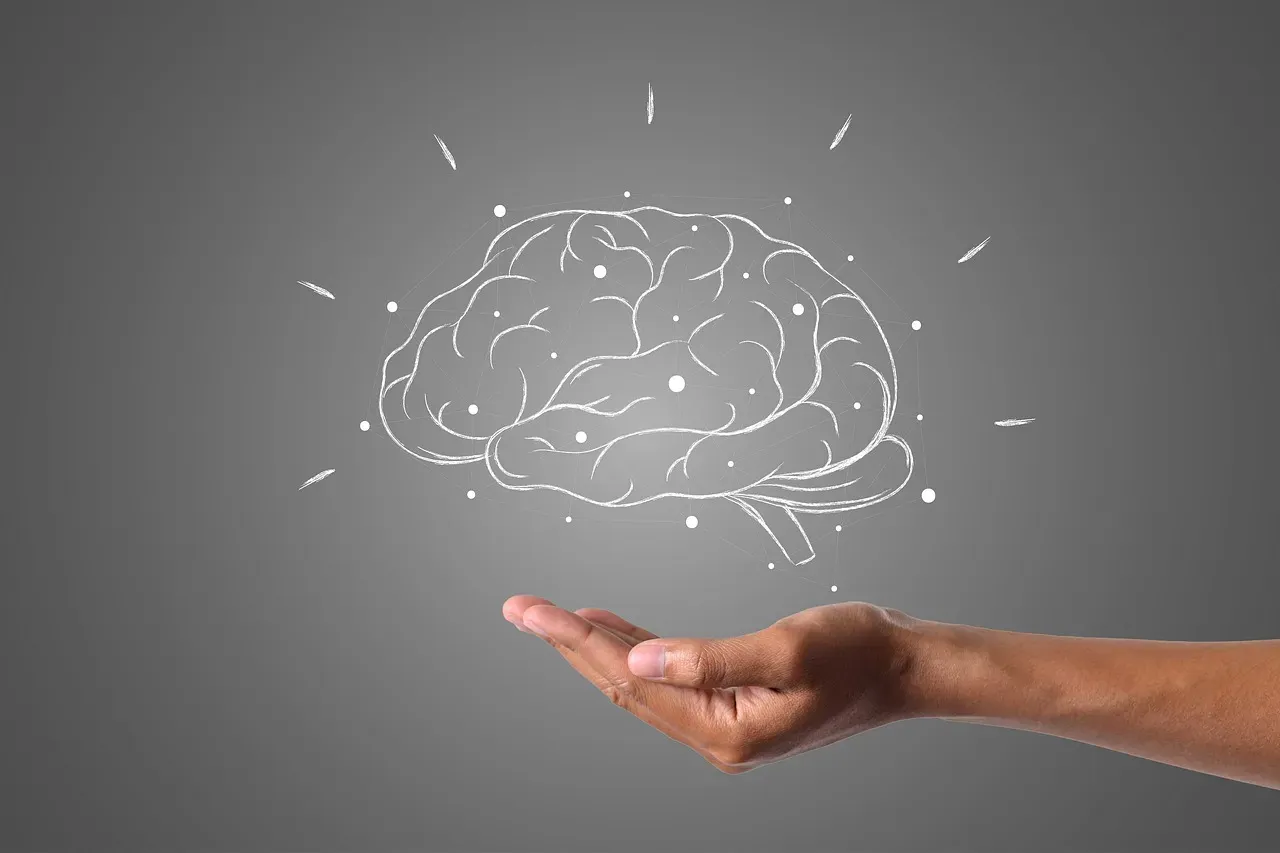
Uncertainty makes you tense. Your brain treats it almost like a threat because not knowing what is going on can be risky. To reduce that tension, you will often grab the first halfway-plausible explanation and cling to it. A crisp, wrong story feels safer than a foggy, honest “I have no idea what is happening.”
You can see this when someone does not text you back. Within minutes, your mind can spin up reasons: they are annoyed, they are losing interest, they are ignoring you on purpose. The truth could be as boring as a dead battery or a busy day, but a simple, emotionally charged story feels more satisfying. You are not addicted to truth; you are addicted to coherence.
How This Story-Making Helps You Survive (And Sometimes Hurts You)
This automatic story-building is not all bad; in fact, you depend on it. If you had to wait for perfect information before acting, you would never cross a street, choose a partner, or take a new opportunity. Your ability to connect dots quickly lets you make fast judgments, spot patterns, and navigate danger before it is too late.
The downside is that the same speed that keeps you safe can also keep you stuck. When you form a story about yourself, like “I always mess things up” or “people cannot be trusted,” your brain starts filtering reality through that lens. You pay more attention to the moments that fit the story and overlook the ones that challenge it. Over time, your narratives can limit you more than your actual circumstances do.
How to Notice When Your Brain Is Making Things Up
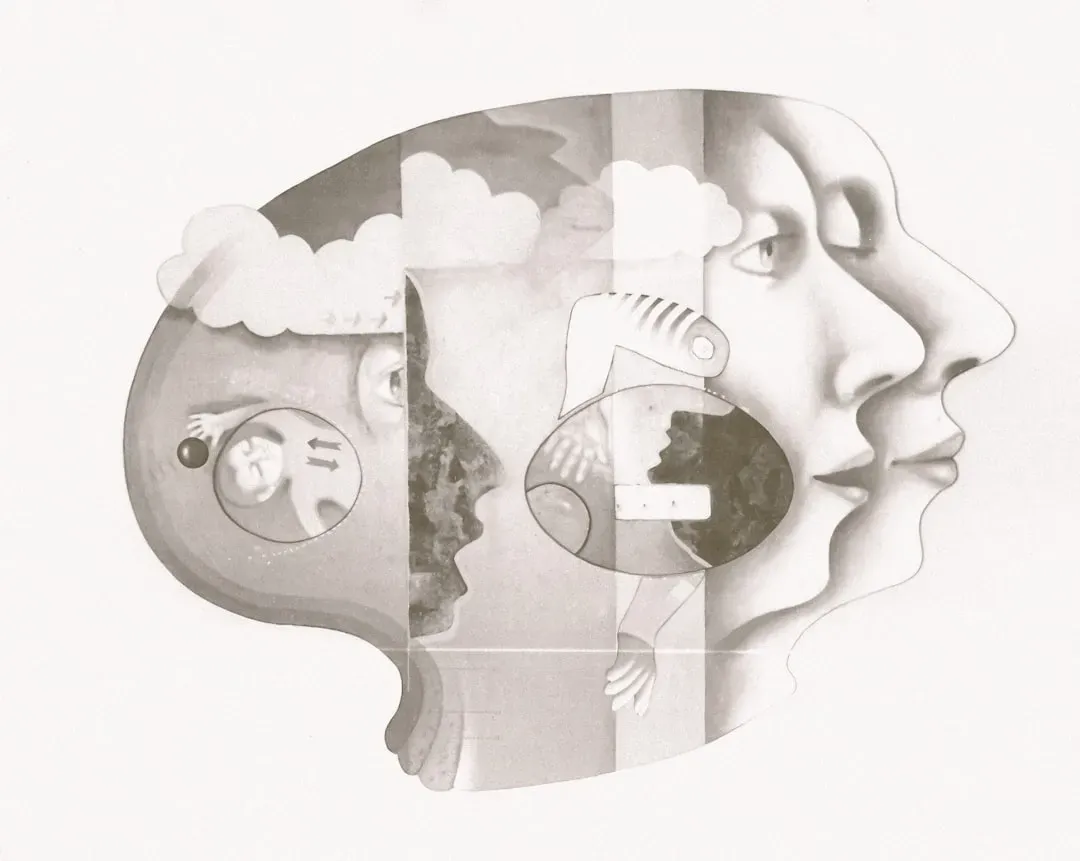
You cannot stop your brain from filling in gaps, but you can get better at noticing when it is doing it. A powerful move is to pause and ask yourself: “What are the actual facts, and what parts am I adding as a story?” You might realize that all you truly know is “they have not replied yet,” while everything about why is guesswork.
You can also look for emotional spikes as a clue. When you feel sudden anger, shame, or fear, it often means your mind has just snapped into a familiar storyline. In those moments, you can quietly ask: “What else could be true?” You are not forcing yourself to be unrealistically positive; you are just making room for more than one possible version of events instead of worshiping the first one your brain generated.
Using This Insight To Rewrite Your Inner Narratives

Once you accept that your brain is always constructing stories, you can start to use that skill intentionally instead of letting it run on autopilot. When something goes wrong, you can consciously craft a narrative that is honest but not cruel, like “I made a mistake and I can learn from it,” instead of “I failed because I am hopeless.” The facts stay the same; the story changes, and so does how you feel.
You can also practice holding your stories more lightly. Instead of saying “This is the way it is,” you can say “Right now, this is the story I am telling myself.” That tiny shift gives you space to revise the script as new information comes in. You are not trying to delete your brain’s storytelling; you are stepping into the role of editor instead of just being a character trapped inside the plot.
Conclusion: Living Honestly With an Unreliable Narrator

You will never have a brain that simply reflects reality like a mirror. You will always have a mind that interprets, edits, and spins, turning scattered pieces of life into neat arcs and explanations. Instead of fighting that, you can work with it: question your first drafts, soften your harshest stories, and remember that what feels obvious is often just one possible version of events.
When you start to see yourself as someone living with an unreliable narrator, you become more patient with others and kinder to yourself. You stop needing every story to be perfectly certain, and you get more comfortable saying, “Here is what I think is true for now.” And that might be the most honest story you can tell – so what story are you going to let your brain write next?