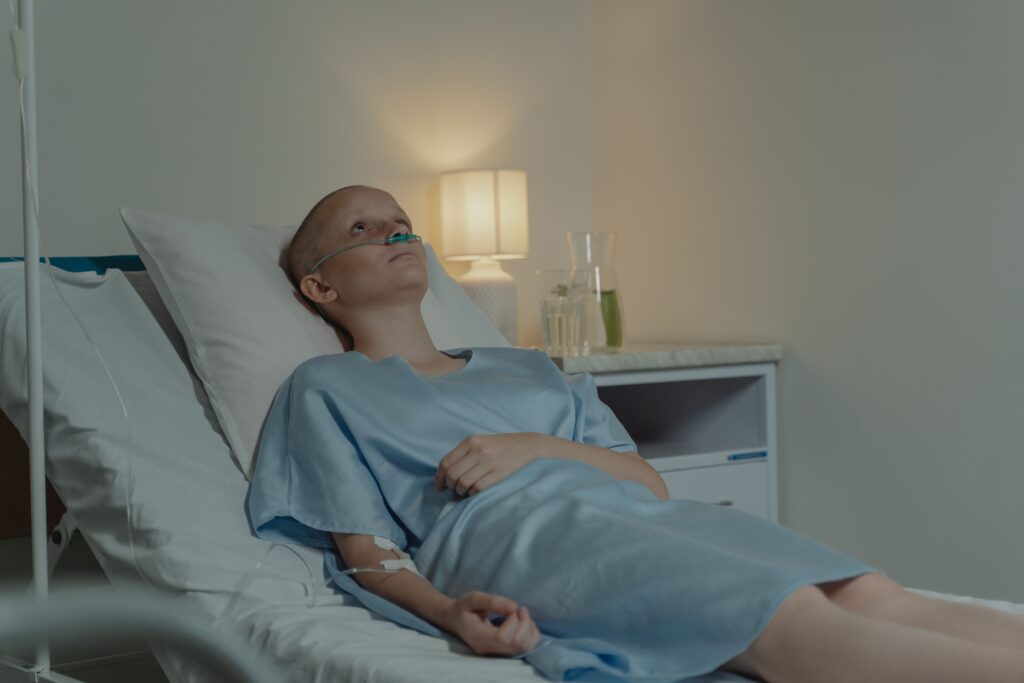
Most of us try not to think too much about death, yet it quietly shapes almost everything we value: love, urgency, meaning, even the way we plan our week. Still, for all our fears and philosophies, many people have only a fuzzy idea of what actually happens to the body in those final moments and beyond. Is it like a light switch that flips off, or more like a slow dimming of the lights in a massive biological city?
Understanding the science of death doesn’t make it less serious, but it can make it less mysterious and less terrifying. When you see death not as a random horror but as a highly organized biological process, something shifts: curiosity starts to sit next to fear. In a strange way, learning what really happens when we die can deepen your respect for being alive right now.
The Moment of Death: When the Lights Go Out
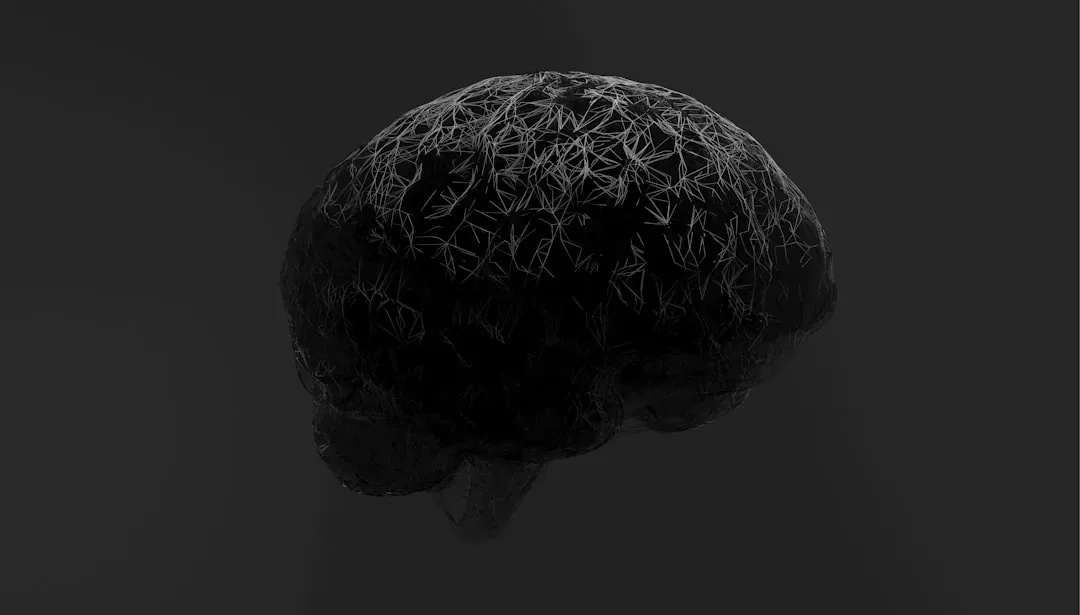
The moment we call death is usually defined as when the heart stops beating and breathing ceases, cutting off oxygen to the brain and every other organ. It feels like a single instant, but biologically it is more like a chain reaction: once circulation stops, cells begin running out of oxygen within seconds, and the brain is the first to suffer. If the heart cannot be restarted quickly, the brain’s electrical activity drops away and the conscious self we recognize as “us” fades out.
Doctors use different markers depending on context: the absence of a heartbeat and breathing, or the more precise concept of brain death, which is the permanent loss of all brain function. What is surprising to many people is that some parts of the body are still technically alive when a person is declared dead. Skin cells, muscle cells, even parts of organs can continue their internal chemistry for minutes to hours, like small neighborhoods in a city still lit up long after the main power plant has shut down.
What Happens in the Brain in Our Final Minutes
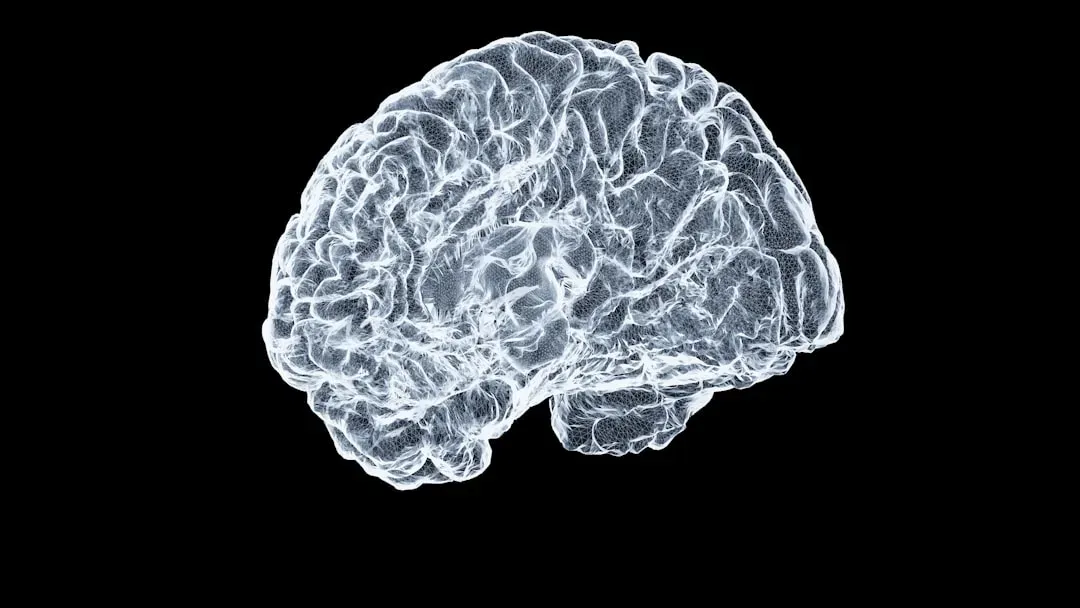
In the last minutes before death, the brain is under extreme stress from lack of oxygen and blood flow, and its activity changes dramatically. Some research using brain scans in people close to death has suggested brief surges of organized electrical activity right around the time the heart stops, almost like a final, chaotic storm of neural firing. This might help explain why some people who are resuscitated report vivid experiences during cardiac arrest, even when their EEG activity looks very faint or absent.
At the same time, other brain regions shut down unevenly, and chemical messengers build up in abnormal patterns as the normal checks and balances fail. This is not a peaceful, gentle fade for every cell; it’s a messy shutdown where some circuits go quiet while others flare. Personally, I think this is one of the most humbling things about being human: our deepest sense of self depends on a fragile, oxygen-hungry network that can be undone in a matter of minutes, yet while it works, it feels utterly solid and permanent.
The First Hour After Death: The Body’s Immediate Changes
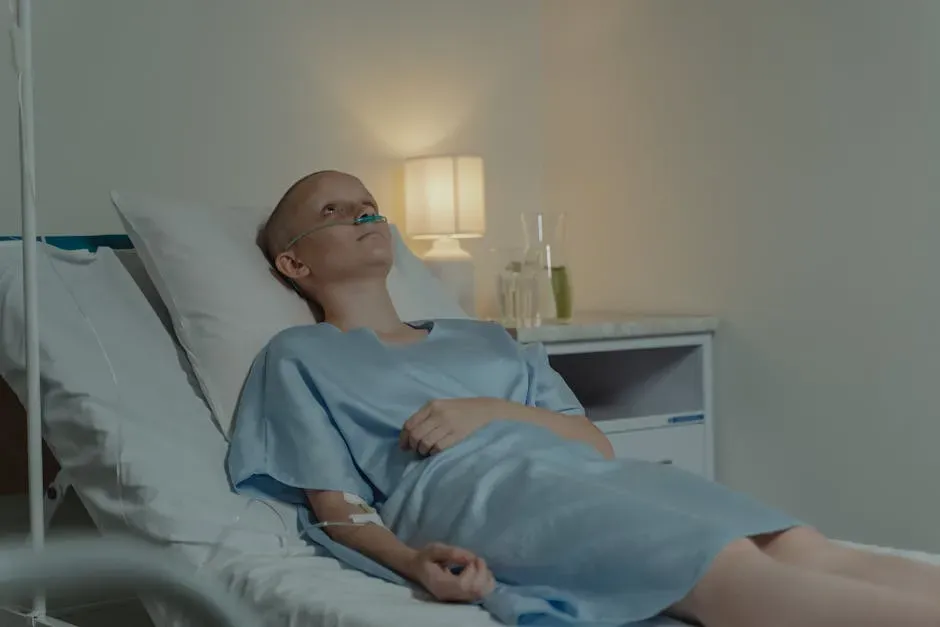
In the first hour after the heart stops, the body starts going through changes that are subtle at first but quickly add up. Without circulation, heat is no longer generated or distributed, so the body begins to cool toward the surrounding temperature, a process sometimes described as the body’s temperature slowly equalizing with the room. The skin can start to look pale as blood drains from the surface vessels and settles deeper inside, which is why someone who has just died may look suddenly waxy or oddly flat in color.
Inside, cells are already struggling: without fresh oxygen, they switch to less efficient energy pathways, producing acidic byproducts that build up. Membranes become leaky, and the finely tuned internal balance of salts, water, and proteins starts to break down. You can think of it like a well-run factory that loses power: at first the machines wind down slowly, but as backup systems fail, parts jam, fluids spill, and the entire layout of the place begins to fall apart from within.
Rigor Mortis, Livor Mortis, and Algor Mortis: The Classic Signs
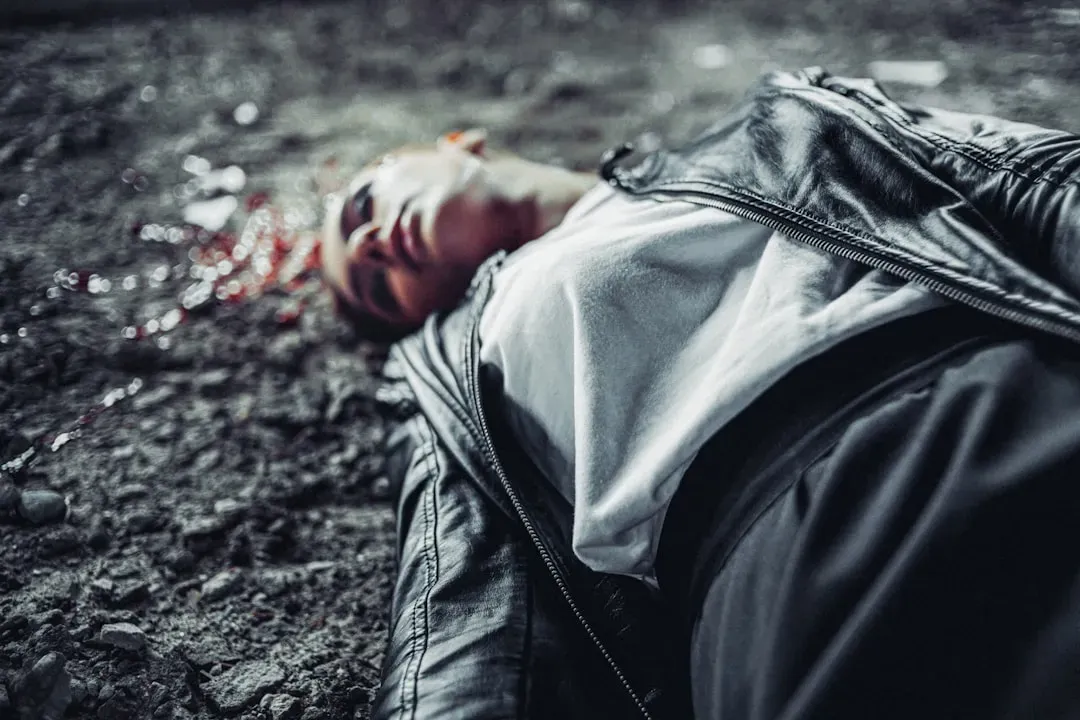
Several of the most recognizable signs of death have Latin names because they have been carefully observed for centuries. Algor mortis is the cooling of the body, livor mortis is the pooling of blood due to gravity, and rigor mortis is the stiffening of muscles after death. These are not just creepy trivia; they are the physical clues that tell forensic experts roughly when someone died and how the body has been positioned.
Rigor mortis begins when the chemical processes that allow muscles to relax run out of energy and get stuck in a contracted state, making joints stiff and difficult to move for a limited window of time. Livor mortis shows up as purplish areas where blood has settled in the lowest parts of the body, and over time those patches become more fixed as the blood cells break down. Meanwhile, algor mortis unfolds more slowly, as the body’s temperature drifts down over several hours; together, these patterns turn the body into a sort of biological clock that professionals can read, even though it marks an ending instead of a beginning.
Decomposition: How the Body Becomes Part of the Environment
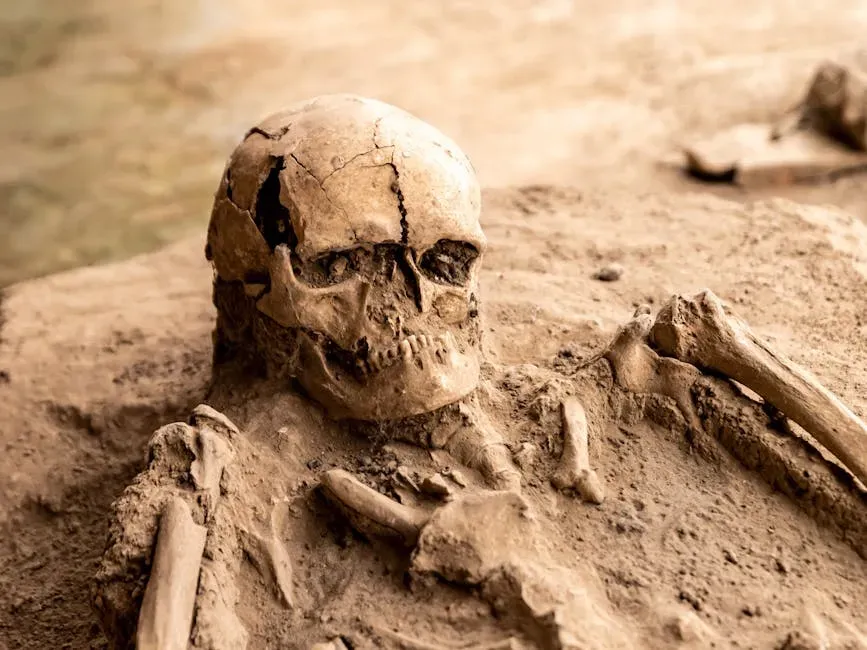
Once the early postmortem changes have run their course, the body enters decomposition, the long process of breaking down and returning its elements to the environment. At first, your own enzymes start the job from the inside, digesting cell structures when membranes fall apart; this stage is sometimes called autolysis, or self-digestion. Then, bacteria that were peacefully living in your gut and on your skin while you were alive begin to spread, feeding on tissues and releasing gases that cause bloating and the characteristic smells people associate with decay.
Insects and other scavengers join in if the body is exposed, turning the process into a kind of mini-ecosystem buzzing with activity. Over weeks to months, soft tissues can break down completely, leaving mostly bones, which themselves gradually weather and crumble over much longer timescales. It might sound grim, but there is something oddly comforting about this recycling: the body stops being a contained self and starts being raw material, feeding soil, plants, and animals, folding you back into the same natural cycles you once ate and breathed from.
Does Anything “You” Survive? The Science and the Mystery
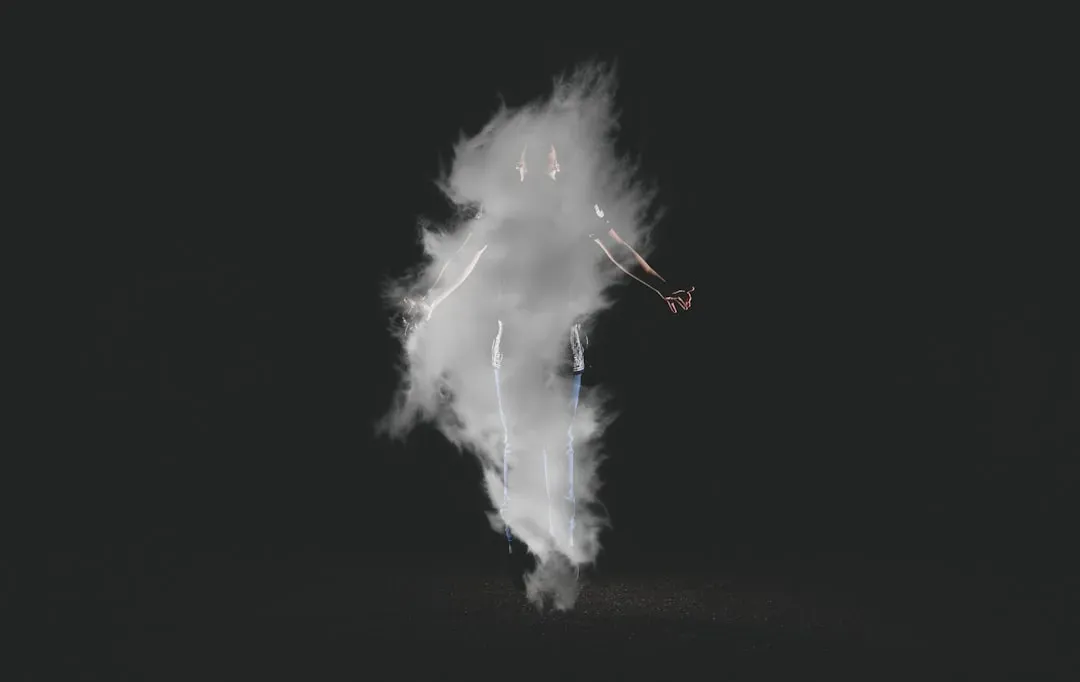
From a strict biological standpoint, what we call the self appears to be a product of brain activity: when the brain stops functioning irreversibly, the conscious “you” ends. That view is strongly supported by everything we know about how injuries, anesthesia, and diseases affect personality, memory, and awareness. In that sense, death is the permanent failure of the brain’s ability to generate the patterns that feel like thoughts, feelings, and identity.
But humans are not only biological machines; we are also storytellers, and what lingers after death in social and emotional terms is surprisingly powerful. Your genes can live on in children, your ideas in the minds of others, your actions in the ripples they create long after you are gone. Personally, I think this is where science and meaning quietly meet: even if nothing supernatural survives, the fact that your choices can echo for decades in other people’s lives shows that parts of “you” do persist, just not in the way most of us imagined as kids.
How Knowing This Changes the Way We Live
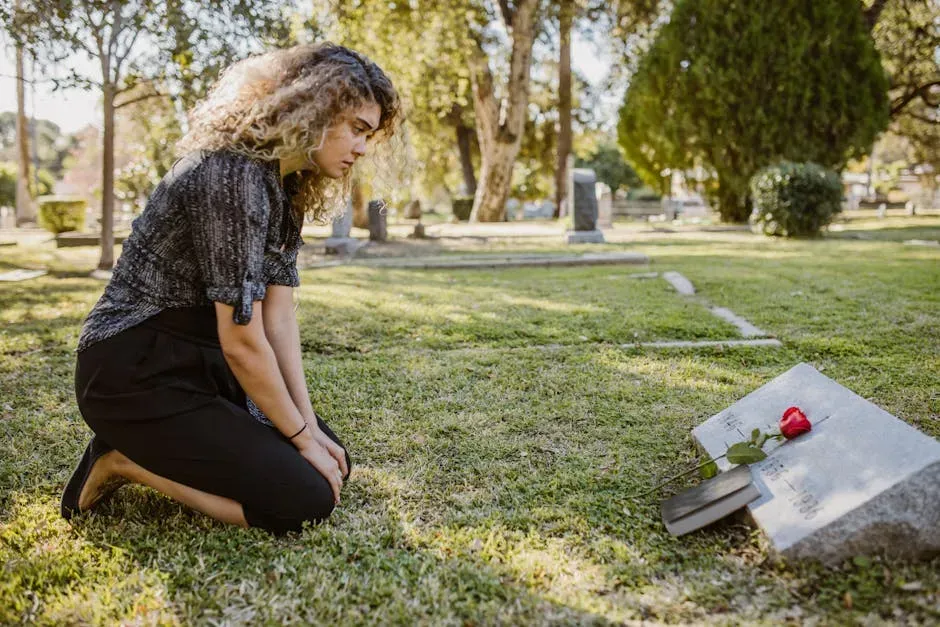
Once you really accept that death is a physical process that will eventually happen to everyone, it can either feel crushing or strangely freeing. For some people, the idea that consciousness is tied to a mortal brain sparks urgency: you get one brief window of experience, so you might as well shape it intentionally. Tasks you keep postponing, conversations you avoid, and dreams you shelve for “someday” look different when you remember that your biological clock is not just about aging but about a final, definite stop.
Others find comfort in the continuity of nature: your body arising from the same atoms that once were part of stars, plants, and other animals, and eventually returning to that larger flow. I’ve noticed that the more honestly people stare at the facts of death, the less patience they have for trivial drama and the more they seem to care about connection, kindness, and real experiences. You do not need to become morbid or obsessed, but using death as a quiet, honest backdrop can make your daily life feel sharper, richer, and strangely more alive.
Conclusion: Why Facing Death Makes Life More Honest
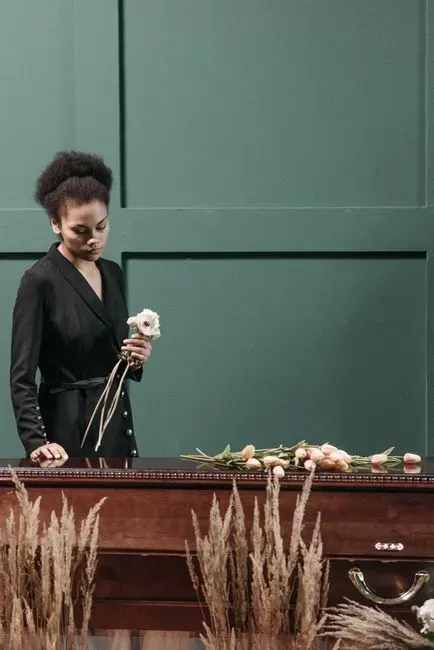
Looking closely at what happens to the body when we die strips away a lot of romantic fog, and that can feel harsh at first. The heart stops, the brain shuts down, chemistry unravels, and over time the body decays; there is no way to sugarcoat the biology. Yet pretending death is some vague, distant concept does not protect us, it just keeps us unprepared and often more afraid than we need to be when loss finally hits.
My opinion is that understanding the science of death is not morbid at all; it is a form of respect for reality and for your own fragile existence. When you know how finite and physical your life really is, every ordinary moment gains weight: a shared joke, a quiet walk, even boredom becomes part of a precious, limited run. In the end, the body will follow the same script as every human body before it, but what you do with the time before that process starts is not written anywhere. Now that you know what actually happens when we die, how differently are you willing to live while you are still here?