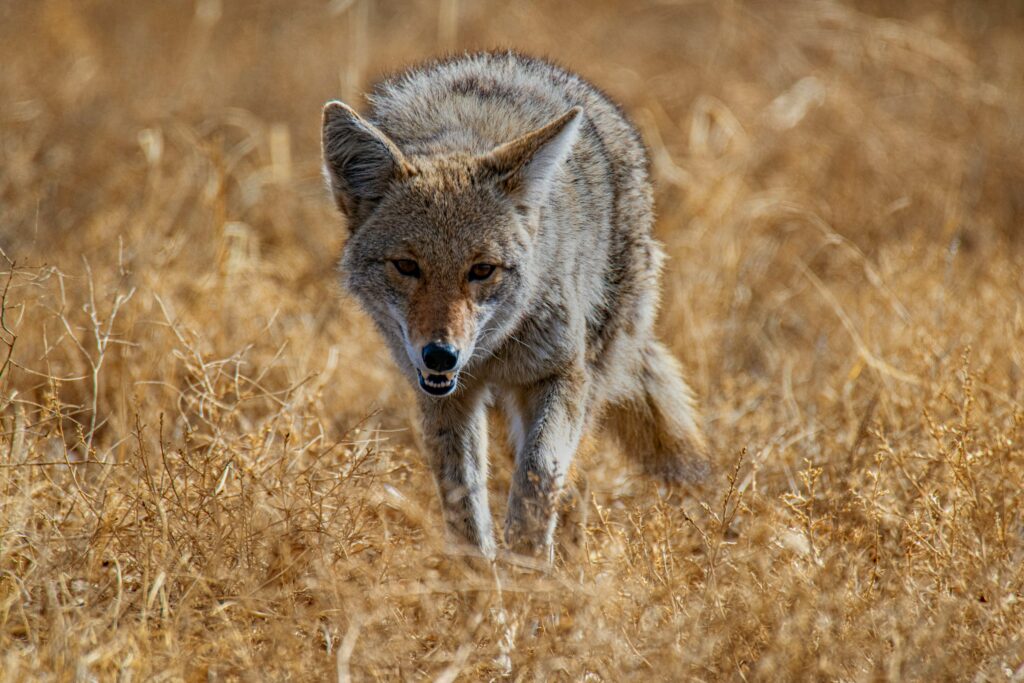
You probably first notice coyotes with that eerie yipping in the distance, and then suddenly they feel a lot closer than you’d like. When you have pets, kids, or livestock, that uneasy feeling can turn into real worry fast. The good news is that sound is one of the most powerful tools you have to push coyotes back and make your property feel like more trouble than it’s worth. You do need to be smart about it, though. Coyotes are insanely adaptable, and if you use the wrong sounds, or overuse the right ones, they can get used to the noise or even be drawn in by curiosity. Think of this less like scaring a cartoon wolf and more like training a very clever neighborhood dog to decide your place is boring, loud, and better avoided.
1. Sudden, Loud Human Voices

If a coyote already sees you or knows you’re there, your own voice is one of the most effective “get lost” sounds you can use. When you shout firmly, clap your hands, or bang something while yelling, you’re sending a clear message that a large, confident animal is defending this space, and most coyotes want no part of that. You don’t need to scream hysterically; what works better is a strong, steady, loud tone that makes you sound big and sure of yourself. You’ll get the best effect if you combine your voice with movement, like raising your arms, stepping toward the coyote, or stomping. Over time, if you consistently chase them off this way whenever they get too close, they start to connect your property with a loud, annoying human that ruins their plans. It turns your presence into a kind of living alarm system that tells them, every single time, that this yard never means an easy snack.
2. Air Horns and Boat Horns

If there’s one sound you can keep by the door that almost always shocks coyotes into bolting, it’s an air horn. Those compact canisters you squeeze, or a handheld boat horn, blast a harsh, high-volume noise that cuts right through the night. To a coyote, it’s like standing next to a jet engine suddenly firing up; it’s intense, unfamiliar, and impossible to ignore. Their survival instinct usually kicks in and they sprint away. You do need to be strategic, though. If you fire an air horn every single night at random, coyotes may gradually decide it’s just background noise that doesn’t actually hurt or chase them. You’ll get more mileage if you use it only when you actually see or hear them nearby, or when your cameras or motion lights suggest they’re close. Think of it as your emergency button, not a soundtrack you play all evening.
3. Motion-Activated Alarms and Sirens
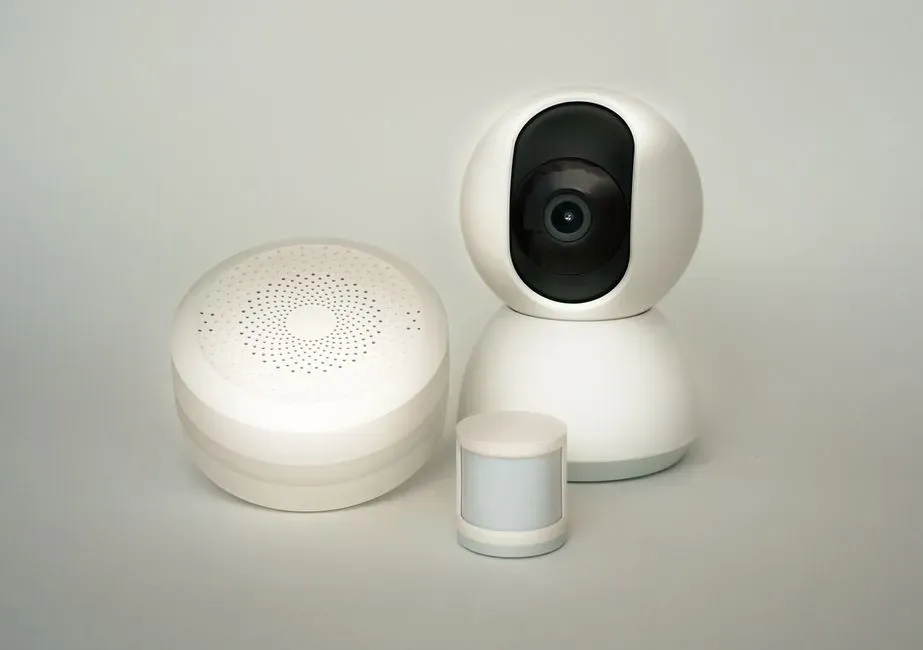
When you’re asleep or not at home, you obviously can’t shout at a coyote yourself, but you can let technology yell for you. Motion-activated alarms or driveway sirens can blast a shrill, pulsing sound whenever something moves through a certain area. To a coyote slipping along a fence line or sneaking up a driveway, that sudden screech can feel like walking into an invisible tripwire. It breaks their stealth and makes the area feel dangerous and unpredictable. You can aim these devices at known travel routes, like along brushy edges or between outbuildings, to catch curious visitors the moment they cross a boundary. Over time, coyotes may start avoiding that whole side of your property simply because every visit turns into chaos. Just keep in mind your neighbors’ sanity; choose models with adjustable volume and time limits so you’re not accidentally turning your yard into a miniature emergency scene every hour of the night.
4. Metal-on-Metal Clanging and Banging
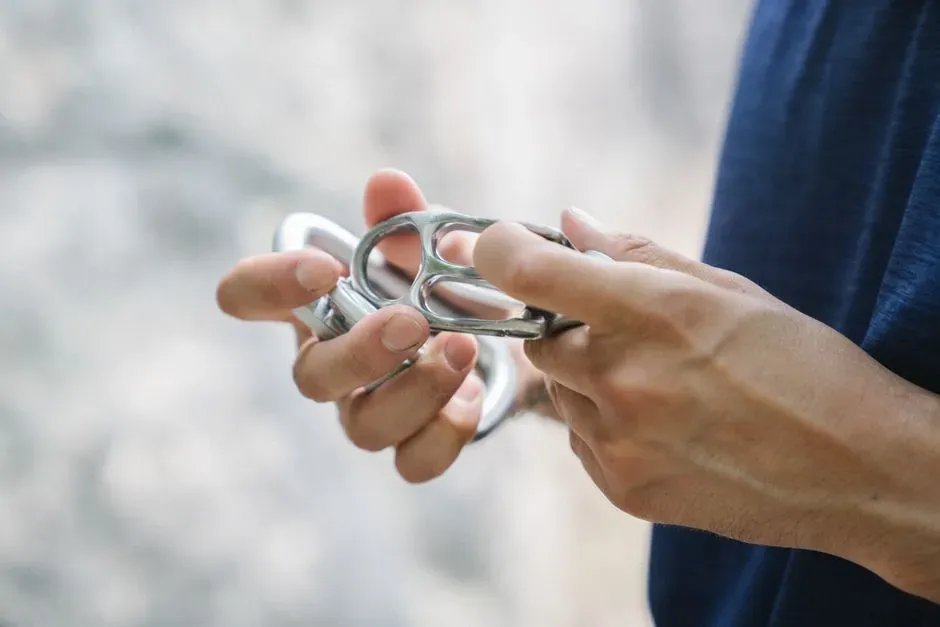
Coyotes live in a world of rustling grass, small animal sounds, wind in trees, and distant traffic. What they don’t naturally hear much of is harsh metal-on-metal clanging right next to them. When you grab a steel pan and wooden spoon, slap two metal lids together, or slam a shovel against a gate, you’re creating a jarring, unnatural racket that screams “human disturbance” in their ears. That sharp, clashing sound cuts across other noises and often sends them scrambling away. You can turn this into a habit whenever you take out the trash late, check on chickens, or let your dog out at night. A few seconds of loud clanging tells any coyote lurking nearby that you’re awake, active, and not sneaking around. Over time, they can start to link your routines with unpleasant, chaotic noise – exactly the opposite of the quiet, easy hunting grounds they’re hoping for.
5. Guard Dog Barking (Real or Recorded, Used Wisely)

Nothing says “This territory is not empty” like a deep, confident dog bark. Coyotes are used to the sound of dogs, but they generally avoid areas where a loud, active dog patrols regularly, especially if that dog has size and attitude behind its voice. If you already have a dog that barks when something approaches, that noise alone can act like a living fence, warning coyotes that this place comes with teeth and trouble. Some people use recorded dog barks on motion-activated speakers, and this can help if you do it carefully. You want the bark pattern to sound somewhat natural and not play every ten minutes all night long, or it turns into predictable background noise. If you go this route, think of it like an audio scarecrow: placed near vulnerable spots, triggered only when something moves, and used as a supplement to real barriers and good habits, not as your only line of defense.
6. Randomized Noise Machines and Radios

If coyotes are cruising close to your house, leaving a radio on outside can make your place sound busy and occupied. Human voices, music, and shifting sound patterns all send a subtle but clear message that people are present and awake. You can aim a radio toward areas like compost piles, livestock pens, or known fence gaps, keeping the volume at a level that reaches outside but doesn’t drive you crazy indoors. Even better are devices that can play a mix of noises on a random schedule – brief bursts of sound with gaps in between. The unpredictability matters because coyotes quickly figure out patterns. When the sound comes and goes in irregular ways, they never quite relax and may decide it’s easier to skirt a different route rather than risk walking into noise they can’t predict or understand.
7. Farm and Yard Machinery Sounds
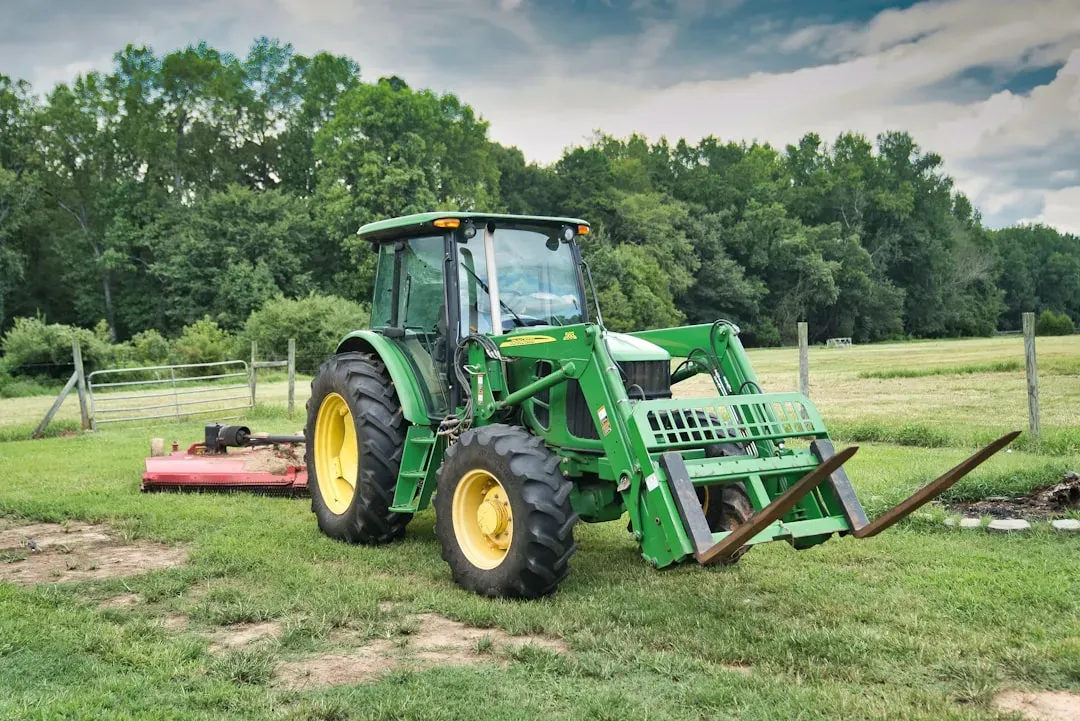
Coyotes often time their visits for when everything feels still and quiet. The hum and roar of mowers, tractors, ATVs, or even a loud shop vac tell them your property is active, noisy, and full of big moving objects that could be dangerous. If you regularly run equipment during dawn or dusk, when coyotes are more active, you’re teaching them that your land rarely sits peacefully empty. You obviously should not run machinery just to scare coyotes, but you can be intentional with your timing and locations. If you’ve spotted coyote tracks along a back pasture, doing your next mowing or equipment run back there sends a strong signal that this is not abandoned ground. Over time, the memory of big, rumbling machines in those spots can push them toward quieter, less disrupted areas instead.
8. High-Frequency Ultrasonic Deterrent Devices

Ultrasonic devices promise to blast high-pitched sounds that you can’t hear, but coyotes and other animals can. The idea is simple: the noise is irritating enough that they avoid the area, but it doesn’t bother you. In reality, results can be mixed, but many people find they help as part of a broader strategy. If you choose one, you’re aiming for something that covers the specific areas coyotes are using, like a garden, coop, or driveway entrance. Because coyotes are so adaptable, you shouldn’t rely on these gadgets alone. You’ll get better results if you combine them with physical barriers, good trash management, lighting, and some of the more obvious sounds like alarms or voices when needed. Think of ultrasonic sound as the background hum that makes your yard less comfortable, while the louder, more dramatic noises are the “absolutely not” signals when a coyote pushes in close.
The One Noise That Can Draw Coyotes Closer
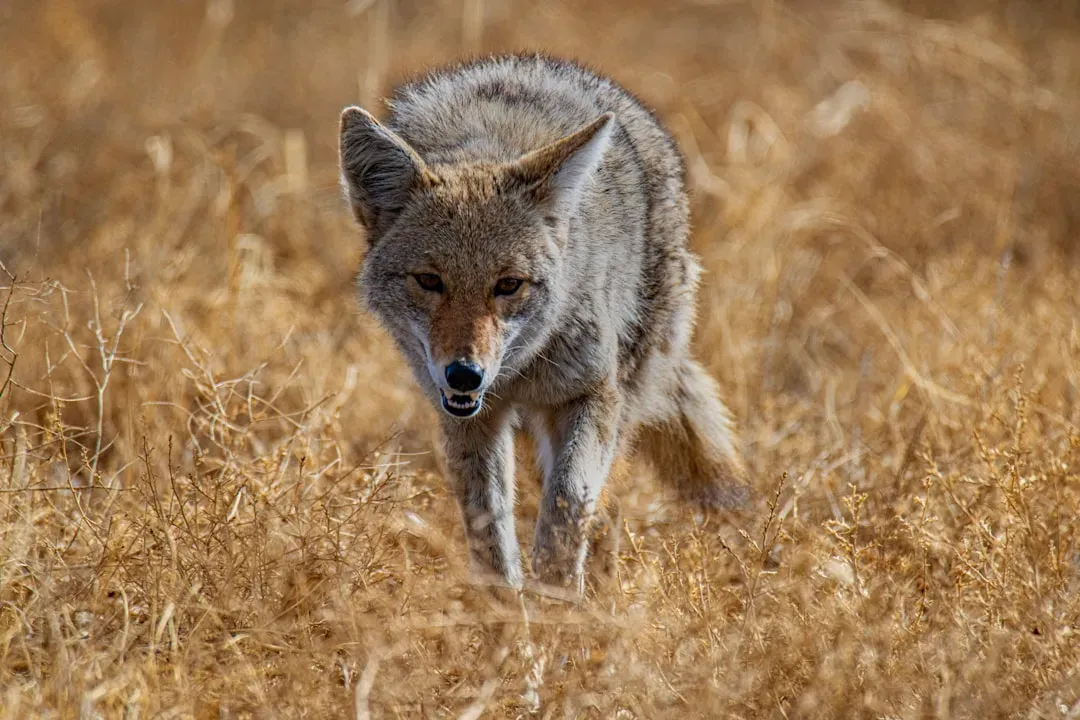
There’s one category of sound that can backfire badly: recordings or imitations of prey animals in distress. High-pitched squeals, wounded rabbit calls, or even certain bird distress sounds can act like a dinner bell for coyotes. Hunters use these noises on purpose to lure coyotes in from far away, because to a hungry predator, they sound like an easy, struggling meal. If you play those sounds around your property, you’re essentially advertising a buffet. You also need to be cautious with how social coyote vocalizations are used. Curiosity or territorial instinct can pull them closer if they think another coyote is in trouble or encroaching on their space. The safest approach is simple: avoid using any sort of prey distress calls, predator-calling devices, or apps that mimic wounded animals around your home, livestock, or pets. When in doubt, assume that realistic “prey in trouble” noises are going to bring coyotes in, not scare them away.
Conclusion: Turning Your Property into a “No Thanks” Zone
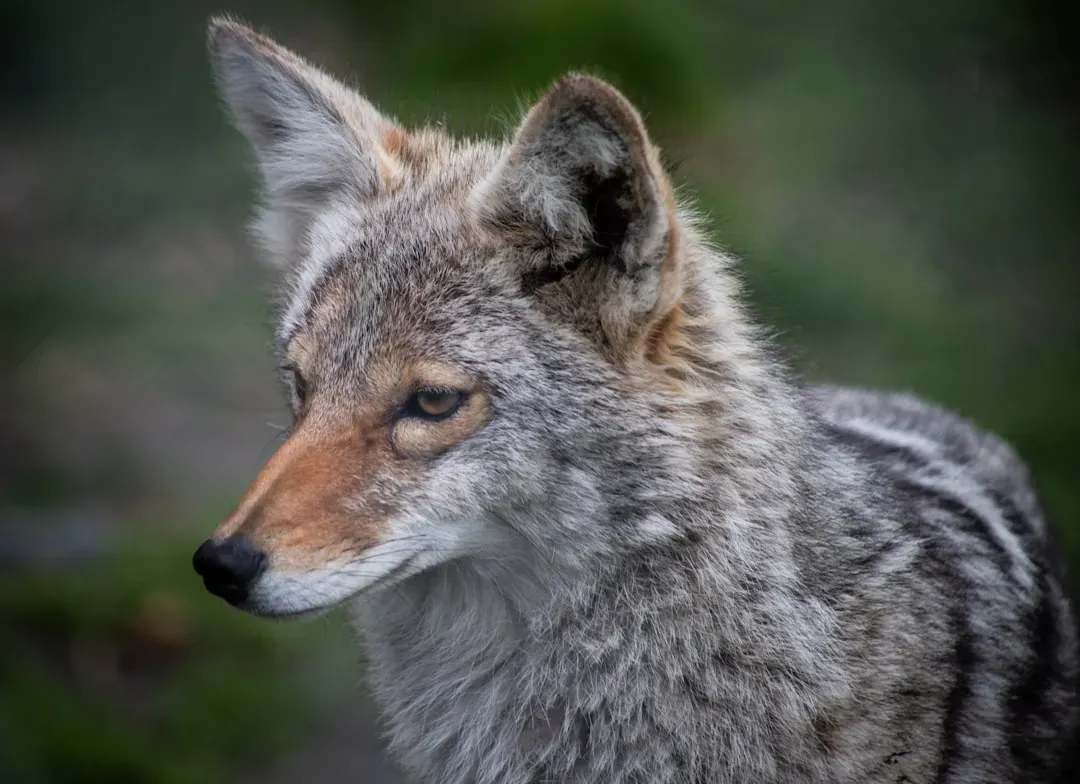
When you zoom out, you can see a clear pattern: coyotes prefer quiet, predictable places where no one challenges them, and sound lets you flip that script. By using loud human voices, horns, alarms, barking, machinery, and carefully chosen devices, you turn your yard into a noisy, inconvenient, and uncomfortable detour. Once a coyote learns that your property comes with sudden blasts of sound and active humans, it often decides to move on to easier pickings. The key is balance and consistency. You want enough noise to make your land feel defended and unpredictable, without going so overboard that the sounds become routine wallpaper or a headache for you and your neighbors. If you layer sound with common-sense steps – secure trash, no outside pet food, solid fencing – you shift from reacting in panic to actively shaping how wildlife moves around you. Knowing that, which sound are you going to put in place first tonight?