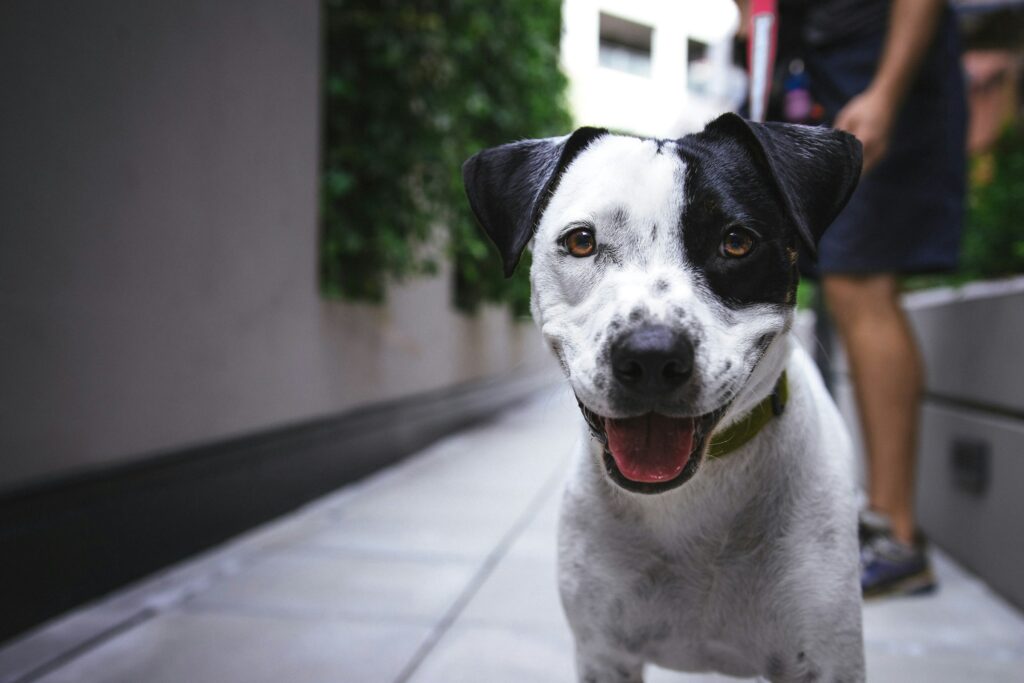
You probably know your street better than almost anywhere else in your world. You know which neighbor always waves, whose roses smell amazing, and which driveway has the squeaky basketball hoop. But your dog? Your dog seems to have their own mysterious map of the block – complete with invisible red zones where they slam on the brakes, refuse to move, or try to drag you across the road.
It can feel baffling, or honestly a little unnerving, when your normally happy walker suddenly plants their feet in front of the same house day after day. Animal behaviorists say your dog is not being dramatic or stubborn for no reason. They are detecting things you do not notice, making emotional associations you are not fully aware of, and trying to keep themselves – and you – safe in the only way they know how.
They Smell What You Cannot See
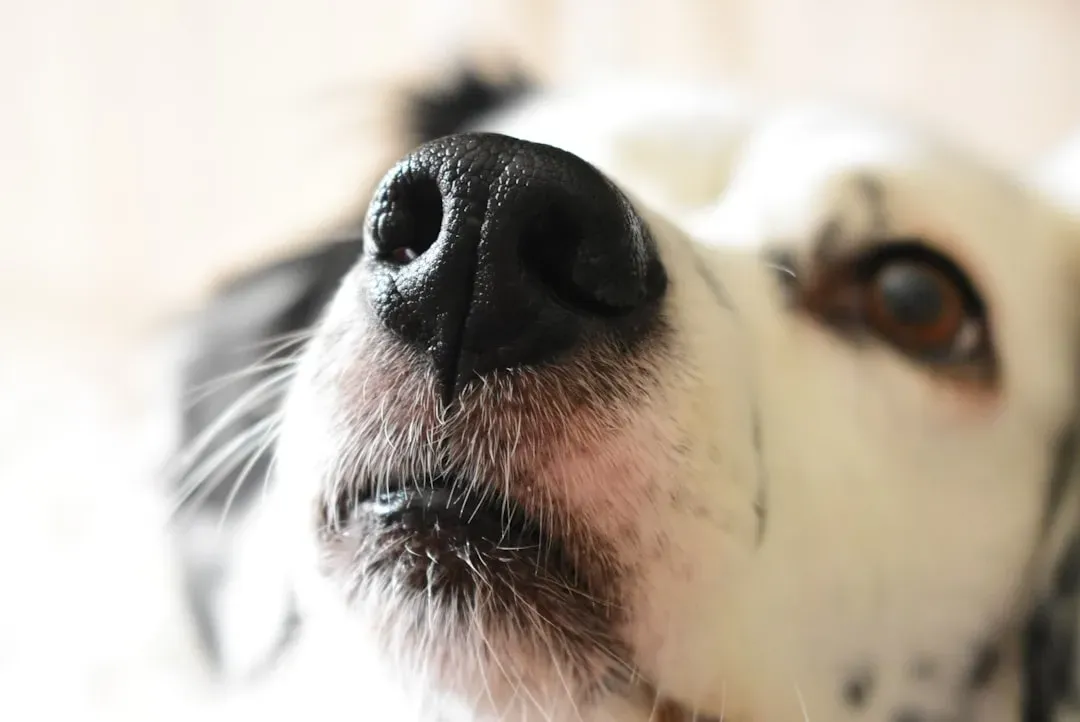
You move through your neighborhood mostly guided by sight, but your dog is walking through a world made of scent. Their nose can detect odors at concentrations so low you would have no chance of noticing them, and that means every yard, front step, and hedge on your street has its own powerful smell signature. If your dog refuses to pass a certain house, it might be because that particular scent mix feels wrong, overwhelming, or linked in their memory to something that scared or stressed them.
There might be another dog living behind that fence whose scent screams tension or aggression to your pup, even if you never see them. There could be strong chemical smells from pesticides, cleaning supplies, or even frequent cooking odors drifting out a vent that your dog finds harsh or unsettling. To you, it looks like a perfectly normal house; to your dog, it might smell like walking into a crowded, shouting room.
They Hear High-Pitched Noises You Tune Out
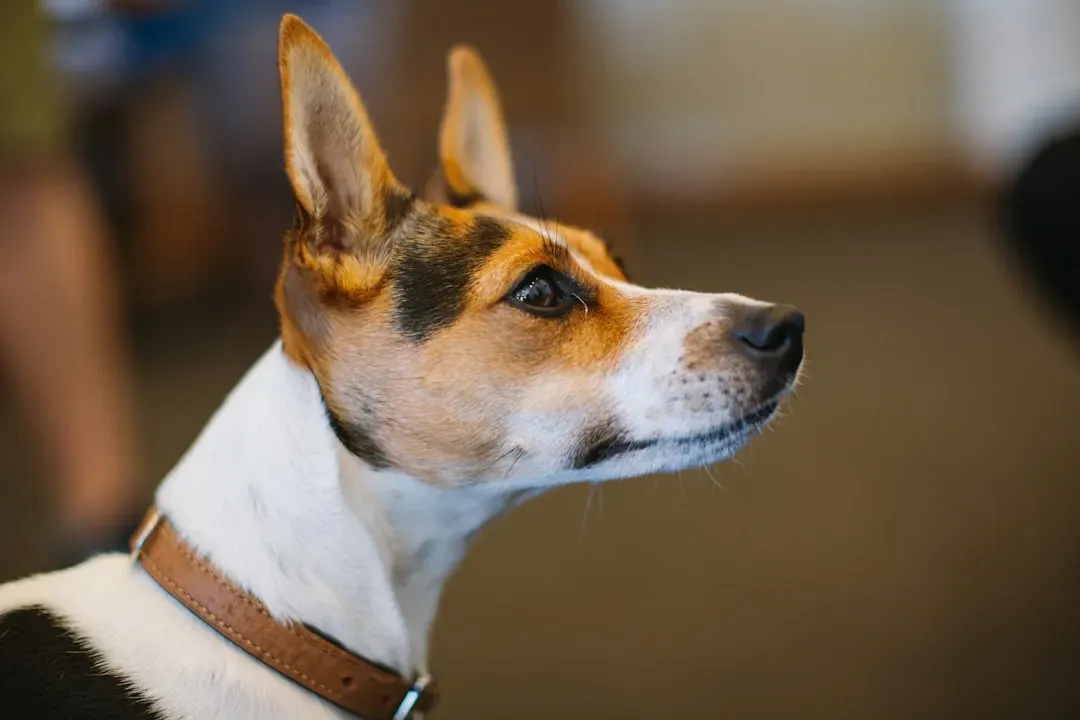
When you walk past a house, you probably notice obvious sounds – a TV, kids playing, maybe a garage door. Your dog, on the other hand, is picking up high-frequency noises and distant sounds that slide right past your awareness. A security system, a poorly grounded electrical device, a constantly running dryer, or a neighbor’s tools can all emit sounds or vibrations that feel sharp, painful, or just intensely irritating to your dog’s ears.
So when they suddenly lower their body, tuck their tail, or pull back right at one house, they may be bracing for a noise they have learned to anticipate, even if you hear nothing at all. Over time, they can form a strong negative association with that location: “When I get close to this gate, something scary or painful happens to my senses.” Avoiding that house then becomes self-protection, not stubbornness.
They Remember a Scare You Already Forgot
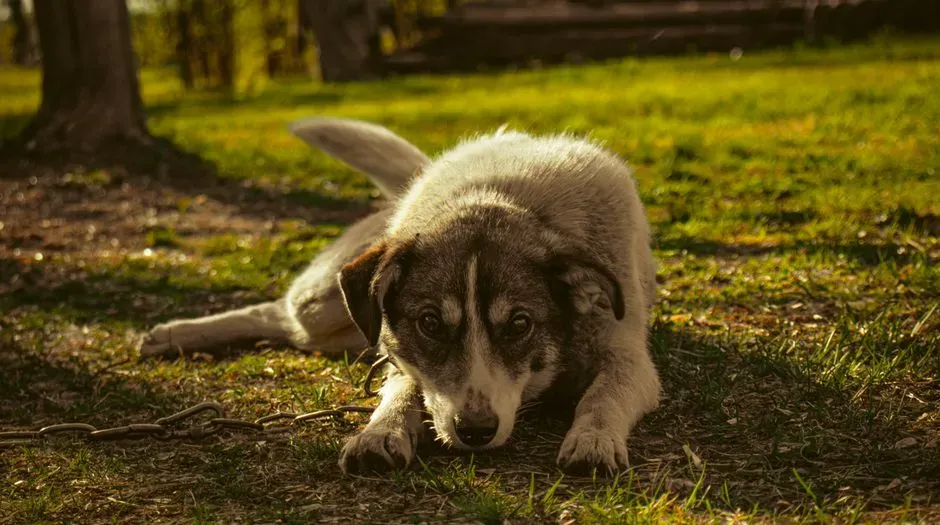
You might not remember that time a delivery truck hissed its air brakes right as you passed Number 27, or when a trash can slammed down behind a gate at the corner house. Your dog does. Dogs are extremely good at linking specific places with emotional events, especially frightening ones. For them, that strip of sidewalk or that driveway is not neutral; it is the exact spot where something sudden and scary once happened.
Even if that startling event never happens again, the emotional memory can stick. You may notice your dog trying to speed up before that house, glancing nervously at doors or windows, or stopping several yards away and refusing to budge. From their point of view, they are avoiding the place where the “monster” appeared last time, whether that monster was a loud noise, a barking dog, or a person who moved toward them too quickly.
They Sense Other Animals Behind the Scenes
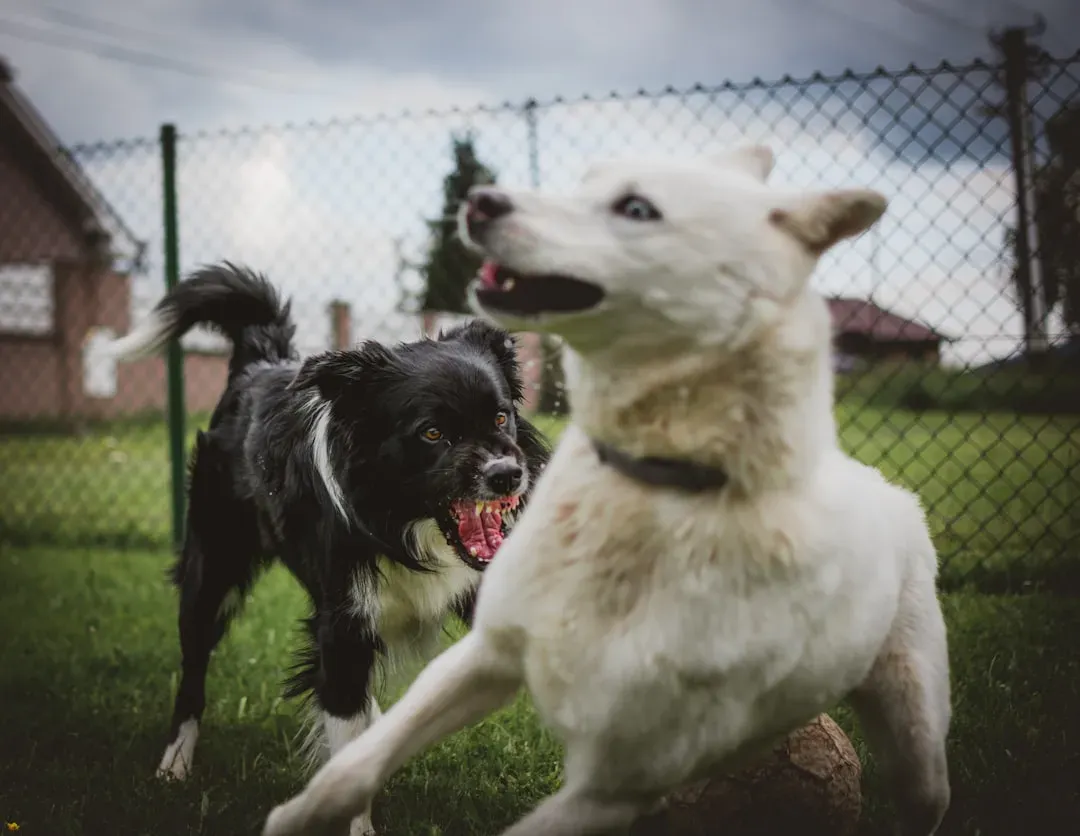
Sometimes your dog is reacting to animals you never see. A backyard can hold one or more dogs who rarely come outside when you are there, but they still leave dense scent trails and may bark, growl, or pace when they hear you walking by. Your dog picks up every bit of that – the smell of adrenaline, the scratching, the low growls through the fence – and decides that this is dangerous territory.
It is not only dogs either. Cats, wildlife like raccoons or coyotes, and even small pets like rabbits or chickens can create a kind of emotional “aura” around a property for a sensitive dog. If your dog is reactive or anxious around other animals, just knowing there is a strong animal presence behind a wall can be enough to make them stop cold or try to cross the street. To you it looks like empty grass; to them it is a border zone full of unknown creatures.
They Are Reading Human Energy and Routine
You already know your dog notices your mood, but they may also be subtly tracking the feel of different houses – who lives there, how loud they are, how often the door slams, whether people argue on the porch, or whether strangers often gather out front. Dogs are incredibly attuned to patterns, and they learn quickly which houses are calm, predictable backdrops and which ones are chaotic or tense.
If a house is regularly noisy, has frequent visitors crowding the front steps, or has someone who moves toward your dog in a way they find intimidating, your dog may start avoiding that zone entirely. They do not need to understand human drama to know that a particular driveway tends to come with fast movements, raised voices, or unpredictable behavior. When they dig in their heels, they might be saying, in their own way, that this patch of sidewalk never feels safe.
They Feel Subtle Changes in the Environment
You might think of your street as flat and familiar, but your dog is constantly monitoring tiny physical details: the feel of the pavement, airflow, temperature shifts, lighting contrasts, and even how confined the space feels. A narrow sidewalk squeezed between hedges and parked cars can feel like a trap for an anxious dog, especially if they have had a bad experience being cornered or rushed there before. A metal grate, shiny driveway, or steep slope can make some dogs freeze because it feels unstable under their paws.
On top of that, wind can whip scents straight into your dog’s face in certain spots, or funnel sound in odd ways between houses. A section that feels wide open and relaxed to you can feel like sensory overload to your dog because of angles, echoes, or rapidly changing shadows. When they drag you to the other side of the street, they might simply be choosing the route where the ground feels safer and the world feels less overwhelming.
They Are Testing Boundaries and Habits You Have Reinforced
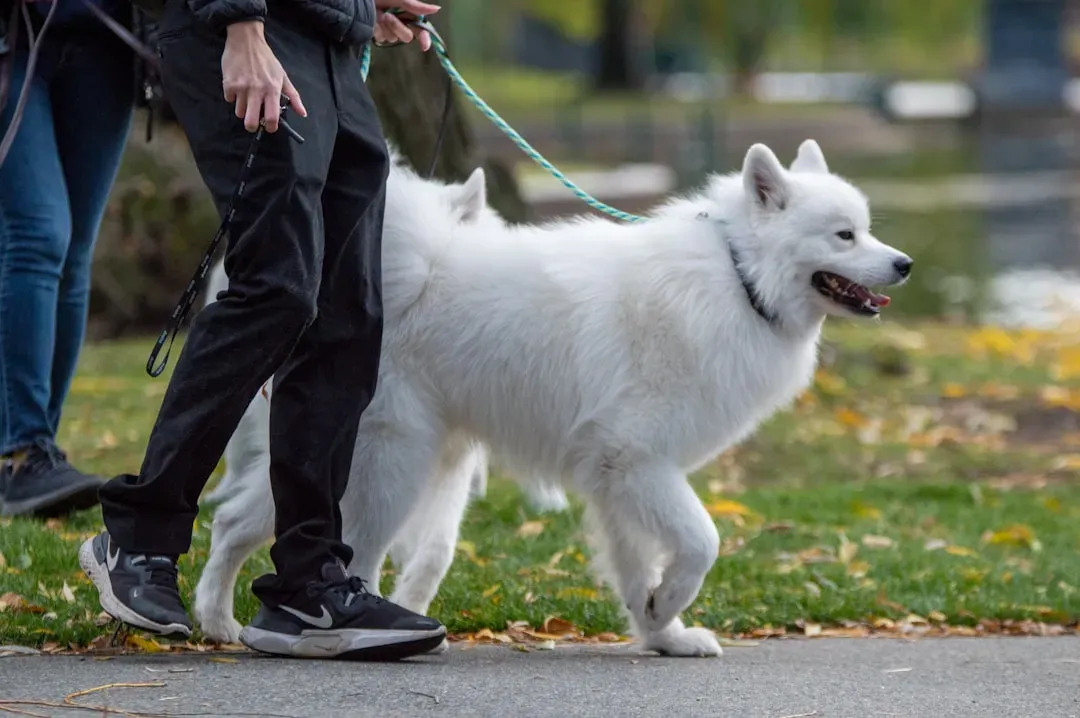
Not every refusal is rooted in fear; sometimes it is shaped by your past reactions. If your dog once balked at a house and you immediately turned around, offered treats, or spoke in a soothing, extra-attentive voice, they may have learned that stopping here is a great way to change the walk or get special attention. That does not mean they are manipulative; it just means they have noticed which behaviors lead to which outcomes, the same way they learn to sit for a snack.
Over time, that house can become a kind of decision point where they test what will happen if they put on the brakes again. You might see more subtle versions too: slowing to a crawl, zigzagging, or sniffing obsessively at the same spot. If fear is not obvious and your vet or behavior professional has ruled out pain or anxiety, you may be looking at a pattern that you accidentally reinforced and now need to gently retrain with calm consistency and clear cues.
They Might Be in Discomfort or Pain
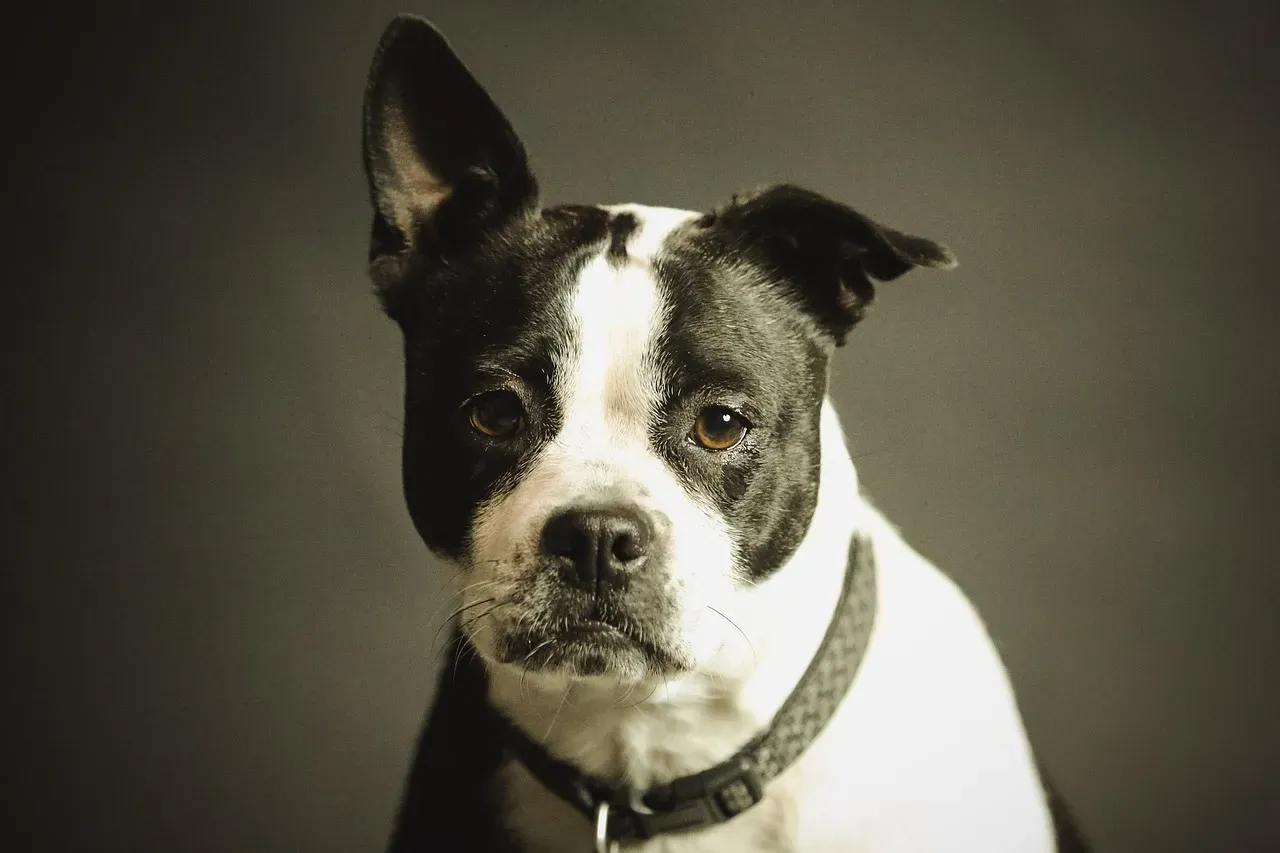
One of the most overlooked reasons your dog stops at specific spots is simple physical discomfort. If the walk to that point feels fine but going further always coincides with feeling tired, sore, or out of breath, your dog may learn to stop there as a way of saying they are done. Older dogs, brachycephalic breeds with breathing challenges, or dogs recovering from illness or injury may have a limit that just happens to reach a certain house on your block.
If you notice your dog slowing more often, panting hard even in mild weather, licking at joints, or hesitating on stairs at home, it is worth talking to your vet. Your dog may not be reacting to the house itself, but to how their body feels once they reach that point in the walk. From their perspective, turning around right there is logical: they are choosing to stop before walking tips over from slightly uncomfortable into truly painful.
What You Can Do When Your Dog Draws a Line
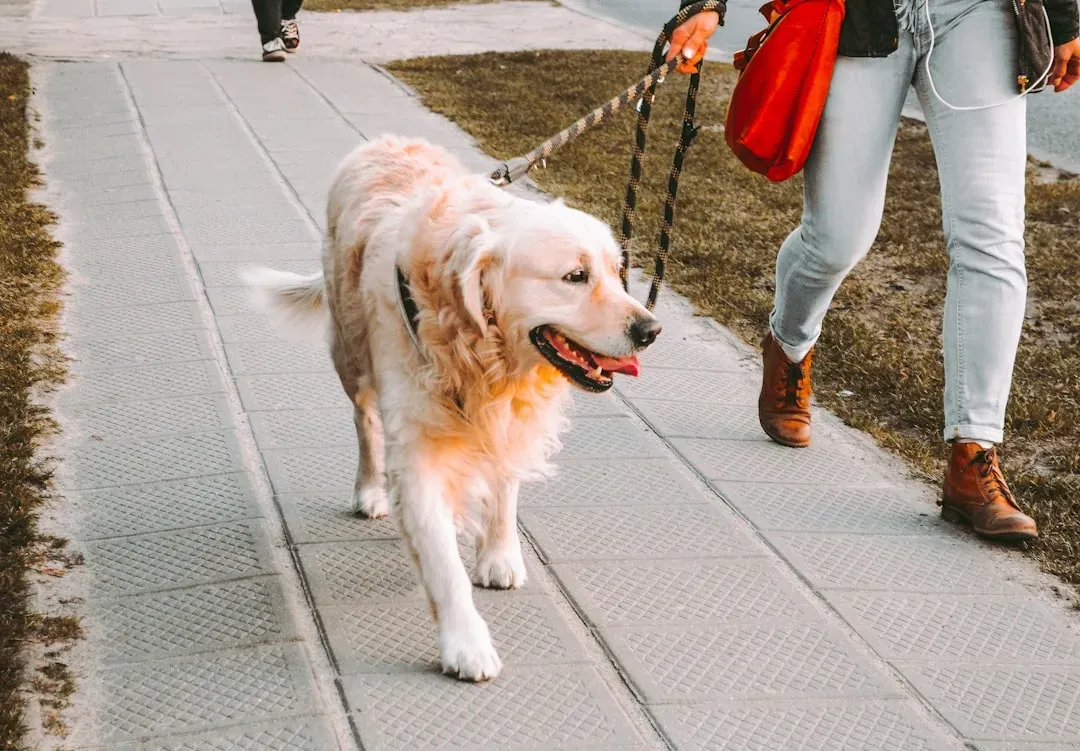
When your dog refuses to pass a certain house, your first job is not to drag them forward but to get curious. You can start by calmly observing their body language: are they stiff and alert, or low and fearful? Are they looking at a door, a window, the ground, or into a yard? Try approaching from the opposite side of the street or at a different time of day to see if that changes anything. Sometimes a small adjustment in distance or timing is enough to help your dog feel safer.
If your dog truly seems frightened or distressed, it helps to work with an animal behaviorist who can guide you through gradual, reward-based desensitization. You might spend a few walks just approaching to the point where your dog is still relaxed, feeding treats, then turning away, very slowly changing their emotional picture of that place. And if the issue seems related to pain or exhaustion, your vet can help you adjust walk lengths, surfaces, and pacing so that your dog no longer associates that house with hitting their physical limit.
Conclusion: Listening to the Story Your Dog Is Telling
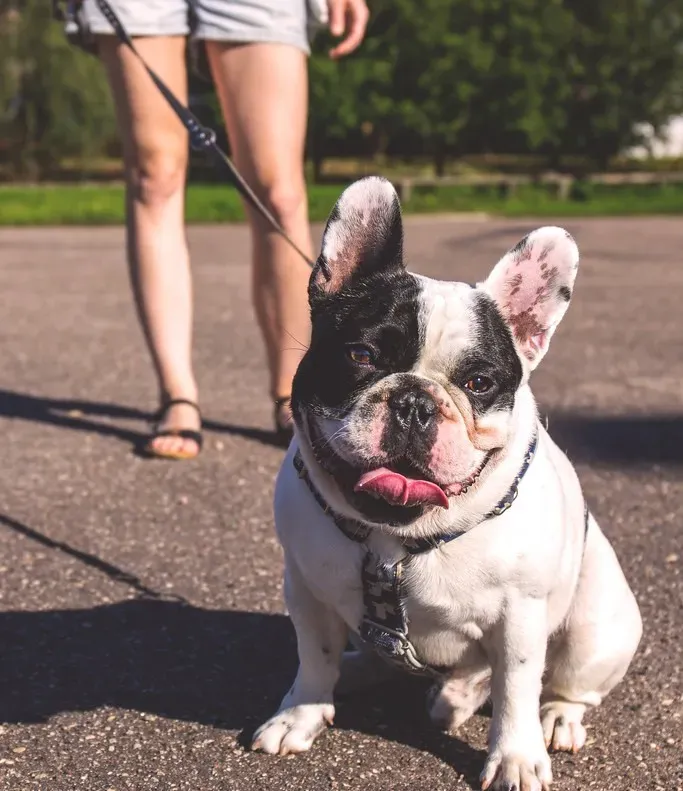
When you see your dog freeze in front of the same house, it is easy to get frustrated or embarrassed, especially if you are in a hurry or feel like the neighbors are watching. Underneath that awkward tug-of-war at the end of the leash, though, your dog is telling you a story about how they experience the world – a world of sharp sounds, powerful smells, emotional memories, and very real physical limits. They are not being difficult for fun; they are reacting to a picture only they can fully see.
If you treat these refusals as information instead of disobedience, you give yourself a chance to understand your dog more deeply and to make their walks feel safer, calmer, and more enjoyable. You may not always find the exact trigger behind that one house on your street, but you can always choose patience, empathy, and thoughtful training over force. Next time your dog plants their feet, you might quietly ask yourself: what are they picking up that you are finally ready to notice?