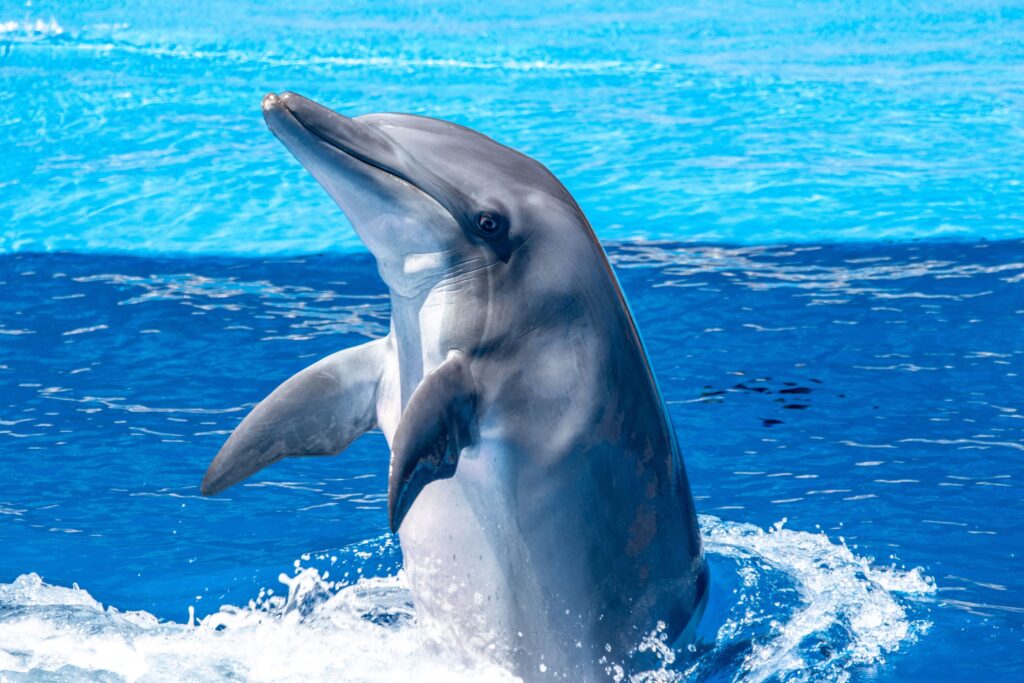
You probably grew up with the idea that dolphins are the smiling sweethearts of the sea: hyper-intelligent, endlessly friendly, almost like ocean puppies. When you look a dolphin in the eye, you feel like something is looking back at you, not just reacting on instinct. That part is true – dolphins really are astonishingly smart and socially complex – but once you dig into the research, you realize their world is far stranger, darker, and more morally complicated than any children’s documentary ever hinted at. Marine biologists have spent decades watching dolphins do things that do not fit neatly into everyday scientific language. Some behaviors are so disturbing or ethically charged that researchers either soften them into bland technical phrases or avoid describing them publicly at all. When you understand why, you start to see dolphins not as cartoons or saints, but as something much more unsettling: wild minds with their own rules, their own politics, and their own capacity for both tenderness and cruelty.
When “Cute and Smart” Is a Dangerous Oversimplification
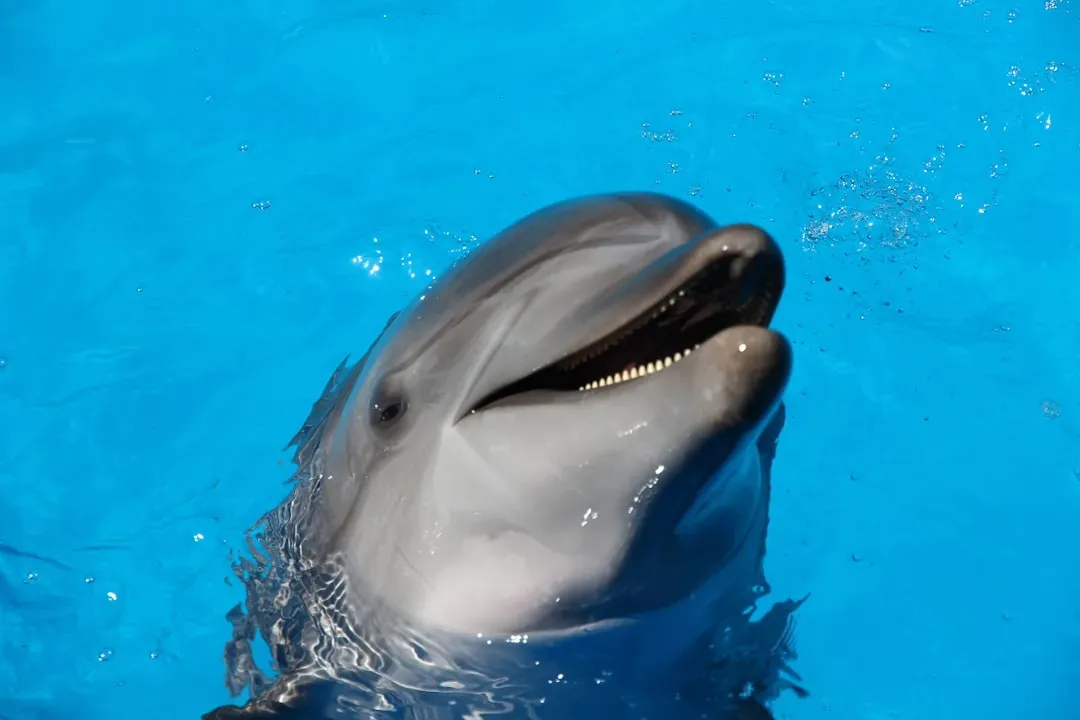
You are used to hearing that dolphins are intelligent, but you are rarely told what that really means in practice. Intelligence in dolphins shows up as long-term planning, strategizing in groups, flexible problem-solving, even what looks like cultural traditions passed from one individual to another over many years. That kind of mind does not stay safely inside the bounds of your comfort; it creates social worlds as messy and morally ambiguous as your own. Because you are human, you tend to put wild animals into two buckets: harmless and lovable, or obviously dangerous and scary. Dolphins blow that simple split to pieces. You can have the same animal gently supporting a sick pod member at the surface and, in another context, harassing, injuring, or even killing another animal in ways you would struggle to watch on video, let alone describe calmly at a conference or in a classroom.
Dolphin Society: Alliances, Betrayals, and Political Drama
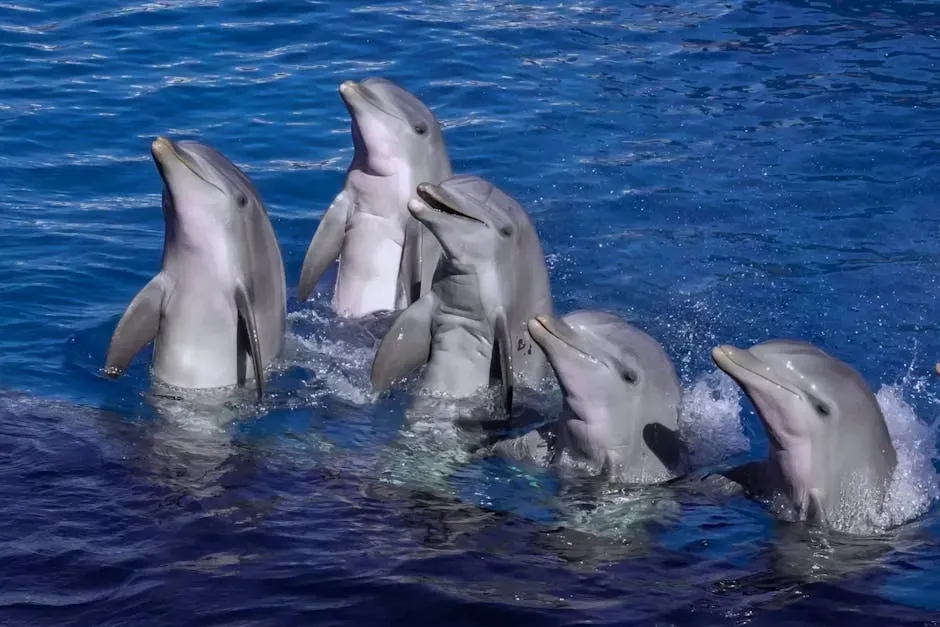
If you think of a dolphin pod as a big, happy family, you are missing the real story. A lot of dolphin species live in what you could honestly call political systems, with shifting alliances, cooperation between males who team up for years, and complex social maneuvering that reminds you more of a power struggle in a small town than a simple animal herd. You see males that cooperate to control access to females, form and break partnerships, and remember who helped them and who did not. In these social systems, you also find the darker side of intelligence: coercion, intimidation, and physical aggression that can stretch over long periods. You are looking at animals capable of recognizing individuals, holding what seems like grudges, and using force in ways that go beyond a quick dominance scuffle. Trying to describe some of these patterns in dry scientific language can feel almost dishonest, yet using everyday human words risks turning research reports into something that reads like a crime novel.
Violence, Coercion, and Behaviors You Do Not Hear About on TV
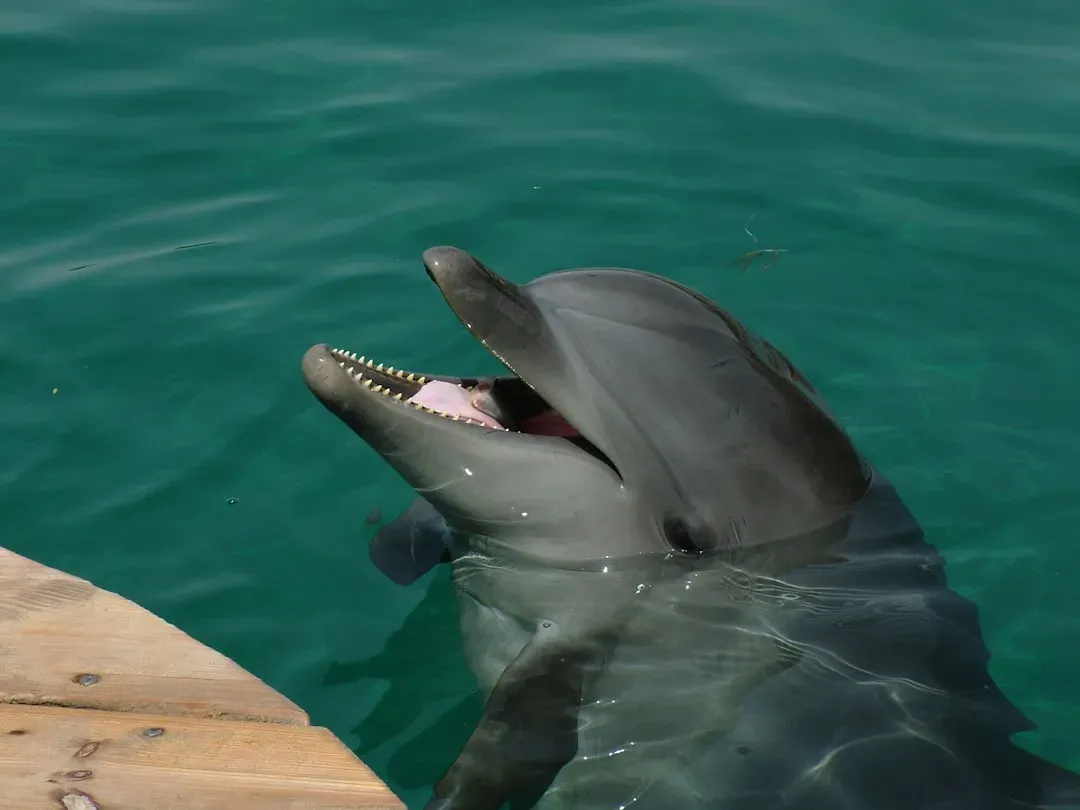
When you dig into technical reports and behind-the-scenes discussions, you start to hear about dolphin behaviors that never make it into glossy nature documentaries. You see cases of males harassing females, groups targeting vulnerable individuals, or interactions with other species that look, to your eyes, shockingly cruel. Scientists often resort to neutral phrases like “intense social aggression” or “coercive mating behavior” because anything more direct would sound brutal, even though it may be accurate. Part of the problem is that once you describe these acts plainly in a public forum, you are no longer just doing science; you are stepping into a moral minefield. You know some people will react by demonizing dolphins, while others will desperately defend them, insisting that nothing they do can be called cruel. Researchers are keenly aware of how quickly their words can ignite controversy or be misused by activists, industries, or the entertainment world, so they frequently choose to sidestep explicit descriptions altogether.
Anthropomorphism vs. Moral Horror: Why Language Breaks Down
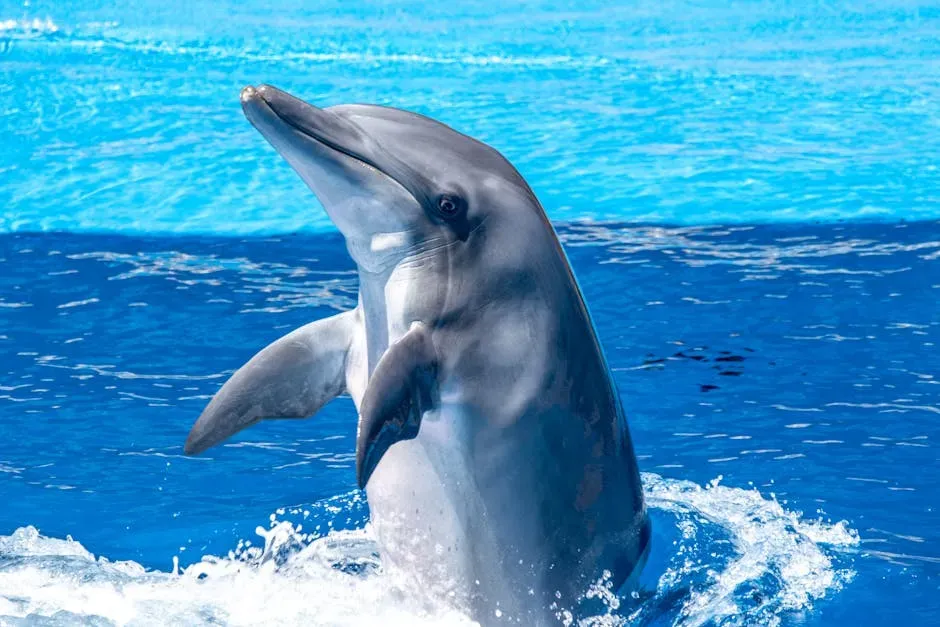
You face a strange double bind when you try to talk honestly about dolphins. On one hand, if you use human terms like assault, abduction, or torture, you risk projecting your own culture and legal concepts onto another species that does not share your norms or institutions. On the other hand, if you strip away all emotional language and call everything “intraspecific aggressive interactions,” you flatten the reality until it no longer feels true to what actually happened. This is where you hit the claim in the title head-on: there really are acts for which you do not have a neutral, emotionally safe vocabulary. If you soften the language, you mislead people about the severity. If you use plain, everyday words, you shock, polarize, and often misinform in a different way, because those words drag in a whole suitcase of human legal and moral baggage. The result is that many researchers choose technical vagueness or total omission when speaking in public.
Ethical Gag Rules: Why Some Details Stay Behind Closed Doors
You might assume that scientists always share everything they see as long as it is accurate, but in practice they do not. Research ethics committees, professional norms, and even informal lab culture all push toward caution when observations touch on sexually explicit behavior, severe violence, or anything that might be exploited for sensational media coverage. In public talks and interviews, you are more likely to hear the sanitized version, because nobody wants their careful data turned into a grotesque headline. There is also a responsibility you probably do not think about: how your reaction might affect conservation, funding, and policy. If the public starts to see dolphins as monsters, that can be used to justify mistreatment, culls, or neglect. If they are painted as pure and innocent, uncomfortable facts get buried, and your understanding of their needs becomes dangerously unrealistic. So researchers walk a tightrope: reveal enough to be honest and scientifically useful, but not so much that they trigger a moral panic or a backlash that harms the animals.
Dolphins as Persons or Predators? The Problem With Your Categories
You tend to swing between seeing dolphins as almost human persons or as simple predators following instinct, but reality sits stubbornly between those extremes. They show self-awareness, long-term memory, and what look like cultural traditions, which makes you want to talk about them in person-like terms. At the same time, they are unapologetically wild animals, with no obligation to fit your ideas of kindness, consent, or fairness. When you watch footage from long-term field studies, you notice how quickly your categories start to blur. One individual might display gentle caregiving toward a calf and later participate in a coordinated attack on another dolphin or another species. If you insist on calling them either innocent or evil, you will constantly trip over evidence that contradicts your preferred story. The truth is that their social world is as morally messy as your own, just built on a different set of rules you are only beginning to understand.
How Media Turns Complex Reality Into Harmless Myth
When you see dolphins in films, tourist brochures, or theme park shows, you are not seeing the full animal; you are seeing a curated character. Marketing campaigns lean hard into the idea of dolphins as playful, empathic, and safe, because that image sells tickets, books, and brand partnerships. The disturbing parts of their behavior vanish completely, or at best, they get a vague nod as “rough play” or “natural dominance” without any real detail. You might think this is harmless, but it shapes how you think about everything from swim-with-dolphin programs to captivity and conservation policy. If you believe dolphins are basically gentle, morally good beings, you are more likely to treat close contact as safe for both sides and less likely to accept data showing stress, injury, or aggression in those settings. The sanitized story about dolphins does not just hide uncomfortable truths; it actively steers your decisions in ways that may not be good for either you or them.
Why You Need to Hold Two Truths About Dolphins at Once
To really understand dolphins, you have to accept two things at the same time, even though they pull in different directions. First, they are genuinely remarkable: capable of cooperation, communication, and problem-solving that forced scientists to rethink what nonhuman minds can do. Second, they are fully wild: capable of acts that, if you saw them in your own species, would make you recoil, argue, or call for justice. Both of these truths show up in the data, and you cannot erase either one without lying to yourself. Once you admit that, your relationship to dolphins becomes more mature and more honest. You stop asking whether they are heroes or villains and instead ask how their minds and societies actually work, on their own terms. You can still fight for their protection, still feel awe when you see them slice through the waves, but you no longer need to pretend they are ocean angels. You respect them as they are: powerful, complicated, sometimes unsettling beings sharing a planet with you.
Conclusion: Facing the Uncomfortable Intelligence in the Water
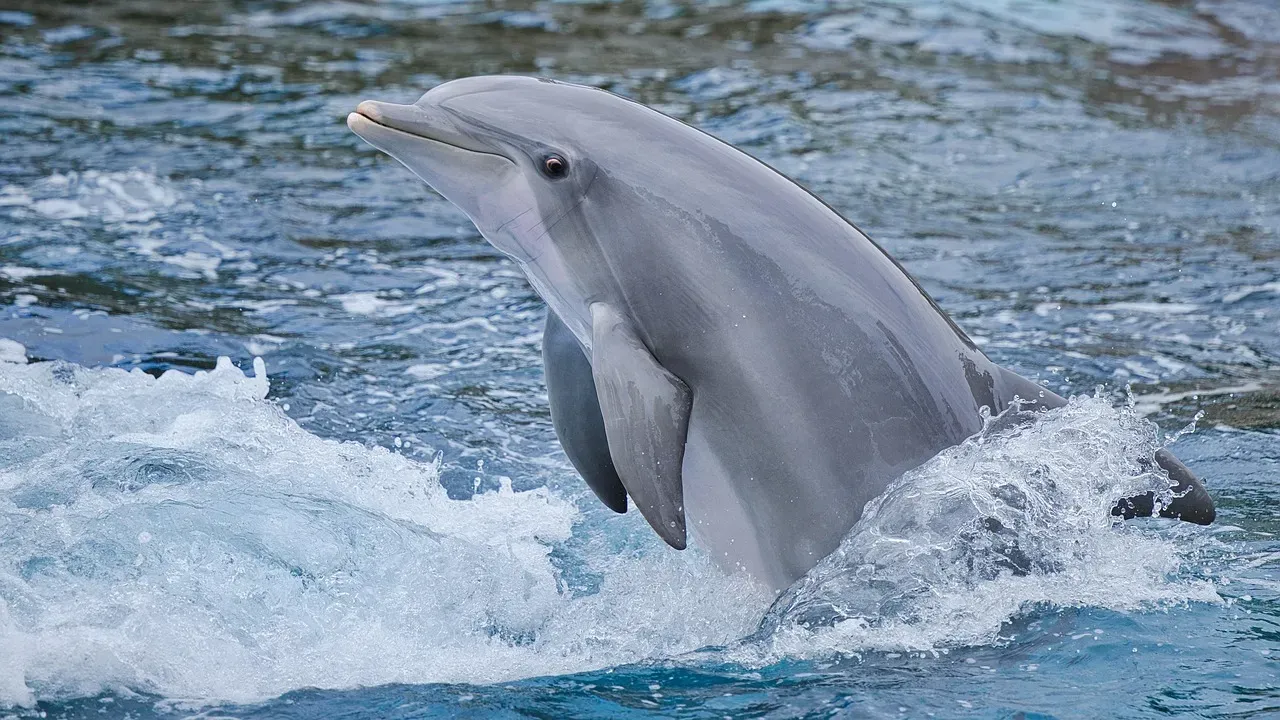
When you hear that marine biology has seen acts it has no safe language for and is ethically hesitant to describe in public, you are being invited into a difficult kind of honesty. Dolphins are not here to validate your fantasies about purity in nature or confirm your worst fears about predatory cruelty; they exist in their own fierce, intricate social worlds, where care and violence can sit uncomfortably side by side. Your challenge is to make space in your mind for a creature that is neither moral mascot nor villain, but something wilder and more complex. If you can hold that tension, you start to see dolphins – and maybe all wildlife – through a clearer lens. You recognize that sharing the planet with other intelligent beings means confronting behaviors that disturb you, without instantly forcing them into your human legal and moral boxes. In that uneasy space, you find a deeper kind of respect: not for the fantasy of the smiling dolphin, but for the real animal, whose mind and morals are its own. Now that you know how incomplete the familiar story is, how does that change the way you see that “friendly” silhouette surfacing beside your boat?