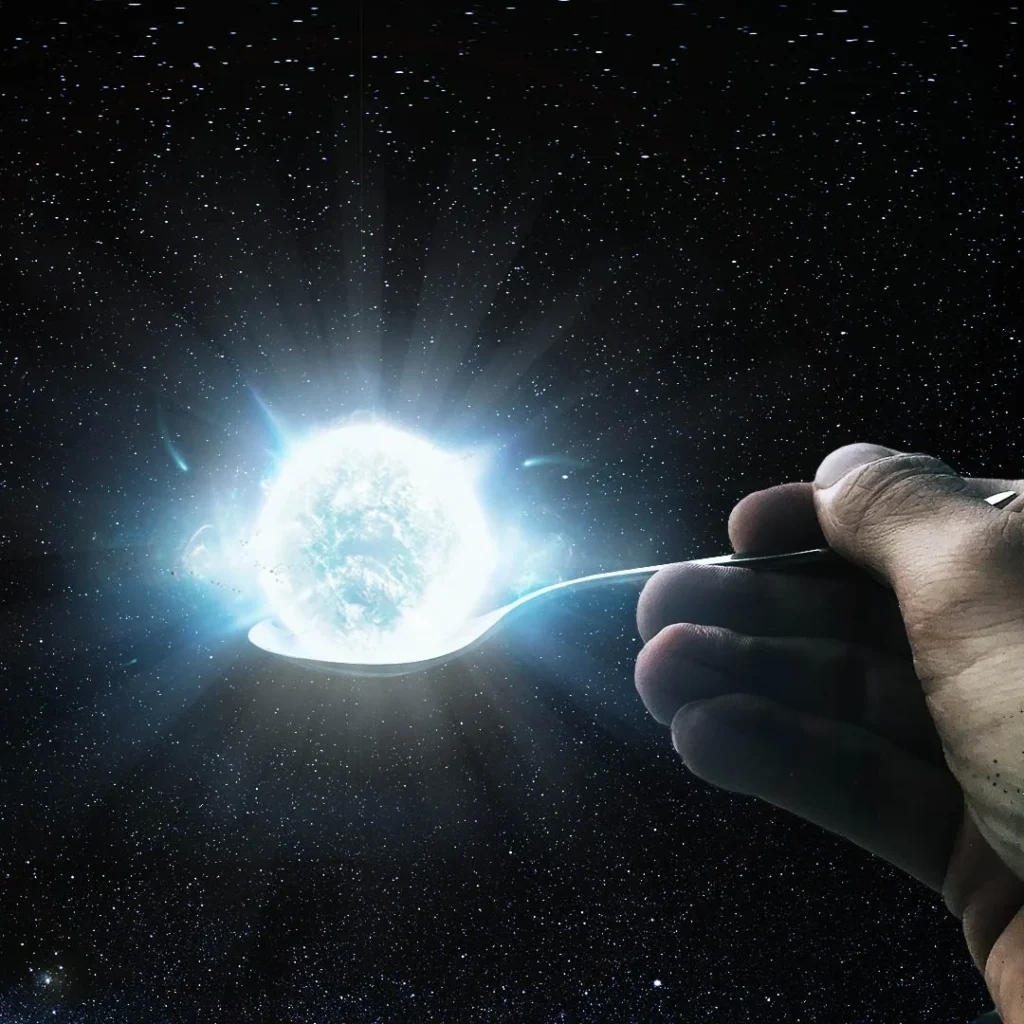

You live on a planet where a teaspoon is for sugar, salt, maybe cough syrup on a bad day. In astrophysics, though, that same teaspoon can become a doorway into the most extreme physics you will ever meet: matter so dense that a tiny spoonful would outweigh mountains, cities, even entire countries’ steel production. When you hear that a teaspoon of neutron star material would weigh roughly about a billion tonnes on Earth, it sounds like over-the-top science fiction, but you are looking at a sober calculation that astrophysicists check and re-check with real data from real stars. To really appreciate that number, you have to let go of everyday intuition. Your brain evolved to deal with apples and cars, not crushed stellar cores and curved spacetime. As you walk through what neutron stars are, how that insane density is calculated, and why scientists are so confident in the billion-tonne figure, you’ll find yourself in a strange space where your familiar physics still technically works – but in numbers so extreme they almost feel like a dare.
A Teaspoon That Outweighs a Mountain
Imagine you hold a metal teaspoon in your hand. You scoop up some water: a few grams, barely noticeable. Now picture replacing that water with neutron star matter. In that same tiny volume – roughly five milliliters – you’d be cradling mass comparable to the largest human-made structures ever built, compressed into a speck you could balance on your fingertip. If that mass could somehow exist at Earth’s surface without instantly obliterating everything, your arm would be pinned with a force that would not just break bones, it would crush bedrock below your feet. You are dealing with densities on the order of hundreds of trillions of kilograms in a single cubic meter, many orders of magnitude beyond anything you can produce on Earth. When you convert that density to the volume of a teaspoon, the math takes you straight into the range of about a billion tonnes – roughly as heavy as a giant mountain range squashed into a sugar cube. The shocking part is not that the number is huge; it’s that this number falls out of standard, well-tested physics, not any speculative theory.
What a Neutron Star Actually Is
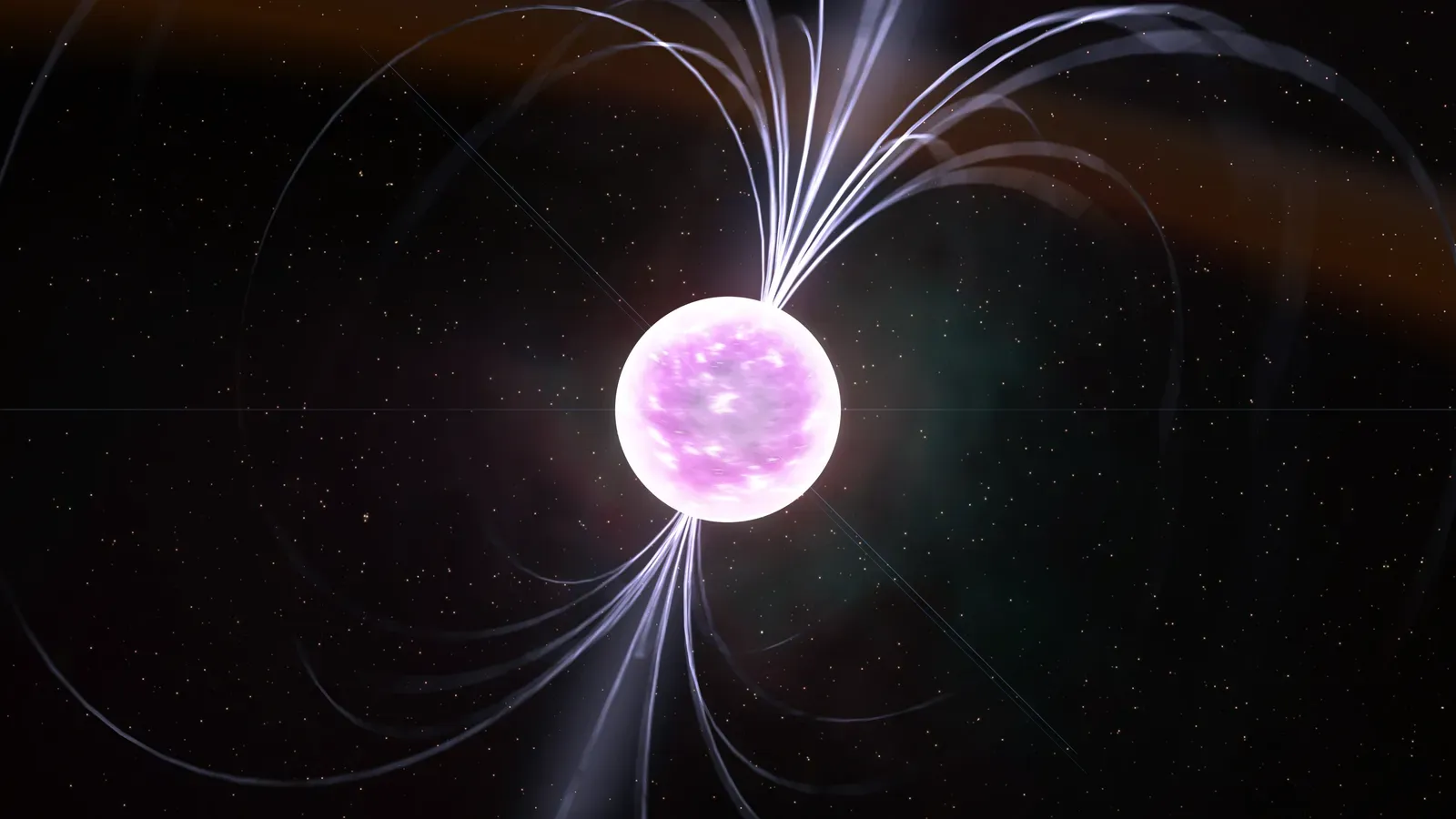
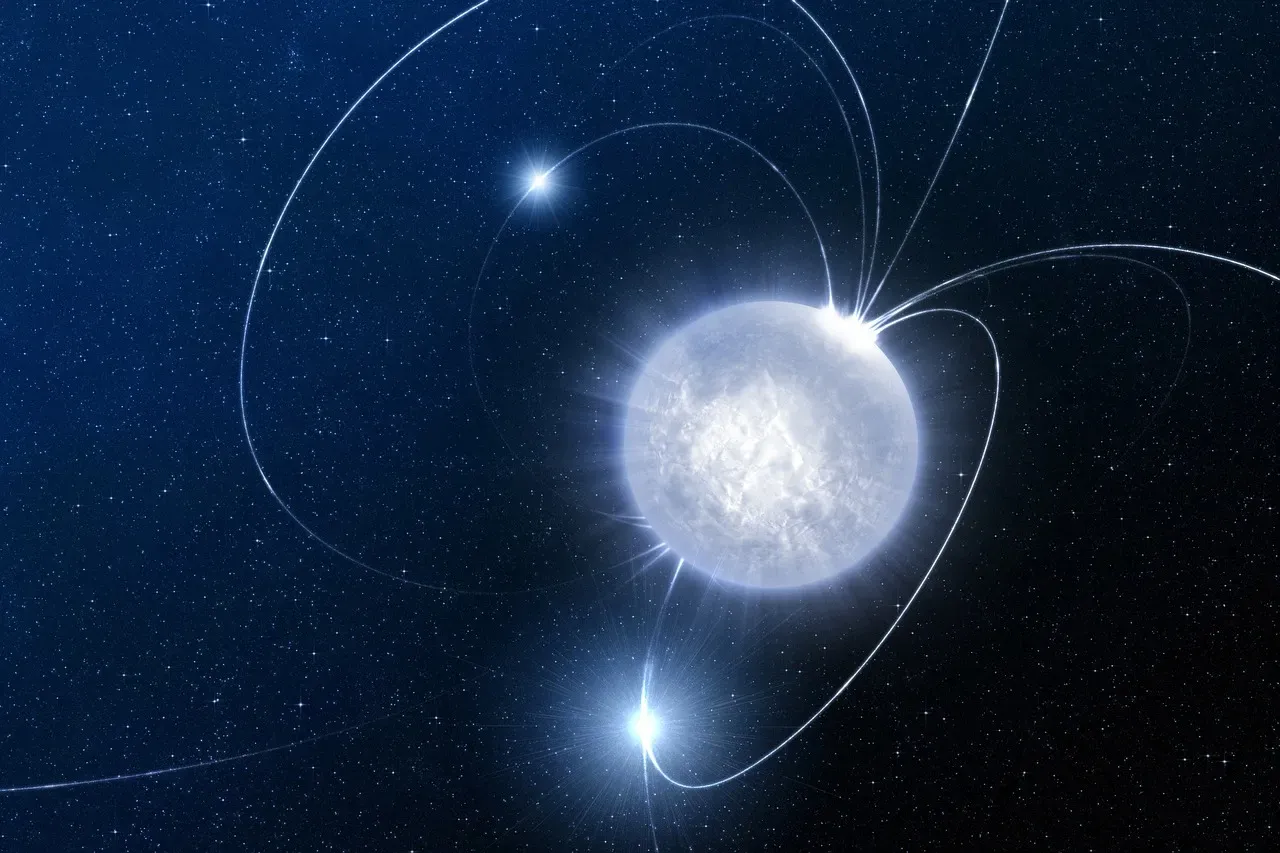
To understand why a teaspoon of this stuff weighs so much, you first need to know what a neutron star is. You start with a massive star, one significantly heavier than the Sun. It burns through its nuclear fuel, fuses elements up to iron, and then suddenly its inner energy source dies. Gravity, which the star has spent millions of years pushing against, finally wins. The core collapses in a catastrophic supernova, and what’s left behind in the right mass range is a neutron star. Inside that remnant, protons and electrons have been crushed together by gravity to form neutrons, packing matter into a state sometimes called nuclear density. You’re looking at an object around the mass of the Sun squeezed into a sphere only about twenty kilometers across. That means you could fit one of these stars over a medium-sized city, but it would weigh more than your entire solar system’s rocky planets combined. This is why every tiny sample of it carries absurd mass: you’re sampling a piece of a Sun compressed into something closer in size to a city.
How Astrophysicists Get to the Billion-Tonne Number
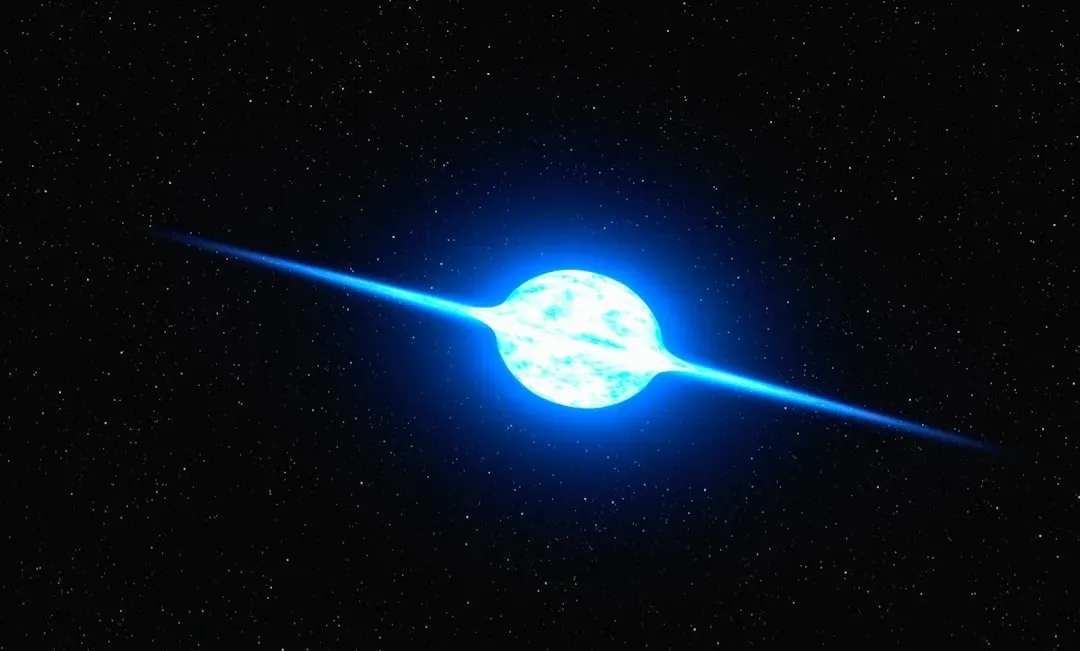
You might wonder if this is one of those “sounds cool, who’s really checking?” sort of claims, but the path from observation to that billion-tonne teaspoon is straightforward once you accept how we measure neutron stars. Astronomers can estimate a neutron star’s mass from the orbits of companion stars or other neutron stars, using the same basic gravitational physics that lets you compute the mass of Earth or the Sun. They can also estimate the star’s radius from X-ray measurements, thermal emission, and analysis of how light curves as it travels through intense gravity. Once you have a mass and radius, you can compute the average density: mass divided by volume. For neutron stars, this average comes out roughly in the range of a few times nuclear density, which already tells you you’re in the realm of hundreds of trillions of kilograms per cubic meter. From there, you just scale down to the volume of a teaspoon. Multiply the density by about five milliliters of volume, and you end up with something on the order of a billion tonnes at Earth’s gravity. Different neutron stars give slightly different numbers, but you land in this neighborhood over and over again.
Why the Calculation Keeps Being Confirmed
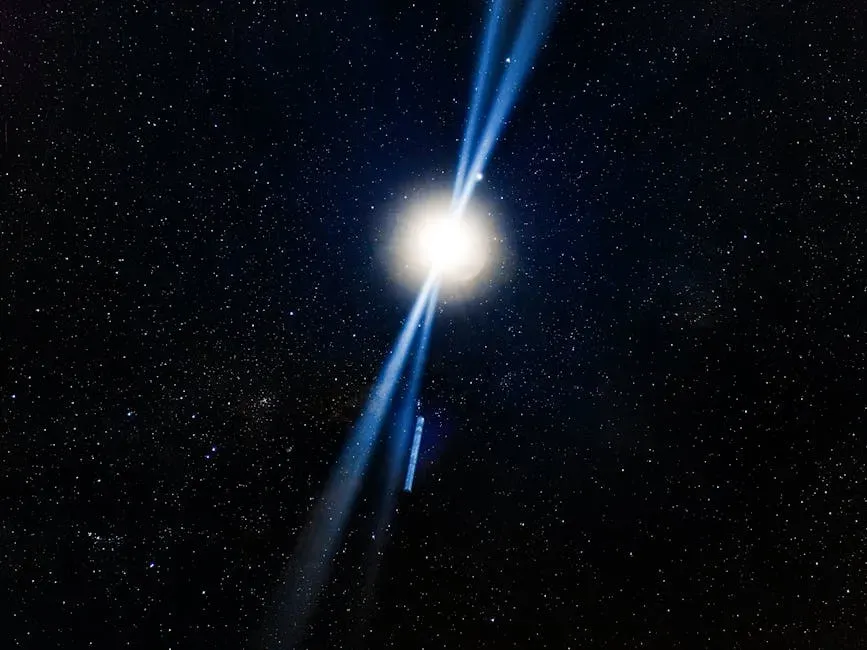
You are not relying on a single clever paper from decades ago; you’re leaning on a whole stack of independent observations and methods that all converge. Radio astronomers track pulsars – spinning neutron stars that act like cosmic lighthouses – and map their timing, orbits, and spin-down rates. X-ray telescopes study how hot their surfaces are and how radiation is bent by gravity near the star’s rim. Gravitational-wave observatories even pick up ripples in spacetime when two neutron stars collide, letting you reverse-engineer their masses and sizes. Each of these approaches feeds into models known as equations of state, which describe how matter behaves at insane pressures. Those equations predict density profiles – how density changes from center to surface – and they are tuned to match real observations. When those models and the data line up, they lock in the allowed combinations of mass and radius. The fact that various independent techniques, using different instruments and assumptions, all point to similar densities is why you can say this billion-tonne teaspoon is not poetry. It is a repeatedly cross-checked result.
Why Such Extreme Density Does Not Tear the Star Apart
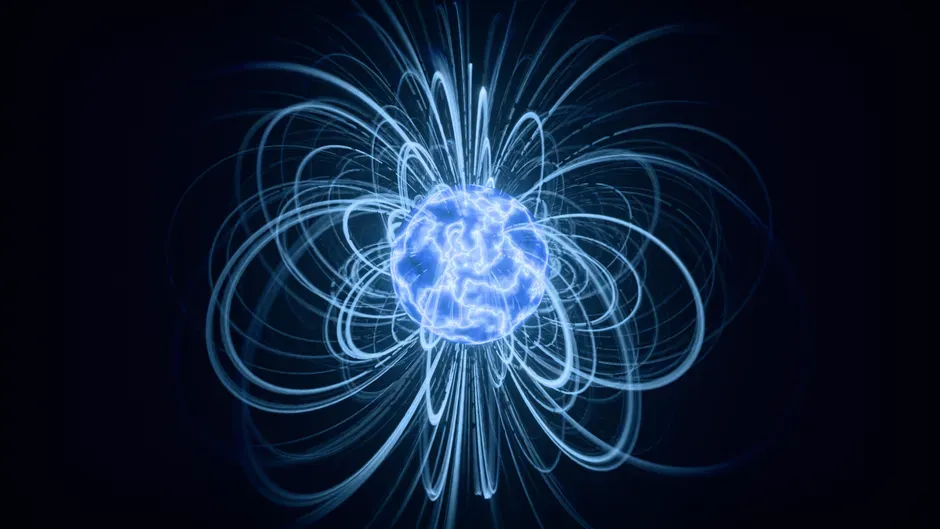
At first glance, you might expect that crushing matter to this degree would simply make it collapse forever into a black hole, but for neutron stars the situation is more subtle. Gravity is indeed pulling everything inward, but degeneracy pressure from neutrons – arising out of quantum mechanical rules that say identical particles cannot all occupy the same state – pushes back. It is as if you have a cosmic traffic jam of neutrons that physically cannot all squeeze into the same quantum lane, and this resistance holds the star up against gravity. There is a tipping point, though. If the mass is too high, neutron degeneracy pressure and other nuclear forces cannot hold the line, and the star will indeed collapse into a black hole. You live in an interesting universe where some stellar cores land in that in-between zone: too heavy to remain normal stars but not heavy enough to vanish behind an event horizon. For those survivors, the compromise is a body so dense that every spoonful reaches that billion-tonne mark before gravity finally gives way at higher masses.
Why You Cannot Actually Scoop a Teaspoon of It
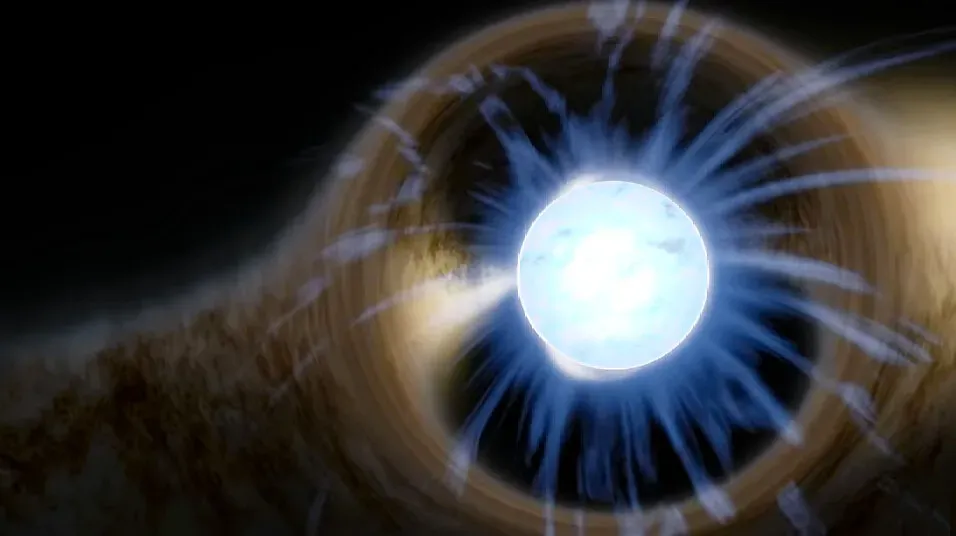
Even though it is fun to imagine a jar of neutron star matter on your kitchen shelf, reality is not going to cooperate. Neutron star material is only stable under the crushing gravity and pressure inside the star. If you could magically teleport a chunk of it to Earth, it would no longer be confined by that intense gravitational field. The neutrons would not happily sit packed so tightly; the material would decompress violently, transforming as nuclear reactions and particle decays tear it out of its ultra-dense state. You would not get a quiet brick of super-heavy stuff; you would get an explosive, rapidly expanding mess of hot nuclear matter and radiation. So when you picture that billion-tonne teaspoon on Earth, you should think of it as a mental translation: you are asking what mass is packed into that tiny volume on the star, then asking how much it would weigh in Earth’s relatively weak gravitational field. In practice, there is no safe way for you to interact with a real sample. The only laboratory you have for this material is the neutron star itself.
How Neutron Stars Bend Time, Space, and Your Intuition
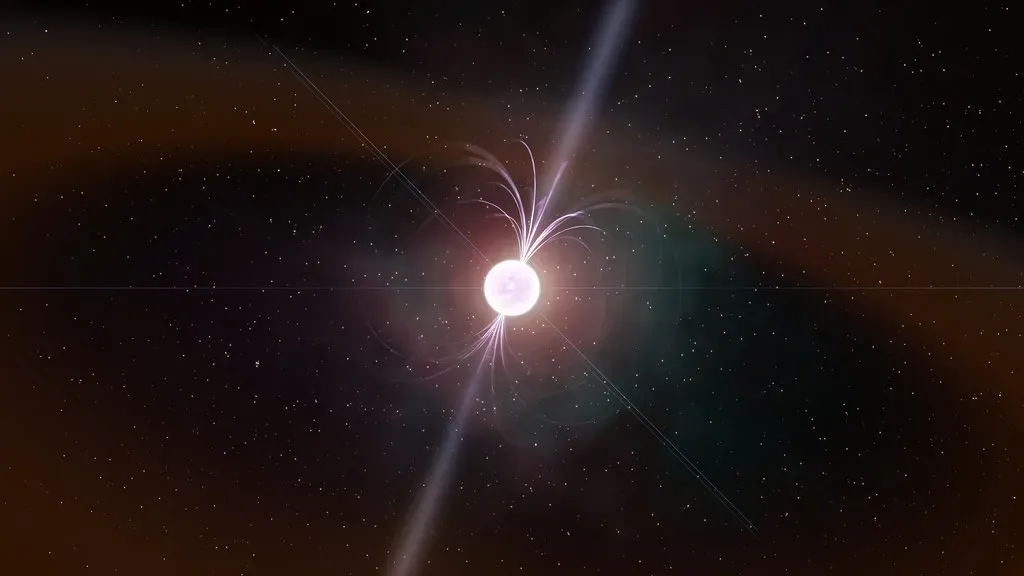
If you could get close to a neutron star – ignoring for a second that you would be turned into plasma – you would see gravity taken to an extreme your intuition cannot fully handle. Light leaving the surface climbs out of a steep gravitational well, losing energy and shifting toward redder wavelengths. Time itself runs more slowly near the star compared to far away. These are not just wild claims; they are predictions of general relativity that match what you infer from pulsar timing and X-ray observations. For you, that teaspoon’s mass is not just a heavy object; it is a local distortion of spacetime. On Earth, mountains barely dent the geometry around you, but a neutron star’s mass compacted into such a small region means spacetime is deeply curved. The billion-tonne figure becomes a bridge between your everyday world and this extreme curvature. It is the same physics you use to calculate satellite orbits and GPS corrections, simply pushed to a regime where your mind starts to rebel at the scale.
What This Tells You About Matter and the Limits of Physics
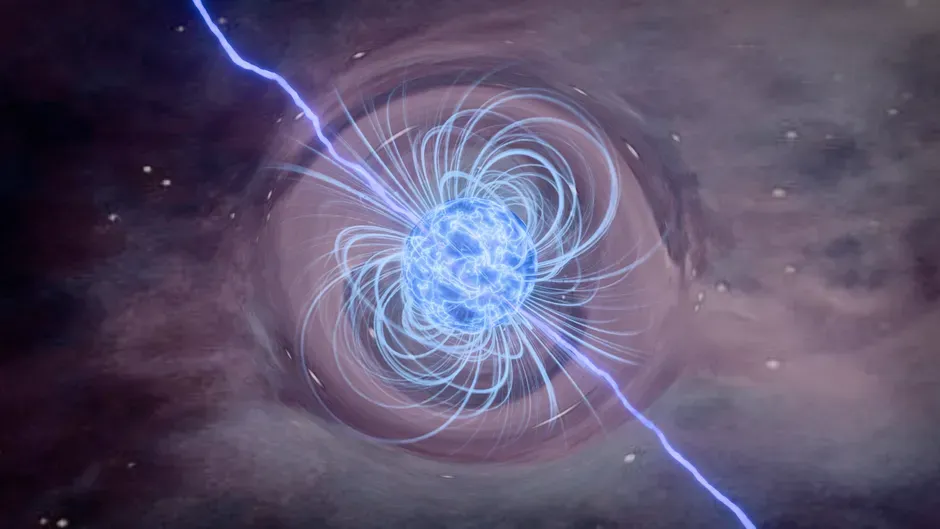
When you follow this trail from teaspoon to neutron star, you end up bumping into some of the deepest questions in physics: what is matter, really, when you strip away space between particles? How do neutrons, quarks, and possibly even stranger forms of matter behave when pushed beyond what your particle accelerators can achieve? Neutron stars are like natural laboratories where matter is squeezed harder than you will ever manage on Earth, and the billion-tonne teaspoon is your shorthand for that entire research frontier. You also get a humbling reminder that your daily experience of “solid” things – rocks, metal, your own body – is mostly empty space held together by electromagnetic and nuclear forces. In a neutron star, that space is largely taken away. When you compress matter enough, you trade emptiness for density and swap familiar structures for exotic, collective behaviors. The fact that you can even estimate the mass of a teaspoon of this stuff with some confidence tells you how far your understanding of physics has come, and also how far you still have to go.
Conclusion: A Tiny Spoonful, A Giant Reality Check
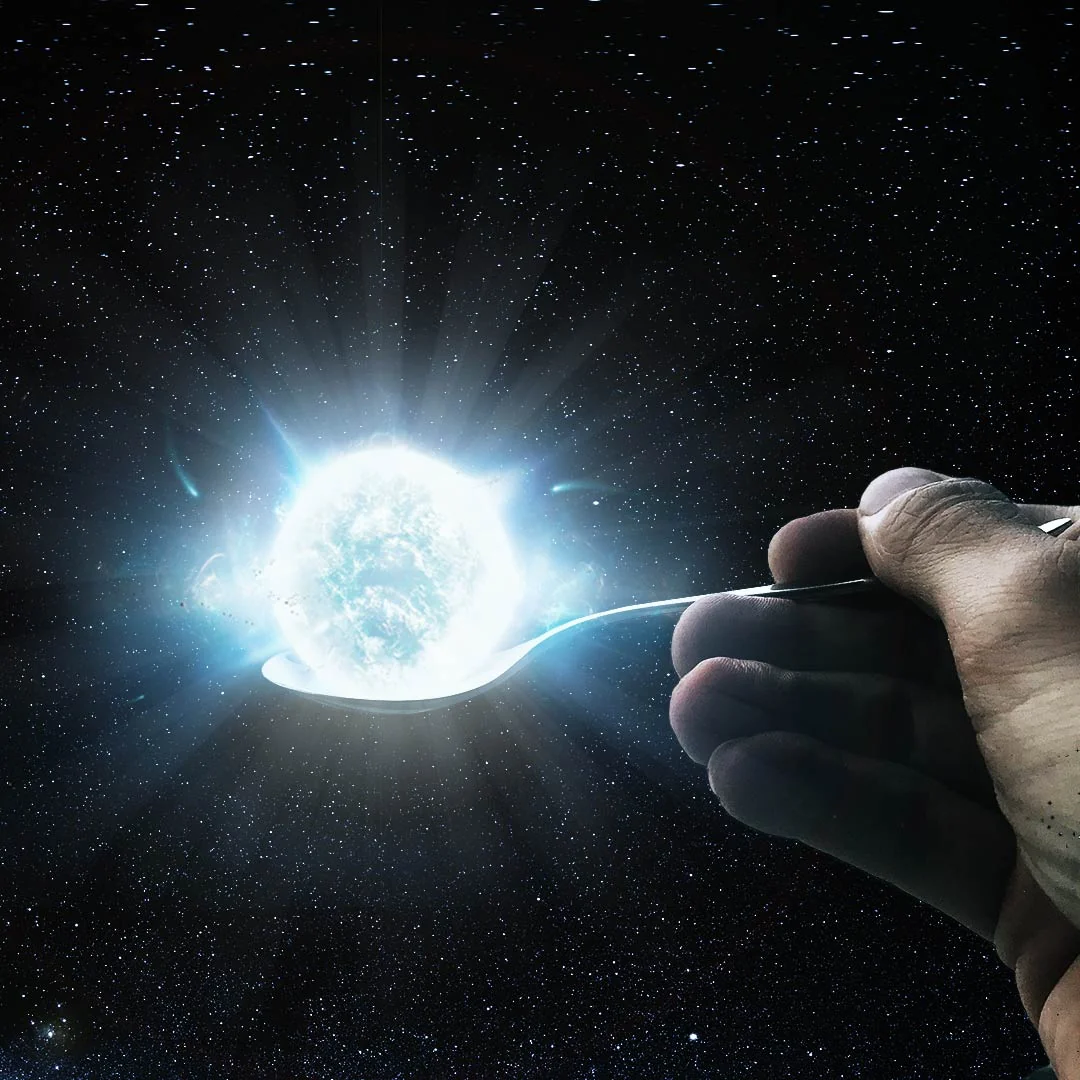
By the time you trace where that billion-tonne teaspoon comes from, the claim stops sounding like a dramatic exaggeration and starts feeling like an honest, almost understated description of just how intense neutron stars are. You see how stellar evolution leads to these compact remnants, how observations pin down their masses and radii, and how basic physics carries you from those measurements to densities and weights that would literally crush your planet. What began as a wild-sounding fact turns into a carefully cross-checked piece of your picture of the universe. The next time someone mentions a neutron star as just “a dense star,” you’ll know it is much more than that; it is matter pushed to the edge of what your current physics can describe, a city-sized object with Sun-like mass, and a place where a spoonful outweighs your tallest mountains. This is the sort of fact that changes how you feel about the night sky: those tiny points of light are not just pretty, they are hiding realities that stretch your imagination to breaking. When you look up now, can you honestly say you still see the stars the same way?