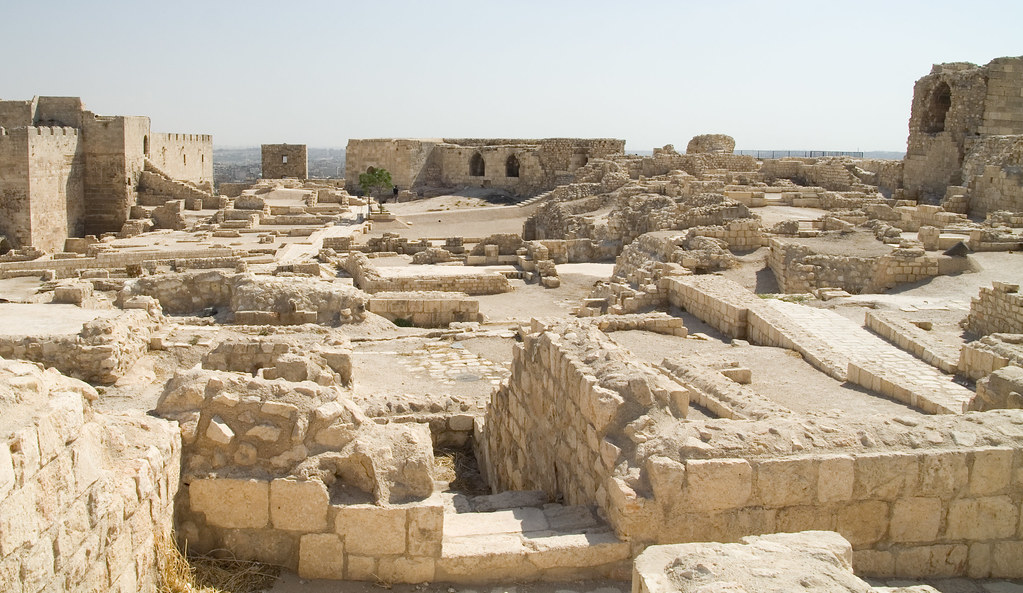
Everyone assumes a shovel, a grid of string, and a few field seasons will finally answer the big question. Dig deep enough, the thinking goes, and the mystery collapses into a tidy museum plaque with a confident date on it.
That is not what happened at Göbekli Tepe, or at Troy, or at the bottom of a muddy ditch under a British high-speed rail line. The deeper the trenches went, the stranger and more contradictory the evidence became, sometimes rewriting entire chapters of human history along the way.
Here are 14 sites where excavation didn’t close the case. It blew it wide open, and the strangest one on this list still doesn’t have a body to show for a century of searching.
#14 – Göbekli Tepe’s Builders Were Supposedly Too Primitive for This
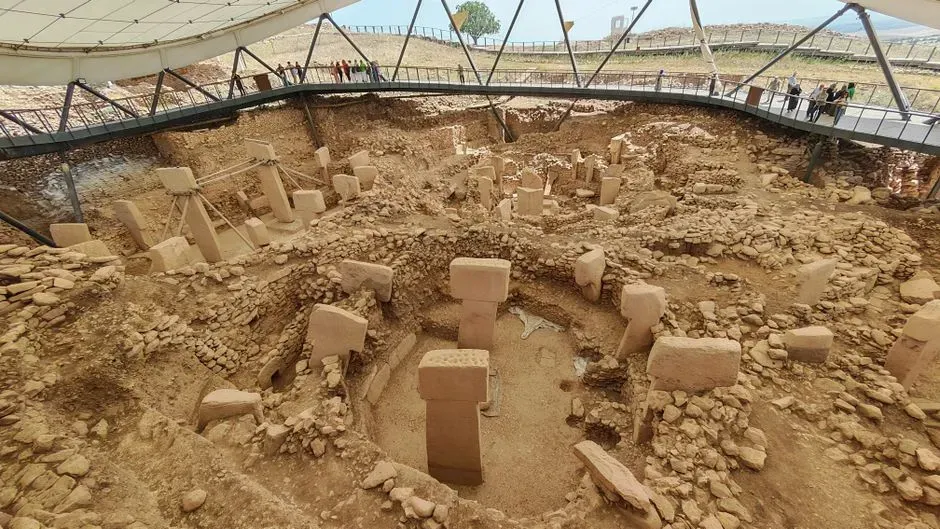
Excavations at Göbekli Tepe uncovered monumental T-shaped pillars carved with foxes, snakes, and abstract symbols, built roughly 12,000 years ago by people archaeologists assumed were still scattered hunter-gatherers. Most researchers expected simple campsites first, agriculture second, monuments a long way after that. Instead, the site shows organized, large-scale labor happening before farming or permanent villages ever existed.
The most unsettling part isn’t even the age. It’s that only about 5 percent of the 22-acre complex has been uncovered after decades of careful digging, and every new trench adds more pillars, more enclosures, more questions.
Fast Facts
- Located in southeastern Turkey, dated to roughly 9600 BCE
- Covers about 22 acres; only around 5% excavated so far
- Predates Stonehenge by thousands of years
- Built before agriculture, pottery, or permanent villages existed in the region
Teams have also found multiple construction layers and evidence that entire enclosures were deliberately buried on purpose, as if the site was meant to be sealed rather than abandoned. Carbon dating and tool analysis confirm the timeline is real, which means the standard story of civilization’s slow, orderly rise has to be rewritten around a monument that shouldn’t exist yet.
#13 – Troy’s Layers Exposed Schliemann’s Rush Job and a Far Older Conflict
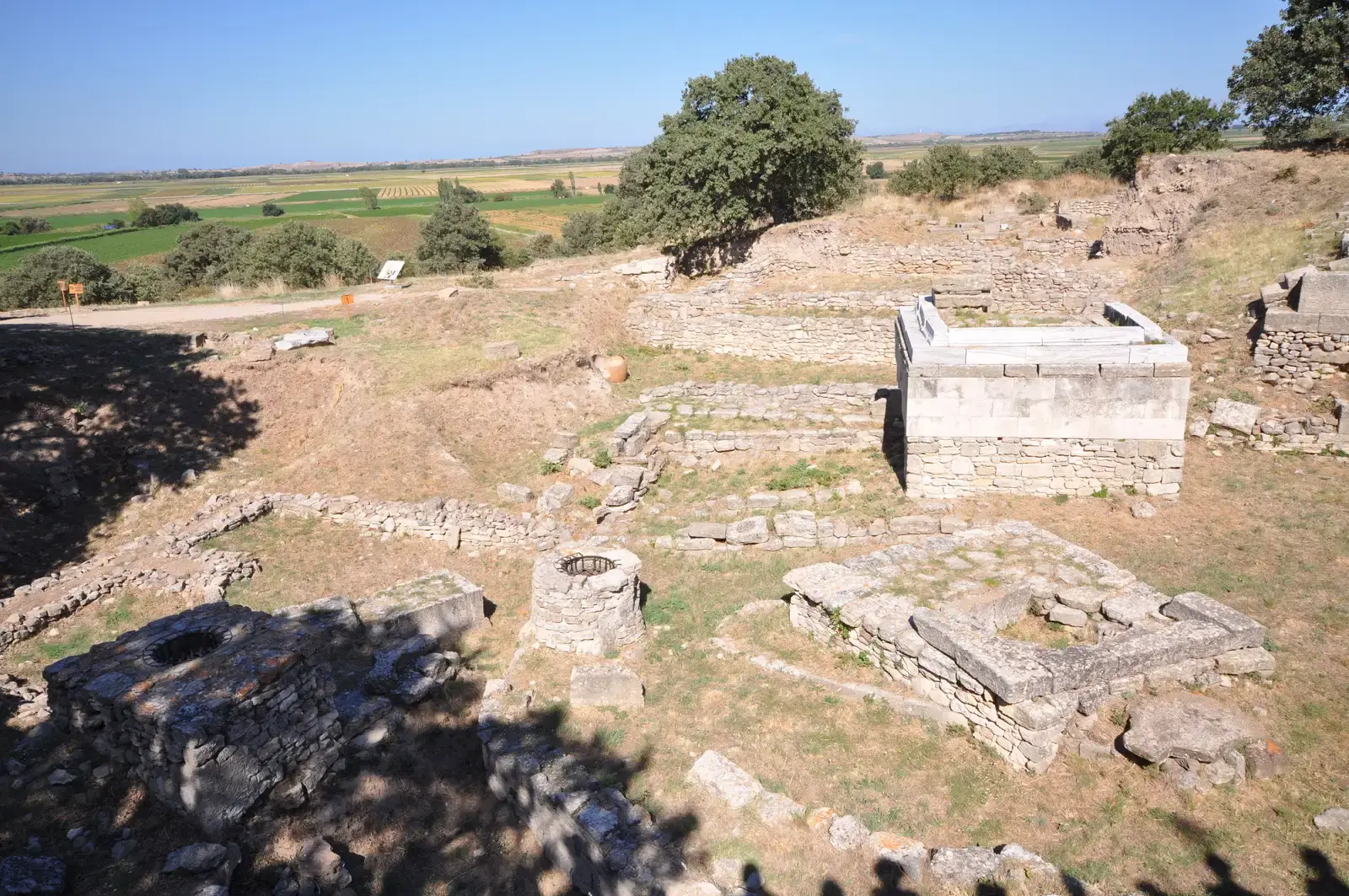
Heinrich Schliemann’s aggressive 19th-century digs at Hisarlik sliced straight through multiple settlement layers in his hunt for Homer’s Troy. He was so eager for glory that later, more careful excavation proved he had destroyed critical evidence and almost certainly misidentified the true Homeric city, blasting past it in search of gold.
I have gazed on the face of Agamemnon.
Heinrich Schliemann
It’s a telegram that captures exactly the problem: Schliemann was so convinced he’d found legend that he stopped questioning what the dirt was actually telling him. The layer now believed to be the real Troy VI or VIIa does contain Mycenaean pottery and clear signs of violent destruction around the right era, but the precise cause of that destruction is still argued over.
Further excavation revealed nine distinct cities stacked directly on top of one another on the same hill, each with its own walls, pottery styles, and fire layers. What started as a simple legend hunt turned into a multi-century urban stratigraphy puzzle that Schliemann’s shovel made permanently harder to solve.
#12 – Sandby Borg’s Massacre Victims Were Left Exactly Where They Fell
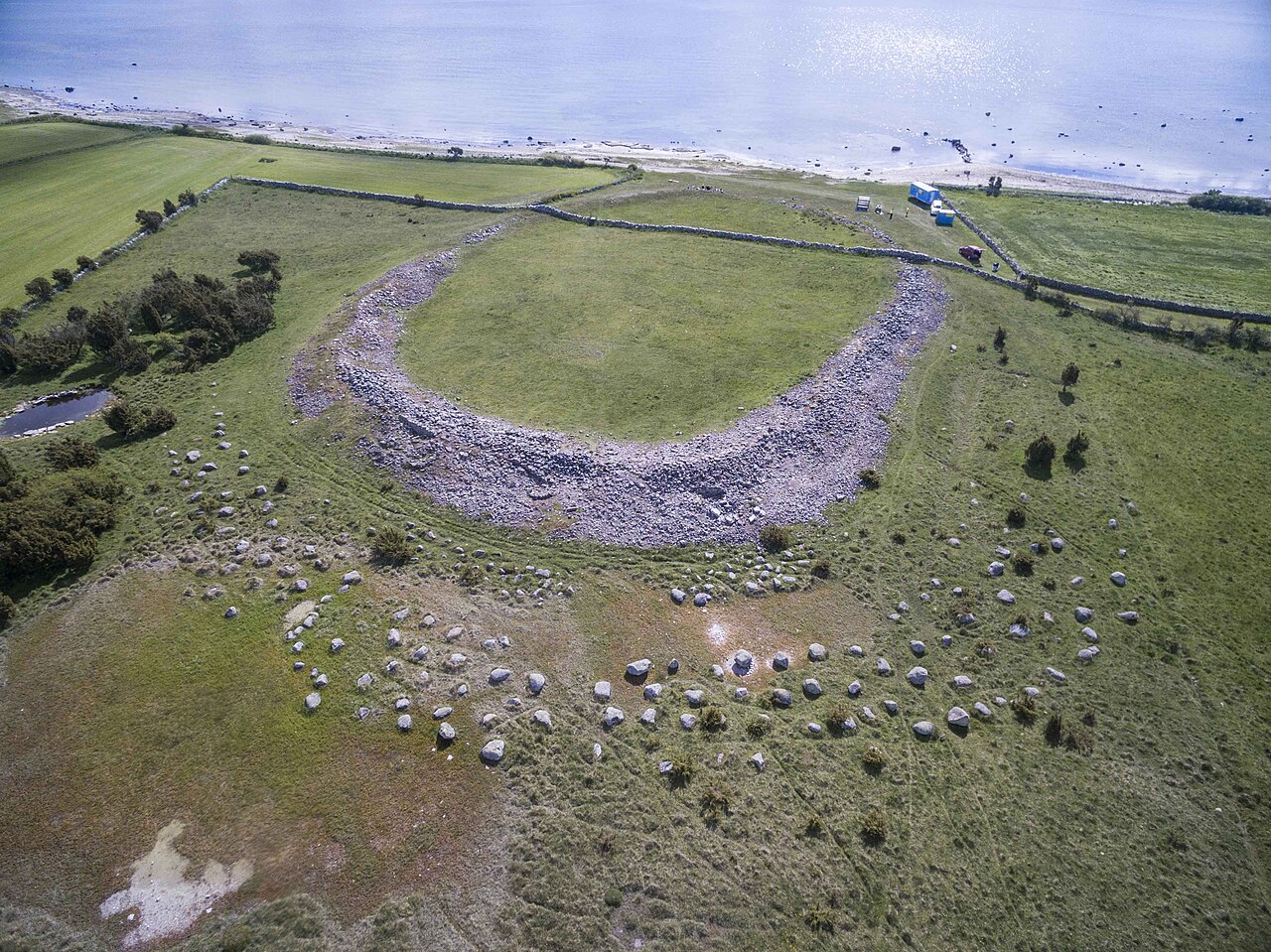
Swedish archaeologists excavating the fifth-century ring fort at Sandby Borg found dozens of unburied skeletons scattered inside collapsed houses, many showing sword and axe wounds. There was no follow-up looting, no burial by survivors, no attempt at cleanup. Whoever did this walked away and never came back, and neither did anyone else.
One detail makes it almost unbearable to picture: one skeleton was found still clutching a half-eaten fish, meaning the person died mid-meal with zero warning. Coins, jewelry, and weapons were left behind untouched, which rules out simple robbery as a motive.
No evidence has identified the attackers or why this specific, fairly obscure island community was targeted with such brutal finality. The preservation is remarkable precisely because nobody ever came back to bury the dead, which means the mystery of who did this, and why, is frozen exactly as it happened over 1,500 years ago.
#11 – The Plain of Jars Holds Later Infant Burials No One Expected
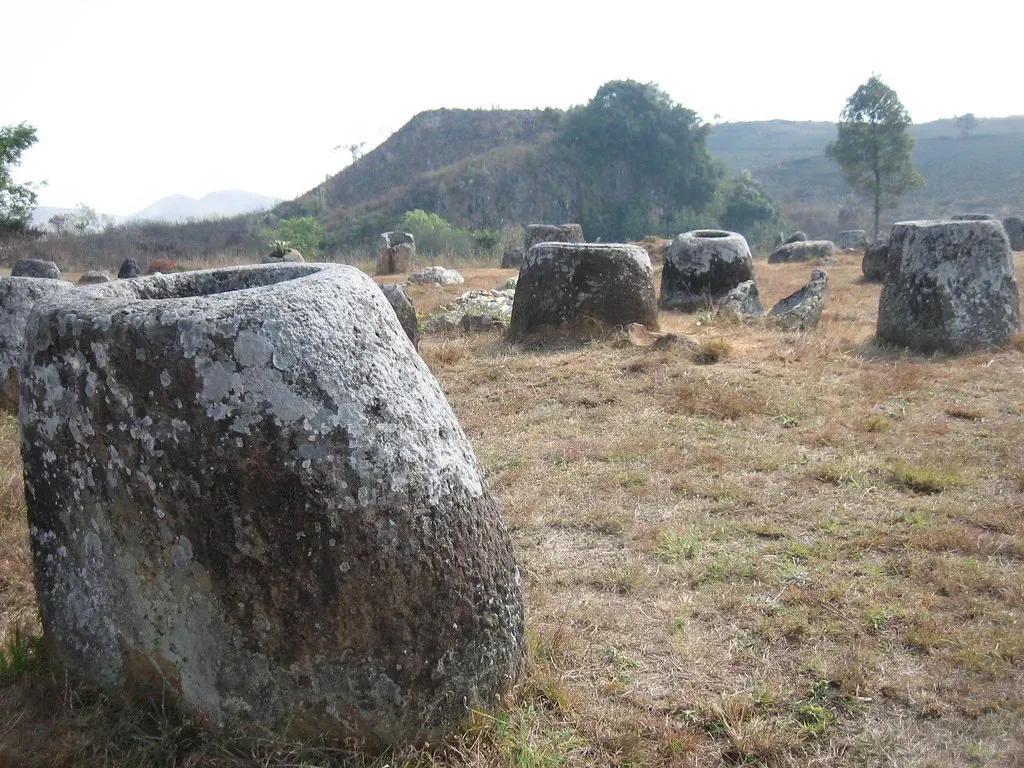
Excavations around the massive stone jars scattered across Laos initially focused on figuring out who carved them and why, back in the Iron Age. Then deeper digging turned up something nobody was looking for: human remains, including infants and small children, buried near the jars centuries after the jars themselves were placed.
Radiocarbon dating puts these burials between the 9th and 13th centuries, meaning later communities treated ancient monuments they didn’t build as ready-made grave markers. Nobody knows why this specific landscape, already strange and ancient to them, became the place to bury their children.
There’s still no consensus on what the jars were originally for. Every new burial context adds another layer to the mystery instead of clarifying the original purpose, which means the Plain of Jars keeps getting more complicated the more people dig.
#10 – Herculaneum Scrolls Are Finally Being Read, and It’s Not What Anyone Predicted
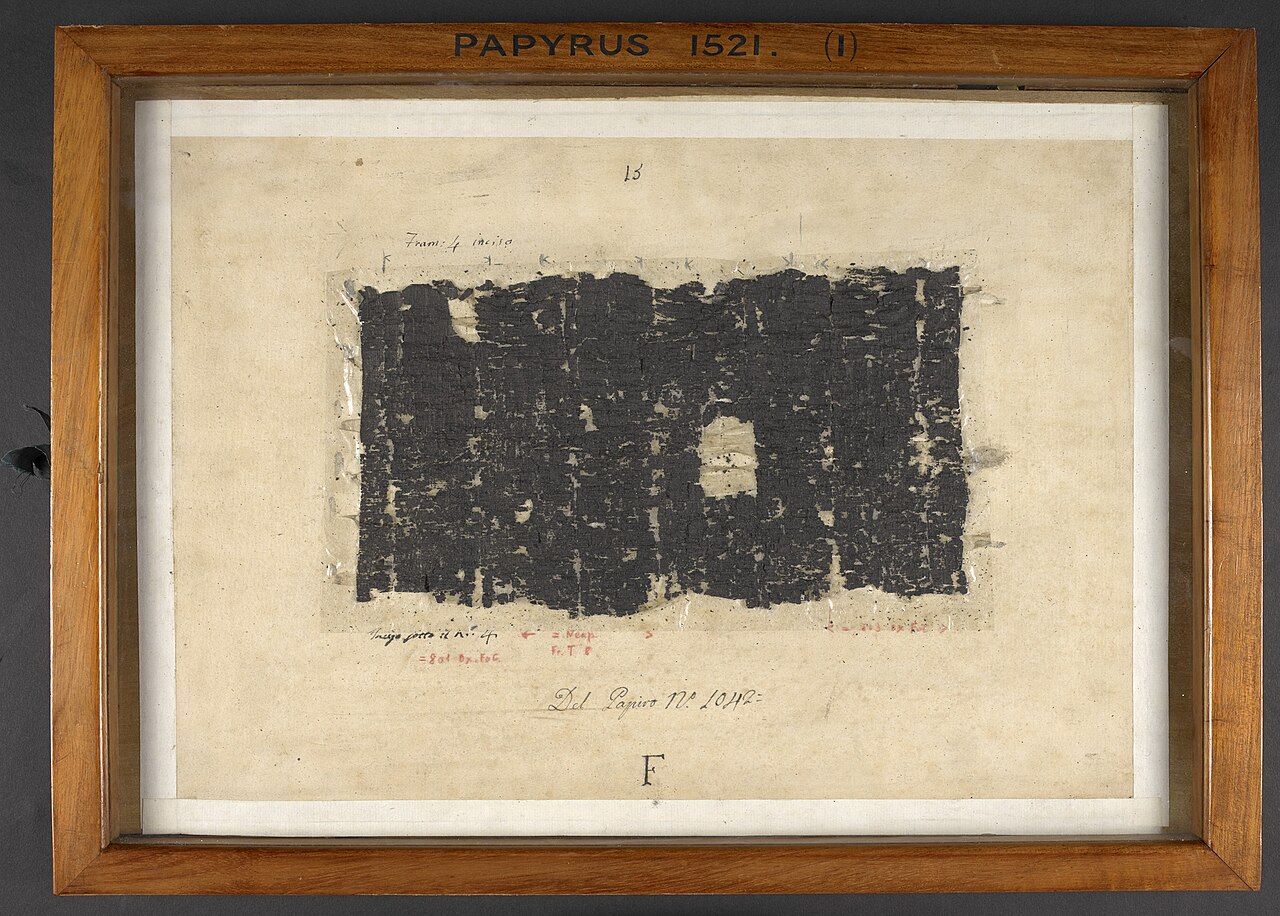
Recent non-invasive scanning of carbonized scrolls from the Villa of the Papyri has started revealing text from what appears to be a previously unknown philosophical library, buried in volcanic ash since 79 A.D. Scholars assumed they’d find lost works by famous authors they already knew. Instead, the first readable passages dive into Epicurean philosophy in detail nobody expected from this specific villa.
Entire scrolls are yielding coherent, readable text after 2,000 years sealed in carbonized rock, which sounded impossible a decade ago. The catch is that the vast majority of scrolls remain unreadable, and archaeologists still don’t know the full extent of the villa itself.
This challenges long-held assumptions about intellectual life in the region, suggesting a level of philosophical activity nobody had documented before. The process is painstakingly slow, and every readable fragment raises the uncomfortable question of what else is still sitting down there, unread.
#9 – Sutton Hoo’s Ship Burial Included Rituals That Defy Simple Viking Labels
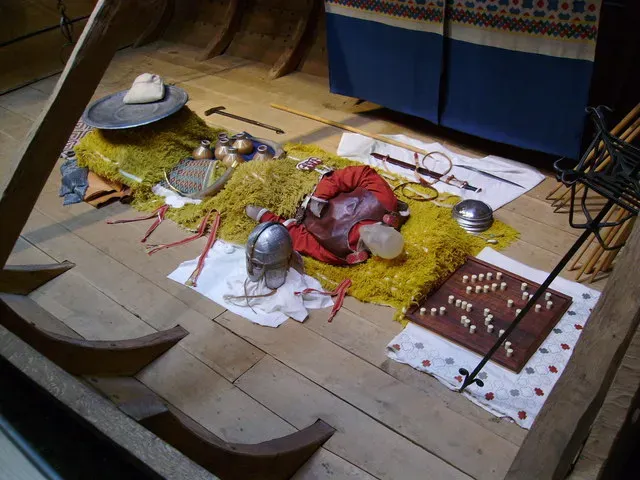
Careful excavation of the famous English burial mound revealed a 27-meter ship with a central chamber packed with weapons, armor, and traces of extraordinarily high-quality textiles and bone artifacts. Early interpretations leaned toward a simple story: a warrior king, buried with his gear. But the mix of Anglo-Saxon craftsmanship and possible Scandinavian elements complicates that neat narrative fast.
Fragments of blue glass and gilt bronze point to trade and cultural connections stretching far beyond local elites, yet the actual identity of the person buried there has never been confirmed. Later excavation seasons uncovered additional mounds nearby containing cremations and robbed pits, proving this wasn’t a one-time burial event.
This site was used repeatedly, by people navigating shifting alliances and power, and every new mound adds pressure to a story that was never as simple as “Viking warrior grave” in the first place.
#8 – The Egyptian Labyrinth Herodotus Described Still Refuses to Be Fully Mapped
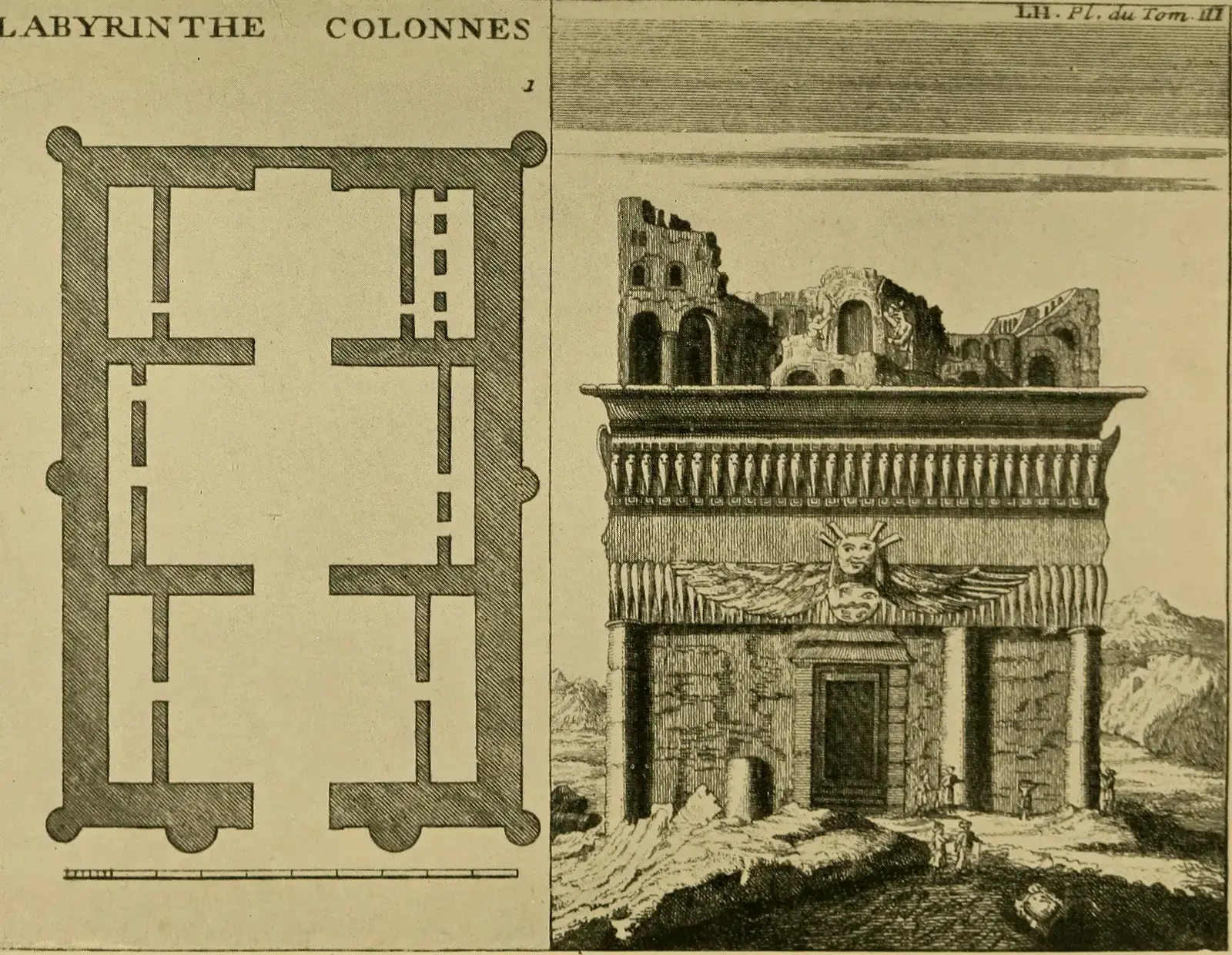
Targeted digs near Hawara have located massive stone foundations that line up with Herodotus’s ancient descriptions of a sprawling temple complex, one he claimed outdid even the pyramids in scale and complexity. But the actual size and internal layout remain only partially understood, thanks to groundwater and centuries of later construction sitting right on top of it.
Geophysical surveys hint at chambers and passages extending well beyond anything visible on the surface, yet no team has ever produced a complete plan of the structure. Multiple expeditions have been beaten back by flooding and access problems.
That gap between what the ancient sources claim and what modern equipment can actually confirm keeps the Labyrinth in a strange limbo: plausible enough to keep funding expeditions, incomplete enough to frustrate every single one of them.
#7 – The Antikythera Mechanism’s Flaws Suggest It Wasn’t the Precision Device Everyone Assumed
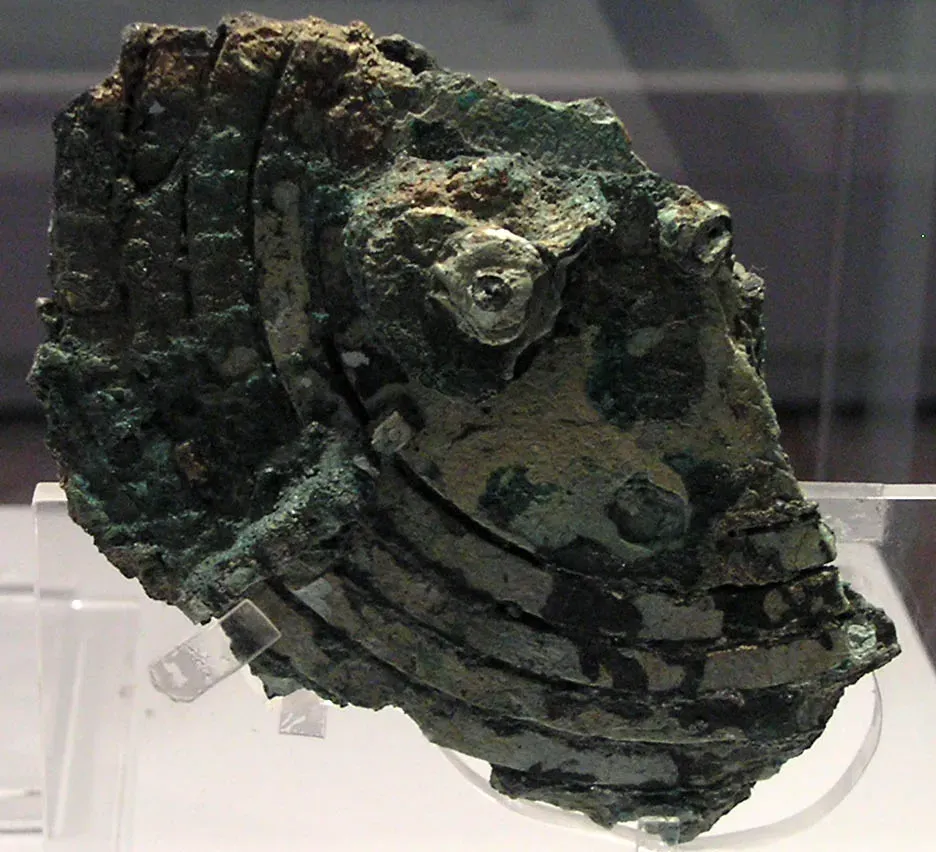
Reconstruction and digital testing of the geared bronze device pulled from the Antikythera shipwreck revealed real design limitations that would have caused frequent jamming in actual use. This is awkward, because the device had already been hyped as an ancient computer of astonishing accuracy, practically a Greek engineering miracle.
Simulations of the mechanism running through its cycles show it failing in roughly 90 percent of runs, which forces a hard reevaluation of both its intended use and how skilled its builders actually were. Ongoing study of the remaining corroded fragments keeps adjusting the model, but no one has resolved every gear function.
Fast Facts
- Recovered from a shipwreck off the Greek island of Antikythera in 1901
- Believed to date to somewhere around 100-150 BCE
- Contains dozens of intricate bronze gears, far more complex than anything else known from antiquity
- Modern simulations show it jamming or failing in roughly 90% of test runs
The wreck itself produced other artifacts that add historical context without settling the bigger question: was this a working tool, a prototype, or something closer to an elaborate showpiece that looked more impressive than it performed?
#6 – Richard III’s Skeleton Showed Real Scoliosis, But None of the Expected Deformities
![#6 - Richard III's Skeleton Showed Real Scoliosis, But None of the Expected Deformities (‘The king in the car park’: new light on the death and burial of Richard III in the Grey Friars church, Leicester, in 1485, taken from [1], CC BY 4.0)](https://nvmwebsites-budwg5g9avh3epea.z03.azurefd.net/dws/c44785634cf78ae9c3712a95a9c8bed5.webp)
The 2012 dig under a Leicester car park uncovered a male skeleton with clear battle wounds and spinal curvature matching everything known about the king’s death. It seemed like confirmation of the Tudor-era image of a twisted, villainous monarch. Except the more the bones were studied, the more that image fell apart.
The curvature was real, but there was no withered arm, no dramatic deformity of the kind Tudor writers had attached to him for political effect for over 400 years. DNA and radiocarbon testing definitively confirmed the remains as Richard’s, which means the propaganda, not the man, had been exaggerated all along.
Quick Compare: Tudor Myth vs. Skeletal Evidence
- Tudor legend: a hunched, withered-armed “monster” king
- Bones: genuine scoliosis, but a fully functional arm with no deformity
- Tudor legend: a weak, unfit ruler unfit for battle
- Bones: multiple battle wounds consistent with dying in active combat
The discovery didn’t just settle where he was buried. It quietly rewrote how much of “history” was actually just character assassination dressed up as fact.
#5 – Roman Wooden Statues from the HS2 Rail Digs Raise Uncomfortable Ritual Questions
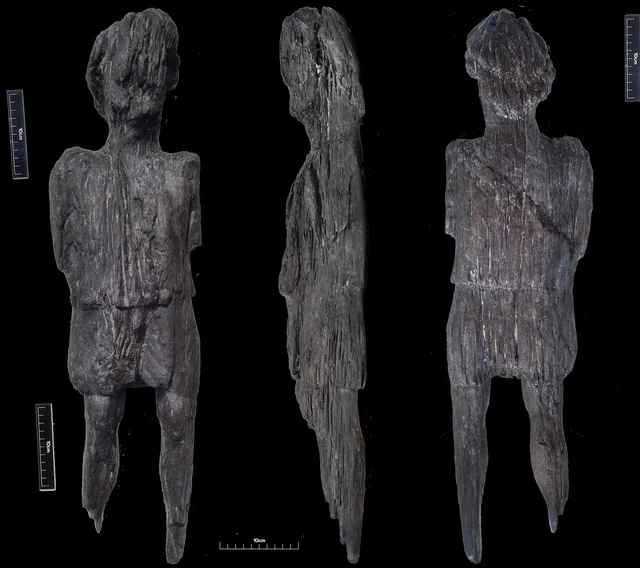
Excavations along Britain’s high-speed rail route uncovered rare surviving wooden figures from the Roman period, including one intact carved figure pulled straight out of a ditch. Archaeologists expected stone or metal votive offerings if anything at all. Finding perishable wood surviving in this condition was not supposed to be possible.
The intact recovery of a wooden figure like this is extraordinarily rare in Britain, and its exact purpose is still a mystery: boundary marker, ritual offering, or something else entirely nobody has named yet. Contextual finds around it suggest a possible ritual or property function.
But the survival itself is the real headline here. It quietly challenges long-standing assumptions about what typically rots away and what somehow, against all odds, doesn’t.
#4 – Notre Dame’s Underground Layers Reveal Overlapping Roman and Medieval Life
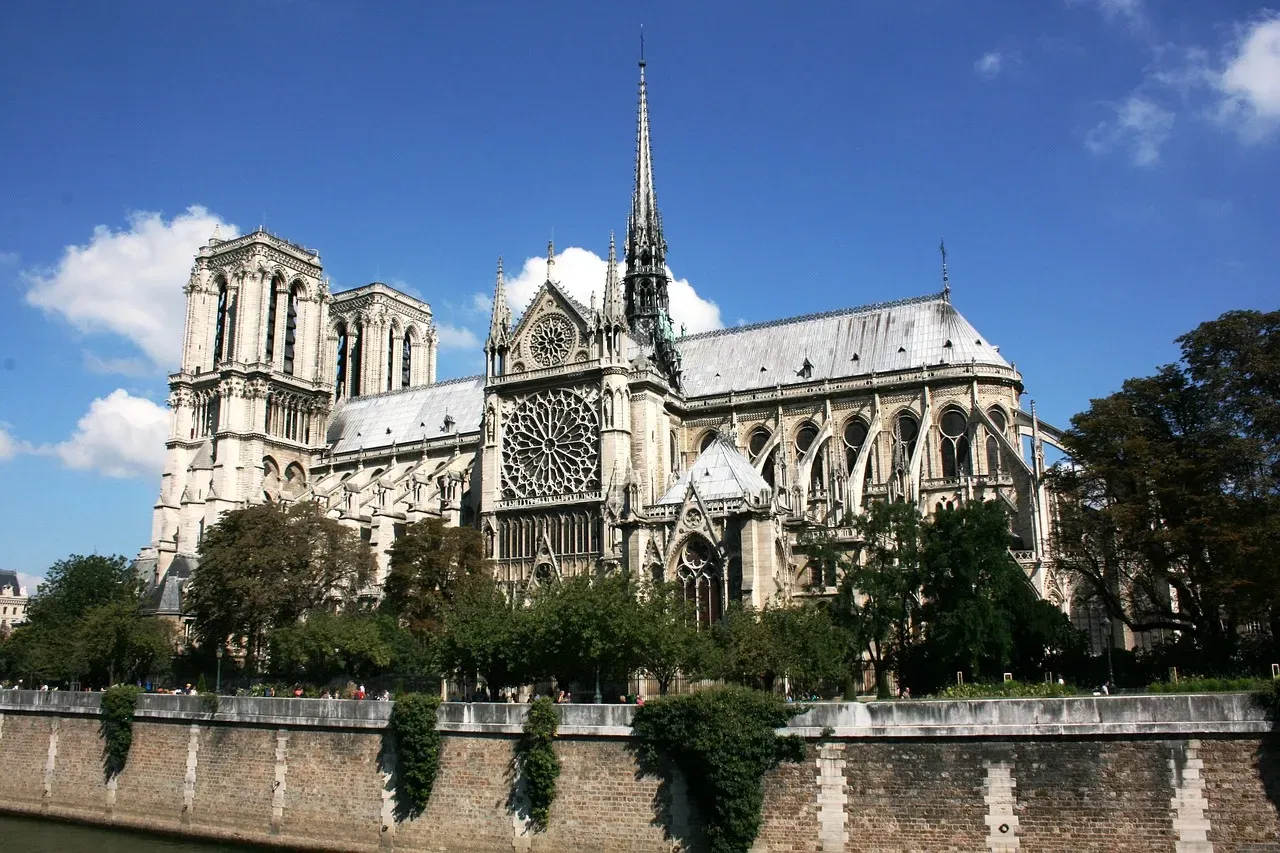
Post-fire excavation beneath the cathedral exposed Roman-era structures tangled together with later medieval features in configurations no one had prepared for. Surface knowledge of the site simply hadn’t hinted at how dense and overlapping the buried remains actually were.
The site shows continuous use stretching from Roman Paris through centuries of rebuilding, with artifacts that refuse to sit neatly in one chronological box. The sheer volume of material will take years to fully analyze.
What was supposed to be a straightforward reconstruction project after the 2019 fire has instead turned into a microcosm of Paris’s entire layered past, one trench revealing a new question for every answer it provides.
#3 – Linear A Remains Undeciphered Despite Decades of Cretan Excavations
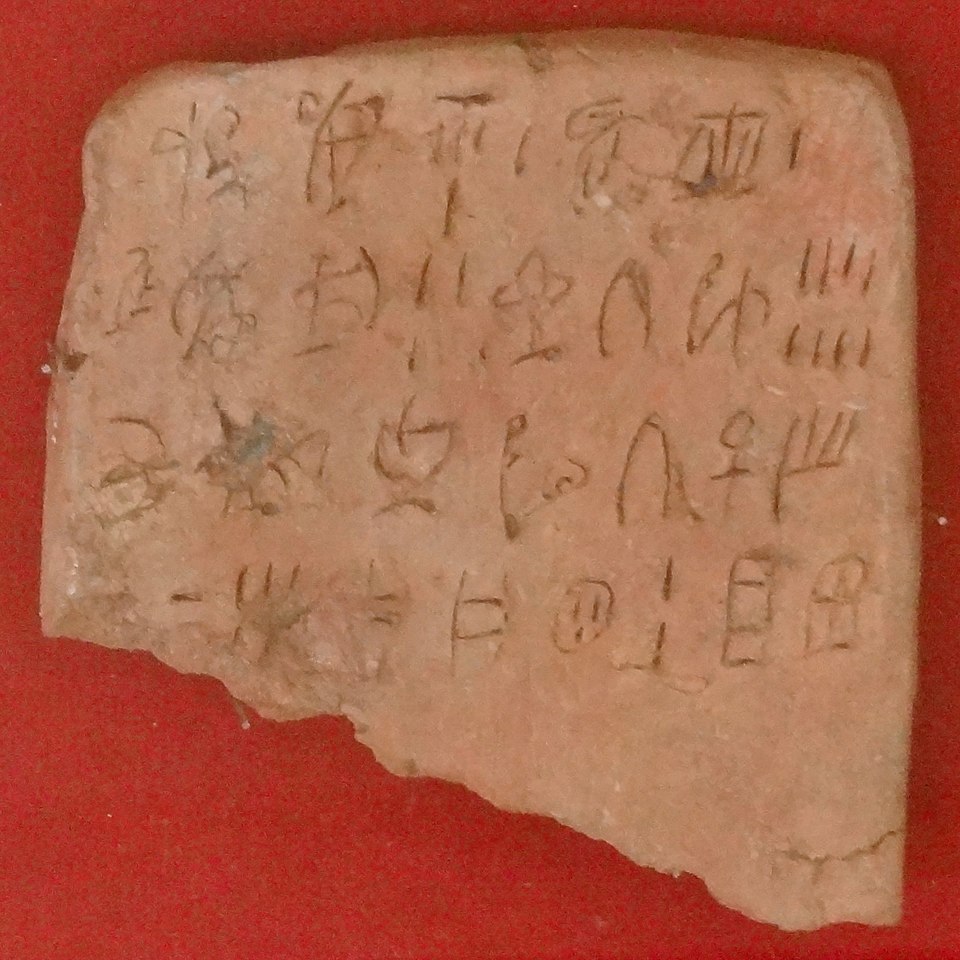
Systematic digs across Minoan sites on Crete have produced thousands of tablets written in Linear A, and yet the script has resisted every attempt at translation for over a century. Early researchers assumed more examples would eventually crack the code. That hope has not materialized.
The administrative records look consistent across multiple sites, suggesting an organized bureaucratic system, but the underlying language itself remains completely unknown even as fresh tablets keep surfacing. Comparison with the later, deciphered Linear B has helped researchers understand structure, not meaning.
This single stubborn barrier limits everything we can actually say about Minoan society, one of the most sophisticated Bronze Age civilizations that we still can’t fully hear from in its own words.
#2 – The Lost City of Akkad Still Won’t Reveal Its Location
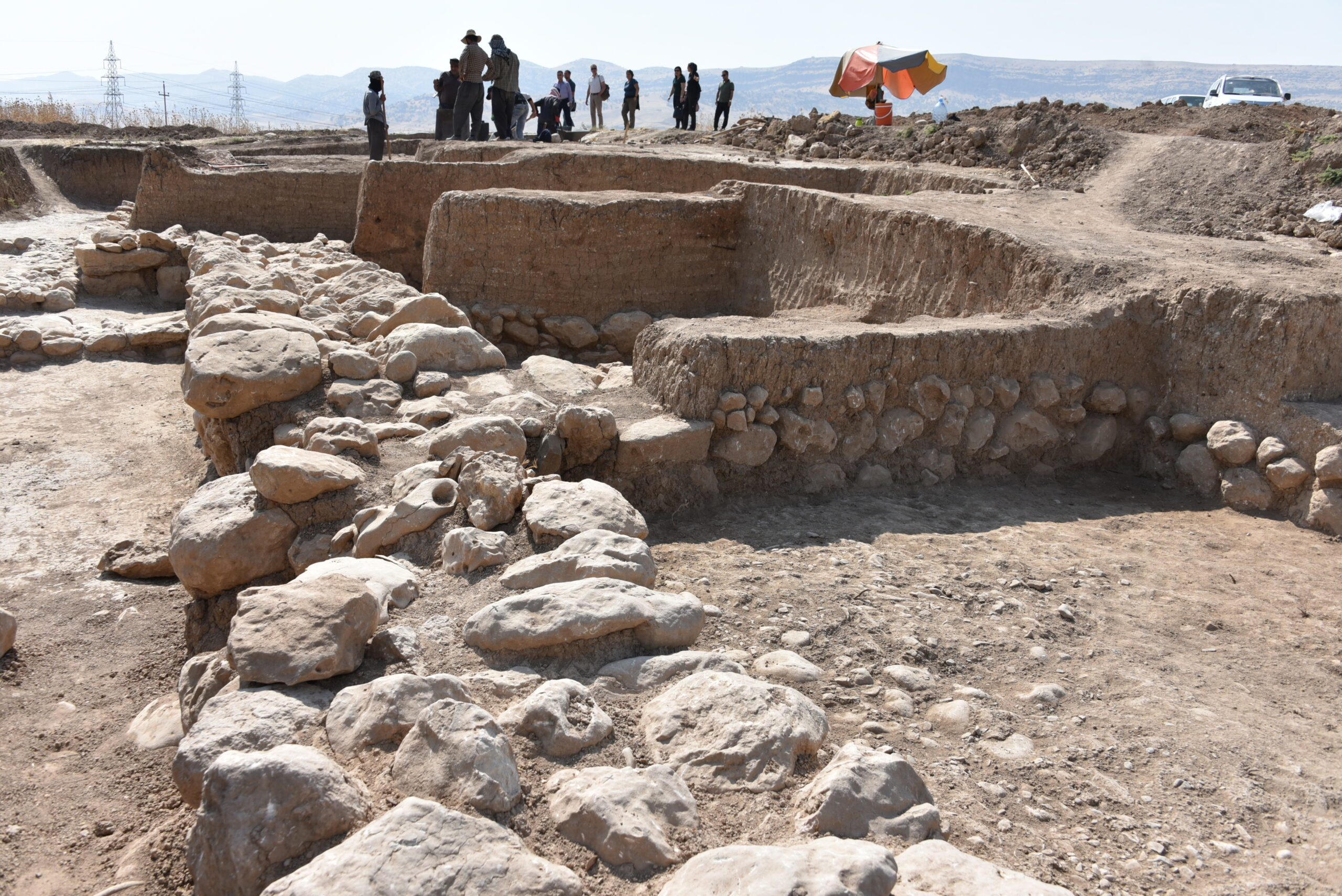
Targeted surveys and limited excavations across Iraq have turned up several potential candidates for Akkad, the capital of Sargon’s empire, but none of them match every textual description well enough to be conclusive. Flooding and decades of modern conflict have limited how much full investigation is even possible.
Cuneiform records describe a major urban center complete with specific temples and canals, yet no site excavated so far has produced conclusive proof it’s the real thing. Geophysical data and scattered artifact finds keep the search alive without ever closing it.
This gap isn’t just academic trivia. It leaves a genuine hole in reconstructing how early Mesopotamian power actually worked, centered on a capital city archaeologists still can’t point to on a map.
#1 – Alexander the Great’s Tomb Has Evaded Every Excavation Attempt Ever Made
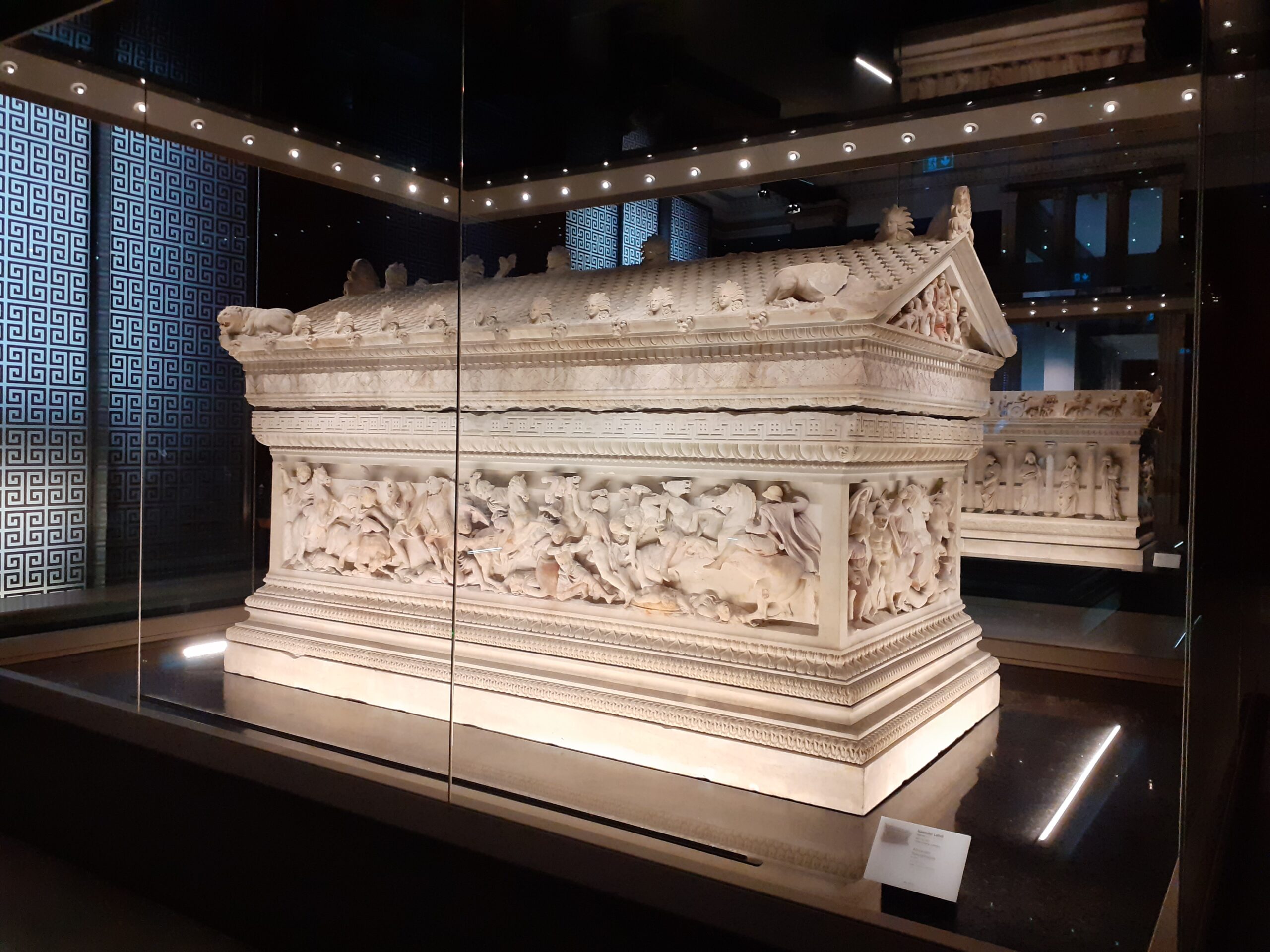
Multiple campaigns across Egypt and surrounding regions have chased ancient clues and modern theories for over a century, and the burial site of one of history’s most famous conquerors remains completely undiscovered. Early assumptions placed it in Alexandria. Later evidence points elsewhere, or suggests it was deliberately hidden from the start.
Even high-profile digs guided by ancient texts and modern geophysical surveys have produced only tantalizing fragments, never the actual tomb. Ptolemaic records and later historical accounts add layer after layer of misdirection, as if someone, somewhere, really did not want this location found.
At a Glance
- Died in 323 BCE in Babylon; his body was reportedly moved to Alexandria soon after
- Ancient historians describe an elaborate tomb visited by Roman emperors for centuries
- The tomb’s exact location was already lost by late antiquity
- Over a century of dedicated searches has produced no confirmed site
The search has become one of archaeology’s longest-running open questions, and at this point the absence itself has become part of the legend. Alexander conquered most of the known world, and the world still can’t find where he ended up.
The Bottom Line
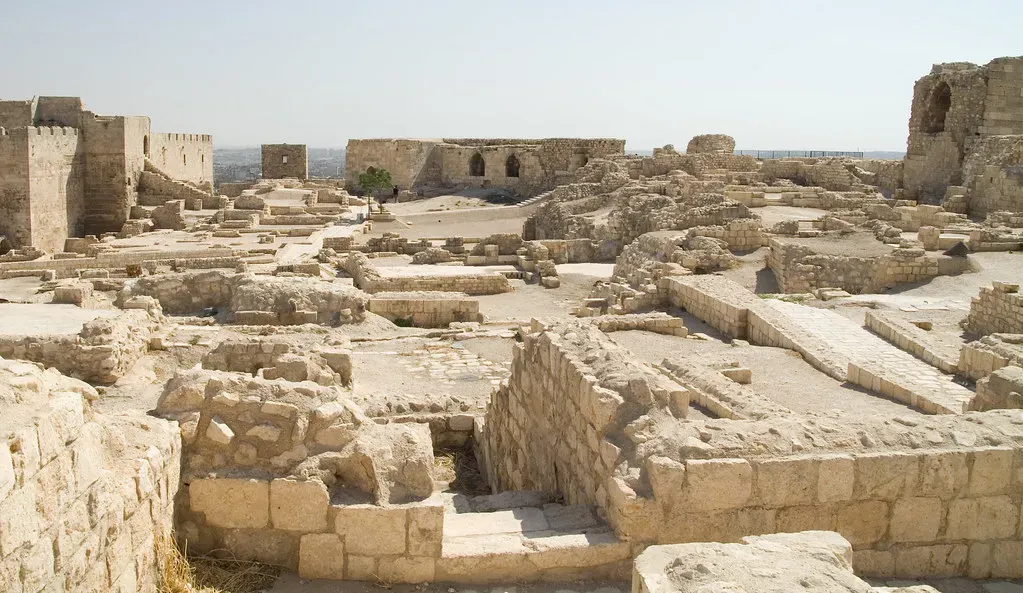
Every site on this list started with a question archaeologists thought careful digging would eventually answer. Instead, excavation kept replacing tidy conclusions with deeper, messier layers of uncertainty, from misidentified cities and undeciphered scripts to unburied massacre victims and machinery that barely worked.
My honest take: this isn’t a failure of archaeology, it’s proof the ancient world was never as simple as our textbooks pretended. More digging tends to multiply questions rather than resolve them, especially once politics, weather, looting, and time itself get a vote in what survives.
Which of these puzzles do you think finally cracks first, Alexander’s tomb, the Labyrinth, or Linear A? Or do you suspect some of these were never meant to be fully understood? Drop your take in the comments.