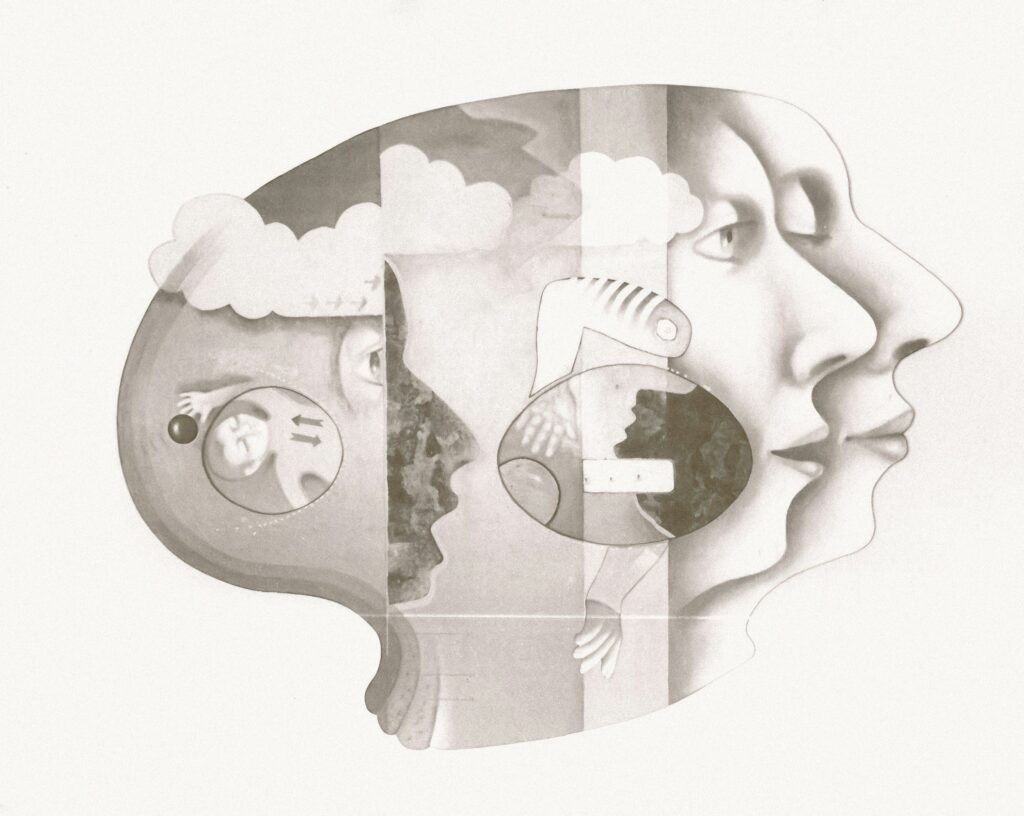
You can scan a brain, track a heartbeat, and read off your blood chemistry in glowing numbers, but there’s still one thing no machine can show you: what it actually feels like to be you. That inner movie of sights, sounds, memories, and emotions stays stubbornly private, even as medicine gets more powerful every year. You can be kept alive on a ventilator with perfect lab values while doctors still have no idea whether you are really “there” in any meaningful sense. This is why consciousness sits at the heart of medicine’s hardest decisions and deepest puzzles. When you ask whether someone is in pain, whether they should be resuscitated, or whether a fetus, an AI system, or a patient with dementia is “aware,” you are really wrestling with this mystery. You might think science already nailed it, but once you look a little closer, you realize how many of the biggest questions are still wide open.
The Hard Problem: Why Your Inner Experience Exists At All
If you look at a brain scan, you see colored blobs lighting up; if you look inside your own mind, you see a world. That gap between nerve activity and lived experience is often called the “hard problem” of consciousness, and you feel it any time you notice how strange it is that a piece of meat in your skull somehow gives rise to thoughts, feelings, and a sense of self. You can measure electrical spikes and blood flow down to microscopic levels, but none of that tells you why pain hurts from the inside or why chocolate tastes like anything at all instead of just triggering a reflex. In medicine, most problems are “easy” in comparison: you learn the mechanism and fix the part. An infection? Target the bacteria. A broken bone? Set and stabilize it. With consciousness, even when you map which brain regions are active during speech, memory, or vision, you still do not know how that activity turns into the scene you experience when you close your eyes and imagine your childhood home. Until you can bridge that explanatory gap, you are left with a strange situation: you can manipulate the brain, influence consciousness, and yet not truly understand what it is you are touching.
Brains, Scans, And The Limits Of What You Can See
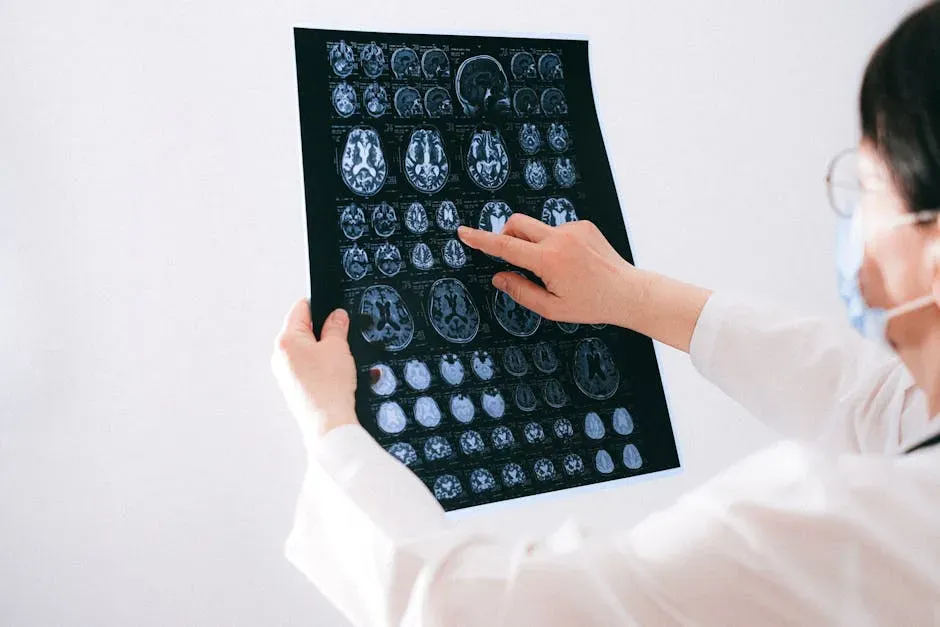
Modern imaging lets you watch a brain think in real time, at least from the outside. You can see patterns change as someone looks at a face, moves a hand, or remembers a word. In intensive care units and operating rooms, monitors track electrical activity to warn you if a patient may be seizing, waking up under anesthesia, or suffering from a dangerous lack of oxygen to the brain. On paper, it seems like you should be able to “read” consciousness right off these signals. But when you look closer, the picture is fuzzier than you might expect. Two patients can show similar brain activity while having very different experiences, and someone can look nearly unresponsive yet still report vivid awareness later. You can identify networks that tend to go quiet under anesthesia or deep sleep and light up when you are awake and aware, but you cannot point to a single line on a graph and say with certainty what it feels like on the inside. The technology shows you correlates of consciousness, not consciousness itself, and that difference matters most when the stakes are highest.
Disorders Of Consciousness: When “Awake” And “Aware” Don’t Match
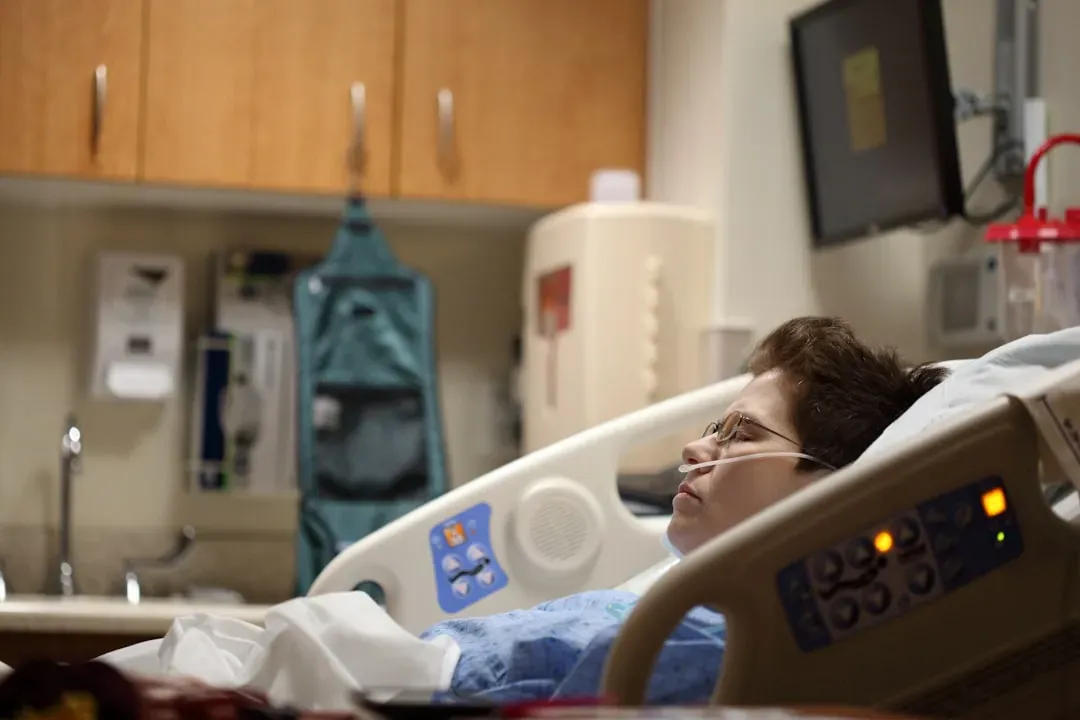
If you have ever seen someone in a coma or a minimally conscious state, you know how unsettling these conditions can be. The body may breathe on its own, the eyes may open, sometimes there are small movements, yet you cannot tell what is really going on inside. Is the person trapped and aware, or are those actions just automatic reflexes with nobody home? Families ask you questions medicine still cannot fully answer, and those questions are not abstract – they shape decisions about continuing life support, rehabilitation, and end-of-life care. Over the last two decades, research has revealed that some people who appear almost entirely unresponsive still show brain activity patterns suggesting hidden awareness. In some cases, a patient who could not move or speak was able to answer yes-or-no questions purely through brain signals while appearing vegetative from the outside. This forces you to confront a hard truth: behavior alone is not a perfect window into consciousness. You can be misled in both directions, overestimating awareness when there is none, and underestimating it when it is painfully present.
Anesthesia: Turning You “Off” Without Knowing How

Every time you undergo surgery, anesthetic drugs are used to erase pain and awareness, turning hours on the operating table into what feels like a blank instant. From a medical standpoint, anesthesia is one of the great successes of modern care: it allows procedures that would otherwise be torture. But when you think about it closely, it is surprising how little you truly understand about why these drugs shut down consciousness so reliably for most people, and why they sometimes fail. You can describe how anesthetics alter brain waves, disrupt communication between regions, and dampen activity in networks linked with wakefulness. You know how to titrate doses based on age, weight, and other medications, and you track vital signs to judge depth of anesthesia. Yet you still do not have a complete theory of why a certain pattern of disrupted signaling translates into the total disappearance of subjective experience. You are essentially flipping switches on the control panel of a machine whose user interface – the inner world of the patient – remains hidden from view.
Pain, Placebos, And The Power Of Expectation

Pain exposes how complicated consciousness becomes once you move beyond simple reflexes. Two people can have similar injuries and wildly different pain experiences, shaped by attention, mood, memories, and culture. You may have seen this yourself when you get a small cut that barely hurts during an emergency, then throbs later once the crisis is over. Pain is not just a signal traveling along nerves; it is an experience your brain constructs, influenced by what you expect and believe. The placebo effect drives this home in a dramatic way. You can give someone a pill with no active drug, and if they genuinely believe it will help, their brain can reduce pain, change hormone levels, and even alter measurable markers of disease. This is not “faking it”; imaging studies show real shifts in brain regions involved in pain processing and emotion. For medicine, this creates both opportunity and challenge. You can harness expectation and context to improve outcomes, but you also have to accept that your conscious mind is not just a passive observer – it is a powerful player in how your body responds to treatment.
Artificial Intelligence, Brains In Silicon, And The Line You Cannot See
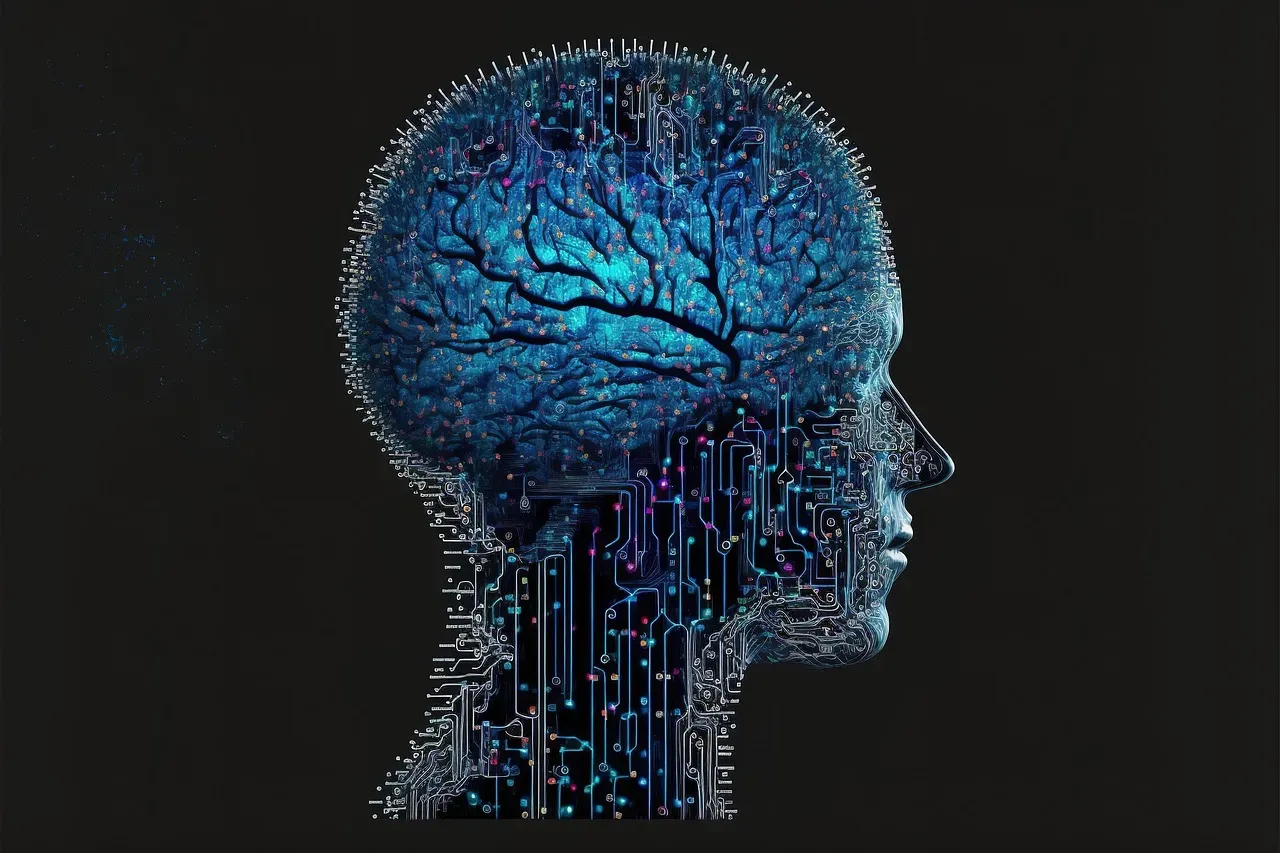
As AI systems get more sophisticated, you are forced to ask unsettling questions you once reserved for science fiction. If a machine can hold a conversation, recognize faces, summarize medical charts, and even detect subtle patterns in imaging better than many clinicians, is it merely simulating understanding, or could it ever be truly aware? Right now, the best evidence suggests that current AI tools, however impressive, are not conscious in any human sense. They process symbols and patterns but do not show the flexible, unified, embodied experience you associate with your own mind. Still, the thought experiment matters for medicine. If one day you could run a detailed simulation of a human brain on a computer, would that system feel pain? Would you have ethical duties toward it? Questions like this reflect a deeper problem: you have no agreed-upon test for consciousness that works across biological and artificial systems. You cannot open a panel and check for a “consciousness chip.” You are left with behavioral clues, internal complexity, and philosophical arguments, all of which can guide you but cannot yet provide certainty.
Ethical Minefields: Who Counts As “Someone” In Medicine?
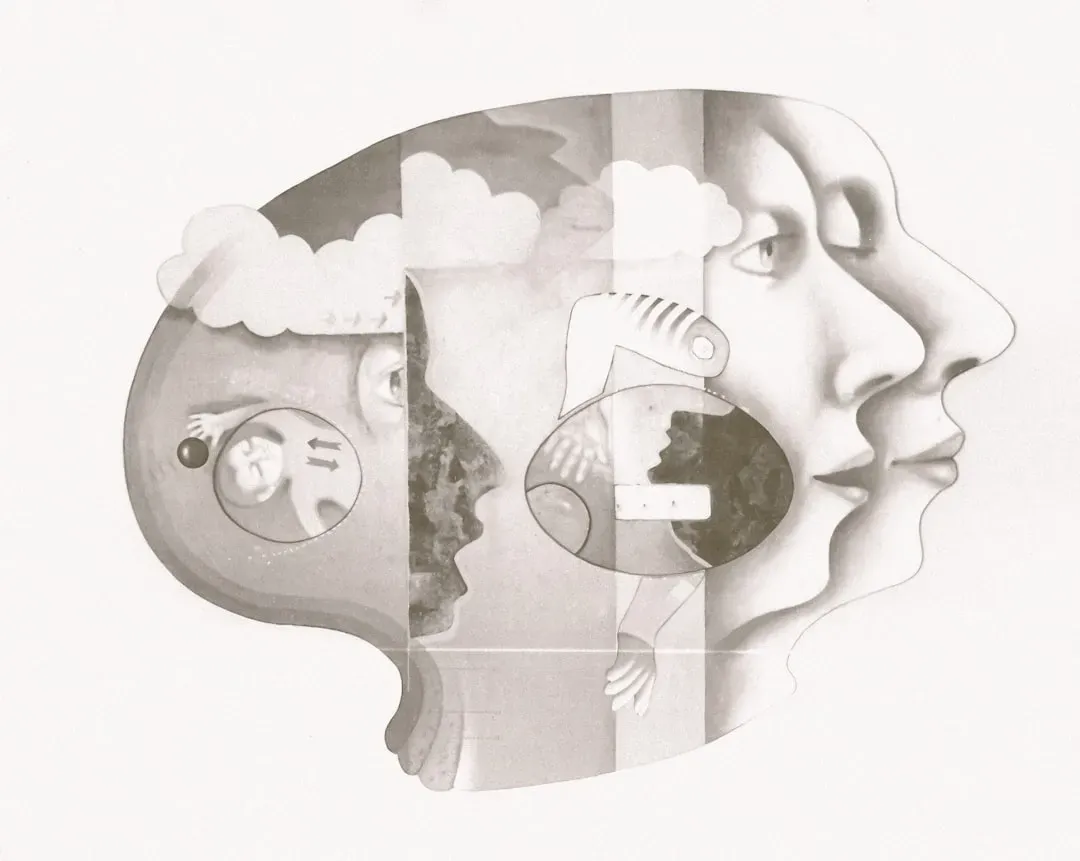
Once you accept that consciousness is both crucial and hard to detect, the ethical implications are enormous. Medical decisions about fetuses, newborns with severe brain damage, patients with advanced dementia, and people near the end of life all hinge, in one way or another, on what kind of awareness you think is present. If you underestimate consciousness, you risk causing suffering or cutting a life short without fully understanding what you are ending. If you overestimate it, you may prolong treatments that offer little real benefit and considerable distress. These dilemmas are not just for intensive care units or ethics committees; they are baked into everyday practice. Whenever you consider sedation, restraints, aggressive interventions, or withdrawal of care, you are making a judgment, even if you do not say it out loud, about what that person is experiencing. The problem is that medicine still lacks a universal, agreed framework for weighing consciousness, capacity, and personhood. You are trying to make moral choices with incomplete knowledge about the very thing that gives those choices their weight.
Why This Mystery May Never Be Fully Solved – And Why You Should Care Anyway
Given how stubborn the mystery of consciousness has been, it is tempting to throw up your hands and declare it unknowable. Yet that would mean turning away from questions that shape everything from how you treat depression and chronic pain to how you design intensive care units and support families making impossible choices. You may never get a neat equation that explains exactly how neurons produce a sense of self, but you can still refine your tools, your language, and your sensitivity to what patients might be experiencing. In a way, the unsolved nature of consciousness is a reminder of your limits and your responsibilities. You live in a world where you can replace joints, edit genes, and keep a heart beating almost indefinitely, but you still cannot look at a scan and read off a person’s inner life. That uncertainty should make you more cautious, more humble, and more compassionate in every medical decision you face. When you sit at a bedside and wonder what someone can feel or understand, you are staring straight into – and maybe the deepest one you will ever encounter in your own life. How differently might you act if you treated that mystery as sacred instead of merely inconvenient?