Death is strangely ordinary and impossibly mysterious at the same time. Every cell in your body comes with an expiration date baked in, yet no lab, no telescope, no brain scanner can fully explain what it means to cross that final threshold.
We can restart hearts, cool bodies close to freezing, even keep some organs alive outside the person they once belonged to. Still, the line between “alive” and “dead” keeps blurring the closer we look. That moving target is exactly why, even in 2026, death is one of the toughest puzzles science has ever tried to solve.
The Moving Line Between Life and Death
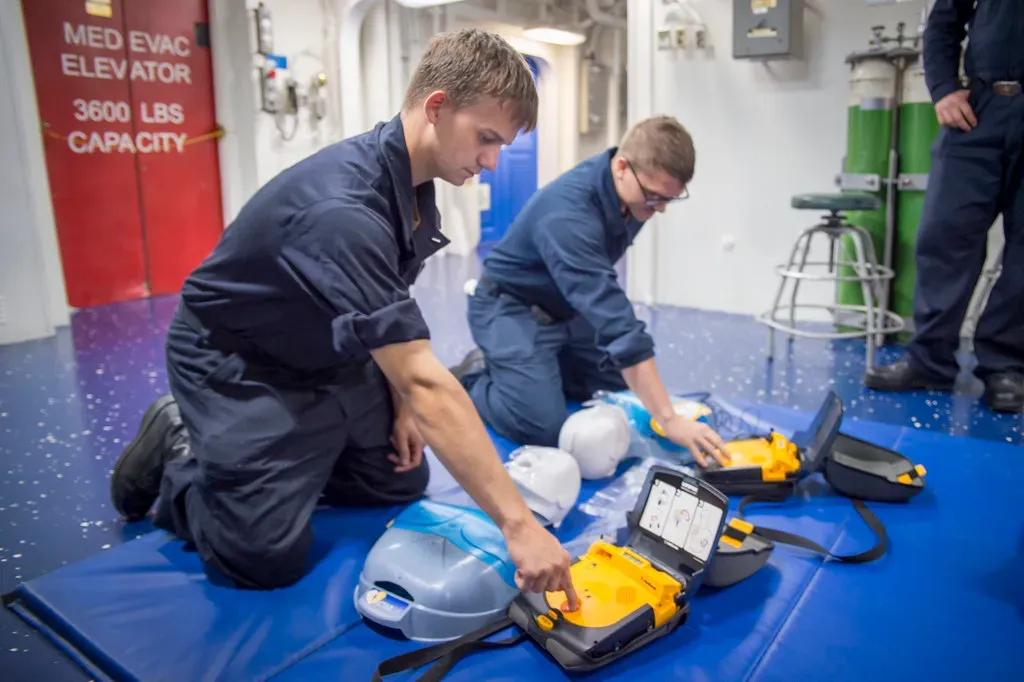
Ask a doctor from a few centuries ago what death is, and they would have said something like: when the heart stops, life is over. Today, that answer sounds almost naive. We now routinely restart stopped hearts, use defibrillators in airports, and keep people on machines that breathe and pump for them while their organs recover.
The more we learn, the less clear the line becomes. People declared clinically dead for minutes, sometimes longer, have been resuscitated with no obvious long-term damage, especially when cooled or treated quickly. Stories of near-death experiences aside, purely on the biological level it’s obvious: death is no longer a sharp cliff, but more like a foggy border zone where medicine keeps pushing the fence back and forth.
Brains, Consciousness, and the Mystery of “Going Offline”
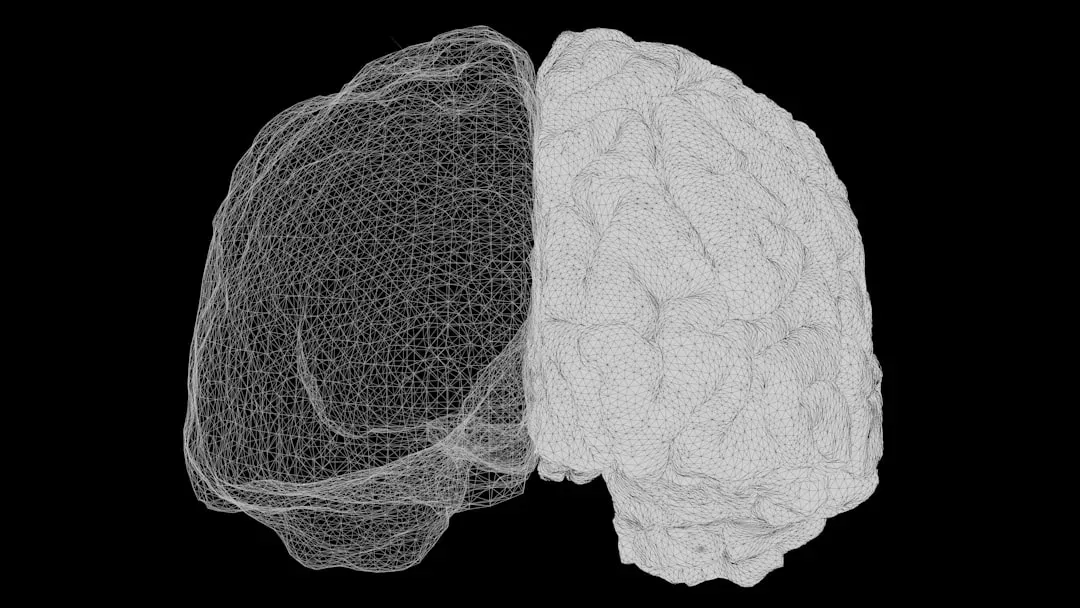
If your brain is still firing, are you really gone? Brain death is often treated as the modern gold standard for defining death, but even that is less straightforward than it looks. The brain is not just a light switch that flips from “on” to “off”; it is millions of circuits, rhythms, and feedback loops that do not all shut down at exactly the same time.
Researchers have recorded surprising bursts of brain activity shortly before and even briefly after apparent clinical death in some cases. It does not mean minds live on in some supernatural way, but it does challenge the simple idea that consciousness just fades to black instantly. The uncomfortable truth is that we do not fully understand how subjective experience is tied to neural activity, so when people ask what happens to “you” at death, science still does not have a complete, confident answer.
Cells, Organs, and the Slow Unraveling of a Body
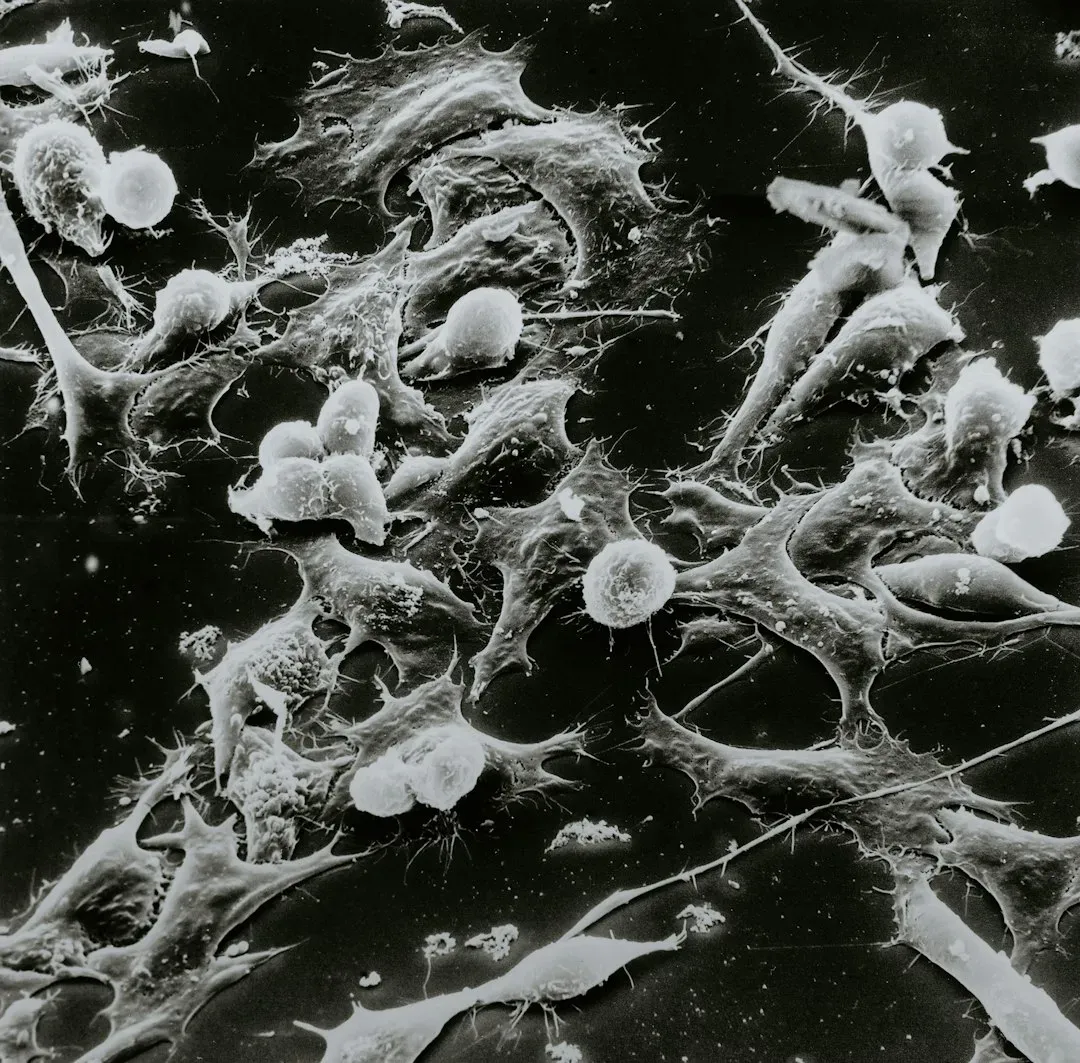
Part of the problem is that death is not a single event, but a process at many different scales. Heart cells, brain cells, and skin cells all die at different speeds and under different conditions. Organs can sometimes be kept “alive” in preservation machines, even after the person has been pronounced dead, and then transplanted successfully into someone else.
So what exactly has died in that situation: the body, the person, or just the original network that held everything together? From a purely cellular point of view, death is more like a power grid failing in sections, with some lights flickering on long after others have gone out. That messy, staggered shutdown makes it incredibly hard to pin down a clean, universal definition that covers both a single cell and a human being in a hospital bed.
Aging, Entropy, and Why Bodies Cannot Keep Up Forever
On a deeper level, scientists can say that death is tied to entropy: the gradual drift toward disorder that affects everything in the universe. Living organisms are astonishing exceptions, constantly burning energy to build order and repair damage. Over time, though, the tiny errors, breaks, and mutations accumulate faster than biological systems can fix them.
Aging researchers have mapped out many of these damage patterns, from shortened telomeres at the ends of chromosomes to misfolded proteins clogging up cells. Yet no single mechanism fully explains why complex organisms must die, or why some species live far longer than others. The big question of whether aging and death are inevitable laws of nature or just design choices of evolution is still wide open, and that uncertainty keeps death perched on the edge of science and philosophy.
Near-Death Experiences and the Edge of Explanation
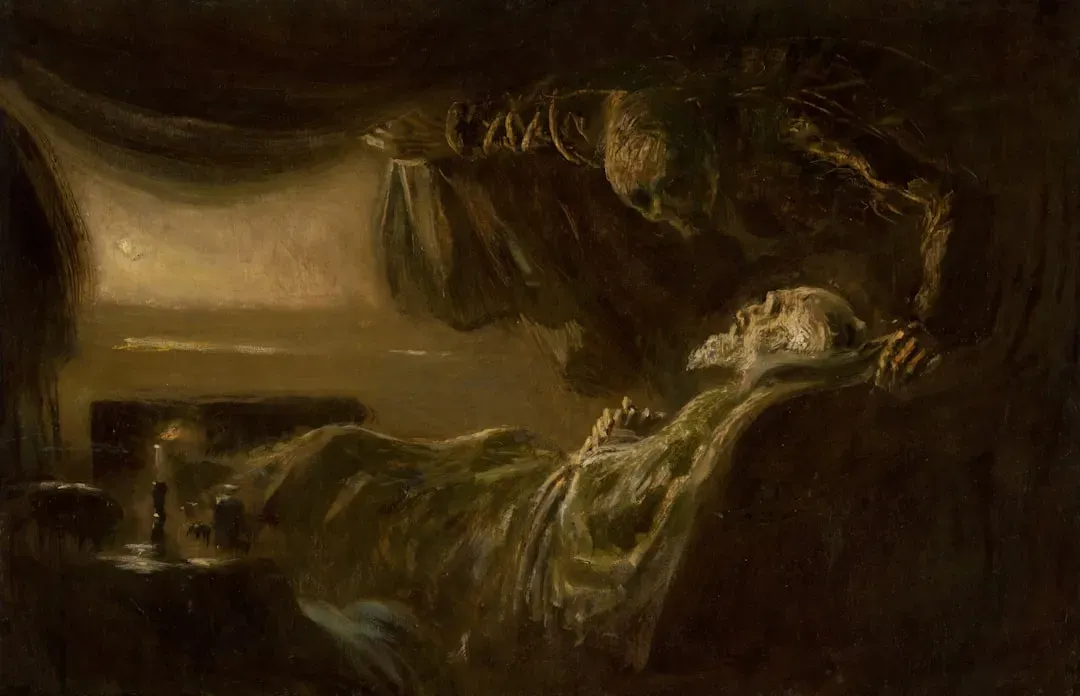
There is also the strange territory of what people report when they almost die: tunnels, lights, life reviews, or an intense feeling of peace. Neuroscience has proposed several plausible explanations, from chemical surges in the brain to disrupted blood flow and unusual electrical patterns. These ideas make sense, but they do not cover every detail, and they are still active areas of research rather than settled facts.
What complicates things further is how consistent some of these subjective experiences appear across different cultures and situations. Scientists can track brain signals and measure oxygen, but they cannot directly access a dying person’s inner world in real time. That gap between what we can measure and what people actually feel keeps death hovering in a gray zone where science, psychology, and personal meaning collide.
Technology That Delays Death but Does Not Define It

Modern medicine is remarkably good at stalling death without really explaining it. Life-support machines, powerful drugs, targeted cooling, and advanced surgery can drag out the dying process for days, weeks, or longer. At the same time, cryonics companies promise to preserve bodies or brains at ultra-low temperatures in the hope that future science might revive them, even though there is no evidence yet that this is actually possible.
As technology gets better, the question shifts from “Can we keep this person alive?” to “Should we, and what does alive even mean here?” A person in a deep coma with no measurable awareness may be biologically alive but absent in every way that matters to family and friends. Science can tinker with the machinery of life for longer and longer, but it still struggles to say at what point the person, rather than just the body, is gone for good.
Cultures, Beliefs, and the Weight of Meaning
Another reason death resists tidy scientific answers is that it is loaded with meaning. Different cultures, religions, and philosophies carry their own ideas about what death is and what, if anything, comes after. These beliefs shape how we interpret everything from near-death experiences to end-of-life decisions, often more powerfully than any data point or brain scan.
Science can describe what happens to cells, organs, and brains, but it cannot settle questions about the value of a life, the reality of a soul, or the existence of an afterlife. Even within secular societies, people bring powerful personal stories, fears, and hopes to the conversation. That emotional and cultural weight means that death is never just a biological issue, and any purely scientific definition will always feel incomplete to many of us.
Why Death Will Stay Difficult – And Why That Matters
In my view, death remains one of science’s hardest questions not because we lack tools, but because we are trying to pin down something that lives at the crossroads of biology, consciousness, time, and meaning. We can count heartbeats and analyze brain waves, but the moment we ask what it means for a person to end, we are already beyond the reach of microscopes alone. That is not a failure of science so much as a reminder that some questions sit on the border between what can be measured and what must be interpreted.
Paradoxically, that uncertainty might be a gift. Knowing that death is still, in some ways, unsolved keeps us humble about what we claim to know, and forces us to treat the time we do have as something fragile and strange. Maybe the most honest position right now is to accept that science can map the road to death in exquisite detail, but the final step will probably always keep some of its mystery. If anything, that lingering mystery is a quiet nudge to live like the ending matters more than we think – what would you change if you really felt how unfinished our answers still are?