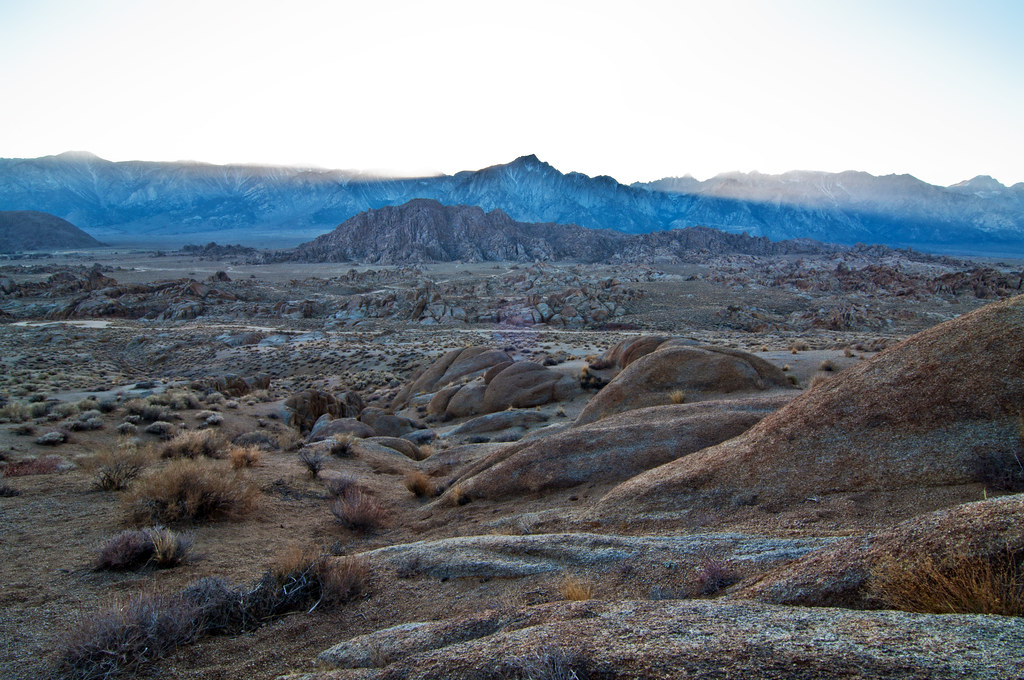
Every now and then, Earth pulls a trick that feels less like geology and more like a magic show. Rocks creep across desert floors, boulders crawl down frozen valleys, and stones seem to migrate uphill in defiance of common sense. The strangest part is that in several of these places, scientists have actually filmed and measured the motion, yet arguments about the exact causes still flare up like campfire debates under the stars.
I still remember the first time I saw time‑lapse footage of a “sailing stone” sliding silently over cracked desert mud. It felt wrong in the best possible way, like catching a chair move in an empty room. You know there has to be a logical explanation, but your brain secretly hopes it is something wilder. The seven places below sit exactly in that tension: grounded in physics, but weird enough to make you question how well you really know the planet under your feet.
1. Racetrack Playa, Death Valley, USA – The Iconic “Sailing Stones”
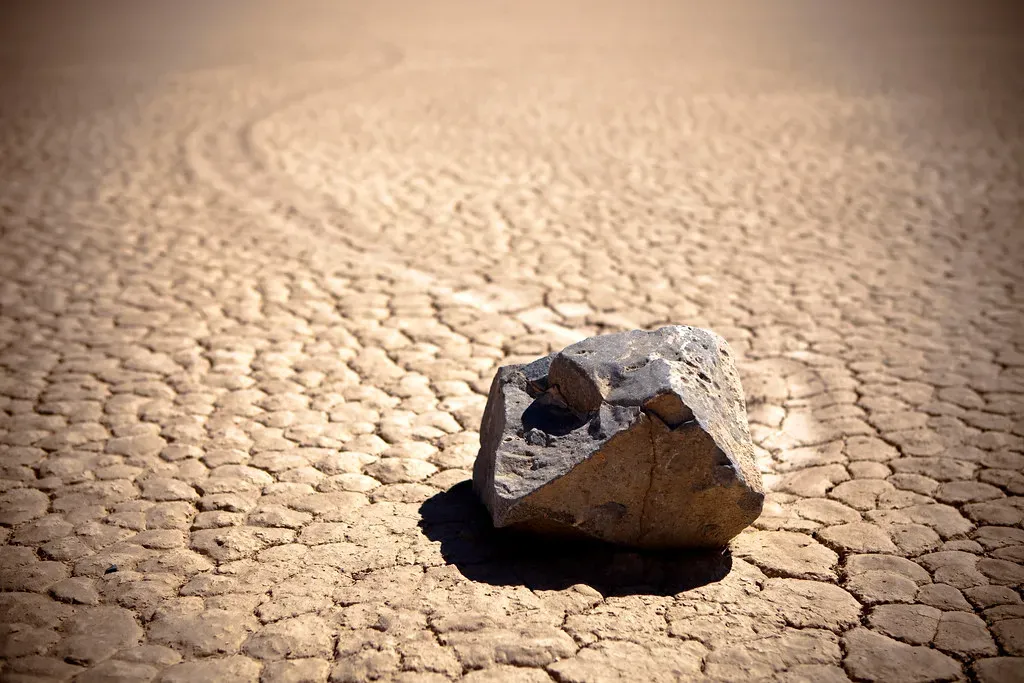
If there were a Hall of Fame for moving rocks, Racetrack Playa would be the main exhibit. This dry lakebed in Death Valley National Park is famous for its flat, baked mud and mysterious stones that leave long, graceful trails behind them, as if they spent the night going for a slow desert stroll. For decades, no one had actually seen them move; only the tracks appeared, sometimes stretching tens of meters, crisp as if drawn with a ruler.
In the last decade, scientists finally caught the stones in the act using GPS tags, weather stations, and time‑lapse cameras. The motion turned out to be a delicate ballet of thin winter ice sheets, a shallow film of water, and light winds nudging the rocks along when the playa turns slick and glassy. That explanation is wonderfully elegant, but here is the uncomfortable truth: even with the basic mechanism nailed down, the details of why different stones move at different times, speeds, and directions still leave room for debate. The science is robust, yet the romance of those lonely tracks at sunrise refuses to die.
2. Little Bonnie Claire Playa, Nevada, USA – Racetrack’s Quieter Cousin
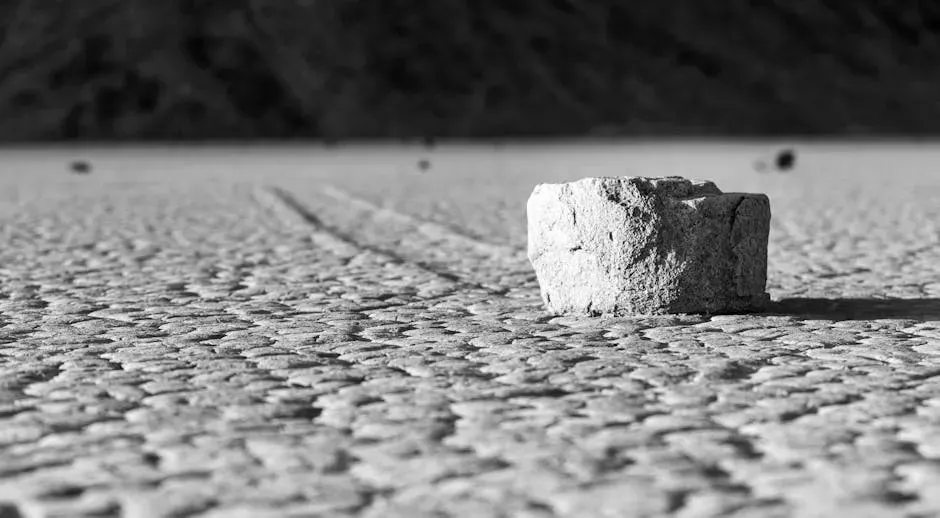
Across the state line in Nevada, Little Bonnie Claire Playa is like Racetrack’s less Instagram‑famous sibling. It is another broad, dry lakebed, ringed by mountains and often overlooked by travelers racing for more dramatic scenery. But if you slow down and really look at the playa surface, you can find rocks with subtle, snaking tracks carved into the mud, hinting that something similar is going on here too. It is not as cinematic as Death Valley, but it is every bit as intriguing to geologists.
The prevailing idea is that the same cocktail of thin ice, temporary ponding, and wind can set stones gliding across this playa as well. The catch is that there has been far less intensive monitoring here: fewer instruments, fewer published datasets, and way fewer cameras focused on those shy Nevada rocks. So while the Racetrack mechanism almost certainly applies, there is still a lingering sense of “unfinished business.” To me, that makes Little Bonnie Claire feel like a natural laboratory waiting for the next curious grad student with a handful of GPS loggers and a lot of patience.
3. Other Dry Lakebeds of the American Southwest – Scattered, Subtle, and Understudied
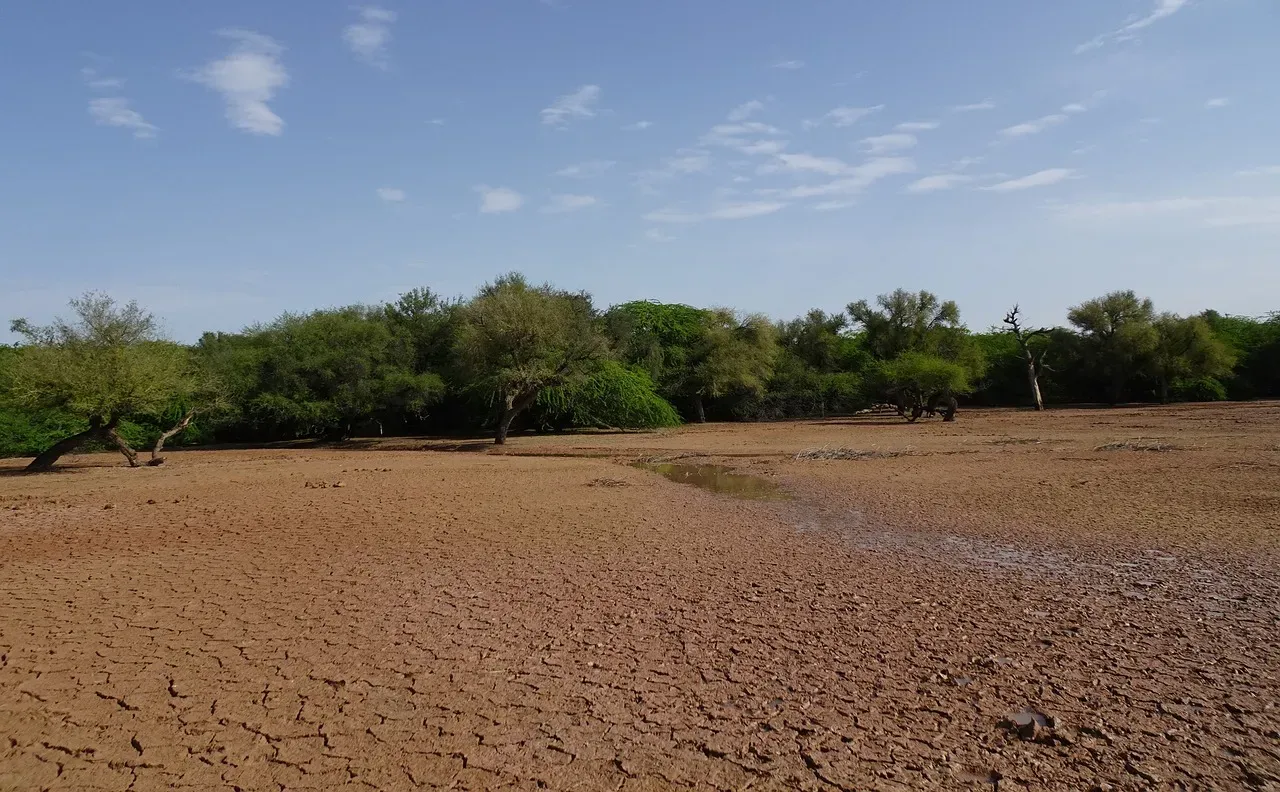
Once researchers cracked the puzzle of Racetrack Playa, a new question popped up: if this can happen here, where else is it quietly happening without fanfare? The American Southwest is peppered with small playas and ephemeral lakebeds in California, Nevada, Utah, and Arizona. On some of these, hikers and scientists have reported tracks behind stones, occasional rearrangements of rock clusters, and oddly aligned pebbles that hint at slow, seasonal migration.
Unlike Racetrack, most of these spots are not heavily monitored, and in many cases the evidence is more anecdotal than rigorously documented. That makes them a bit controversial in scientific circles: some geologists are comfortable extrapolating the Racetrack mechanism, while others argue that each site could layer in extra factors like local wind patterns, subtle slopes, or the grain size of the mud. This is one of those areas where the debate is less about whether the rocks move and more about how much effort we should spend proving what we already suspect. Personally, I think the scattered reports make the region feel like a treasure hunt for anyone who loves low‑key mysteries in big landscapes.
4. “Singing” and Moving Boulders in Glacial Environments, Antarctica
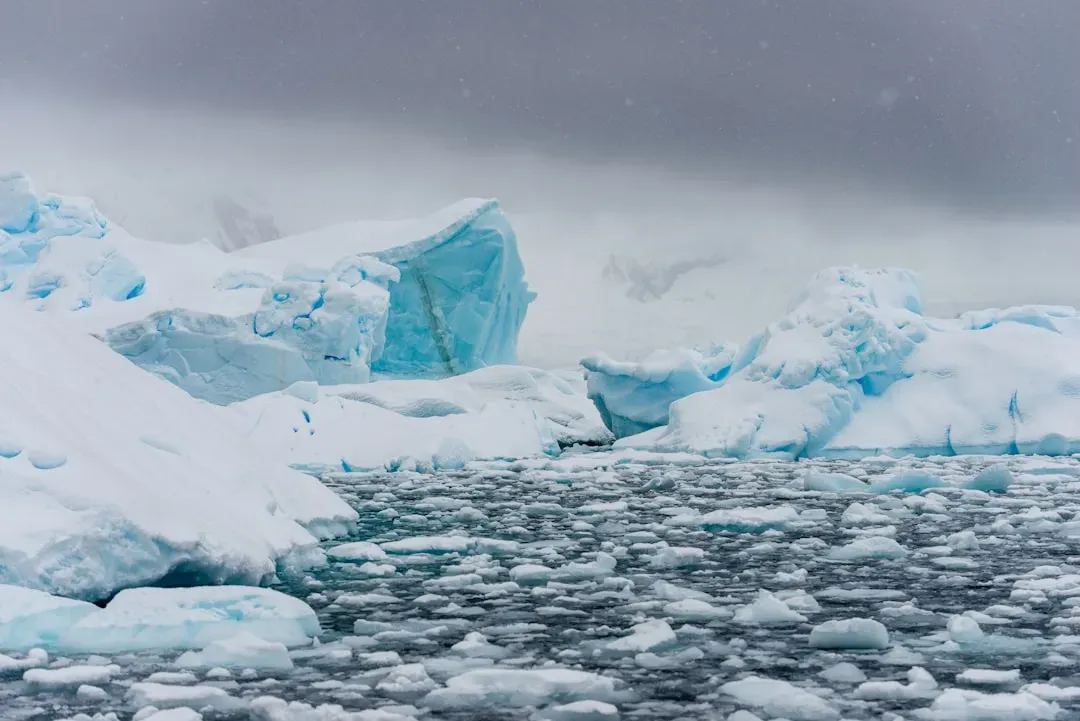
Antarctica might not be the first place you picture when you think of wandering stones, but glacial environments put rock movement on a slow, eerie stage. On the surfaces of certain ice sheets and floating ice shelves, rocks get frozen into the upper layers and then shifted by subtle ice flow, surface melt, and wind. Over days to years, these embedded stones can trace curved paths, occasionally leaving shallow grooves or rearranged clusters on the ice that resemble a frozen version of desert sailing stones.
Some studies have also reported rocks that shift or vibrate in response to changing ice conditions, crevasses opening, or the flexing of floating ice under ocean tides. The physics is very different from the paper‑thin ice rafts on a desert playa, and the conditions are harsher, which means direct observation is rare and often instrument‑limited. That scarcity of data fuels disagreement over how much is driven by ice flow versus wind versus subtle meltwater lubrication. From my point of view, what makes Antarctic rock motion so captivating is that it happens in a place where human eyes almost never watch, like a secret performance in a theatre of snow and silence.
5. Patterned Ground and “Self‑Sorting” Stones in Arctic Permafrost
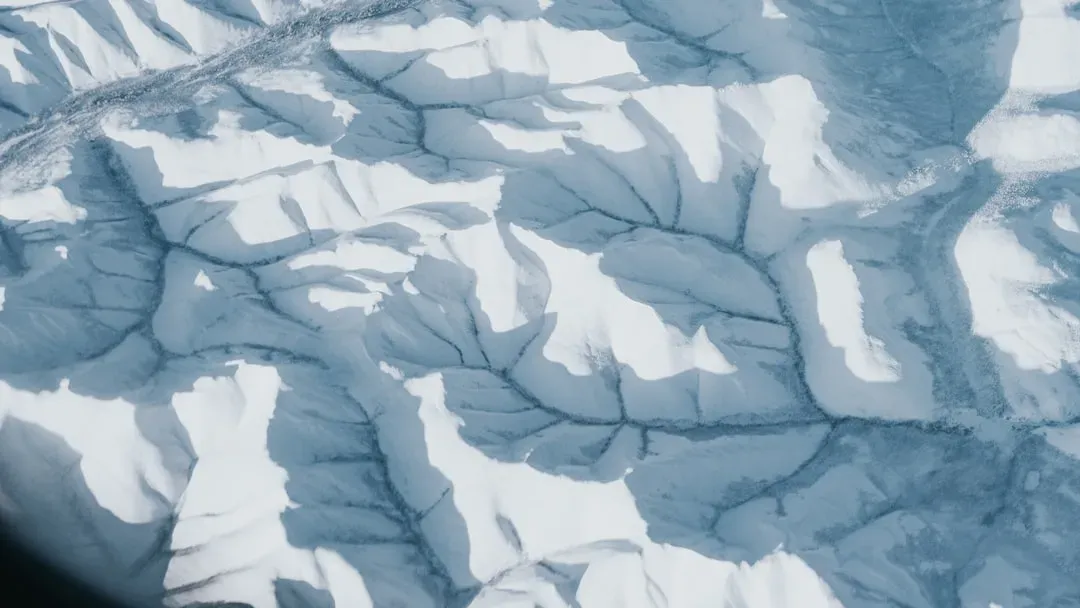
In Arctic and sub‑Arctic landscapes, you sometimes walk across what looks like a giant stone mosaic: rings, polygons, and stripes of rocks arranged with puzzling precision. At first glance, it feels like someone went wild with landscaping. In reality, these are examples of patterned ground, where stones appear to slowly move and sort themselves over many freeze‑thaw cycles. The movement is not dramatic on human timescales, but over years and decades, rocks can shift outward or inward, creating shapes so regular they almost look designed.
The leading explanation involves frost heave, tiny soil flows, and density differences between stones and finer sediments. When the ground repeatedly freezes and thaws, ice lenses form and melt, pushing stones upward and sideways in biased ways. Yet there is still no single model that everyone agrees fully captures the variety of patterns seen in different permafrost regions. Some researchers emphasize vertical heave, others stress small‑scale soil convection, and a few argue for additional mechanisms. To me, this is geology behaving like a slow, patient artist, moving pieces grain by grain while scientists argue over the exact choreography.
6. Boulder Fields on Gentle Slopes – When “Uphill” Is an Optical Illusion
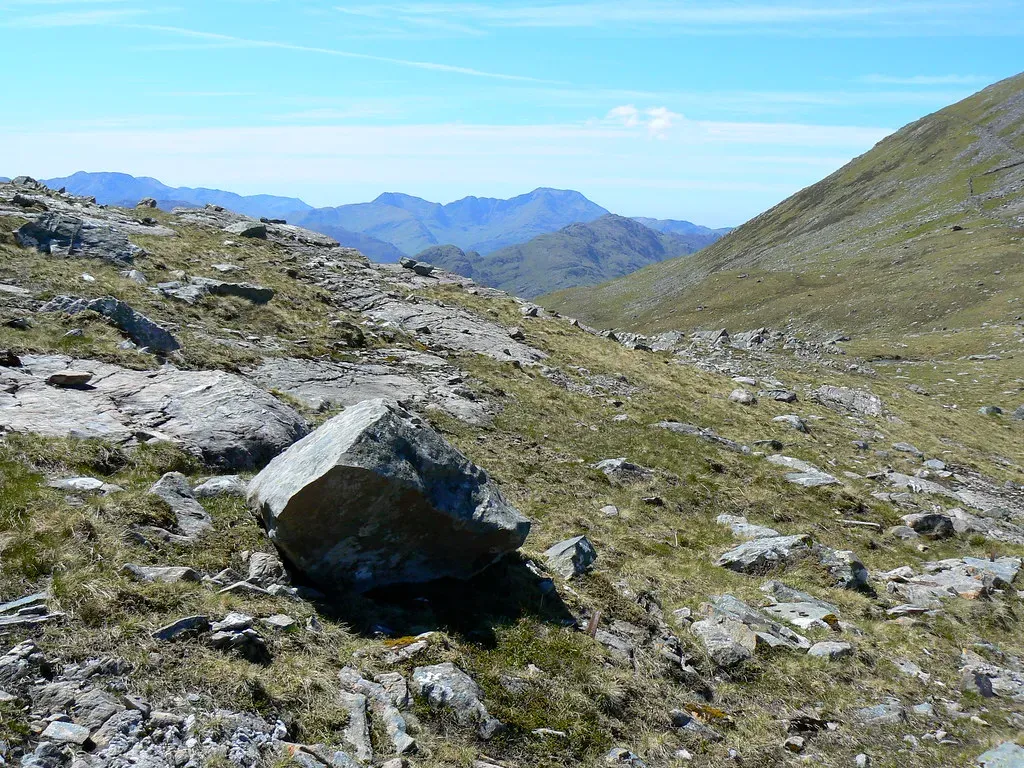
Scattered across the world are boulder fields and talus slopes where you can find rocks that seem to have migrated in directions that make no obvious sense, sometimes even appearing to move uphill. At a glance, it feels like nature is breaking the rules, but a lot of this weirdness comes down to how bad humans are at judging subtle slopes. What looks like level ground or an incline can actually be a slightly steeper descent in the opposite direction, tricking both the eye and the brain.
Careful surveys with precise leveling tools often show that the rocks are in fact moving downhill, driven by slow creep in soils, gravity‑assisted sliding during wet periods, or freeze‑thaw cycles that loosen and nudge them. Still, there are fields where the distribution of rock sizes, shapes, and positions defy simple explanations, and researchers argue about how much is due to present‑day processes versus relics of ancient glaciers or landslides. This is where I think skepticism is healthy: many “mystery” boulder stories evaporate under better measurements, but the stubborn leftovers keep geomorphologists honest and curious.
In some mountain regions, locals share long‑remembered accounts of boulders that “shifted overnight” after storms or earthquakes. When scientists compare those oral reports with lidar surveys and satellite images, they sometimes find subtle changes that are real, but far more modest than the stories suggest. That gap between perception and measurement is fascinating in its own right. It shows how human memory, storytelling, and geology all interact to create legends about moving stones, even when the underlying physics is just slow gravity and weather doing their thing.
7. The “Mystery Spots” and Gravity Hills – Where Rocks Roll the Wrong Way
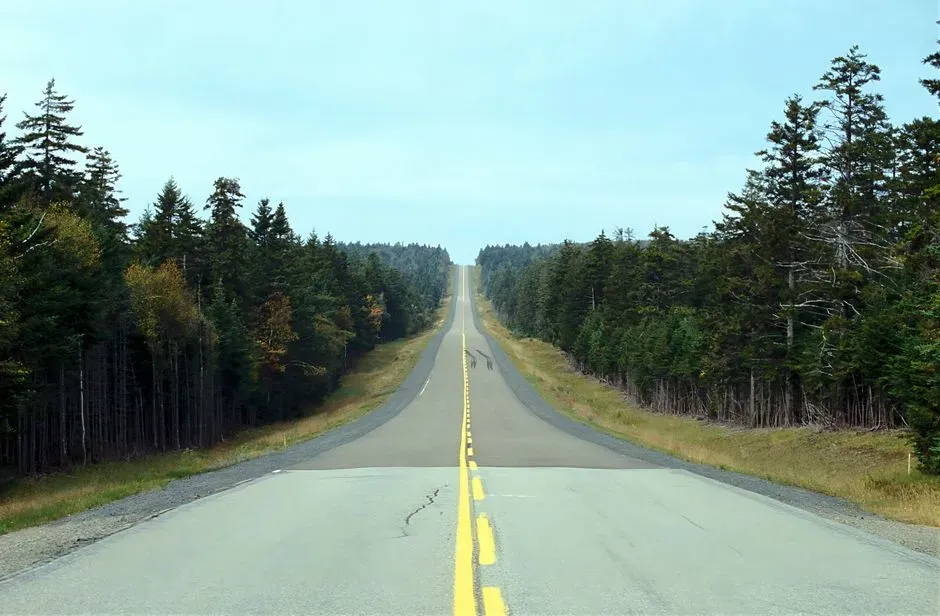
There are roads and hills around the world where a parked car seems to roll uphill, a bottle appears to defy gravity, or a loose rock quietly starts moving in the “wrong” direction. These places are often marketed as mystery spots or gravity hills, and they absolutely feel uncanny when you experience them in person. Stand in the right place, look along the road, and your senses confidently tell you the slope is rising, even as a rock demonstrably rolls the opposite way.
The scientific explanation is surprisingly simple: your brain is being fooled by the surrounding landscape, tree lines, and horizon, which can create a powerful optical illusion of slope. When you bring in survey equipment, you find that the “uphill” direction is actually slightly downhill, and the rocks are behaving perfectly normally under gravity. What is still debated, though, is why some configurations of background scenery trick so many people so reliably, while others do not. Personally, I love that these spots expose how easily our senses can be hacked, reminding us that sometimes the real mystery is not the rock at all, but the squishy computer inside our skulls trying to make sense of it.
Conclusion: When Solid Ground Refuses to Sit Still
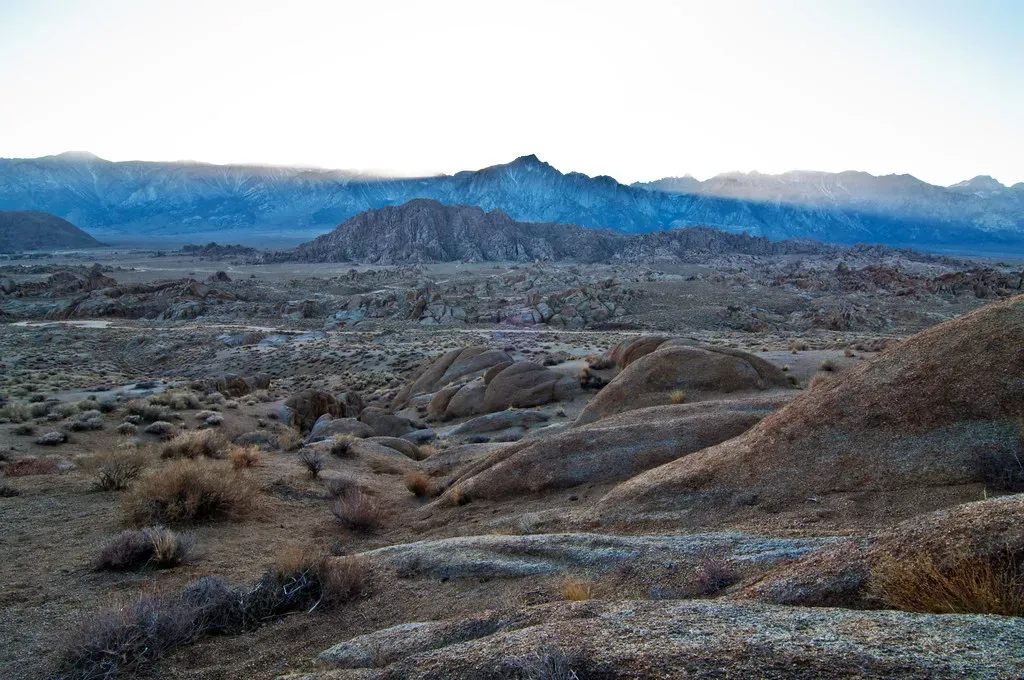
Moving rocks sound like a party trick, but they quietly reveal how complex the everyday physics of our planet really is. Thin ice sheets, microscopic soil shifts, invisible slopes, and even our own faulty perception team up to create scenes that feel supernatural until you dig into the details. Yet even when mechanisms are pinned down in principle, the fine print – the exact timing, the variability from place to place, the outliers that do not fit – keeps sparking honest scientific disagreement.
My own view is that we should resist the urge to choose between wonder and explanation. Places like Racetrack Playa or a good old gravity hill show that you can have both: a rock sliding a few centimeters can be fully compatible with physics and still hit you with a jolt of awe. Maybe the real joy is in catching Earth in these small acts of mischief and letting them nudge us toward better questions. The next time you step onto what feels like solid, unmoving ground, it is worth asking yourself: are you really standing on something still, or just on something that moves too slowly for you to notice?