
Most of us grow up hearing the same message: fever is the enemy, something to crush with pills the moment the thermometer nudges upward. But what if that story has it backwards? What if that flushed face, pounding head, and aching body are not signs that your system is “broken” but proof that an ancient internal defense is kicking into high gear, just like it has for hundreds of millions of years across the animal kingdom?
Once you start looking at fever through the lens of evolution and immunology, it suddenly looks less like an error message and more like a carefully tuned survival feature. Your body is not randomly overheating. It is running a controlled, strategic heat campaign designed to tilt the battlefield against invading microbes while keeping you just this side of danger. And when you understand how deliberate that process is, you may never look at a temperature reading the same way again.
Fever Is an Ancient Survival Trick, Not a Modern Bug

Here’s the first surprising thing: fever is not uniquely human. Fish, reptiles, birds, mammals – wildly different creatures separated by hundreds of millions of years of evolution – all show versions of fever or heat-seeking behavior when they are infected. Even cold-blooded animals, which do not generate heat like we do, will actively seek warmer environments when sick, effectively giving themselves a behavioral fever.
You do not get that kind of cross-species consistency by accident. When a biological response is conserved in so many branches of life for so long, evolution is essentially voting with its feet and saying, this works. That means fever is not a glitch of modern physiology; it is one of the oldest and most time-tested ways organisms have found to survive infections. In evolutionary terms, a mechanism that sticks around that long generally offers a serious survival payoff.
How Your Brain Deliberately Turns Up the Thermostat

Fever starts with a decision – not a conscious one, but a biological one. When your immune cells detect pieces of bacteria or viruses, they release signaling molecules that act like internal alarms. These molecules travel through your bloodstream and eventually reach the brain, especially a region called the hypothalamus, which quietly runs your body’s temperature control system in the background, day in and day out.
Instead of simply “overheating,” the hypothalamus actually resets your internal thermostat to a higher set point, the way you might raise the target temperature on a smart thermostat at home. That new set point is why you suddenly feel cold and start shivering even though your actual temperature is going up. Your body is not out of control; it is obeying a new command: raise core temperature to make life harder for invaders and easier for your defense forces.
The Heat Makes Life Miserable for Many Pathogens

From the microbe’s point of view, fever is a nightmare. Many bacteria and viruses have a fairly narrow comfort zone where they grow and replicate best, often near normal human body temperature. When your core temperature rises a degree or two, you may feel awful, but for some pathogens that shift is like being forced into a hostile climate where their enzymes and proteins cannot work quite as efficiently.
This slight thermal stress can slow down their reproduction just enough to give your immune system time to catch up and gain the upper hand. Think of it as your body quietly sabotaging the enemy’s supply lines. It is not that high temperatures instantly fry every pathogen – biology is messier than that – but the new conditions can worsen their odds in subtle, cumulative ways that matter over the course of an infection.
Fever Supercharges Key Parts of Your Immune System
![Fever Supercharges Key Parts of Your Immune System ([1], Public domain)](https://nvmwebsites-budwg5g9avh3epea.z03.azurefd.net/dws/35c341cf768ca6d6eb57be8304a22f80.webp)
The story is not only about harming microbes; it is also about empowering you. Elevated temperatures can boost the activity of certain immune cells, like white blood cells that patrol your body looking for trouble. Their movement, communication, and ability to engulf or target infected cells can work more effectively in a mildly heated environment, almost like a team of responders moving faster once the alarm has been sounded.
Some components of the immune response, such as how efficiently cells present bits of viruses or bacteria to each other, also seem to work better at fever-range temperatures. It is as if your body is dimming the lights on the invaders and turning the spotlight up on your defenders at the same time. You may feel exhausted and useless in bed, but on a microscopic level, your internal security system is working harder and smarter.
Why Your Body Carefully Stays Below the Danger Zone

Of course, heat can be dangerous, and your body knows it. That is why most fevers sit in a relatively narrow band, often around the upper thirty-eight to thirty-nine degrees Celsius range, rather than soaring off into levels that could cook your own tissues. There is a difference between a regulated fever and uncontrolled overheating, such as what happens in heatstroke, where the body loses the ability to manage temperature and real damage can happen quickly.
In fever, the same brain region that raises the set point also constantly monitors and limits it. You shiver to get up to the new target and sweat to avoid overshooting it. That tug-of-war explains why fever often feels like a cycle of chills and sweats. The fact that this pattern is so tightly controlled is more evidence that fever is a planned response, not a random meltdown of the system.
So Should You Always Let a Fever Run Its Course?

Here is where things get tricky, and where a bit of nuance matters more than simple slogans. On one hand, because fever is a built-in defense, aggressively suppressing every mild temperature rise the moment it appears might, in theory, remove one of your body’s tools. Some studies and medical discussions suggest that modest fevers, especially in otherwise healthy adults, can be tolerated and may even be helpful while the immune system fights.
On the other hand, fever is not a daredevil challenge to see how high you can go. Very high fevers, fevers in very young babies, or fevers in people with certain medical conditions can be warning signs that need urgent medical attention. And even moderate fevers can be uncomfortable enough that symptom relief is a reasonable goal. The smarter mindset is not fever is always bad or fever is always good, but rather fever is a tool that sometimes needs to be respected and sometimes needs to be managed, depending on the context.
Why We Culturally Learned to Fear Fever

For many families, the emotional script around fever is pure alarm: a slight temperature bump in a child, and suddenly there is panic, late-night internet searches, and a rush for medication. That fear has history. Before antibiotics, vaccines, and modern intensive care, fevers often appeared in the sickest patients, so people naturally linked the sight of a burning forehead with severe, sometimes fatal illness. It is no wonder that older generations passed down the idea that fever itself was the enemy.
As medicine advanced, we gained powerful drugs to lower temperatures and treat infections, but we did not always update our beliefs about what fever actually means. Instead, we kept seeing fever as something to be eliminated as quickly as possible, rather than as a signal and a tool. Shifting that mindset takes time and clear communication from healthcare professionals, and it also requires us, as individuals, to get more comfortable with the idea that a body working hard to protect itself will not always feel pleasant.
Listening to Fever as a Message, Not Just a Number
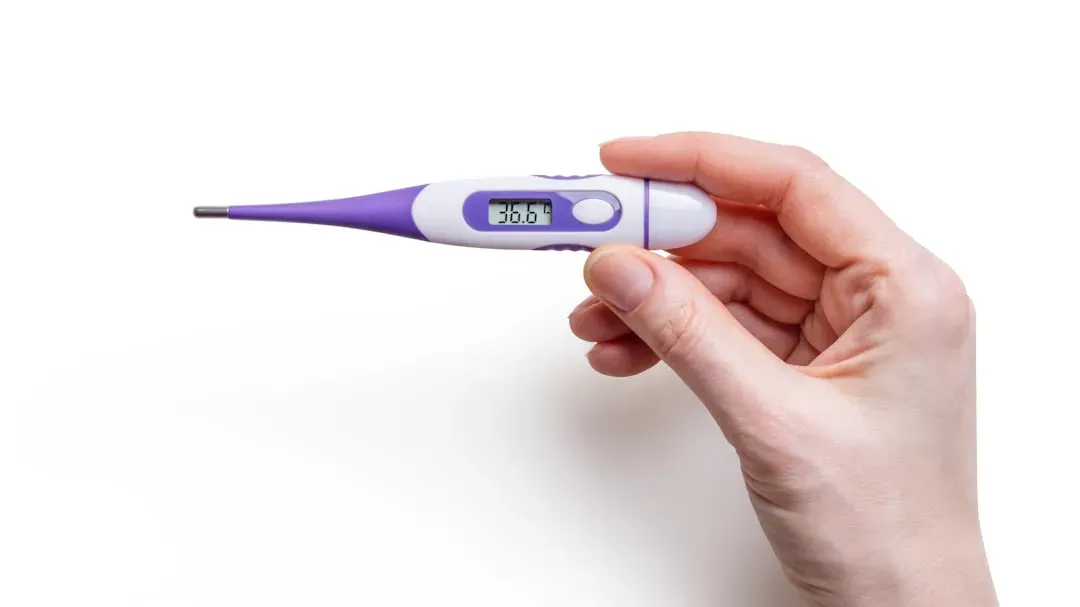
One of the most underappreciated aspects of fever is that it forces us to slow down. When you are feverish, your body makes you so tired and achy that pushing through feels almost impossible. That enforced rest is a form of built-in self-care. It encourages you to stay put, avoid unnecessary exertion, and let your immune system do its work with fewer demands on the rest of your physiology.
Fever is also a communication tool. In children who cannot yet clearly explain how they feel, a raised temperature can be the first obvious sign that something is wrong and needs attention. Even in adults, a persistent or unusually high fever can be a clue that an infection is serious or that an underlying issue needs investigation. Seen that way, fever is less of a malfunction and more of a flashing indicator light telling you to pay attention, slow down, and, when appropriate, seek medical advice rather than ignoring the problem.
Conclusion: Rethinking Fever as an Ally You Do Not Have to Love

I will be honest: I do not enjoy having a fever any more than anyone else. It feels miserable, disorienting, and frustrating, especially when you have plans or responsibilities you suddenly cannot meet. But the more I read and think about how deeply wired this response is – conserved across hundreds of millions of years and countless species – the harder it is to see it as a simple malfunction. To me, fever looks less like a flaw of biology and more like a hard-edged compromise: short-term suffering traded for a better shot at survival.
That does not mean we should glorify fever or refuse all treatment; pain relief, medical evaluation, and common sense still matter, especially in vulnerable people. What it does mean is that the next time the thermometer climbs a bit, maybe the first thought should not be my body is failing, but my body is fighting. Fever is an ancient, precisely tuned weapon in your internal arsenal – uncomfortable, yes, but far from pointless. The real question is not whether fever is good or bad, but how we can respect what it is trying to do while still keeping ourselves safe; did you expect such a simple symptom to have such a long evolutionary story behind it?