Try this: close your eyes and reach back as far as you can into your past. For most people, the tape of memory suddenly cuts to black somewhere before age three, like a movie that starts after the opening scenes have already rolled. It feels eerie, almost unsettling, that an entire slice of our life exists only as stories told by others and photos in family albums, not as memories we can actually feel from the inside.
We usually shrug this off with a simple explanation: the brain was immature, memories just did not form yet. But a growing body of work in neuroscience and developmental psychology suggests something more provocative. It is not just that the memory systems were still booting up – it may be that there was not yet a stable, continuous “you” for those experiences to belong to. In other words, before a certain age, there is no enduring self to pin those early moments on, so they never become the kind of memories we can later call “mine.”
The Mystery of Childhood Amnesia: A Vanishing Act in Plain Sight
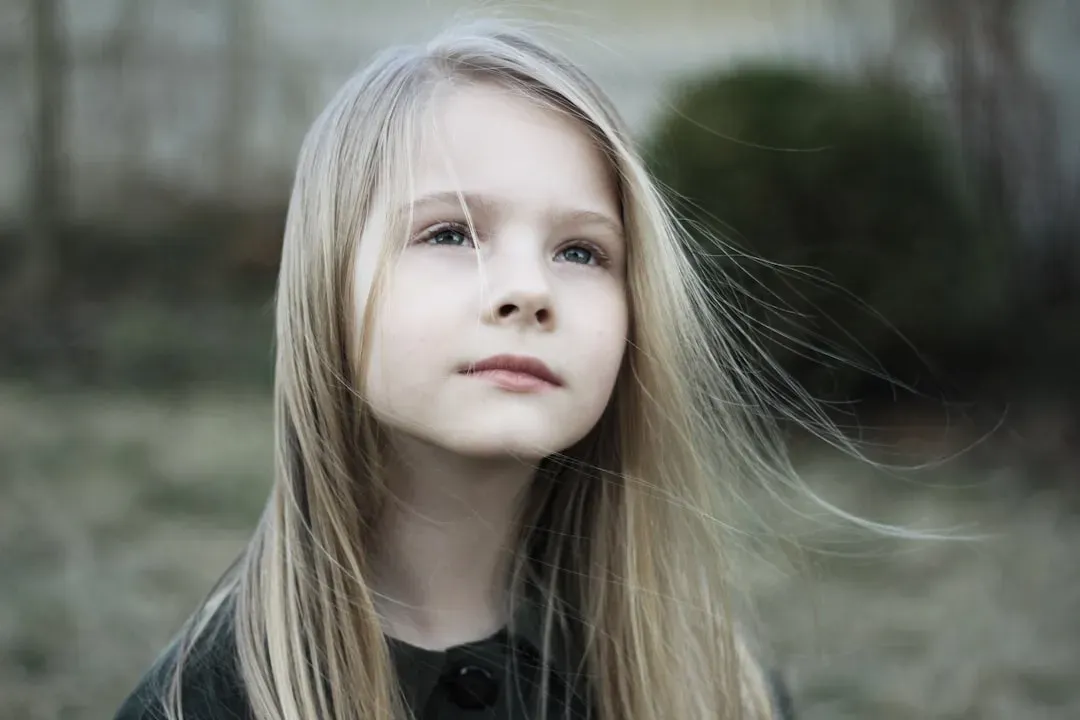
Childhood amnesia is the name researchers give to this striking gap: adults typically have no autobiographical memories from roughly the first two or three years of life, and only fuzzy, fragmentary ones for a few years after that. What makes this so surprising is that babies and toddlers are clearly learning all the time – they remember faces, routines, songs, even where the snacks are hidden. So they are not memory-less; they are just missing the kind of memories that feel like lived episodes in a personal story.
Think about how odd that is. You may vividly recall a random afternoon at age eight, the smell of the school hallway or the feel of your favorite sweatshirt, but you cannot summon anything from when you learned to walk or heard your first lullaby. It is as if your life before age three has been outsourced to other people’s recollections and old photos. That mismatch between what the brain can learn and what you can later remember as “your past” is the puzzle that pushes scientists to look beyond simple “the brain was not ready yet” explanations.
Memory Formation Starts Early – So Why Don’t You Remember?
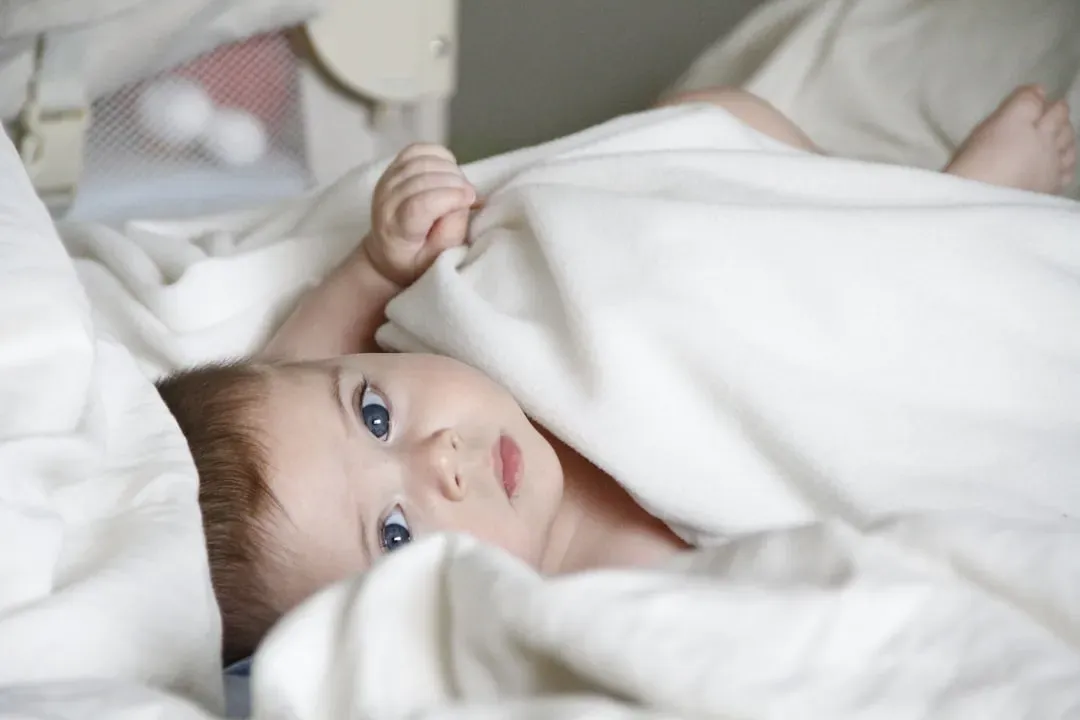
One of the most surprising findings from developmental neuroscience is that the machinery for forming memories is already working in infancy. Babies can recognize their mother’s voice, remember the pattern of a mobile above their crib, and get upset when a familiar routine is suddenly changed. Experiments show that even very young infants can retain certain learned behaviors over days or weeks, especially when the context is similar.
In other words, the brain is not a blank slate in those early years – it is a hyperactive learning engine. What seems to be missing is not raw storage capacity but something more specific: memories about the self, embedded in time. Knowing how to reach for a toy or recognizing the family dog is very different from being able to later say, “I remember the day I first met that dog.” The first kind is more like a skill or a familiarity; the second is a story, and stories need a main character.
Episodic vs. Semantic Memory: Skills Survive, Stories Vanish
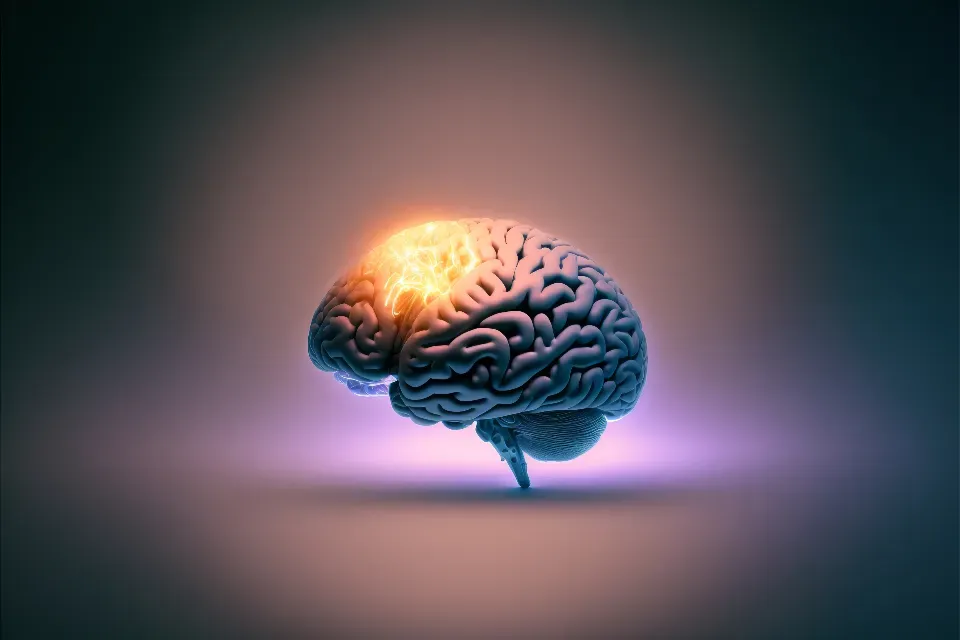
To make sense of this, it helps to distinguish between two big types of memory: semantic and episodic. Semantic memory is your storehouse of facts and knowledge – things like what a dog is or how to count. Episodic memory is your internal movie reel of experiences, those snapshots in which you can mentally step back into a moment and feel, “I was there.” Young children can build up a huge amount of semantic knowledge even while their episodic memories remain patchy or inaccessible later in life.
Crucially, episodic memories are not just recordings of sensory details; they are experiences tagged with a sense of self and time. When you remember a birthday party at age six, you remember not just balloons and cake but that you were the one blowing out the candles. Neuroscientists argue that this kind of memory depends on the brain’s ability to represent a stable perspective – a “me” who can, in imagination, travel back and re-inhabit that scene. Before that sense of a continuing “me” is in place, episodes may never get fully encoded in a way that allows future access.
Building a Continuous Self: When the Brain Learns “This Is Me”

The idea that early amnesia is tied to the absence of a continuous self rather than just immature memory circuits rests on a simple but powerful observation: our sense of self is built gradually. Babies show early hints of self-awareness, like recognizing their own body boundaries or eventually passing the mirror test, but these are building blocks, not a finished identity. A coherent narrative self – the sense that “I am the same person today that I was last year and will be next year” – emerges more slowly across the preschool years.
As language develops and children start using words like “I,” “me,” and “mine” in richer ways, they also begin to talk about their past and future. They go from simply reacting in the moment to being able to weave experiences into a story about who they are. This shift matters for memory: to form autobiographical episodes, the brain needs not only to store what happened, but to tag it as something that happened to a particular self that exists across time. Before that ongoing self is in place, experiences may be logged in more fragmented, impersonal formats that do not translate into later, vivid recollection.
Neural Development: Hippocampus, Prefrontal Cortex, and the “Self Network”
On the brain level, several key regions mature on different timelines, and that timing dovetails suspiciously well with when our earliest durable memories begin. The hippocampus, which is crucial for forming new memories of events, is present and functional very early but continues to develop structurally and functionally throughout childhood. At the same time, the prefrontal cortex, involved in organizing, retrieving, and giving context to memories, undergoes prolonged development well into adolescence.
Layered on top of this is the so‑called default mode network, a set of interconnected regions that light up when we daydream, reflect on ourselves, and mentally time travel into past and future. This network is heavily implicated in our sense of an autobiographical self. In young children, it is still wiring itself up, gradually learning to coordinate internal simulations of “me in another time or place.” When that network is immature, memories may be stored but not yet integrated into a stable web of self-related narratives, much like saving photos into a folder that has not been labeled or organized yet.
Language, Storytelling, and the Social Construction of “My Past”

Another underappreciated piece of the puzzle is how much our memories depend on other people. Parents constantly talk with children about what happened today, what will happen tomorrow, and what happened “when you were little.” Those conversations do not just recount events; they help children practice packaging raw experiences into structured stories with a beginning, middle, and end. Through these back‑and‑forth narratives, kids learn which details matter and how to place themselves at the center of the story.
Language gives children tools to stitch disconnected moments into a timeline and to anchor those moments to a consistent “I.” Without these narrative rehearsals, early episodes might fade or remain unlinked, like scattered puzzle pieces without the picture on the box. This may explain why some people with highly elaborative parents recall slightly earlier memories than others. It is not that the brain suddenly flips on at age three; rather, self, language, social feedback, and neural networks finally sync up enough for experiences to cohere into something that can be later recognized as “my memory.”
Why Photos and Family Stories Feel Like Memories (Even When They Aren’t)
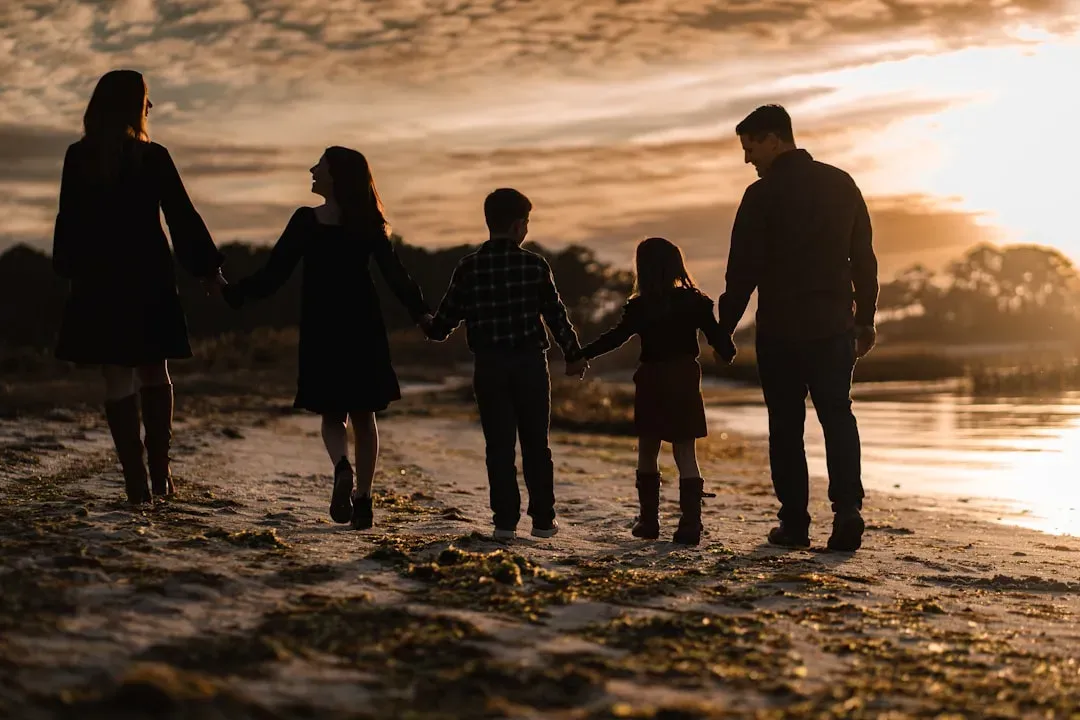
There is a funny twist here: many adults are convinced they remember something from their second year of life, like their crib or a specific outing. Yet when those memories are examined closely, they often turn out to be reconstructions built from photos, stories, and later imagination. The brain is excellent at taking secondhand information and simulating what it would have been like to be there, and over time those simulations can feel indistinguishable from genuine recollection.
This does not mean such memories are fake in a cheap sense; they just are not direct recordings from an early, continuous self. They are more like beautifully restored scenes based on partial blueprints. Family anecdotes provide the script, pictures provide the set design, and your adult sense of self provides the main character. The very fact that we can so easily backfill our earliest years this way highlights how dependent autobiographical memory is on having a stable “I” that can be inserted into a story, even retroactively.
So Is It Really About Memory, or About Self? A Personal Take
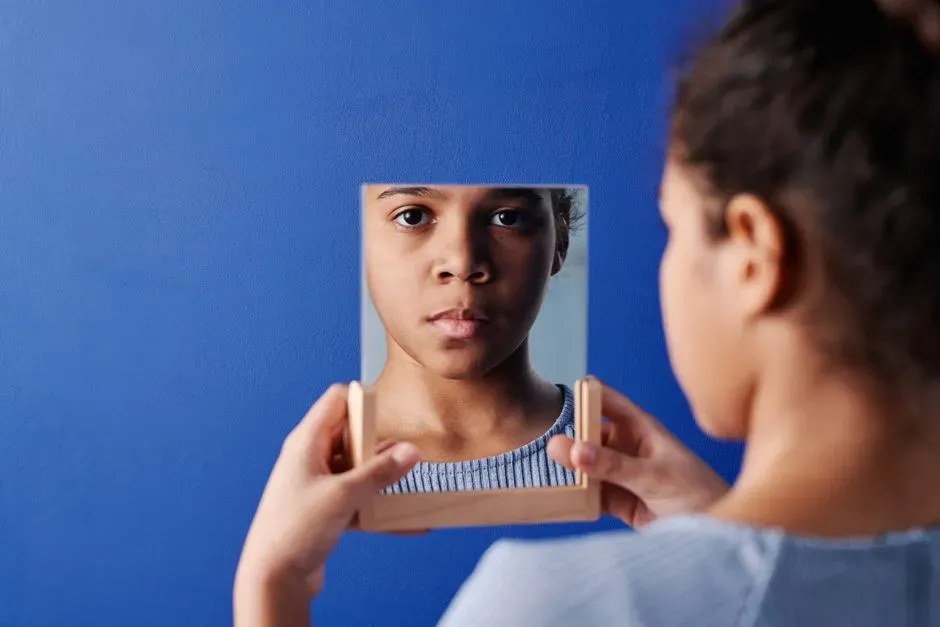
Putting all these threads together, it starts to look less accurate to say, “You do not remember your first years because your memory system was offline,” and more honest to say, “You do not remember because there was not yet a continuous you to own those memories.” The circuits for learning were already humming; what was missing was the integrated self that ties experiences into a narrative across time. From that angle, childhood amnesia is not a flaw but a by‑product of how slowly and delicately the sense of self is constructed.
Personally, I find this both humbling and oddly comforting. It suggests that our life story does not really begin when our heart first beats, or when neurons first fire, but when the brain pulls off the trick of saying, “All of these moments belong to the same someone, and that someone is me.” Before that, experiences happen, but they are more like weather passing through an open field – real, but not yet claimed by any enduring traveler. Maybe the real mystery is not why we cannot remember being younger than three, but how astonishing it is that, at some point, a continuous self emerged at all. When you think about it that way, which part of your life feels more fragile now – the memories you lost, or the sense of “you” that is still here to remember anything at all?