
You know that feeling when your heart suddenly starts racing for no obvious reason, your hands go clammy, and your mind sprints straight to the worst-case scenario? For many people, that is a panic attack crashing in. Now imagine this: before you even notice something is off, your dog quietly gets up, nudges you, stares into your eyes, or leans its whole weight against you. It can feel almost supernatural, like they are reading your mind from the inside out.
The reality is less magic and more biology, but no less fascinating. Some dogs can pick up changes in your body and behavior long before your conscious brain registers them. Properly trained psychiatric service dogs and emotional support dogs are increasingly being used to help people with panic disorder, PTSD, generalized anxiety, and other mental health conditions. While no breed can literally “predict the future,” certain breeds are especially good at detecting early signs of panic and stepping in before things spiral. Let’s walk through how they do it, why some breeds shine, and which 10 breeds are most often used for this kind of life-changing work.
How Dogs Can Sense a Panic Attack Before You Feel It
The idea that a dog can sense a panic attack fifteen minutes early sounds like a headline out of a sci‑fi story, but it sits on surprisingly solid ground. Dogs have an insanely powerful sense of smell, often estimated to be tens of thousands of times more sensitive than ours. That means they can detect tiny chemical changes in your sweat, breath, and skin that you will never consciously notice, including shifts in hormones and stress-related compounds that build up as your anxiety ramps up.
On top of that, dogs are masters at reading body language and subtle patterns. They notice changes in the way you walk, how you breathe, the tiny tremors in your fingers when you reach for your phone, the way your shoulders rise toward your ears. Over time, they connect those early signals with what usually comes next: your panic attack. With training and repetition, many dogs learn to interrupt that pattern, offering grounding behaviors like pawing, nudging, licking, or leaning against you, buying you time to use coping skills before the wave fully hits.
Why Certain Breeds Excel at Panic Detection
Any individual dog, mixed-breed or purebred, might be naturally tuned in to human emotions. But some breeds have a mix of traits that make them particularly strong candidates for panic alert work. High trainability, a strong bond with their person, a steady temperament, and willingness to focus for long periods all set the stage for success. Add in a good nose, moderate to high energy, and a tendency to stay close, and you have the perfect “early warning system” on four paws.
It is important to be honest here: there is no magical “panic attack dog breed” that comes preloaded with this ability right out of the box. What you get is raw potential. The magic happens when that potential combines with targeted training, consistency, and a deep relationship. Think of the breed as the hardware, and experience plus training as the software that teaches the dog how to respond to your individual anxiety patterns.
Labrador Retriever: The Calm Early-Warning System
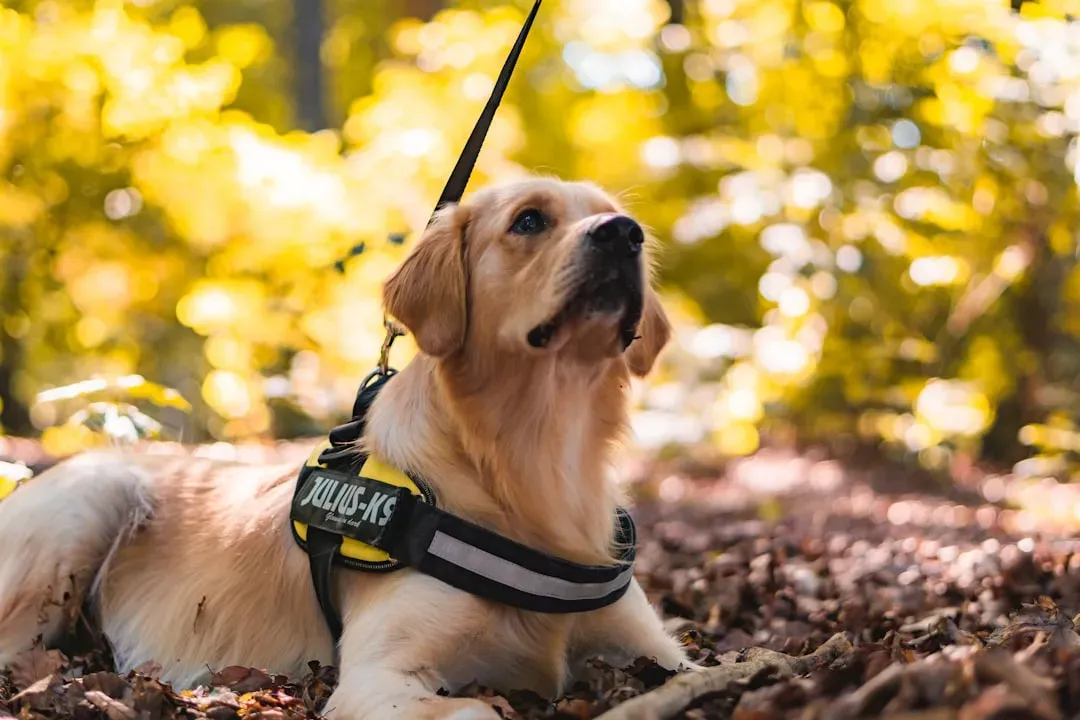
Labrador Retrievers are basically the gold standard for service work, and that absolutely extends to panic and anxiety detection. Labs are known for their people-focused nature, reliability, and eagerness to work, which is why you see them everywhere from guide dog schools to therapy programs. Their noses are exceptional, and they tend to stick close to their humans, which makes them quicker to catch subtle shifts in your breathing, scent, and posture before a full-blown panic attack arrives.
Well-trained Labs can be taught to interrupt early anxiety with specific tasks: pawing at your leg, pressing a “deep pressure” lay across your lap, bringing you a specific object, or leading you out of a crowded space. Their calm, affable personality helps, too; it is hard to feel completely lost when a solid, warm Lab head is resting on your knee. For many people, their sheer presence feels like a weighted blanket with a heartbeat, which is sometimes enough to prevent anxiety from tipping into panic.
Golden Retriever: The Empathetic Comfort Expert
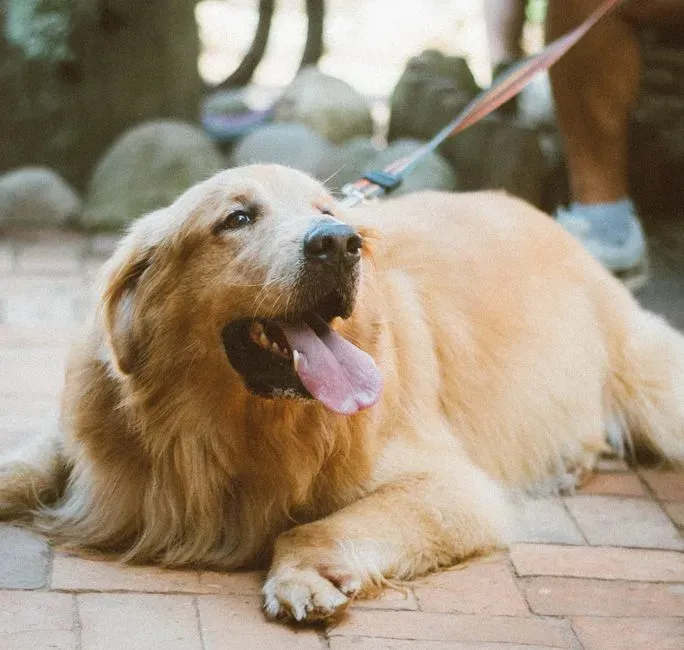
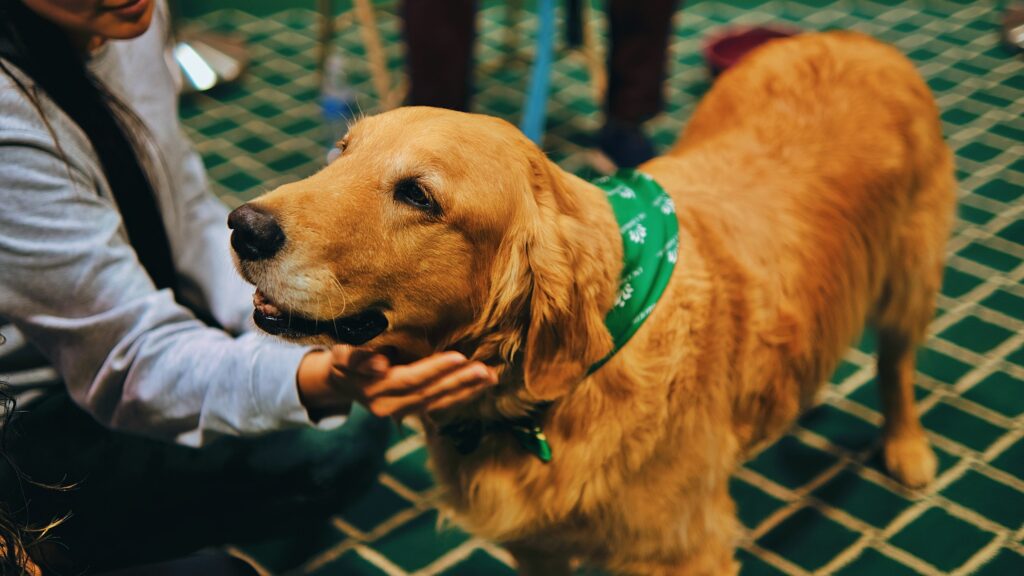
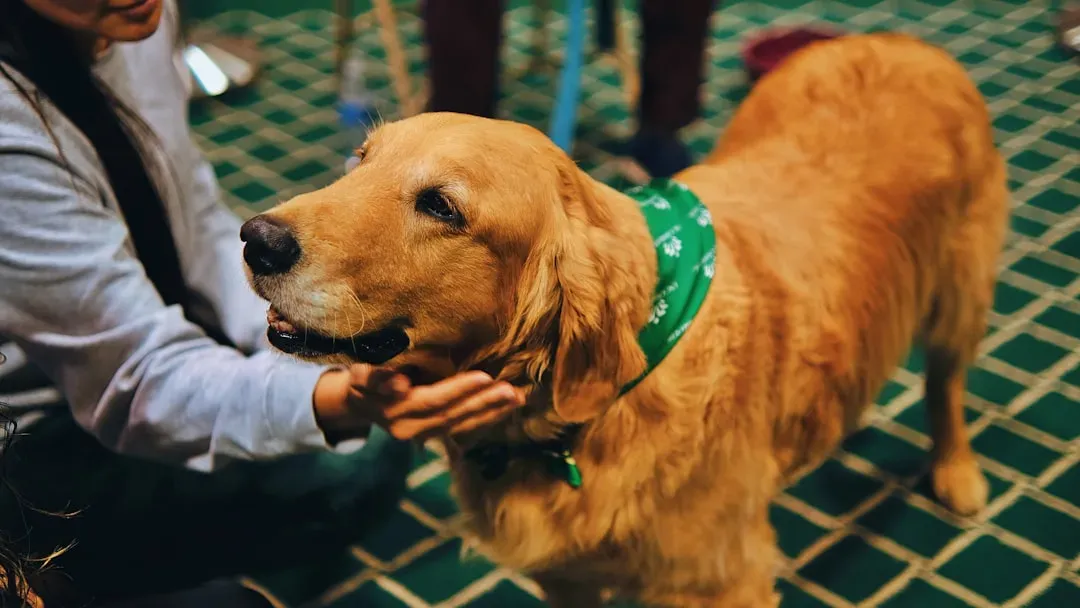
Golden Retrievers often feel like emotional sponges. They are remarkably tuned in to human moods and can be almost clingy when they sense something is wrong, which is a huge asset for panic detection and intervention. Goldens combine a superb sense of smell with strong eye contact and emotional attunement, so they notice both the biochemical and behavioral breadcrumbs that build up before panic hits.
Their natural softness and comfort-oriented nature make them ideal for grounding tasks: gentle leaning, cuddling, nudging, and deep pressure therapy. Unlike some more intense working breeds, Goldens tend to bring a warm, soothing energy rather than sharp alertness. For someone dealing with panic attacks, having a dog that not only catches the warning signs but also wraps you in a kind of living, breathing reassurance can change the entire trajectory of an anxious day.
Standard Poodle: The Hyper-Observant Problem Solver
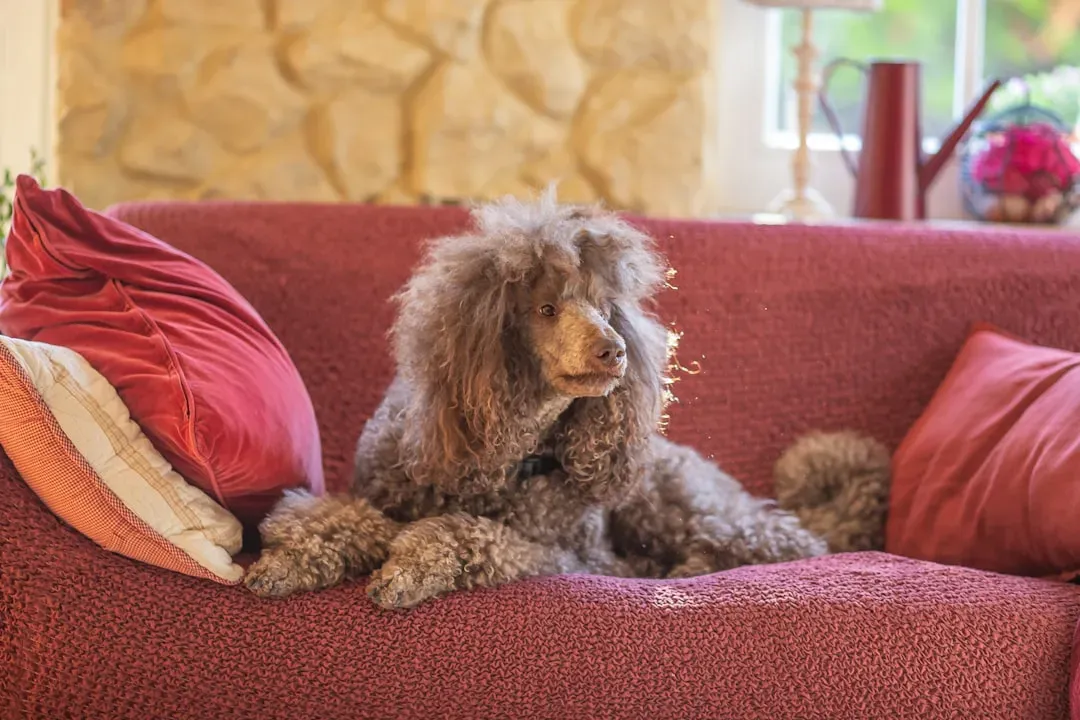
Standard Poodles are often underestimated because people get distracted by their grooming styles, but they are among the smartest, most observant dogs out there. A well-bred Standard Poodle is alert without being jumpy, very bonded to their person, and extremely quick to learn subtle, complex tasks. That makes them ideal candidates for detecting the tiny patterns that come right before a panic attack, from changes in your breathing cadence to the way you start scanning a room.
Poodles also bring a practical advantage: their low-shedding coats are often better tolerated by many people with allergies. This opens the door for individuals who cannot live comfortably with heavier-shedding breeds like Labs or Goldens but still need a capable psychiatric service dog. With their tall, athletic frames, Standard Poodles are also well-suited for deep pressure work, gently lying across your legs or side to bring your nervous system down when your anxiety starts to escalate.
Border Collie: The Intensely Focused Emotional Radar
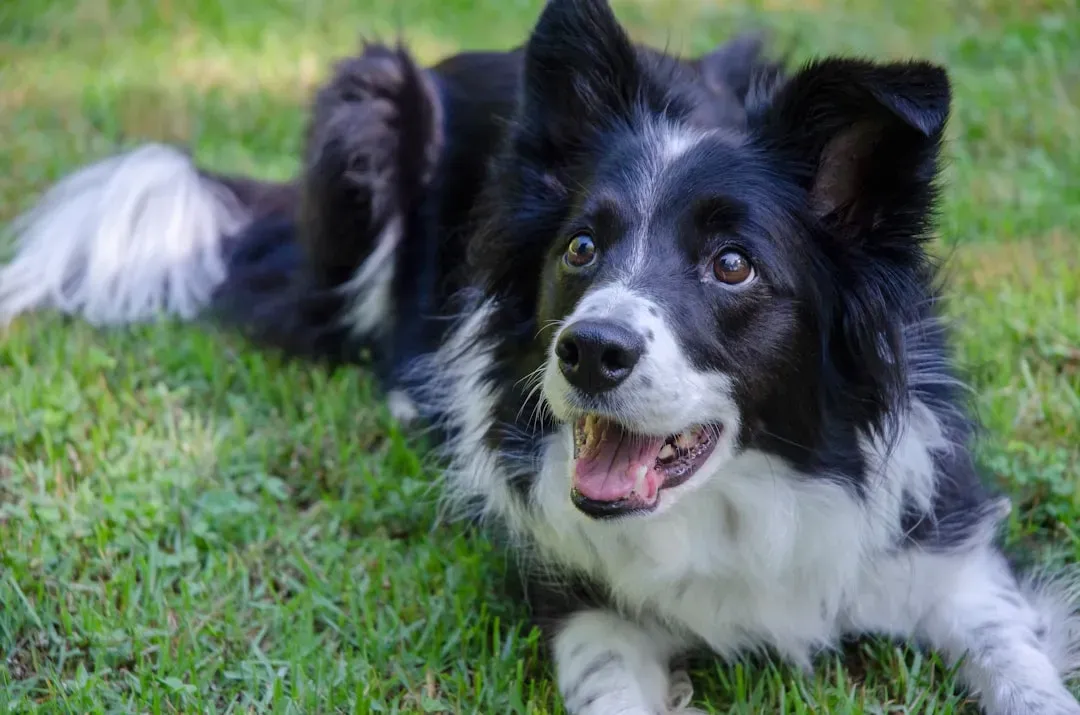
Border Collies are famously intense, and that intensity can be a double-edged sword. When channeled well, though, it can turn them into extraordinarily responsive panic-detection partners. These dogs are wired to notice movement and subtle changes; in the field, that helps them manage sheep, but in your living room, it can mean they are the first to register your pacing, micro-fidgets, or change in tone that signals an oncoming attack.
Because they are so smart and driven, Border Collies usually need a job, not just cuddles. For someone living with frequent panic attacks who is willing to put effort into training, that job can be monitoring and responding to anxiety cues. They can be taught very specific alert behaviors – like placing themselves directly in front of you to block pacing, guiding you to a quieter space, or nudging you to start a breathing exercise. With the right lifestyle match, their laser focus can feel like having your own real-time emotional monitor.
German Shepherd: The Protective Guardian of Your Nervous System

German Shepherds bring a strong protective instinct and deep loyalty that can feel life-changing for someone who experiences panic attacks, especially those tied to trauma or feeling unsafe. Their working background primes them to constantly scan their environment and their handler, noticing small shifts in body language and posture. Over time, a Shepherd can start associating your early anxiety tells – stiff shoulders, darting eyes, a change in walking pace – with the onset of panic.
Because they are naturally assertive and confident, German Shepherds are often trained not just to detect but also to create safety. This could mean positioning themselves between you and other people in a crowded room, guiding you out of an overstimulating environment, or grounding you with strong, steady contact. When your body is sending danger signals even if you are technically safe, having a dog whose whole body language screams “I’ve got you” can reduce the severity and duration of the attack.
Cavalier King Charles Spaniel: The Tiny Heartbeat on Your Lap

At the other end of the size spectrum, Cavalier King Charles Spaniels quietly excel as panic and anxiety companions in smaller bodies. They are bred to be lapdogs and people-shadows, which means they tend to be extremely in tune with their owners’ moods and routines. Because they spend so much time pressed against you or draped over your lap, they can feel subtle changes in your breathing, muscle tension, and even heart rate.
Their smaller size makes them ideal for people living in apartments, those who travel frequently, or anyone who needs a discreet support animal that can fit in tighter public spaces. Cavaliers can be trained to respond to early anxiety signs by climbing onto your chest, licking your hands, or nudging you to sit down and focus on grounding exercises. They are like a soft, warm early alert device that happens to snore and steal your socks.
Boxer: The Playful Disruptor of Panic Spirals

Boxers are big goofballs in the best possible way, and that playful energy can be surprisingly therapeutic for someone prone to panic attacks. They are extremely people-oriented, often reading their person closely and staying physically close, which gives them plenty of opportunity to notice the early, subtle shifts that signal anxiety ramping up. Their expressive faces and body language can feel like they are constantly asking, “Are you okay?” long before you even realize you are not.
One of the most powerful things a Boxer can do is disrupt your panic spiral with movement and play. Many are naturally inclined to nudge toys into your lap, tap you with a paw, or insist you pay attention to them when they sense something is off. With training, this turns into a deliberate intervention: the dog interrupts your anxious thoughts, grounding you back in the present moment with something concrete and even a little ridiculous, which can deflate the intensity of an oncoming attack.
Australian Shepherd: The Attentive Shadow With a Job
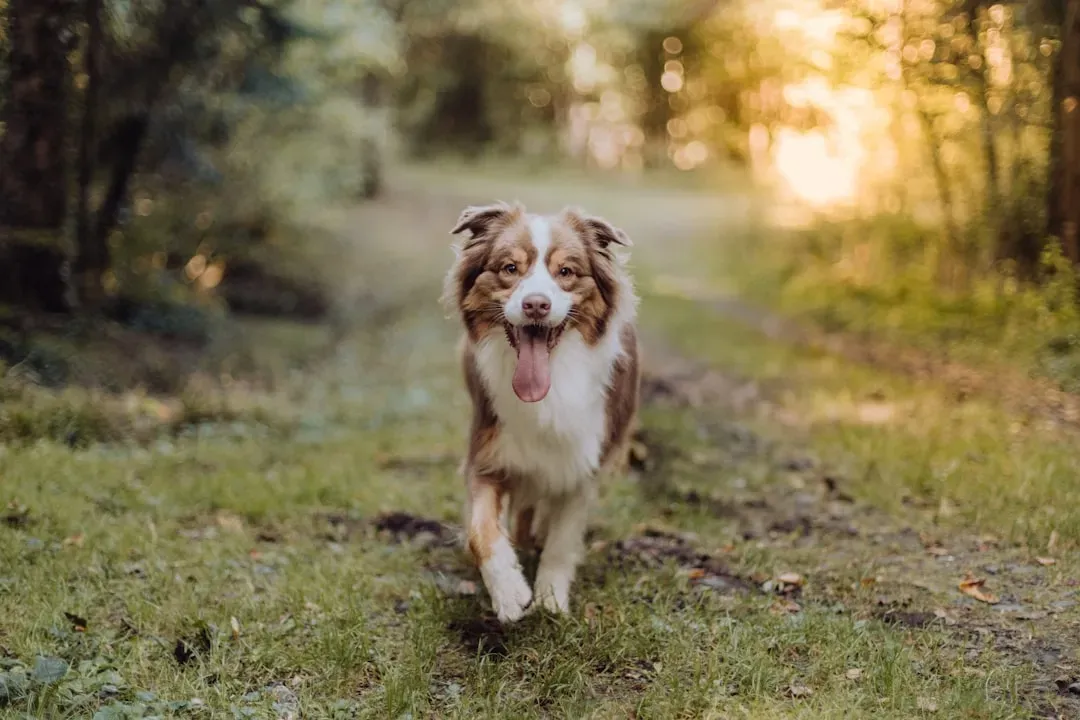
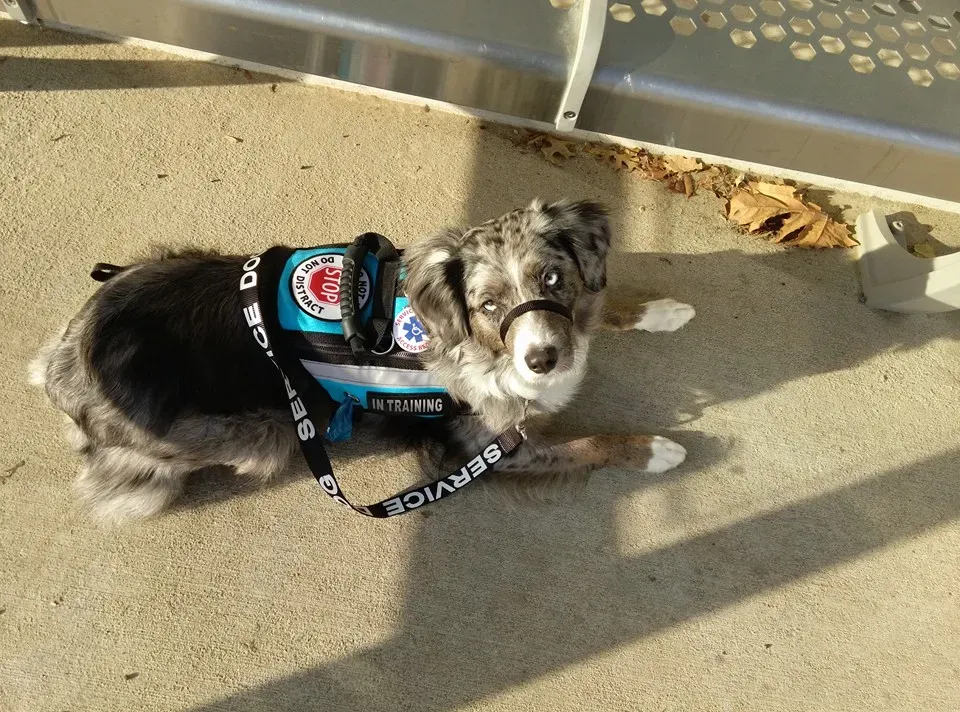
Australian Shepherds are working dogs at heart, built to stay glued to their person and respond quickly to changing situations. That combination – high attentiveness, strong bonding, and responsiveness – makes them prime candidates for panic detection and support. Many Aussies naturally track their owners around the house, watching closely for shifts in behavior, which means they notice unusual pacing, restless fidgeting, or changes in breathing long before anyone else would.
Because Aussies thrive on having tasks, panic-alert training can give them an outlet that is mentally satisfying and emotionally meaningful. They can learn to interrupt anxious behaviors, herd you gently toward a safe space, or press their body against you as soon as they sense your anxiety rising. With their sharp minds and strong work drive, they do best with people who are ready to participate actively in training and enjoy the feeling of having a four-legged coworker for their mental health.
Collie (Rough or Smooth): The Sensitive Watcher of Your Mood
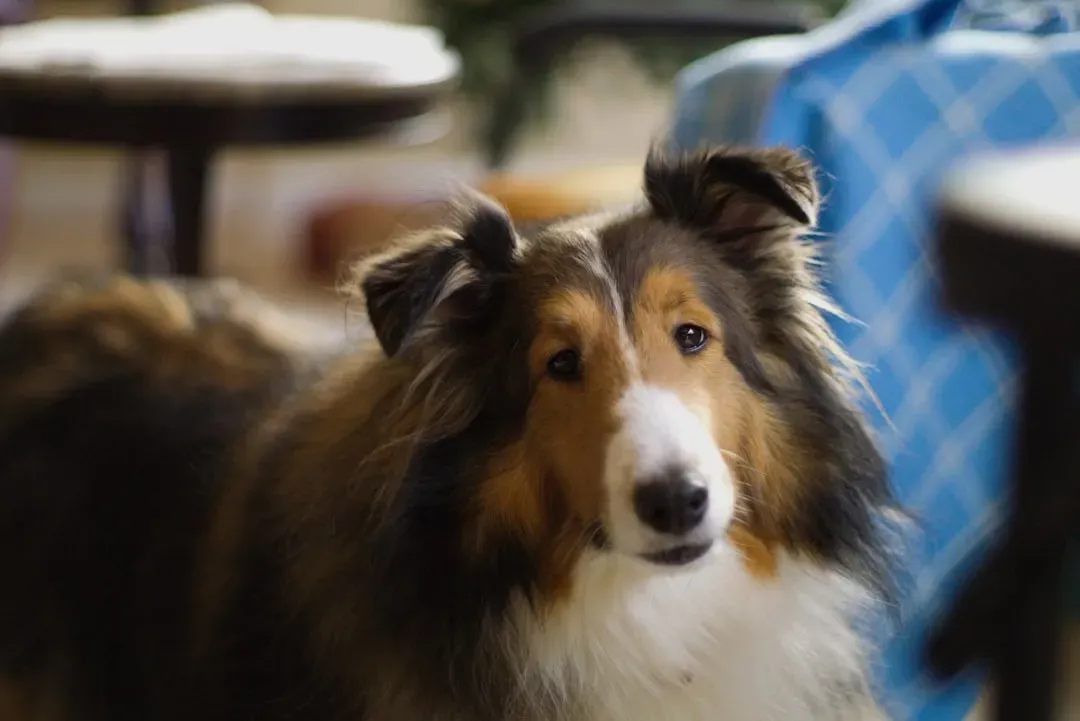
Collies, both Rough (the classic Lassie look) and Smooth, are known for their sensitivity and deep attachment to their families. They tend to watch their people constantly, reading the room and monitoring the emotional weather almost as much as the physical one. That sensitivity can translate well into panic detection, as they begin to recognize the pattern of early anxiety signals – quiet withdrawal, changes in speech cadence, or subtle restlessness – and connect it to what happens next.
These dogs are often gentle by nature, which can make them particularly comforting when you are on edge. Collies can be trained to respond to early cues by initiating contact, guiding you toward a calmer location, or even pressing a trained “alert” behavior like pawing or nose-bumping your hand. For people who want a dog that feels both intuitively soft and quietly vigilant, a Collie can be like having a guardian who is less about drama and more about steady, consistent presence.
Mixed-Breed Rescue: The Unexpected Panic Detection Pro

Here is a truth that does not get said enough: some of the best panic-alert and emotional support dogs are mixed-breed rescues with no fancy pedigree at all. Many shelter dogs are intensely people-bonded, especially after going through instability, and they may develop a deep, almost hyper-focused awareness of their person’s moods. With a good trainer and some time, that awareness can be shaped into clear, reliable responses to early panic signals.
I have personally seen scruffy little rescue dogs that no one would have picked for “service dog material” become rock-solid partners for panic and PTSD support. What matters most is not the DNA alone, but temperament, bond, and training. If you are open-minded, working with a reputable trainer or program that evaluates individual dogs – rather than just breeds – can help you find a mixed-breed partner who feels like they were designed specifically for your nervous system.
How Training Turns a Good Dog Into a Life-Saving Ally
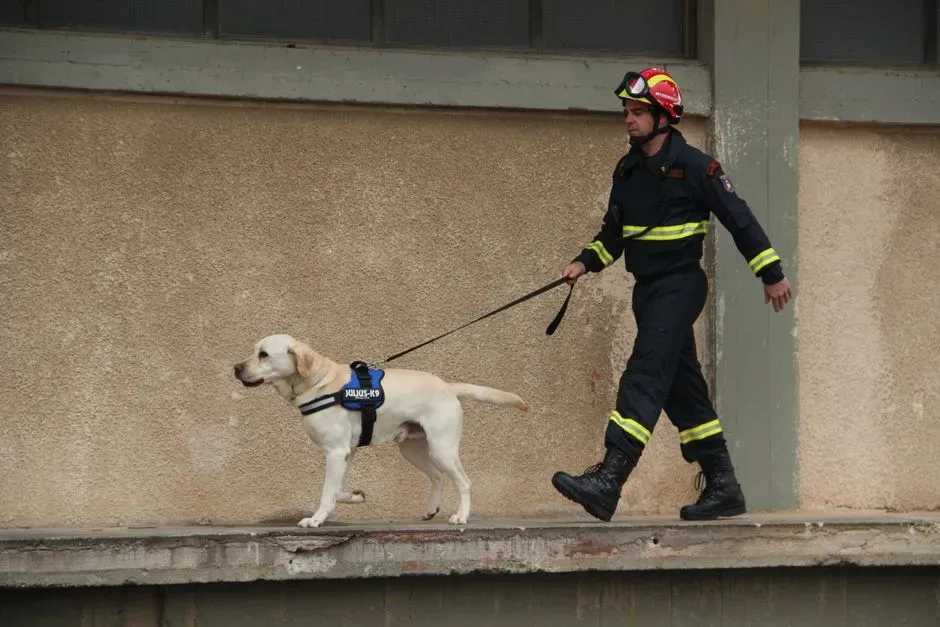
Even with the best-suited breed, the ability to detect and intervene in panic attacks does not appear overnight. It usually starts with pattern recognition: the dog experiences you having repeated panic episodes and picks up on the sights, sounds, and smells that show up beforehand. A skilled trainer then pairs those early signals with a taught response – like pawing, leaning, or leading you away – so the dog learns that “when I sense this, I do that,” and gets rewarded for being right.
Over time, those responses become faster and more refined, sometimes kicking in before you are consciously aware of what is happening. Many programs also teach grounding tasks like deep pressure therapy, object retrieval, or crowd control, turning your dog into a kind of emotional toolkit you can access in the moment. The training is not quick or cheap, and it requires your active involvement, but when it works, the payoff can be enormous: fewer full-blown attacks, shorter episodes, and a stronger sense of safety in your own body.
Living With a Panic-Alert Dog: The Emotional Reality
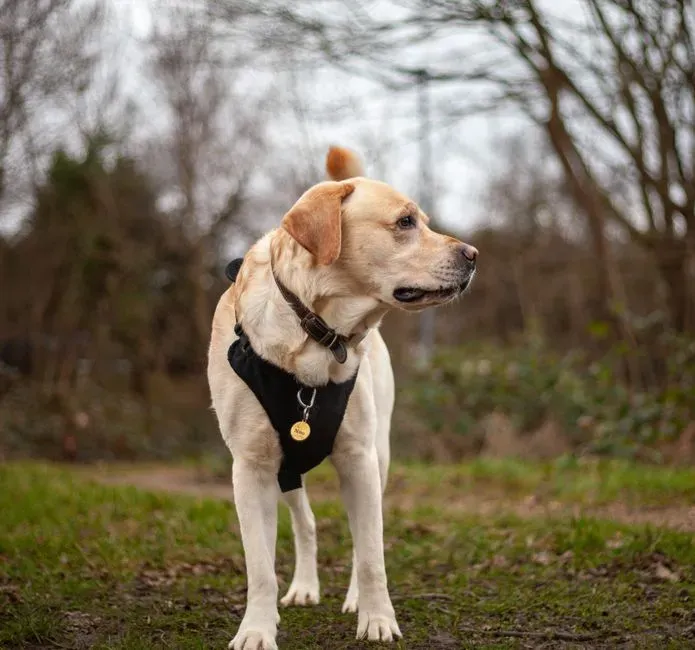
Sharing your life with a dog that can sense your panic before you feel it is not just a clinical intervention; it is an emotional relationship. On the good days, it can feel like you have a best friend who understands you better than most humans do, standing between you and that familiar cliff edge. On the hard days, it can also feel heavy – like your dog is constantly watching, always on duty, and you are being reminded of your condition over and over.
There is also a very human mix of gratitude and guilt that can show up. You might feel incredibly thankful for the ways your dog steps in, while also worrying about whether they are getting enough time to just be a dog. In my opinion, the healthiest setups are the ones where the dog gets true off-duty time, play, and rest, and you get additional tools – therapy, medication if appropriate, coping skills – so the entire weight of your mental health is not riding on four shoulders. The dog is a powerful tool, not your only lifeline.
Opinionated Conclusion: Amazing Partners, Not Miracles on Paws
It is tempting to treat these dogs like magical creatures that can see the future and single-handedly cure panic attacks, but that fantasy is unfair to both you and them. The truth is more grounded and, in a way, more beautiful: certain breeds like Labradors, Goldens, Poodles, Border Collies, German Shepherds, Cavaliers, Boxers, Aussies, Collies, and even mixed-breed rescues can become astonishingly good at reading your early panic signals. With solid training and a strong relationship, they can sometimes step in ten or fifteen minutes before you would have recognized what was happening yourself.
But they are not miracle workers, and they should not be treated like furry prescriptions that replace therapy, medication, or honest work on your mental health. They are partners – living, feeling beings who walk with you into the worst corners of your nervous system and help you find your way back out. If that idea pulls at you, the real question is not whether dogs can do this; they clearly can. The question is whether you are ready to build the kind of patient, committed partnership that lets one specific dog learn the secret language of your anxiety and answer it with presence instead of fear.