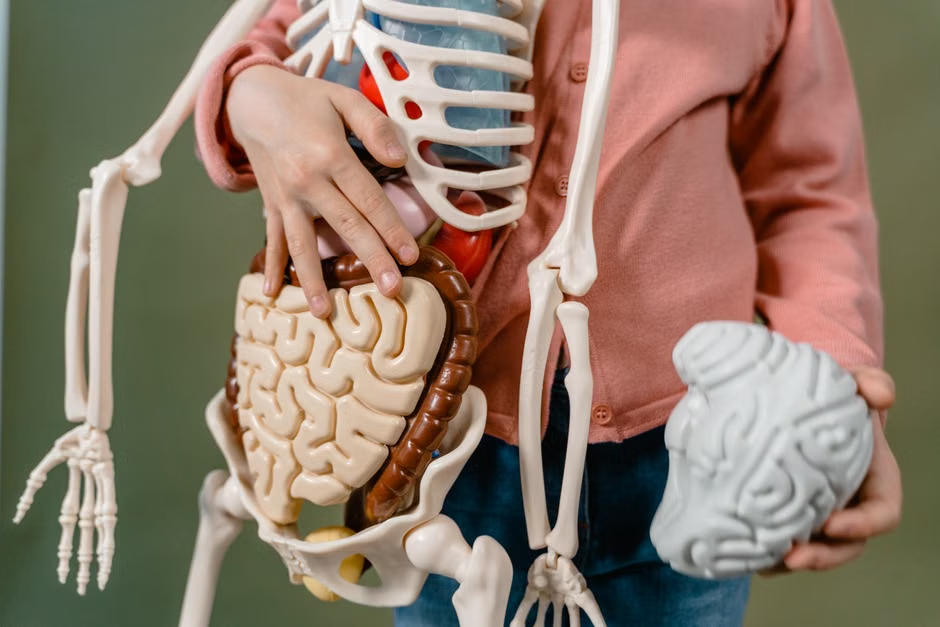
You have a second brain living in your abdomen, silently humming along while you get on with your day. It is wired with more than one hundred million neurons, talks constantly with your brain, and may be doing its own emotional math before you ever feel a thing. You experience it as a flutter, a drop, a twist, a sense that something is off before you can explain why. Once you start seeing your gut as an active decision-maker instead of a passive food pipe, a lot of your life suddenly makes more sense. Those moments when your stomach clenches around someone who looks perfect on paper, or relaxes the instant you walk into a certain room, are not random. Your nervous system is processing massive streams of information behind the scenes, and your conscious mind is only getting the final, edited update.
Your “Second Brain” in the Belly: What That Actually Means
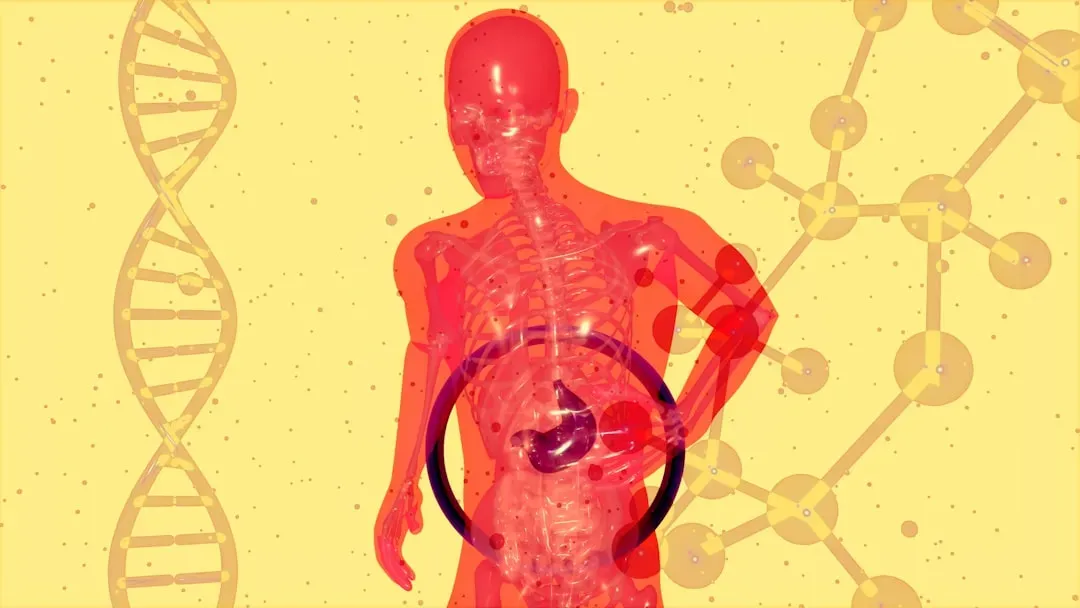
You are carrying around a dense neural network in your digestive tract, often called the enteric nervous system. It contains on the order of hundreds of millions of neurons, more than you have in your spinal cord, all embedded along your esophagus, stomach, and intestines. This system can coordinate digestion, blood flow, and secretions on its own, even if communication with your main brain is cut off. When you think of your gut as just a tube for food, you miss the fact that it is more like a fully staffed control center. It receives signals from the food you eat, the microbes that live there, your hormones, and your immune system, then responds in real time. Your conscious mind never has to calculate how much acid to release or how fast to move food along; your gut’s nervous system handles that, freeing your brain for other jobs.
How Your Gut Talks to Your Brain (And Sometimes Overrides It)
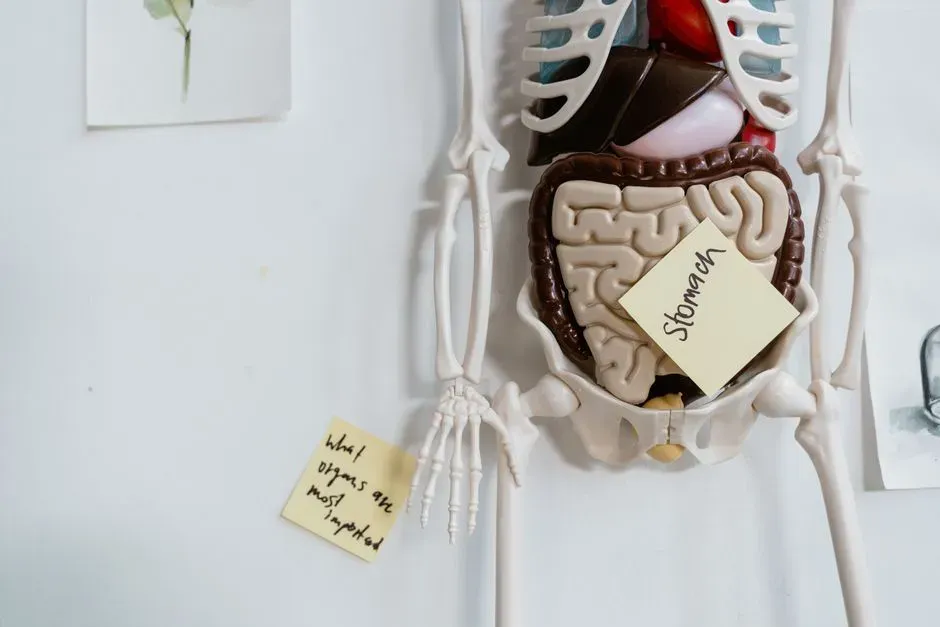
You and your gut are in a constant two-way conversation through the vagus nerve and a web of chemical messengers. Signals travel upward from your intestines to your brain about nutrient status, inflammation, and potential threats, while your brain sends commands back about stress, rest, or danger. Interestingly, a large share of the traffic flows from gut to brain, not the other way around. This means that your mood is not just dripping down from your thoughts; it is also bubbling up from your gut. You can notice this when anxiety tightens your stomach before a big presentation, but it also works in reverse: irritation in your gut can make you feel on edge, foggy, or low without a clear mental reason. In those moments, your brain feels like it is reacting to “your feelings,” but many of those feelings may have started several feet below your skull.
Emotional Calculations You Never See: Gut Feelings Explained

When you say you have a gut feeling, you are describing the output of a set of computations you did not consciously perform. Your enteric nervous system responds instantly to changes in heart rate, breathing, hormones, and immune signals, then sends a summarized report up to your brain. You experience this report as a twist of unease, a sinking sensation, or a quiet sense of calm. You might think of it like the difference between raw data and a dashboard. Your brain does not see every signal from every receptor in your intestines one by one; instead, your gut “pre-processes” the information and hands over a quick, emotionally colored summary. By the time it reaches your awareness, you are not seeing how the calculation was done. You just feel that something is wrong with this deal, or that this room feels safe, and you either listen or try to argue with yourself.
Why Logic Alone Often Loses to Your Stomach
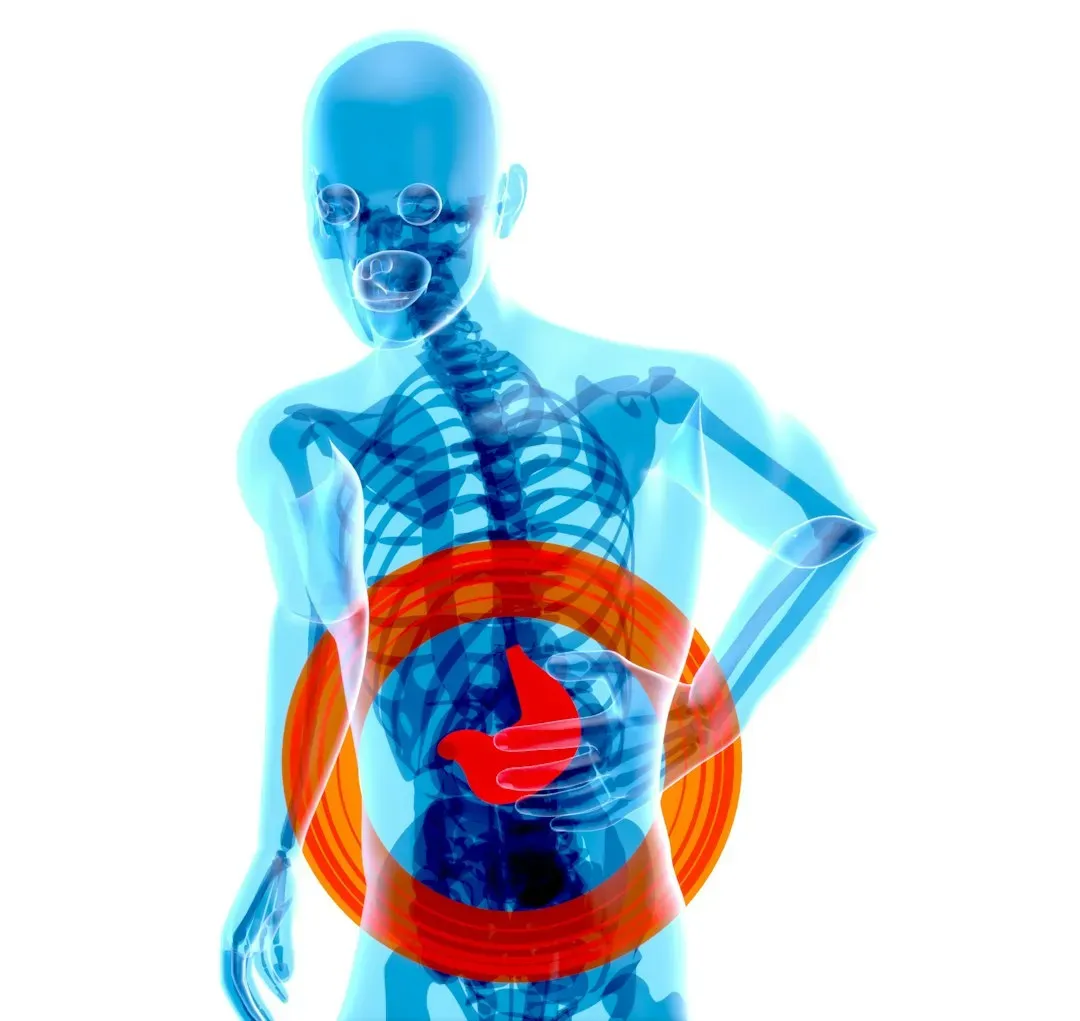
You have probably made at least one decision in your life that made perfect logical sense and still felt terrible in your body. Maybe you took the job that looked ideal on paper but woke up every morning with a knot in your stomach. In those situations, your cortex did the spreadsheet work, but your gut had access to another layer of information that never made it into words. Your gut is constantly tracking patterns like facial microexpressions, tone of voice, subtle social cues, and your own bodily history with similar situations. Instead of debating them consciously, it compresses them into a simple emotional hint: tension, ease, warmth, or dread. When your rational mind and your internal sensations clash, you are really watching two different systems argue over which data set gets to guide your life.
Microbes, Mood, and the Strange Power of What You Eat
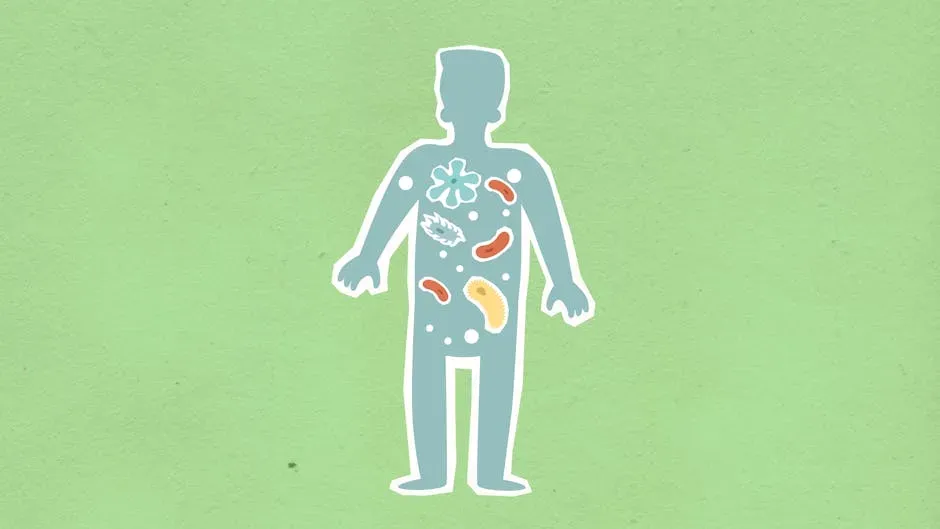
Inside your intestines, trillions of microbes are living, eating, and sending chemical messages that your neurons can sense. These microbes produce substances that interact with your gut’s nervous system and, indirectly, with your brain’s systems for mood and motivation. When the balance of these microbes shifts, your emotional landscape can subtly tilt with it. You may have noticed that when you live on heavily processed foods, erratic meals, or constant sugar, your moods become more volatile or flat. When you stabilize your meals, add more fiber, and cut down on relentless snacking, your gut often settles, and your emotional baseline becomes steadier. You are not just “eating for energy”; you are feeding a vast inner ecosystem that helps shape how stable, anxious, or resilient you feel day to day.
Stress, Butterflies, and the Physiology of Worry

When you are under stress, your brain flips your body into a survival mode that includes your digestive tract. Blood flow is pulled away from your intestines toward your muscles, gut movements change, and your enteric neurons start firing a different pattern. You feel this as butterflies, nausea, sudden trips to the bathroom, or a loss of appetite. Over time, repeated stress can train your gut to live in a semi-alert state, almost like a guard dog that has learned to bark at every sound. You then start to interpret normal sensations as threats, which feeds more worry back up to your brain. That is one reason why learning to downshift your stress response with simple practices like slow breathing, gentle movement, or mindful eating can have emotionally calming effects that feel disproportionate to how “small” those tools seem.
How You Can Actually Listen to Your Gut Without Getting Lost

You are often told to either ignore your gut and be purely rational, or trust your gut and throw logic out the window. In reality, you are better off letting your gut be one voice at the table, not the only one or a silenced one. When you notice a physical reaction to a choice, you can pause and ask yourself very concretely where you feel it and what might be triggering it. One helpful approach is to separate the raw sensation from the story you are telling about it. Your stomach tightening is a fact; your conclusion that this means you are doomed or that this person is dangerous is an interpretation. If you slow down enough to name the feeling, review the evidence, and consider your past patterns, you give your “two brains” a chance to collaborate instead of pulling you in opposite directions.
Practical Ways to Support Your Gut–Brain Connection Every Day

You do not have to understand every molecular pathway to take better care of your gut’s nervous system. You can start with boring but powerful choices: regular meals instead of chaotic grazing, more whole foods than ultra-processed ones, enough hydration, and some daily movement that gets your blood flowing. These give your enteric neurons and your microbes a more stable environment to work in, which often quiets dramatic swings in how you feel. Sleep and stress management also matter more than you might like to admit. When you chronically cut your sleep short or live in constant tension, your gut rarely gets into repair mode, and low-level irritation can become your default. Small rituals like eating without screens, walking after meals, and a few minutes of deep breathing when your stomach tightens can sound trivial, but over time they help your inner “second brain” run more smoothly and send clearer, calmer signals to the rest of you.
Conclusion: Letting Your Two Brains Work as a Team
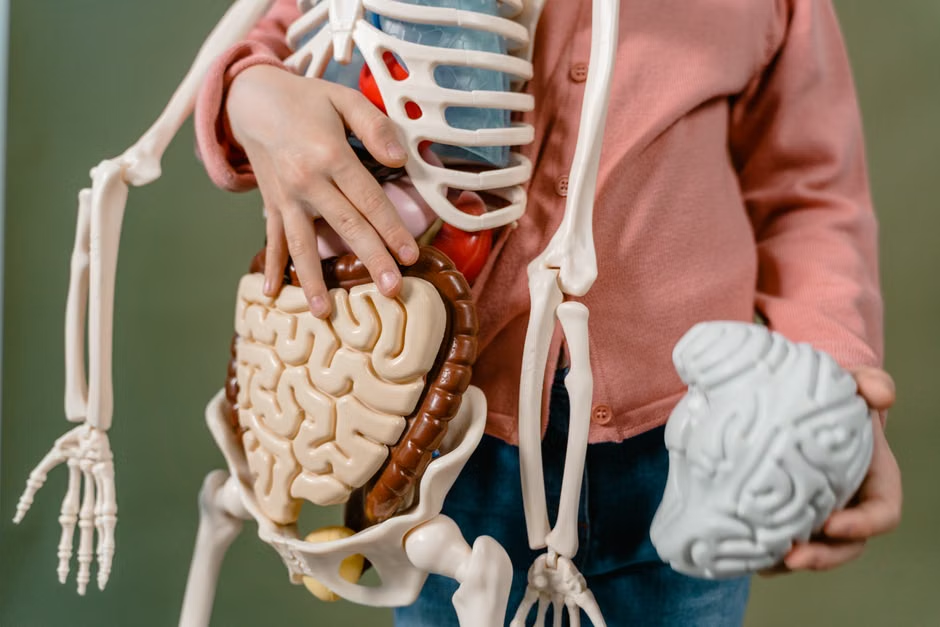
You are walking around with a brain in your head and a brain in your gut, each processing different slices of reality and sending each other constant updates. When you ignore either one, you pay for it later: purely rational choices that feel dead inside, or impulsive choices that feel right in the moment but crash your life afterward. The real skill is not choosing between logic and gut, but letting them correct and complete each other. If you start treating your gut feelings as data instead of destiny, and your rational thoughts as tools instead of tyrants, your decisions will slowly feel more aligned and less like internal civil wars. You will still have butterflies, flutters, and unexplained heaviness from time to time, but you will know they are part of a bigger conversation your body is trying to have with you. When you think about it that way, what might change if you let both of your brains have a say in your very next big decision?