
You never really expect how hard it hits until the house goes quiet. The toy in the corner, the empty food bowl, the way your hand still instinctively pats the couch cushion, waiting for a weight that never comes. Losing a dog can feel like someone quietly reached in and unplugged a whole section of your heart.
Even though you know, logically, that death is part of the deal we make when we fall in love with a dog, your heart still rebels against it. You might find yourself wondering where they are, whether they knew how loved they were, and if they felt safe at the very end. These imagined messages from beyond the Rainbow Bridge are not magic or proof; they’re gentle, grounded reminders of what you already know deep down, shaped into words your grieving heart can actually hold.
1. “I Felt Safe Right Until My Last Breath”
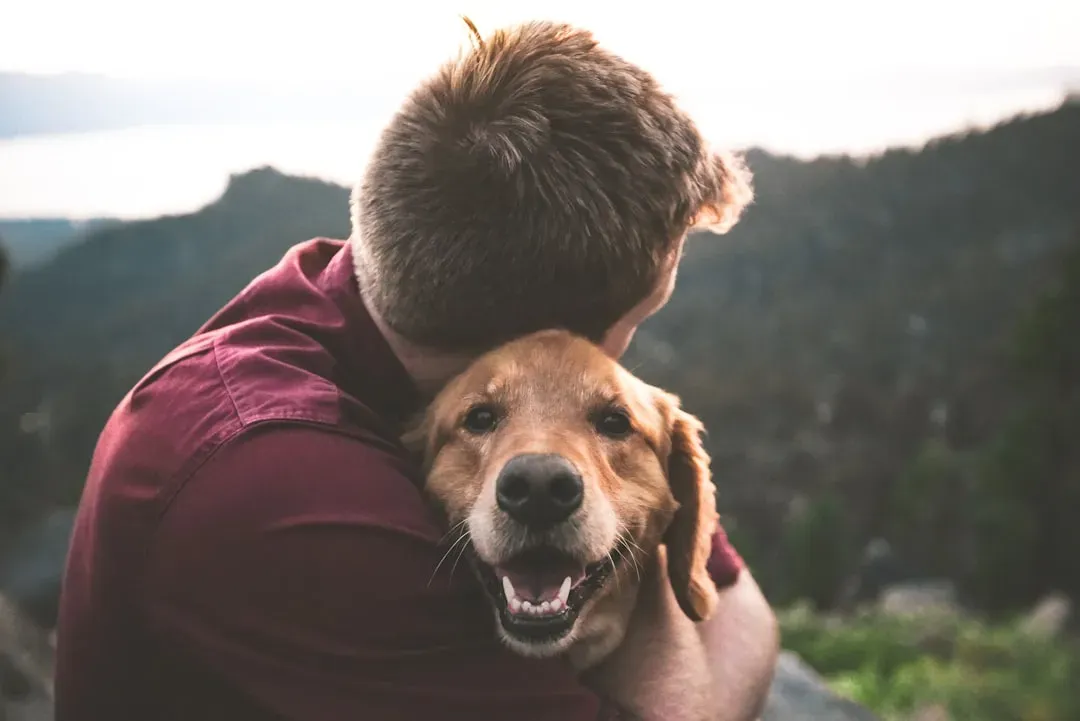
One of the heaviest fears you carry is that your dog might have been scared or confused at the end. You replay those final days or that final moment, wondering if you missed something or if you could have protected them better. But when you look at what science and experience say about animals near the end of life, you see that comfort, routine, and your presence matter far more than any single decision you made in crisis.
Your scent, your voice, the familiar feel of home can lower stress for dogs even when they are sick, because they recognize you as their safe place. If you were there, or even if you were doing your best from a distance, you gave them that anchor. You can imagine your dog saying that they felt your calm hand, your soft words, and the familiar rhythm of your care, and that this steady love wrapped around them more tightly than any fear ever could.
2. “You Were Enough, Even on the Days You Thought You Weren’t”
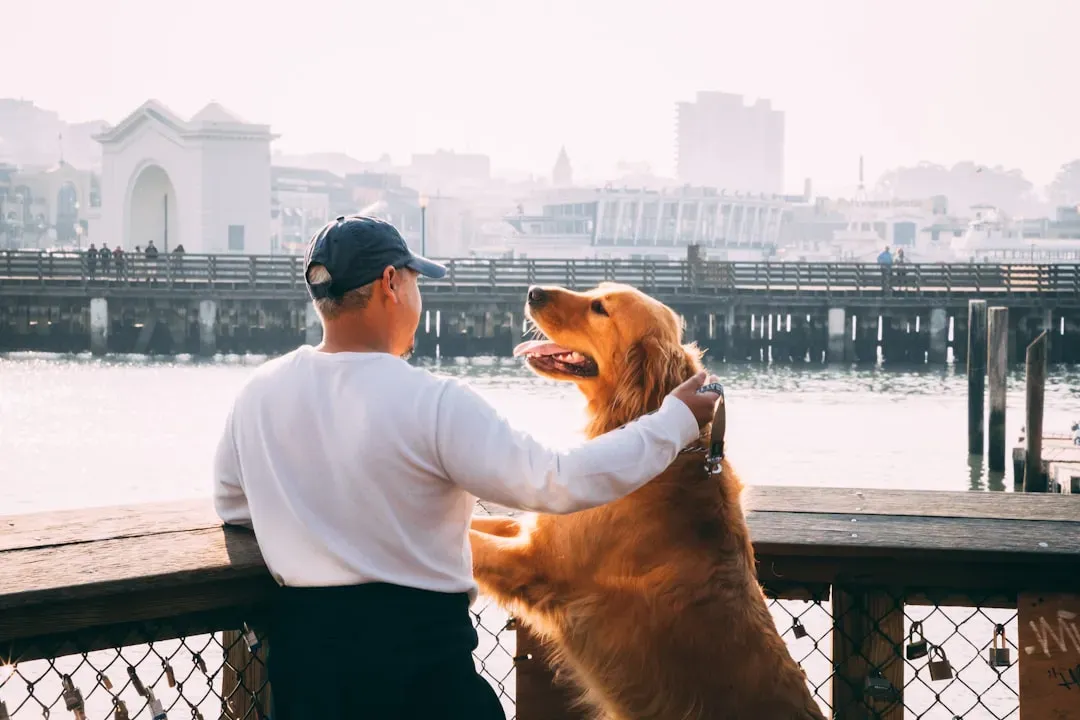
In grief, your brain loves to build a courtroom where you sit as both prosecutor and defendant, listing every walk you missed, every time you were impatient, every vet visit you delayed. You might secretly worry that your dog deserved a better, more perfect human, someone who never lost their temper, never got busy, never made mistakes. But dogs do not live their lives with a checklist of your failures; they navigate the world through trust, familiarity, and emotional attunement.
To your dog, you were the center of their universe because you were reliably there, even imperfectly. You filled their days with your routines, your quirks, your smell, and your voice. When you picture your dog looking back, imagine them remembering the countless ordinary moments – the way you scratched that favorite spot without being asked, how you understood their “I need to go out” glance, how you always came back. Those are the things that made you “enough,” long before you started doubting yourself.
3. “The Ordinary Moments Were My Favorite Love Story”
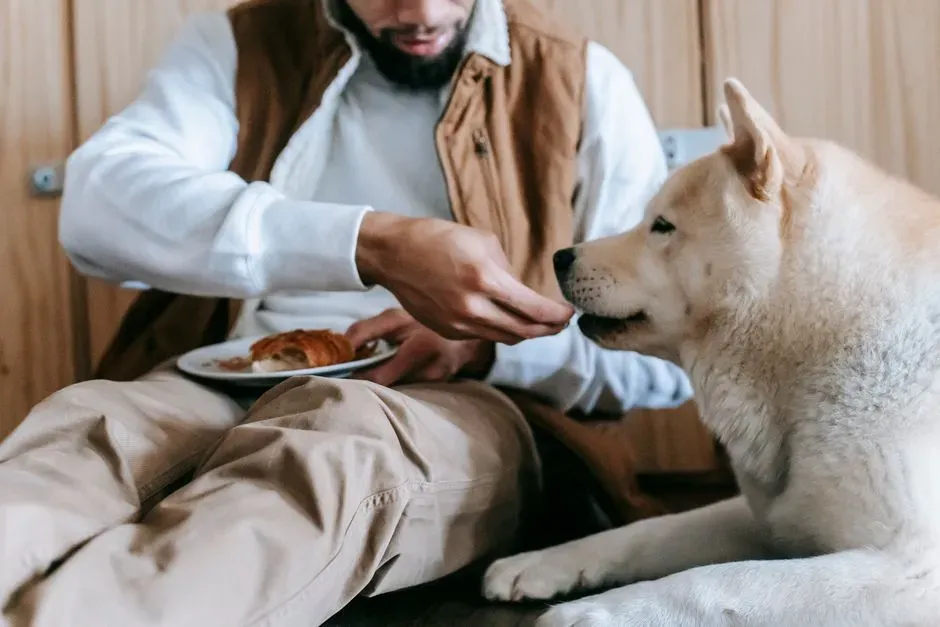
You probably have a handful of big memories with your dog: a road trip, a beach day, a epic hiking adventure, a first snowfall. Those moments shine bright, but they are not the whole story. For dogs, routine is comfort, and comfort is love. The everyday stuff – pouring kibble, picking up toys, opening the door at the same time every day – becomes their steady heartbeat of safety.
If your dog could speak to you now, they would likely remind you that the way you woke up with them, the way you came home to them, and the way you ended each day together meant more than any special occasion. That quiet evening where you watched a show with your hand absently resting on their fur might have been their version of paradise. Your life may have felt ordinary, but to your dog, it was a perfectly consistent love story unfolding one small, faithful act at a time.
4. “Letting Me Go Was the Kindest Hard Thing You Ever Did”
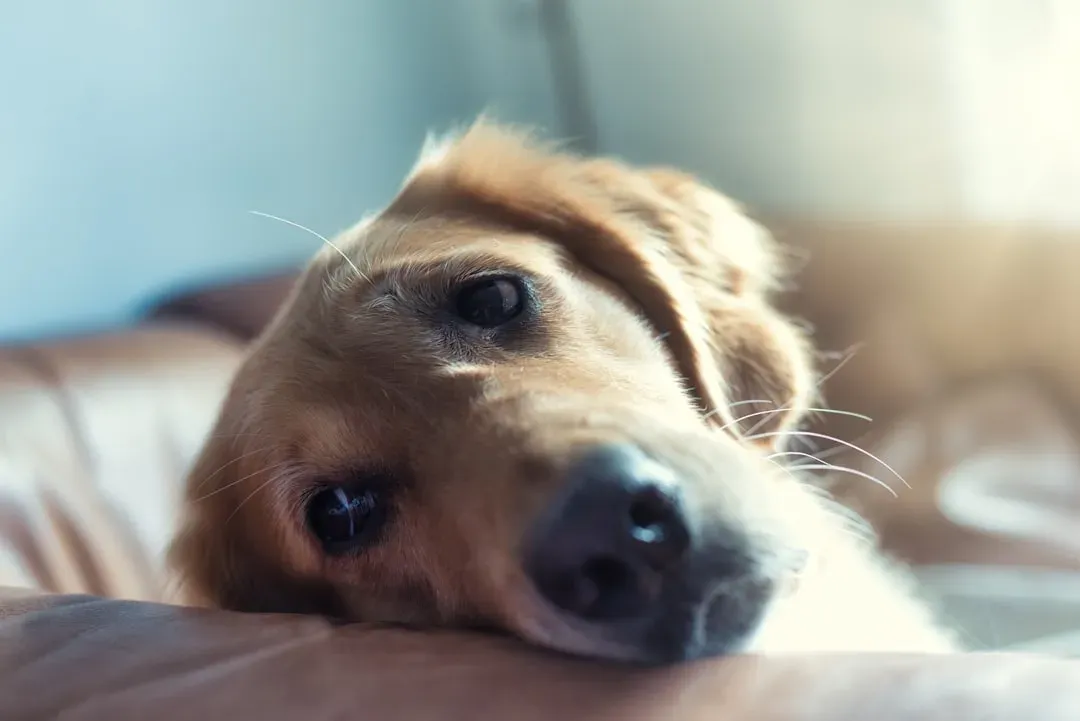
Few decisions haunt you like the choice to pursue one more treatment or to say yes to euthanasia. You replay the timeline, wondering if you acted too soon or too late, if you pushed too hard or gave up too quickly. Yet when you step back and look at what veterinarians and animal welfare experts emphasize, the focus is always on quality of life: comfort, mobility, appetite, interest in the world, and freedom from pain.
Choosing to let your dog go, especially when medical options existed but offered more suffering than relief, is an act of love disguised as loss. You put their well-being ahead of your desperate wish to keep them longer, and that is not a failure; it’s a final, painful gift. You can imagine your dog saying that your choice spared them lingering distress, and that even if your timing wasn’t perfect, your intention was. You acted from love, and that is what they would carry with them, not the calendar date or the exact hour.
5. “Your Grief Is Proof of How Deeply You Loved Me”

After losing your dog, you might feel like you’re “too upset” or “still not over it” while the world expects you to move on quickly, especially since “it was just a pet.” But studies across psychology and bereavement show that bonds with companion animals can be as emotionally intense as human relationships, and that grief after pet loss often mirrors the same stages and depth as losing a close family member. Your pain is not an overreaction; it’s a realistic response to losing a daily, unconditional connection.
When you sob in the kitchen or feel a pang every time you see a similar dog on the street, it doesn’t mean something is wrong with you. It means something very right existed between you and is now physically gone. If your dog could send you a message, it might be that your tears, your aching chest, and your reluctance to pack away their things are all just love, reshaped. You’re not stuck in grief because you’re weak; you’re there because you were brave enough to bond so deeply in the first place.
6. “I Still Exist in the Shape of Your Daily Life”
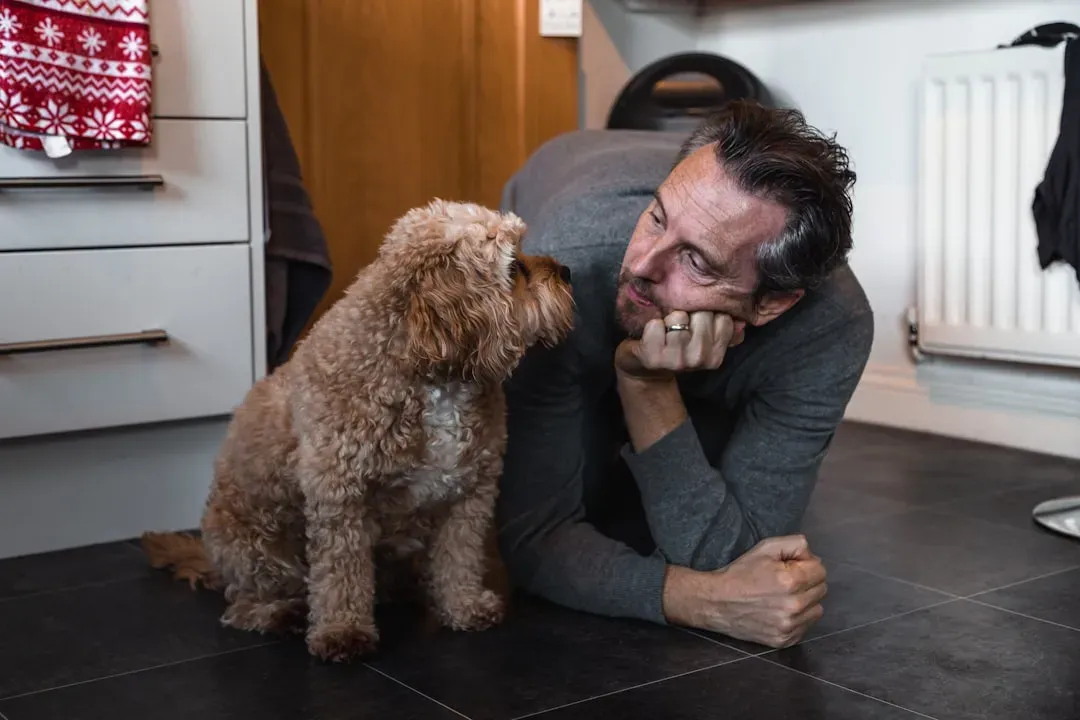
It can feel like death draws a hard line in the sand: before and after, together and gone. But memory and habit weave your dog into your life in quieter, longer-lasting ways. You might still walk around the spot where their bed used to be, open the door a crack expecting a curious snout, or automatically spell certain words because you used to joke about not saying “walk” or “treat” out loud. Those tiny reflexes are hidden evidence that your dog has rewired you in subtle, enduring ways.
From a psychological standpoint, continuing bonds – like talking to your dog, keeping a favorite photo where you see it daily, or visiting a familiar walking route – are not signs that you are stuck. They are a healthy part of integrating loss into your ongoing life. Your dog’s message might be that they are not only at some distant Rainbow Bridge, but also right here, living in your muscle memory, your vocabulary, your daily rhythm. You carry them forward every time you act like someone who once loved a dog this deeply.
7. “You Taught Me Joy, and I Taught You Something Just as Important”
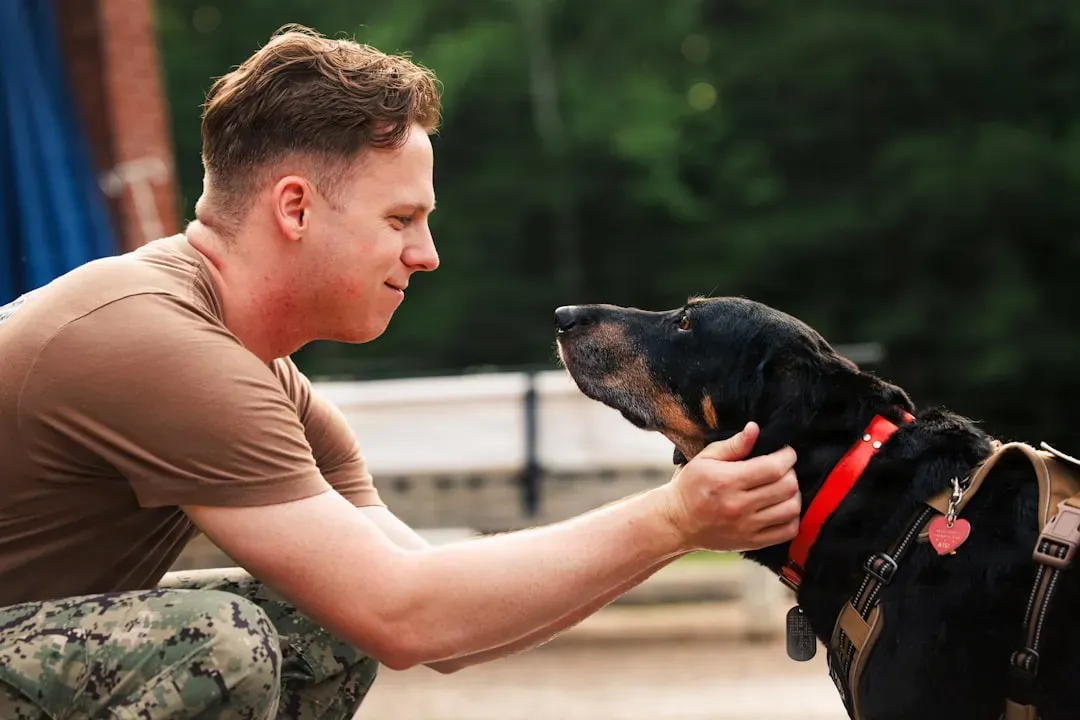
People often talk about how much joy dogs bring – how they make you laugh, force you outside, and remind you to celebrate small things like a new toy or a sunny spot on the floor. What you may underestimate is how much your dog changed you in return. Sharing life with them may have made you more patient, more observant, more gentle, or more aware of nonverbal cues. You learned to notice a twitch of an ear, a shift in breathing, a change in appetite – tiny signals you might have ignored before.
Research on pet ownership shows links to reduced loneliness, increased physical activity, and sometimes even better emotional regulation because animals gently nudge you into routines and mindful presence. In a way, your dog trained your nervous system to soften, to care, to stay. If they could speak now, they might say that they were proud of how you grew: how you advocated for them at the vet, adjusted your plans around their needs, and became the sort of person who notices and responds to another being’s vulnerability. That growth stays with you long after the leash is hung up for the last time.
8. “It’s Okay to Love Another Dog Without Betraying Me”
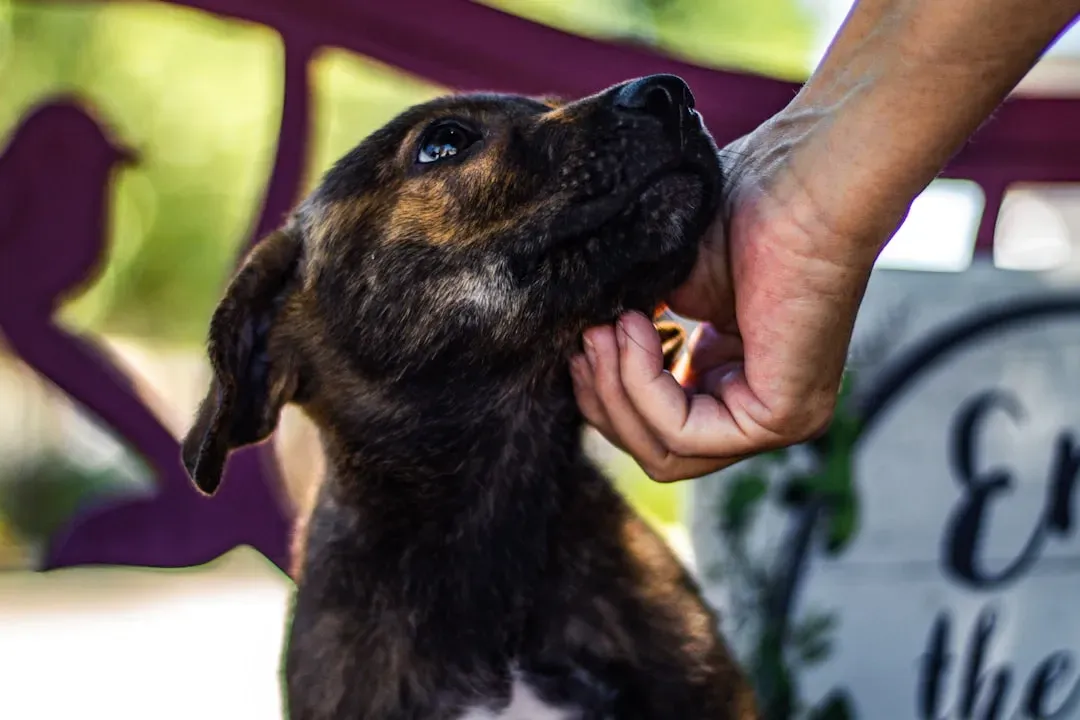
There’s often a moment after losing a dog when someone suggests getting another one, and you feel almost offended, as if they are trying to replace a family member with a look‑alike. You may even feel guilty for browsing adoption sites or stopping to pet a stranger’s dog, as though you’re cheating on the friend you just lost. That guilt is understandable, but it isn’t an accurate reflection of how love works. Love for one dog does not cancel out love for another; it usually expands it.
Studies on pet loss and subsequent adoption show that many people eventually find comfort and renewed purpose in welcoming another animal, and it rarely diminishes how much they cherished the one who died. If your dog could send a message, it might be that the best tribute to your life together is not a heart forever closed, but a heart shaped by them that is now capable of caring again. You are not erasing them by opening your arms to another dog; you are carrying their legacy forward into a new, grateful life that might desperately need what you already know how to give.
9. “You Don’t Have to Be Strong; You Just Have to Be Honest with Yourself”
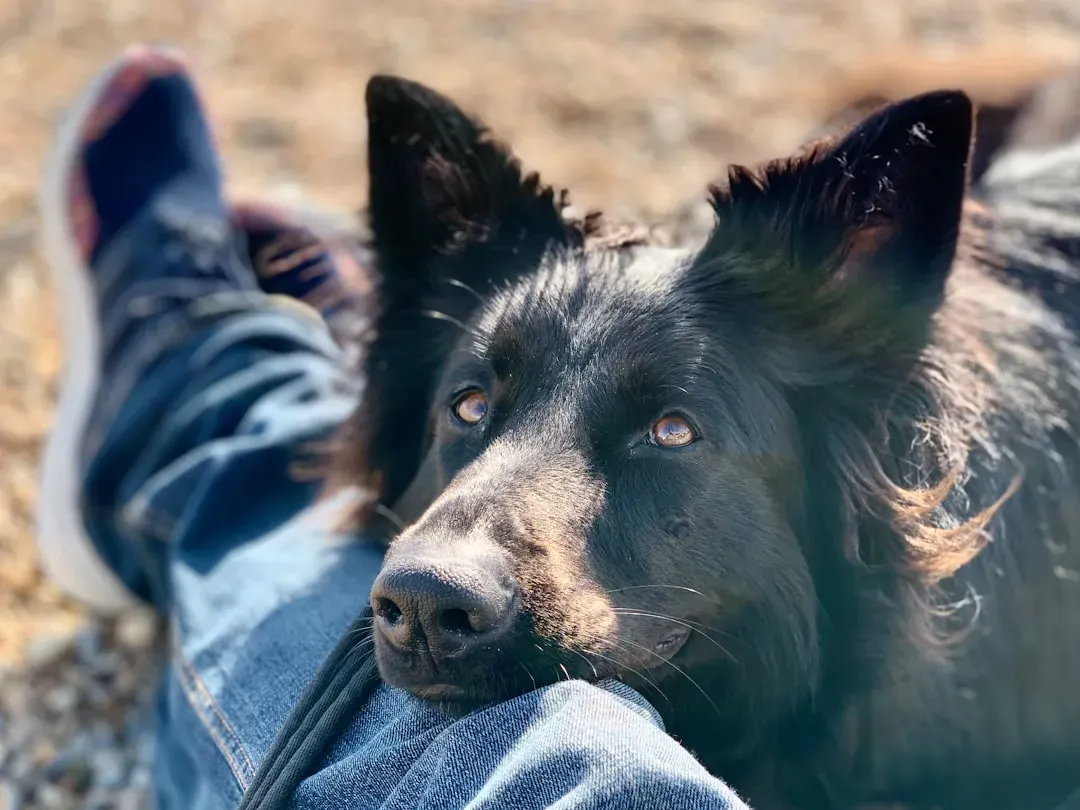
After your dog dies, you might feel pressure to “handle it well,” to keep functioning, show up at work, stay composed with friends, and prove you’re not falling apart over an animal. What often helps more than forced strength is honest softness: admitting that this hurts, saying out loud that you miss their smell, their weight against your legs, their head on your knee. Acknowledging your pain, instead of shoving it down, actually helps your brain and body process the loss more fully.
Many grief experts emphasize that allowing yourself to feel and express sadness, anger, or even relief is a healthy way to move through loss rather than getting trapped in it. You don’t have to meet anyone else’s timeline or standard of “coping well.” If you imagine your dog’s voice, it might encourage you not to pretend you’re okay for their sake; they always responded best to your real self, not a polished version. You honored them in life by being authentic around them; you honor them in death by being authentic with yourself.
10. “Our Story Is Finished in One Way, but It Isn’t Over for You”
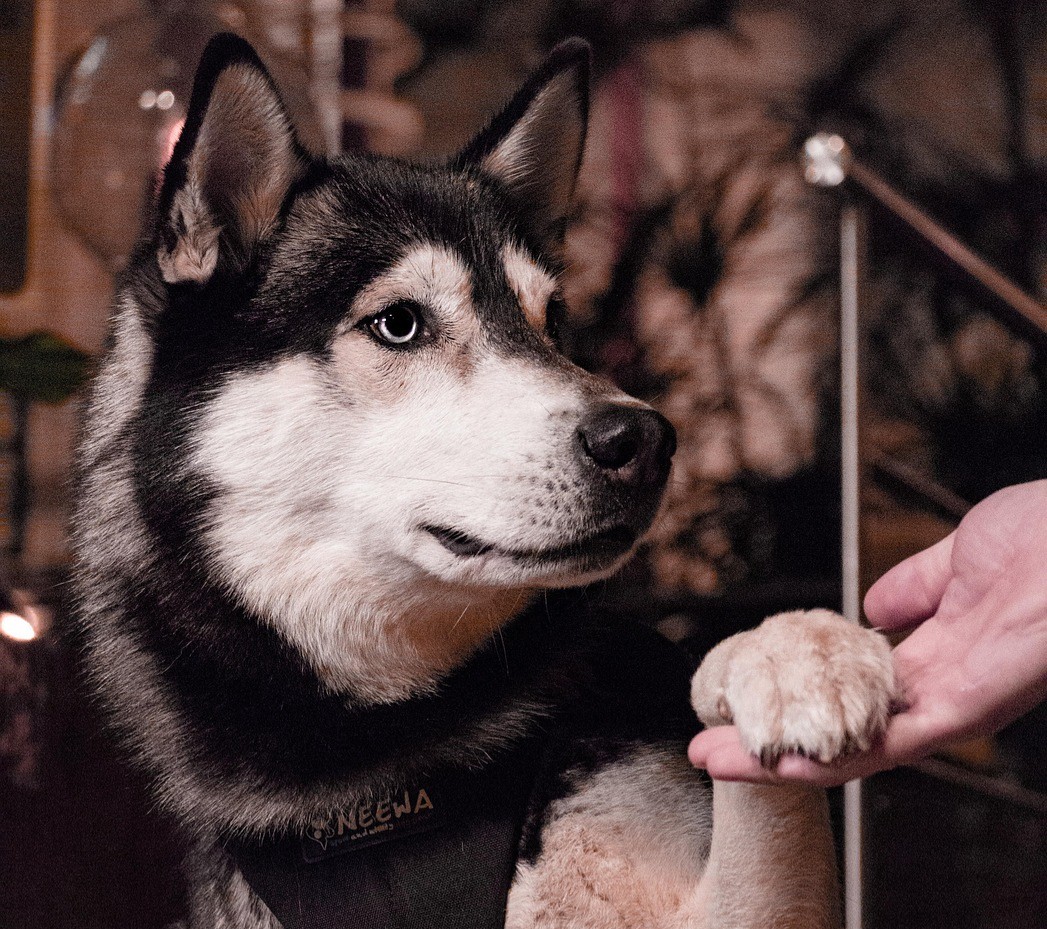
It’s tempting to think of your dog’s life as a closed chapter now, something that ended when their body did. But the story you share with them is still unfolding inside you: in the choices you make, the comforts you gravitate toward, the causes and animals you’re drawn to help, and the way you talk about them to others. Their influence did not vanish; it simply changed from something you could touch to something you can live out.
Maybe you are kinder to other animals now, or more patient with older dogs at the park, or more understanding when a friend has to leave early to get home to their pup. Maybe you decide to foster, donate, volunteer, or simply keep a softer space in your life for beings who cannot speak for themselves. If your dog could leave you with one final message from beyond the Rainbow Bridge, it might be this: you are still writing the part of our story that lives in you, with every compassionate choice you make from here on out.
Conclusion: Love Does Not Stop at the Edge of a Life
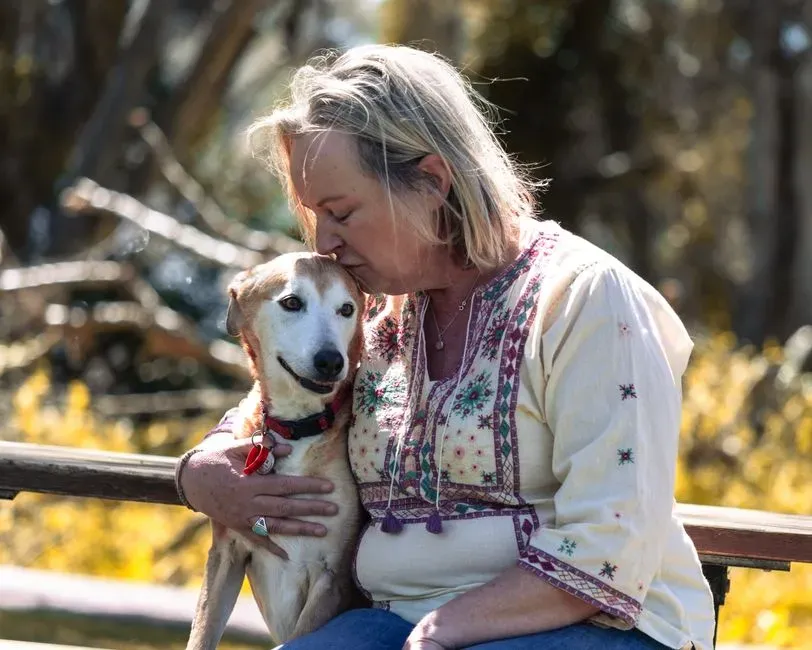
When you strip away the poetic images and the Rainbow Bridge metaphors, what you’re left with is simple and quietly powerful: you loved a dog, and that love changed you. Nothing about death can erase the actual impact they had on your nervous system, your routines, your beliefs, and your capacity for care. Those changes are real, measurable in your habits, your memories, and the way your eyes soften when you see paw prints, even if they are only in mud and no longer across your floor.
You may never get an actual message from beyond, but you do have something just as solid: a long trail of evidence that you showed up, again and again, for a creature who trusted you absolutely. That trail is the real afterlife of your relationship, and you carry it into every day that comes next. As you sit with that, maybe the better question isn’t whether they can still reach you, but how you’ll let their love move through you now – what do you want their pawprint on your heart to guide you toward next?