If you live anywhere from Northern California up through Oregon, Washington, or coastal British Columbia, you are sitting next to one of the most powerful earthquake sources on Earth. It is mostly quiet, mostly invisible, and for many people, mostly out of mind. Scientists, however, see it very differently.
The Cascadia Subduction Zone has produced some of the largest earthquakes in human history, and it will do so again. You cannot stop it, but you can decide whether you are surprised or prepared when it happens. Once you see what researchers have uncovered over the last few decades, it becomes very hard to shrug this risk off as a distant, abstract worry.
What Exactly Is the Cascadia Fault and Where Is It?
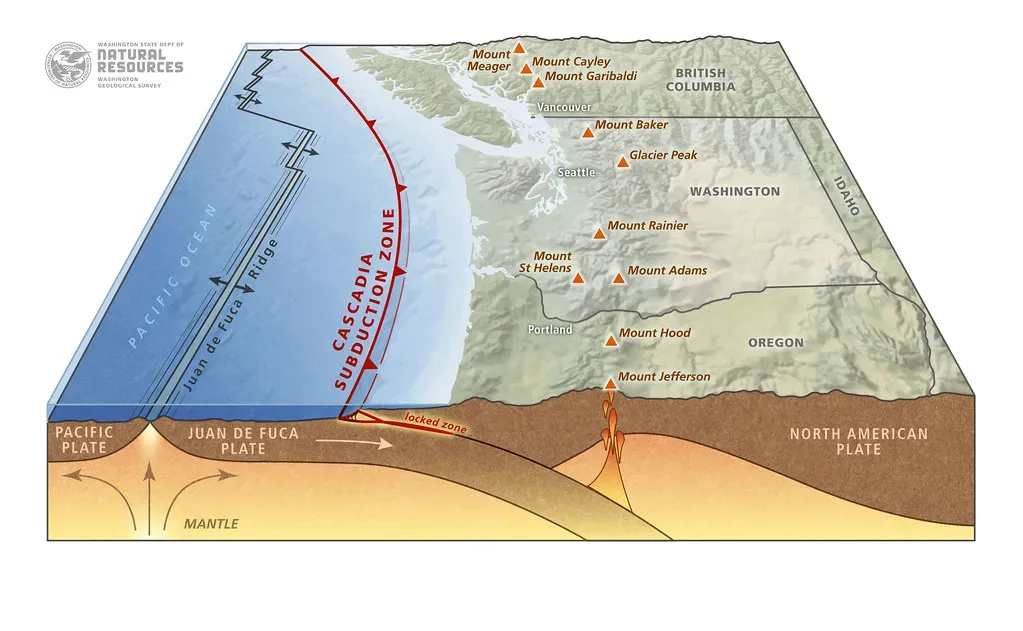
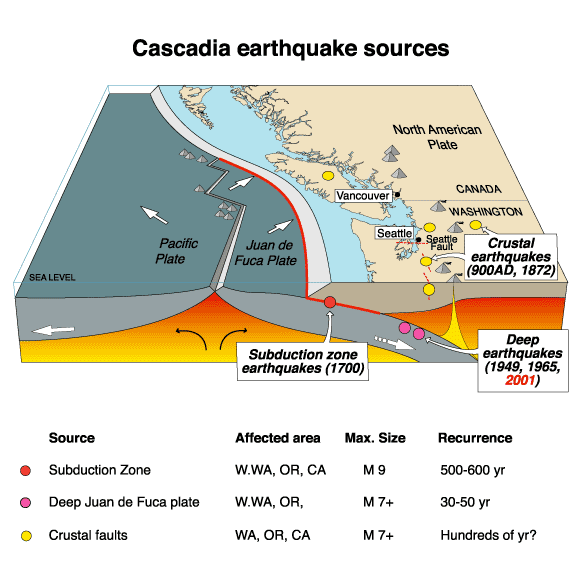
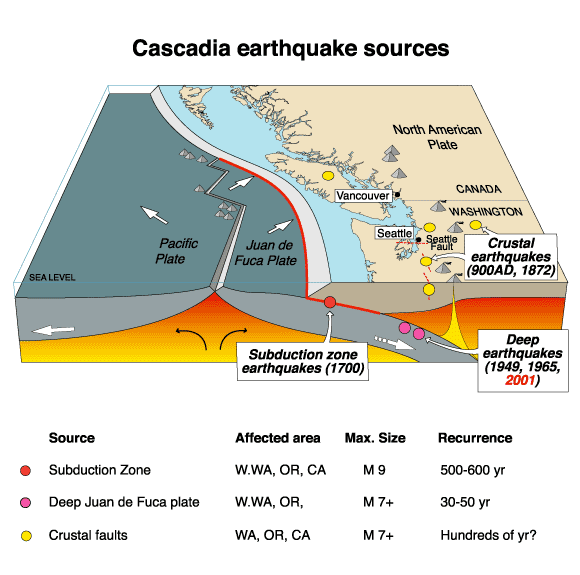
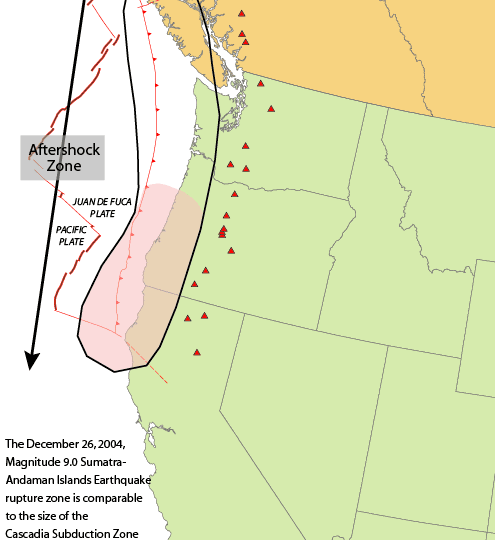
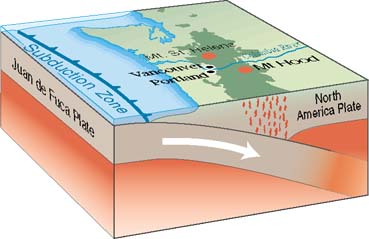
You might picture a fault as a single crack in the ground, but the Cascadia Subduction Zone is more like a vast, buried scar stretching for hundreds of miles. It runs roughly from offshore Northern California, up past Oregon and Washington, to just off Vancouver Island in Canada. In simple terms, one tectonic plate in the Pacific is slowly sliding, or subducting, beneath the edge of North America.
That plate boundary is locked in many places, meaning the plates are stuck together instead of slipping smoothly past one another. As they grind and catch, strain builds up like tension in a bent ruler you have not snapped yet. When it finally releases, it does not behave like a typical local fault; it can rupture over huge distances, sending out shaking and tsunamis across a wide swath of the region.
The Ghost of 1700: How You Know the “Big One” Has Already Happened Here
You might think that if a monster quake had happened in the Pacific Northwest, there would be written records everywhere. The eerie part is that when the last truly massive Cascadia quake struck in the year 1700, European-style record keeping in the region barely existed. The story of that event had to be rebuilt from clues buried in mud, drowned forests, offshore sediments, and tsunami records from across the ocean in Japan.
Scientists matched stories from Indigenous oral histories, submerged coastal forests killed suddenly by land dropping, and sand layers from tsunamis with strange waves recorded in Japan that arrived without a local earthquake. Putting those clues together, researchers have pinned down a huge Cascadia earthquake that likely reached magnitude nine and sent a major tsunami racing across the Pacific. When you hear people talk about “the last Big One” in the Northwest, this is the ghost they mean.
How Big Could the Next Cascadia Earthquake Be?
When you hear magnitude nine, it can be hard to translate that into what it actually means for your life. Think of magnitude as a measure of total energy released: each whole number step on the scale is not just a little stronger but releases roughly about thirty times more energy than the previous one. That means a magnitude nine rupture along Cascadia would release far more energy than the modern earthquakes you might be used to hearing about in California.
Scientists studying the length of the fault, the way plates are locked, and the thickness of sediments offshore have concluded that the system is capable of full-length ruptures that stretch from California to Canada. That is the kind of break that produces the largest shaking and the biggest tsunamis. You could also get smaller but still devastating earthquakes if only part of the fault fails, but the uncomfortable truth is that the Cascadia zone clearly has the ingredients for another truly giant event.
Is the Pacific Northwest “Overdue” for the Big One?
You have probably seen dramatic headlines claiming the region is overdue and that a catastrophe is essentially guaranteed any minute. The reality is more nuanced, and honestly a bit scarier in a quiet way. When scientists look at buried tsunami and earthquake deposits over thousands of years, they see a pattern where Cascadia produces major quakes at irregular intervals, sometimes a few centuries apart, sometimes closer together.
The last huge earthquake was in 1700, so you are a little more than three centuries past that event. That puts you somewhere in the middle of the range of past intervals, not at a fixed expiration date. The right way to think about it is that the probability per decade has become significant, not that a cosmic timer is about to hit zero on a specific year. You are living in a time when a Cascadia megaquake is possible within a typical lifetime, which is exactly why researchers and emergency planners keep pushing the issue.
What Would a Cascadia Megaquake Actually Feel Like for You?
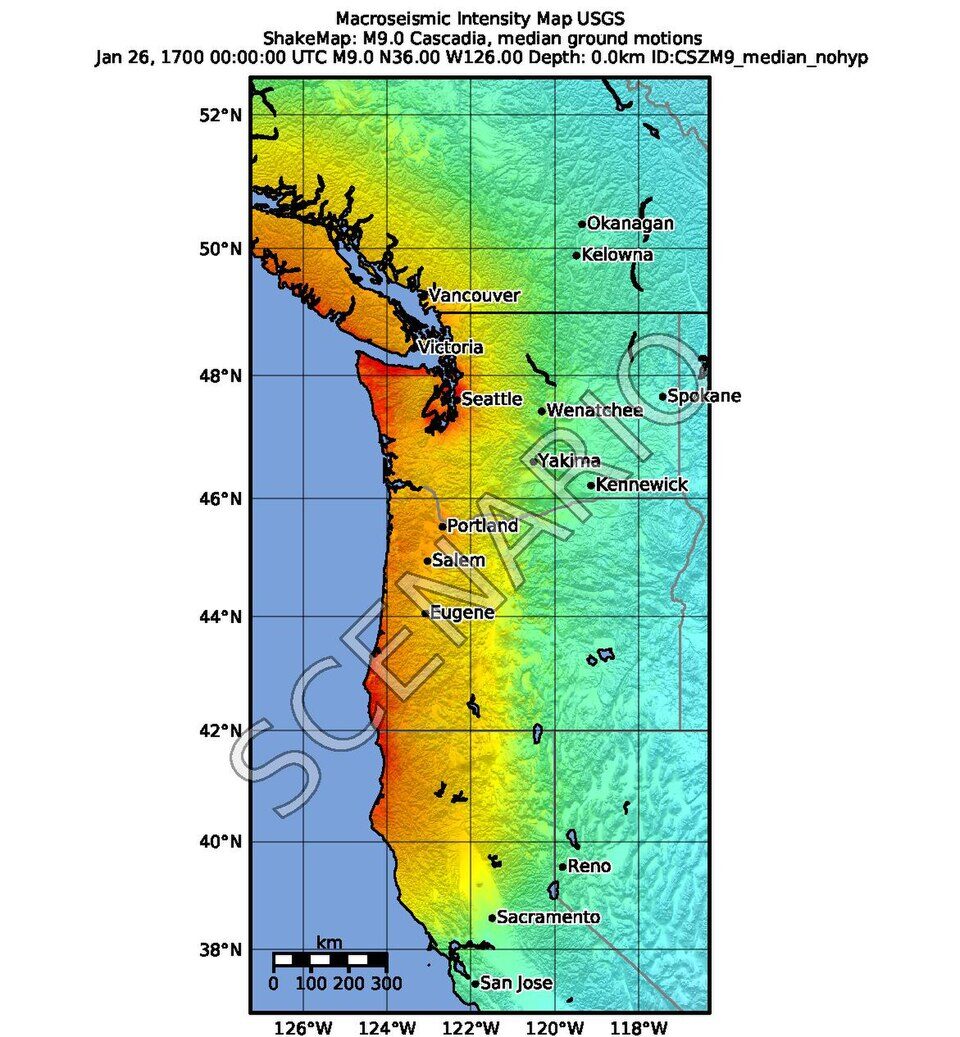
If you are used to short, sharp earthquakes that last a few seconds, a Cascadia rupture would feel like a completely different beast. People in the shaking zone can expect the ground to roll and sway for several minutes in a full-scale event, with waves arriving in pulses rather than one quick jolt. Even if you are inland, you could feel disorienting motion that makes it hard to stand, walk, or even know where “steady” is.
Along the coast, the danger is doubled because the earthquake would likely trigger a major tsunami. If you are in a low-lying coastal town, you could have as little as fifteen to thirty minutes to move to higher ground once the strong shaking stops. Roads might be damaged, power and communications could fail, and the familiar landmarks of daily life could be changed within a single hour. It is not about a single crack in the street; it is about an entire region being shaken and flooded at once.
How Scientists Track a Fault You Can’t See
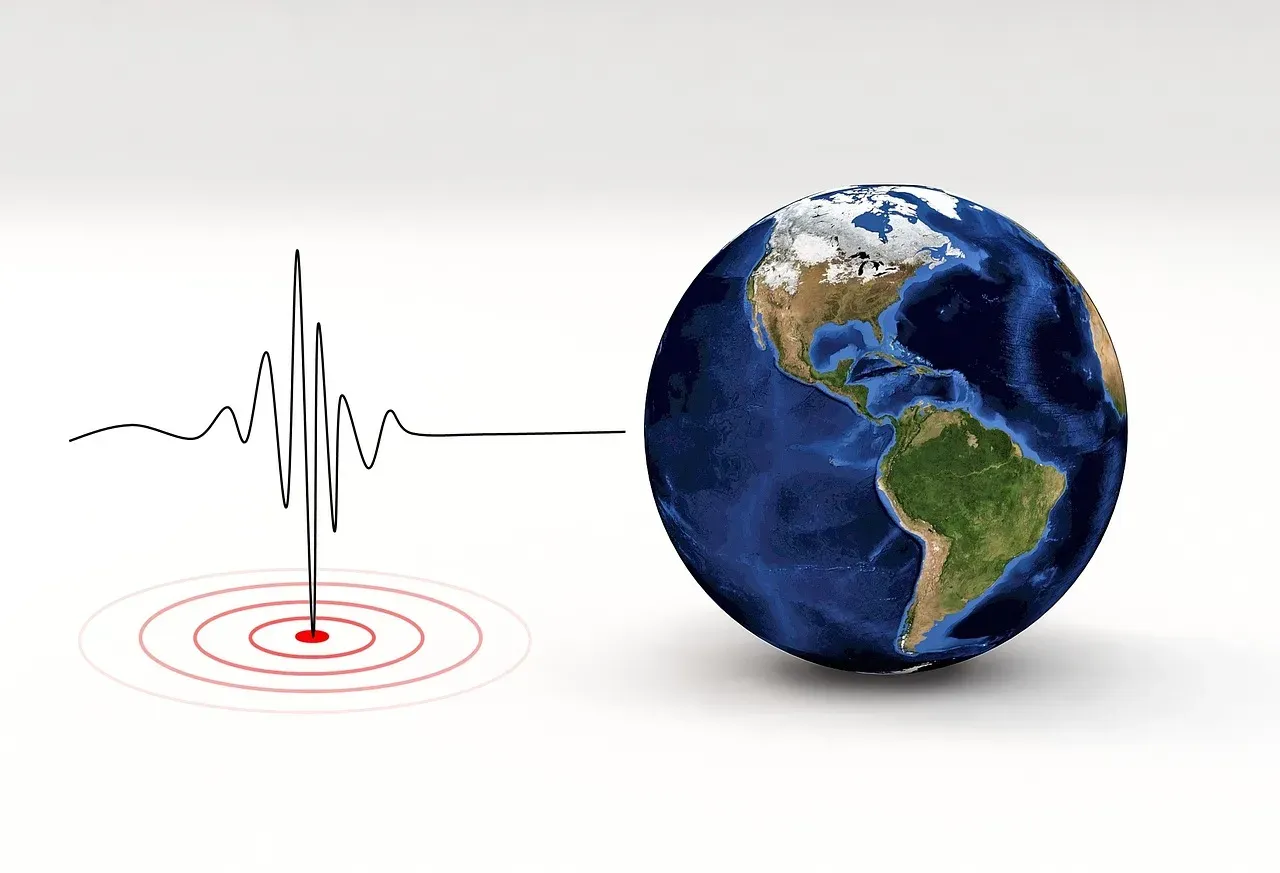
You might wonder how anyone can talk confidently about a fault that lies mostly hidden beneath the ocean floor. To make sense of Cascadia, scientists use a kind of detective toolkit that includes GPS stations, seafloor instruments, seismic networks, and careful work in coastal marshes and forests. By watching how the land slowly deforms over years, they can see which parts of the plate boundary are locked and where stress is accumulating.
Researchers also pay close attention to tiny tremors and slow-slip events, where parts of the plate seem to creep quietly rather than break violently. These subtle movements do not replace large quakes, but they help paint a more detailed picture of how the fault behaves. Even with modern tools, there is still a lot you do not know about the exact timing of future events, but the overall picture of risk has become much clearer and harder to ignore.
What You Can Actually Do to Prepare (Even If You Feel Powerless)
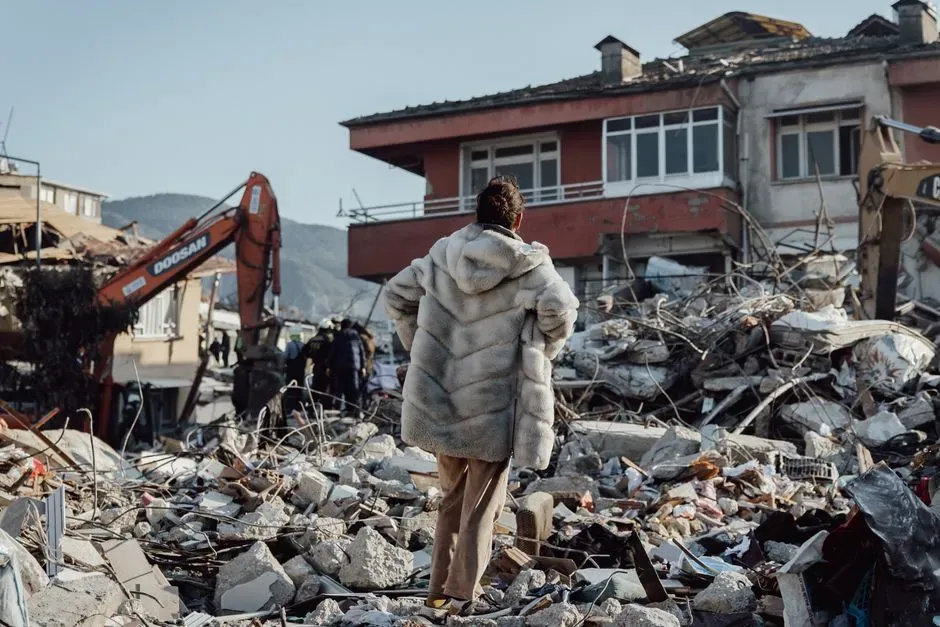
When you hear about something as huge as a subduction zone earthquake, it is easy to feel like there is nothing meaningful you can do. In reality, your personal choices before the shaking starts make a huge difference in your odds of coming through it safely. Securing heavy furniture, knowing how to shut off gas, having water and food stored, and keeping a go-bag by the door sound boring until you imagine trying to find supplies in a dark, damaged neighborhood.
If you live in a coastal area, your most powerful tool is a practiced evacuation plan. You should know exactly where higher ground is, how you will reach it on foot, and how you will meet up with family if phones are down. Think of it like rehearsing a fire drill: you hope never to use it, but in a real emergency, muscle memory beats panic. You cannot control tectonic plates, but you can control whether you are improvising in chaos or following a plan you have already walked through.
How Governments and Communities Are Responding – and Where You Fit In
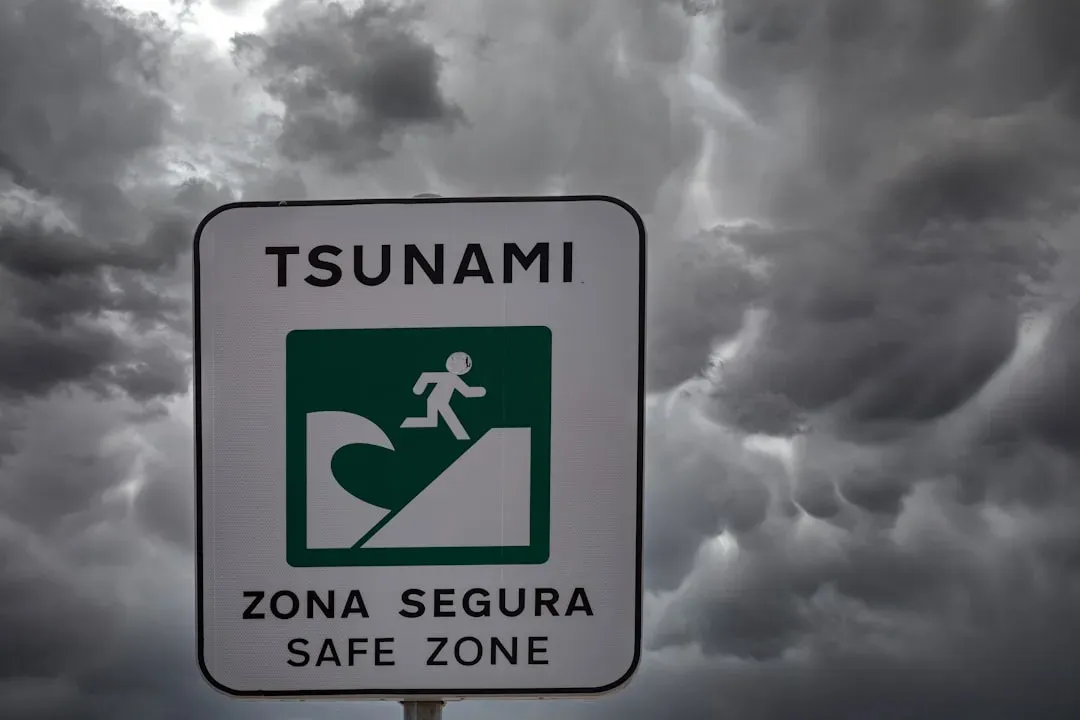
You are not the only one thinking about Cascadia; state, provincial, and federal agencies have been updating building codes, tsunami maps, and emergency response plans based on the latest science. Some bridges, hospitals, and schools are being retrofitted to better withstand long-lasting shaking. In a few coastal towns, vertical evacuation structures and clearly marked tsunami routes are slowly becoming part of the landscape, even if you barely notice them in everyday life.
Still, the gap between what experts recommend and what has actually been built or practiced is wide. That is where you and your community come in. By paying attention to local hazard maps, supporting resilient infrastructure projects, and joining neighborhood preparedness groups, you stop being just a potential victim and start becoming part of the region’s safety net. The more your community treats Cascadia like a real, long-term risk rather than a scary story, the better everyone will fare when the quiet finally ends.
Conclusion: Living With a Sleeping Giant Next Door
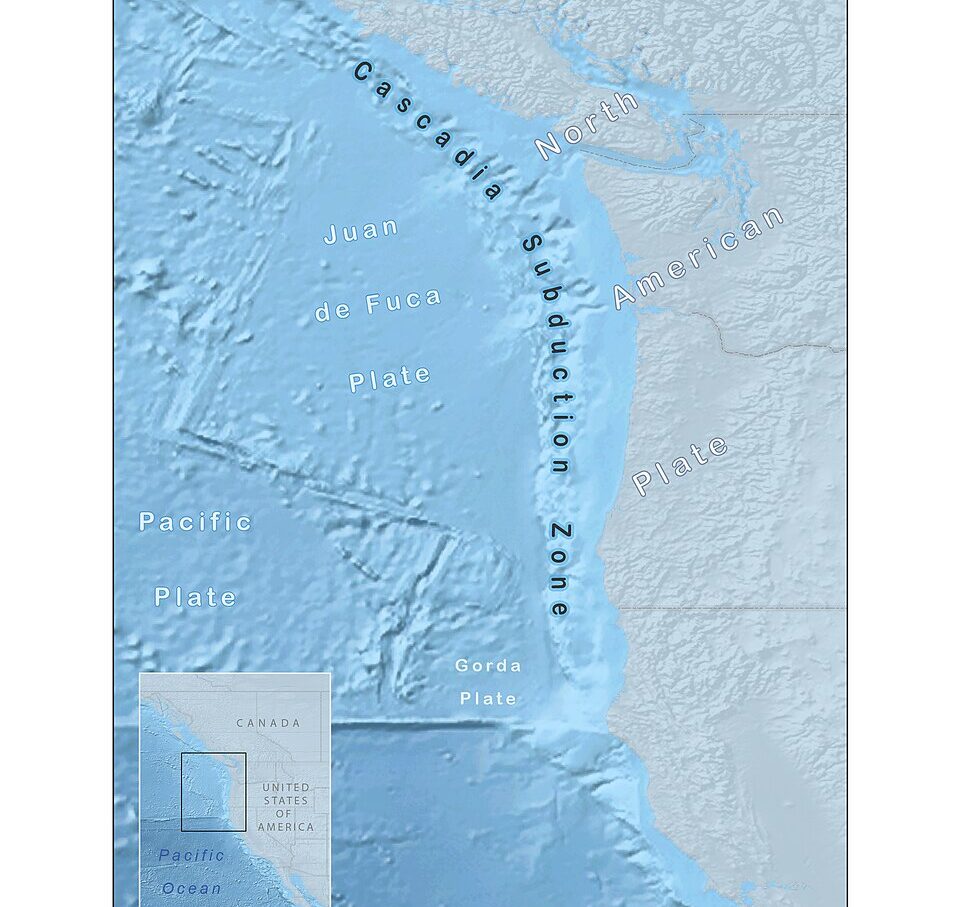
If you live in the Pacific Northwest, you share your home with a sleeping giant that has already reshaped the region once and will do it again. The Cascadia Subduction Zone is not a myth, not a movie plot, and not a problem for some far-off future generation; it is a real fault with a well-documented history of enormous earthquakes and tsunamis. That does not mean you should obsess over it daily, but it does mean pretending it does not exist is a luxury that reality might one day take away.
You have a choice in how you live with this knowledge. You can treat it like background noise, or you can quietly, steadily prepare your home, your family, and your community so that when the ground finally moves, you are scared but not helpless. The science is clear enough to justify action, even if it cannot give you a date. Now that you know what is under your feet, what are you going to do with that knowledge?