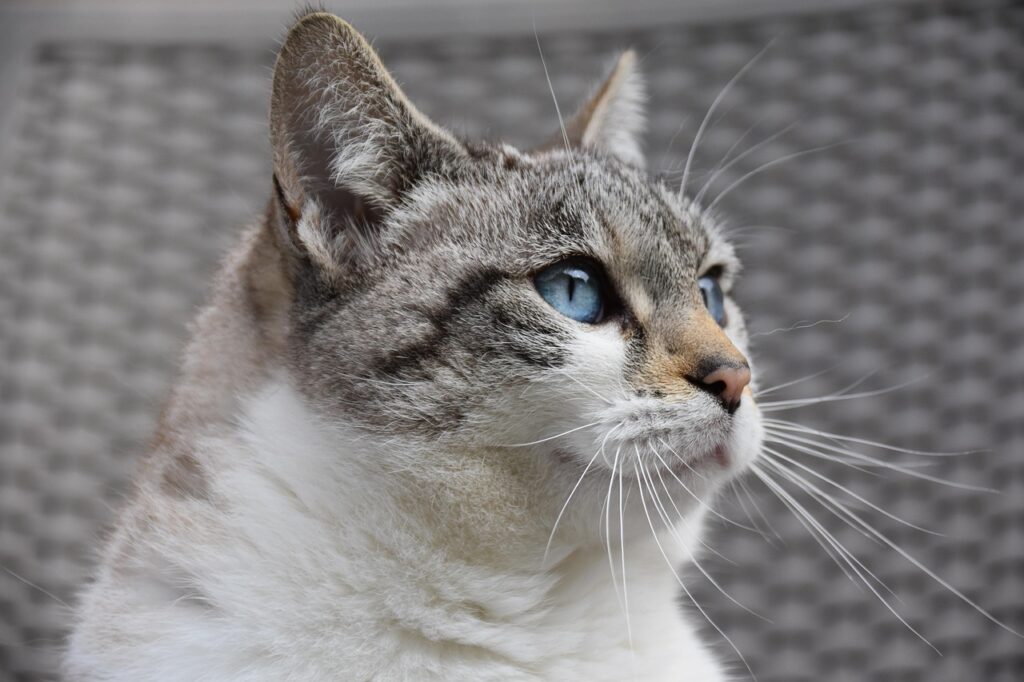
You know that slightly eerie moment when your cat pads into the room, settles in front of a blank wall, and just sits there… staring? No bugs, no shadows, no obvious reason. Minutes pass, then an hour, and they hardly move. It feels like they’ve tuned into a different frequency. You might even catch yourself wondering if they see something you don’t. You are not the only one unsettled and fascinated by this. Many cat guardians describe the same “corner trance” behavior, and some behaviorists consider it a kind of deeply focused, altered state. Science cannot fully explain what is happening yet, but there are enough clues from feline biology, neurology, and behavior research to help you make sense of it without slipping into superstition.
That Strange “Corner Trance” You Keep Noticing
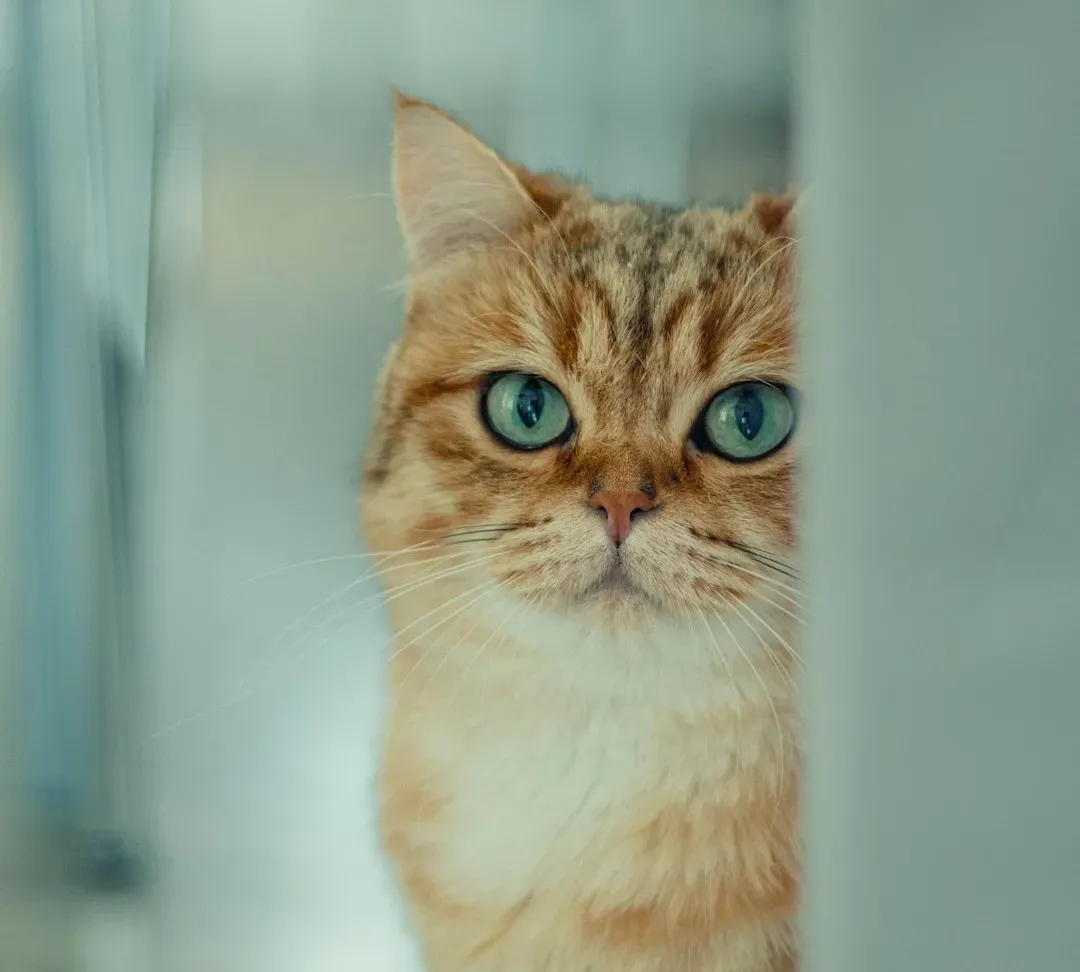
When your cat plants themselves in front of a wall or corner and seems to forget the rest of the world, you are likely seeing a cluster of different instincts wrapped into one moment: hunting focus, sensory processing, and rest. To you, it looks like blank staring; to your cat, it may feel like slipping into a narrow tunnel of awareness, where almost everything except one tiny detail fades out. You might notice their ears twitch independently or their tail tip quiver slightly, which is a sign that the lights are definitely on inside. From your perspective, it is easy to assume something is wrong or spooky, but this state can be very normal if it is intermittent and your cat otherwise acts healthy. You can think of it as the feline version of you zoning out at a window, replaying a conversation in your head, only their “window” is the wall and their mind leans more on smell, sound, and motion than on memories and words. The main red flag is not the trance-like sitting itself, but when it comes with other worrisome changes like pacing, crying, or clear distress.
How Your Cat’s Super Senses May Trigger a Trance
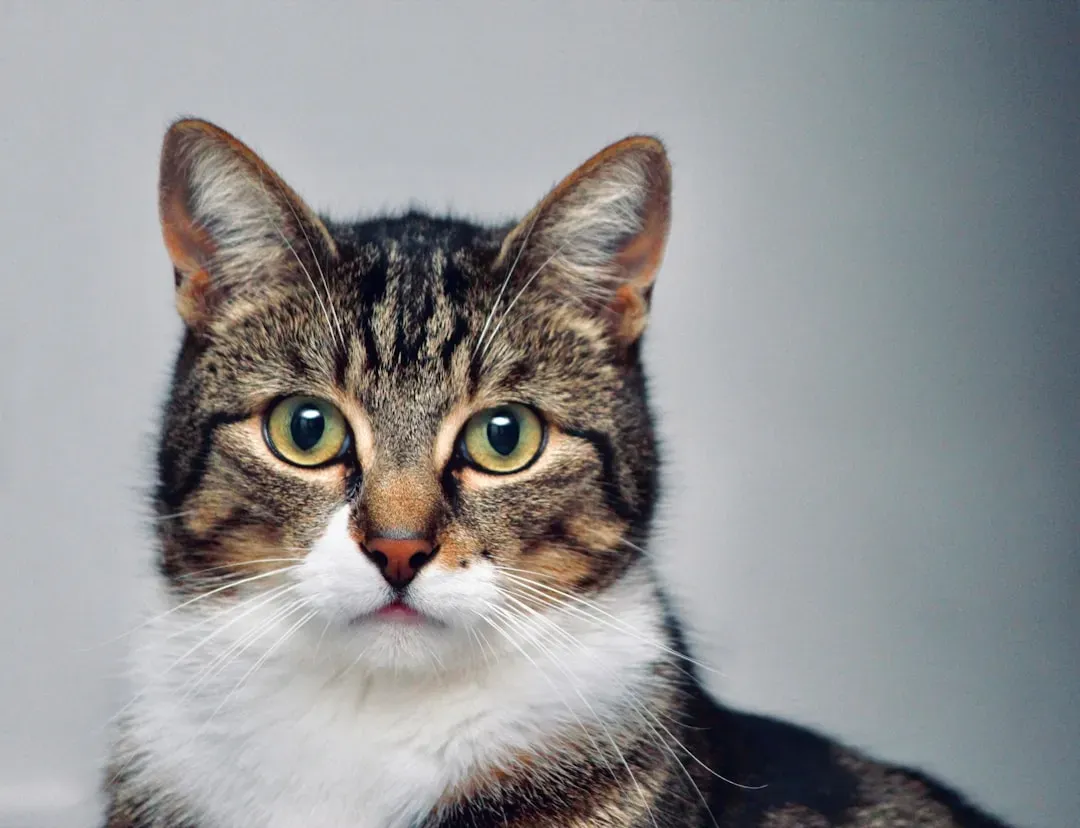
To understand why your cat might stare at a corner for what feels like forever, you have to remember that they live in a different sensory universe than you do. Their hearing picks up very high frequencies, their sense of smell is dramatically more powerful than yours, and their whiskers are like tiny motion detectors. A quiet wall to you might be a speaker blasting out faint rodent sounds from inside the structure, or a billboard of smells drifting through cracks you never notice. When your cat sits, faces the wall, and barely moves, they might be layering those senses together. Maybe they started by hearing a tiny skitter, then shifted into scanning smells and air currents without budging a muscle. That stillness becomes its own kind of trance, a fully embodied listening mode where moving would actually give them less information, not more. When this happens, your cat is not ignoring you; they are simply giving their attention to something you are not wired to perceive.
Predator Instincts: The “Frozen Hunter” Behind the Stillness
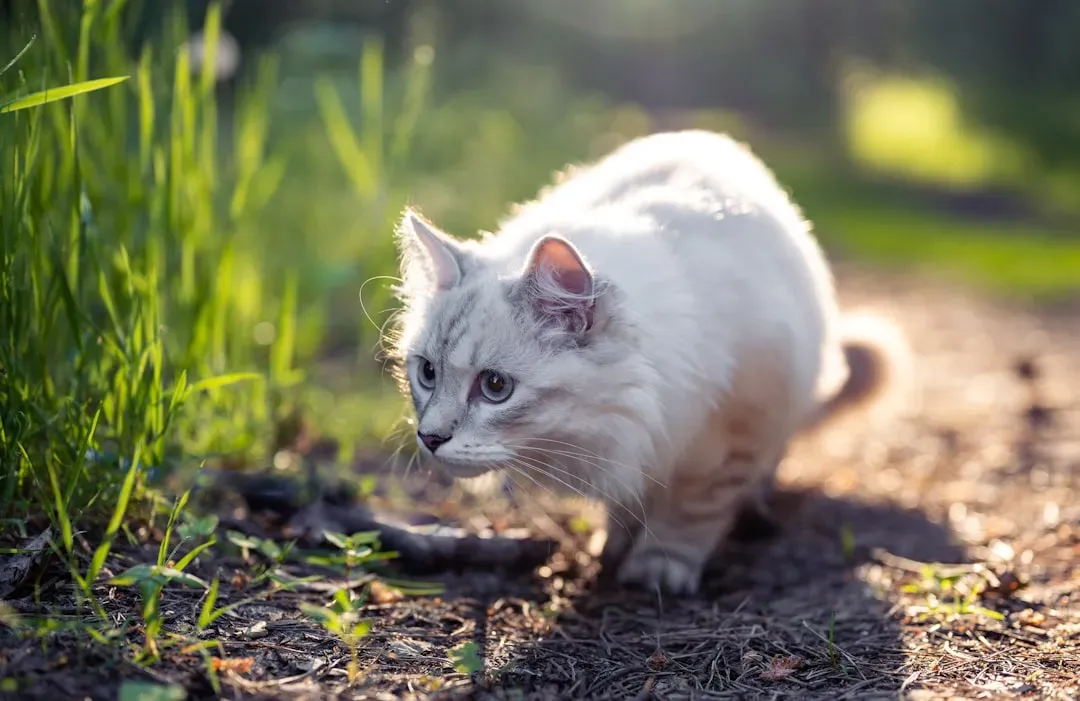
At the core of this trance-like posture is your cat’s identity as a small predator. Wild and feral cats often rely on long sessions of absolute stillness to survive, whether they are waiting for prey to appear or trying not to be noticed by something larger. When your indoor cat locks onto a corner, they may be echoing that same freeze response, even if the “prey” is just a faint scratching pipe or a draft they once associated with a moving bug. If you picture a wild cat crouched in tall grass, watching a mouse hole, the behavior suddenly makes more sense. Your cat’s version just happens to be translated into your living room architecture: the “grass” is the couch, the “hole” is a baseboard or joint in the wall. The trance state is their still-hunting mode, and even if nothing actually appears, their brain still gets a payoff from rehearsing that role. It is instinctual practice, the way an athlete might visualize a race without leaving their chair.
When “Trance” Is Just Deep Daydreaming and Brain Reset
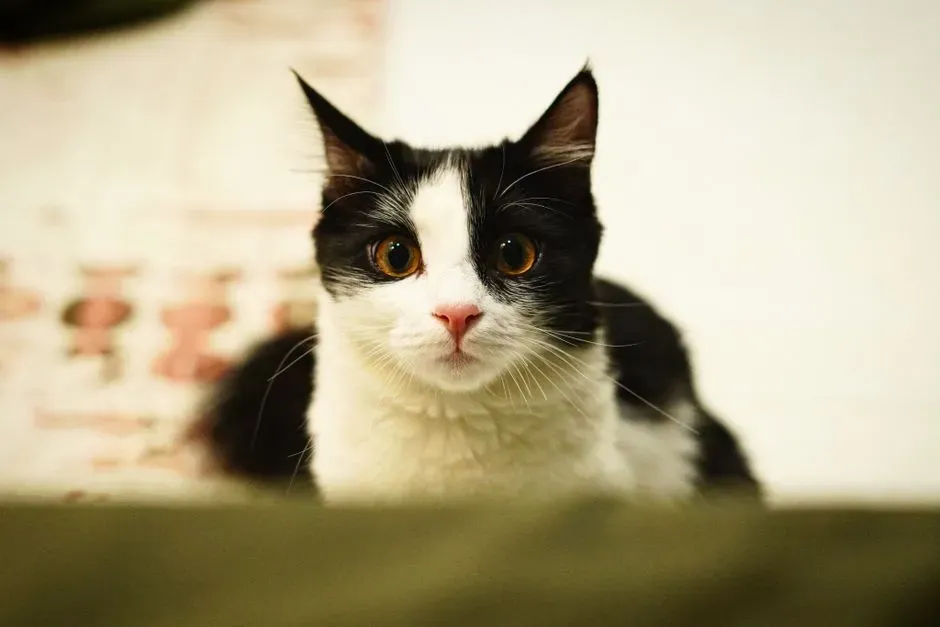
There is another, less dramatic layer to the story: sometimes your cat is simply spacing out. Their brain, like yours, needs periods of low stimulation and wandering focus to process information, rest, and reset. The corner might be the perfect low-distraction spot for this. Facing a blank surface naturally reduces visual input, which lets other internal processes take over, like consolidating memories, managing stress hormones, or just enjoying a rare moment of mental quiet. You may notice that your cat is particularly prone to this behavior after a chaotic day, visitors, or a long play session. Just like you might flop down on the couch and stare at nothing after a long meeting, your cat may use the wall as a “mental off switch.” In that sense, the trance is less about sensing something out there and more about running their internal housekeeping. You do not need to interrupt it unless there is a reason to be concerned.
Warning Signs: When Corner Staring Could Be a Health Issue
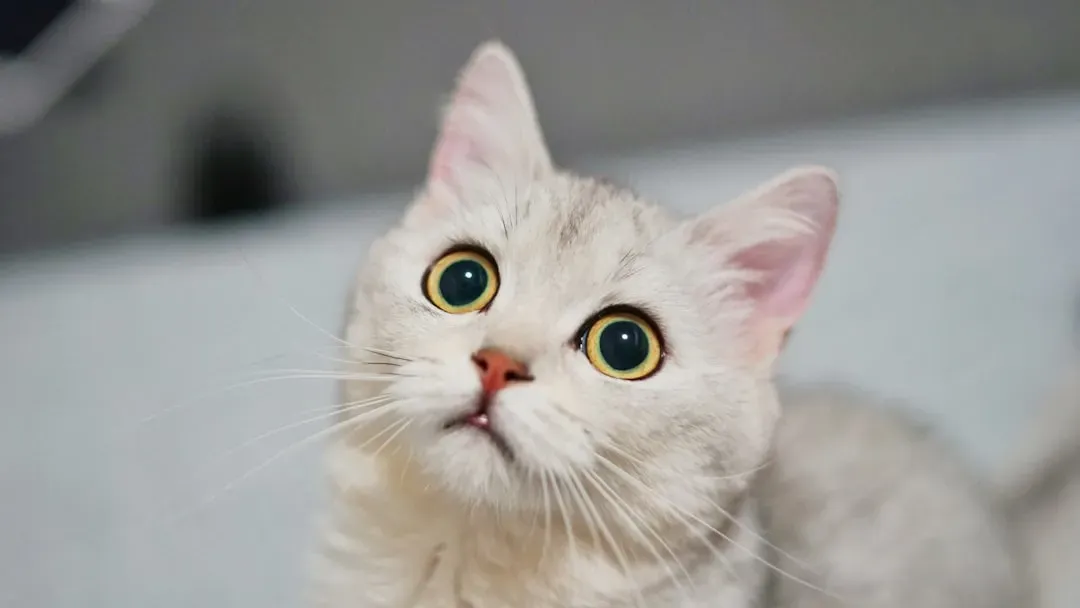
As much as you want to respect your cat’s quirky inner life, you also need to stay alert for signs that this behavior is not just a harmless trance. If your cat suddenly starts staring at corners far more often than before, especially if they are older, you should pay attention. Repetitive, rigid staring combined with confusion, vocalizing, circling, or bumping into furniture can be associated with neurological problems, vision changes, or cognitive decline. You should also watch for episodes that look like your cat is “out of it” in a worrying way: unresponsive to your voice, drooling, twitching, or moving their eyes strangely. That can cross the line from trance into possible seizure activity or another medical issue. In those cases, you are not being paranoid by calling your veterinarian promptly. It is far better to get a professional to rule out pain, brain disease, or sensory loss than to assume everything is spiritual or mysterious.
How to Respond in the Moment Without Overreacting
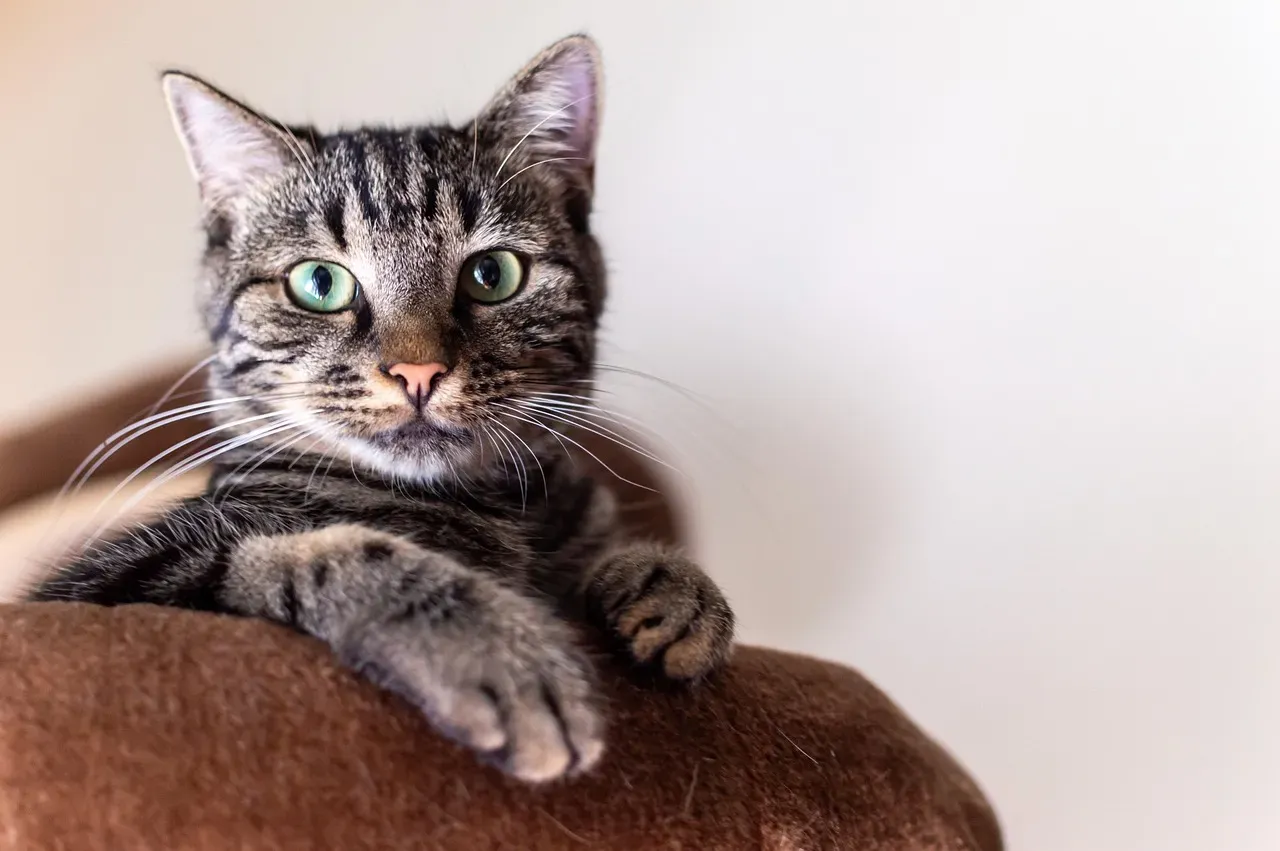
When you walk into a room and see your cat frozen in front of a blank surface, your first impulse might be to break the spell. You might call their name, clap, or toss a toy. Instead, try pausing for a few seconds and simply observing. Are their ears moving? Are they breathing calmly? Do they flick an ear when you shift your weight or speak softly? If they look relaxed and mildly focused, there is usually no need to interrupt; you can let them have their moment. If you do want to check in, it helps to keep your approach gentle. Softly saying their name, rustling a treat bag, or slowly offering a toy is plenty. If they snap out of it and respond easily, you can relax. If they seem disoriented or panicked when pulled from the state, make a mental note of what you saw and mention it to your vet later. Treat their trance as you would a friend lost in thought: you do not shake them out of it unless you have a good reason.
Practical Ways to Support Your Cat’s Mind and Environment
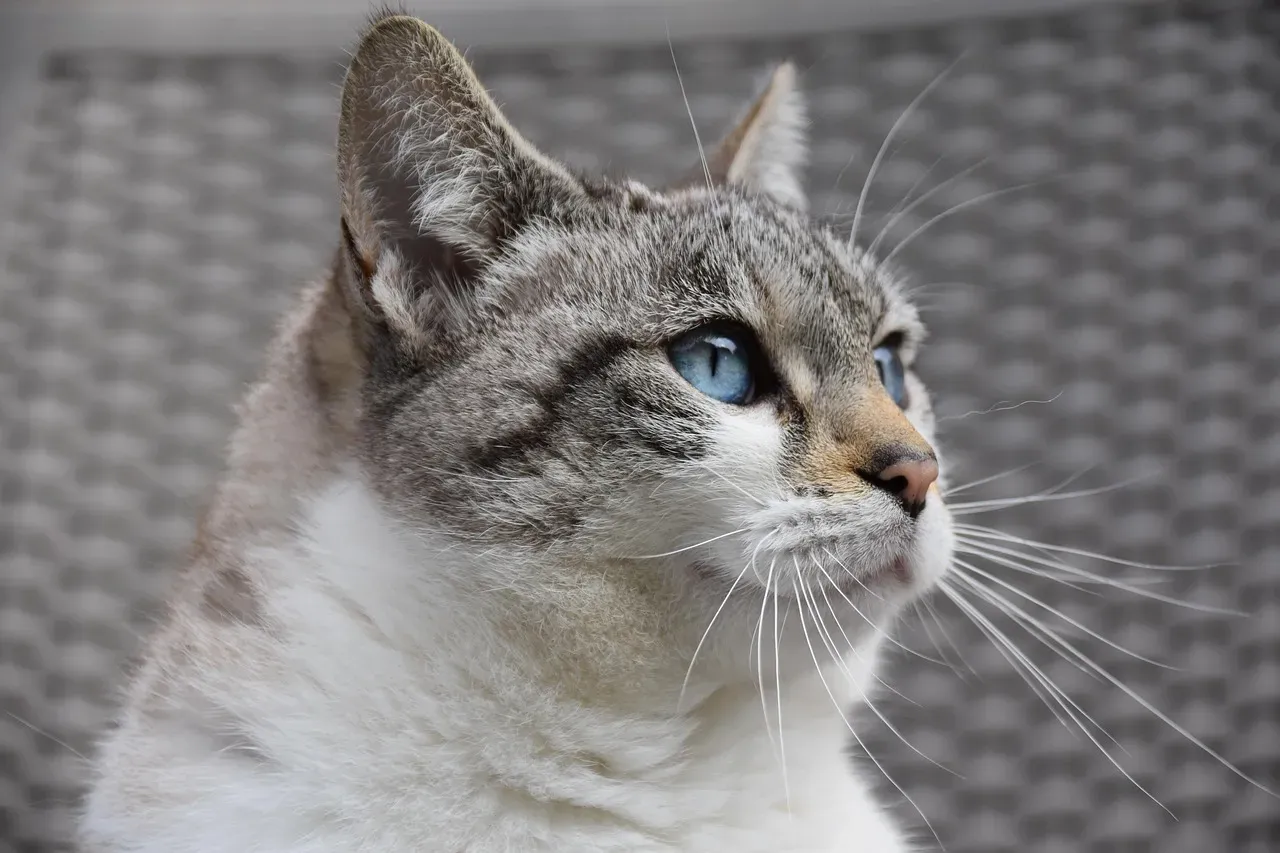
You might not be able to stop your cat from entering these trance-like states, and honestly, you probably should not. What you can do is shape the environment around them so that their brain has healthy outlets for all that instinct and sensory input. Interactive play sessions, climbing trees, puzzle feeders, and good hiding spots all help distribute their focus more evenly and keep them from obsessing over any one wall or corner out of boredom. You can also pay attention to the specific corners your cat chooses. If they always pick the same spot, take a closer look. Is there a draft? An odd smell? A gap in the baseboard that might lead to pests? By addressing any environmental triggers and providing plenty of enrichment elsewhere, you help ensure that when your cat does drift into a trance, it is more about natural focus and relaxation than about unresolved frustration or chronic stress.
Balancing Curiosity and Skepticism About “Mystical” Cat Behavior
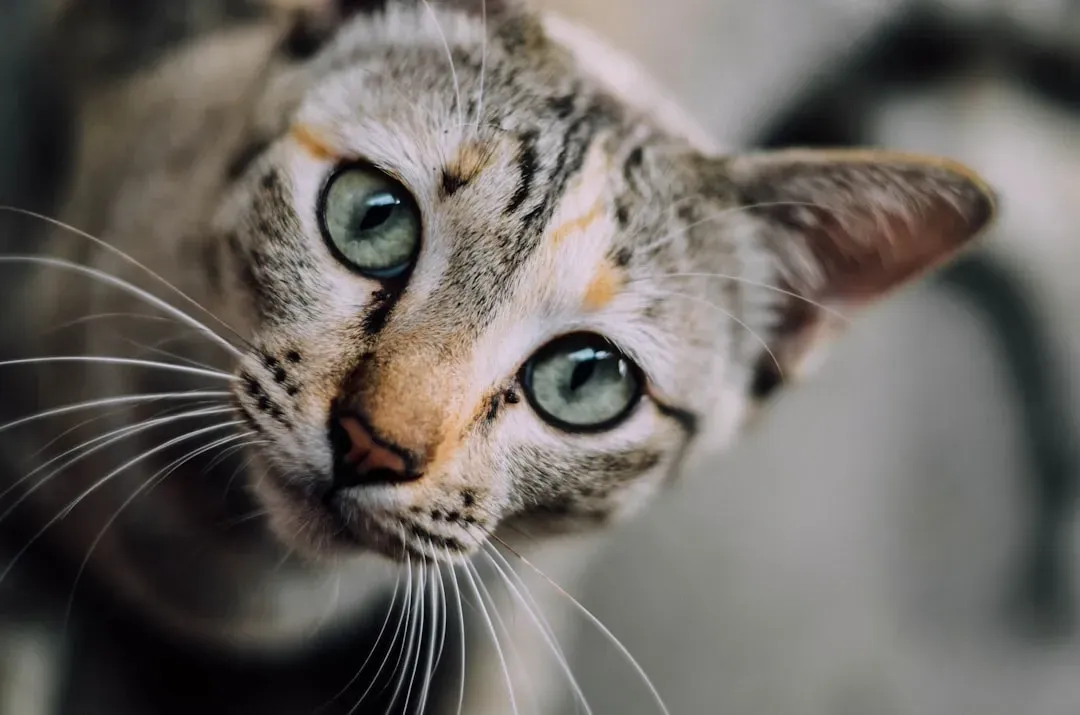
It is very tempting to explain your cat’s trances with ghosts, unseen spirits, or mysterious energy. You may find that idea comforting or spooky, and it certainly scratches that part of your brain that loves stories. The truth is, cats are strange enough even without the supernatural. Their senses, instincts, and brain wiring give them a way of being in the world that is simply alien compared to yours, and that alone can look magical. You do not have to give up the wonder to stay grounded. You can let yourself be fascinated while still leaning on what is actually known about animal behavior and neurology. When you think of your cat’s trance as a blend of hyper-focus, sensory processing, and mental rest, it becomes no less beautiful, just more understandable. Curiosity plus a bit of healthy skepticism will keep you from missing early health warning signs while still letting you enjoy the mystery that first drew you to cats.
When to Call the Vet and What to Tell Them
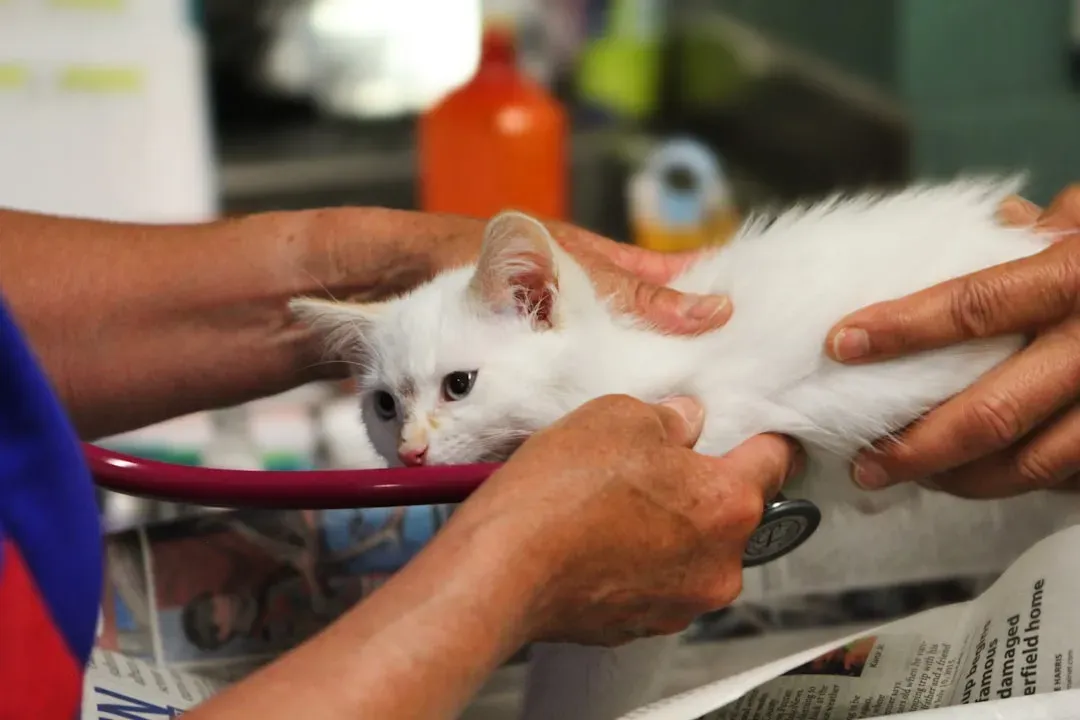
If your gut tells you something is off, you should trust that feeling and involve your veterinarian. Before you call, it helps to jot down a simple log of what you have observed: how long the corner staring lasts, how often it happens, what your cat does before and after, and whether there are any other changes in appetite, litter box use, or personality. Those details turn a vague worry into useful data your vet can actually work with. During the visit, be honest about what you are afraid of, whether that is seizures, dementia, or something you cannot name. Your vet may recommend a neurological exam, blood work, or imaging, or they may reassure you that your cat is simply a bit eccentric but otherwise healthy. Either outcome is a win for you and your cat: you either catch a problem early or you gain peace of mind. In both cases, you move from guessing to knowing, and that makes you a better guardian.
Conclusion: Sharing Life With a Creature Half in Another World
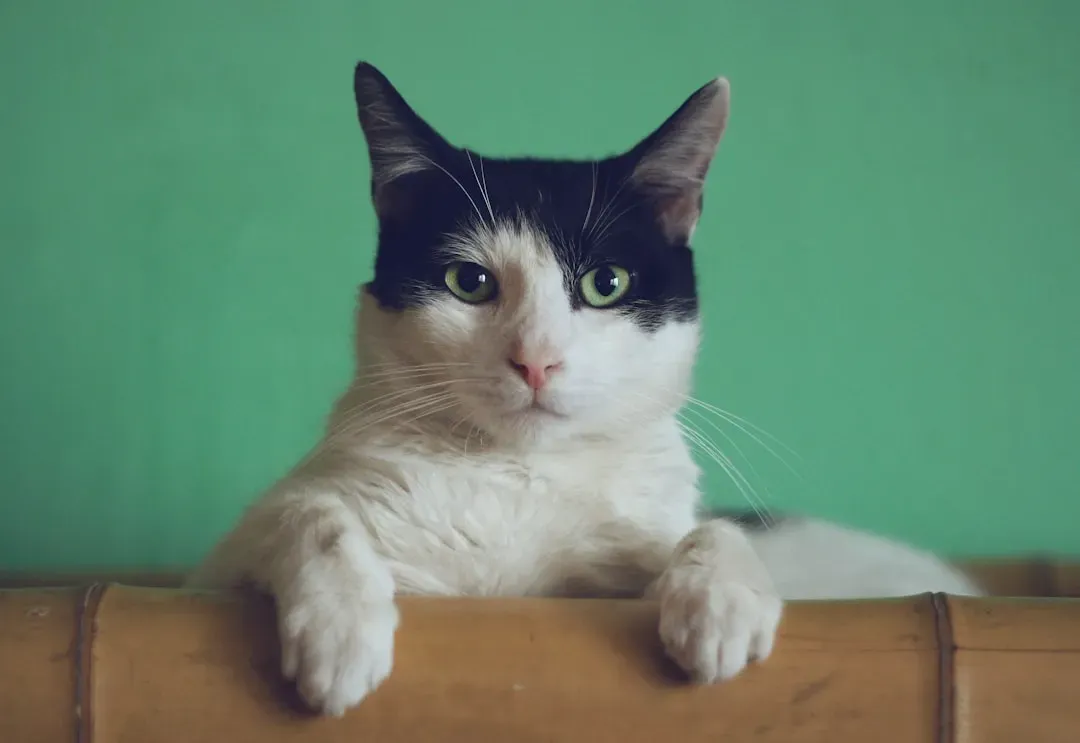
Living with a cat sometimes feels like sharing a home with a small, silent mystic who slips into other realms without warning. When yours settles into a corner trance, you are seeing some combination of ancient hunting instinct, supercharged senses, and a brain that processes the world differently from yours. Science is still piecing together exactly what goes on in those moments, but you already have enough solid knowledge to respond with both calm and care. If you stay observant, offer a rich environment, and loop in your veterinarian when something seems truly wrong, you give your cat the freedom to be wonderfully strange without being unsafe. In the end, that corner trance is just one more reminder that you live alongside a mind you will never fully decode – and that is part of the magic of loving a cat. When you catch them disappearing into that stillness again, will you see it as something to fear, or as an invitation to look a little closer at a world you cannot quite sense yourself?