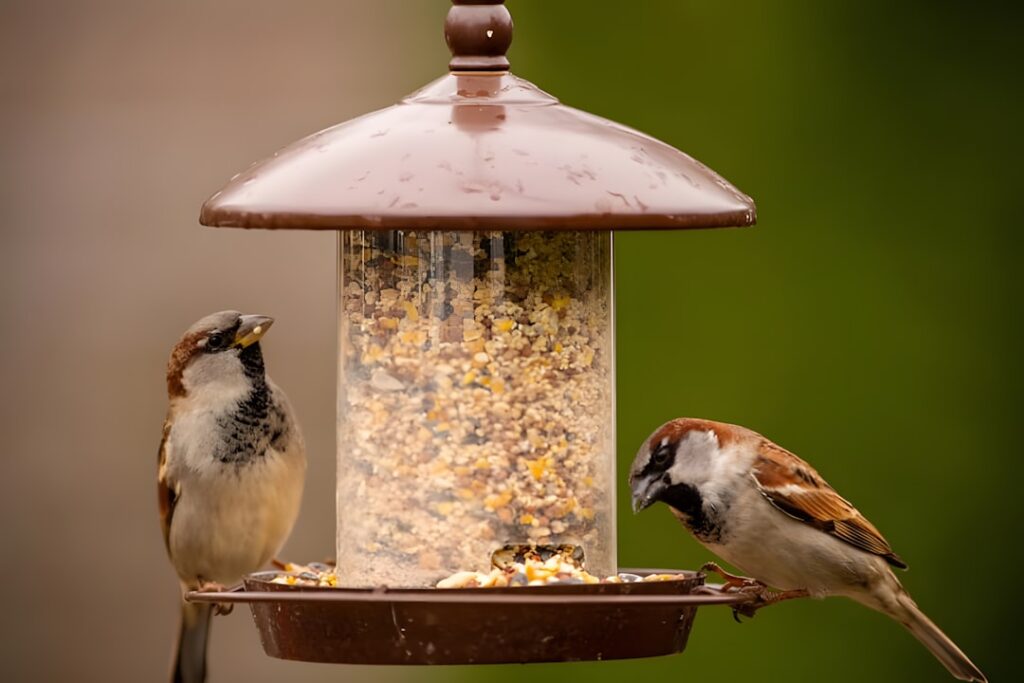

You know that quiet moment when you glance out the window and suddenly notice a burst of color on the feeder, or hear a song you haven’t heard before? That little spark of surprise is exactly what the right bird food can bring you every single day. When you choose the right foods, your backyard stops being just grass and a fence and turns into a living, fluttering neighborhood café for birds. In other words, you’re not just tossing seed in a tray; you’re curating a menu. Some foods shout free buffet to a wide variety of birds, while others whisper a special invitation to certain species you might rarely see otherwise. Once you understand which foods do what, you can mix and match them like a pro and watch your visitor list explode in the best possible way.
Black Oil Sunflower Seeds: The All‑Time Crowd-Pleaser
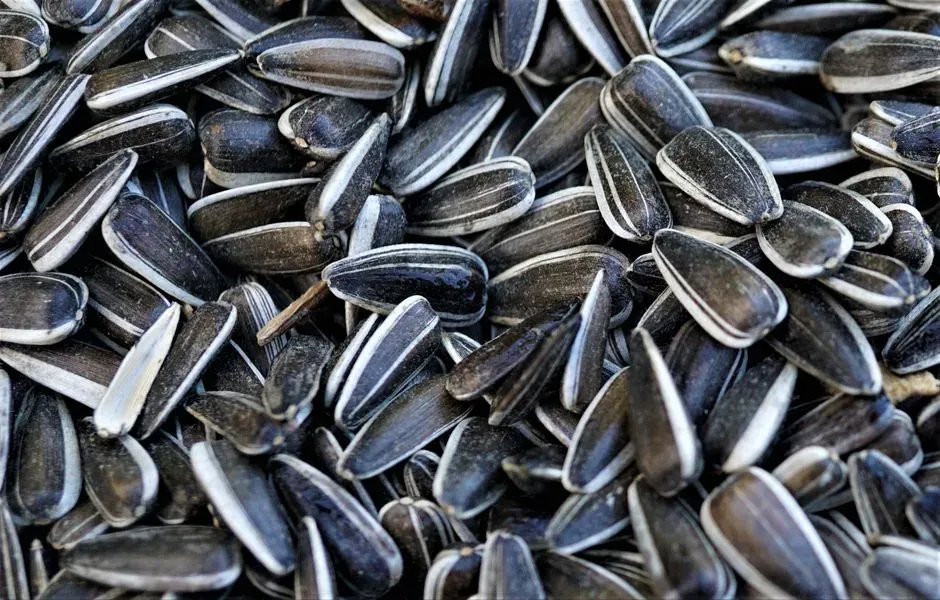
If you only put out one type of bird food, make it black oil sunflower seeds. You’ll attract an impressive mix of guests: cardinals, chickadees, nuthatches, finches, woodpeckers, jays, and many more. The thin shells make them easier to crack than striped sunflower seeds, so even smaller birds can handle them, and the high-fat, high-energy content helps birds stay warm and fueled, especially in colder weather. You can offer them in tube feeders with perches, hopper feeders, or simple tray feeders. If you want less mess under the feeder, you can buy them hulled (often called sunflower hearts or chips), though these can spoil a bit faster in wet weather. You’ll probably notice that once you start using black oil sunflower, every other feeder will suddenly seem much busier.
Nyjer (Thistle) Seed: A Magnet for Finches
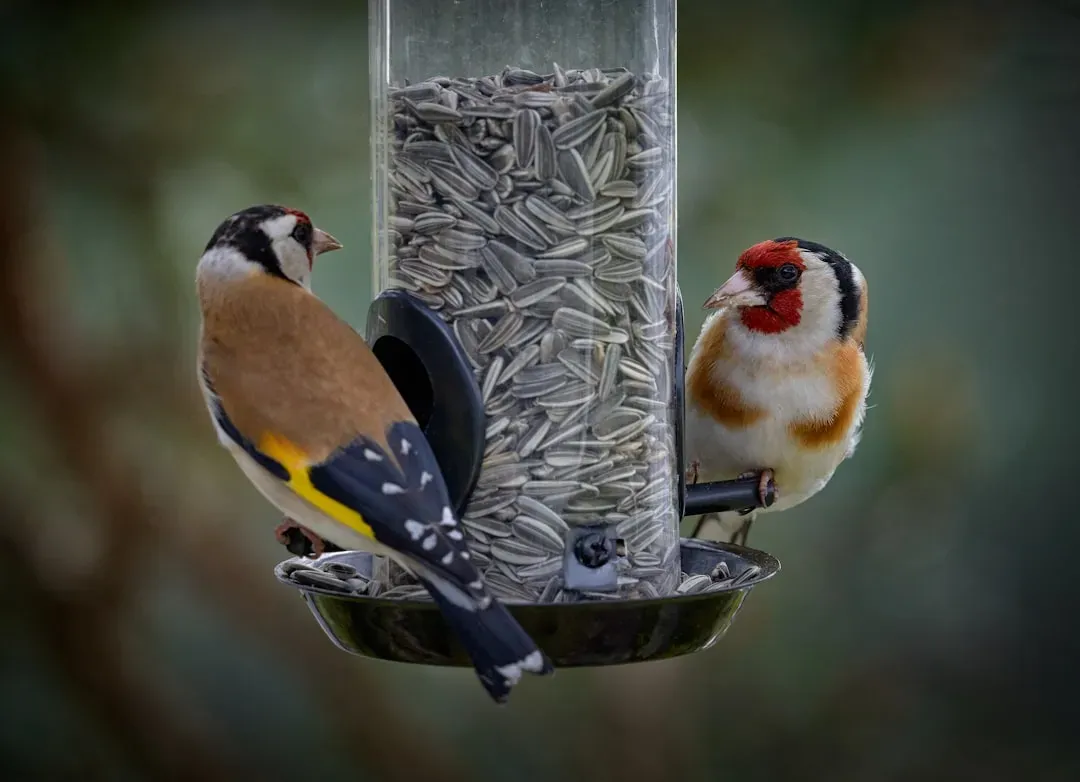
If you dream of bright yellow American goldfinches, dainty pine siskins, and red-purple house finches packed shoulder to shoulder, nyjer seed is your secret weapon. These tiny black seeds are rich in oil and tailor-made for finches and a few similar small-billed birds. You won’t see many big birds fighting over them, which is actually a good thing because it gives the finches some peaceful feeding time. You’ll need a proper nyjer feeder, usually a tube with very small ports or a mesh sock-style feeder that lets finches cling and feed. Because the seeds are so small, you want to offer just enough to be eaten within a week or so, especially in damp weather, so they stay fresh. Once finches discover your nyjer, don’t be surprised if you find a little golden cloud of birds hanging there every morning.
Suet Cakes: High-Energy Fuel for Woodpeckers and Winter Visitors
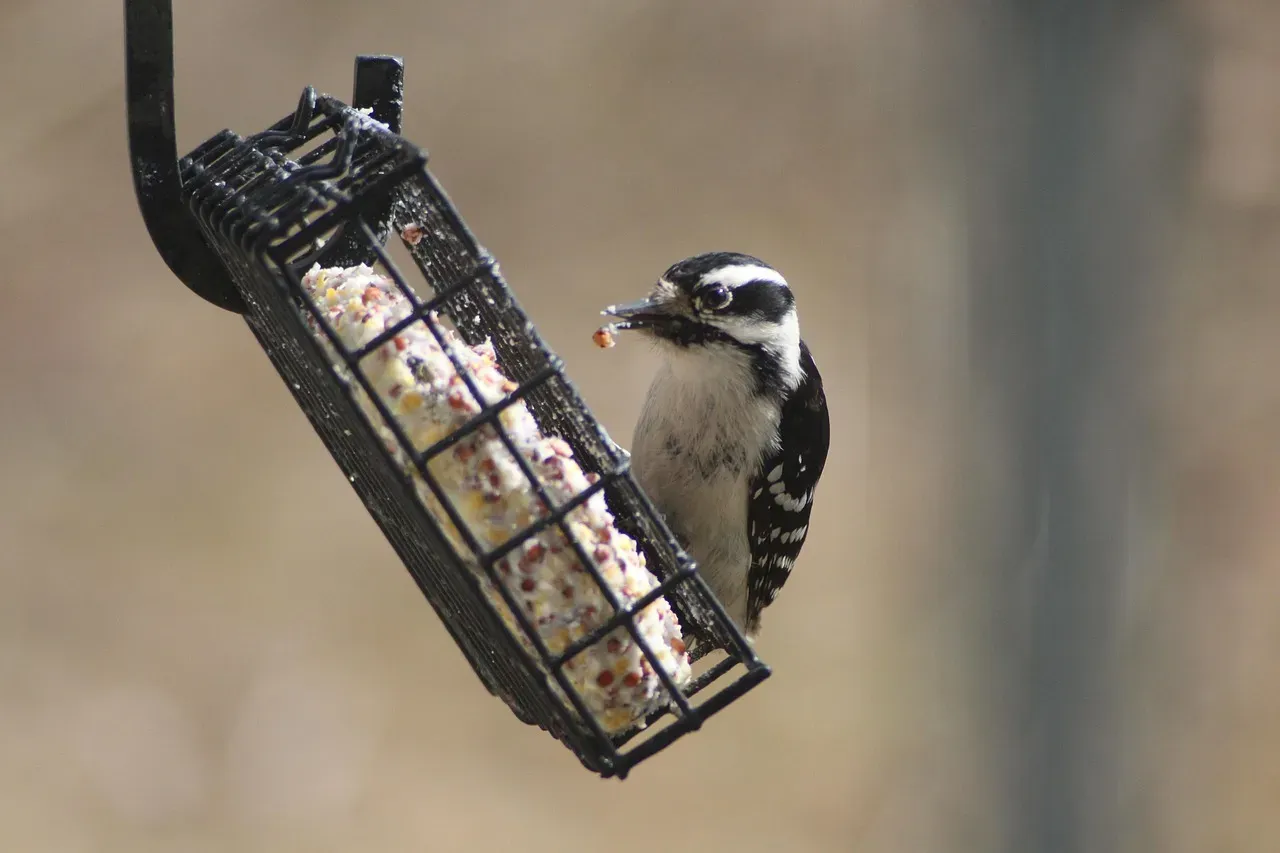
Suet is basically pure, rendered fat, often mixed with goodies like peanuts, sunflower seeds, dried fruit, or mealworms. It’s like an energy bar for birds, and it especially appeals to woodpeckers, nuthatches, chickadees, titmice, and sometimes wrens and starlings. You’ll notice a dramatic spike in suet traffic during cold months, when birds need dense calories to survive frigid nights. You can buy suet in convenient cakes that fit into small wire cages, or you can use suet nuggets or plugs that slide into special feeders. In hot weather, choose no-melt or heat-resistant suet to avoid a greasy mess and rancid smells. If you’ve never offered suet before, hang a single suet cage near a tree trunk and see which birds show up – it often feels like someone just turned on a woodpecker channel in your yard.
Peanuts: The Protein-Rich Favorite of Jays and Woodpeckers
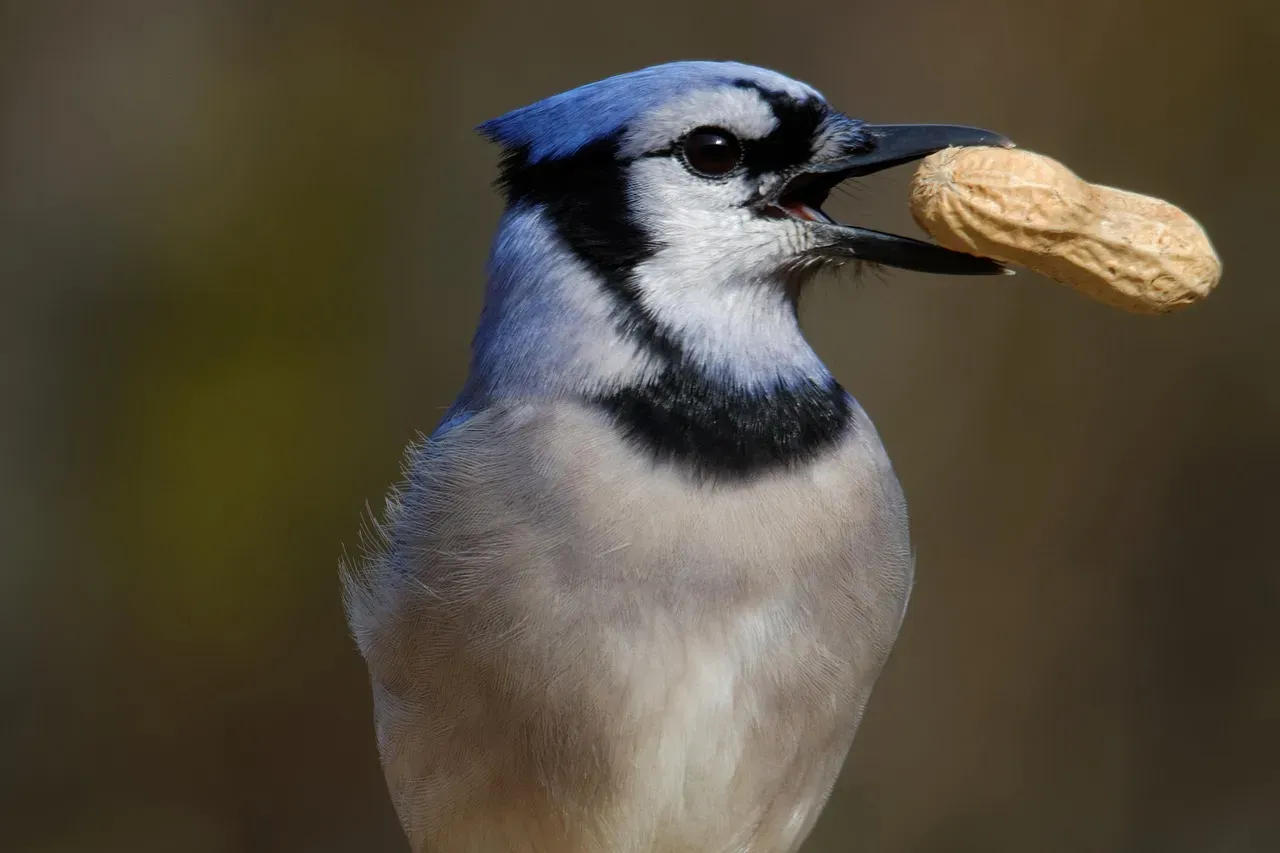
Peanuts are loaded with protein and fat, and birds know it. Blue jays, woodpeckers, titmice, chickadees, nuthatches, and even some sparrows will happily visit a peanut feeder again and again. You can offer them shelled or in the shell; unsalted, human-grade peanuts are best, and you should avoid anything flavored or salted. A mesh peanut feeder or a sturdy tray feeder works well, but you’ll want to clean it regularly because peanuts can go moldy if they get damp and sit too long. Peanuts are so attractive that they can sometimes draw larger, more assertive birds and even squirrels, so you may need a squirrel baffle or a specialty feeder if that becomes an issue. Still, when you see a jay grab a whole peanut and fly off like it just won the lottery, it’s hard not to keep them on the menu.
Mealworms: Irresistible Protein for Insect-Loving Birds
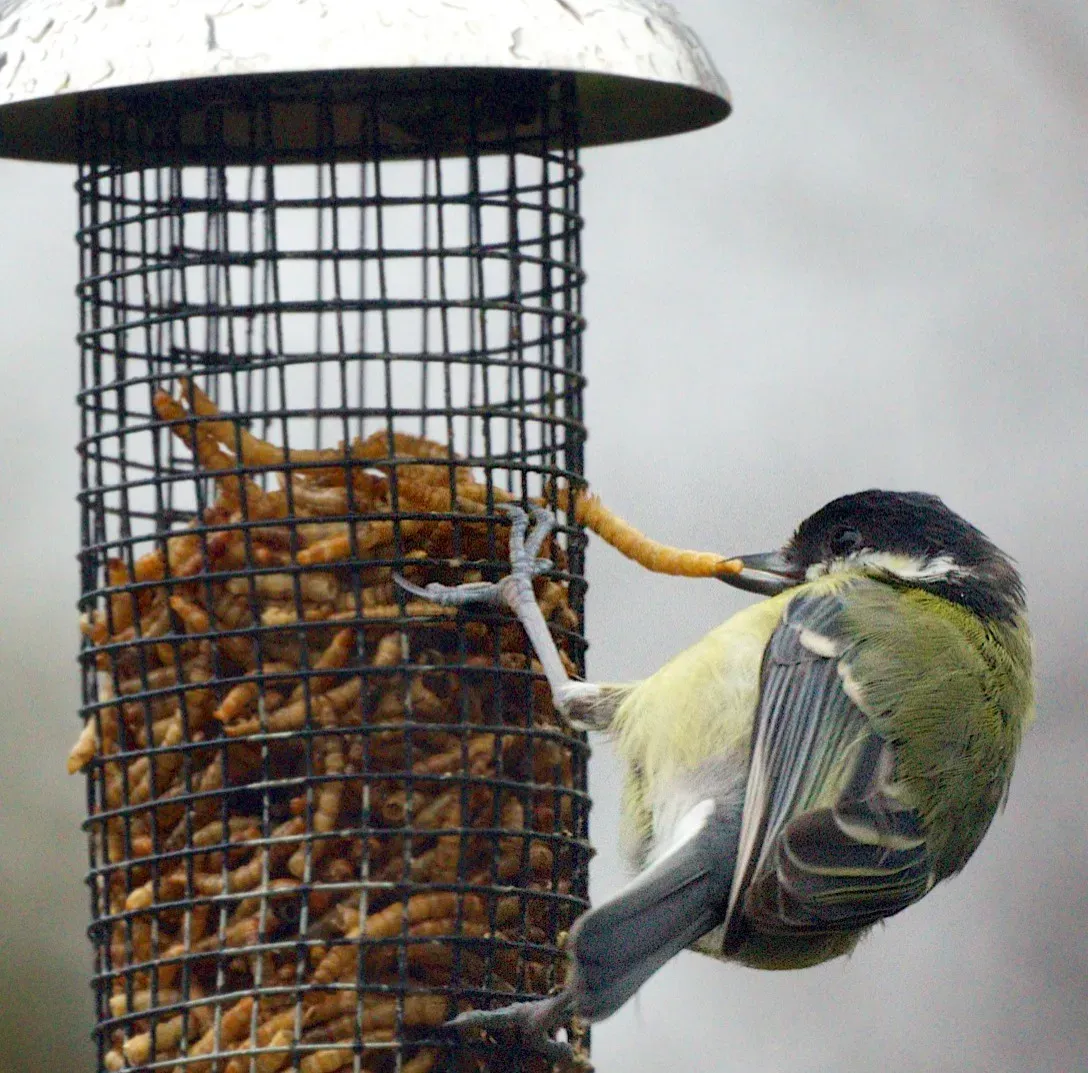
If you’ve ever wondered how to attract bluebirds, wrens, and some picky warblers to your yard, mealworms are your best bet. Many birds that primarily eat insects are not all that interested in dry seeds, but they’ll line up for mealworms, especially during nesting season when they’re scrambling to feed growing chicks. You can use live or dried mealworms; live ones are more appealing, but dried are easier to store and handle. Offer them in a shallow dish, small platform feeder, or a special enclosed bluebird feeder that keeps out larger bullies. Because mealworms are pricey compared to seed, you can treat them like a special side dish rather than an all-day buffet – maybe a small morning portion and another in the evening. Over time, you might notice that some birds actually watch the spot where you usually place them and swoop in as soon as you step away.
Safflower Seed: A Smart Choice When You Want Birds, Not Squirrels
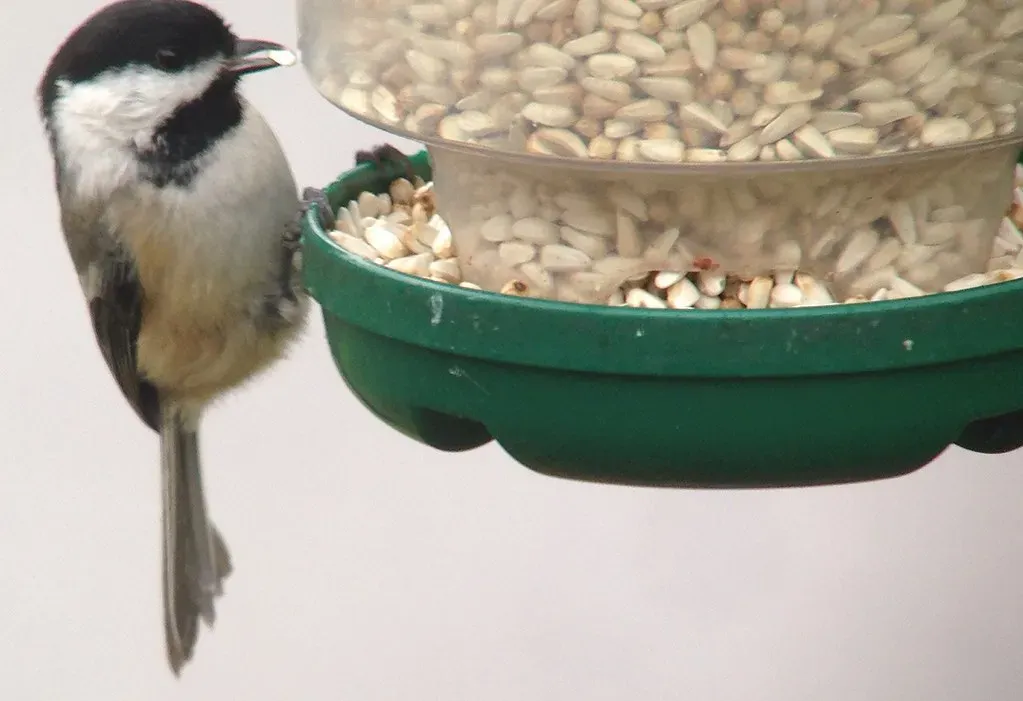
Safflower seed looks a bit like a white, slightly pointy sunflower seed, and many of the same birds will eat it, including cardinals, chickadees, titmice, and some finches. The twist is that squirrels, grackles, and starlings are often less enthusiastic about it. That makes safflower incredibly useful if you’re tired of watching your feeders get mobbed by bigger, more aggressive visitors. You can offer safflower straight in hopper or tube feeders, or mix it with other seeds as part of a custom blend. Some birds may ignore it at first if they’re not used to it, so give them some time to figure it out. Once they do, you might find a calmer, more balanced crowd at your feeders, with fewer squabbles and more of the birds you actually want to see.
Millet and Mixed Seeds: Ground-Feeding Birds’ Comfort Food
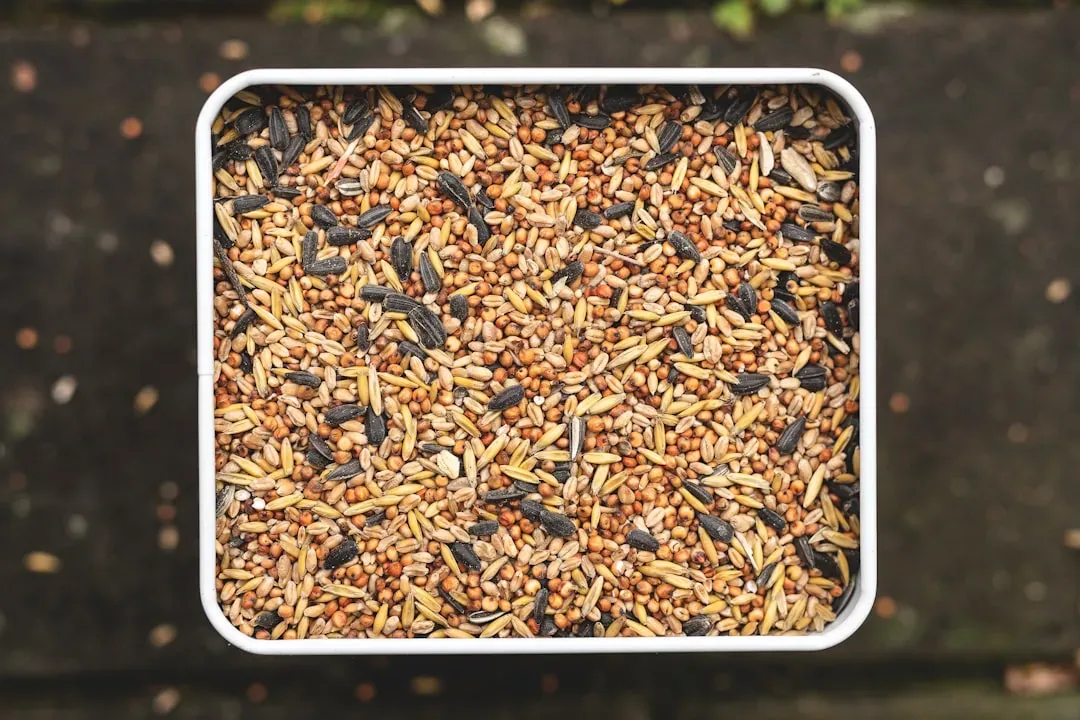
While black oil sunflower gets most of the glory, plain white millet quietly wins over a lot of ground-feeding birds like sparrows, juncos, doves, and towhees. You’ll find millet in many commercial seed mixes, often along with cracked corn, striped sunflower, and other grains. If you notice a lot of birds picking through the mix and tossing some of it aside, they’re probably searching for their favorite ingredients and ignoring the rest. You can offer millet on a platform feeder near the ground or scatter small amounts in a safe, open spot where you can see activity and predators have a harder time sneaking up. Go easy on cheap mixes that are mostly filler grains birds don’t like; that just creates more waste and more cleanup. When you pick a quality blend with plenty of millet and black oil sunflower, you turn the area under your main feeder into a lively, bustling food court for the shyer, ground-loving species.
Fruit and Nectar: A Colorful Invitation for Orioles, Tanagers, and Hummingbirds
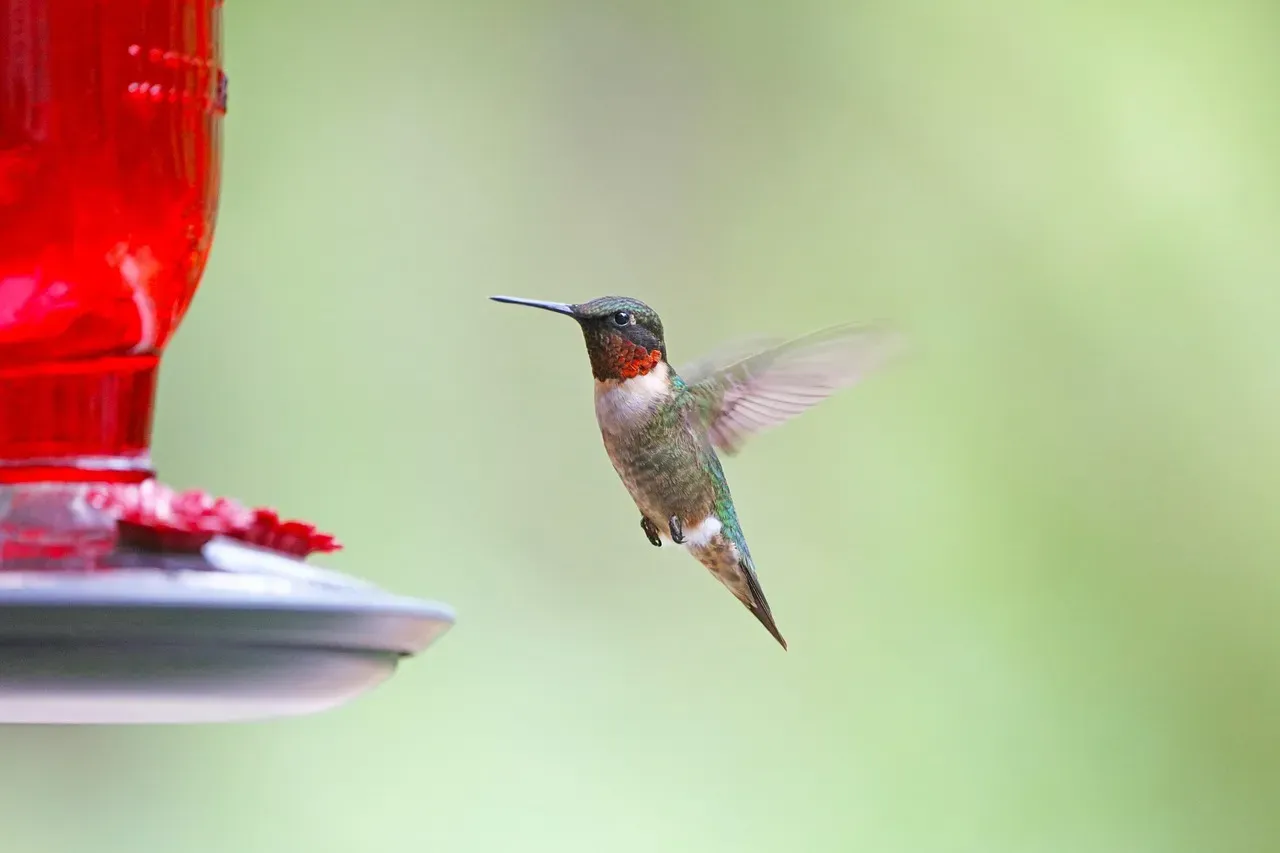
Not all birds are seed eaters, and if you want more color and variety, you’ll want to think beyond the standard feeder. Fresh oranges, apple slices, grapes, and berries can attract orioles, catbirds, robins, tanagers, and even some woodpeckers. You can skewer orange halves on special fruit feeders, place fruit in a small dish, or tuck pieces onto nails in a simple board feeder where birds can easily perch. For hummingbirds and some orioles, a nectar feeder is a game changer. Homemade nectar is easy: plain white sugar dissolved in water in the right ratio, with no dyes or additives. You just need to clean nectar feeders often and change the sugar water every few days, especially in warm weather, to keep it safe and fresh. Once hummingbirds discover your feeder, you may find yourself looking out the window a lot more often just to catch those tiny, iridescent blurs in action.
Putting It All Together: Creating a Backyard Buffet Birds Can’t Resist
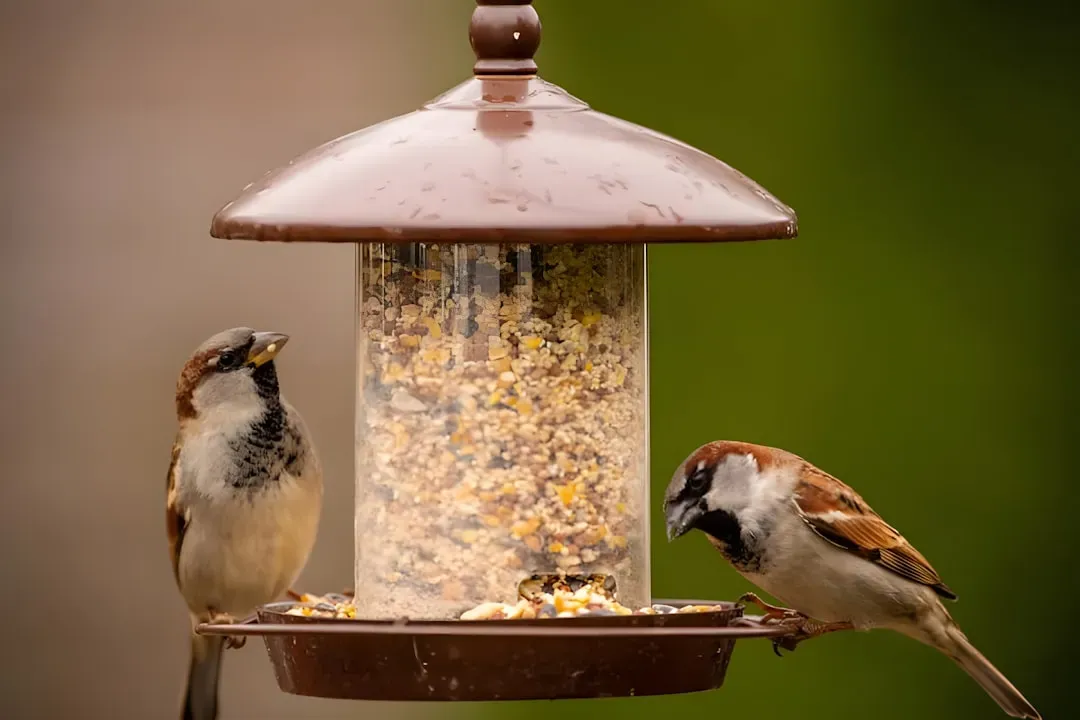
When you step back and look at these foods – sunflower, nyjer, suet, peanuts, mealworms, safflower, millet, and fruit or nectar – you can see that each one fills a different need. Some appeal to small finches, others to bigger jays, some to ground-feeders, and others to birds that barely glance at seeds. By offering a variety, you turn your yard into a full-service restaurant where almost every bird passing through can find something it loves. You don’t have to start with everything at once; you can add foods gradually and watch who appears. Over time, you’ll learn which birds you enjoy most and which foods draw them in, and you can adjust your menu accordingly. The real magic is that with a few thoughtful choices and a bit of consistency, your ordinary backyard can become a place where wild birds feel welcome, safe, and well-fed. When you think about it, that’s a pretty special transformation for a handful of seeds and a few simple feeders – so which food are you going to try first?