If you grew up with a neat, simple version of history in your head, you’re about to lose it. When you actually line up different civilizations, inventions, and famous people on the same timeline, you start to realize how weird the past really is.
The facts you’re about to see sound completely wrong at first glance. But when you check the archaeology, the documents, and the dates, they hold up. Once you see these overlaps, you’ll never picture “ancient history” in a straight line again.
You live closer in time to Cleopatra than Cleopatra did to the building of the Great Pyramid
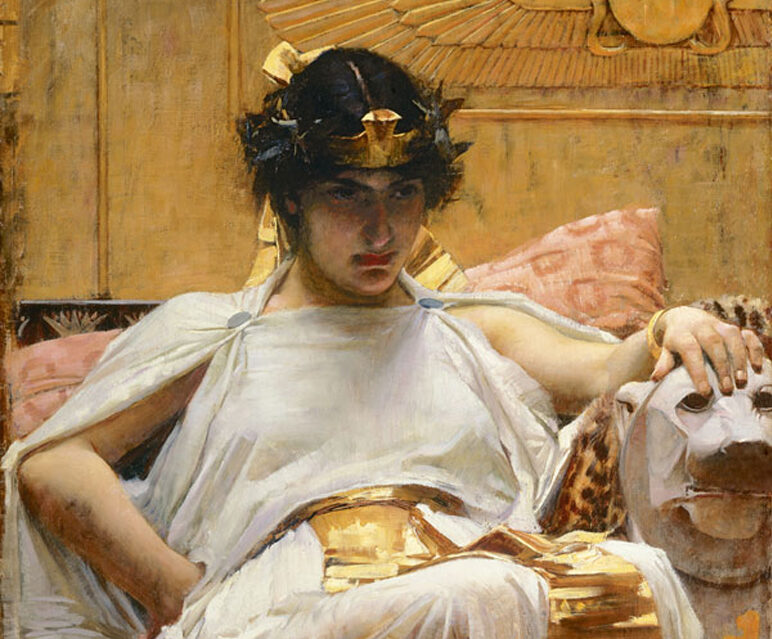
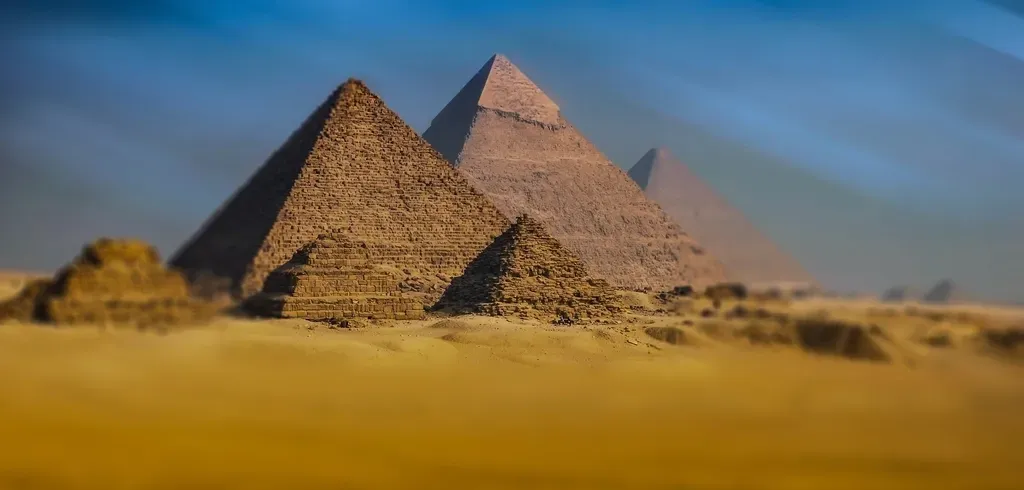
You probably lump Cleopatra and the pyramids together in one vague “ancient Egypt” box, as if they all happened at roughly the same time. But if you look at the dates, you’re actually closer to Cleopatra than she was to the completion of the Great Pyramid of Giza. Cleopatra died in the year you’d label as 30 BCE, while the Great Pyramid was finished around the middle of the third millennium BCE, so there are roughly about twenty‑four centuries between the two.
Compare that to you and Cleopatra: you’re living about twenty centuries after her. That means Cleopatra is, in a strange way, more “modern” than the pyramid most people associate her with. When you picture her staring at the same pyramid you see in photos today, you’re seeing someone already standing in front of truly ancient monuments, the way you might stand in a medieval cathedral and think of it as impossibly old.
Woolly mammoths were still alive when the Great Pyramid was already standing
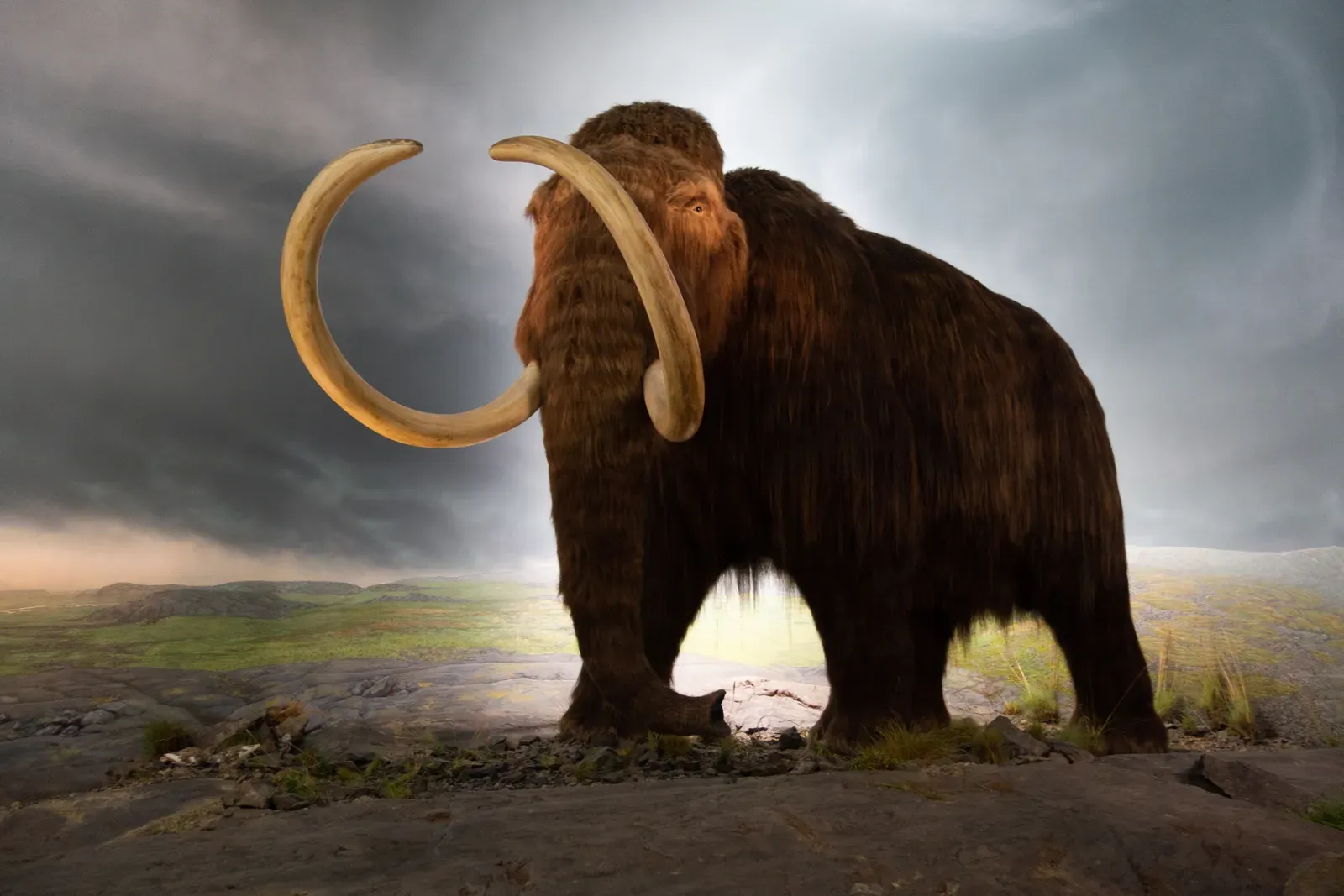
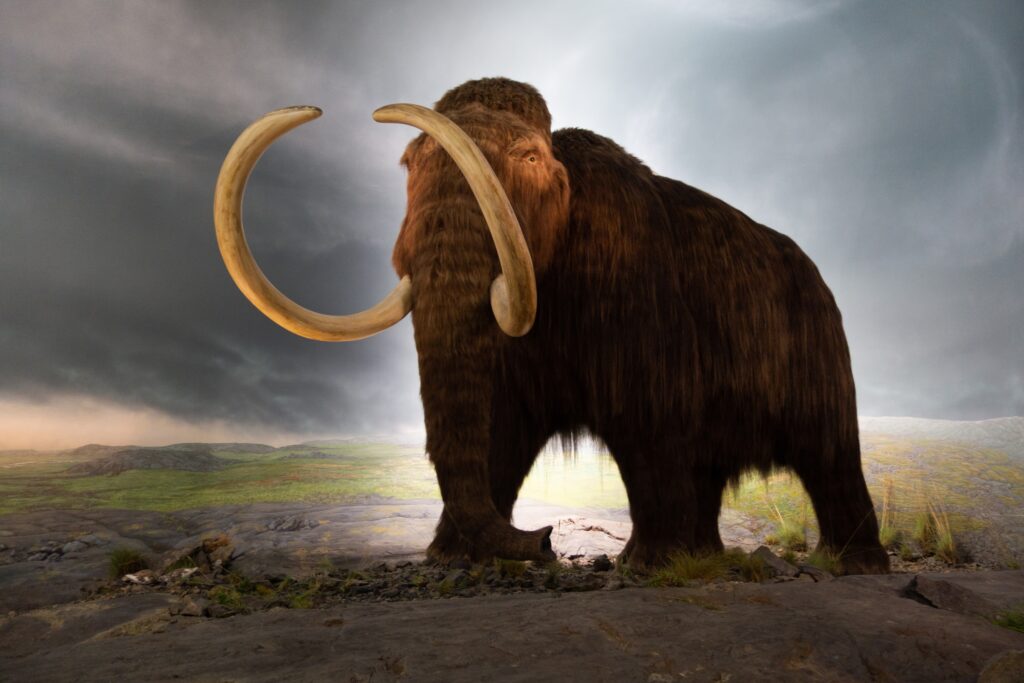
If you imagine woolly mammoths, you probably picture them stomping around with cavemen in some hazy prehistoric ice age. You definitely don’t picture them shambling around while Egyptians are organizing stone blocks and carving hieroglyphs. Yet on a remote Arctic island called Wrangel, dwarf mammoths survived until the late third millennium BCE, overlapping with the period when the Great Pyramid at Giza was already in existence.
That means that while Egyptian workers were quarrying stone and priests were performing rituals at the foot of the pyramid, there were still mammoths walking the earth, just very far away. You’re used to thinking of mammoths as impossibly distant in time, but on the big clock of human civilization, they brushed right up against one of the most famous monuments you know. It is like discovering that saber‑toothed cats were still around when people were building Renaissance palaces.
Oxford University is older than the Aztec Empire
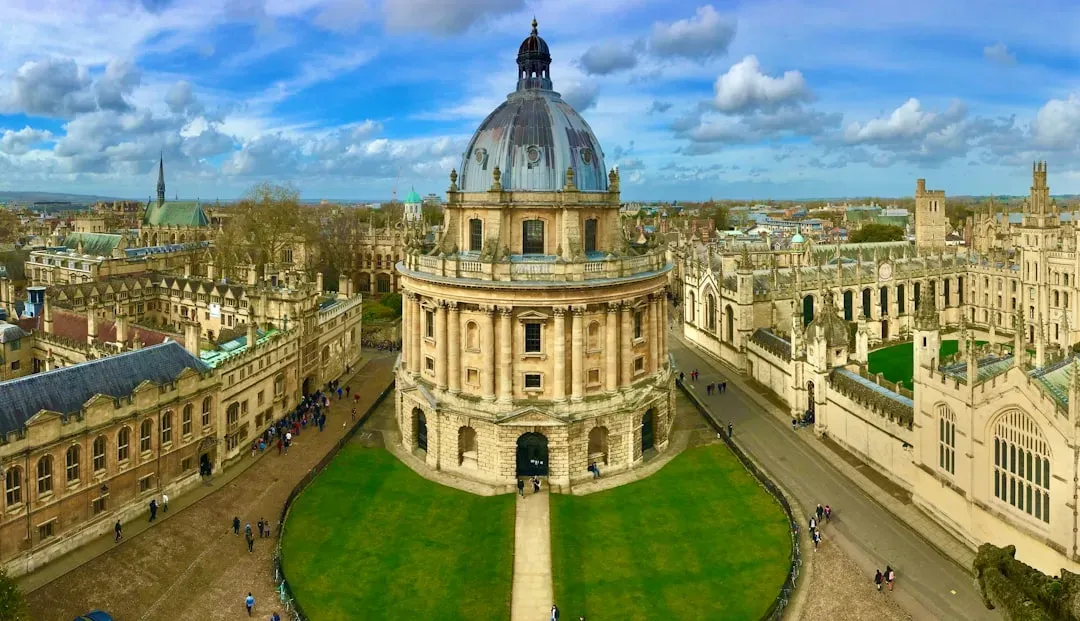
When you think of Oxford, you probably imagine old stone buildings, Latin mottos, and long academic robes, but you still think of it as part of the broader “modern” world. The Aztecs, on the other hand, feel like they come from some remote pre‑Columbian age, lost long before Europe “got serious” about learning. The dates tell you a different story: teaching was already happening at Oxford by the late twelfth century, while the Aztec Empire only formed in the early fifteenth century.
In other words, lectures were likely being given in Oxford centuries before the alliance that created the Aztec Empire even came together. By the time the Aztecs reached their peak, Oxford was already an established center of European scholarship. When you look at it like that, your mental image of “Old World vs New World” gets scrambled; the university that feels intellectually modern predates the empire that often gets treated as unimaginably ancient.
There were still samurai in Japan during the early years of the airplane and the radio
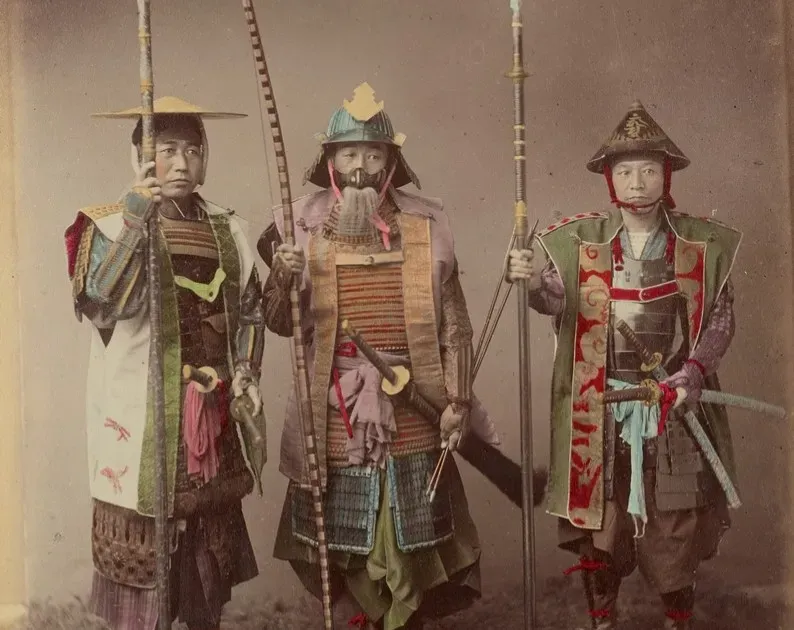
If you picture samurai, you probably drop them into a world of castles, swords, and maybe some romantic fog, way before factories and telegraphs. But the official samurai class in Japan was only formally abolished in the late nineteenth century, after the Meiji Restoration. That means there were adults who had been born into samurai families living in a world that was starting to see railways, telephones, and, soon enough, early airplanes and radio broadcasts.
You could have had a former samurai alive at the same time the Wright brothers were working out powered flight and experimenters were sending signals through the air. The image of a traditional warrior watching the world transform into something you’d recognize today is not a fantasy scene; it is a timeline reality. The sword‑bearing class of feudal Japan overlapped not with medieval knights, but with early industrial modernity.
The last official Roman Empire fell closer to your time than to the days of Julius Caesar
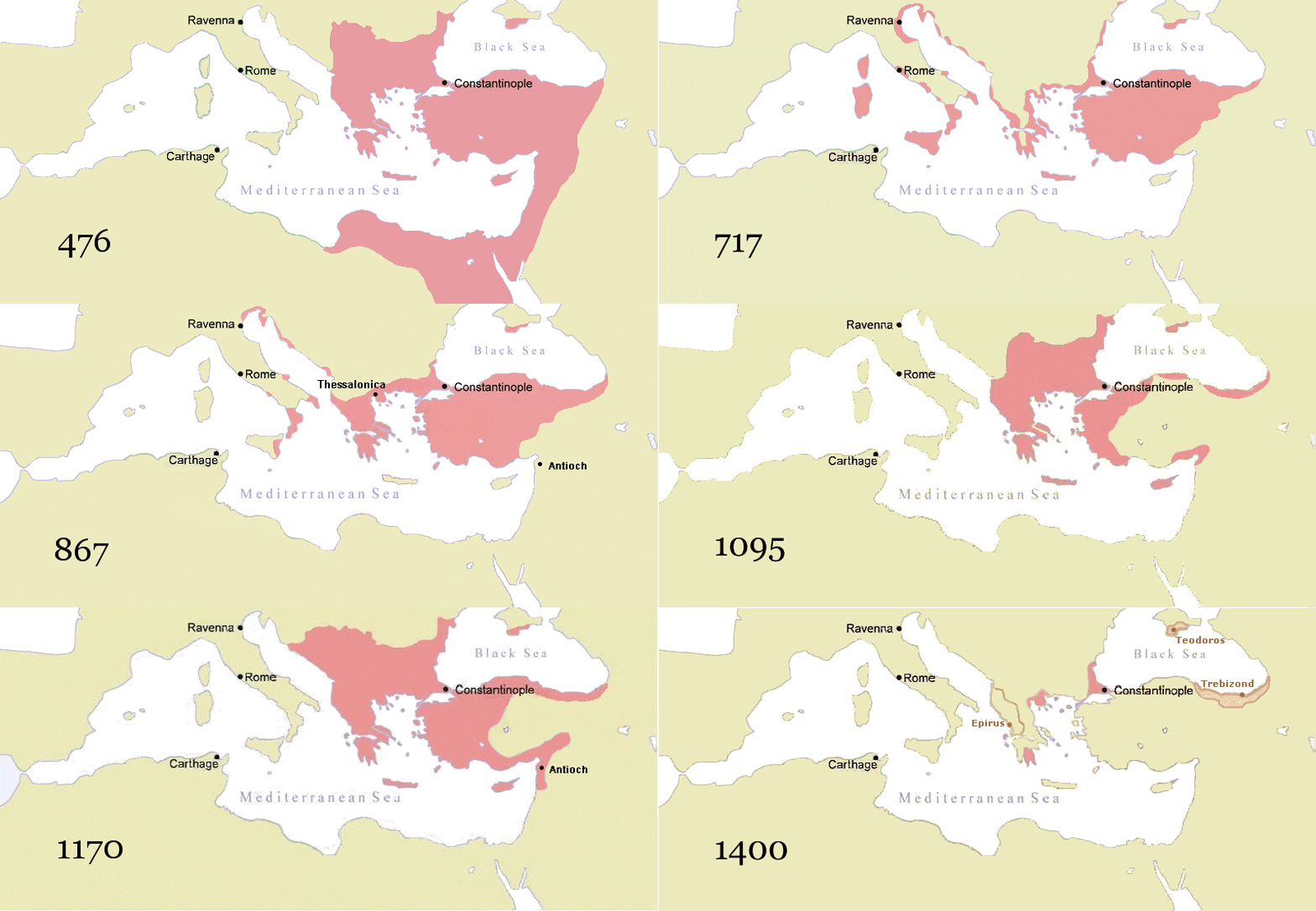
You probably think of “Rome” as one big block: Caesar, gladiators, emperors, and then some kind of slow crumble into the Middle Ages. But Rome as an empire did not vanish in one go. In the eastern Mediterranean, the Roman Empire continued on as what you now call the Byzantine Empire, with its capital at Constantinople, right up until the mid‑fifteenth century. That is more than fourteen centuries after Julius Caesar’s assassination in the first century BCE.
From the fall of Constantinople to your present is about five and a half centuries. From Julius Caesar to that fall is well over a millennium and a half. In practical terms, that means that when you see medieval‑looking images of Byzantine emperors, you are looking at people who called themselves Romans and ruled what was, legally and politically, still the Roman Empire. The Rome you imagine as purely ancient survived deep into the era of cathedrals and gunpowder.
The famous “Old Kingdom” Egypt is further from you than you are from the first iPhone by a ridiculous margin
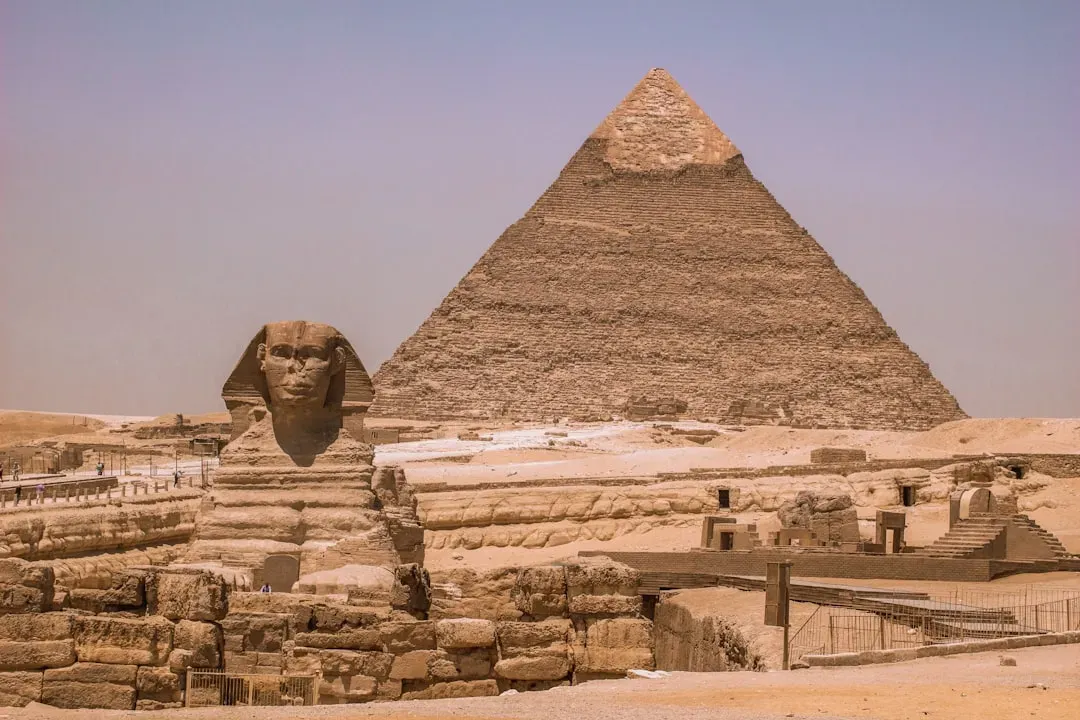
You might feel like the first iPhone came out ages ago, but it launched in the first decade of the twenty‑first century. Now set that against the Old Kingdom of Egypt, the era of the great pyramids, which flourished more than four and a half thousand years ago. If you stacked your lifetime plus the lifespan of everyone you know end to end, you still would not get close to the time gap between you and the pyramid‑builders.
Yet your brain happily tosses that entire multi‑millennia span into the same “ancient times” bucket. When you shift your perspective, the iPhone is so recent it barely exists on the grand historical scale, like a blink compared to the long, slow evolution of Egyptian dynasties. You tend to compress the far past the way you might squint down a long road: distances that are huge in reality start to look like everything is just a few steps apart.
You are closer to the start of the printing press than the printing press was to the height of the Roman Republic
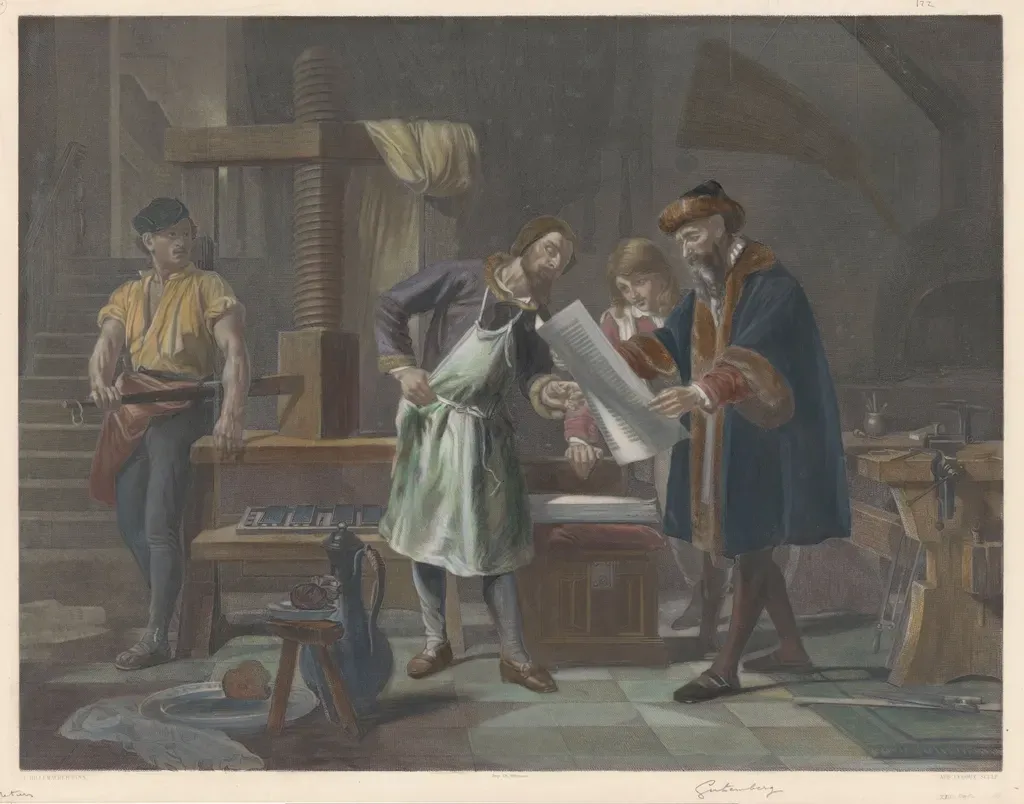
The printing press feels like the line where the modern world begins for you: mass literacy, cheap books, and ideas flying around Europe. It started in the mid‑fifteenth century with Johannes Gutenberg’s movable type in German lands. That is roughly six centuries behind you. Now compare that to the Roman Republic at its height, which flourished more than a millennium and a half before Gutenberg’s time.
So the gap between the Roman senators debating in the Republic and the first printed Bibles is more than twice as long as the gap between you and Gutenberg. To the early printers, the Roman Republic was not just “old history”; it was deeply ancient, the way Old Kingdom Egypt feels to you. When you notice that, you can see how each era has its own version of “the distant past” that it projects even farther away than it really is.
Native American cities were thriving when European cathedrals were already rising into the sky
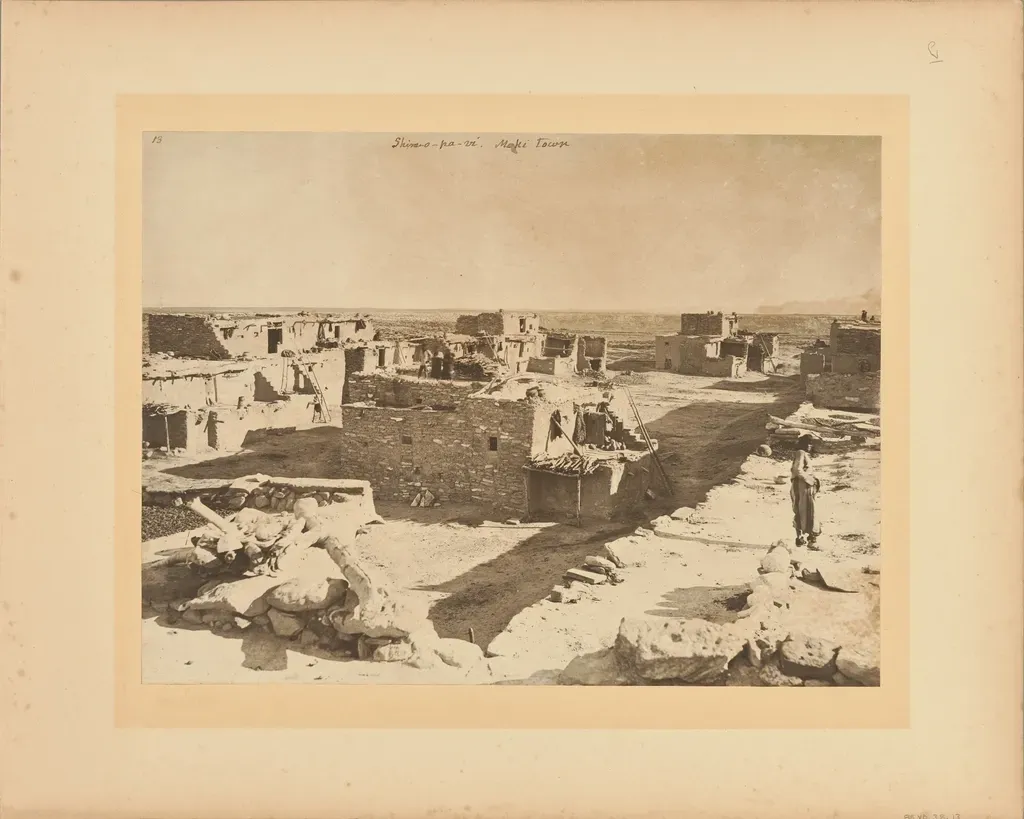
You might have been taught a version of America’s story that makes it sound sparsely populated before Europeans arrived, with just scattered villages in endless wilderness. Archaeology paints you a very different picture: there were large urban centers in the Americas, like Cahokia near modern‑day St. Louis, that peaked well before Europeans set foot there. At the same time that some of Europe’s great Gothic cathedrals were being constructed, these Native American cities had complex social structures and monumental earthworks.
This means that while masons in Europe were carving stone gargoyles and vaulting arches higher and higher, people in North America were shaping giant mounds, organizing trade, and managing dense populations. You are not looking at a world of “civilization versus wilderness,” but at two very different, parallel urban traditions. When you put them on one timeline instead of in two separate mental boxes, you have to rethink how you imagine pre‑Columbian America entirely.
Ancient Mesopotamians were already complaining in writing thousands of years before classical Greece existed
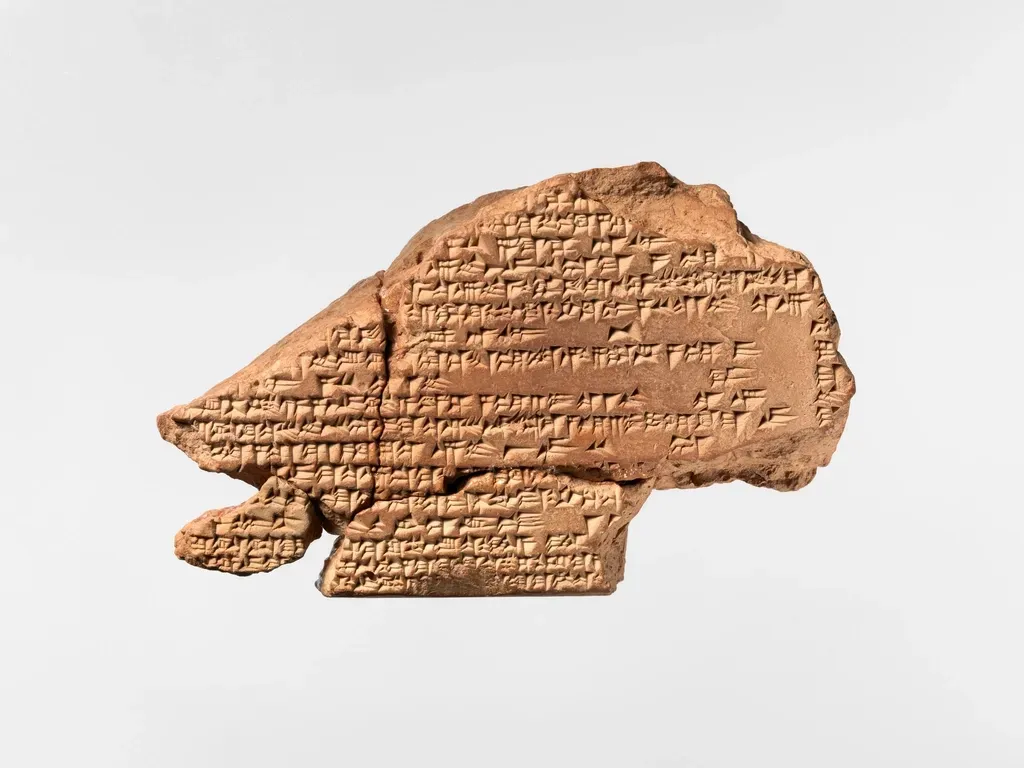
When you think of “the beginning” of Western thought, you might jump to classical Greece, with philosophers in togas and drama in stone theaters. But written records from Mesopotamia, in places like Sumer and Babylon, go back well over three thousand years before the common era. People there were already using cuneiform tablets to write down transactions, myths, laws, and even everyday complaints long before Athens ever held a vote.
So by the time you get to the philosophers you usually credit with starting “rational thought,” written culture was already ancient in its own right. There were law codes, flood stories, hymns, and business letters set in clay while Greek civilization, as you know it, was still centuries from forming. You like to imagine sharp turning points where “real history” begins, but the paper trail (or in this case, clay trail) stretches far beyond the points your school textbooks usually highlight.
You are living closer to the last medieval plague than ancient Romans were to the earliest human stone tools
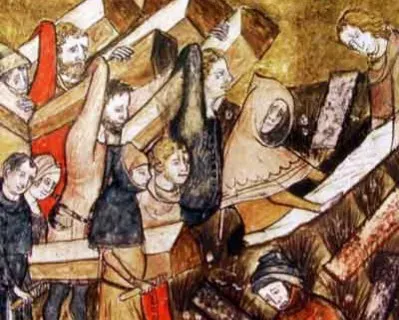
The Black Death feels like it belongs to some distant, almost mythical “dark ages” for you, but it struck Europe in the mid‑fourteenth century. That puts it less than seven centuries behind you. Now jump to the Romans and their world roughly two thousand years ago and ask how far they were from the earliest known stone tools made by human ancestors: those go back well over two million years.
So the Romans were separated from the first stone tools by a stretch of time that makes your distance from the plague look tiny. For them, the deep prehistoric past was unimaginably far away, even if they did not know the exact dates. When you compare those scales, you realize that you are closer to the medieval pandemic that reshaped Europe than the Romans were to the beginning of human toolmaking, yet you still casually group “ancient” and “prehistoric” as if they are almost the same era.
Conclusion: Once you see the timeline, you can’t unsee it
When you put all these facts side by side, your neat ladder of history collapses into something much more tangled and surprising. Pyramids stand while mammoths still roam, Roman emperors sign documents in a world that already feels medieval, and university lectures begin centuries before some of the “ancient” empires you learned about in school even appear. The past stops looking like a straight road and starts looking more like a crowded city map, full of overlapping streets and strange intersections.
If you let these timeline twists sink in, you start to treat history less like a set of disconnected stories and more like one huge, messy, interconnected drama that you’re still part of. You are not standing at the edge of time looking back at a distant, hazy “ancient world”; you are one moving dot on the same long line as Cleopatra, the samurai, and the scribes pressing cuneiform into wet clay. Once you feel that, it is hard not to ask yourself: what will seem impossibly ancient and strangely close when someone lines up your own era on a timeline thousands of years from now?