
You probably already know that dogs and cats can become part of the family, but you might be surprised how deeply smaller animals can connect with you too. When you choose the right species, handle them thoughtfully, and really tune into their personalities, even a palm-sized pet can greet you at the cage door, follow you around, and clearly show that you matter to them. In fact, many small pets bond so strongly that they learn your routine, react to your voice, and even show signs of missing you when you’re away. This kind of relationship does not appear overnight, but if you are patient and consistent, the trust you earn can feel incredibly rewarding. Let’s walk through ten small pets that are known for forming especially strong bonds with humans, and what that really looks like for you in everyday life.
1. Rats: The Tiny Companions That Act Like Pocket-Sized Dogs
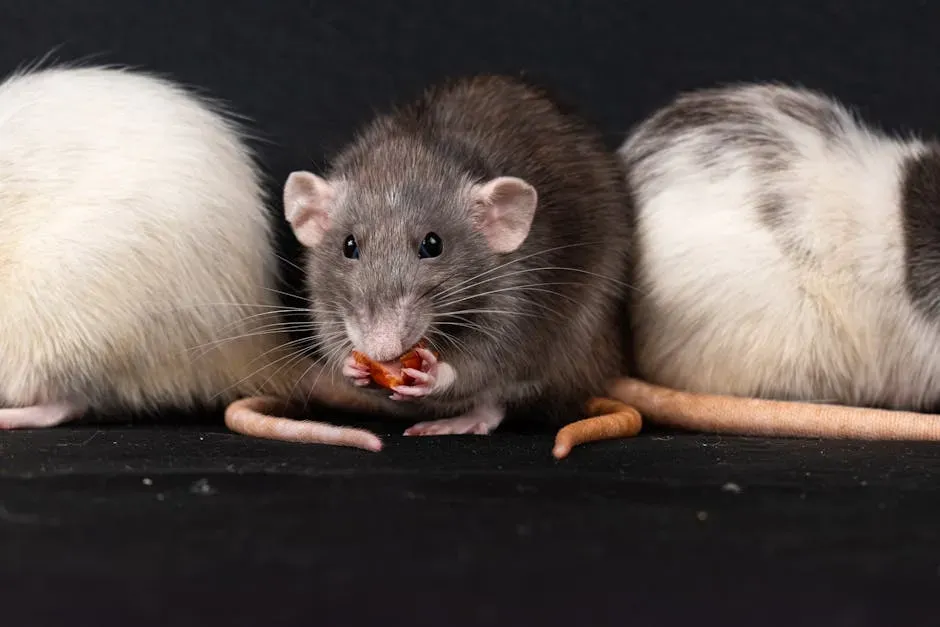
If you want a small pet that treats you like their favorite person in the world, rats are hard to beat. They are highly social, intelligent, and often seek out your company once they feel safe, running to the front of the cage when you walk in or climbing onto your shoulder on their own. Over time, you may notice that your rats seem to recognize your voice and scent, and they often prefer you over strangers. When you interact with them regularly, you can teach them simple tricks, create games, and even let them free-roam in a safe, supervised area, much like you would with a tiny dog. You also see how easily they become attached to their cage mates, which is why you should always keep them in same-sex pairs or groups. If you like the idea of a brainy, affectionate pet that really seems to know you, rats might be your most rewarding choice.
2. Guinea Pigs: Gentle Talkers That Learn to Trust You Deeply
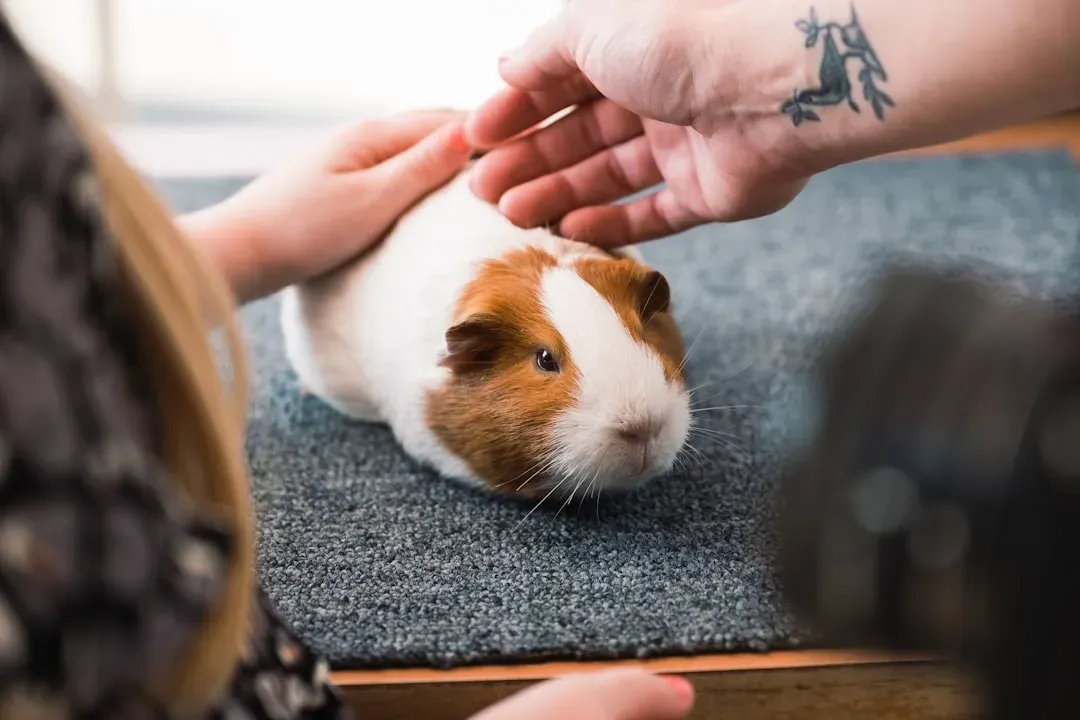
Guinea pigs may look shy at first, but once they associate you with comfort and safety, they can become incredibly responsive to your presence. You might notice that they squeak or chatter when they hear the sound of a bag rustling or your footsteps approaching, especially around their usual feeding times. Over time, they start linking you with good experiences like fresh veggies, soft petting, and cozy lap time, which strengthens your bond. If you sit calmly with a guinea pig on your lap, they often relax into you, close their eyes, and may even happily chatter as you stroke their fur. Because they are prey animals, you build trust by letting them set the pace – no sudden grabbing, just gentle handling and quiet patience. When you do that consistently, they go from skittish to surprisingly affectionate, and you get to watch their sweet personalities slowly unfold.
3. Budgies (Parakeets): Chatty Little Birds That See You as Their Flock
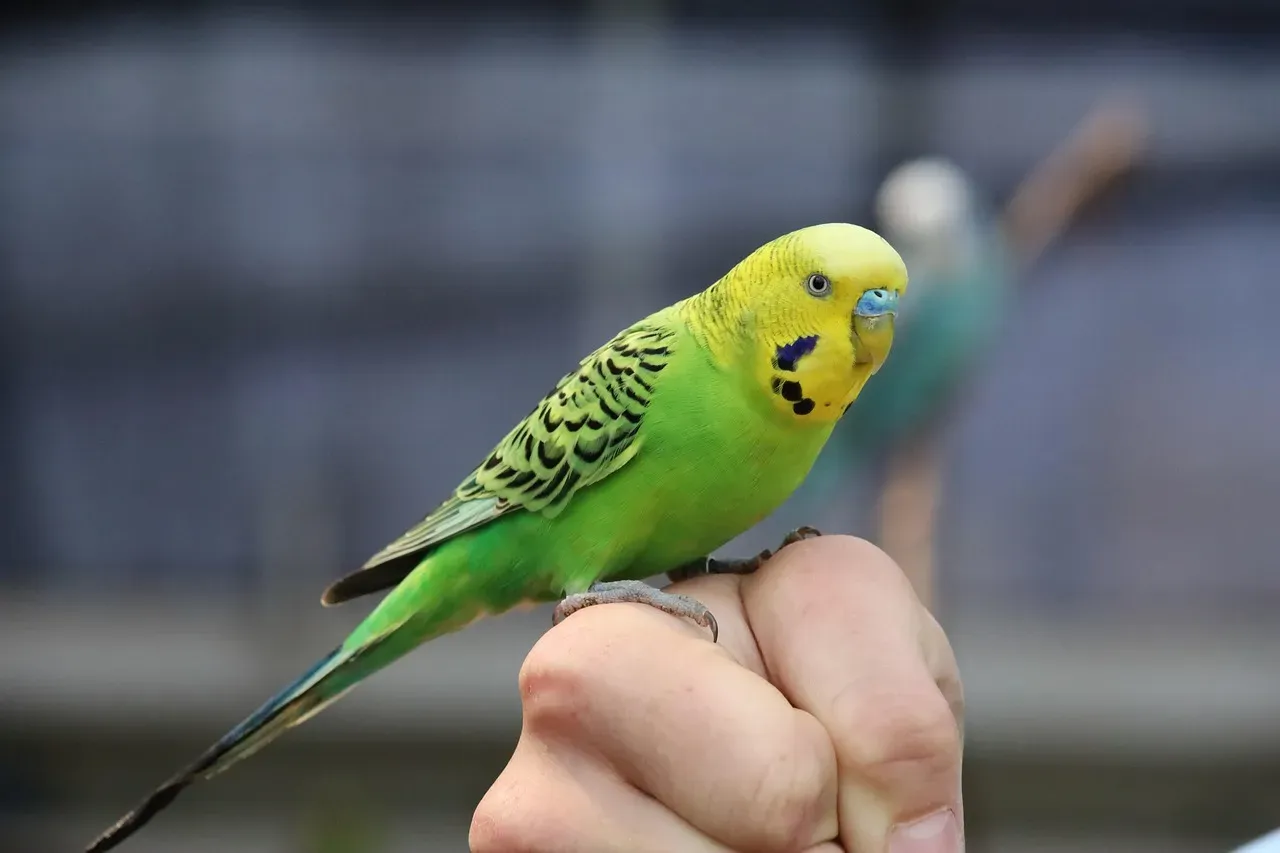
Budgies are small parrots, and their ability to bond with you can be remarkably strong for such tiny birds. If you keep a single budgie and spend time talking, whistling, and offering gentle interaction every day, it often starts seeing you as its main flock member. With patience, your bird may step onto your finger willingly, fly to your shoulder, and seek out your attention when you walk into the room. You also have the chance to build a unique “language” with your budgie, because many of them can learn to mimic words and phrases you repeat often. Even if your bird never talks, it can still respond to your tone, your mood, and your daily habits, chattering more when you are around and settling down when you speak softly. When you treat a budgie as a partner rather than just a decoration in a cage, the relationship starts to feel surprisingly personal and mutual.
4. Cockatiels: Affectionate Parrots With Big Hearts in Small Bodies
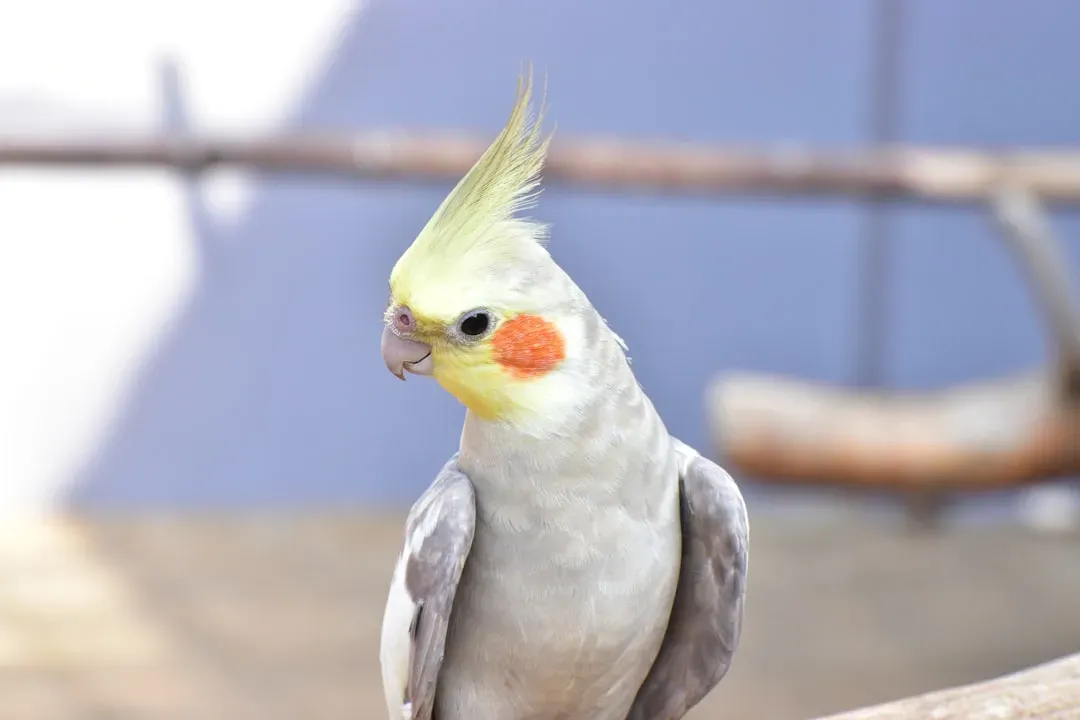
Cockatiels are a little larger than budgies but still comfortably in the “small pet” category, and they are often described as some of the most affectionate companion birds. If you bring a young cockatiel into your home and gently socialize it, you may find it actively trying to be near you – following you from perch to perch, calling when you leave the room, and settling happily on your shoulder or chest. They often love head scratches once they trust you, lowering their crest and closing their eyes in obvious enjoyment. Because cockatiels are quite tuned into their human’s routine, they can recognize the sound of your car, your footsteps, and even your typical schedule. You will notice them greeting you in their own way, whether that is with whistles, chirps, or subtle body language. With consistent, respectful interaction, you become a key part of their social world, and that bond can last for many years if you take good care of them.
5. Rabbits: Sensitive Souls That Bond Deeply When You Earn Their Trust
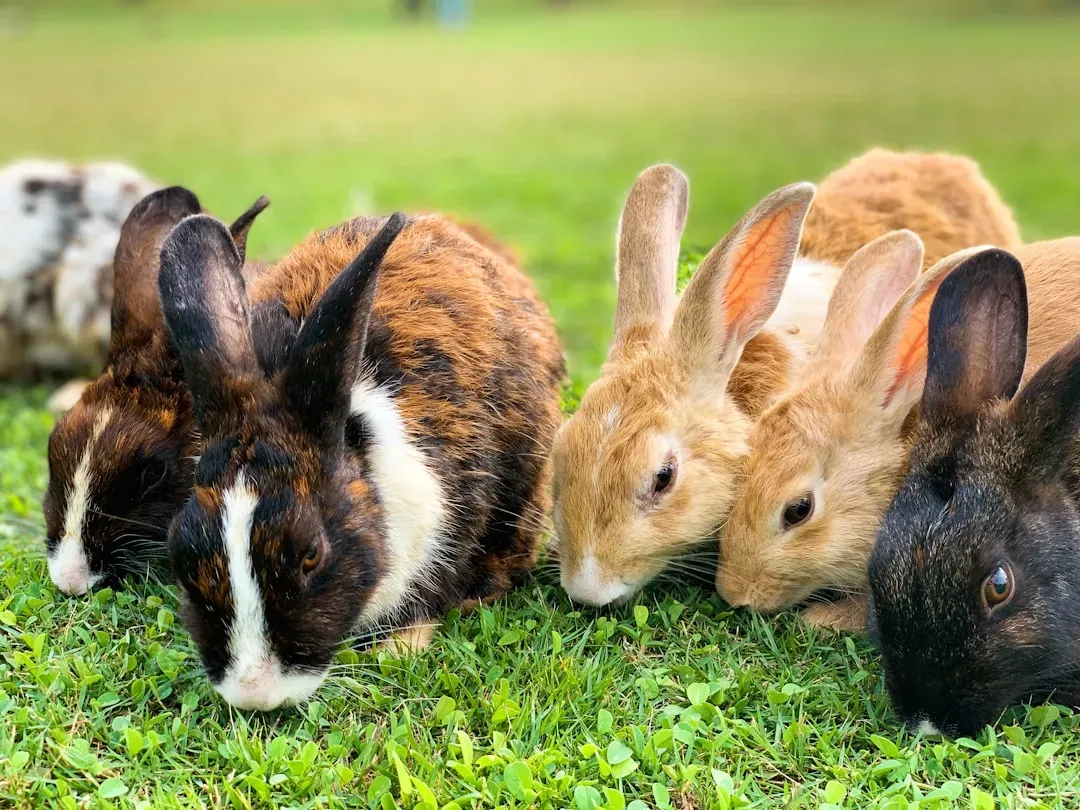
Rabbits often surprise people because they are not just “cage pets” – they are social animals that can form strong relationships with you, especially if they live as free-roaming house rabbits. When a rabbit trusts you, it may follow you from room to room, nudge you for attention, and flop down next to you in a very relaxed pose, showing that it feels safe in your presence. Some rabbits like to sit near you while you watch TV or work at a desk, treating you like part of their bonded group. Building that trust usually takes time, since rabbits are naturally cautious and sensitive to loud noises or rough handling. You strengthen your bond by getting down to their level, letting them come to you, and using calm, predictable movements. As your rabbit learns that you bring food, comfort, and gentle affection, it starts associating you with security, and that emotional connection can become surprisingly deep and loyal.
6. Fancy Mice: Tiny, Curious Friends That Learn Your Presence
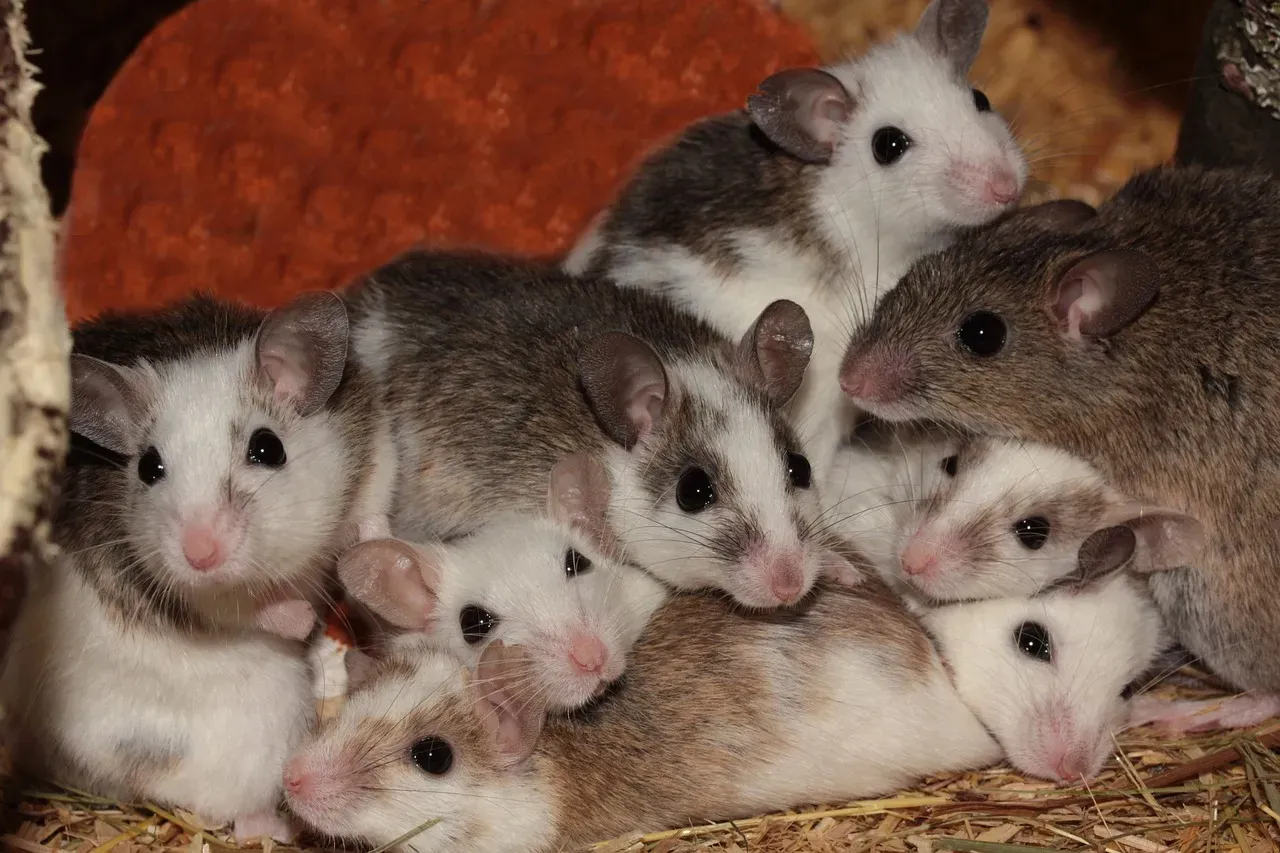
You might not think of mice as pets that bond strongly with people, but fancy mice kept in clean, enriched environments can grow comfortable and even quite interactive with you. When you handle them carefully and consistently, they start recognizing your scent and movement, often coming out to explore when you open the enclosure. Many mice will climb onto your hand voluntarily once they learn that you are not a threat. Because they are so small and quick, your bond with a mouse is more about gentle curiosity than big, cuddly moments, but the trust is real. You may find them running across your hands, shoulders, or arms as you sit still, using you as an interesting climbing structure. When you provide toys, tunnels, and safe spaces, you create an environment where they feel secure enough to show you their playful side, and that makes the relationship feel lively and rewarding.
7. Gerbils: Energetic Explorers That Enjoy Shared Playtime
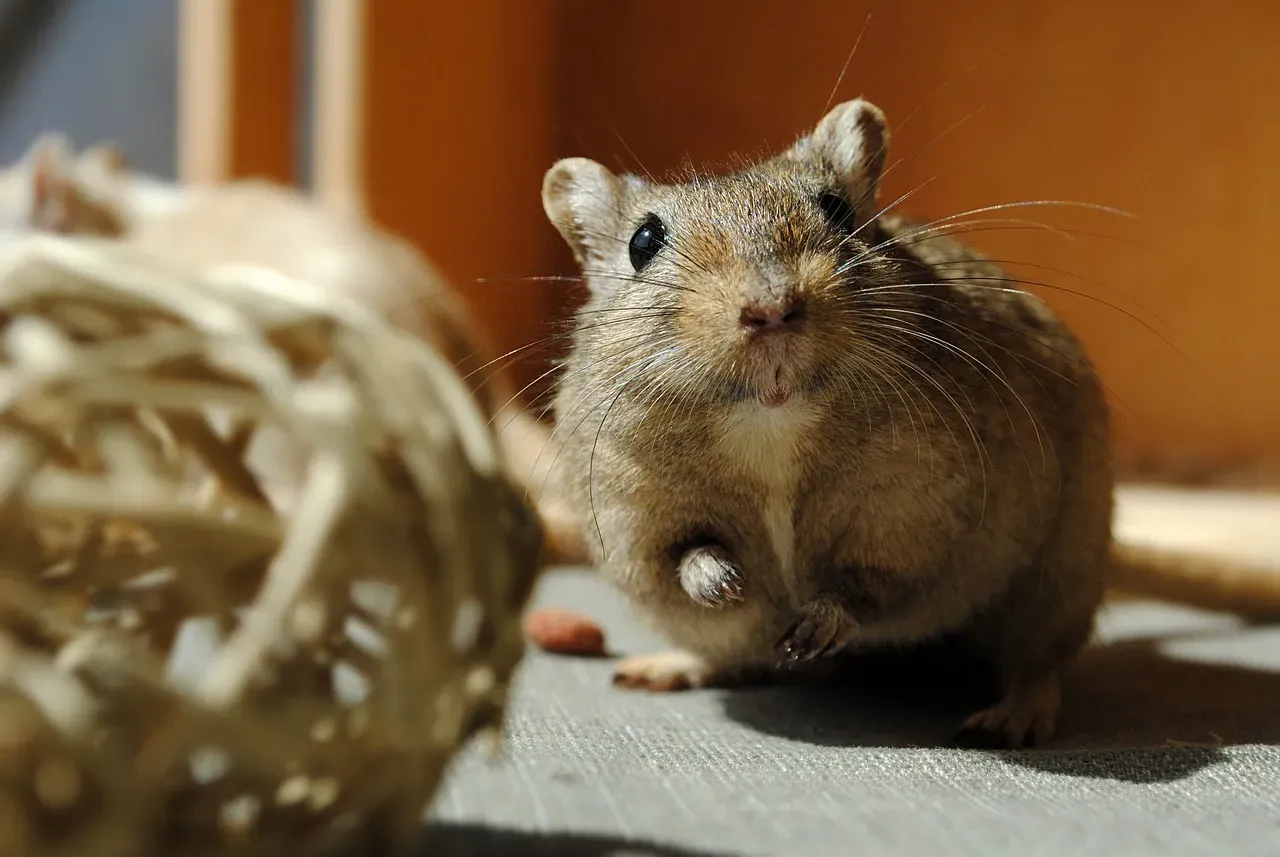
Gerbils are naturally curious and active, and they can become strongly bonded to you when they associate you with freedom and fun. If you regularly offer them a safe playpen or a supervised area to explore, they learn that your hands are the bridge from their enclosure to adventure. Over time, many gerbils will willingly step into your hands or climb up your arm, showing they trust you to transport them safely. They also tend to be less nervous than some other small rodents, which makes it easier for you to interact with them without causing stress. You can watch them dig, build tunnels, and rearrange their bedding, and if you are patient, they will do all of this confidently while you are nearby. This shared activity – where you provide the opportunities and they provide the entertainment – creates a bond that feels like a partnership in exploration.
8. Hamsters (Especially Dwarf Species): Solo Pets That Learn to Rely on You
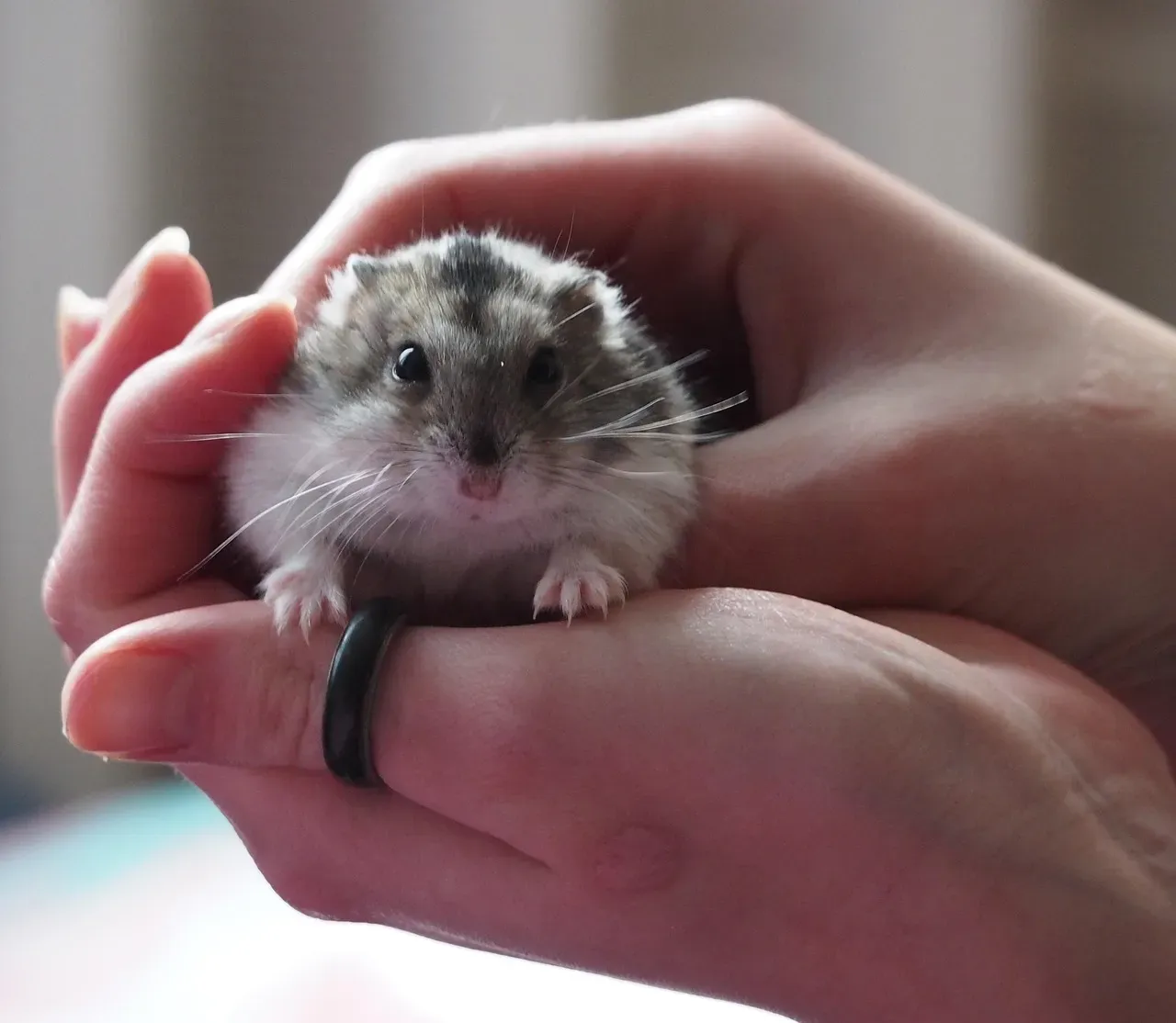
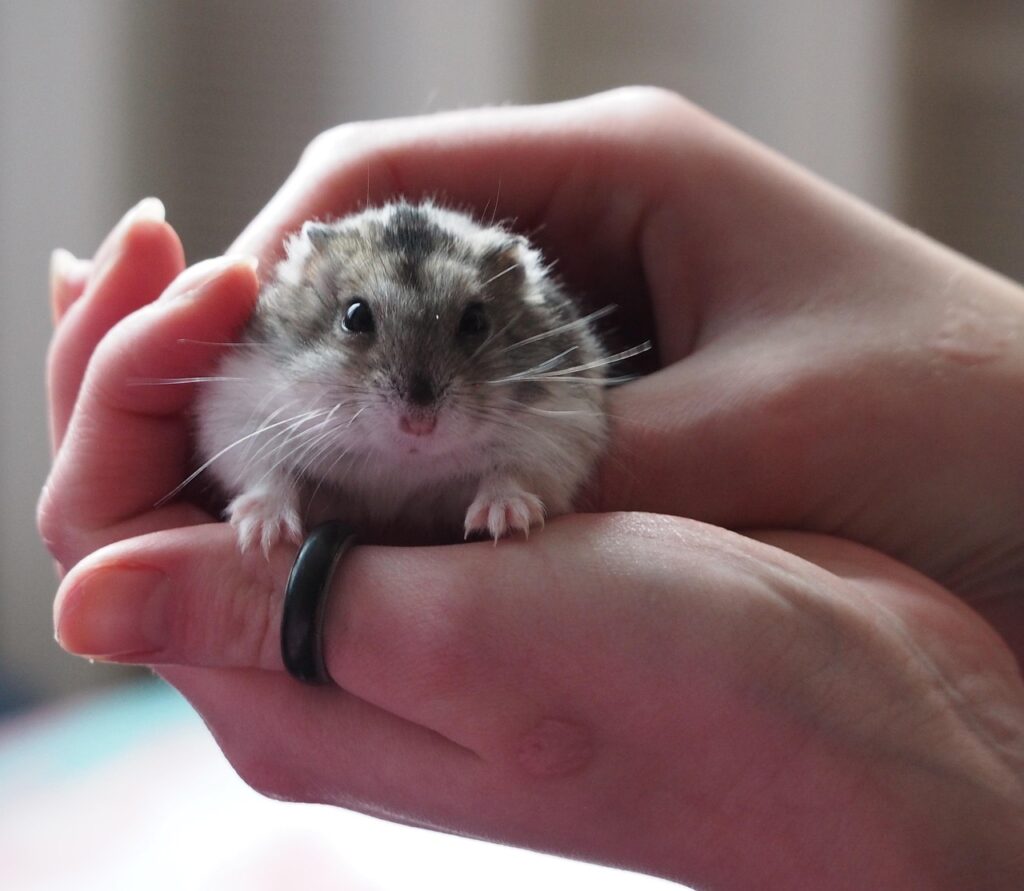
Hamsters are usually kept alone, which means you become their main social contact, especially if you interact respectfully and routinely. While some hamsters stay more hands-off, many individuals learn to enjoy climbing onto your hand, taking treats from your fingers, and exploring your arms and lap during out-of-cage time. The key for you is slow, positive exposure and never forcing handling when the hamster is clearly frightened or sleepy. Once your hamster learns your smell and voice, it often becomes more active and curious when you approach the enclosure. If you maintain a large, well-enriched habitat and pair that with calm, regular interaction, your hamster starts seeing you as a predictable and safe part of its world. That sense of security is a quiet but real form of bonding, and it can make even a small evening play session feel special.
9. Leopard Geckos: Calm Reptiles That Recognize Routine and Gentle Hands
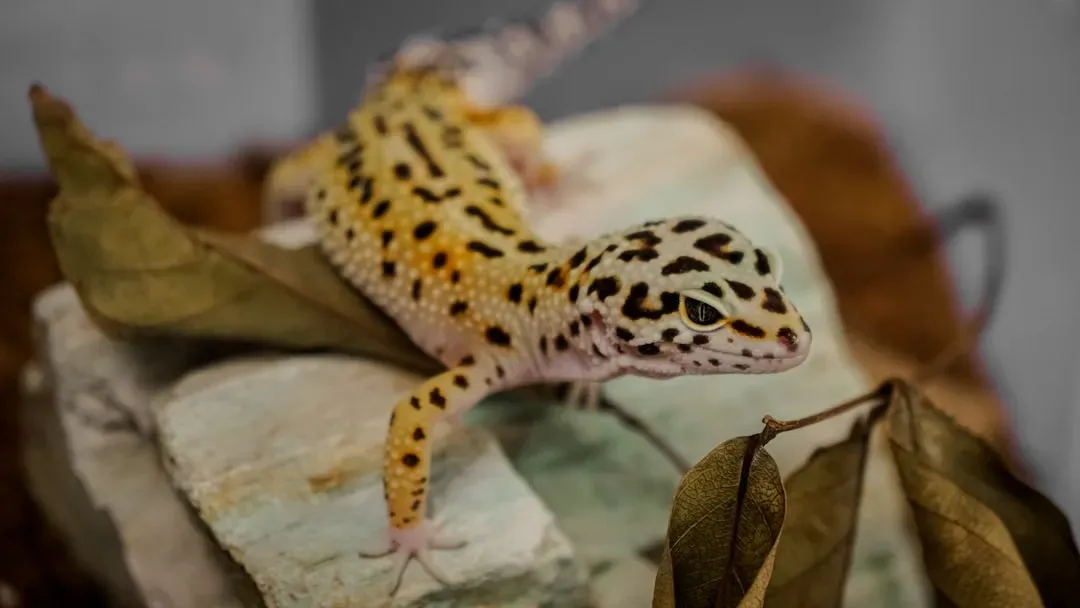
Reptiles are often seen as less emotional, but some individuals, like leopard geckos, clearly become calmer and more confident around familiar people. When you consistently handle a leopard gecko with slow, steady movements, it usually learns that your hands are safe and may even walk into your palm willingly when you reach into the enclosure. Over time, you notice that it stays more relaxed with you than with strangers. Because leopard geckos are creatures of habit, they respond well to regular routines – you feeding at similar times, offering hides, and maintaining proper temperatures. This predictability helps them feel secure, and that reduced stress lets them interact with you more comfortably. While the bond may look different from a mammal’s obvious affection, you still experience a quiet connection in the form of trust, calm behavior, and a willingness to be handled by you.
10. Betta Fish: Aquatic Personalities That Learn to Interact With You
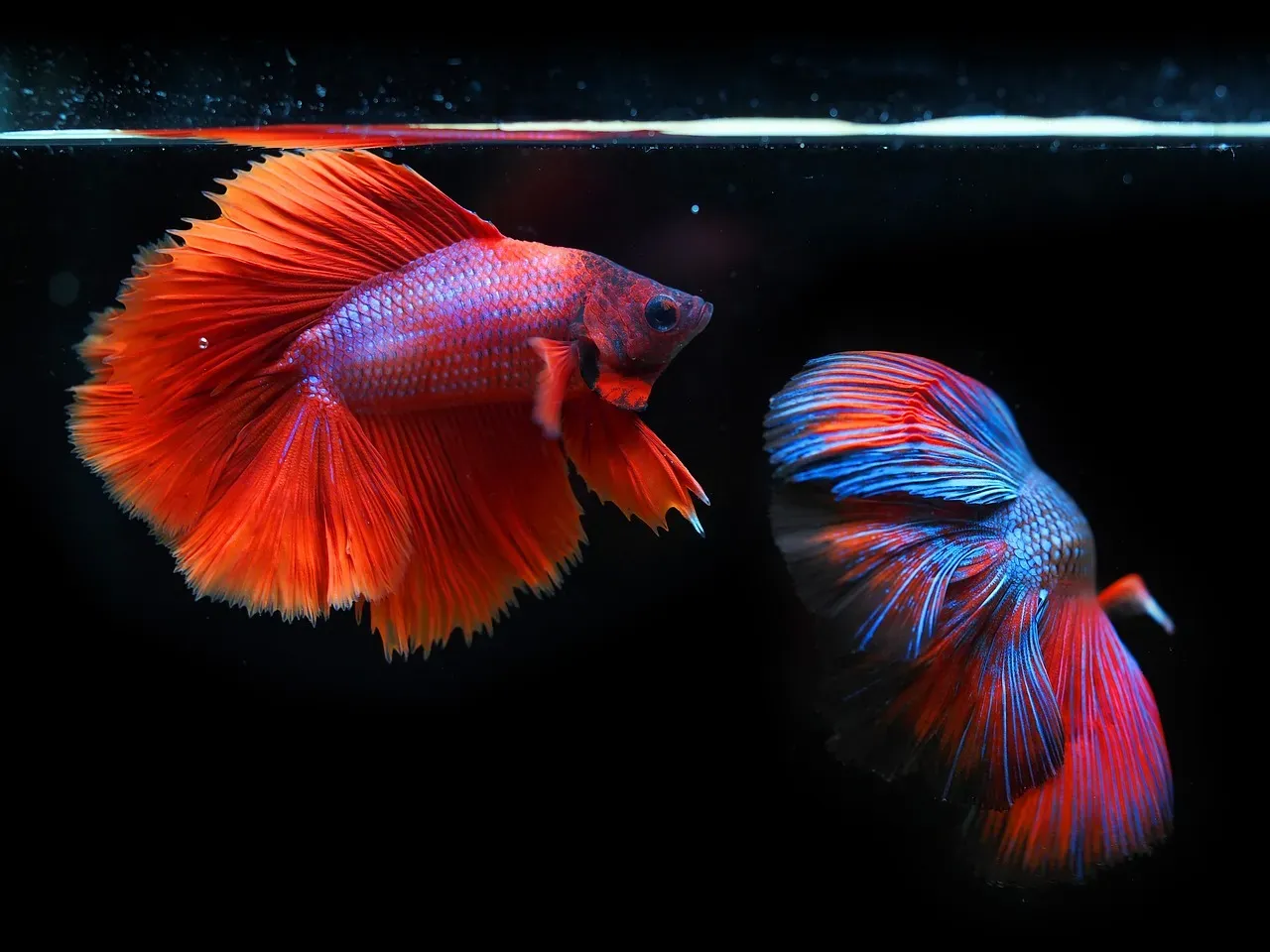
It might sound odd to talk about bonding with a fish, but bettas often show clear recognition of their keepers. If you walk past the tank regularly, you may notice your betta swimming to the front glass when you appear, especially near feeding time, as if it is greeting you. Over weeks and months, it begins to associate your silhouette and movements with food and stimulation, and that leads to very interactive behavior. You can even train a betta to follow your finger, swim through hoops, or flare in response to gentle cues, turning feeding time into a shared experience rather than a chore. By keeping the tank well-maintained, giving it hiding places and plants, and avoiding sudden shocks, you help your fish feel comfortable enough to show its personality. The bond is subtle, but you can still feel that this little aquatic creature recognizes you and responds differently to you than to random movement in the room.
Conclusion: Choosing the Small Pet That Matches Your Heart

When you look across all these species, you notice a pattern: the strongest bonds grow where you respect the animal’s nature, go at its pace, and show up consistently. Whether you are drawn to the quick intelligence of rats, the gentle chatter of guinea pigs, the affectionate nature of cockatiels, or the quiet trust of a leopard gecko, your relationship is built on the same foundation of patience and kindness. You do not just buy a bond – you earn it, day by day. If you choose a small pet with care, give it proper housing, and treat it like a partner rather than a toy, you will be amazed at how much love, trust, and personality can fit into such a tiny body. Your life can feel a little fuller every time a small nose, beak, or fin turns toward you with recognition. So which of these little companions do you see yourself bonding with next?