
If you share your home with a parrot, budgie, cockatiel, or any other feathered roommate, you already know they’re not just decoration in a cage. Pet birds are highly social, thinking, feeling animals, and when their emotional needs aren’t met, it shows up in surprisingly dramatic ways. The tricky part is that many people mistake those signs for “quirks” or “bad behavior,” when in reality, the bird is quietly screaming for connection.
When I adopted my first cockatiel, I thought toys and food were enough. It wasn’t until he started pacing and calling constantly whenever I left the room that I realized I had a lonely, under-stimulated tiny dinosaur on my hands. Once I learned to read his signals, everything shifted. This article walks through the most common red flags that your bird might be lonely or bored, and what they’re really trying to tell you beneath the feathers and noise.
1. Constant Vocalizing, Screaming, or Calling
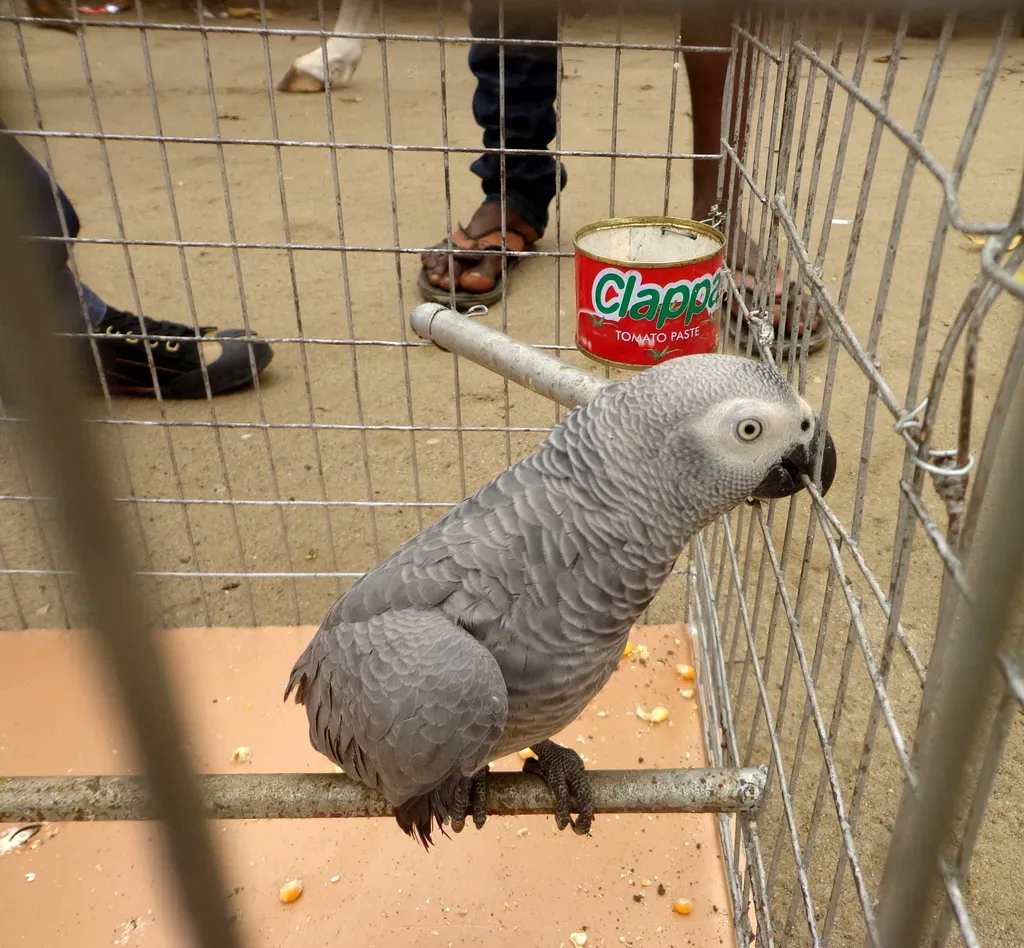
Birds in the wild rarely sit in silence; they call to flock mates to stay in touch, warn of danger, and coordinate everything from flying to feeding. When a pet bird screams, calls repeatedly, or starts making the same loud sound over and over, it’s often a desperate “Where is everybody?” rather than simple noise. If your bird ramps up vocalization whenever you leave the room, or only quiets when you return, that’s a classic sign they’re feeling alone.
Of course, some species are naturally loud, but chronic, stressed screaming usually has a frantic edge: it sounds sharper, lasts longer, and is harder to interrupt. If time out of the cage, interactive play, or just sitting near the cage calmly reduces the noise, that’s your clue it wasn’t a personality problem at all – it was a social need. Think of it less as misbehavior and more as your bird’s version of repeatedly texting you when you don’t answer.
2. Feather Plucking, Over-Preening, or Self-Biting
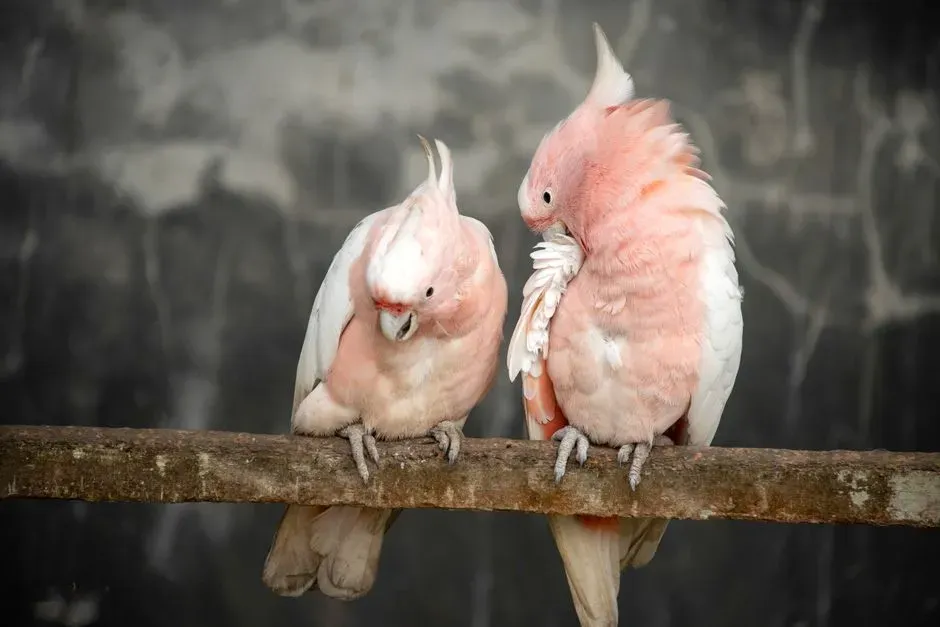
One of the most heartbreaking signs of boredom or loneliness in birds is feather plucking or over-preening. In a healthy, content bird, preening is a normal grooming behavior, but when they have too little to do or feel chronic stress, that grooming can turn compulsive. Over time, this can lead to bald patches, ragged feathers, damaged skin, and even self-biting that draws blood.
Feather plucking can also have medical causes, so it always deserves a vet visit to rule out infections, skin issues, or nutritional problems. But when physical causes are eliminated, the emotional picture becomes clear: the bird is trying to cope with a mentally empty or emotionally stressful life. Imagine being locked in a small room with no books, no phone, no company – eventually, you might start picking at your nails or hair just to feel something. For birds, that “something” is their own feathers.
3. Pacing, Climbing the Bars, or Repetitive Movements
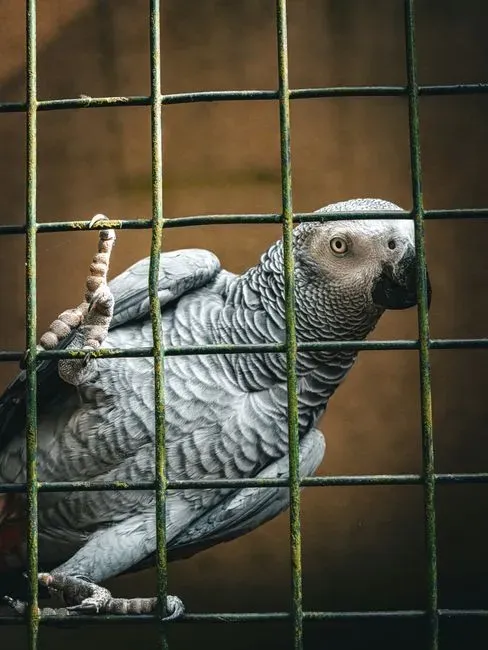
When a bird has excess energy and nowhere meaningful to direct it, you’ll often see restless, repetitive behaviors. This can look like pacing back and forth on the same perch, climbing up and down the bars in a loop, swinging the same way repeatedly, or performing the same little hop pattern over and over. These are sometimes called “stereotypic behaviors” and are common in intelligent animals kept in environments that are too empty or predictable.
While a bit of playful climbing or exploring is healthy, the warning sign is when these patterns look joyless, frantic, or never-ending. If your bird does the same circuit for long stretches and seems hard to interrupt with toys, food, or your presence, boredom is likely a big part of the picture. Often, once you increase out-of-cage time, rotate toys frequently, and offer foraging activities, these repetitive movements gradually fade, which tells you they weren’t a “habit” so much as a symptom of a life that was too small.
4. Lethargy, Quiet Withdrawal, or “Just Sitting There”
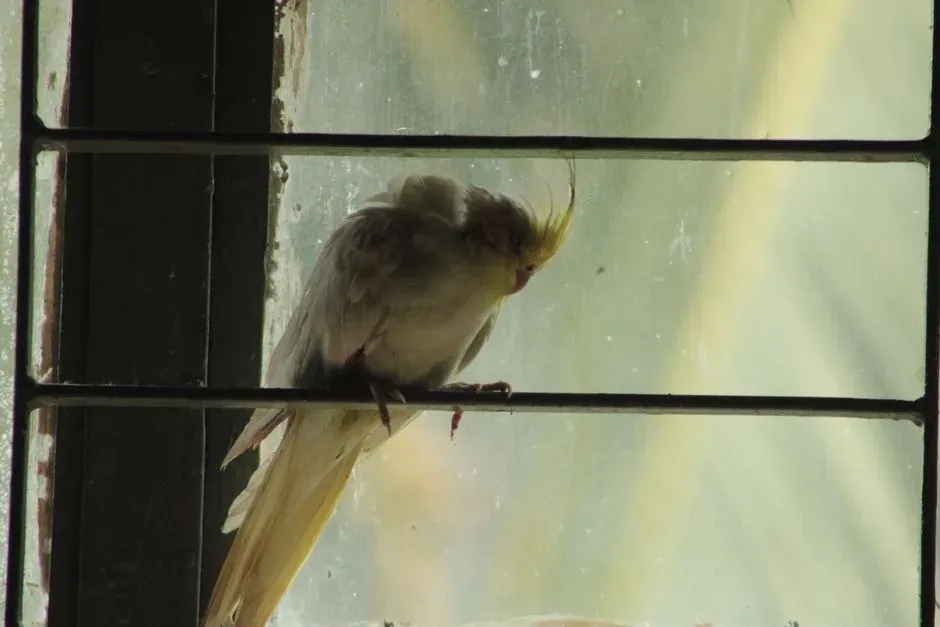
Not all lonely or bored birds get louder. Some do the opposite: they go quiet, withdrawn, and still. A bird who once chirped or explored but now spends long periods puffed up on a perch, staring into space, and ignoring toys may not be relaxed – they may be checked out. This can be a sign of depression, illness, or both, and it’s easy to miss because it doesn’t disrupt the household the way screaming does.
Any sudden drop in activity or vocalization deserves attention and a vet check, because physical illness and emotional distress often overlap. But if medical issues are ruled out, ask yourself some hard questions: How much variety does your bird have in their day? How often do you truly interact, not just feed and clean? When a highly social, curious animal stops engaging with their environment, it’s a strong clue that the environment is failing them, not the other way around.
5. Obsessive Destruction or Chewing Everything in Sight
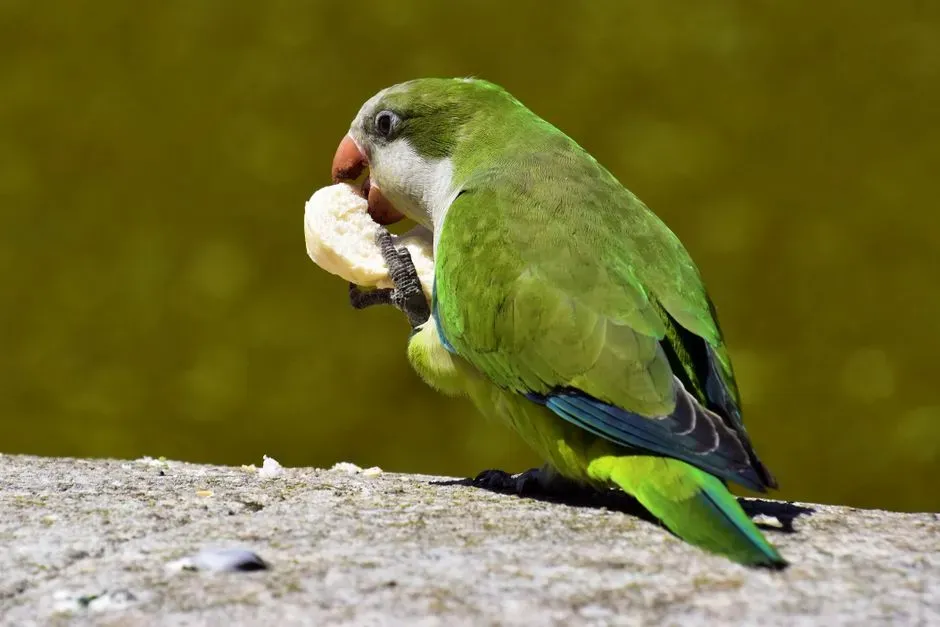
Birds are natural destroyers – in the best way. In the wild, they spend huge chunks of their day shredding branches, stripping bark, and exploring anything they can get their beaks on. When they’re properly stimulated, they channel that energy into toys, foraging, and supervised chewing. When they’re bored or emotionally frustrated, that same drive can turn into obsessive destruction of anything within reach, including furniture, cords, or their own cage.
If your bird completely demolishes toys in minutes, rips at the cage bars, or fixates on one object like a maniac, it might mean they’re mentally underfed. The solution is not to remove everything they destroy, but to give them more appropriate outlets: soft woods to chew, paper to shred, fresh branches, and challenging foraging toys. Think of it like giving a clever child only one simple puzzle – they’re going to flip the table eventually. A bored bird is often just a clever bird without a job.
6. Over-Attachment to One Person and Panic When They Leave
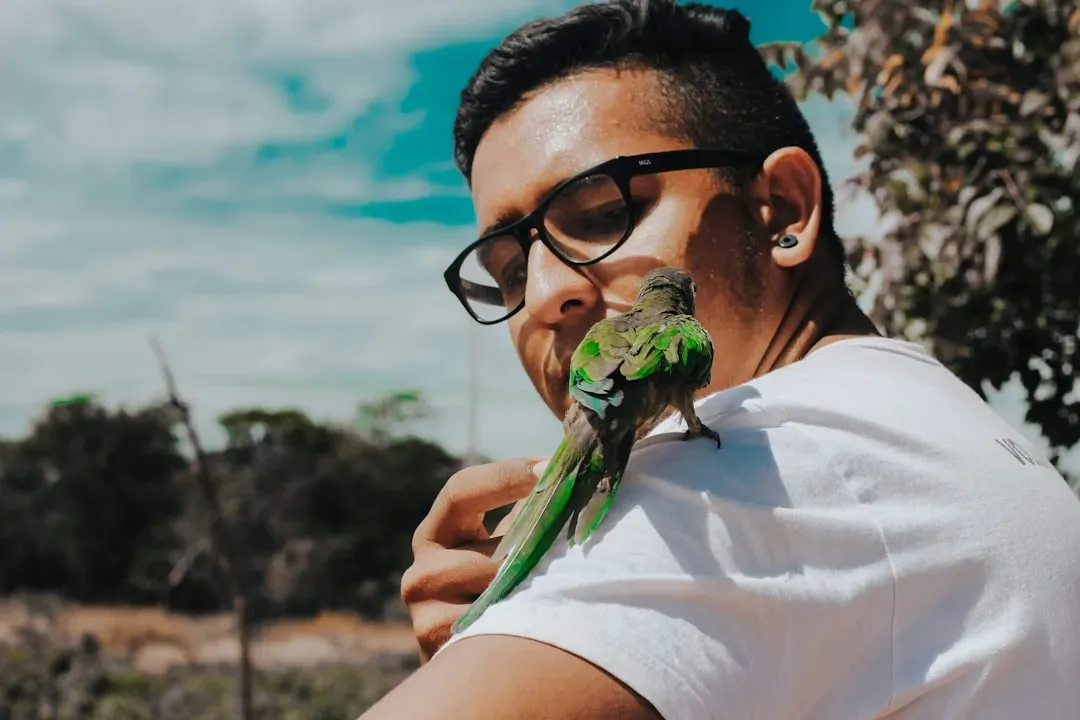
Some pet birds attach so intensely to one person that anyone else in the household barely exists to them. They cry when that person leaves, follow them obsessively when out of the cage, and may even refuse to eat or play unless their chosen human is nearby. While that can feel flattering at first, it’s often a sign that the bird’s social world is too narrow and their emotional security is hanging by a thread.
When that one person goes to work, travels, or just wants a quiet shower, the bird’s world feels like it collapses. Screaming, frantic flying, bar biting, and other stress behaviors can spike during those absences. A healthier setup is a bird who is bonded but still confident enough to self-entertain with toys, enjoy a perch near a window, or interact with other family members. If your bird’s entire mood rises and falls with one person’s presence, that’s not just love – it’s a red flag for loneliness, dependency, and underlying boredom when that person is not available.
7. Aggression, Nipping, or Sudden Mood Swings
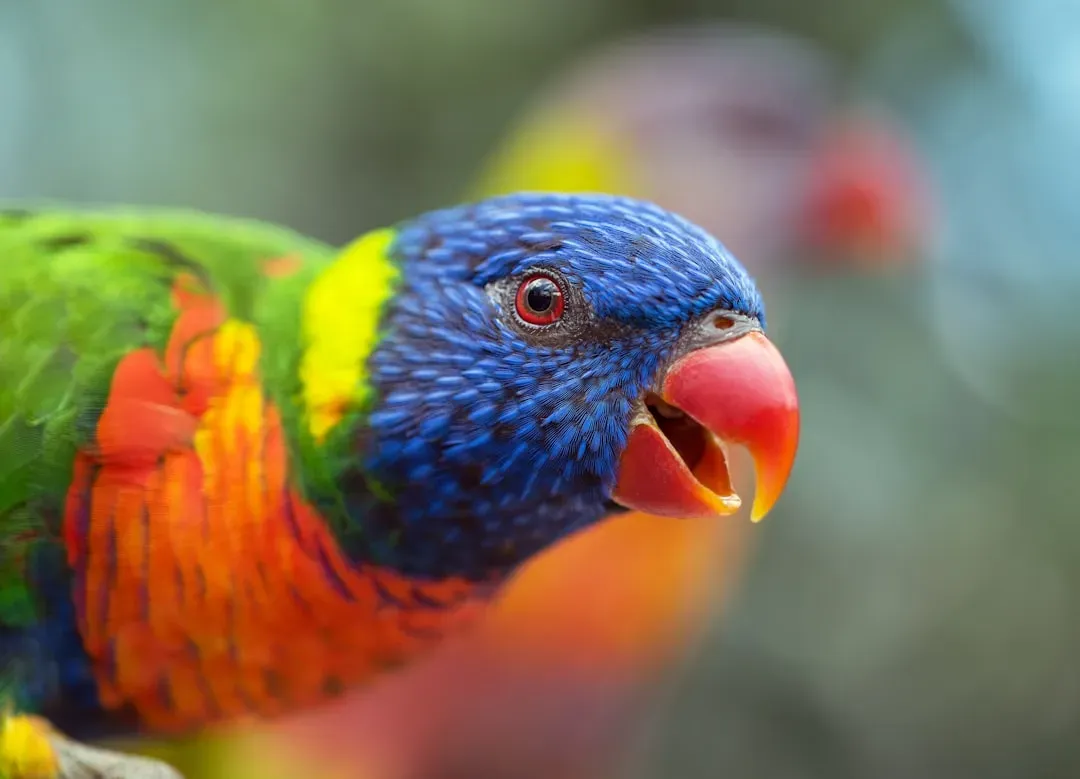
Birds do not bite “for no reason.” While hormones, fear, and past trauma can all play roles, chronic under-stimulation and loneliness can make a bird irritable and quick to lash out. Imagine going days with minimal interaction, no mental challenge, and a body built to fly sitting still; it’s not surprising that frustration can leak out as nipping, lunging, or screaming at anyone who comes near.
If your bird used to be gentle and is now more reactive, ask what has changed in their daily routine. Less out-of-cage time, fewer new toys, or a reduction in one-on-one attention can all contribute. Over time, a bored bird may learn that biting is the fastest way to get any kind of response, even if it is negative. When you layer more play, training, and enrichment into their life, it’s common to see aggression soften – not because they “learned manners” overnight, but because they finally have healthier ways to express themselves and burn energy.
8. Loss of Interest in Toys, Food, or Exploring
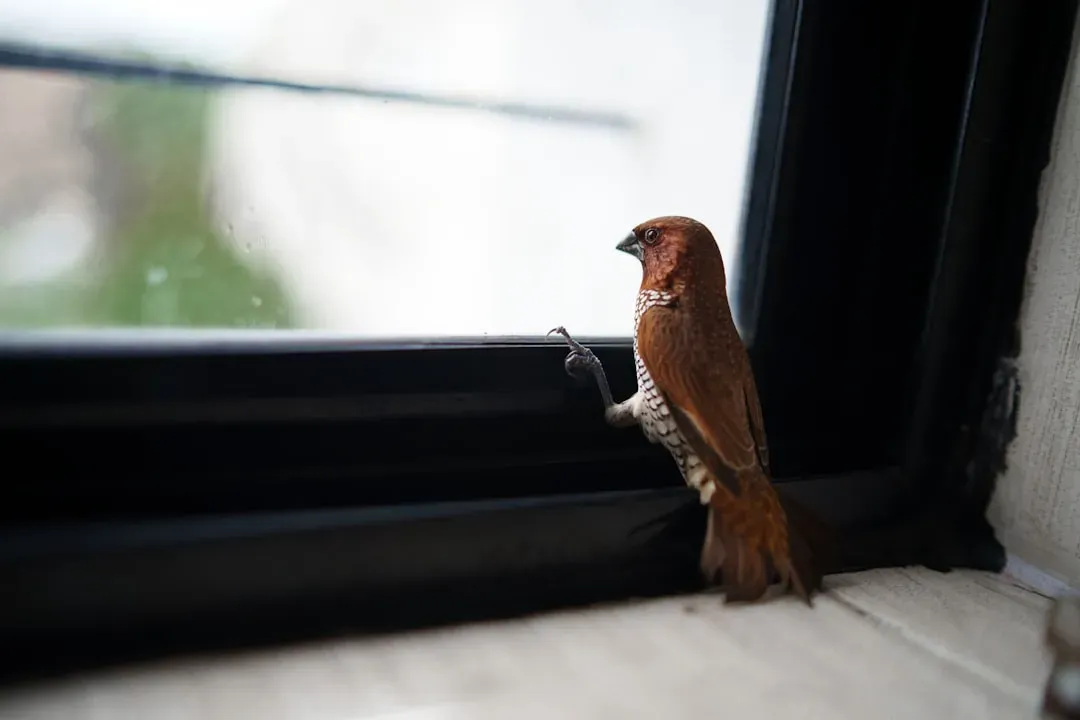
It might seem strange, but a very bored bird can look like a bird who “doesn’t like toys” or “isn’t food motivated.” In reality, just leaving the same toys in the same place for weeks can turn them into wallpaper. The brain stops paying attention when nothing ever changes, and the bird may simply ignore what used to be exciting. Over time, this lack of novelty can lead to a flat, uncurious attitude that many people mistake for a calm personality.
If you rotate toys, introduce new textures, colors, and shapes, or offer food in foraging puzzles and your bird still seems mildly interested at best, there may be deeper loneliness or stress at play. Birds are naturally neophilic – they tend to like exploring new things – so a persistent lack of curiosity is a warning sign. It’s similar to how a person with depression might lose interest in hobbies they once loved. The goal is not to force play, but to gently rebuild a richer, more interactive world so your bird has reasons to care again.
9. Excessive Sleeping or Odd Daily Rhythms
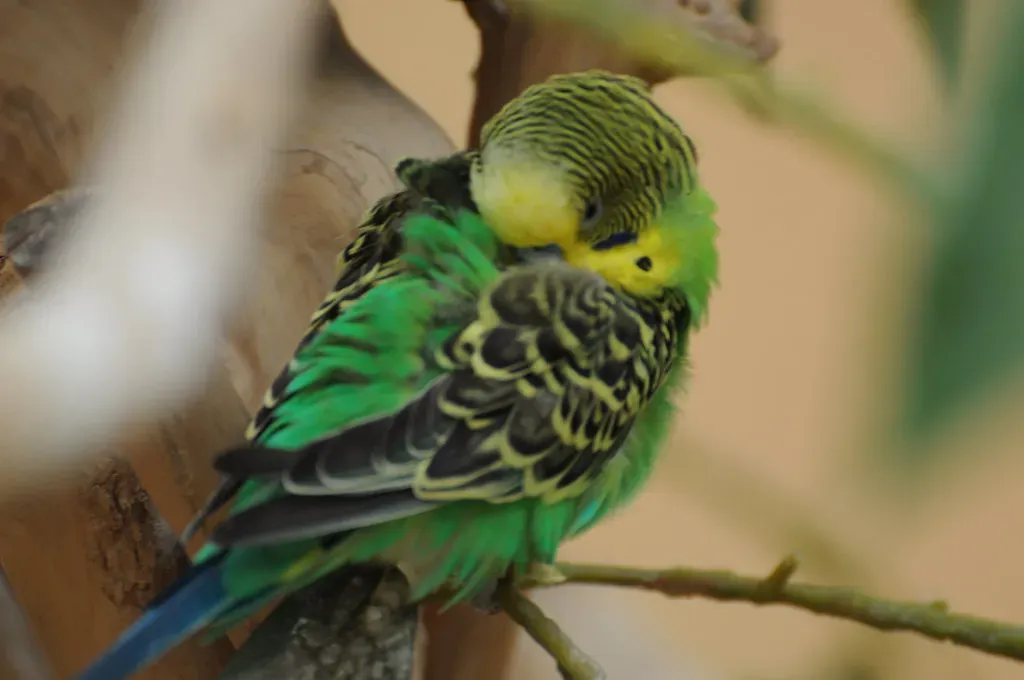
Birds need a solid block of sleep, often around the length of a long winter night, to stay healthy. But when they start sleeping excessively during the day, or seem drowsy and uninterested in activity when they would normally be alert, something is off. Illness is always a possibility and must be ruled out, but chronic understimulation can also lead to a kind of “time killing” sleep, where the bird dozes simply because there is nothing worth staying awake for.
On the flip side, some lonely or bored birds shift into odd rhythms, staying up late, calling into the night, or becoming most active right when the household is least available. This can reflect both poor sleep routines and a quiet, unmet need for interaction. Establishing a consistent day–night cycle, with enough daylight, predictable play periods, and a dark, quiet sleep space, can help reset things. When a bird has a life filled with meaningful activity, they tend to fall into healthy, more natural patterns of rest and wakefulness.
10. Excessive Mirror Use or Bonding With Objects
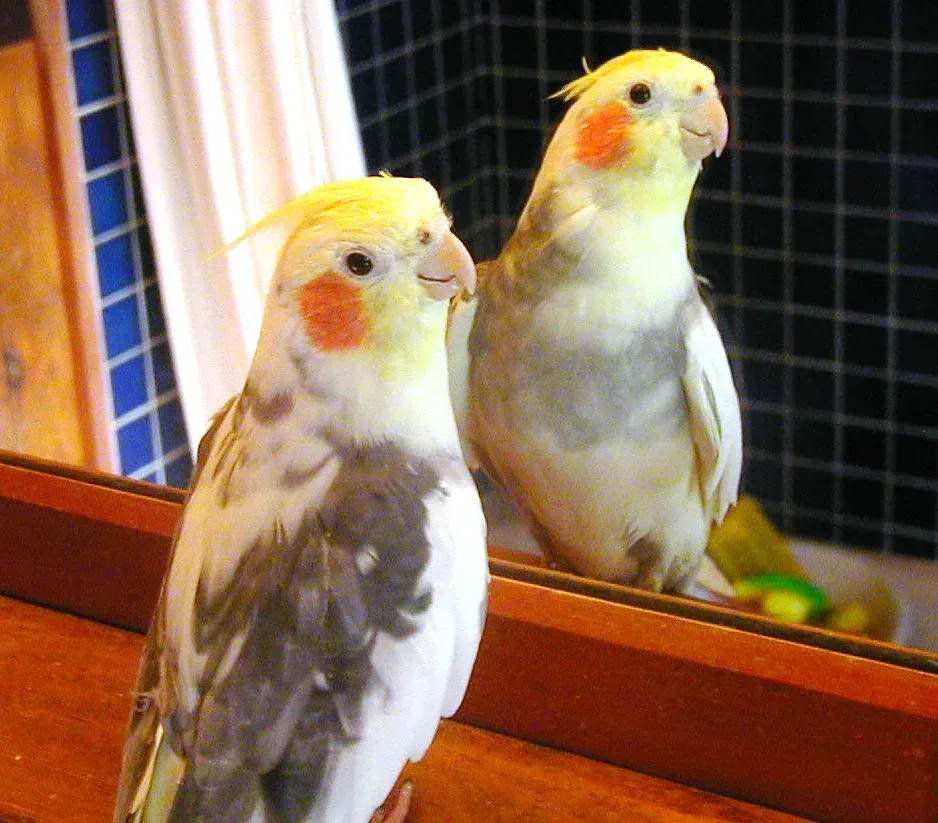
Many small bird owners give their birds mirrors or shiny toys, and at first glance, it can look adorable when a budgie chats with its reflection. But mirror obsession can be a subtle sign of loneliness. If your bird spends long stretches talking, feeding, or displaying to a mirror or a particular object, while largely ignoring you and the rest of their environment, it may mean they’re trying to form a “relationship substitute” because real social needs are not being met.
This can lead to frustration, especially when the “partner” in the mirror never responds appropriately. Birds may become territorial, hormonal, or stressed around the object, yet panic if it is suddenly removed. A healthier alternative is to limit or avoid mirrors and focus on real interaction: gentle training, shared routines, and, where appropriate, carefully chosen bird companions. When a bird has living, responsive relationships, their need to pour all their emotion into a piece of glass tends to fade.
Conclusion: Your Bird Is Bored – Now What?
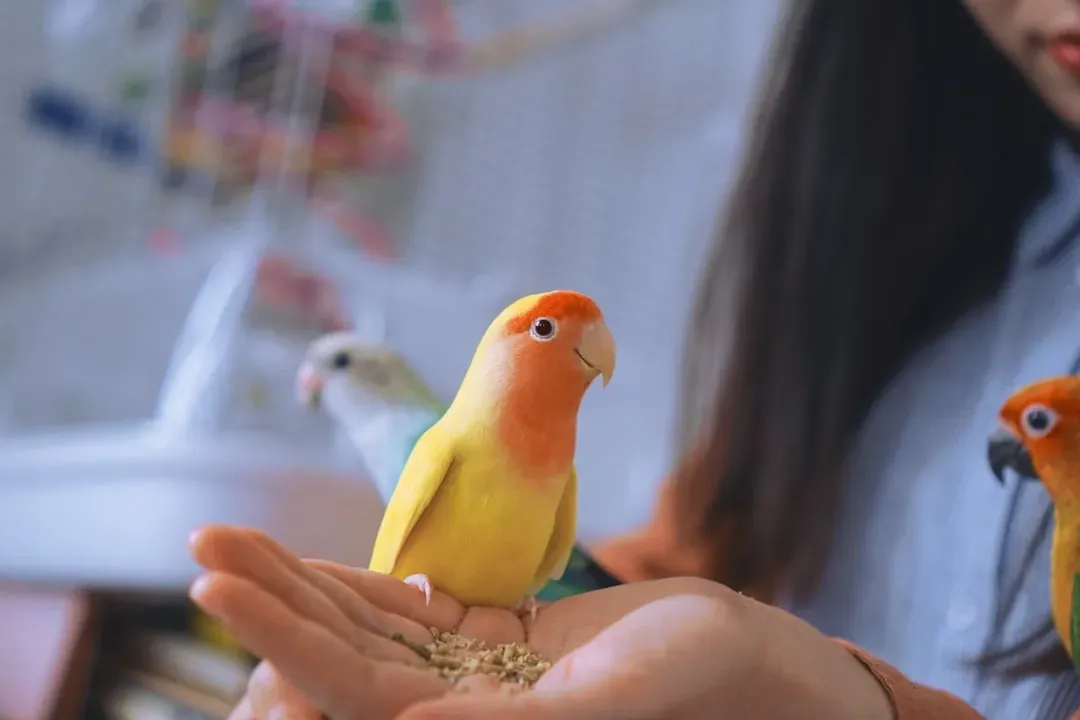
If you recognized your own bird in several of these signs, it can feel heavy, even a bit guilt-inducing. I’ve been there; realizing that a pet you love might have been lonely under your roof is a gut punch. But the good news is that birds are incredibly resilient, and even small, consistent changes in enrichment, routine, and genuine interaction can transform their behavior and mood. Think of it less as “fixing problems” and more as finally giving a brilliant animal the life it was wired for.
In my view, the biggest shift is mental: stop seeing the cage as the bird’s whole world and start seeing it as just their bedroom. Build a daily rhythm of out-of-cage time, training games, foraging, and calm hangouts where your bird is part of the social life of the household. You don’t need to be perfect; you just need to be present, curious, and willing to keep learning. When your bird starts greeting you with bright eyes and relaxed feathers instead of frantic calls or empty stillness, you’ll know you’re on the right track – and you might even wonder how you ever thought they were “just a pet” in the first place.