
You probably do not think much about what time you wake up in the middle of the night… until you keep seeing the same numbers on the clock. When you notice 3:33 AM again and again, it can start to feel spooky, fated, or like the universe is trying to tap you on the shoulder. In reality, your brain, hormones, and blood sugar are far more likely to be behind this pattern than anything mystical. If you step back from the weirdness of the number and look at what your body is doing around that hour, things suddenly make more sense. By the time 3:33 AM rolls around, your sleep cycles are lighter, stress hormones are starting to rise to prepare you for the day, and your blood sugar may be dipping if you are sensitive. Once you understand those pieces, this strange nightly wakeup call becomes less of a mystery and more of a message from your nervous system that something in your routine might need tuning.
You Are Often in a Light REM Stage Around 3:33 AM

If you fall asleep at a typical time, you cycle in and out of different sleep stages roughly every hour and a half. Earlier in the night, you spend more time in deep, slow-wave sleep; later in the night, your brain shifts into longer stretches of rapid eye movement sleep, or REM. By the early morning hours, you are naturally in lighter, dream-filled phases that make you much easier to wake. This means that a car door slamming outside, your partner turning over, or even a vivid dream can pop you awake at about the same point in each sleep cycle. If that point happens to land near 3:33 AM, your brain starts to link that time with waking up, and you start noticing it. You are not being pulled out of sleep by the clock; you are being pulled out by the biology of lighter REM, and then you simply see the same numbers flashing back at you.
Your Internal Alarm Clock Ramps Up Cortisol Before Dawn

Long before your phone alarm goes off, your body has already started preparing you to wake up. One of the ways it does this is by slowly raising cortisol, a hormone that helps mobilize energy and makes you more alert. This cortisol rise usually starts in the very early morning hours and ramps up as sunrise approaches, like a dimmer switch slowly brightening. If you are particularly sensitive to stress hormones or already carrying a lot of tension from your day, this gentle rise may not feel so gentle. You might notice a racing mind or a slightly anxious feeling that nudges you awake around the same time each night. When you glance at the clock and see 3:33 AM again, it is easy to assume the time is the problem, when really your internal alarm system is just a bit overactive.
Blood Sugar Dips Can Jolt You Awake at the Same Time

Your brain runs almost entirely on glucose, so it is very sensitive to shifts in your blood sugar. If your levels drop more than your body is comfortable with during the night, stress hormones can surge to bump your blood sugar back up. That hormone surge can make your heart beat faster, your mind flip on, and your eyes snap open in the dark. When you tend to eat a very light dinner, snack on mostly refined carbs late at night, or drink alcohol before bed, your blood sugar can swing more dramatically. Those swings can repeat night after night at roughly the same point in your sleep cycles. The reason you keep seeing 3:33 AM is not because the number is magical, but because your metabolism is tapping you on the shoulder at a consistent time.
Why Your Brain Locks Onto the Pattern of 3:33 AM
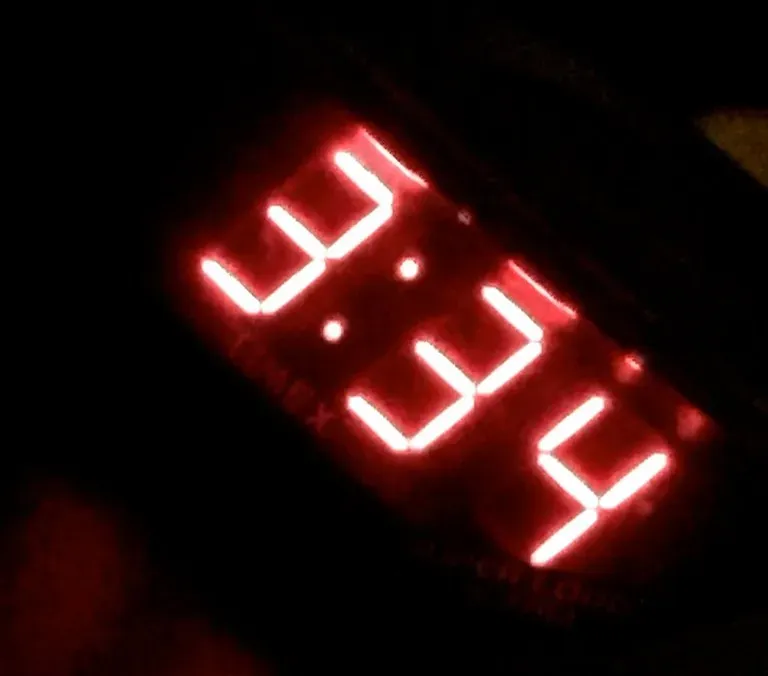
Your brain is wired to notice patterns, especially ones that seem unusual or emotionally charged. Seeing 3:33 AM once might feel random, but seeing it multiple nights in a row flips on that pattern-detection system. Suddenly you are not just waking up; you are waking up to a “mysterious sign,” and your attention is glued to it. Once your attention gets involved, you can start checking the clock more often at night or remembering the odd times more vividly than the normal ones. This is how a totally typical wakeup can turn into a memorable ritual you tell people about. What you are really experiencing is a mix of basic sleep biology and a brain that is very good at finding meaning in repeating details, especially when those details feel a bit uncanny.
Common Lifestyle Triggers That Make 3:33 AM Wakeups Worse

Certain habits can quietly increase the chances that you will wake up during those lighter REM periods. Drinking caffeine later in the day, scrolling on your phone in bed, or bringing a laptop into the bedroom can all make your sleep shallower and more fragmented. When your sleep is already light, a natural early-morning cortisol bump or a noise outside has an easier time waking you. What and when you eat matters, too. Heavy, late dinners can disrupt your digestion just as much as sugary snacks can destabilize your blood sugar. Add in alcohol, which can knock you out quickly but then cause rebound awakenings, and you have a perfect recipe for being awake right when your body is also naturally more arousable. You experience it as a strange 3:33 AM curse, but underneath, it is often just a stack of small, fixable choices.
How to Steady Your Sleep Cycles So You Stay Asleep

You cannot force yourself to never enter lighter sleep; that is simply how healthy sleep unfolds across the night. You can, however, make those lighter phases more stable and less likely to be interrupted. Keeping a regular sleep and wake time, even on weekends, helps your internal clock settle so your body knows exactly when to wind down and when to power back up. You can also shape your evenings to be calmer and more predictable. Dimming lights, avoiding intense work or arguments before bed, and giving yourself at least an hour without bright screens allow your brain to slide more smoothly into sleep. Over time, your cycles will feel less fragile, and those random early-morning wakeups – 3:33 AM included – often become less frequent and less intense.
Supporting Cortisol and Blood Sugar So Your Body Stays Calm

If you suspect stress is a big driver, the work you do during the day matters just as much as what you do at night. Little things like taking short movement breaks, stepping outside for natural light, and carving out a few minutes to actually exhale can prevent your stress system from staying stuck in high gear. When you ease into bedtime with a more settled nervous system, that normal pre-dawn cortisol rise is less likely to feel like an internal alarm siren. On the blood sugar side, you can experiment with how you eat in the evening. A balanced dinner that includes some protein, fiber, and healthy fats can help keep your blood sugar more even through the night. If you tend to wake hungry, a small, steady snack – like a spoonful of nut butter with a few whole-grain crackers – may give your brain enough fuel to coast past those vulnerable early-morning hours without waking you up to ask for more.
What to Do in the Moment When You Wake at 3:33 AM

When you do find yourself staring at the dark ceiling at 3:33 AM again, the way you respond can either calm your system or wind it up. If you instantly grab your phone, turn on bright lights, or start replaying stressful conversations from the day, you are basically telling your brain it is time to be alert. That can make it much harder to slip back into sleep once the initial awakening passes. Instead, you can treat that brief wakeup like a small bump in the road. Keep the lights low, resist the urge to check the exact time, and bring your attention to something neutral like your breath or the feeling of the sheets. If you cannot fall back asleep after a while, getting up for a few minutes to read something calm in dim light can reset the moment. You are not failing at sleep; you are just steering your brain gently back toward where it was.
When Repeated 3:33 AM Wakeups Mean You Should Talk to a Doctor

Waking occasionally at the same time is usually just a quirk of how your sleep, hormones, and habits interact. But if you are waking every night, feeling exhausted during the day, or noticing other symptoms – like loud snoring, gasping, night sweats, or intense anxiety – then it is worth getting things checked out. Conditions like sleep apnea, thyroid issues, mood disorders, or perimenopause can all show up as frequent early-morning awakenings. You do not need to wait until things feel unbearable to seek help. Keeping a simple sleep diary for a couple of weeks can give your doctor a clearer picture of what is happening: when you go to bed, how often you wake, how you feel in the morning, and any patterns around food, alcohol, or stress. That way, your 3:33 AM mystery turns into useful data that can help you figure out what your body is trying to tell you.
Conclusion: Your 3:33 AM Wakeup Is a Signal, Not a Sentence

When you zoom out, that eerie 3:33 AM pattern looks a lot less mystical and a lot more understandable. You are likely catching yourself at a natural intersection of lighter REM sleep, gentle cortisol rises, and changing blood sugar, all filtered through a brain that loves patterns and meaning. Once you see it that way, the night feels less haunted and more like a quiet lab where your body is running experiments. You may not be able to control the exact minute your eyes open, but you have a lot of influence over the forces that make waking more or less likely. By steadying your routines, supporting your stress system, and paying attention to your body’s signals, you turn a strange nightly coincidence into an invitation to take better care of yourself. The next time you happen to see 3:33 AM glowing in the dark, will it feel like a curse – or a gentle reminder that your biology is just doing its thing?