
If your dog could talk, they’d probably ask for more than just treats and a comfy bed. Real wellbeing goes deeper: it’s about feeling safe, understood, stimulated, and loved every single day. The good news is, you don’t need fancy gadgets or endless free time to make a big difference in your dog’s life.
With a few intentional changes to your daily routine, you can help your dog live longer, feel happier, and behave better. Think of this as your practical, no-guilt guide to giving your dog the kind of life you always hoped you were giving them. You’ll recognize a lot of the basics, but you might be surprised at how much the small details really matter.
1. Nail the Basics: Nutrition That Actually Fits Your Dog
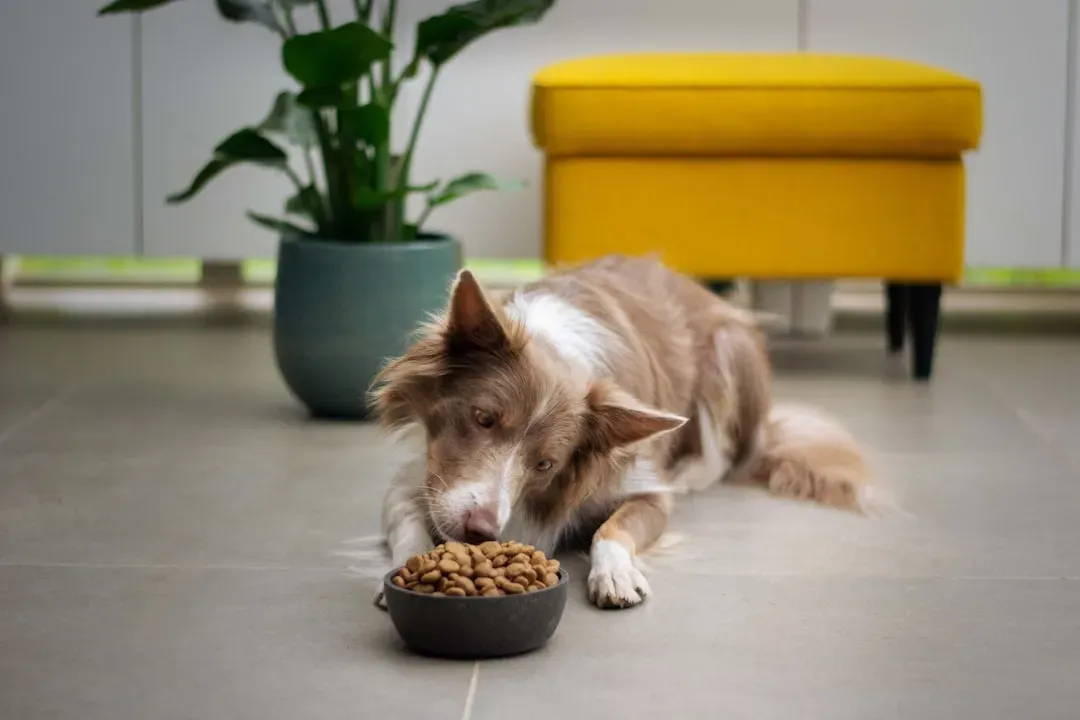
You’ve probably heard that good health starts with good food, and that’s just as true for your dog as it is for you. Instead of picking a bag because of a pretty label or a buzzword, you want to choose a diet that matches your dog’s age, size, activity level, and any medical needs. A growing large-breed puppy, a couch-loving senior, and a high-energy working dog all have very different nutritional requirements.
Reading the ingredient list is useful, but it’s even more important to look for complete and balanced food that meets recognized standards for dogs. If your dog has allergies, sensitive digestion, or a history of weight issues, you’ll want to work with your vet to find a formula that’s appropriate. You can absolutely include safe fresh foods like lean meats or certain vegetables, but always introduce them slowly and avoid harmful foods like onions, grapes, and chocolate.
2. Keep a Healthy Weight: Extra Pounds Aren’t “Cute”

It’s easy to shrug off a little extra fluff, especially when your dog looks adorable begging for snacks, but excess weight quietly steals years from your dog’s life. Extra pounds put more pressure on joints, strain the heart, and increase the risk of conditions like arthritis, diabetes, and breathing problems. You might not notice the effects right away, but over time your dog will move less, play less, and hurt more.
The simplest way to help is to measure your dog’s food instead of free-feeding, and use low-calorie treats or even pieces of their regular kibble as rewards. You can learn to do a quick body condition check with your hands: you should be able to feel ribs easily without pressing hard, and see a slight waist from above. If you’re unsure, ask your vet to help you set a healthy target weight and feeding plan; it’s much kinder to adjust now than to wait until your dog is limping or struggling to get up.
3. Make Movement a Daily Non‑Negotiable
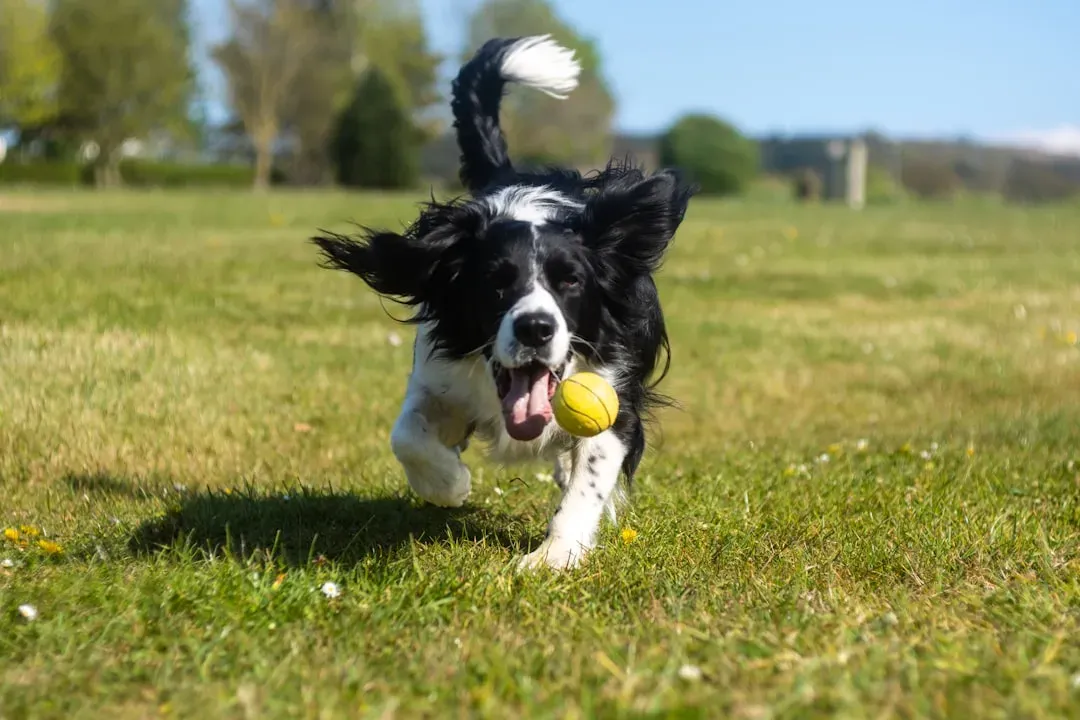
Exercise is more than “tiring your dog out.” It’s one of the most powerful tools you have for improving both physical and mental health. Regular movement strengthens your dog’s muscles, supports healthy joints, and helps the heart and lungs work efficiently. It also channels natural energy and reduces boredom, which can prevent destructive behaviors like chewing, digging, or nonstop barking.
The right amount and type of activity depends on your individual dog. A young herding mix might thrive on long hikes or jogging, while a short‑nosed breed or older dog may need shorter, gentler walks with more rest. You can mix in play sessions like fetch, tug, or scent games to keep things interesting. The key is consistency: a bit of movement most days is far better than an intense outing once in a while that leaves your dog sore and overwhelmed.
4. Feed Their Brain: Mental Enrichment You Can Actually Keep Up With
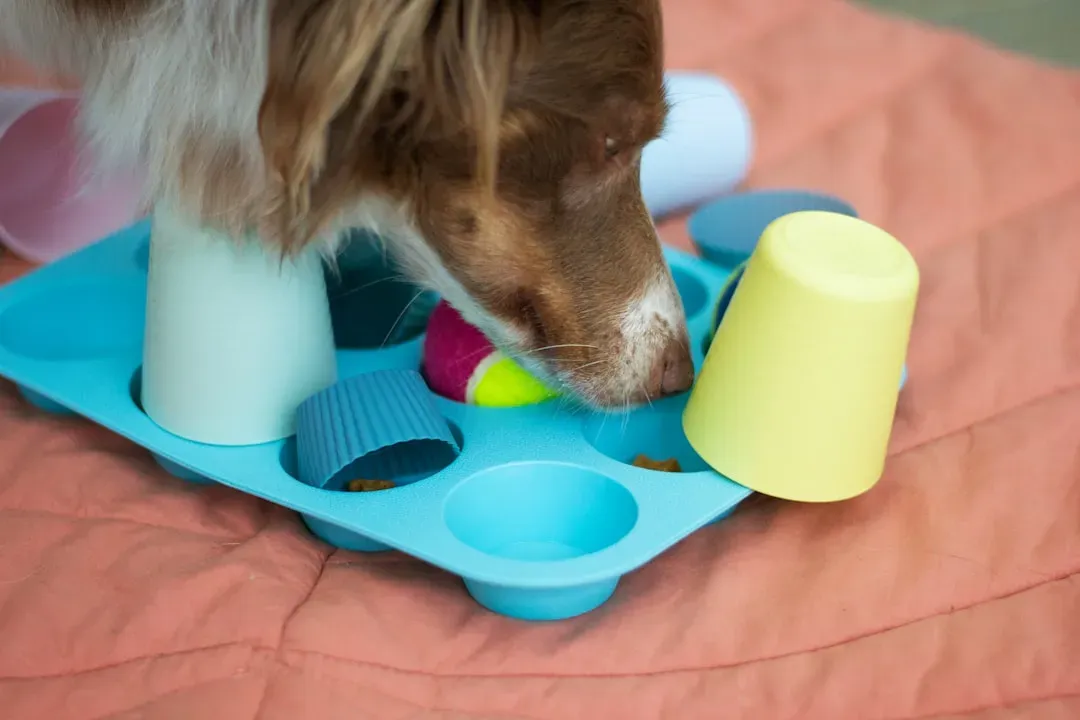
Your dog’s brain needs exercise just as much as their body does, and when you don’t provide it, they’ll invent their own version – usually in the form of chaos. Mental enrichment gives your dog a job to do and taps into natural instincts like sniffing, scavenging, and problem‑solving. This kind of “thinking tired” often calms a dog more effectively than just running them until they drop.
You can start small and simple. Scatter some of your dog’s kibble in the yard or around a room for a sniff‑and‑seek game, or use a snuffle mat, puzzle feeder, or stuffed chew toy so they have to work a little for their meals. Short training sessions where you teach new tricks or cues are also powerful mental workouts. Aim for a few minutes here and there throughout the day rather than one long marathon; you’ll be surprised at how quickly your dog relaxes afterward.
5. Build a Strong Bond Through Training and Clear Communication
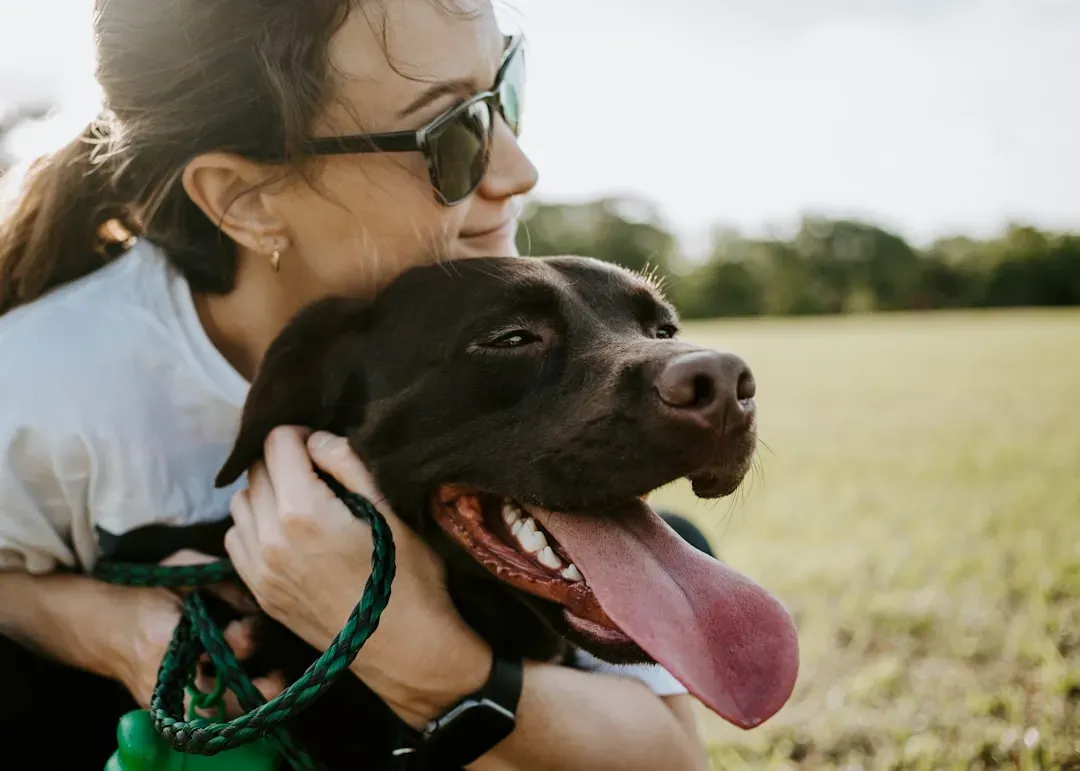
Training is not about controlling your dog; it’s about giving them a language they understand and clear rules that make their world feel safe. When you use reward‑based methods – like treats, praise, toys, or play – you show your dog that listening to you leads to good things. This not only improves behavior, it deepens trust and makes your dog more confident in new or stressful situations.
Focus on practical skills that make daily life smoother: coming when called, walking calmly on a leash, settling on a mat, and waiting politely at doors. Keep sessions short, fun, and frequent, and end on a success rather than pushing until your dog is frustrated. If you’re dealing with serious behavior issues like aggression or intense fear, seeking help from a qualified, force‑free trainer or behavior professional can transform both and your own peace of mind.
6. Prioritize Preventive Vet Care Instead of Crisis Visits

Many dogs are masters at hiding pain and discomfort, so by the time you notice obvious symptoms, a problem may already be advanced. Regular wellness checkups give your vet a chance to spot subtle changes early – like dental disease, joint stiffness, weight shifts, or skin issues – before they turn into something serious or expensive. These visits are also your opportunity to ask questions about diet, exercise, vaccines, parasites, and any quirky new behaviors you’ve noticed.
Staying up to date on core vaccinations, parasite prevention, and dental care can spare your dog from painful and sometimes life‑threatening illnesses. Even simple habits like checking ears, paws, and teeth at home help you catch problems fast. Think of preventive vet care as routine maintenance for your dog’s body; just like you wouldn’t wait for your car’s engine to fail before changing the oil, you don’t want to wait for a medical emergency before you show up at the clinic.
7. Create a Safe, Calm Home Environment

is shaped by the environment they live in every single day. A noisy, chaotic, or unpredictable household can leave your dog constantly on edge, even if you never notice obvious signs of stress. Having a dedicated safe space – like a crate, bed, or quiet corner – where your dog can retreat without being disturbed gives them a sense of control and security.
You can reduce stress by keeping a relatively steady routine for meals, walks, and rest, and by managing situations that reliably upset your dog. That might mean using baby gates to separate them from rowdy children, playing calming music during storms or fireworks, or avoiding rough play that makes them anxious. When your dog knows what to expect and where they can go to relax, they’re more likely to be calm, confident, and well‑behaved.
8. Support Their Social Needs Without Forcing Interaction

Most dogs are social animals, but that doesn’t mean every dog wants to be everybody’s best friend at all times. Some dogs enjoy dog parks and busy environments, while others feel overwhelmed and would rather just hang out with their human or a small circle of familiar dogs. Honoring your dog’s individual social style does more for their wellbeing than pushing them into every possible interaction “for their own good.”
You can build healthy social experiences by starting with neutral, low‑pressure situations and letting your dog choose how close to get. Watch for relaxed body language, soft eyes, and loose movements, and be willing to leave if your dog seems tense, stiff, or eager to escape. Gentle exposure to new people, places, and sounds – paired with treats, play, or praise – can broaden your dog’s comfort zone over time. The goal is not a perfectly “social” dog; it’s a dog that feels safe, respected, and understood.
9. Respect Sleep and Downtime as Non‑Optional

It can be tempting to think more activity is always better, but dogs need a surprising amount of rest to stay healthy. Depending on age and breed, your dog may naturally sleep for well over half the day, and that downtime is when the brain processes experiences and the body repairs itself. When a dog is constantly interrupted, overstimulated, or kept “on duty,” stress hormones can stay elevated and behavior problems can get worse.
You can protect your dog’s rest by giving them a comfortable bed in a low‑traffic area and teaching everyone in the household – especially children – that the dog is off‑limits when resting there. It also helps to build quiet time into the day, like encouraging your dog to settle with a chew after a walk or training session. When your dog gets enough good‑quality sleep, you’ll usually see a calmer demeanor, better focus, and more patience with the things that used to set them off.
10. Show Affection in Ways Your Dog Actually Enjoys
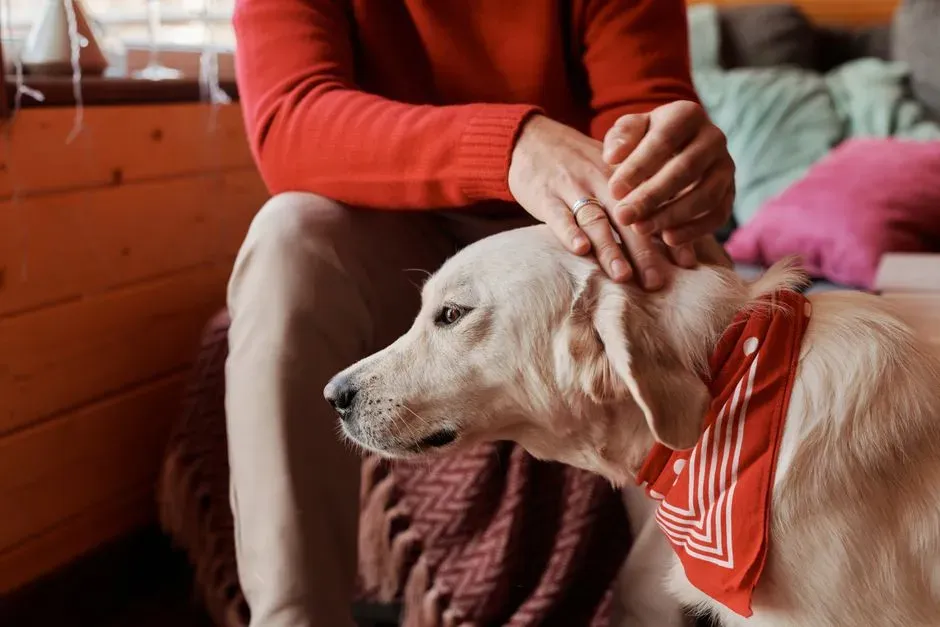
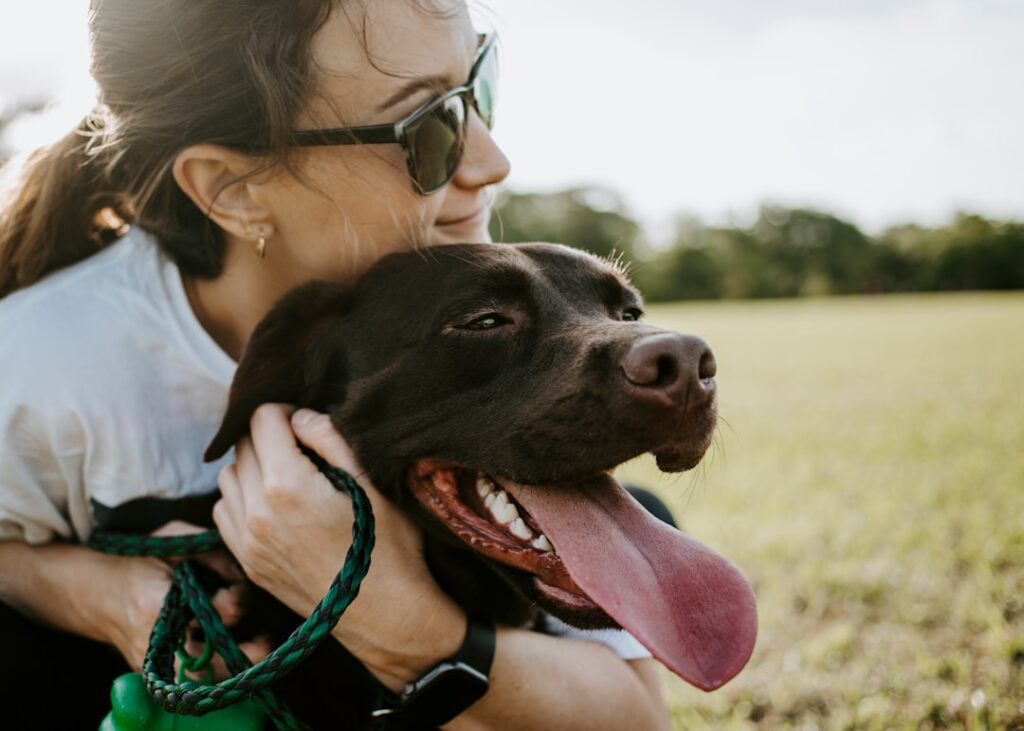
Love is at the heart of , but it needs to be expressed in a way that feels good to them, not just to you. Some dogs genuinely enjoy cuddles and close contact, while others prefer gentle scratches on the chest or back and feel trapped when they’re hugged tightly. Paying close attention to how your dog responds to your touch – leaning in versus turning away, relaxed versus tense – helps you tailor your affection to their preferences.
Quality time together can be as simple as sitting on the couch while you calmly pet your dog, taking an unhurried walk where they get to sniff to their heart’s content, or playing a favorite game. What matters most is that your dog feels safe, valued, and connected to you. When your dog can trust that you listen to their signals and respect their boundaries, that bond becomes the foundation for almost every other part of their wellbeing.
Conclusion: Small Choices, Big Impact on Your Dog’s Life
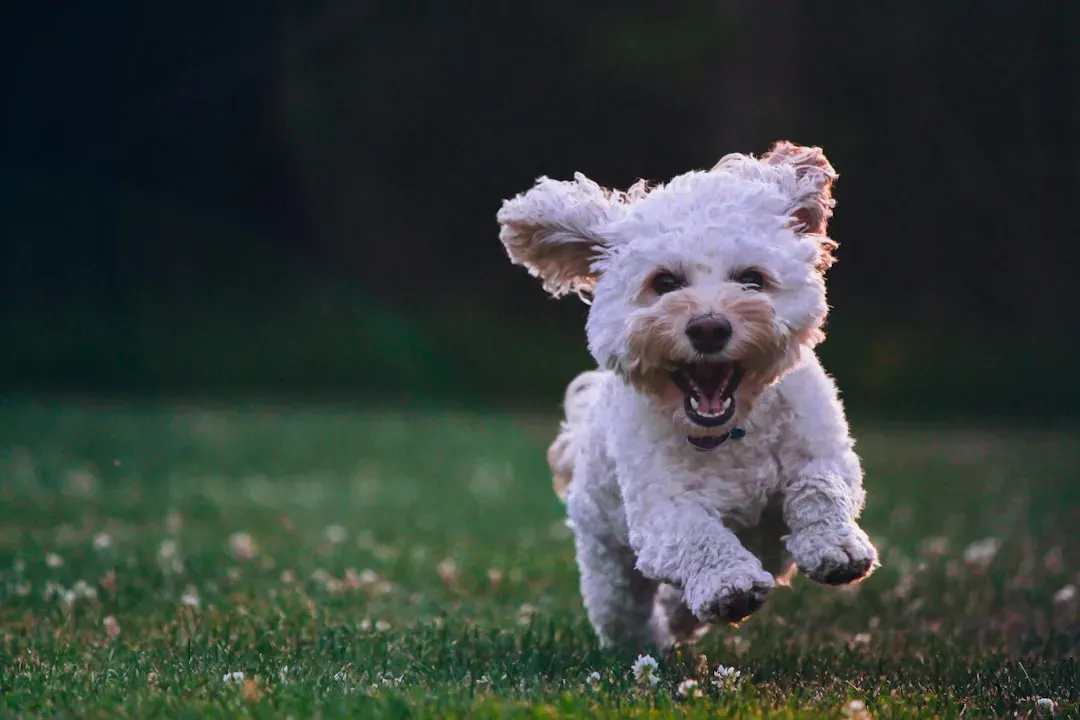
You don’t need to be perfect, buy every trendy product, or transform your whole lifestyle overnight to dramatically improve . By tuning into their needs – nutritional, physical, emotional, and social – and making small, consistent adjustments, you create a life where your dog can truly thrive, not just get by. The payoff shows up in the little things: softer eyes, looser body language, better behavior, and that quiet contentment when they curl up near you.
If you pick just one or two of these areas to focus on this week and build from there, you’ll already be changing your dog’s future for the better. Over time, those choices add up to extra years, richer experiences, and a deeper bond that feels more like a partnership than ownership. When you look at your dog at the end of the day, knowing you’ve done your best for their wellbeing, what could feel better than that?