
If you grew up hearing that iconic American animals were “basically gone,” you’re not alone. For a long time, it really did look like some of the country’s most famous mammals were headed for the history books instead of the wild. Yet here we are in 2026, and many of those same species are staging a comeback that would’ve sounded unrealistic a few decades ago.
That doesn’t mean everything is fixed or that every story is a clean fairy tale. Some populations are still fragile, some recoveries are uneven, and politics around wildlife are as messy as ever. But the fact that any of these mammals are thriving again after skimming so close to extinction is honestly kind of astonishing – and it says a lot about what happens when laws, science, and stubborn human care actually line up.
Bison: From Tens of Millions to Almost Zero… and Back Again
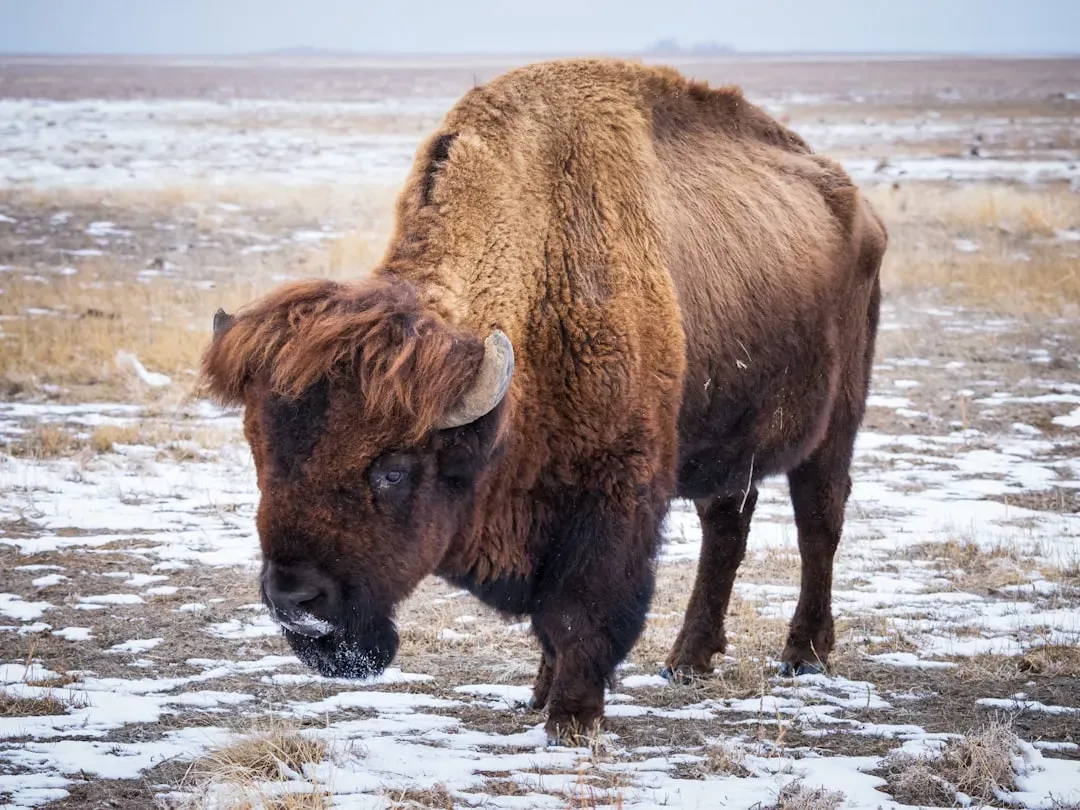
Imagine an animal that once moved across the Great Plains in herds so large they looked like weather systems, then dropped to only a few hundred surviving in the wild. That was the reality for American bison by the early twentieth century, after industrial-scale slaughter and habitat loss shredded their numbers. For a while, the idea that bison would ever roam freely again in large herds sounded like nostalgia, not a serious conservation plan.
What changed was a mix of early conservationists, tribal nations, and later federal protections that slowly built up scattered herds in parks, refuges, and tribal lands. Today, there are hundreds of thousands of bison in North America, mostly in managed herds, and a growing movement to restore them to more of their original grassland homes. It’s not yet the continental migration they once had, but compared to near-erase levels, their rebound is one of the most dramatic turnarounds of any large mammal on the planet.
Gray Wolves: Demonized Predators Turned Ecosystem Engineers
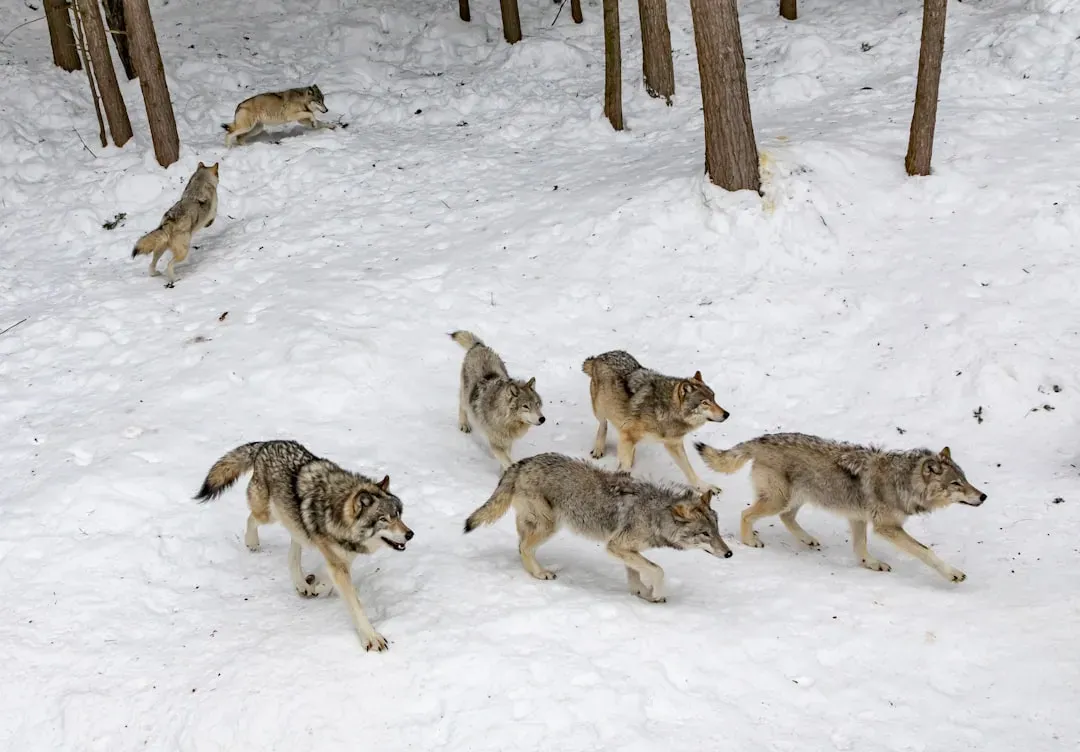
For a big chunk of U.S. history, gray wolves were treated like a problem that needed to be solved with poison, traps, and bounties. By the mid twentieth century, they had been wiped out from most of the lower forty‑eight states, surviving mainly in remote corners of Minnesota and later recolonizing northern states from Canada. The idea of wolves returning to their former range was controversial from day one, and in many places it still is.
Yet, thanks to endangered species protections and high‑profile reintroduction efforts, especially in the Northern Rockies and the upper Midwest, gray wolf populations have rebounded to several thousand animals in the contiguous United States. In places like Yellowstone, their return has reshaped ecosystems by keeping elk on the move and indirectly helping vegetation, beavers, and songbirds. At the same time, clashes over livestock, hunting, and state management show that ecological success does not automatically translate into social peace, even when a species is scientifically considered recovered in parts of its range.
Black‑Footed Ferrets: Back From “Extinct in the Wild”
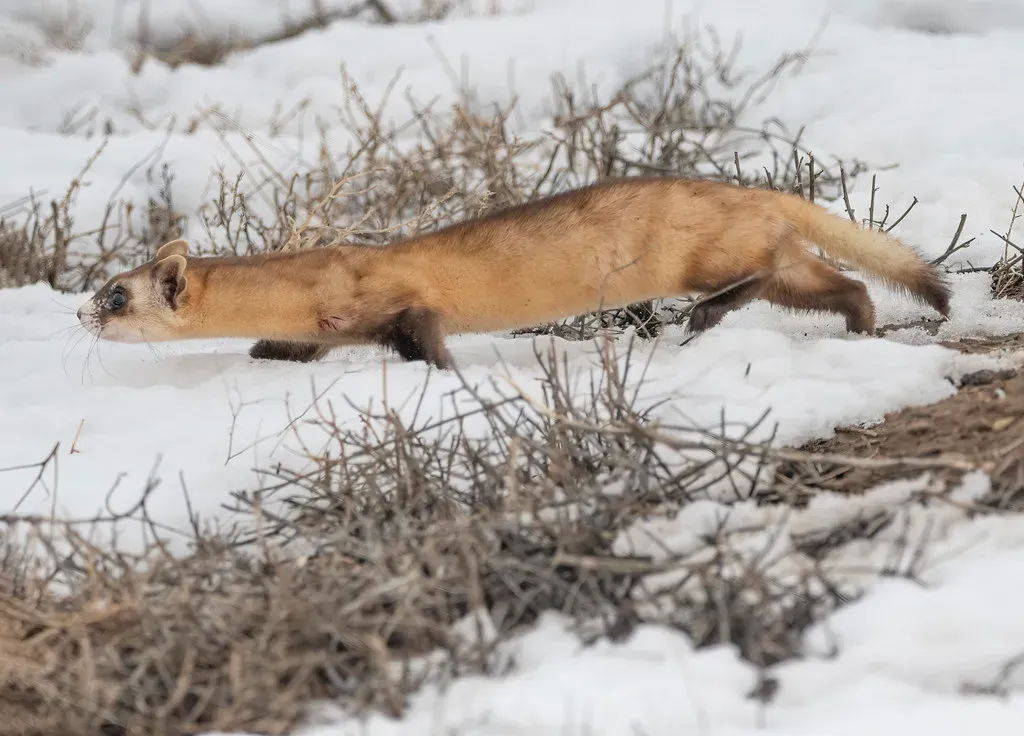
If you had asked biologists in the late 1970s whether black‑footed ferrets would be roaming U.S. prairies in the twenty‑first century, many would have said no. These slender, nocturnal predators depend almost entirely on prairie dogs for food and shelter, and when prairie dog towns were poisoned and plowed under, ferret numbers collapsed. At one point, they were declared extinct, only to be rediscovered in a small Wyoming population that became the last hope for the species.
That tiny group founded an intensive captive‑breeding and reintroduction program that has slowly rebuilt ferret numbers in multiple Western states. Today, there are several hundred ferrets in the wild and captivity combined, with ongoing releases and experimental tools – like vaccines to protect against plague and even carefully regulated genetic techniques – being tested to keep them going. They are still one bad disease outbreak away from serious trouble, but the fact that an animal literally written off as gone now hunts again on native grasslands feels almost miraculous.
Sea Otters: The Comeback Engineers of Kelp Forests
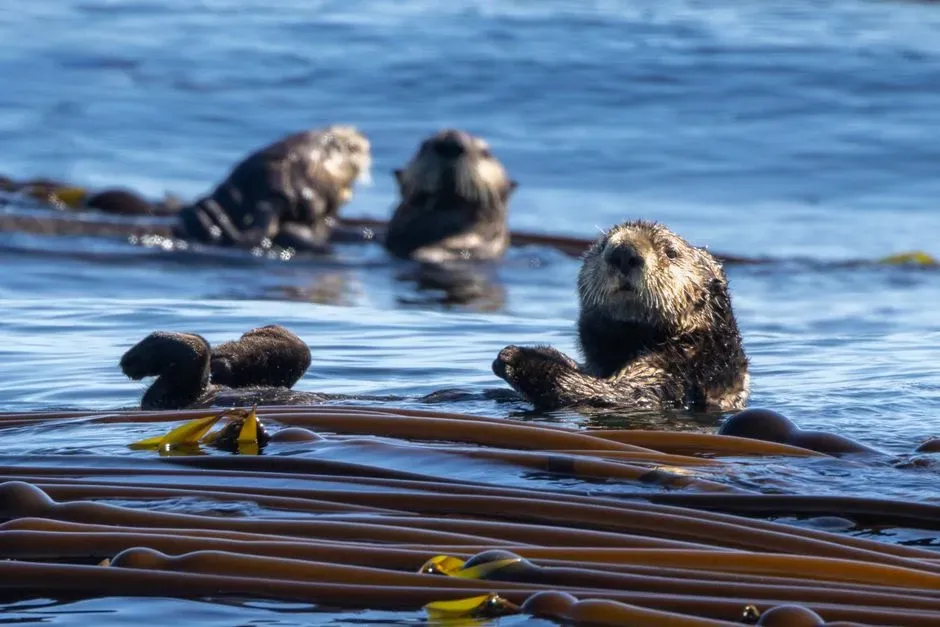
Sea otters were once so intensely hunted for their dense fur that they vanished from most of their range along the North Pacific coast. In U.S. waters, only a tiny remnant group off Alaska and a small population off California survived the commercial fur trade. For decades, large stretches of coastline that had once been full of otters and kelp forests were strangely empty, with sea urchins overrunning rocky bottoms and chewing through kelp like living lawnmowers.
Legal protections, hunting bans, and translocation projects allowed sea otter populations in Alaska and California to start climbing again in the later twentieth century. Where they have returned in enough numbers, kelp forests have thickened, and fish, invertebrates, and seabirds have followed, reminding everyone how much one furry predator can alter an entire seascape. Their recovery is still patchy and limited by issues like oil spills, entanglement, and conflict with some fisheries, but along stretches of U.S. coastline, sea otters really are thriving again – and visibly reshaping the underwater world.
Humpback Whales: From Harpoon Targets to Tourism Icons
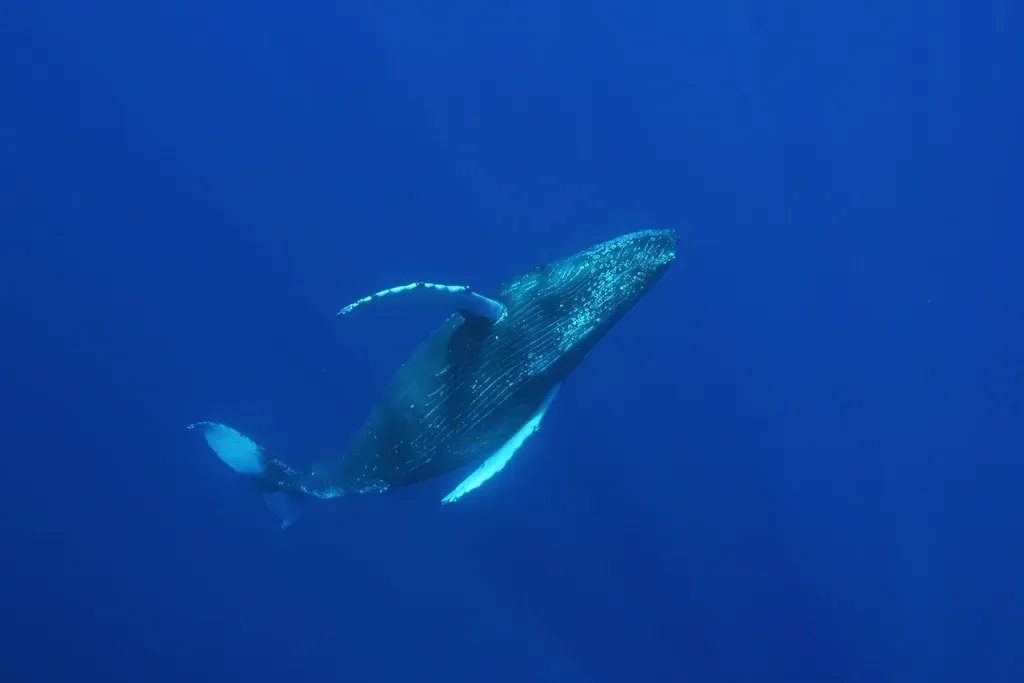
Humpback whales went from whale‑oil commodities to ghostly memories in a shockingly short period of time, as industrial whaling in the nineteenth and twentieth centuries hammered their populations worldwide. By the time modern protections kicked in, many humpback populations had dropped to a small fraction of their estimated original numbers. In U.S. waters, especially around Alaska, Hawaii, and the East Coast, people were genuinely unsure if the great seasonal migrations would ever feel abundant again.
Since commercial whaling bans and strict protections took effect, many humpback populations have rebounded dramatically, with some stocks now considered strong enough to be taken off the endangered species list. Today, in places like Hawaii and New England, it’s not unusual to see multiple whales on a single boat trip, and their complex behaviors have turned into a huge ecotourism draw. There are still lingering concerns about ship strikes, entanglements in fishing gear, and noise, but it’s hard not to feel a sense of awe watching an animal that almost vanished breach near shore like it owns the place again.
Florida Panthers: A Ghost Cat Slowly Reclaiming Its Ground
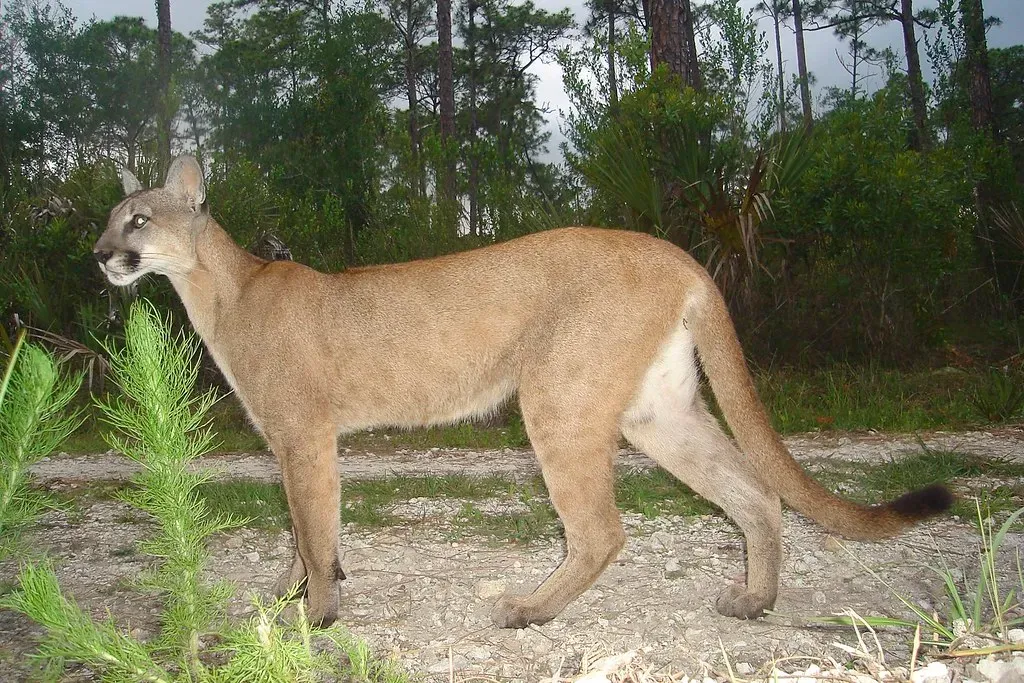
By the late twentieth century, the Florida panther – really a regional population of puma – was down to only a couple dozen animals in a tiny slice of south Florida. Inbreeding had become severe, and strange health issues like kinked tails and heart defects were showing up at worrying rates. Biologists knew that without a bold move, this big cat would quietly fade away, even if the last individuals technically survived for a while longer.
The turning point came when wildlife managers brought in closely related pumas from Texas to restore genetic diversity, combined with stronger habitat protections in key areas. Since then, Florida panther numbers have climbed to several dozen more than before, with a cautiously growing range and occasional sightings farther north than anyone expected a generation ago. They still face crushing pressures from roadkills, development, and fragmented wetlands, but the fact that these cats are breeding, hunting, and raising kittens in the wild instead of a zoo is one of the most hopeful carnivore stories in the United States.
Grizzly Bears in the Lower 48: Clawing Their Way Back
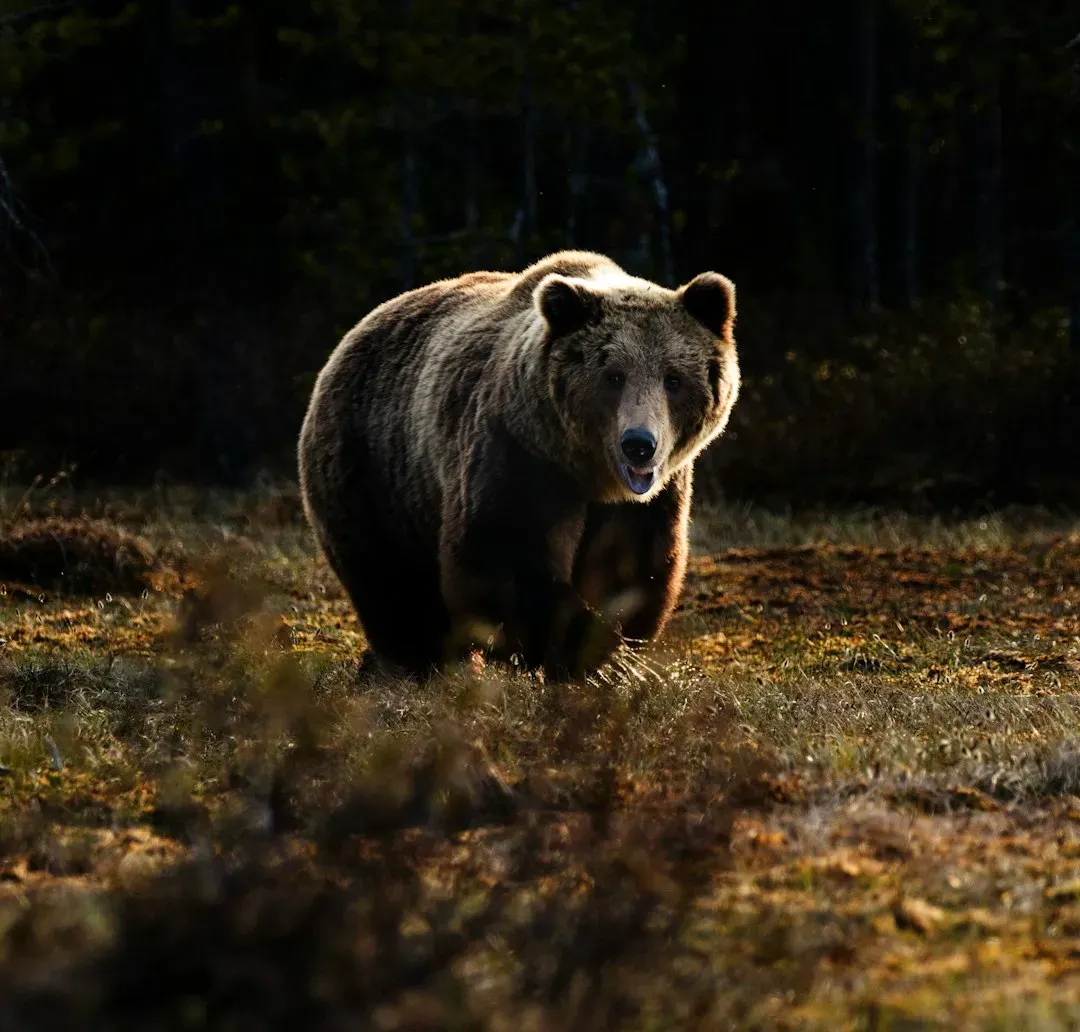
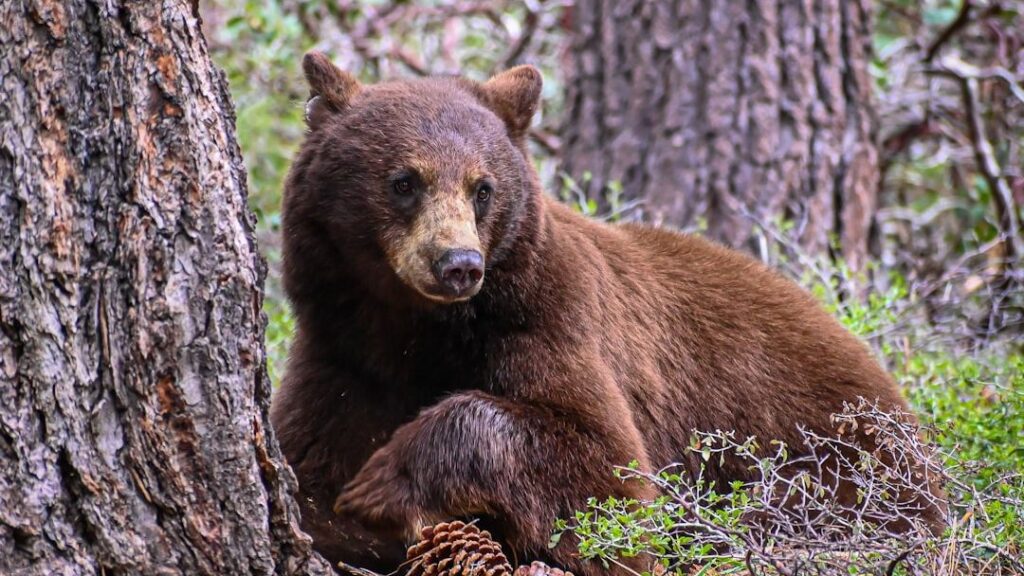
Grizzly bears were once spread widely across the American West, from the Great Plains into the Rockies and down to parts of the Southwest. Aggressive persecution, habitat loss, and unregulated killing shrank that massive range to a handful of isolated populations by the mid twentieth century, mostly in the Northern Rockies. When they were listed under the Endangered Species Act, only a few hundred grizzlies remained south of Canada, and many people assumed they were an artifact of old frontier tales rather than a real presence.
Over the past several decades, strong legal protections, limits on killing, and careful management around major parks and wilderness areas have allowed grizzly numbers in the lower forty‑eight to climb into the low thousands. They now occupy a wider swath of suitable habitat in states like Montana and Wyoming, occasionally wandering into places where no one has seen a bear in living memory. Debates over whether to reduce protections spark fierce arguments, but ignoring the scale of the recovery would be dishonest: these bears have done far better than most people predicted when the last survivors were barely hanging on.
Gray Whales: Coastal Migrants That Almost Didn’t Make It
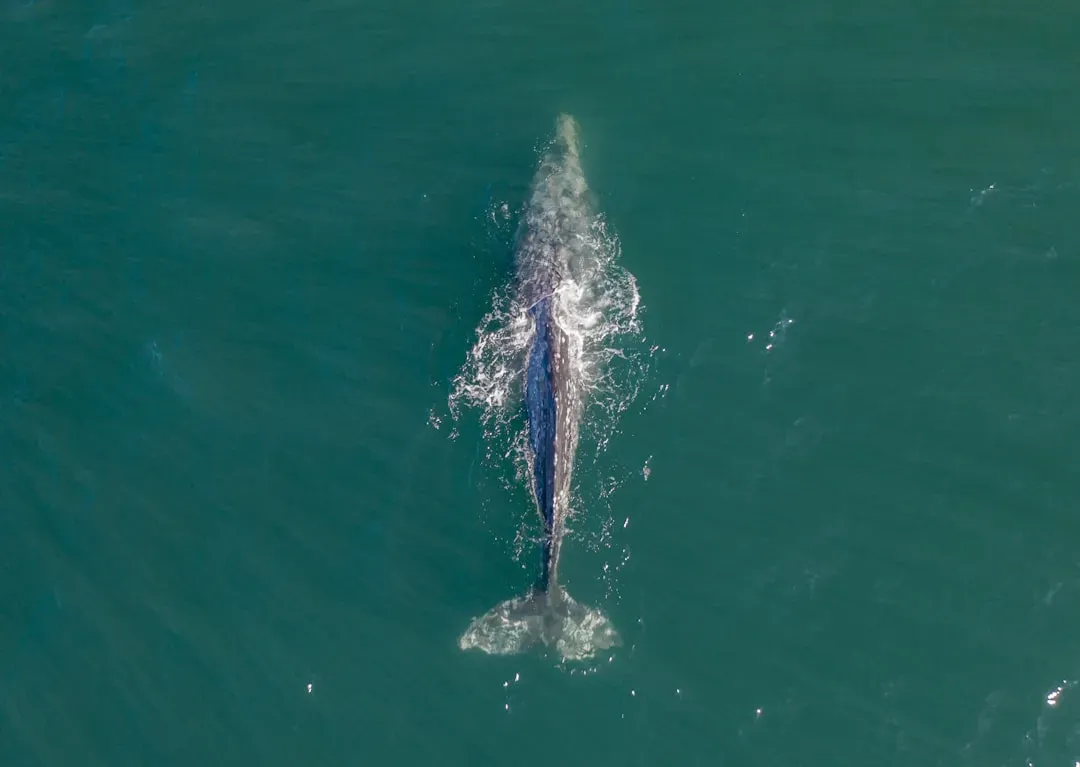
Gray whales, known for their long coastal migrations between warm breeding lagoons and cold feeding grounds, were once hunted heavily along the North Pacific. By the early twentieth century, their numbers had collapsed so badly that some people thought they might follow the same path as the fully extinct North Atlantic gray whale. Strict protections over time shifted that narrative, but it took patience; whales don’t bounce back quickly when each generation takes many years to mature.
In the eastern North Pacific, which includes U.S. West Coast waters, gray whale numbers rose enough that the population was eventually considered recovered and taken off the endangered species list. Today, it’s a seasonal ritual for coastal communities to watch them from shore as they migrate past beaches and cliffs, sometimes bringing calves close enough to see with the naked eye. There have been worrying die‑offs and unusual mortality events in recent years tied to changing ocean conditions and food supply, yet the fact remains that a whale once nearly erased from American waters is now a regular, sometimes daily, sight along long stretches of the Pacific coast.
American Beaver: The Rodent That Re‑Wets Entire Landscapes
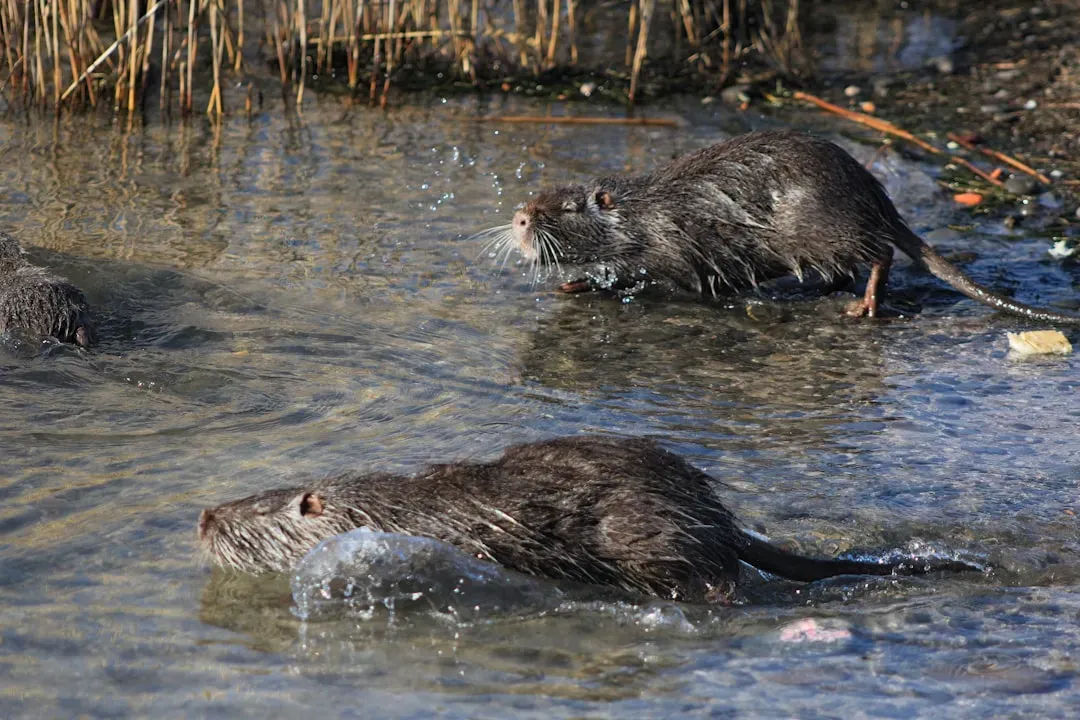
It’s easy to forget that one of the most influential mammals in North America is not a massive predator or dramatic megafauna, but a buck‑toothed, paddle‑tailed rodent. During the fur trade era, beavers were trapped so intensively for their pelts that many watersheds were practically emptied of them. The wetlands, ponds, and complex stream systems they once engineered shrank or disappeared, changing everything from fish habitats to fire patterns on the land.
With trapping pressure reduced, legal protections in place in many areas, and a growing recognition of their ecological value, beaver populations in much of the United States have rebounded. Now, there’s renewed interest in “re‑wilding” beavers to help store water, cool streams, and buffer landscapes against drought and wildfire. In some Western states, agencies and local groups are literally moving beavers back into headwaters where their ancestors were wiped out, and watching as they rebuild watery, messy, life‑filled habitats that feel like time‑lapse healing.
American Alligator: A Reptile That Proved Recovery Is Possible
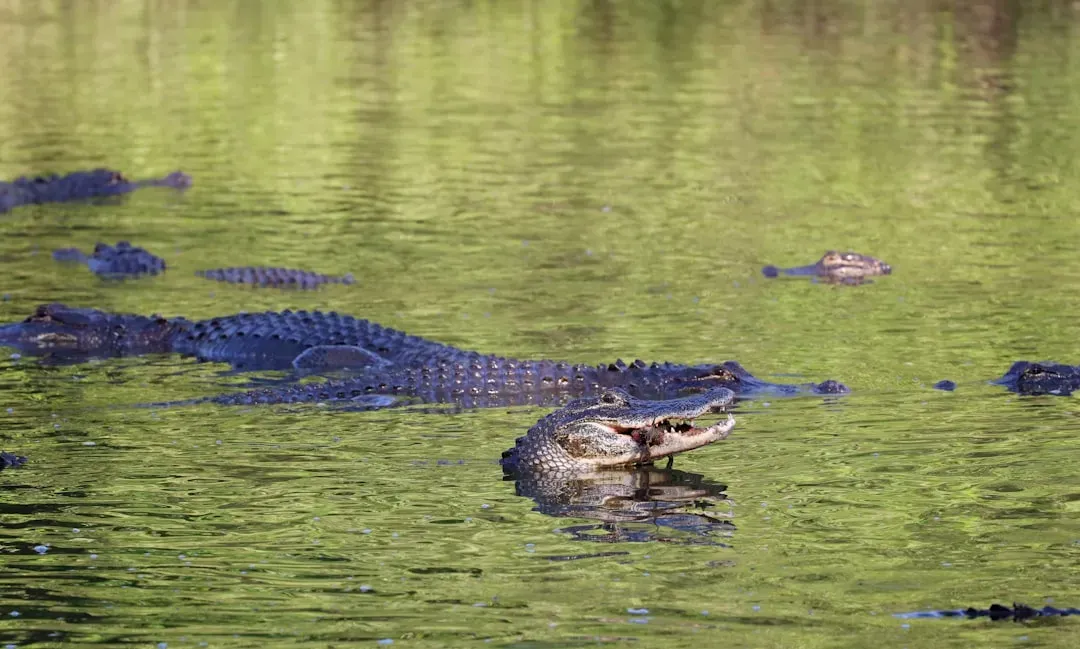
Yes, the American alligator is not a mammal, but it’s such a powerful U.S. conservation story that it deserves at least a quick mention in this lineup. In the mid twentieth century, alligators in the southeastern United States were hammered by unregulated hunting and habitat loss, dropping to levels that triggered federal endangered listing. The idea that this animal could ever be widespread again seemed optimistic at best, especially with wetlands being drained and developed at a rapid pace.
What followed, though, has become a textbook example of how strong legal protection, habitat safeguards, and regulated use can turn a species around. Alligator numbers grew so successfully that they were eventually removed from the federal endangered list, and they are now common enough in many areas that people complain about them showing up in golf courses and suburban ponds. The recovery is not perfect or evenly distributed, but the arc is clear: if a large reptile that scares people can bounce back, then we have far fewer excuses for failing large, charismatic mammals.
Conclusion: Recovery Is Real, But It’s Not Guaranteed
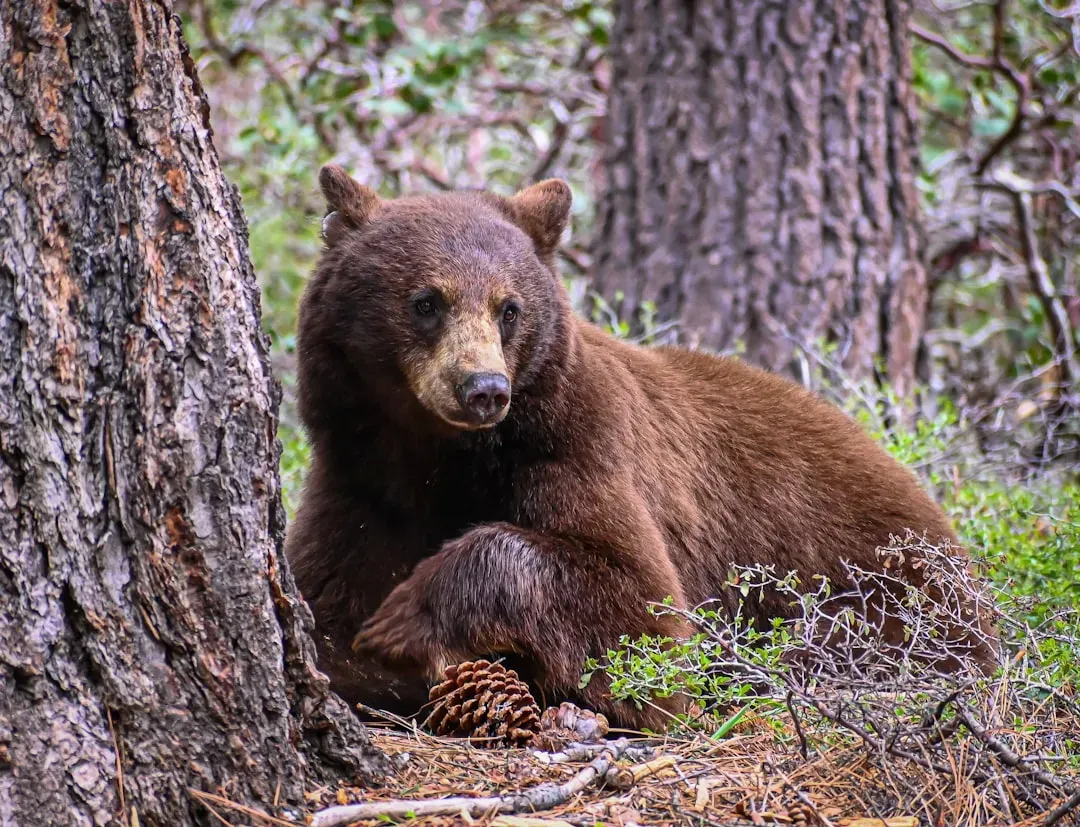
Looking across these stories, it’s tempting to lean back and declare victory: we nearly wiped out bison, wolves, ferrets, otters, whales, big cats, and even ecosystem‑shaping rodents, and yet here they are, still breathing, hunting, breeding, and reshaping landscapes. Personally, I think that kind of optimism is earned – but only up to a point. These recoveries happened because people fought for laws, tolerated inconvenience, and sometimes chose messy coexistence over neat, human‑only landscapes, not because nature quietly “fixed itself.”
The uncomfortable truth is that every one of these species could be shoved back toward crisis if protections crumble, habitats are carved up again, or climate shifts outpace their ability to adapt. To me, the real lesson is not that extinction scares are overblown, but that we actually know how to pull species back from the brink when we decide it matters enough. So the next time someone shrugs and says there’s nothing to be done about a declining animal, maybe these ten come‑back stories are the best kind of argument: living proof. Which of them surprised you the most?