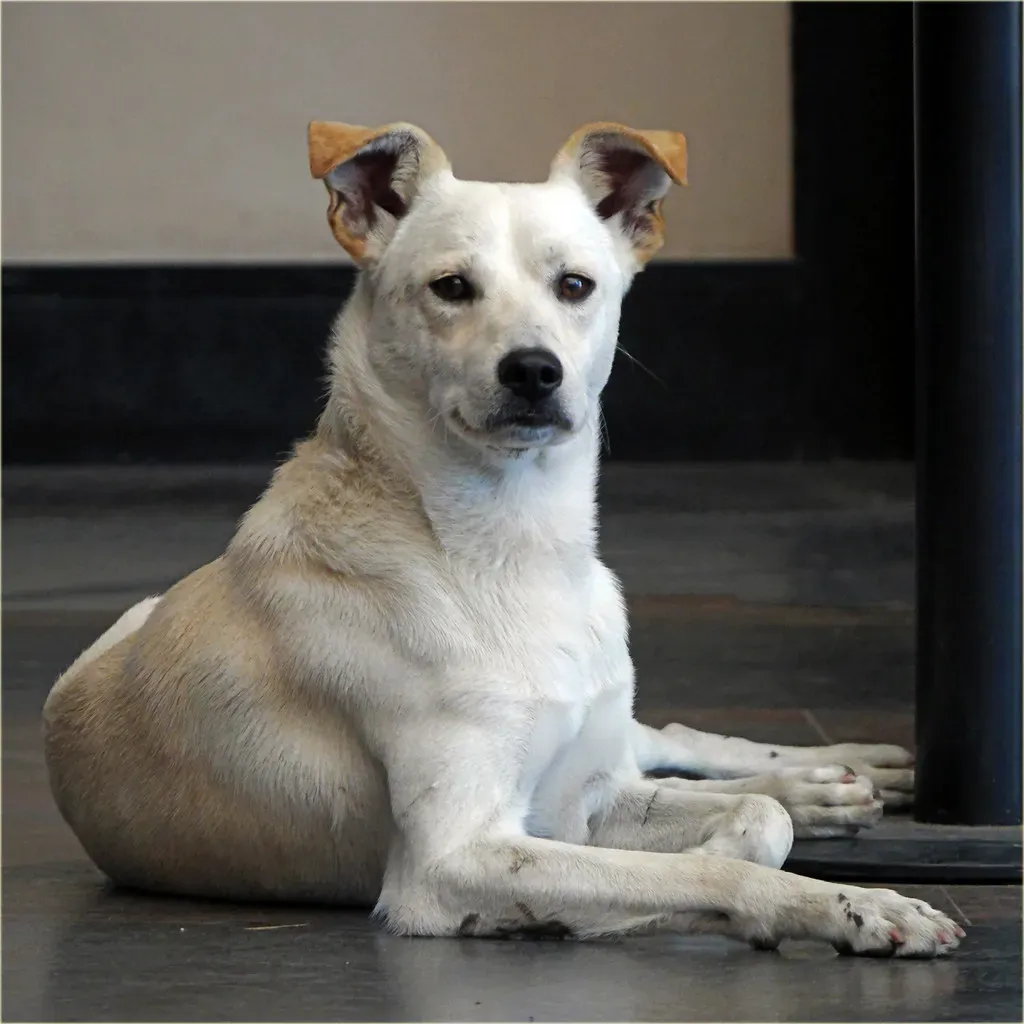
If you’ve ever seen your sweet, floppy‑eared dog suddenly go stiff, stare someone down, or quietly back away from a stranger, you’ve probably wondered if they know something you don’t. It can feel almost eerie, like your dog has a built‑in lie detector hidden behind those big, innocent eyes. And as it turns out, science is finally catching up with what dog owners have been whispering for years: dogs really do seem able to sense when something is off about a person.
The truth is a bit less magical and a lot more fascinating. Dogs are not reading souls or casting moral judgments, but they are absurdly good at picking up patterns of behavior, emotional cues, and even subtle smells that humans miss. When those signals add up to “danger” or “this person can’t be trusted,” many dogs react – and modern research is starting to show how. Let’s break down what is actually known, what’s still theory, and why your dog’s opinion of someone might be worth listening to.
Dogs Watch How People Treat Others, Not Just Them
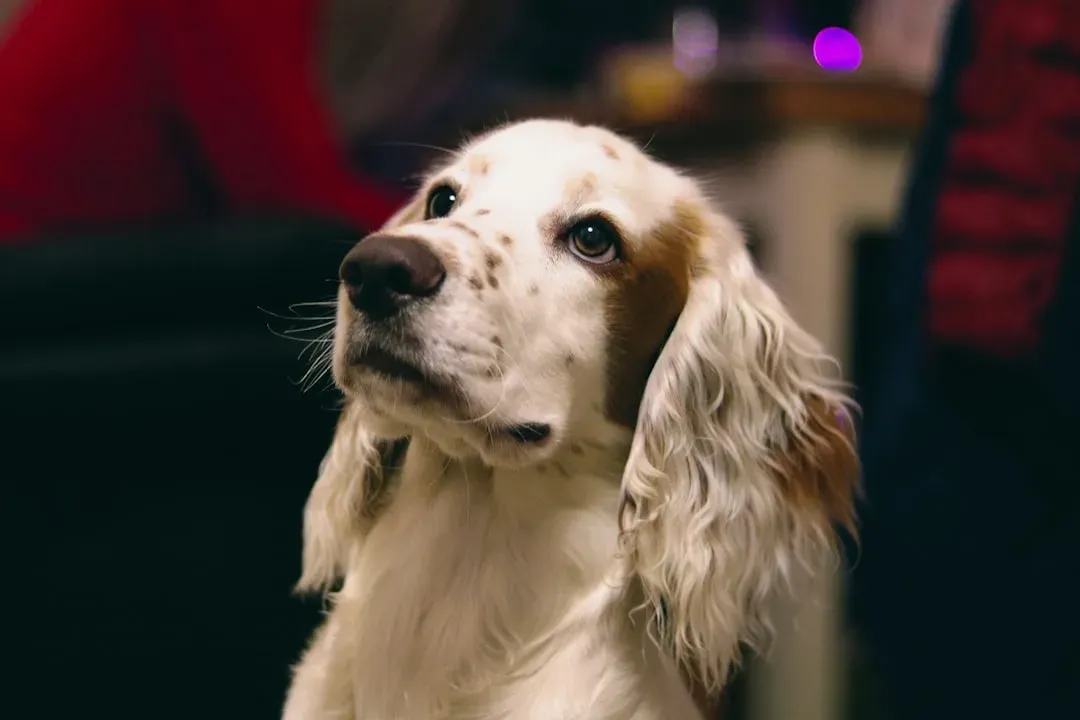
One of the most striking things scientists have found is that dogs don’t just care about how a person treats them personally – they also pay attention to how that person treats someone else. In controlled experiments, dogs observed people either helping or refusing to help another person solve a simple task. When those same people later tried to offer the dog a treat, the dogs consistently gravitated toward the helpful person and were more hesitant with the unhelpful one.
That’s huge, because it suggests dogs have at least a basic social sense of fairness or cooperation. From a dog’s point of view, a “bad person” might simply be someone who is rude, hostile, or uncooperative in social interactions. They’re silently taking notes: Who shares? Who snaps? Who is gentle when they don’t have to be? Over time, a dog builds an internal shortlist of people who seem safe – and people whose vibes they just don’t like.
Their Supercharged Senses Catch Micro‑Signals We Miss
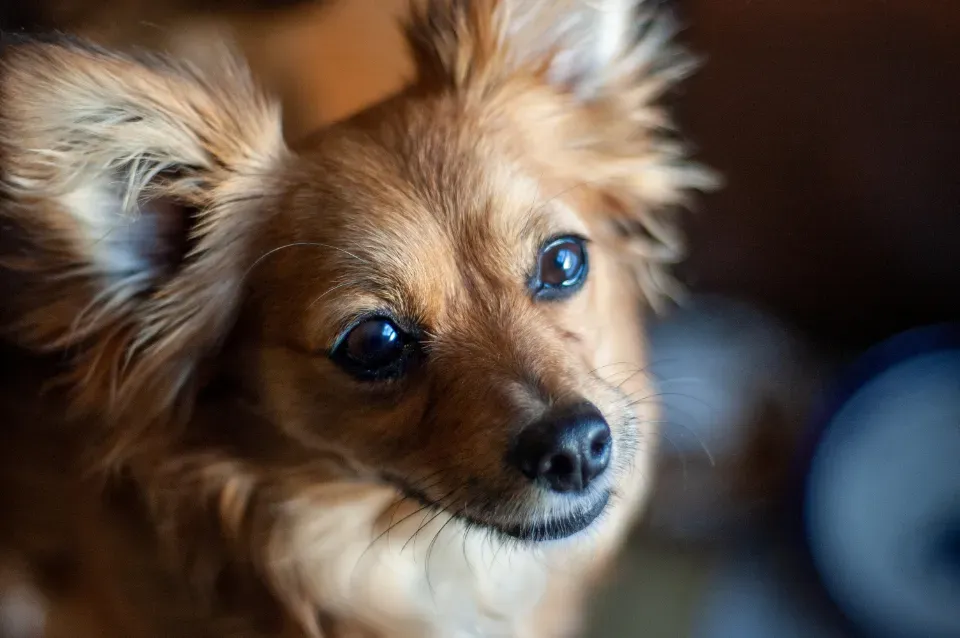
Humans like to believe we’re the observant ones, but beside a dog, we’re practically sleepwalking. A dog’s sense of smell is insanely powerful, and their hearing picks up tiny shifts in tone, breathing, and body tension. When someone is angry, fearful, or hiding something, those emotions can change their scent and physiology in ways we can’t consciously track – but a dog can.
Think about how someone with bad intentions often carries themselves: shallow breathing, tense muscles, odd eye contact, inconsistent facial expressions. Even if they’re trying to act “normal,” their body is leaking micro‑signals everywhere. A dog notices the stiffness in their walk, the way their voice wobbles, the slight change in sweat chemistry. It isn’t magic; it’s data. Your dog is constantly scanning the room like a living radar system, flagging anything that feels out of pattern.
Dogs Are Uncannily Sensitive to Fear, Anger, and Stress
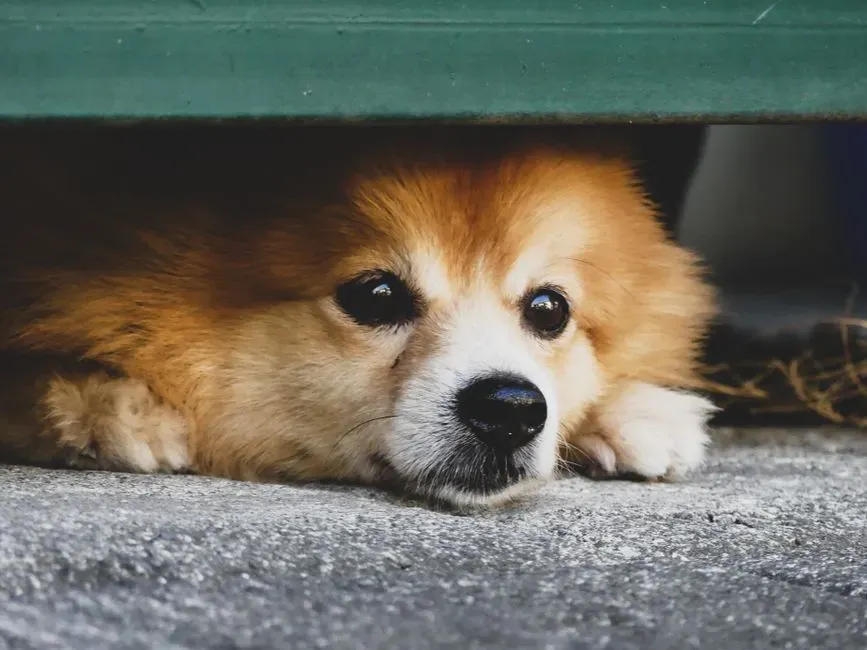
A big part of what we label as a “bad person” is really about how unsafe they make us feel emotionally. Dogs swim in that emotional ocean with us, and in some ways, they’re better swimmers. Research has shown that dogs can distinguish between happy and angry human faces, and they respond differently to each. They not only see the expression, they also seem to link it to the tone of voice and body language.
If someone regularly brings stress, yelling, harsh movements, or chaotic energy into a space, dogs often learn to associate that person with danger. They may bark, avoid, or stiffen up when that person arrives. To the dog, it doesn’t matter if that person is “technically” nice sometimes; the emotional pattern they bring is unpredictable and threatening. Over time, a dog may file that individual under their mental category of “bad news, do not recommend.”
They Remember Who Was Kind – and Who Was Cruel

Dogs have surprisingly good associative memory, especially for events that are emotionally charged. They might not replay scenes in their minds like a human, but they absolutely remember that one visitor who kicked near them or the delivery person who always speaks gently and offers a scratch behind the ears. Those emotional snapshots matter.
If a dog has been mistreated or handled roughly by someone – even just once – that can permanently color how they react to that person and to people with a similar appearance, posture, or scent. From there, what looks like a dog “sensing a bad person” is often a dog recognizing patterns linked to previous negative experiences. I still remember a foster dog I had who would hide every time a tall man in boots walked in, even if he was lovely. Somewhere in her past, boots had meant pain.
Oxytocin and the “Good Person” Feeling
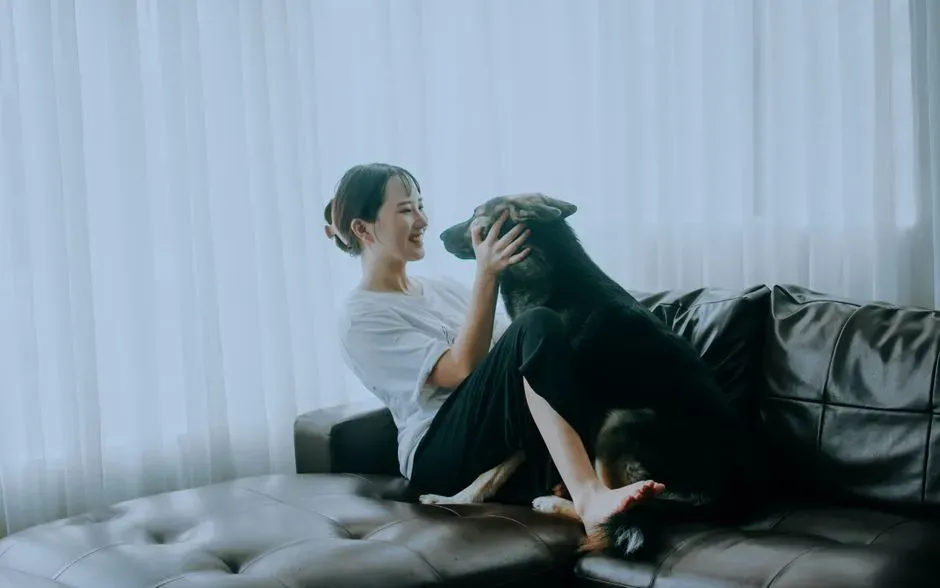
On the flip side, we know dogs experience a surge of bonding chemicals, especially oxytocin, when they share warm social interactions with humans. That same hormone spikes in people when they gaze at or gently pet their dogs. You can think of oxytocin as the body’s internal “trust and safety” signal, a quiet voice whispering, “This is good, stay close.”
When someone consistently interacts with a dog in calm, gentle, predictable ways, that dog’s nervous system starts linking this person with comfort and safety. A “good person,” in dog terms, is one whose presence literally changes their body chemistry in a positive way. The absence of that feeling – or worse, repeated experiences that spike stress hormones instead – helps a dog quietly sort people into the safe and unsafe columns.
Why Dogs Sometimes Get It Wrong
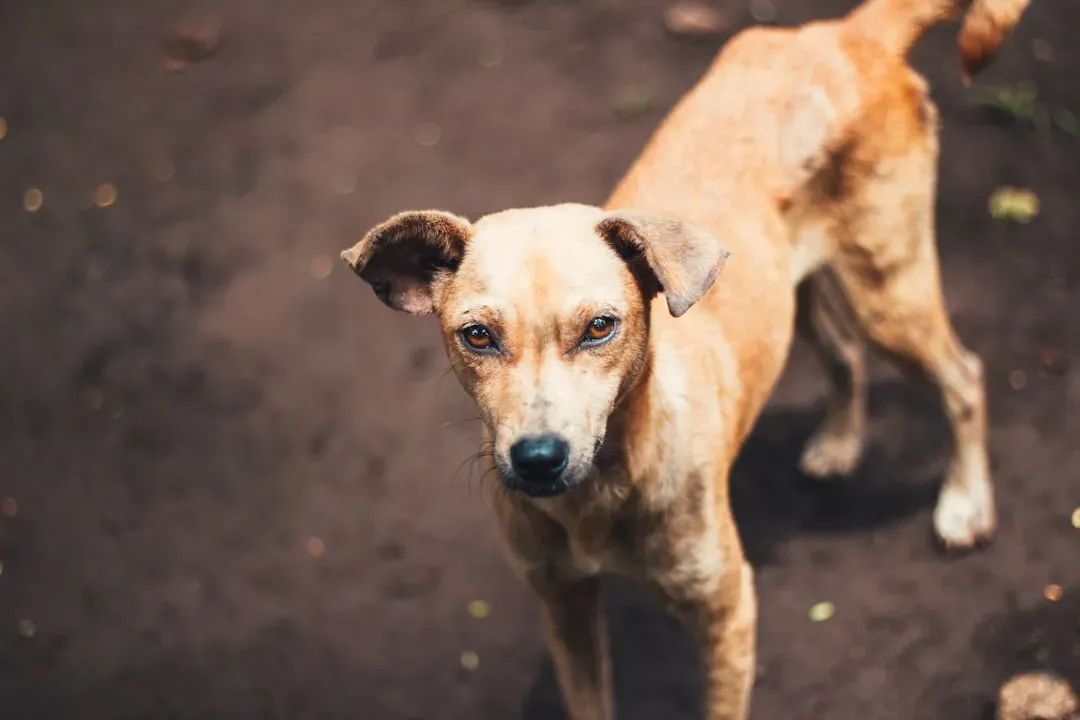
This is where it gets uncomfortable for us dog folks: dogs are not moral judges, and they are not infallible. A shy dog may bark frantically at a totally kind person just because they move quickly or have a deep voice. A confident dog might happily greet someone with questionable motives because that person is skilled at acting charming and relaxed. A dog’s reactions are based on patterns, experiences, and instincts – not on a cosmic readout of someone’s true character.
So when we say “science has proven dogs can sense a bad person,” what science really supports is that dogs can detect unhelpful, antisocial, or threatening behavior, and they remember who makes them feel unsafe. That often overlaps with our idea of a “bad person,” but not always. It’s crucial to respect a dog’s discomfort without turning it into a supernatural judgment about someone’s soul.
The Role of Training and Socialization in “Bad Person Radar”
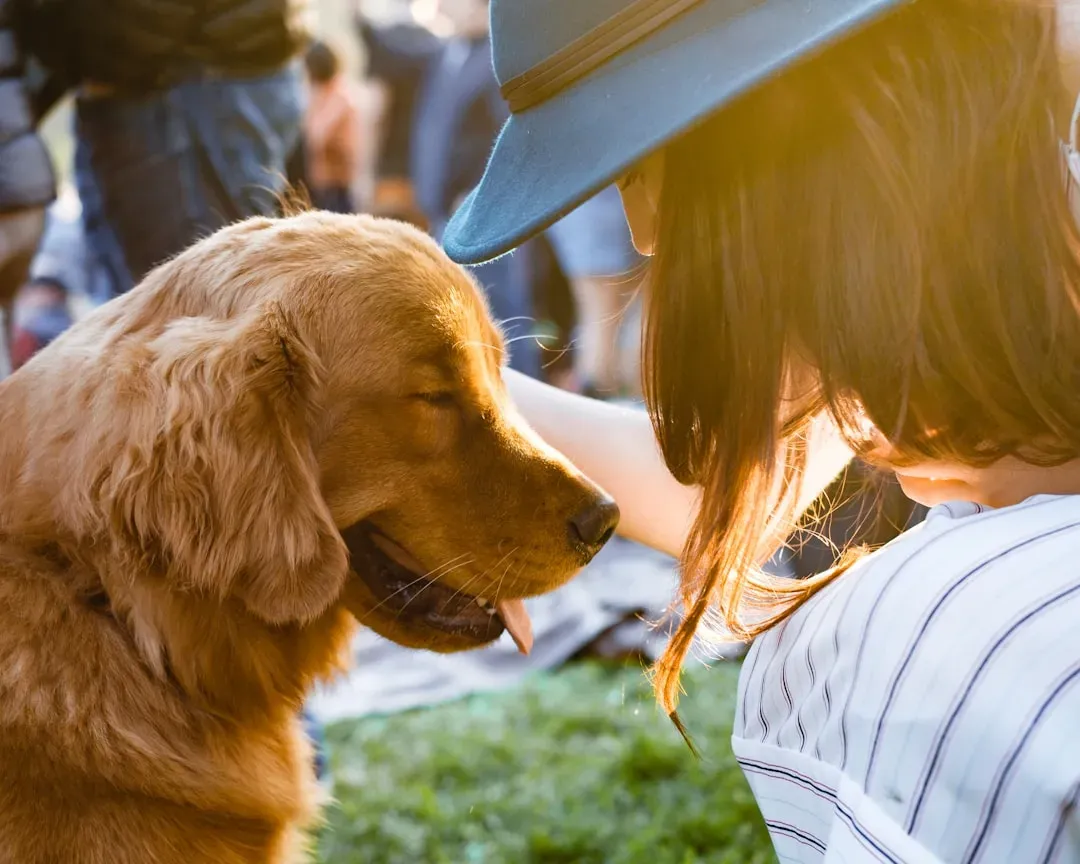
Two dogs raised in different environments can react wildly differently to the same stranger. A well‑socialized dog that has met lots of people, seen different outfits, heard varied voices, and had mostly positive experiences is better at sorting real threat from simple novelty. That dog might be wary of truly aggressive behavior but unfazed by harmless quirks like a big hat or loud laugh.
On the other hand, a dog that grew up with little social exposure, or that only experienced a narrow type of human, may flag almost anyone unfamiliar as suspicious. That doesn’t mean the stranger is bad; it means the dog’s internal database is tiny and heavily biased. Training, socialization, and confidence‑building give dogs more information to work with, so when they do seem spooked by someone specific, it carries more weight.
What Your Dog’s Reactions Can Safely Tell You
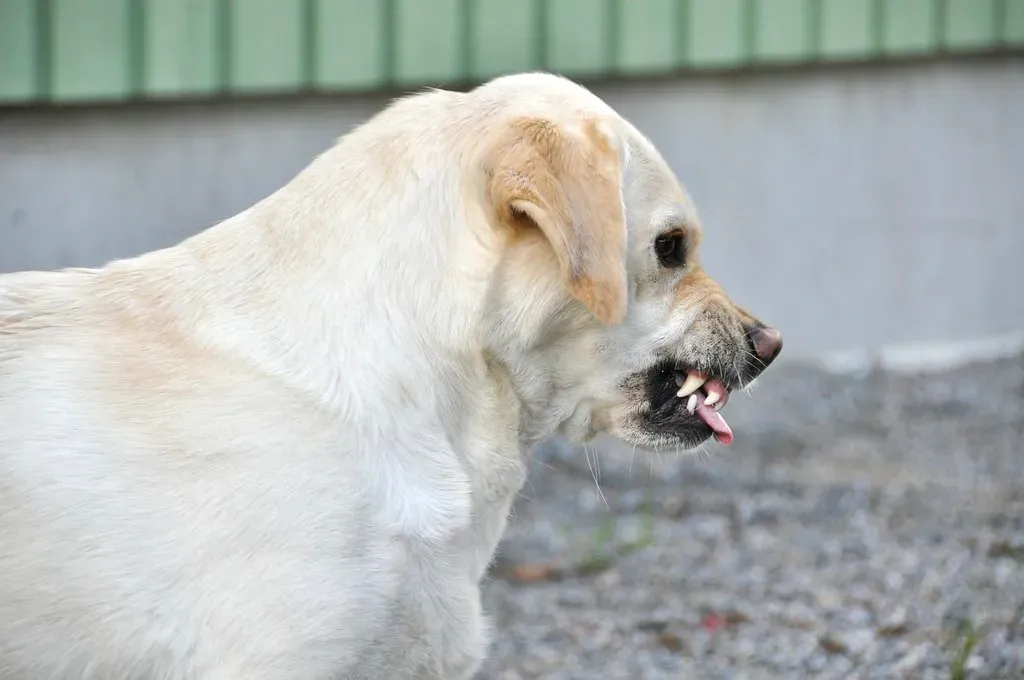
So what do you actually do when your dog suddenly bristles at someone who seems perfectly fine to you? My personal rule is: I listen, but I also think. A dog consistently avoiding or growling at a particular person when they are calm around almost everyone else is worth paying attention to. At the very least, it tells you there’s something in that interaction – tone, posture, smell, or history – that your dog finds unsettling.
That doesn’t mean you must immediately cut that person out of your life, but it’s a nudge to stay observant and maybe slow down your trust until you have more information. Your dog’s body language is like an early‑warning radar, not a final verdict. It gives you data: this person’s presence changes your dog’s emotional state in a clearly negative way, while others don’t. That alone is valuable, even if you never fully understand why.
Conclusion: Trust the Dog, But Use Your Brain
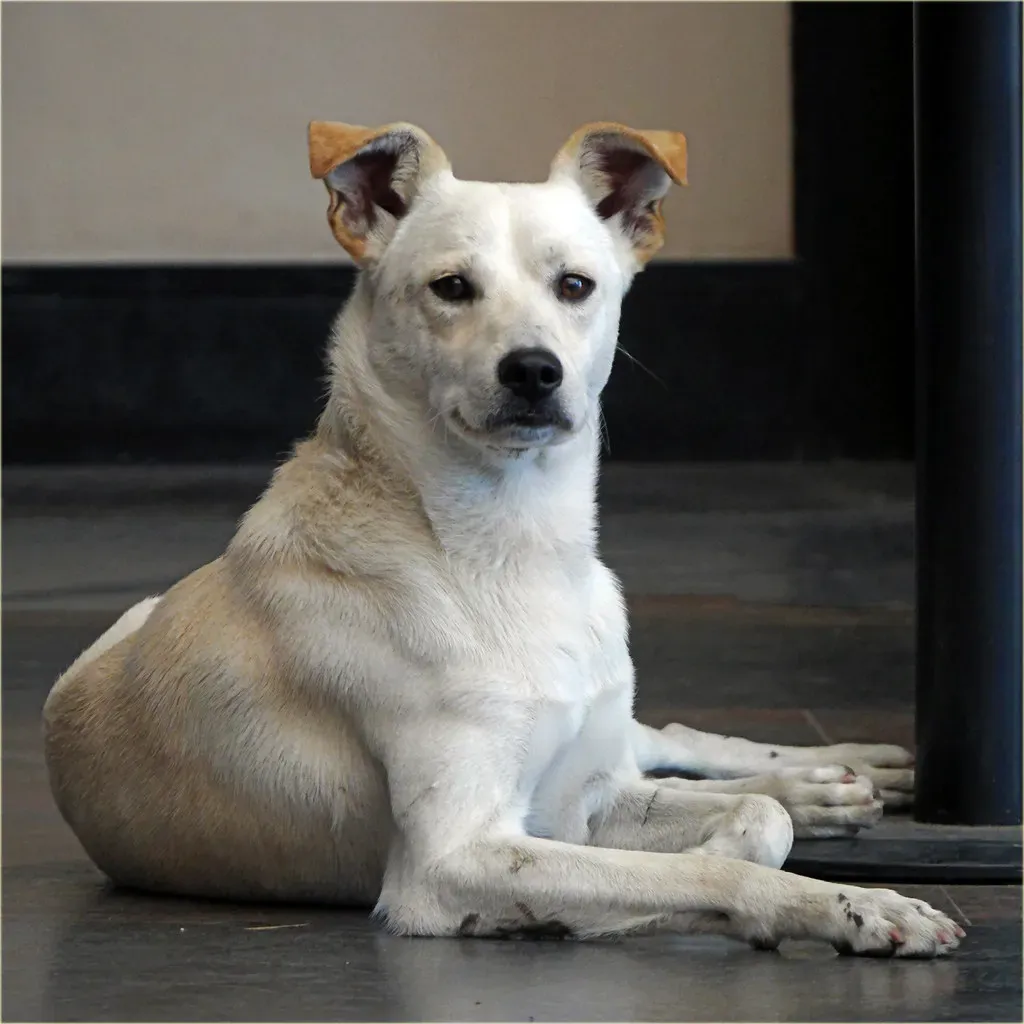
As romantic as it sounds, dogs are not mystical judges of human goodness – but they are world‑class observers of behavior, emotion, and subtle physical cues. Science supports the idea that they notice who helps and who harms, who stays calm and who explodes, whose presence feels safe and whose does not. When those patterns line up with threat, many dogs react in ways that look an awful lot like “sensing a bad person,” and honestly, they’re often onto something.
My opinion? We should absolutely respect our dogs’ discomfort and take their reactions seriously, especially when they are normally relaxed and friendly. But we should not hand over our full moral compass to them either. Use your dog as an extra set of finely tuned antennas, not as judge, jury, and executioner. In a world where humans miss so many quiet warning signs, having a furry little emotional radar at your side is a gift – how often do you really stop to listen to what yours is trying to tell you?