
If you’ve ever watched a sea otter float on its back and crack open a shell on its belly, it’s easy to think of it as just another cute ocean mascot. But under those whiskers and that fluffy fur is one of the most powerful ecological “tools” on the California coast. Sea otters do not just live in kelp forests – they shape them, maintain them, and in some places, literally bring them back from the brink.
Once you see what happens to a kelp forest when otters vanish, it feels almost eerie, like someone turned out the lights in an underwater city. When otters return, the transformation is just as dramatic but in the opposite direction: reefs burst back to life, fish crowds thicken, and the forest itself grows taller and denser. Let’s walk through exactly how these animals became the unassuming engineers of one of the most important ecosystems in the Pacific.
From Nearly Wiped Out to Quiet Comeback Engineers
Not that long ago, sea otters along California’s coast were almost gone, hunted for their dense fur until only a tiny remnant population survived. For decades, people thought otters were basically a side character in the marine food web, but when they disappeared, something strange and troubling happened to the kelp forests: many of them collapsed into barren rocky plains. When biologists later noticed that areas with otters had lush forests and places without them had “urchin barrens,” it flipped the narrative about their importance.
Today, southern sea otters in California are still classified as threatened, and their range is far from fully recovered, yet the stretches of coastline they do occupy tell a powerful story. In those otter zones, kelp can grow thick and towering, almost like old-growth redwood forests underwater, while neighboring stretches without otters struggle with rampant sea urchins and sparse kelp. The contrast is not subtle, and it is one of the clearest real-world examples of how losing a single species can unbalance an entire system.
The Sea Urchin Problem: How Otters Stop an Underwater Takeover
Imagine planting a beautiful garden and then letting loose an army of hungry goats; that’s essentially what happens when sea urchins are left unchecked in a kelp forest. These spiky, slow-moving animals seem harmless, but in huge numbers they can mow down kelp forests by chewing through the holdfasts that anchor kelp to the rocks. Without something to keep urchin populations in check, the seafloor can turn into a purple carpet of spines with barely a scrap of kelp left.
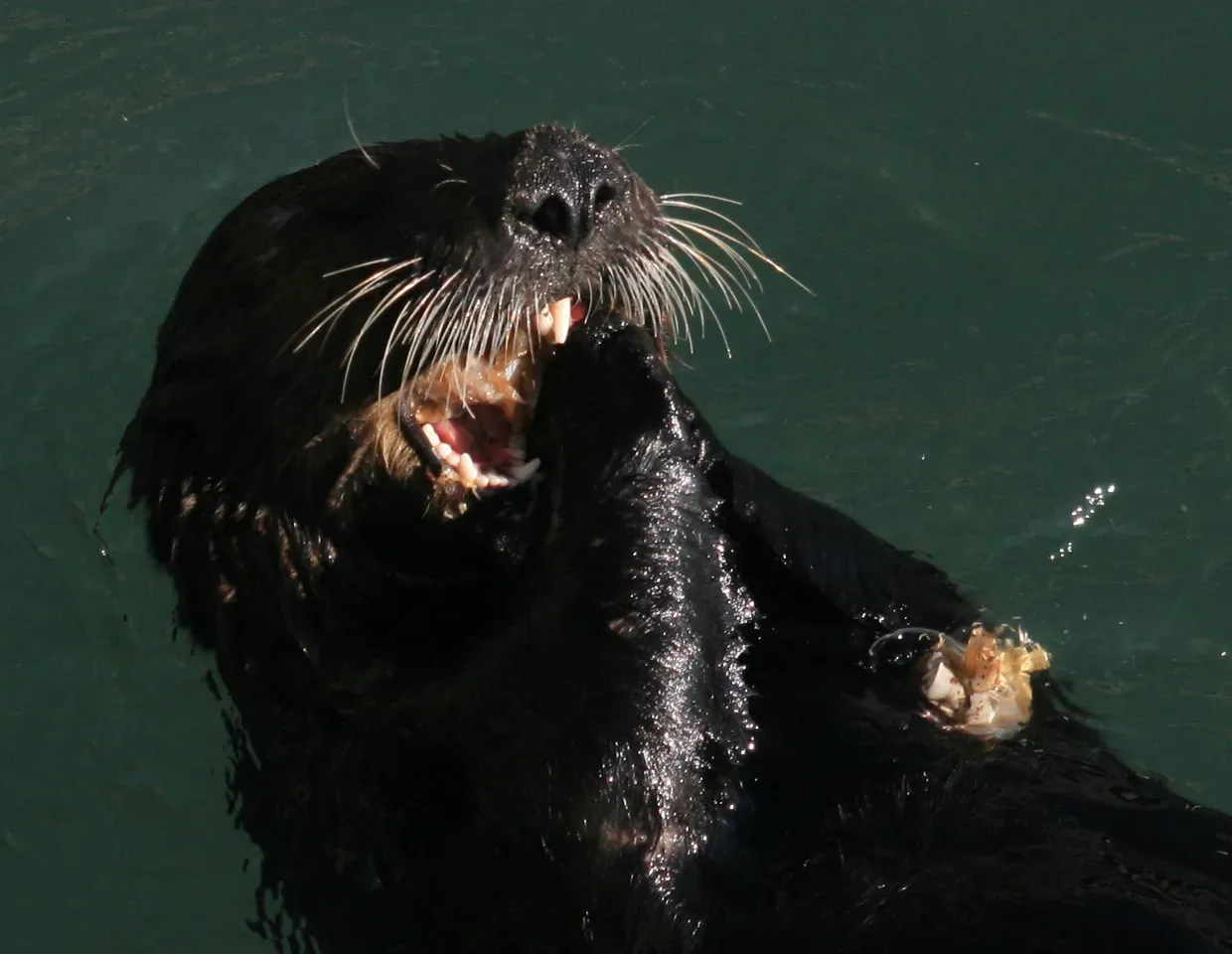
This is where sea otters show up like a specialized pest-control team. Otters actively seek out large, nutritious urchins and eat stunning amounts of invertebrates every day just to fuel their high metabolism. By targeting big urchins – the ones that do the most damage to kelp – they keep urchin populations at levels that the kelp can withstand, preventing those devastating urchin barrens. The result is not just fewer spiky grazers, but a total shift in the balance of power between kelp and everything that wants to eat it.
Designing Vertical Forests: How Otters Build Structure, Not Just Greenery
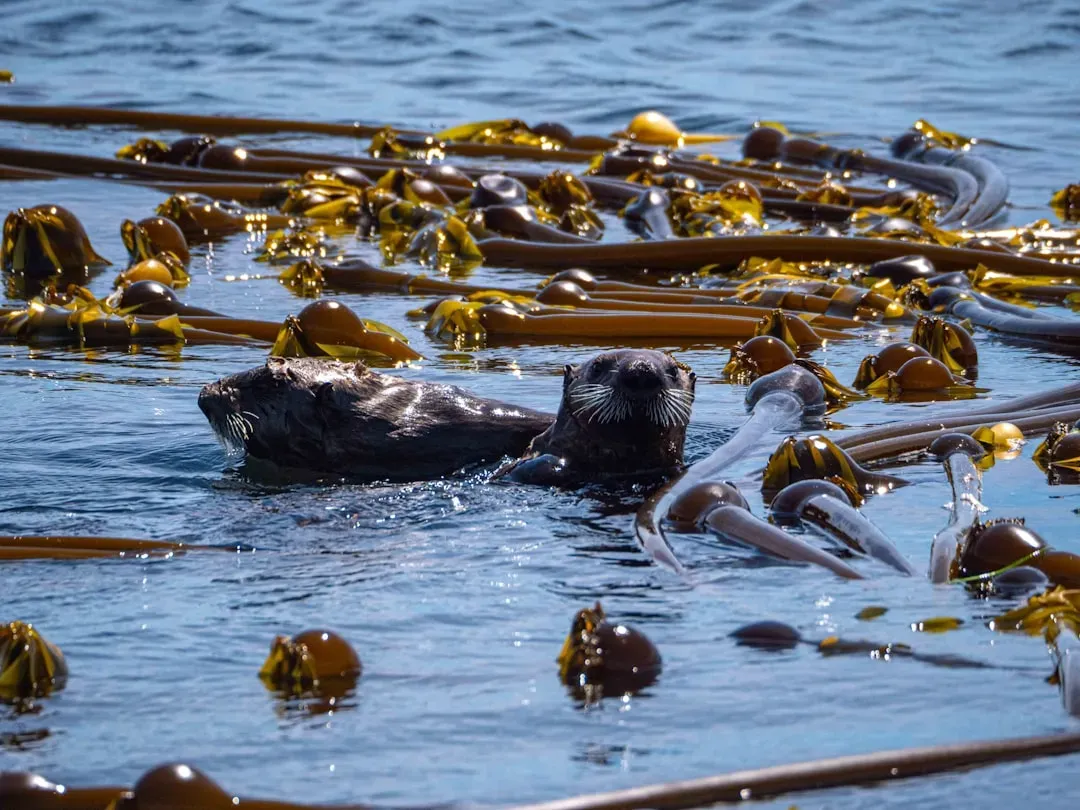
Calling kelp forests “forests” is not just poetic; they really do function like underwater woodlands with trunks, canopies, and layers of habitat from top to bottom. Sea otters, by protecting kelp from overgrazing, indirectly determine how tall and dense those forests become. Taller kelp with thick canopies shades the seafloor, slows down waves, and creates sheltered corridors where fish, crabs, and invertebrates can live, hide, and hunt.
In places with strong otter presence, you often see kelp forests that feel like full three-dimensional cities, crowded with life at multiple “floors.” Remove the otter, and those cities flatten almost literally: the towering fronds thin out, the canopy breaks up, and suddenly the structure that many species depend on simply is not there. Otters are not architects in the conscious sense, but the way they manage urchins ends up designing the blueprint for how that whole underwater landscape is built.
Food Web Shockwaves: When One Predator Multiplies Biodiversity
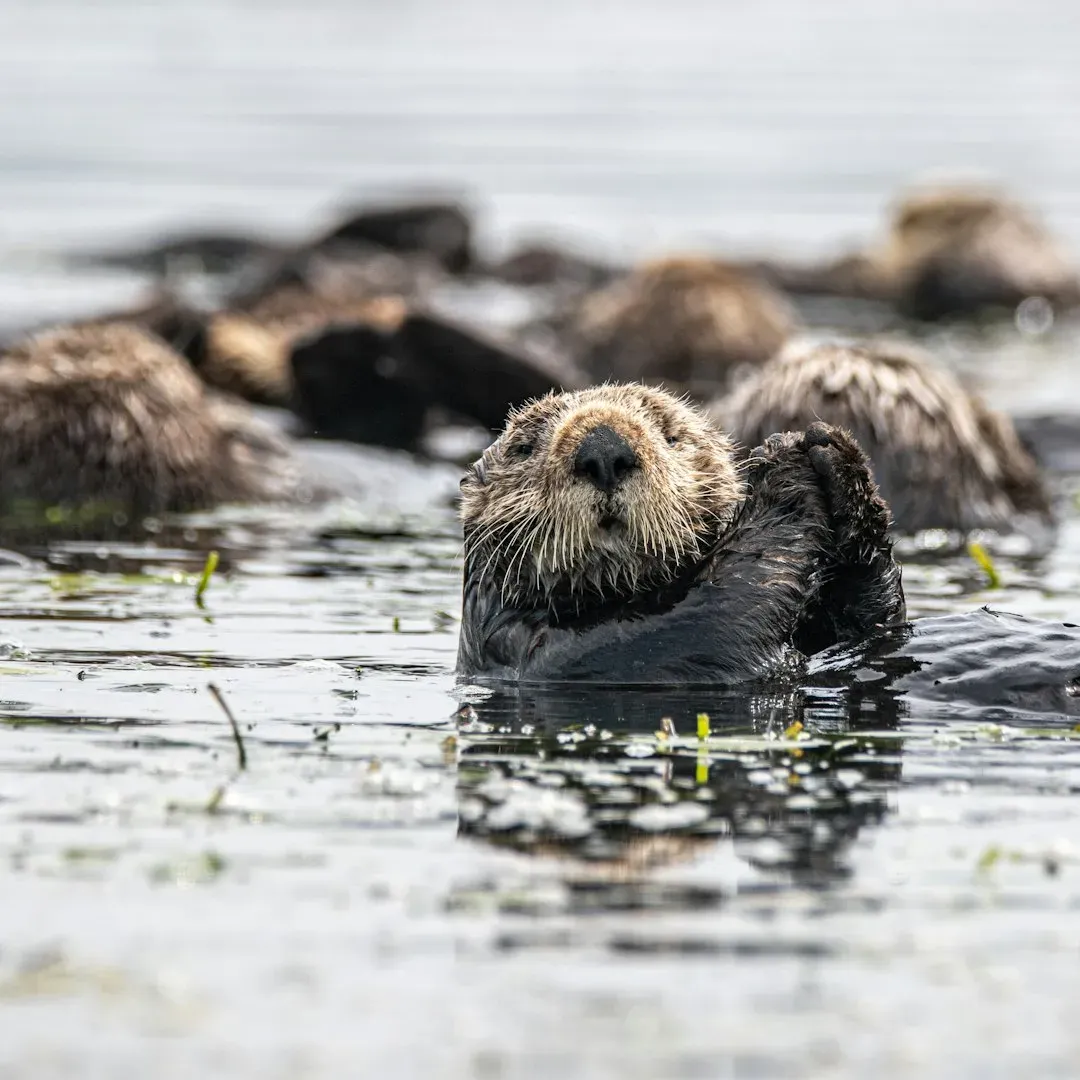
One of the wildest things about sea otters is that they are relatively small predators that throw off absolutely oversized effects. By defending kelp, they create safe spaces for fish like rockfish, perch, and greenlings to grow and reproduce in greater numbers. More fish and invertebrates mean more food for larger predators such as seals, sea lions, and bigger fish further up the chain. It is like a positive economic ripple, but in ecological form.
Scientists have repeatedly found that areas with thriving otter populations often support richer, more complex communities of species than similar areas without otters. Instead of a simplified system dominated by urchins and a few hardy survivors, you get a layered, busy, noisy ecosystem with many different niches. The otter’s role here is not subtle; it is a classic case of a top predator shaping the abundance and diversity of species far below it on the food web, simply by being very, very good at eating the right things.
Otters, Kelp, and Climate: A Hidden Carbon Engine
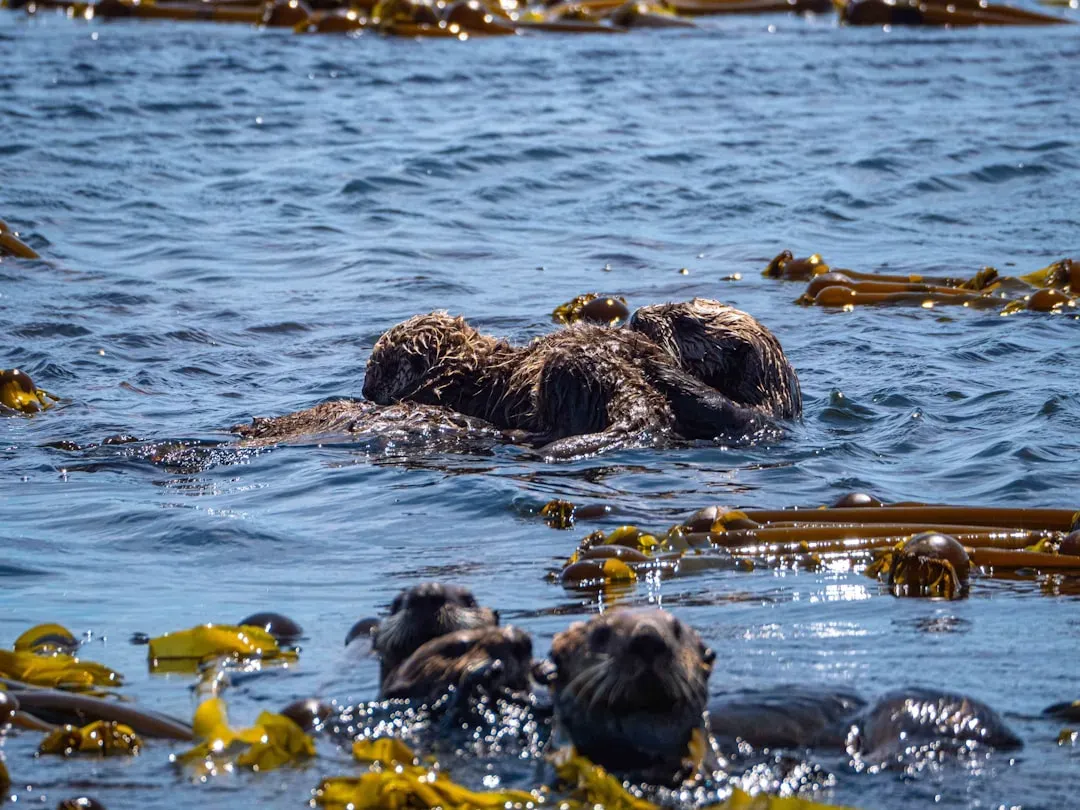
Here is where the story becomes surprisingly modern: kelp forests are not just pretty habitats; they are also powerful engines of carbon capture. Healthy, dense kelp forests soak up carbon dioxide as they grow, turning it into biomass at a pace that makes many land plants look slow. When otters keep urchins in line and let kelp thrive, they indirectly boost the amount of carbon that is pulled out of the water and stored in kelp tissue and associated sediments.
Some research has suggested that otter-protected kelp forests can hold significantly more carbon than similar coasts without otters, though the numbers vary by location and conditions. While kelp alone is not going to fix climate change, it is part of a growing recognition that intact, predator-rich ecosystems are natural climate tools in disguise. In a world scrambling for climate solutions, the idea that a furry coastal predator helps turbocharge a blue-carbon system feels almost too poetic – but it is backed up by real, measurable changes in kelp growth and persistence.
Engineering in Motion: Constant Maintenance, Not One-Time Construction
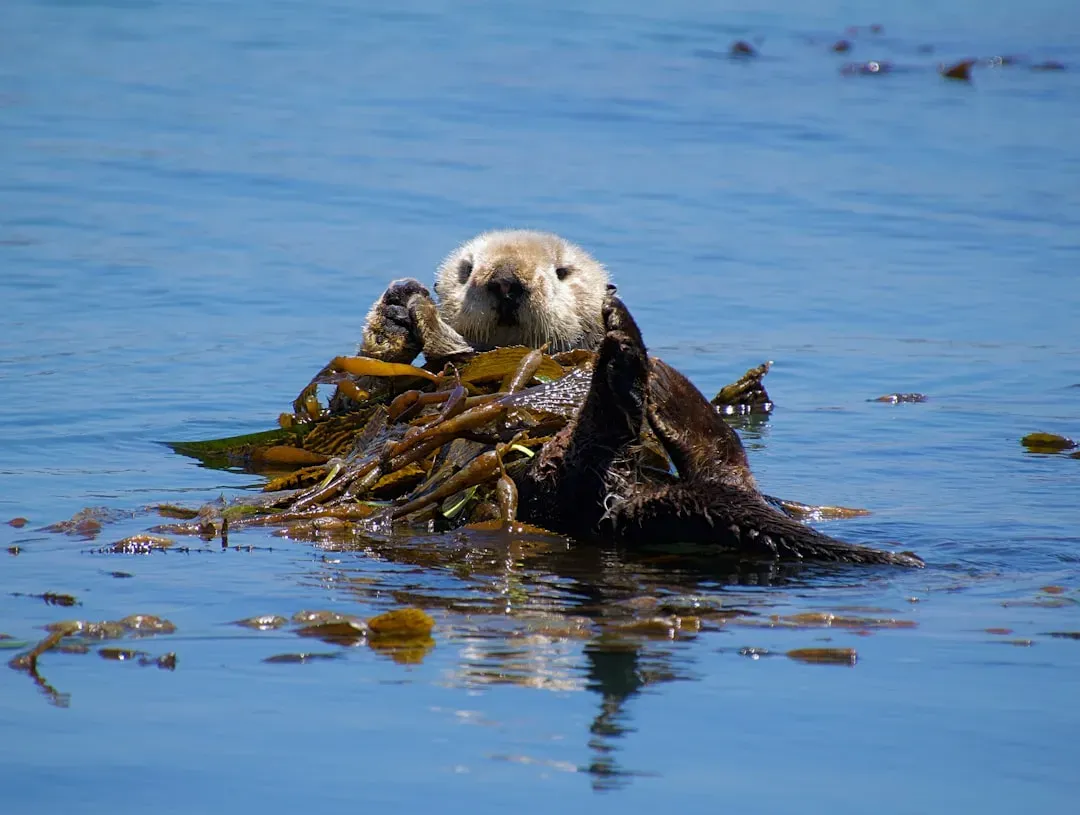
Engineers do not just design structures; they maintain them, upgrade them, and adapt them when conditions change. Sea otters operate the same way, constantly fine-tuning the kelp forest through their everyday feeding choices. They shift where they forage, which prey they target, and how long they linger in a patch, responding in real time to changes in urchin numbers, abalone, crabs, clams, and other prey. That constant pressure keeps the ecosystem from sliding toward instability.
The result is an ecosystem that is more resilient to shocks like storms, heat waves, or short-term drops in kelp growth. Where otters are active, kelp forests tend to bounce back more quickly after disturbances because the grazers that could lock the system into a barren state never fully take over. In that sense, otters are not just builders; they are like an ever-present maintenance crew, preventing small problems from becoming structural failures in the kelp forest.
Human Neighbors: Fishing, Tourism, and the Otter Trade-Offs
Of course, this story is not all soft fur and easy heroes; otters complicate human plans, especially along the working coast of California. They love the same shellfish humans prize, such as crabs, clams, and abalone, which has led to real tensions with some fishers and coastal communities. When otters return to an area, shellfish catches can drop, and that is not just an abstract ecological effect – it hits people’s wallets and traditions.
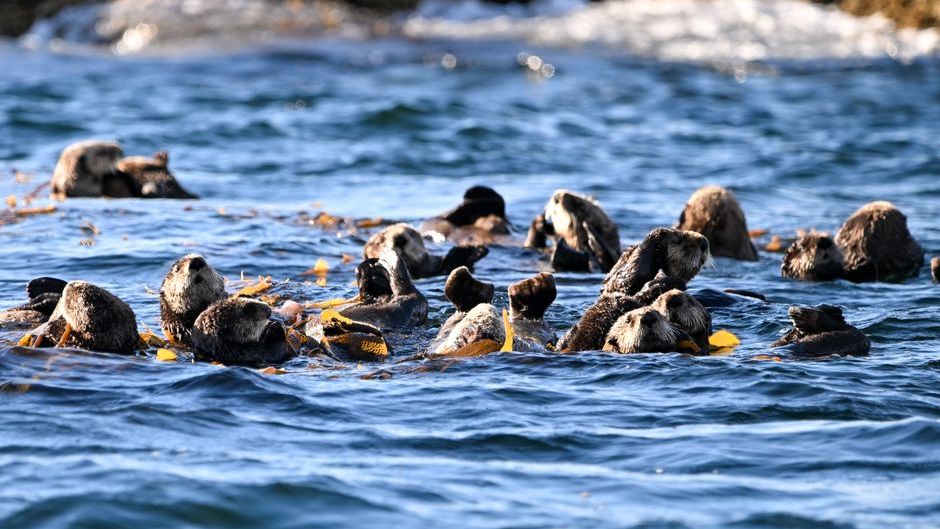
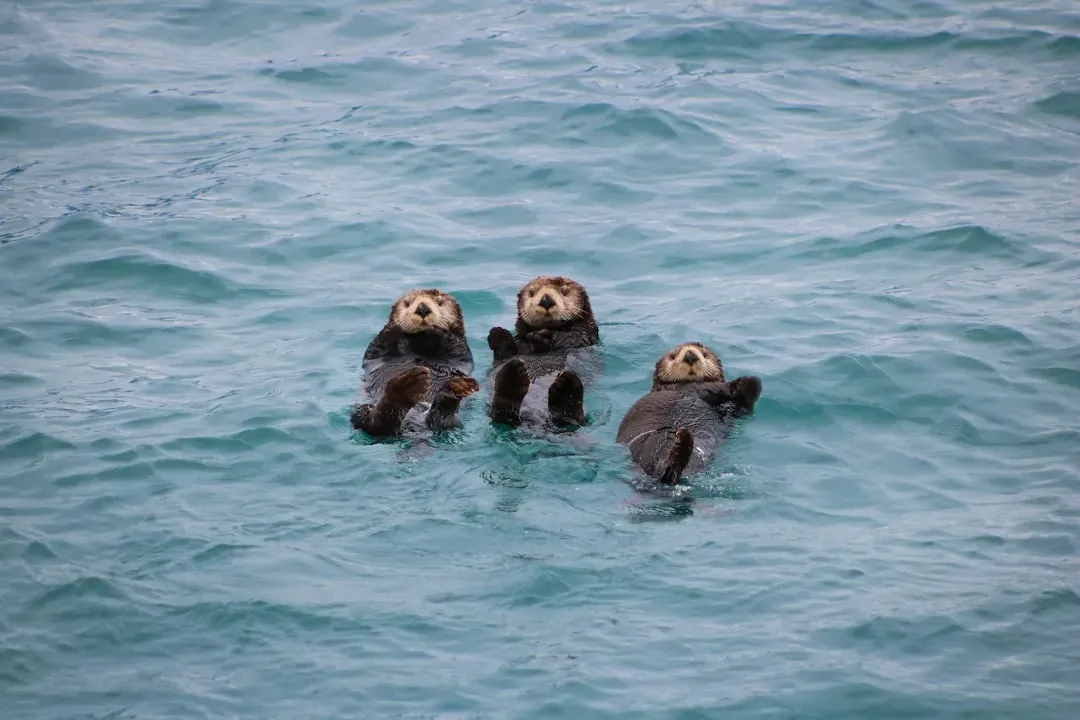
At the same time, otters drive tourism, branding, and a sense of place that is hard to quantify but very real for many coastal towns. People travel specifically to see sea otters rafting in kelp beds, and that interest supports local businesses and builds public support for marine protection. The challenge is not pretending there are no trade-offs, but being honest about them and deciding, as a society, whether we value the full kelp forest ecosystem – with all its complexity – more than the more simplified, human-controlled version without otters.
Why Sea Otters Prove That Conservation Is About Systems, Not Just Species
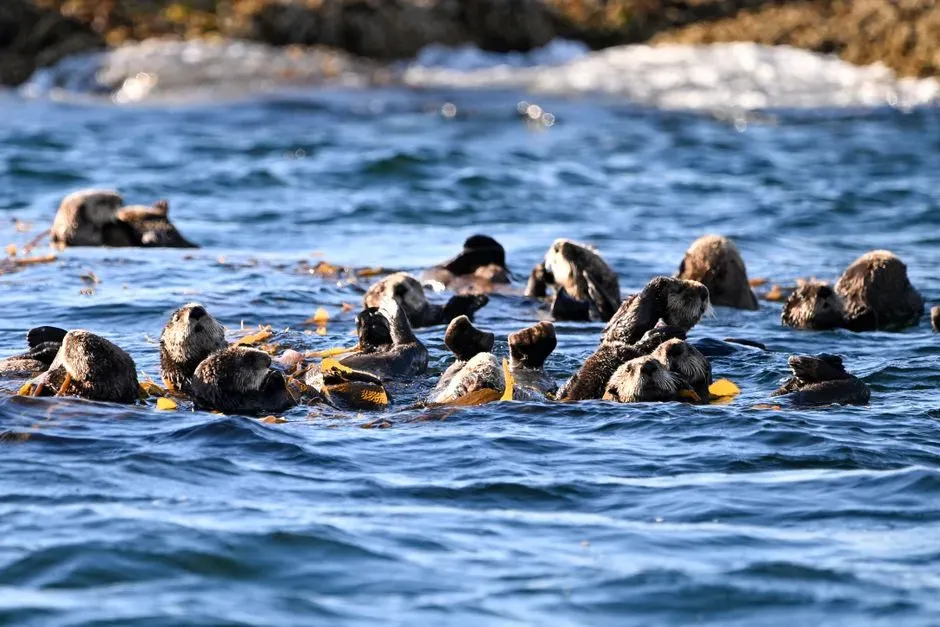
If there is a big lesson hiding inside the sea otter story, it is that conservation is never just about saving one charismatic animal. When you protect otters, you are indirectly voting for taller kelp forests, richer fish communities, stronger coastal protection from waves, and a bit more carbon stored in the ocean. The proof that they are engineers is visible from a boat, a drone, or a snorkel mask: where they are present and thriving, the entire seascape looks and behaves differently.
In my view, it is a mistake to treat otters as optional extras in the marine system, something we conserve only if it is convenient for our economic plans. They are a core part of how the kelp forest works at all, like keystones in an arch or the foundation of a house: remove them, and everything above becomes shakier. California’s coast feels more complete with otters in it, not just emotionally, but structurally and scientifically. The real question is whether we are willing to share the shoreline with a species that unapologetically rearranges the ecosystem around it – because, as the kelp forests keep reminding us, that rearrangement is exactly what makes the system truly alive.