
If you feel most alive when the world goes quiet, you’ve probably wondered what’s wrong with you. Why are you suddenly focused at 11:30 p.m. when everyone else wants to sleep? Why does the dark feel comforting instead of scary? You might have labeled yourself an introvert, a misfit, or just “bad at mornings.” But your brain might be running a far older program than you think.
Neuroscience and evolutionary biology are slowly piecing together a striking possibility: some of us may be wired with a circadian rhythm that echoes a time when our ancestors were more active, alert, or strategically awake at night. The modern world calls you a night owl. Your brain might remember you as a hunter, a watcher by the fire, or the one who kept the group safe while others slept.
The Night Owl Brain: Not Broken, Just Different
One of the most surprising things neuroscience keeps finding is that there isn’t just one “normal” human circadian rhythm. Instead, there is a whole spectrum of chronotypes, from very early risers to hardcore night owls, and these patterns are strongly influenced by genetics. Some people’s internal clocks are naturally delayed by hours, making their brains peak in alertness and creativity at night rather than during the morning rush.
If you’re one of those people who feels like your brain finally switches on when the sun goes down, that isn’t laziness or lack of discipline; it is biology. Brain imaging and hormone studies show that night-oriented people can have different timing in the release of melatonin, body temperature cycles, and even attention networks. In other words, your system isn’t off; it is just calibrated to a different part of the 24‑hour cycle than what society prefers.
Ancestral Echoes: Why Evolution Needed Night People
Imagine a small group of early humans sleeping in the open, surrounded by predators, sudden weather, and rival groups. If everyone slept deeply at the exact same time, that would be a disaster. Anthropologists talk about something like a “sentinel effect” in hunter‑gatherer bands, where different people naturally wake up and fall asleep at different times, so someone is almost always half-awake, listening, watching, tending the fire.
In that kind of world, a person who naturally likes being up late, moving quietly, and scanning the environment would be incredibly valuable. Being drawn to the night could mean you were part of an evolutionary strategy: the informal night guard, the one whose brain is wired to stay alert when others drift off. When you sit awake at 1 a.m. now, scrolling, writing, gaming, or thinking, you might just be playing out a role your nervous system learned long before smartphones existed.
How Circadian Rhythms Actually Work in the Brain
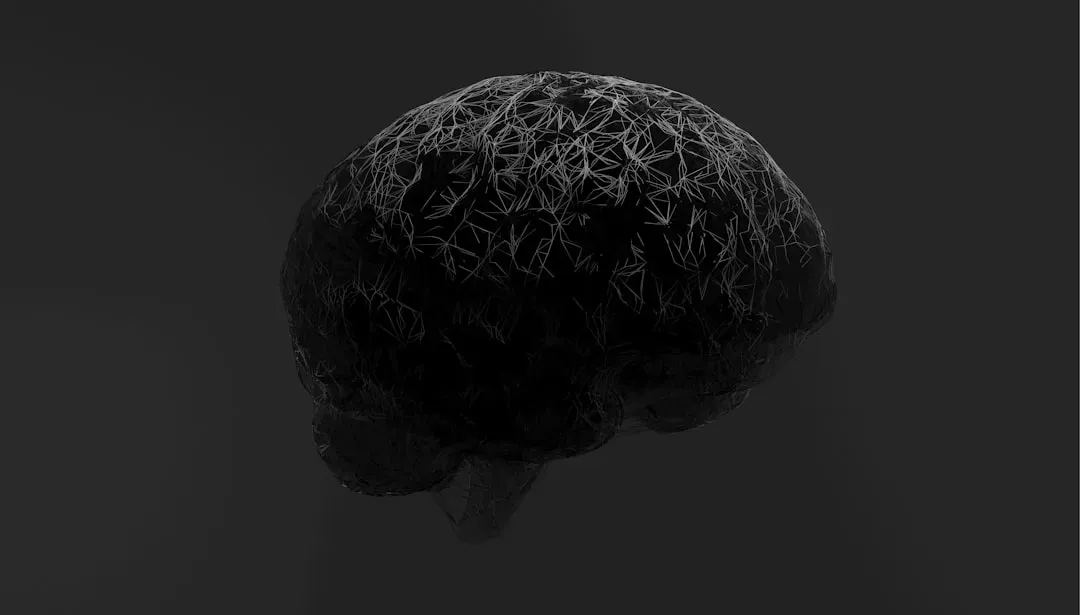
Underneath all of this is a surprisingly small piece of brain tissue with a big job: a region in the hypothalamus that acts like a master clock. This clock gets information about light from the eyes, then coordinates hormone release, body temperature, hunger, and sleep pressure across your entire system. It doesn’t just flip you from “awake” to “asleep”; it carefully shifts you through cycles of alertness and drowsiness over the day and night.
But that master clock isn’t the whole story. Each organ and even many cell types have their own local clocks, tuned slightly differently from person to person. In night-oriented people, the whole orchestra is shifted later: their peak mental performance, reaction time, problem solving, and even emotional regulation might happen when it’s dark outside. Calling that “wrong” is like calling jazz bad because it doesn’t sound like classical; it is a different pattern, not a defect.
Were Humans Really Nocturnal Hunters? Untangling the Myth
The idea that humans were once fully nocturnal hunters is more romantic than solidly proven, and this is where we need to be careful. Most evidence suggests that early humans were generally diurnal, meaning active during the day, with a strong reliance on vision and daylight. Our eyes, our color sensitivity, and our reliance on facial expressions all point to daylight being our main stage.
However, that doesn’t mean nights were for complete shutdown. Evidence from hunter‑gatherer groups shows that people did stay awake at staggered times during the night, sometimes for storytelling, sometimes for rituals, and sometimes simply because they could not or did not want to sleep. So while humans as a whole were not pure nocturnal predators like owls or big cats, evolution almost certainly favored having some individuals who were comfortable operating, watching, and thinking clearly in the dark.
Why Some People Crave Solitude When the Sun Goes Down
There’s another layer here that neuroscience is just beginning to understand: why the night often feels emotionally safer for some people. When the world quiets down, social expectations drop away. No one is emailing, nobody expects immediate replies, and the constant background noise of other people’s plans, opinions, and demands fades. The brain systems that manage social stress and self‑consciousness can finally downshift.
For people who are more introverted, anxious, or highly sensitive to stimulation, this low‑demand environment can feel like oxygen. The combination of darkness, lower sensory input, and fewer interruptions allows the brain to wander, reflect, and connect dots in a way that is very hard during the day. You’re not just procrastinating; in many cases, you’re finally getting access to the kind of mental space your nervous system needs to recharge and make sense of things.
Late‑Night Focus, Creativity, and the “Hunter’s Mindset”
Many people who love the night report a kind of tunnel vision that kicks in: fewer distractions, deeper focus, and a feeling that time bends. Some researchers think this might be tied to changes in neurotransmitters and arousal systems as the circadian day winds down. The brain may reduce some forms of inhibition and background monitoring, which can paradoxically make it easier to dive into a task or a creative project without constantly second‑guessing yourself.
If you map that onto a hunting or watchful role, it makes intuitive sense. A good nocturnal hunter or sentinel would need to be calm but alert, tuned in but not scattered, able to notice small signals in the noise. The way many night people lose themselves in coding, writing, gaming, or drawing can feel eerily similar: a narrow but powerful beam of attention, as if your brain is saying, “Nothing else matters right now except this one thing out in the dark.”
When a Night‑Biased Rhythm Clashes With a Day‑Biased World
The problem isn’t that some people are wired for later nights; the problem is that our culture is built almost entirely around early mornings. Schools, office jobs, medical appointments, nearly everything important is scheduled for the first half of the day. For someone whose biology pushes their peak performance into the evening or night, this mismatch can feel like trying to run a marathon in shoes that are two sizes too small.
Chronic misalignment between your internal clock and your external schedule can lead to sleep deprivation, mood problems, and even metabolic issues. Some people end up internalizing the idea that they’re lazy or unreliable because they can’t easily force themselves to sleep early and wake up energized. But from a brain point of view, it’s more accurate to say they’re being asked to live permanently against their wiring, like a natural sprinter forced to run only long-distance races and then blamed for not loving it.
Honoring Your Inner Night Hunter Without Ruining Your Life
If you recognize yourself in this, the goal isn’t to surrender your nights or rebel against daytime reality; it’s to negotiate a truce. That might mean carving out protected late‑evening blocks a few nights a week where you let yourself use that night brain on purpose: reading, learning, creating, or just thinking, instead of doom‑scrolling by default. It can also mean shifting what you can – work tasks, deep‑focus projects, or workouts – closer to the times when you naturally have more energy.
On the flip side, it’s worth protecting your health by not pushing your system into full chaos. Light exposure in the morning, even if it is a bit later than everyone else’s, can help keep your rhythm stable. Consistent bed and wake times, even if they’re shifted later, are far better than wild swings. In my own life, I stopped fighting the fact that my best thinking happens late and instead stopped pretending I’d ever be the person who loves 5 a.m. runs. That small act of honesty made everything feel less like a personal failure and more like cooperating with the hardware I actually have.
Conclusion: Night Owls Are Not Broken; They Are a Reminder
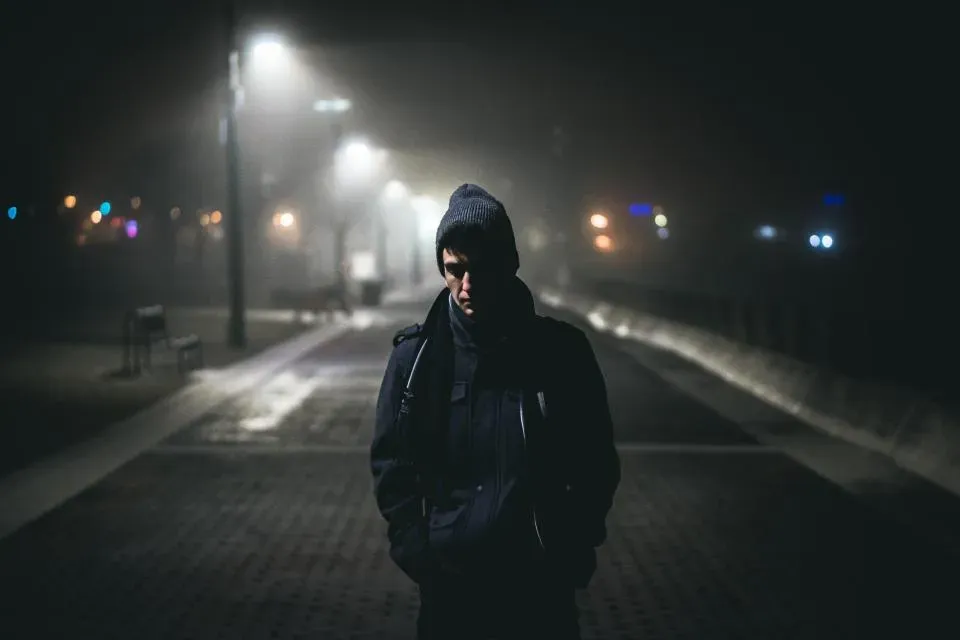
The story that people who prefer being alone at night are running on an ancient, night‑tuned rhythm is compelling because it feels true in the body, even if the exact evolutionary details are still being argued over. What is clear is that human circadian rhythms are diverse, and some brains really do come alive when the sky is dark and the world is quiet. Instead of treating those people as defective early birds, we could see them as living reminders that our species was shaped for a richer and more varied 24‑hour cycle than modern life allows.
My own view is unapologetically biased: I think the modern world is far too harsh on night‑leaning people, and far too rigid about what counts as a “good” schedule. If your clearest thoughts and deepest feelings show up after sunset, that is not a moral flaw; it is a clue to how your brain was built and how your ancestors might have survived. Maybe the real question is not whether you should force yourself to change, but how you can build a life that lets your inner night hunter do its best work without burning you out – when you look at it that way, whose rhythm would you rather follow: your calendar’s or your nervous system’s?