There is something deeply unsettling and strangely hopeful about the idea that the mind might keep flickering after the body has shut down. For a long time, death sounded like a clean switch: heart stops, brain goes dark, end of story. But what if that switch is more like a dimmer, fading in strange and surprising ways, with moments of organized activity long after doctors have declared a time of death?
In the past two decades, advances in brain monitoring, resuscitation science, and large-scale cardiac arrest studies have quietly started to challenge the old, tidy picture. We are still far from proving that a full, rich consciousness persists after death, and some of the boldest claims don’t hold up under proper scrutiny. But the evidence that certain forms of measurable brain and mental activity may continue briefly after all standard biological functions have ceased is no longer fringe speculation; it is now a serious, if controversial, topic in neuroscience and critical care.
Why “Time of Death” Is More Complicated Than We Were Taught
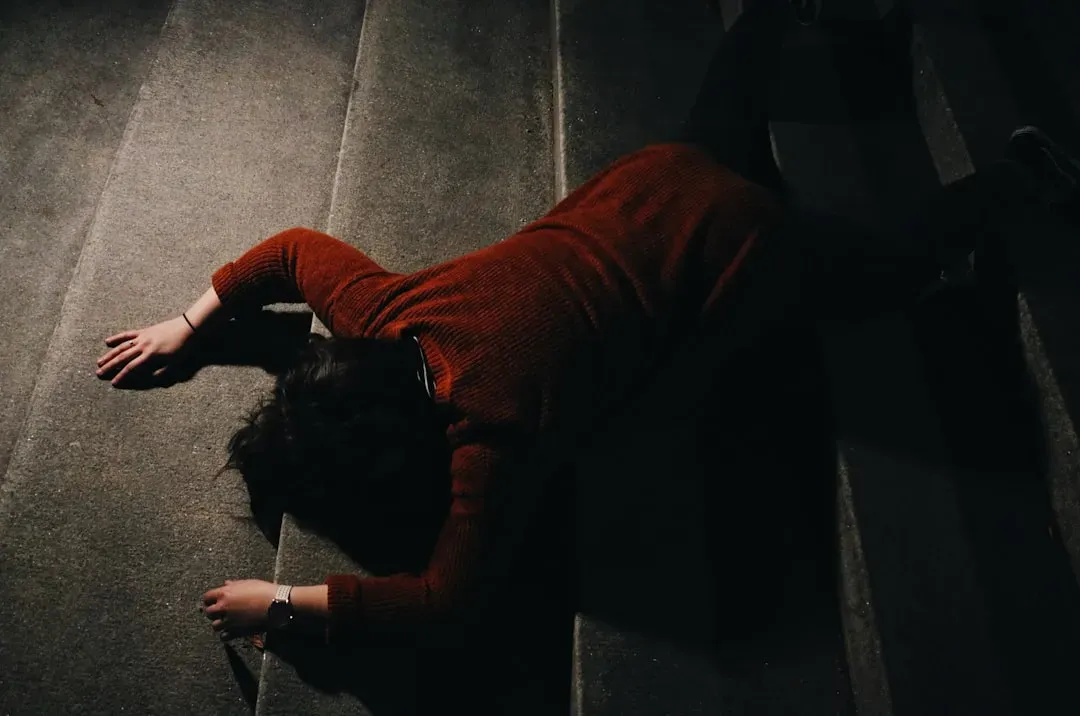
Most of us grow up with the idea that death has a clear, sharp moment: a flatline on a monitor, a final breath, a doctor saying a time. In reality, that moment is more of a medical and legal convenience than an absolute biological cutoff. When doctors record a time of death, they are usually marking the point when circulation and respiration have stopped and can no longer be restored with reasonable measures, not some metaphysical instant when the self disappears.
Biologically, different systems shut down at different speeds. The heart stops first, blood pressure collapses, and organs begin to fail. But cells do not all die at once. Some tissues remain viable for minutes to hours, which is why organ donation is even possible. The brain, extremely sensitive to lack of oxygen, starts to fail quickly, but the pattern of failure is irregular and layered, with some regions going offline faster than others. That makes it entirely plausible on basic physiology alone that certain forms of neural activity could continue, at least for a short period, after what we call “death.”
Brain Waves After the Heart Stops: What Monitors Have Actually Seen
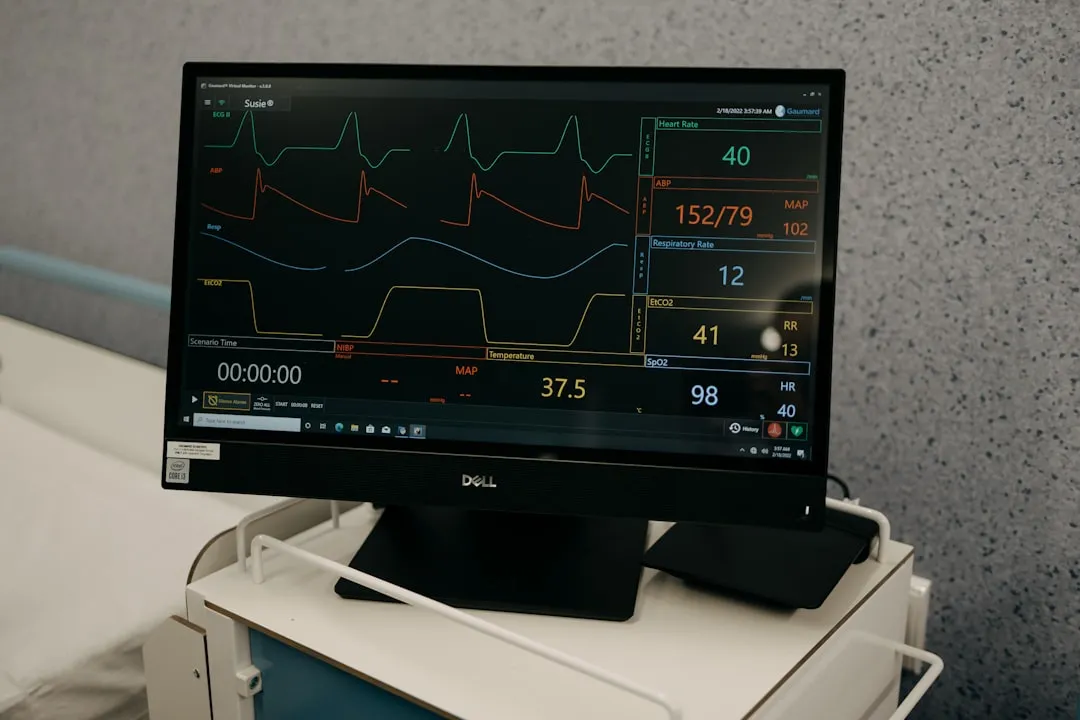
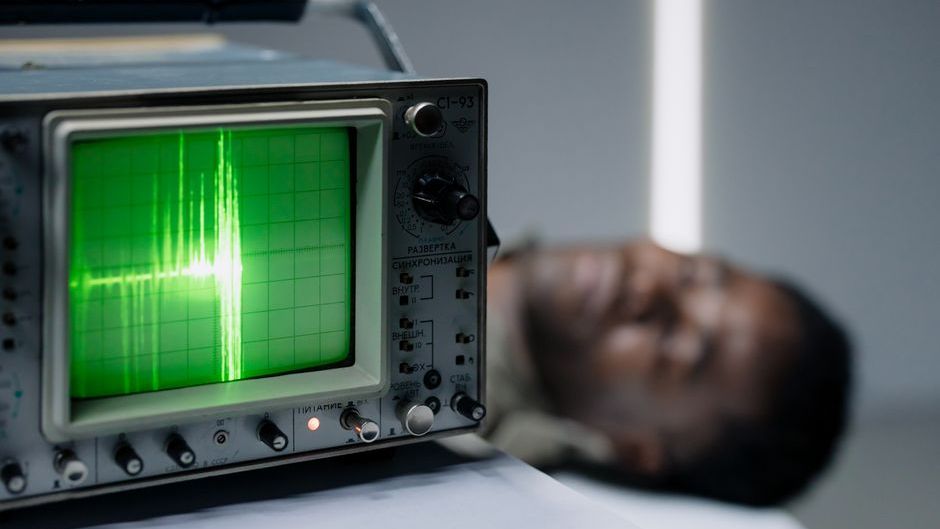
One of the most striking clues comes from patients who are monitored with EEG or other brain recordings during the dying process. In some documented cases, researchers have observed bursts of brain activity, including organized wave patterns, around and even after the point when the heart has stopped and circulation is lost. These patterns are not just random static; in some animals and a small number of humans they resemble the synchronized, high-frequency activity associated with wakefulness or even heightened awareness.
Animal experiments in particular have shown that shortly after cardiac arrest, there can be a brief, intense surge of brain activity before things decay into silence. In humans, similar patterns have been seen during withdrawal of life support, where families and medical teams have agreed to stop mechanical ventilation while monitoring continues. In a few cases, there was a measurable spike of organized electrical activity seconds to minutes after the heart’s function had ceased. No one can say with confidence that this equals conscious experience, but it at least demolishes the simplistic idea that the brain becomes instantly and totally inactive at the moment the heart stops.
Near-Death Experiences and Verifiable Perception Claims
Near-death experiences have been reported for centuries: people describe leaving their bodies, moving through tunnels, reviewing their lives, or feeling profound peace during periods when they were clinically close to death. For a long time, these accounts were treated as purely subjective stories. More recently, large-scale research projects have tried to systematize them and, crucially, to see if any reported perceptions can be matched to real-world events that occurred while the brain should have been offline.
In some carefully designed studies, researchers have placed hidden visual targets or recorded specific sounds in areas only visible or audible from a vantage point outside the body. This is where the conversation gets controversial. There have been reports of patients correctly recalling details of their surroundings or medical procedures during periods when they were in cardiac arrest and had no measurable heartbeat. However, the number of rigorously documented cases is small, and many others are inconclusive or can be explained by memories formed just before or after the arrest, or by gaps in the timing data. Still, the very fact that a handful of apparently verifiable reports exist forces scientists to take seriously the possibility that some form of conscious processing might continue beyond what standard monitors detect.
Cardiac Arrest Studies: Consciousness at the Edge of Death
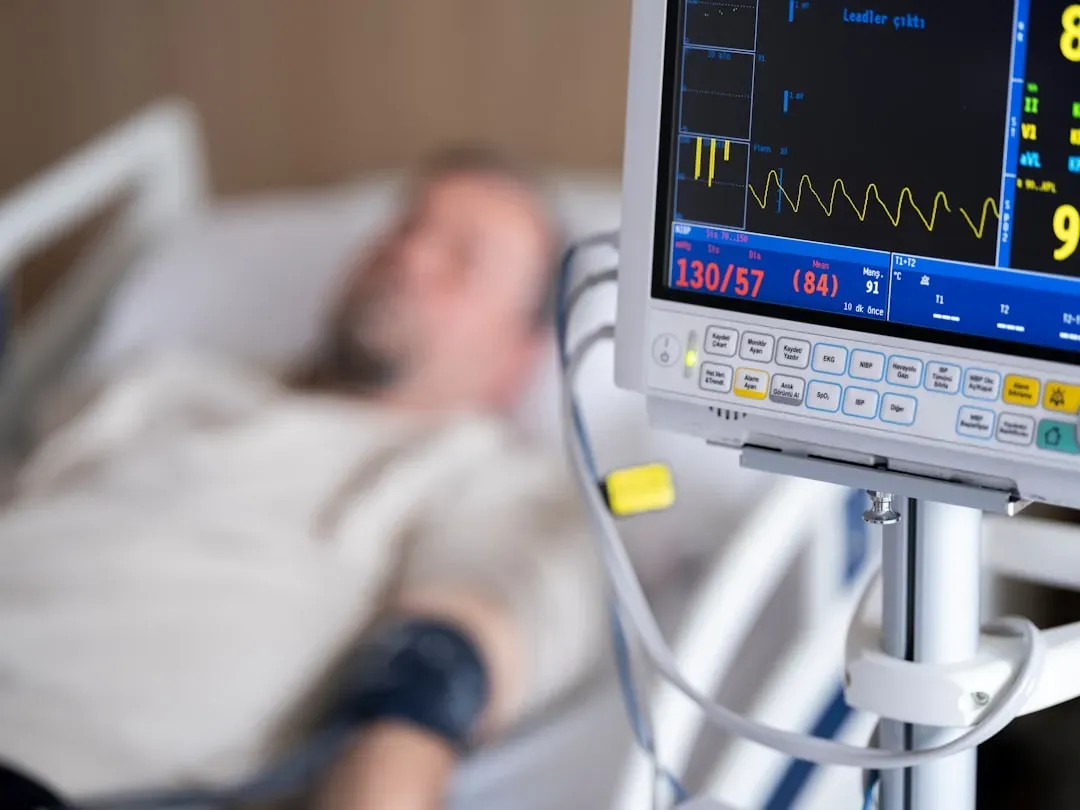
Resuscitation science has changed the game by turning what used to be an almost always fatal event, sudden cardiac arrest, into something that can sometimes be reversed. This has created a natural laboratory at the edge of life and death. Some of the largest multi-center studies in this field have systematically interviewed survivors of cardiac arrest and, when possible, correlated their experiences with medical records, brain monitoring, and the timing of interventions.
Across thousands of cases, a significant minority of survivors report memories, sensations, or experiences that occurred during the period when they had no detectable heartbeat and required CPR. Many only describe vague impressions or nothing at all, which is important because it shows that meaningful experiences during arrest are not universal. Yet a small subset report vivid, structured experiences that match typical patterns of conscious thought and identity. When researchers cross-check these reports with recorded timelines, some of them appear to map onto windows where, by standard definitions, all biological functions compatible with consciousness had ceased. It is not proof in the strictest sense, but it is enough to argue that our current markers of “no consciousness possible” might be too crude.
The Big Methodological Problem: What Do We Mean by “All Biological Functions Have Ceased”?
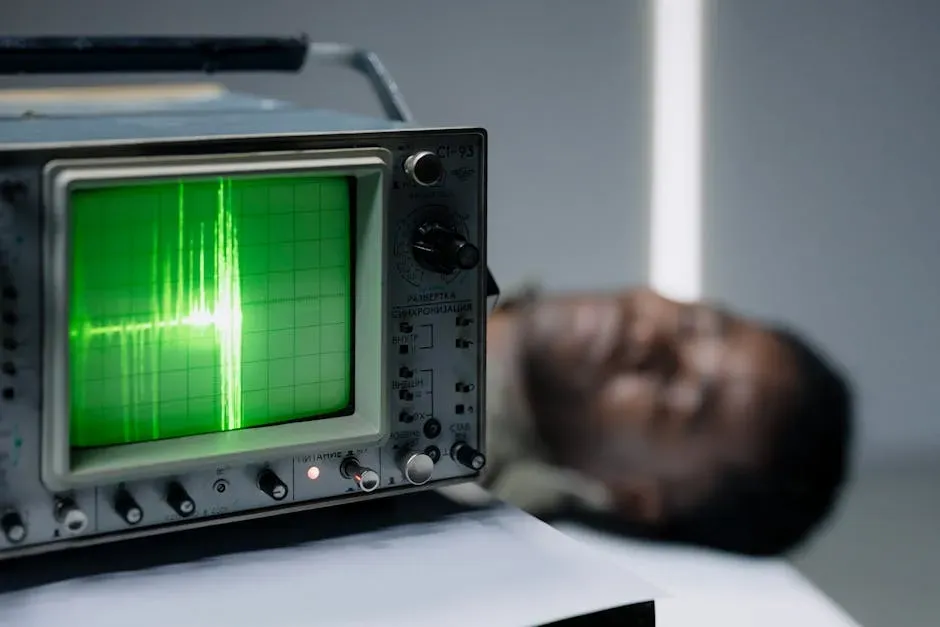
Here’s the uncomfortable bit scientists keep circling back to: when a study claims that consciousness persisted after all biological functions stopped, what exactly counts as “all biological functions”? In practice, most of these studies use the absence of a detectable pulse, flat arterial lines, or the lack of certain brain wave patterns as proxies. But those are snapshots of large-scale function, not a microscopic look at every neuron, synapse, or local circuit. A brain that looks dead on one kind of monitor might still harbor islands of metabolic or electrical activity that are simply below the detection threshold.
This matters, because if small pockets of active tissue remain, then some kind of residual consciousness might still be arising from those networks, even if the global brain appears offline. That is a fascinating possibility, but it is not the same as saying that consciousness has somehow floated free from the brain or survived pure biological death. Right now, the honest position is that our instruments and definitions are too blunt. We might be underestimating what the dying brain is capable of, and overestimating how precisely we can say “everything biological has stopped.”
Reviving the “Dead” Brain: What Organ Preservation Experiments Hint At
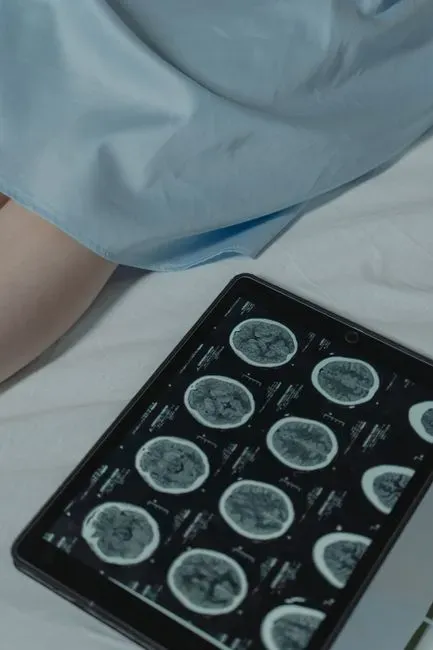
Another strange piece of the puzzle comes from organ and brain preservation research. In some experiments, scientists have restored certain cellular functions in mammalian brains hours after circulation stopped, using specially designed perfusion systems and solutions. These studies have shown that neurons can still respond to stimulation, maintain some metabolic activity, and even show local network responses long after what anyone would call clinical death.
Importantly, these revived brains did not show large-scale coordinated activity consistent with conscious awareness, and the researchers went out of their way to prevent that from happening. But the experiments still shatter the old, rigid belief that brain tissue becomes instantly and irreversibly nonfunctional the moment the heart stops. If you can bring back signs of life at the cellular and network level hours later under the right conditions, then it becomes much easier to imagine that, in the first minutes after cardiac arrest in a real human, the brain might still be capable of generating surprisingly complex patterns, including ones that could map onto brief conscious experiences.
Philosophical Stakes: What Counts as Consciousness in the First Place?
All of this bumps up against a deeper problem: we still do not have a single, universally accepted definition of consciousness. Is consciousness any organized brain activity, or does it require the capacity for self-reflection, memory formation, and reportability? If the dying brain produces one last surge of synchronized firing, is that consciousness, or just a mechanical storm with no associated experience? Reasonable scientists and philosophers disagree on these questions, which makes it very difficult to interpret borderline data at the edge of life and death.
Depending on your philosophical leanings, the same set of measurements can tell very different stories. A cautious materialist might say that all evidence so far fits with consciousness being a fragile, emergent property of brain activity that rapidly dissolves as the biology fails, with maybe a brief afterglow. A more expansive thinker might see the same data as hints that consciousness is more robust than we thought, capable of hanging on in diminished form even when the body has failed by all normal measures. Personally, I lean toward the first view but think the second deserves to be kept on the table, precisely because the data at the margins are so murky.
Where the Evidence Really Leaves Us: A Sober, Opinionated Take
When you strip away the hype, the clicky headlines, and the wishful thinking, the current evidence does not justify strong claims that full, normal consciousness continues for long after true biological death. What it does support, fairly convincingly, is that the brain can show surprisingly organized activity for a short, measurable period after the heart stops, and that some people seem to form memories or experiences that line up with those twilight moments. To me, that is both scientifically thrilling and emotionally unsettling, but it is still a far cry from proving that a conscious self survives beyond the brain.
My own view is that we are learning just how messy and gradual dying really is, especially for the brain. The mind probably does not vanish in an instant; it flickers, struggles, maybe even rallies briefly, like the last bright flare of a candle before it goes out. That picture is less mystical than some might hope, but it still forces us to treat the border of death with more humility and care, both medically and ethically. The real mystery, at least for now, is not whether consciousness persists forever, but how long its final echoes linger in the fading circuits of the brain – and what, if anything, those echoes feel like from the inside. Would you have guessed that the end of life could be this complicated and strangely alive at the edges?