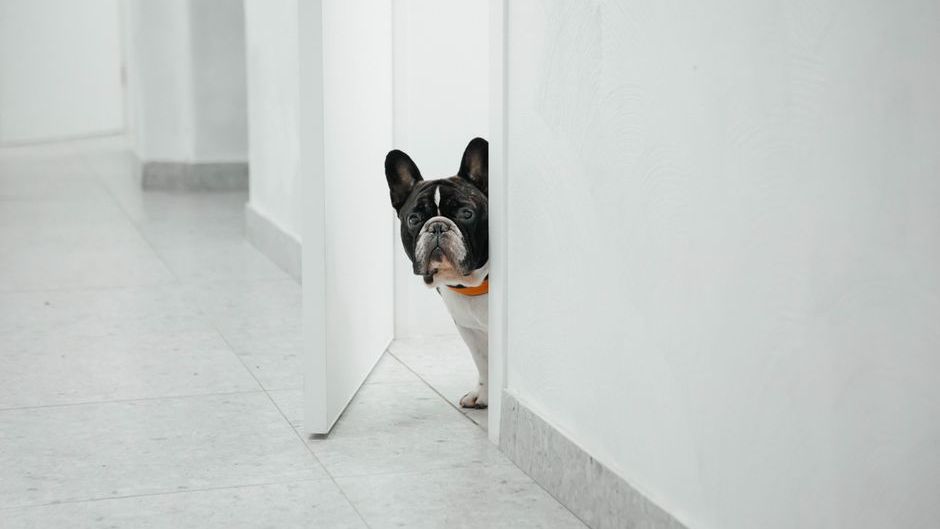
If you’ve ever watched your dog slam on the brakes at the doorway of a perfectly normal room, you know the feeling: a little chill up the spine, a flash of worry, and that nagging thought of what on earth they’re seeing that you cannot. It can look dramatic and spooky, but behind that stubborn refusal to cross the threshold is a brain built very differently from yours, tuned to ancient dangers long before smartphones, smart homes, and LED lights. In a way, your dog is walking around your house with Stone Age software running on top-tier sensory hardware.
From a psychological point of view, that moment at the doorway is not random or mystical. It’s a clash between two nervous systems: yours, shaped to downplay constant, low-level threats so you can function, and theirs, evolved to react fast to subtle cues in sound, smell, light, and body language. When your dog balks at a room, they may be picking up on patterns your brain has learned to tune out as background noise. That doesn’t mean there’s a monster in the closet, but it does mean that your dog is processing the environment through a very old survival lens that humans have dulled over thousands of years of modern living.
The Ancient Survival System Living Inside Your Dog

Every time your dog pauses at a doorway, their brain is running a rapid risk calculation that traces back to wild canids avoiding caves, dens, and tight spaces that smelled, sounded, or felt “off.” Their senses are wired to treat enclosed places as potentially dangerous: predators, trapped prey, unstable footing, or unseen exits could all mean trouble. This ancient system is still very much alive in your pet, even if the “cave” is now your guest bedroom or a basement they suddenly hate.
Humans, on the other hand, have slowly trained themselves to override many of these instincts, especially indoors. We’re used to artificial lighting, constant electric noise, and unfamiliar smells from cleaners, devices, or construction materials. Your brain labels most of that input as safe by default. Your dog’s brain does almost the opposite: it leans toward caution, especially in threshold spaces like doors and hallways that separate one territory from another. When they refuse to step in, they might be responding to the same ancient alarm system that once kept their ancestors alive in the wild.
Why Dogs Notice Tiny Sensory Changes You Completely Miss
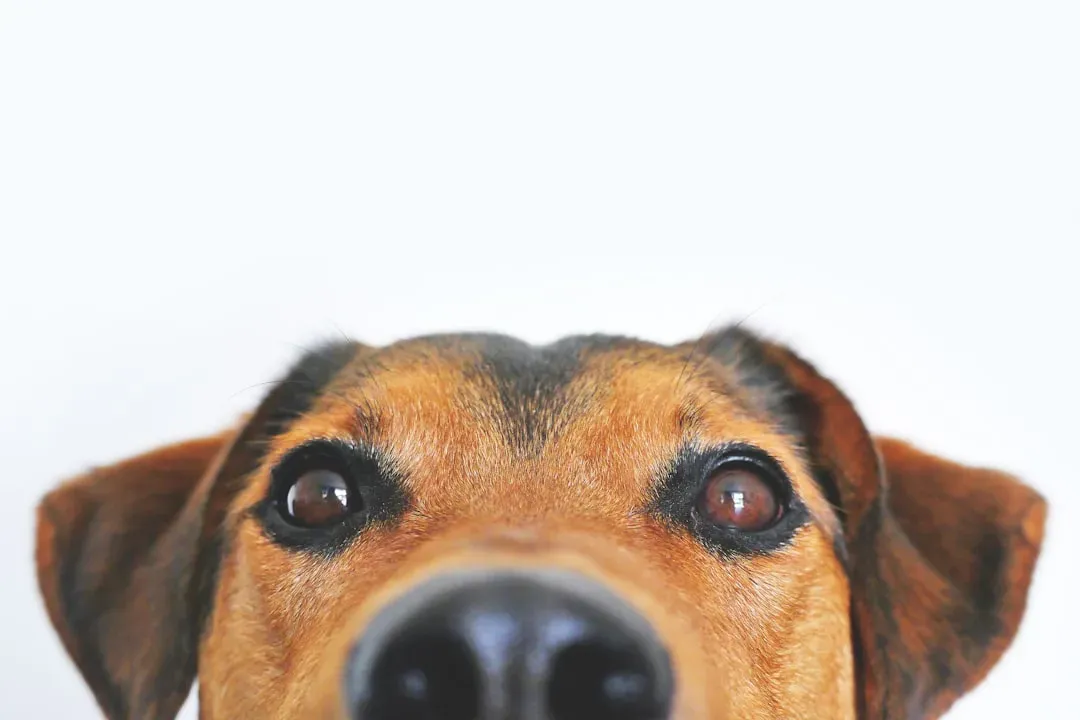
One of the simplest explanations for a “no-go” room is also the most humbling: your dog can literally sense things you can’t. Their hearing picks up higher frequencies and softer sounds, like a faint electrical buzz from a faulty outlet, a humming transformer, or water running inside old pipes. Their nose reads layers of odor that are completely invisible to you, from mold behind drywall to a trace of a new cleaning product or pest activity hidden in the walls.
Because their brain is built to treat sudden or unusual sensory changes as potential threats, a room that smells slightly different or hums at a weird frequency might feel unsafe. You shrug off the sound of a power strip or air purifier as normal modern life; your dog hears a constant, edgy noise coming from one corner of the room and decides that’s reason enough not to go in. It’s not drama or stubbornness, it’s a survival-style risk filter that never really got updated for twenty-first century housing.
The Invisible Threats: Odors, Chemicals, and Air Quality
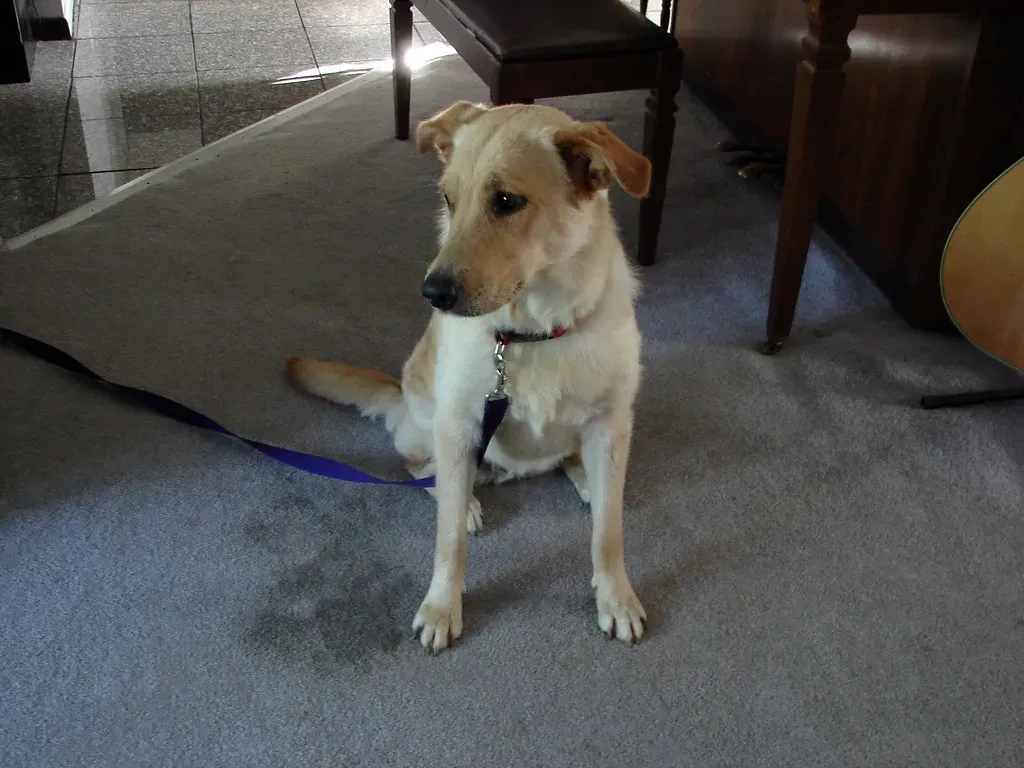
Sometimes the “threat” your dog is reacting to is less about monsters and more about molecules. Dogs are often the first to react to subtle air quality issues like mildew, mold growth, cleaning fumes, or lingering solvents from new furniture or flooring. A room that’s just been repainted, recarpeted, or heavily cleaned can smell mildly “off” to you but overwhelmingly sharp or sickening to a dog. To them, that can register as a possible danger zone, much the way smoke or decay would have signaled trouble for their ancestors.
Think about how humans learned to ignore the smell of city pollution or traffic exhaust over time; we get used to it because we have to function. Dogs don’t rationalize like that. Their avoidance can sometimes act like a living air quality alert, drawing attention to hidden moisture problems, chemical-heavy products, or poorly ventilated spaces. While it would be irresponsible to claim that every nervous dog is detecting something toxic, it’s equally naive to assume that your nose and comfort level are automatically more accurate than theirs.
Subtle Sounds, Vibrations, and Electrical Fields They Take Seriously
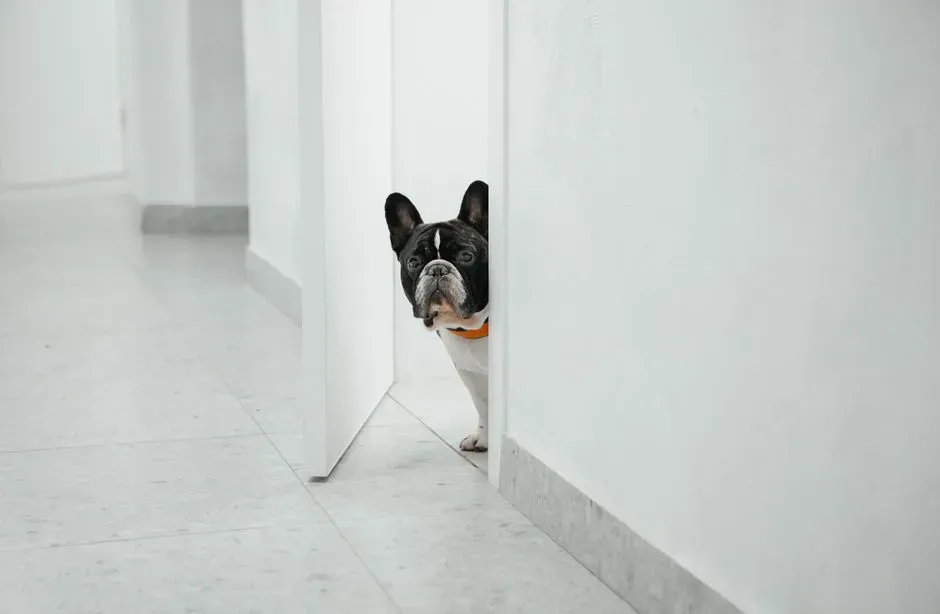
Another category of “invisible threat” has nothing to do with ghosts and everything to do with modern gadgets. Many dogs are surprisingly sensitive to high-pitched whines from electronics, the low rumble of HVAC systems, or vibrations from appliances running in another part of the house. To a person, the room may seem quiet. To a dog, it can feel like standing inside the engine compartment of a car that’s idling badly, with weird tones bouncing off the walls.
Some dogs also seem unsettled by certain types of lighting, like flickering fluorescents or old LED bulbs that give off subtle strobe-like effects the human eye barely notices. In the wild, unpredictable movement or shimmering light could signal danger: unstable ground, moving predators, or distorted visibility. So when a dog refuses to cross into a laundry room with a buzzing light or a basement with a rumbling dehumidifier, they might just be honoring an old instinct that says, if the environment feels wrong, do not go further.
Body Language: How Your Own Nerves Turn a Room Into a “Bad Place”
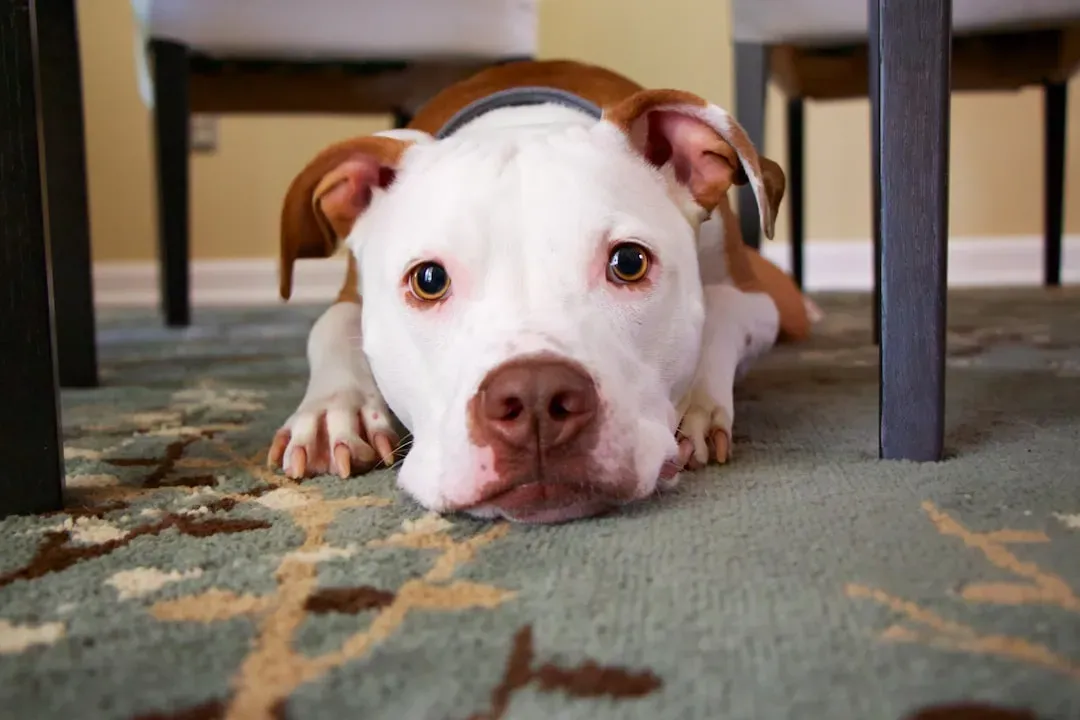
Here’s the uncomfortable twist: sometimes the “threat” your dog is detecting isn’t in the walls, it’s in you. Dogs read human body language at a level that borders on unnerving. Small shifts in your posture, micro-expressions on your face, and even the way your breathing changes as you walk into a space can all become data points for them. If you consistently walk into one room tense, annoyed, or rushed, your dog can start to associate that space with subtle danger or conflict, even if you never raise your voice.
Over time, a feedback loop can form. Your dog hesitates at the door, you get slightly impatient or anxious and pull them in, they feel your tension and file the room under “unsafe.” I’ve caught myself tensing up in a cluttered, unfinished basement, not because anything is truly wrong, but because it subconsciously feels like a place where bad news or stressful tasks live. A dog, connecting that vibe with their own cautious instincts, might simply decide that staying out is the most sensible choice.
Pattern Recognition: When Past Bad Experiences Haunt One Room
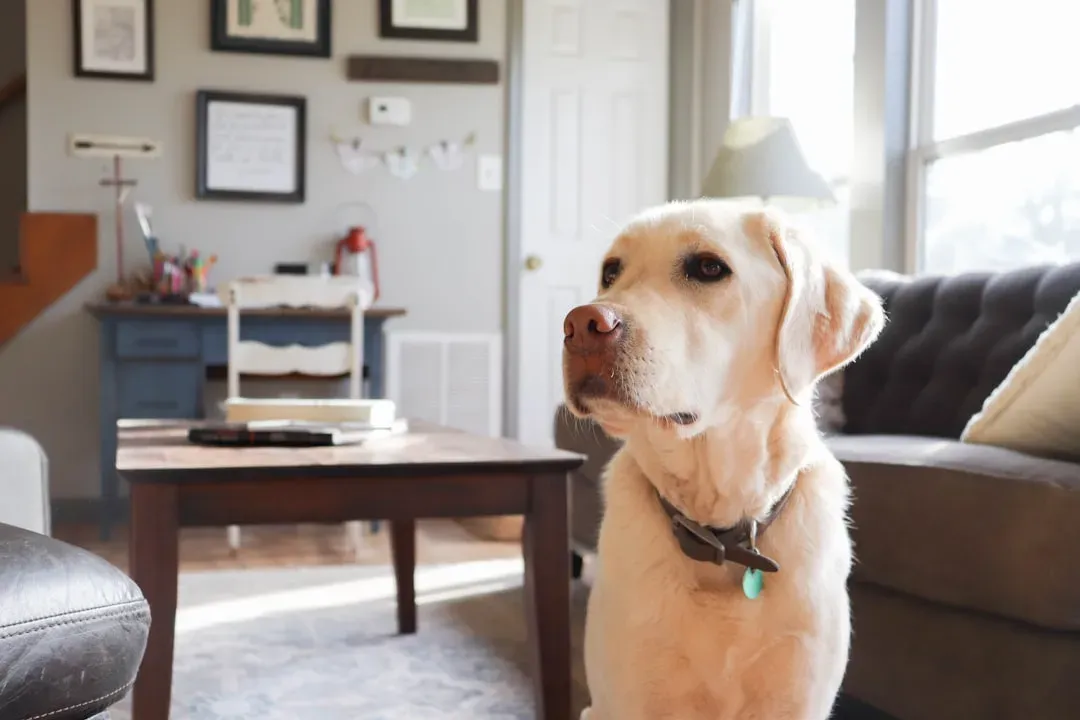
Dogs are master pattern recognizers, and their memories are often tied to specific locations in surprisingly precise ways. If something unpleasant happened in a particular room, their brain can glue the feeling of fear or pain to that space. Maybe they slipped on the hardwood once, had their nails trimmed there, heard a loud crash, or were accidentally shut in and panicked. You might have forgotten the incident by the next week; their nervous system might not have.
This is where canine psychology lines up neatly with human trauma responses. Just like a person might avoid driving past the site of a bad accident, a dog might avoid the room where they felt trapped or startled. The modern human brain may try to rationalize it away, but deeper survival circuits lean on the rule that it’s safer to avoid locations where bad things happened. When your dog slams to a stop at that doorway, they might be following a very strict internal rule: never again go into the place that felt like danger, even if everyone insists it’s fine now.
Why Humans Evolved to Ignore the Very Things Dogs Treat as Red Flags

Over thousands of years, humans have adapted to crowded cities, constant noise, artificial light, and an overwhelming stream of sensory input. To get anything done, our brains learned to filter most of that out as irrelevant. A buzz from the fridge, a faint smell from the cleaning spray, or a neighbor’s footsteps through the wall are all categorized as “background.” Our survival strategy quietly shifted from hypervigilance to selective blindness, because being constantly on guard in a modern environment would be exhausting.
Dogs never signed up for that trade. Their evolution, even alongside humans, still heavily favored individuals who noticed the snake in the grass, the rustle in the dark, or the faint whiff of decay before anyone else did. What your brain has decided to label harmless white noise, theirs often treats as a valid data point about safety. That’s the core tension behind the headline idea: dogs may sometimes be detecting low-level environmental changes or social cues that our “ignore it and move on” human software has quietly filed in the trash.
When to Respect the Refusal and When to Gently Retrain
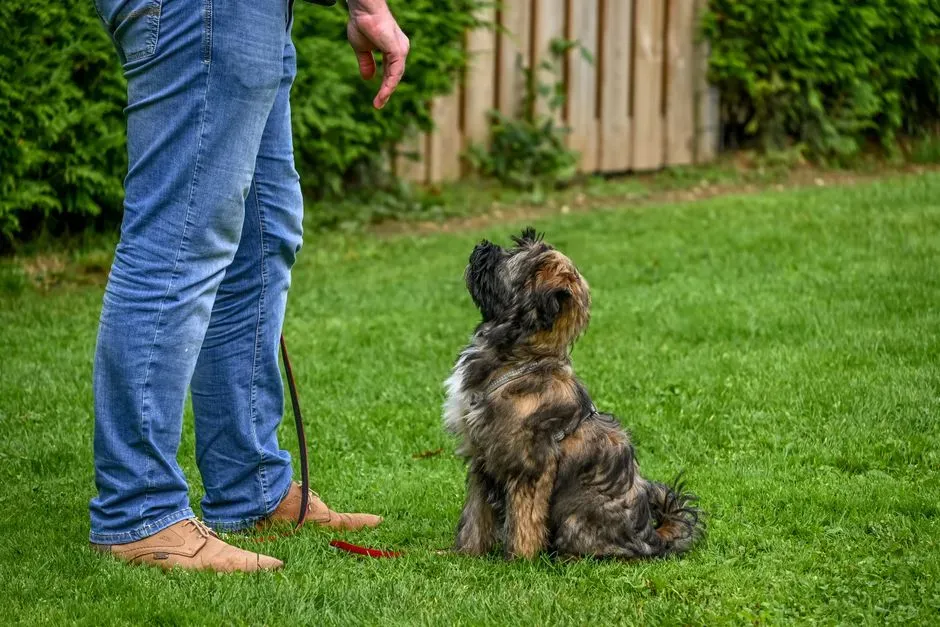
So what do you actually do when your dog refuses to enter a room? The first step is curiosity instead of annoyance. Check for simple things: strange smells, visible mold, water damage, exposed wires, buzzing fixtures, or new objects that could be intimidating. You do not need to assume a catastrophic threat every time, but you also do not need to dismiss your dog as being dramatic for no reason. Sometimes just fixing a light, airing out a space, or moving a loud device can shift their comfort level.
If you’ve ruled out environmental problems and health issues, then it becomes a training and confidence project. Gentle desensitization, where you reward tiny steps toward the room, can slowly rewrite their internal map from “danger zone” to “safe place.” Forcing them across the line or dragging them by the leash usually backfires, reinforcing that doorways are where scary things happen. A better approach is to pair the room with their favorite treats, games, or calm time with you, letting them decide when they are ready to take that final step across the invisible mental barrier.
The Bottom Line: Trust the Instinct, Question the Story
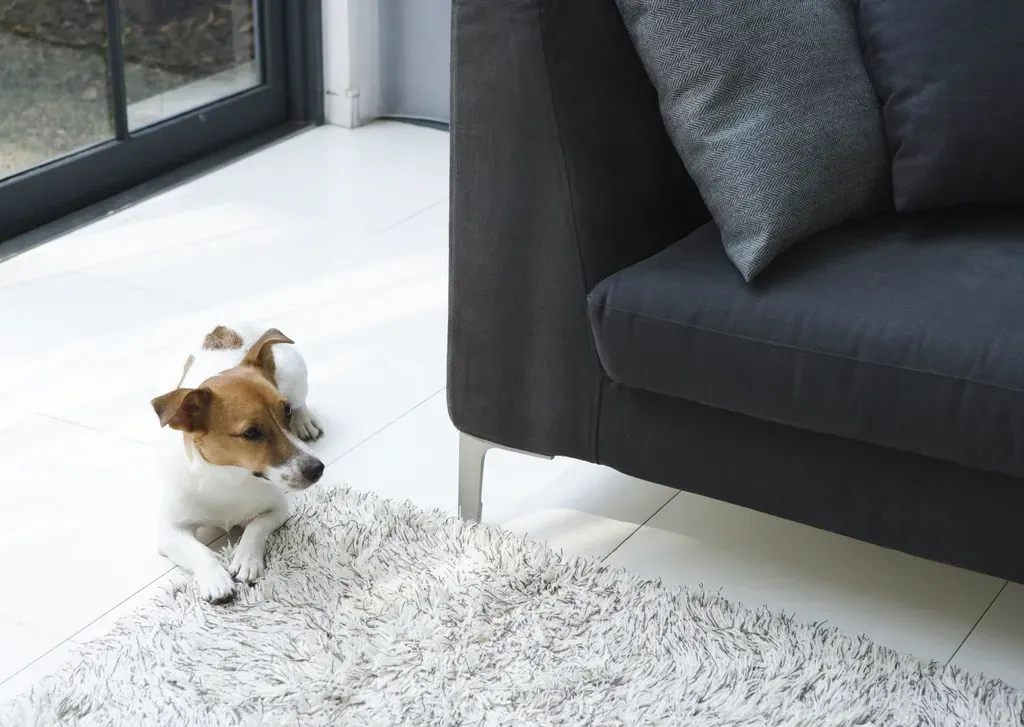
Here’s my honest, opinionated take: when your dog refuses to enter a specific room, you’d be foolish to write it off as nothing, and equally foolish to spin it into a horror story. Their instincts are real, their senses are sharper than yours, and their ancient wiring is often reacting to something. That “something” is usually environmental quirks, subtle discomfort, or learned associations, not supernatural warnings. But if your dog is repeatedly telling you, in the clearest way they can, that a space feels wrong to them, it’s worth listening and investigating instead of laughing it off.
At the same time, humans evolved their own survival trick: not believing every alarm at full volume. The sweet spot is to respect your dog’s behavior as meaningful data without surrendering your judgment to fear. Check the room, notice your own body language, consider their past experiences, and then decide how to respond. In a world where we’re constantly distracted, a dog at a doorway can be a reminder that paying attention is still a survival skill. The next time your dog plants their feet and says “no,” will you ignore it, or will you pause and wonder what they know that you’ve stopped noticing?