
You probably know someone who always seems to pick the right career moves, investments, relationships, or life projects years before they pay off. From the outside, it can look like luck or even some mysterious sixth sense. But when you zoom in on the brain, a different story appears: certain patterns in how you process time, risk, and emotion quietly tilt your choices toward better long-range outcomes. You are not stuck with a “short-term” brain either; many of these patterns are skills and habits your nervous system can be trained into, slowly but very powerfully.
In this article, you will walk through what researchers are finding about long-term decision makers: how your prefrontal cortex talks to your emotional centers, how you simulate the future, and how you recover from mistakes without getting hijacked by shame or fear. You will not see science-fiction promises or magic brain hacks here, just grounded insights you can use to understand yourself better. As you read, notice where you already match these patterns and where you might be running on autopilot. That self-awareness is the first long-range decision you make today.
The Prefrontal “Time Bridge”: How You Hold the Future in Your Head
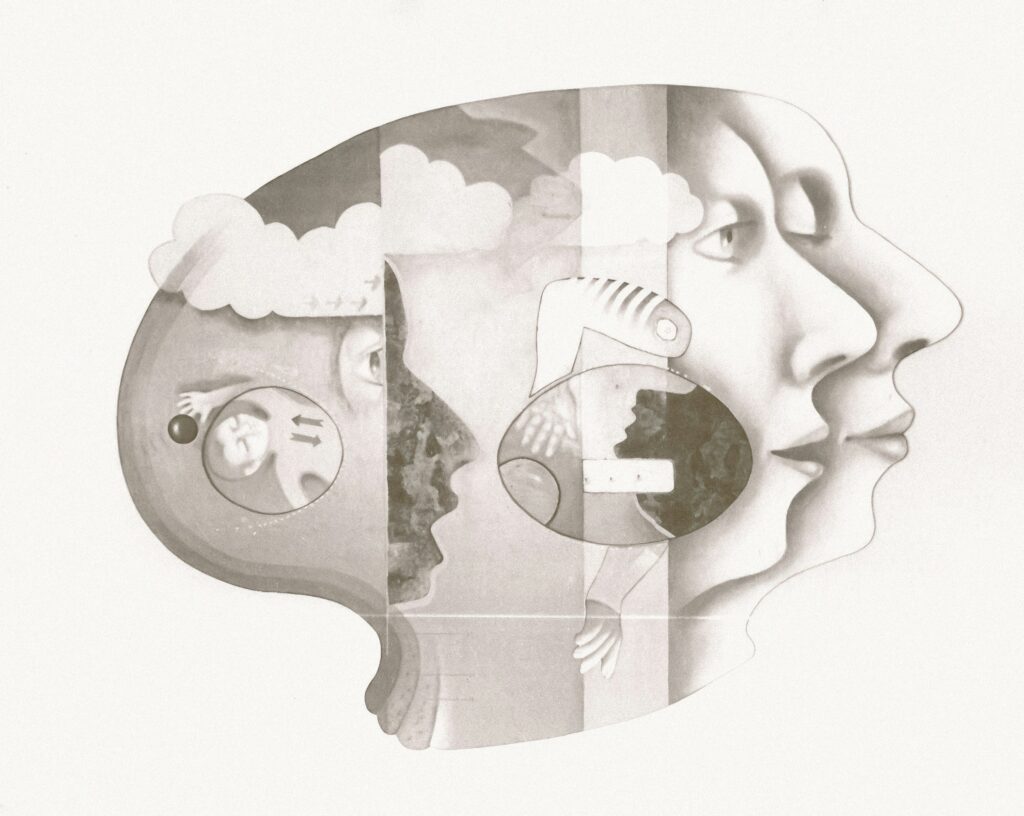
![The Prefrontal “Time Bridge”: How You Hold the Future in Your Head (Natalie M. Zahr, Ph.D., and Edith V. Sullivan, Ph.D. "Translational Studies of Alcoholism Bridging the Gap" Alcohol Research & Health, Volume 31, Number 3, p.215- (2008)[1], Public domain)](https://nvmwebsites-budwg5g9avh3epea.z03.azurefd.net/dws/550a7bab4ce2cec0e39c55d1c4665476.webp)
One of the biggest neurological differences in strong long-range decision makers shows up in your prefrontal cortex, the area just behind your forehead that helps you plan, reason, and control impulses. When you make a choice that sacrifices today’s comfort for tomorrow’s benefit, this part of your brain acts like a bridge that lets you feel the future more vividly, instead of treating it as a vague, faraway idea. If your prefrontal cortex is well engaged, you can mentally step into your future circumstances and let that image shape what you do right now, even when your body is nudging you toward the quick reward.
You will notice this bridge at work in small moments: choosing to go to bed instead of scrolling, putting money into savings instead of instant spending, or having a hard conversation now instead of avoiding it. Neurologically, you are not just being “disciplined”; you are allowing the networks in your prefrontal cortex to keep steering your behavior while your emotional and reward systems push back. People who consistently make better long-range decisions are not immune to temptation; they simply have a stronger habit of letting this planning system stay online long enough to win the internal argument.
Your Relationship With Reward: Taming, Not Killing, the Dopamine Rush
When you make a decision, your dopamine system is constantly asking a simple question: what will feel good, and how soon? If you lean heavily toward short-term pleasure, your brain tends to overvalue the immediate hit and undervalue the delayed reward, a process sometimes called steep discounting of the future. People who reliably pick better long-range outcomes tend to show a flatter discount curve: you still care about feeling good, but your brain does not throw the long-term payoff in the trash just because it is far away.
You experience this difference not as cold self-denial, but as a kind of emotional rebalancing. Instead of chasing every ping of gratification, you learn to find a quieter, more satisfying kind of reward in alignment with your long-term identity: being the person who kept their word, saved for years, practiced the skill, or stayed consistent through boredom. Neurologically, you are training your reward circuitry to light up for progress and integrity, not just novelty and intensity. Over time, this shift makes “good” long-range decisions feel less like a constant battle against yourself and more like the natural expression of who you are becoming.
Emotion Regulation: Keeping Your Cool When the Future Looks Uncertain

Long-range decisions are rarely clean or guaranteed; they are full of uncertainty, delays, and risk. When your emotional brain reacts with anxiety, fear, or frustration, your prefrontal cortex can easily be overridden, and you may default to the choice that feels safer right now. Better long-term decision makers show a different pattern: your prefrontal regions stay more engaged with your limbic system, allowing you to feel the stress but not be completely driven by it. You essentially become better at staying mentally “online” in the middle of emotional storms.
You can sense this in how you handle setbacks in long projects. When a plan takes longer than you hoped, instead of immediately abandoning it or flipping into panic, you are able to zoom out, re-evaluate, and tweak your strategy. That steady emotional regulation does not mean you never worry; it means you recover faster and return to deliberate thinking. Over the years, this pattern compounds: while others repeatedly blow up good plans at the first sign of discomfort, you stay in the game long enough for your thoughtful decisions to pay off.
Cognitive Flexibility: Updating Your Mind Instead of Defending Your Ego
Another neurological pattern that shows up in better long-range decision makers is cognitive flexibility: your ability to adjust your beliefs and plans when reality changes. In your brain, this shows up as efficient communication between prefrontal regions and networks that detect conflict or prediction errors. When a decision turns out worse than you expected, your brain flags the mismatch and invites you to update your model of the world, rather than just defending your pride or clinging to the old story.
You experience this as a willingness to say things like “I was wrong,” “This is not working,” or “The situation has changed, so my plan should too.” Instead of treating those admissions as threats to your identity, you treat them as signs that your mind is doing its job. In long-range decisions, this flexibility is critical: careers shift, technologies evolve, relationships grow or fade. If you are rigid, you may double down on failing paths for years. If you are flexible, the same brain circuits that once helped you commit now help you pivot, preserving the long-term outcome even if the original path has to change.
Mental Time Travel: How Vividly You Can Simulate Your Future Self
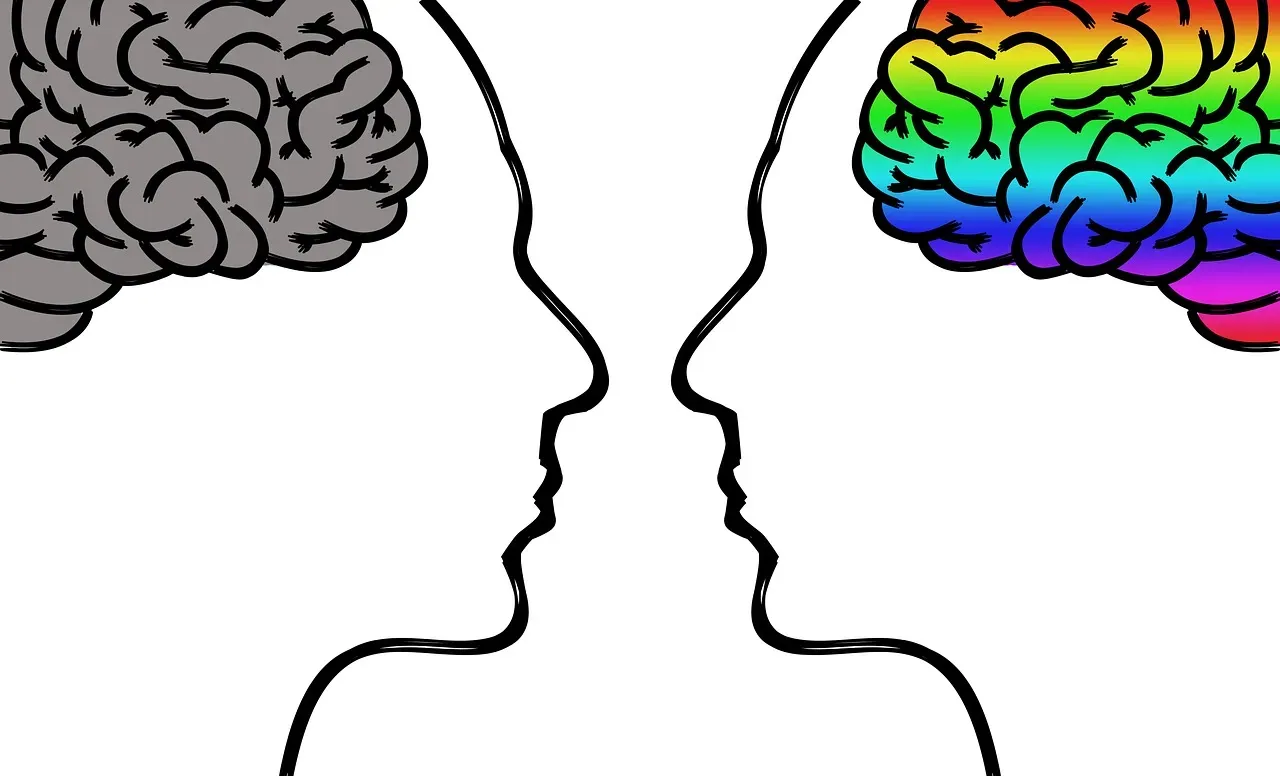
Under the surface, long-range decision making relies on a psychological skill sometimes called mental time travel: your ability to imagine yourself in the future as clearly as you remember your past. When you do this well, brain networks involved in memory, imagination, and self-processing light up together, letting you feel like that future person is genuinely you. This sense of continuity matters, because you are far more likely to protect and invest in someone you truly feel connected to.
If your future self feels like a stranger, you will tend to treat their needs as negotiable, sacrificing their health, finances, or peace of mind for whatever your present self finds easier. When your future self feels close and real, your choices shift. You might picture how grateful your older self will be for your current habits, or how relieved they will feel that you walked away from a toxic pattern. Neurologically, you are weaving a stronger thread between present and future identity, so choosing well for them starts to feel surprisingly similar to choosing well for yourself today.
Error-Friendly Brains: Learning From Mistakes Without Self-Destruction

People who consistently outperform expectations over long time horizons almost never get there by making perfect choices. Instead, you tend to have a brain and mindset that treats mistakes as data rather than as proof that you are broken. When you slip up, areas of your brain that track errors and conflicts activate, but instead of feeding a spiral of shame, they trigger curiosity and adjustment. You feel the sting, but you bounce into problem-solving faster than into self-attack.
In practice, this means you review your decisions with an eye for patterns: where did you misjudge risk, ignore red flags, or get seduced by short-term relief? That reflective process rewires your circuits over time, making your next long-range decision slightly sharper. By contrast, if you drown in self-blame, your brain learns to avoid reflection altogether because it is too painful. The irony is that the people who look the “smartest” long term are often the ones who gave themselves enough psychological safety to learn from being wrong, again and again.
It is easy to talk about brain regions and decision patterns and forget the boring but powerful foundations under all of it: your sleep, your physical health, your environment, and your daily habits. Your prefrontal cortex is extremely sensitive to sleep deprivation, chronic stress, and constant distraction. When you live in a state of exhaustion and overload, even the best intentions toward long-range thinking collapse into whatever feels easiest in the moment. It is not a character failure; it is a predictable neurological effect.
When you consistently protect your sleep, move your body, and reduce needless noise, you give your brain the conditions to think clearly about the future and actually care about it. Small structures like planning your day, limiting interruptions, or deciding in advance when you will handle hard tasks are not just “productivity hacks”; they are ways of reducing friction so your better judgment can show up more often. Over years, those small supports make the difference between a life steered mostly by impulse and one steered mostly by intentional, long-range choices.
Training Your Brain for Better Long-Range Decisions
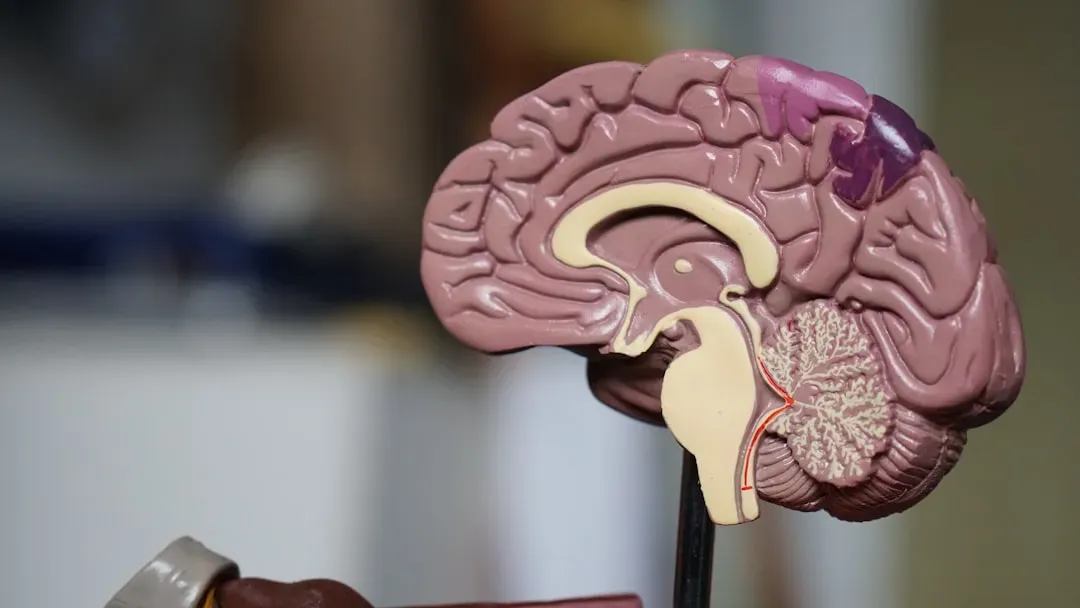
The encouraging news is that you are not locked into your current decision style. Your brain remains plastic throughout your life, meaning it can change its wiring in response to repeated patterns of thought and behavior. When you practice pausing before choices, imagining your future self, regulating your emotions, and reflecting on outcomes, you are not just “trying harder”; you are slowly sculpting the neural pathways that make those skills feel more natural. At first this work feels awkward and artificial, like learning a new language. Over time, it becomes more automatic.
You can help this process along by designing your environment to nudge your future-oriented brain online. You might set up reminders that point to long-term goals, make it slightly harder to access temptations, or create routines with friends who share similar values. Each tiny design choice is like laying another brick in the mental road that leads you toward better long-range outcomes. You will still have setbacks and impulsive days, but gradually, your default shifts. The person who once felt ruled by short-term urges starts to feel surprisingly aligned with the kind of long game they always meant to play.
Conclusion: Your Future Self Is Closer Than You Think

When you look at people who repeatedly make better long-range decisions than anyone would predict, you are not seeing magic; you are seeing a set of neurological patterns working together. Your prefrontal cortex holds the future in view, your reward system learns to value alignment more than instant hits, your emotions stay regulated enough to keep thinking clearly, and your mind stays flexible in the face of new information. Layered on top are everyday supports like sleep, structure, and reflection, which quietly give your best judgment room to breathe.
You do not need perfect discipline or a genius-level brain to join that group; you need patience with your own wiring and a willingness to practice different patterns, week after week. Every time you pause before a choice, picture your future self, and steer even slightly more in their favor, you bend your life in a new direction. Over years, those small bends add up to outcomes that look almost unbelievable from the outside, but deeply logical from within your own nervous system. If you thought of your next big decision as a conversation between you and your future self, what would you want that conversation to sound like?