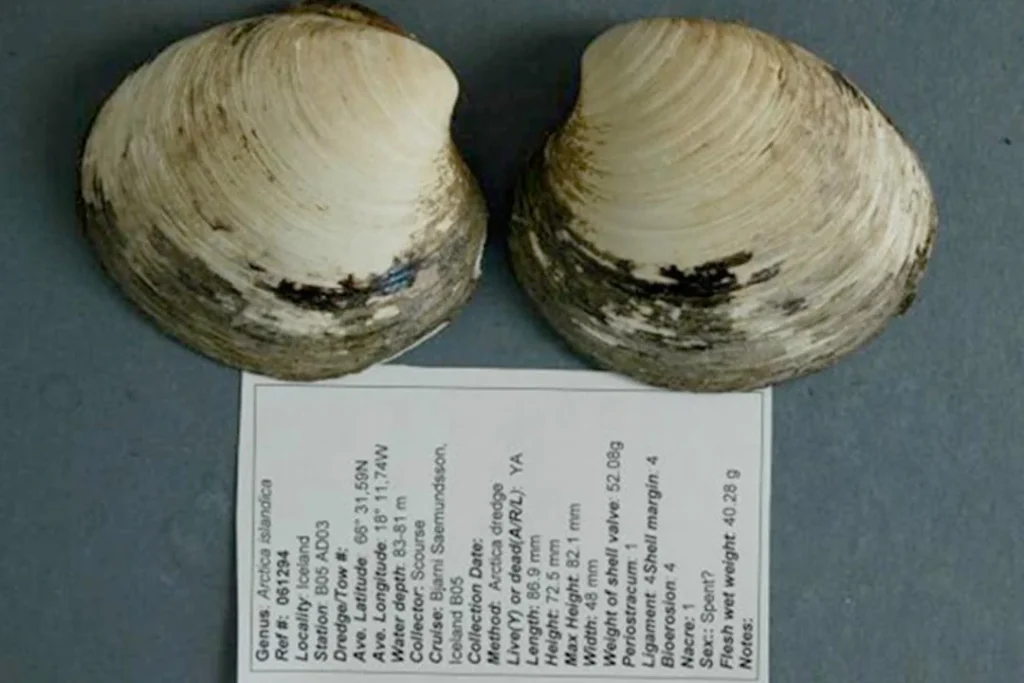

You probably expect the oldest living animal ever documented to fade away quietly in some untouched corner of the planet, not to die in a lab cooler. Yet that’s exactly what happened. The record holder, an ocean quahog clam later nicknamed Ming, survived storms, wars, and revolutions for more than five centuries, only to be killed the moment humans realized what they had in their hands.
Once you look closely at this story, it stops being a quirky science headline and starts feeling like a mirror. You see what curiosity can uncover, but you also feel how clumsy we can be with things we don’t yet understand. As you follow Ming’s journey, you’re not just learning about a clam; you’re forced to ask yourself how far you’re willing to go in the name of knowledge – and what you’re willing to break along the way.
The Day You Accidentally Dredge Up Half a Millennium
Picture yourself on a research vessel off the cold north coast of Iceland in 2006. You’re part of a scientific team hauling up clams from the seafloor, not because you think you’re about to discover a record-breaking animal, but because you’re collecting specimens to study climate and ocean conditions. The dredge comes up loaded with shells, mud, and a handful of living clams – just another day at sea, or so it seems.
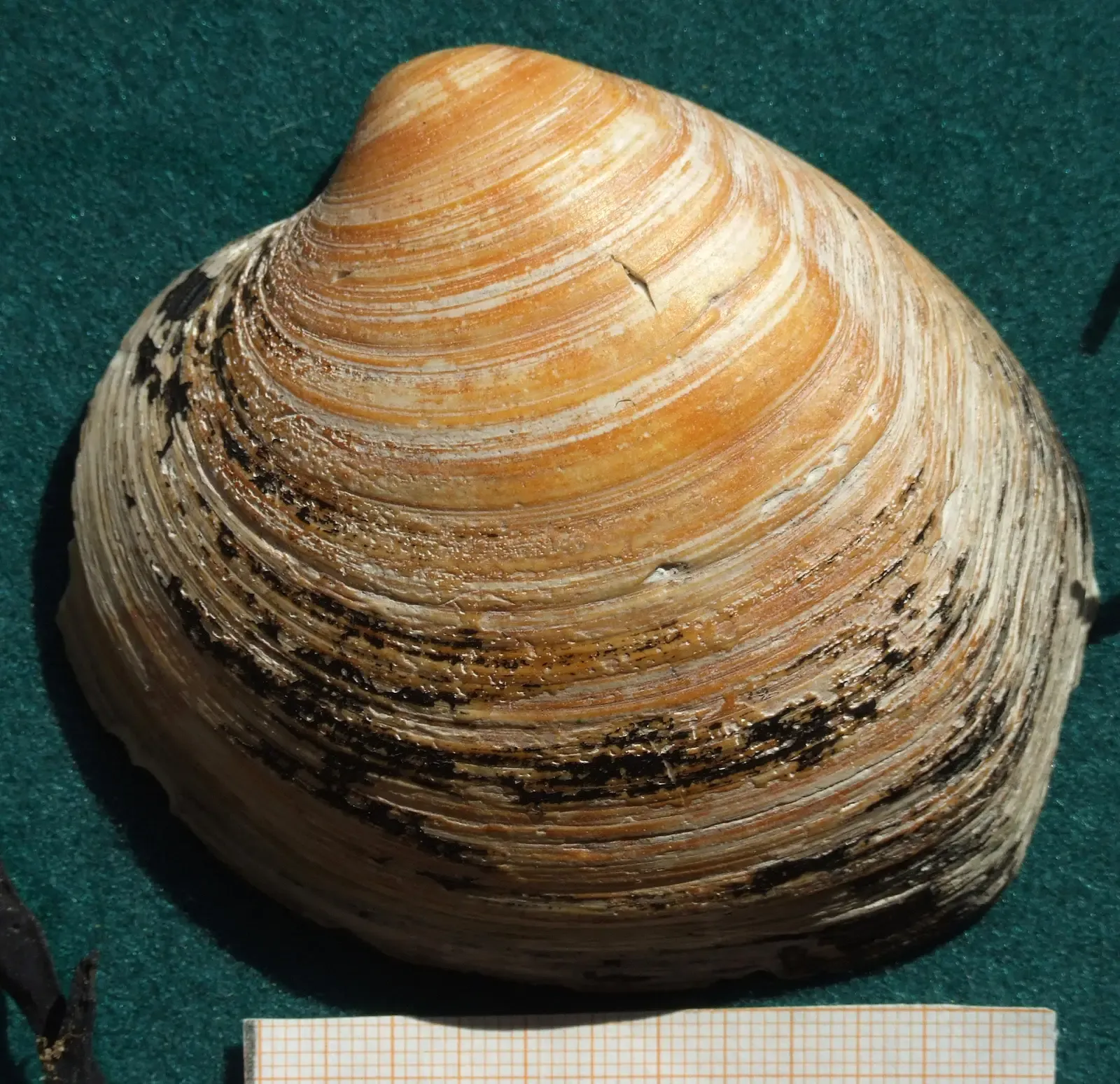
Among that anonymous pile sits one unremarkable-looking ocean quahog. To your eye, it’s just another sample, no shinier, larger, or more dramatic than the others. You bag it, label it, and move on. The clam is placed on ice or frozen along with the rest of the catch, because that’s standard practice for transport and later analysis. In that ordinary, routine moment, you have no idea you’ve just ended the life of a creature born around the time of the Ming dynasty in China and the early days of European ocean exploration.
Meet Ming: The Clam That Outlived Empires
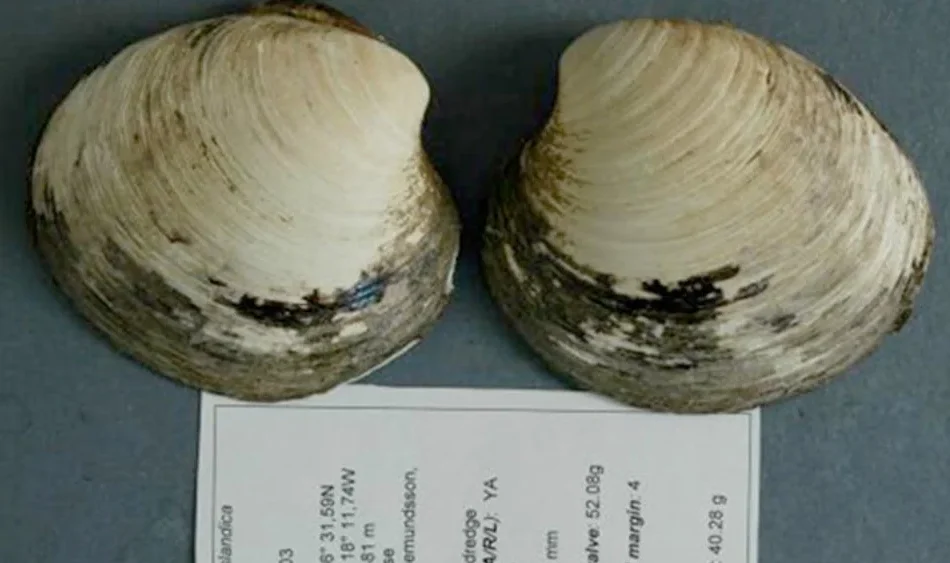
Later, when the numbers finally come in, you learn that the clam wasn’t just old – it was staggeringly old. By counting the growth lines on its shell, researchers eventually arrive at an age of roughly 507 years. That means this animal began its life around the late fifteenth century, when your mental world map would still show vast unknown oceans and continents only partially imagined.
Think about how much has happened in that span: entire nations have risen and fallen, languages have shifted, technologies you rely on every day were invented from nothing. Yet while all that chaos played out on land, this clam simply sat in the dark, cold Atlantic, filtering seawater, layer by layer laying down growth bands in its shell. You’re looking at a creature that quietly outlived multiple human lifespans stacked end to end, without ever knowing or caring that humans existed at all.
How You Actually Tell the Age of a Clam
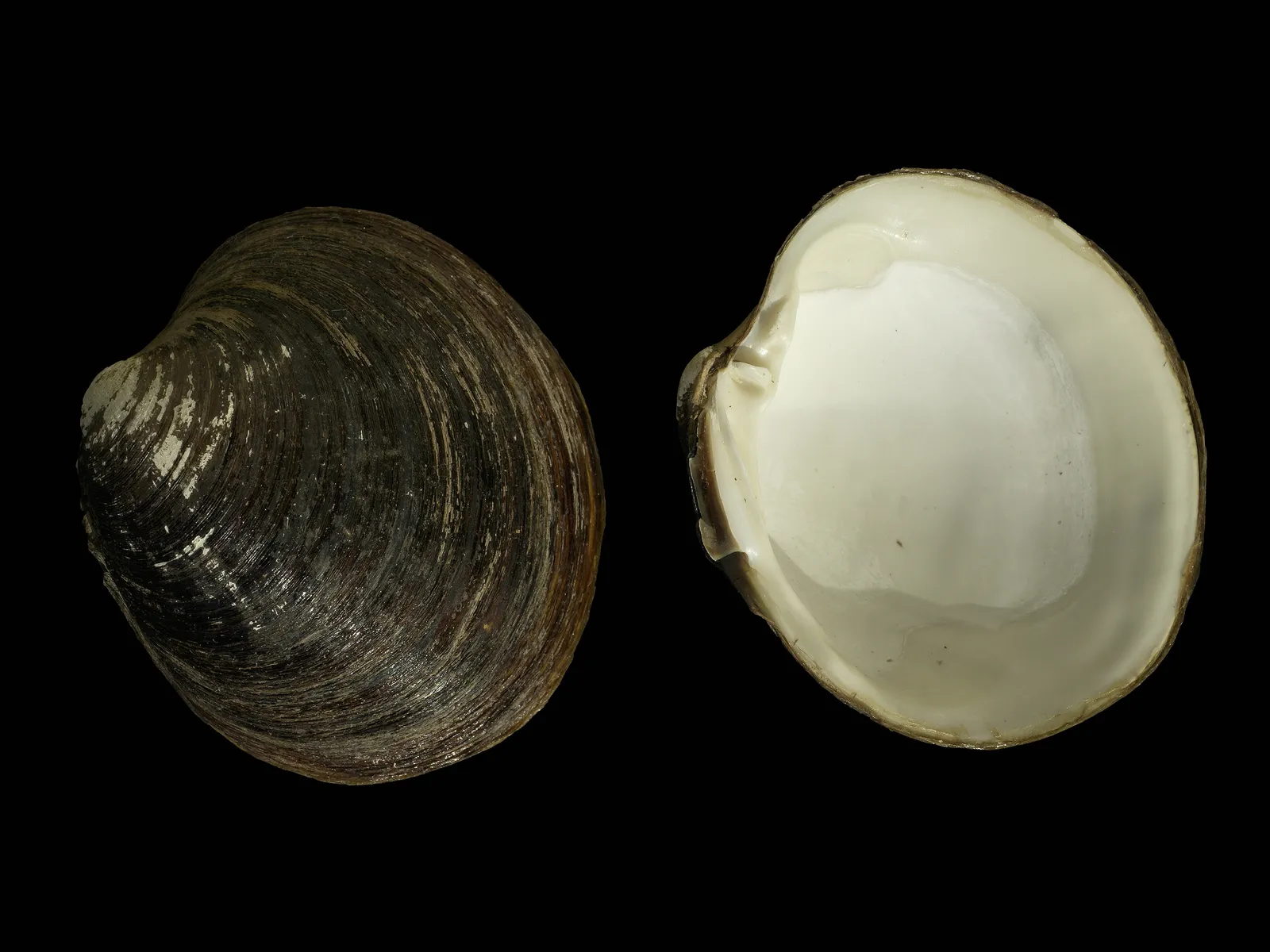
If you’ve ever counted rings on a tree stump, you already understand the basic trick scientists use on ocean quahogs. Each year, as the clam grows, it adds a narrow band to its shell. Those bands, visible in cross-section, act like a biological time-lapse, recording year after year of growth. To get a precise age, you have to examine those lines under a microscope, which usually means sectioning or opening the shell.
At first, Ming’s age was estimated to be just over four centuries, already extraordinary by any standard. Later, when the shell was re-examined more carefully using refined methods, the final count pushed that number past five centuries. That revision is the scientific equivalent of discovering that a 100-year-old person is actually closer to 130. You end up realizing that your original estimate was conservative, and that you were looking at a level of longevity you had literally never seen in an individual animal before.
Did Science Really Kill the Oldest Animal on Earth?
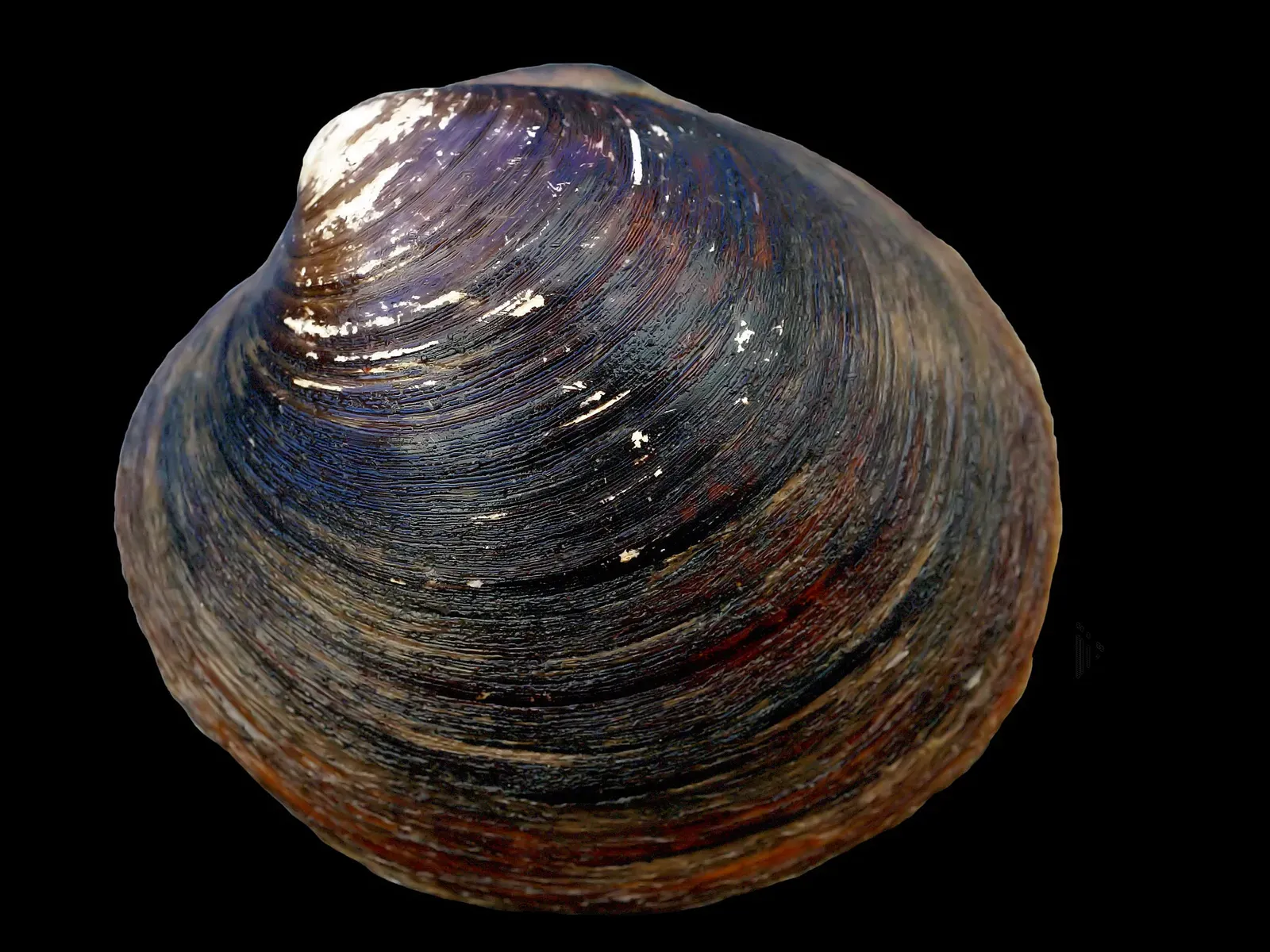
Once news of Ming’s age spread, the story quickly hardened into an angry, simple narrative: scientists killed the world’s oldest animal just to find out how old it was. You can see why that line sticks – it sounds like the plot of a dark comedy about human arrogance. But if you look closer, the reality is more complicated, and a bit less cartoonishly villainous. The clam was collected as part of standard sampling work, in a way that isn’t wildly different from how commercial fisheries scoop up countless clams every year.
In other words, if this specific research cruise had never happened, a similar animal might easily have ended up in someone’s chowder. Does that make you feel better about what happened? Probably not entirely. But it does shift your view from “scientists as reckless destroyers” to “humans as a species that regularly bulldozes ancient lives without ever knowing they existed.” The tragedy here is less about a single bad decision and more about how blind you often are to the age and value of the lives you disturb.
What a 507-Year-Old Clam Can Teach You About Aging
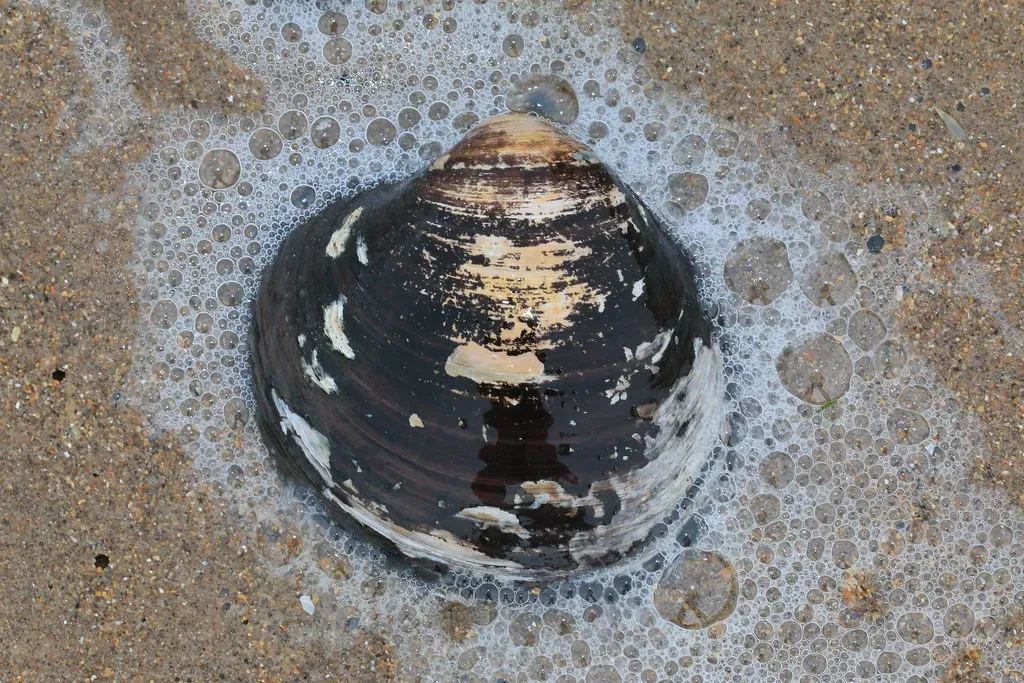
Once you get past the initial shock and frustration, the next question is obvious: how does anything live that long? Ocean quahogs like Ming age at a glacial pace. Their metabolism is incredibly slow, their environment is cold and stable, and their daily lives involve almost no drama – no sprinting from predators, no desperate hunts, just quiet filtration on the seafloor. That low-stress lifestyle, coupled with cellular mechanisms that resist damage, seems to be a huge part of their longevity.
For you, Ming becomes more than a curiosity; it’s a hint that aging is not some fixed, universal clock that ticks the same way for every species. By studying long-lived animals, scientists hope to understand how cells repair themselves, how they avoid the buildup of damage, and what molecular tricks let some creatures stay functional for centuries. You may never live five hundred years, but insights from animals like Ming could eventually shape how you age, how long you stay healthy, and maybe how diseases of old age are treated or delayed.
A Time Capsule of Climate and Human History
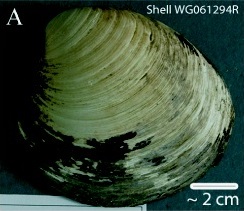
Here’s a twist you might not expect: Ming was valuable not just because it was old, but because its shell effectively stored a five-hundred-year environmental diary. Each growth band can record subtle changes in seawater chemistry and temperature over time. When scientists read those bands, they can reconstruct past ocean conditions in a way that no instrument record can match. You’re basically holding a living, growing archive that stretches back before most modern measurements existed.
That means a single clam can help you trace how the North Atlantic has changed from the era of wooden sailing ships to the age of container vessels and carbon emissions. It links your present climate crisis to centuries of natural variability and slow shifts. Even in death, Ming’s shell becomes a tool for understanding how the ocean responds to long-term changes, and how that might shape the world you’re leaving for future generations.
Ethics, Regret, and How You Treat the Next “Ming”
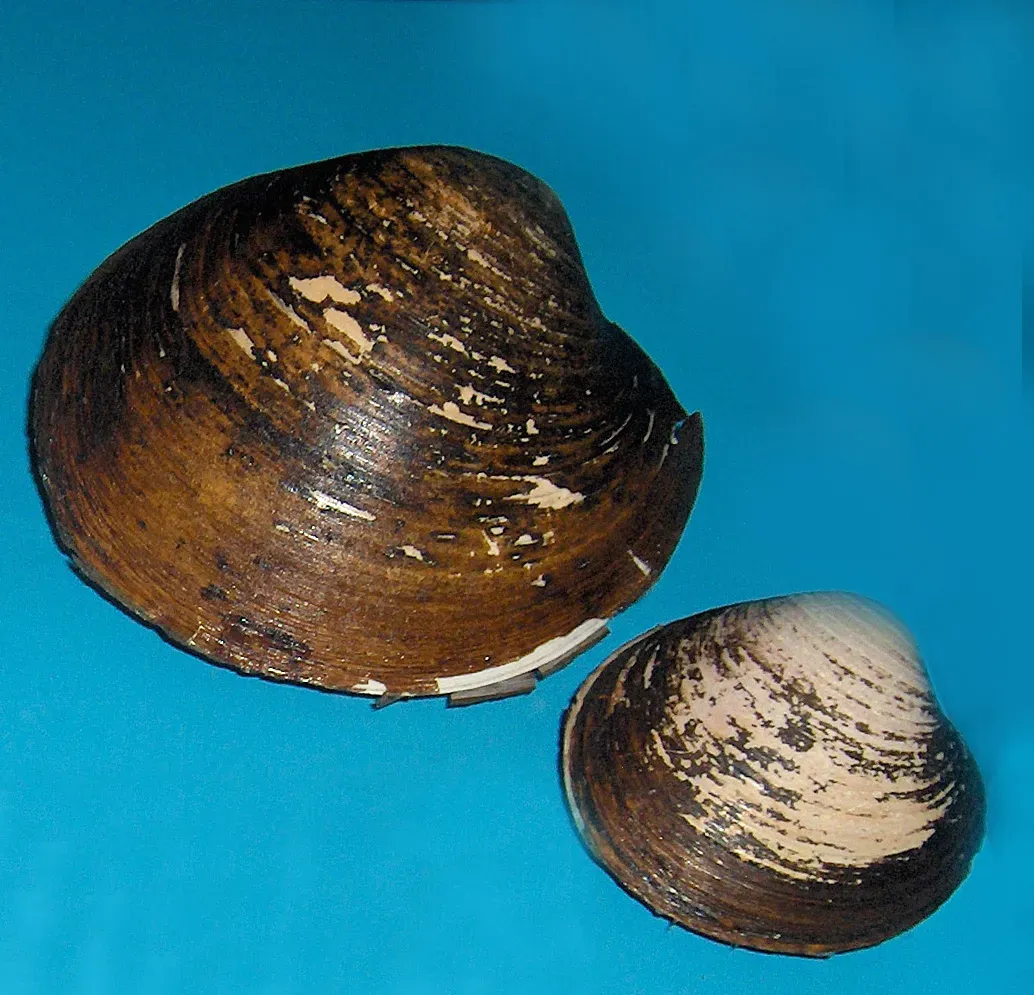
When you put yourself in the shoes of the researchers, you can imagine the gut punch that came with the final age calculation. One moment you think you’ve just processed another anonymous sample, and the next you realize you have unintentionally ended the life of the oldest individual animal ever recorded. That kind of revelation is not just a scientific milestone; it’s a moral hangover. You do the work to learn more about the world, and now you’re forced to ask whether the cost was too high for this one, irreplaceable being.
The story has since become a kind of cautionary tale in marine science and beyond. You’re nudged to think harder about how much harm is acceptable in the pursuit of knowledge, especially when dealing with rare or exceptionally old individuals. Maybe you refine your sampling methods, or you build more non-lethal techniques before you even touch a specimen. Maybe you simply carry a little more humility into the field, remembering that the most extraordinary life you’ll ever encounter may look, at first glance, completely ordinary.
How Ming Changes the Way You See “Ordinary” Life
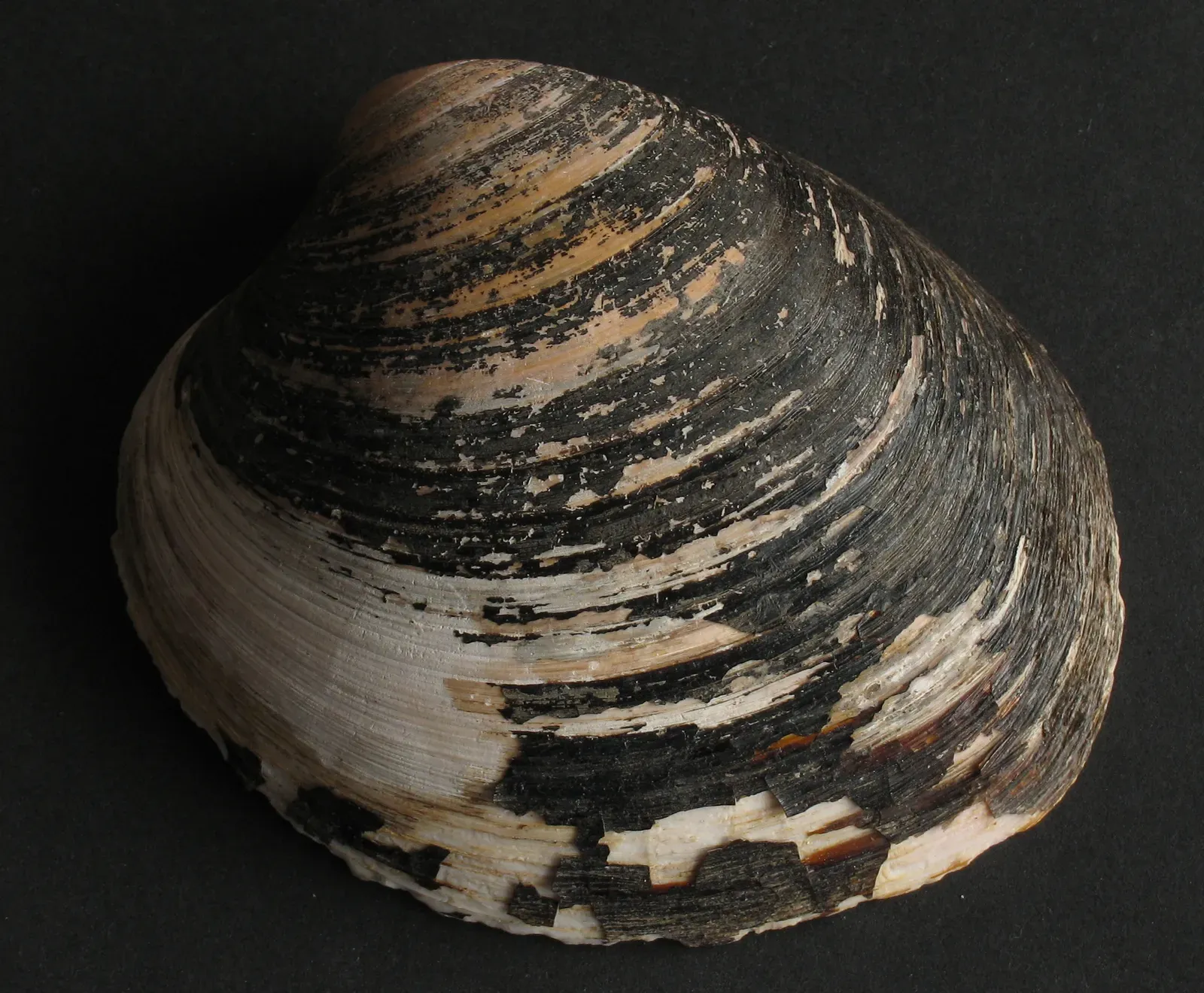
After hearing about Ming, it’s hard to look at a shell on the beach the same way again. You start to realize that the world is full of quiet, hidden outliers – organisms that have been alive longer than your family tree reaches, living beneath your ships, your planes, your satellites, and your headlines. The idea that something so unassuming could predate your entire modern era by centuries is both humbling and a little unsettling.
In a way, Ming forces you to slow down. You live in a culture obsessed with speed, novelty, and instant results, yet this clam’s entire survival strategy was the opposite: move as little as possible, do everything slowly, and outlast the chaos above. That contrast nudges you to ask what you value: is a life measured only by activity and achievement, or can duration and quiet resilience matter just as much? You might never live centuries, but you can still choose to carry a bit of that long-view patience into your own very human-sized lifespan.
Conclusion: A Half-Millennium Life, Cut Short and Still Speaking
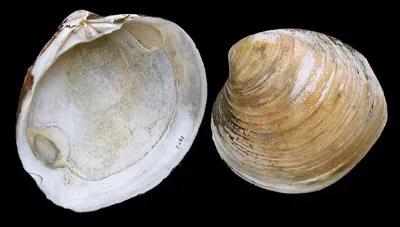
Ming’s story hits you in the gut because it sits right at the intersection of wonder and regret. You’re amazed that a single animal could survive more than five hundred years, and at the same time you’re frustrated that its life ended at the moment its full significance came into focus. That tension is exactly where a lot of modern science lives: between the desire to understand and the responsibility not to damage what you’re trying to learn from.
If you let this story sink in, it gently changes how you see the living world around you. You’re reminded that age, value, and importance are not always visible on the surface, and that curiosity without caution can erase the very miracles it discovers. The next time you hear about some strange, long-lived creature in the news, you might find yourself wondering less about the record and more about the choices made along the way. When you’re standing on the edge of the unknown, how do you decide what is worth sacrificing to find out what’s inside?