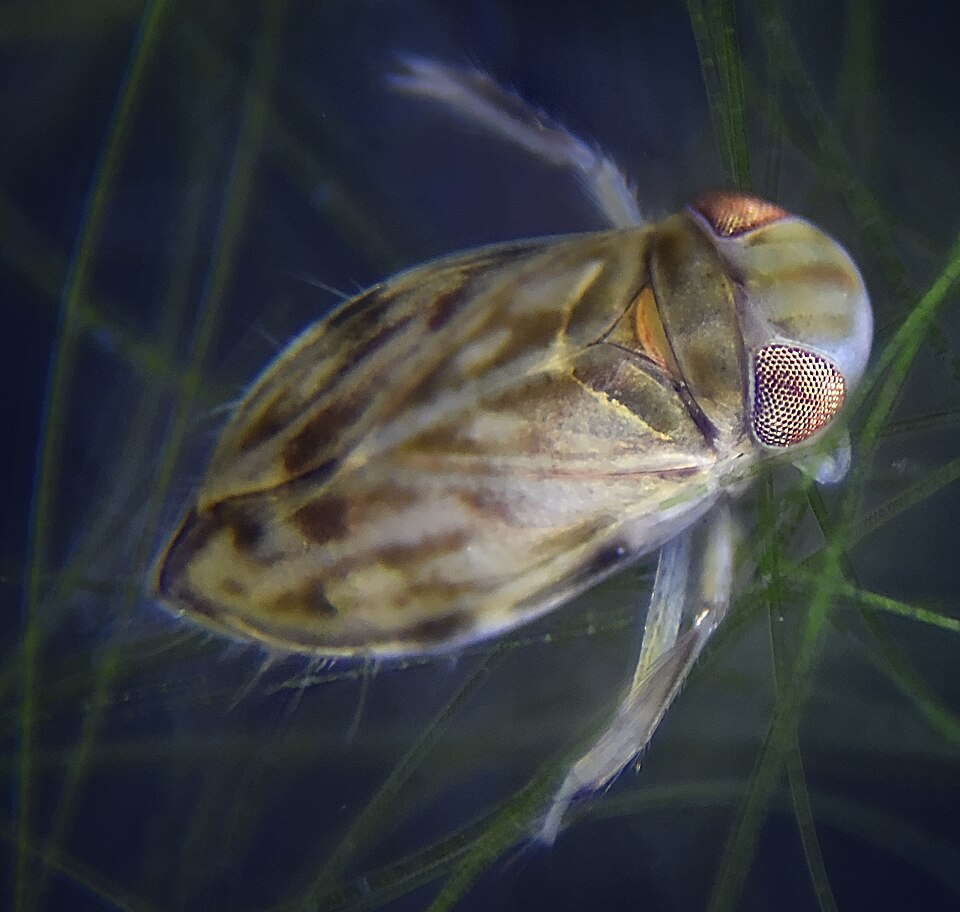

You probably imagine roaring lions or singing whales when you think about the loudest animals on Earth, but the real champion is tiny enough to sit on your fingertip. It does not live in the savanna or the open ocean, and you will not see documentaries dedicated to it. Instead, it hides in quiet freshwater ponds and slow streams, going about its life while you swim, fish, or walk past without the faintest clue that a record‑breaking sound show is happening just below the surface.
The wild twist is this: relative to its body size, this little creature produces a sound so intense that, scaled up to something like your size, it would rival jet engines. You will not hear it during a picnic by the lake because the sound travels mostly underwater and at very high frequencies, beyond what your ears can easily pick up. Still, the physics at play are astonishing, and once you understand how it works, you may never look at a still, green pond the same way again.
The Tiny Pond Insect That Outscreams Giants
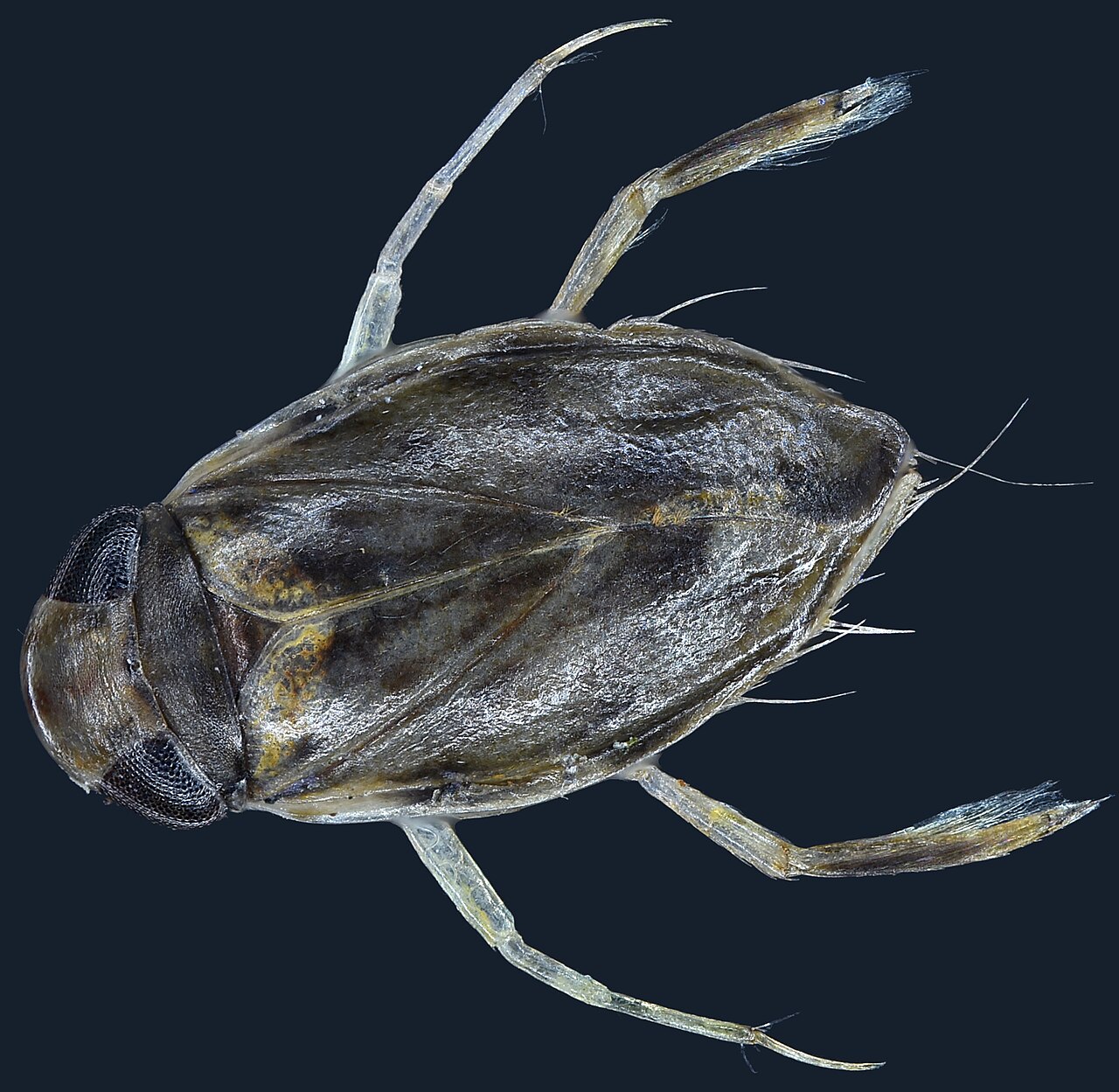
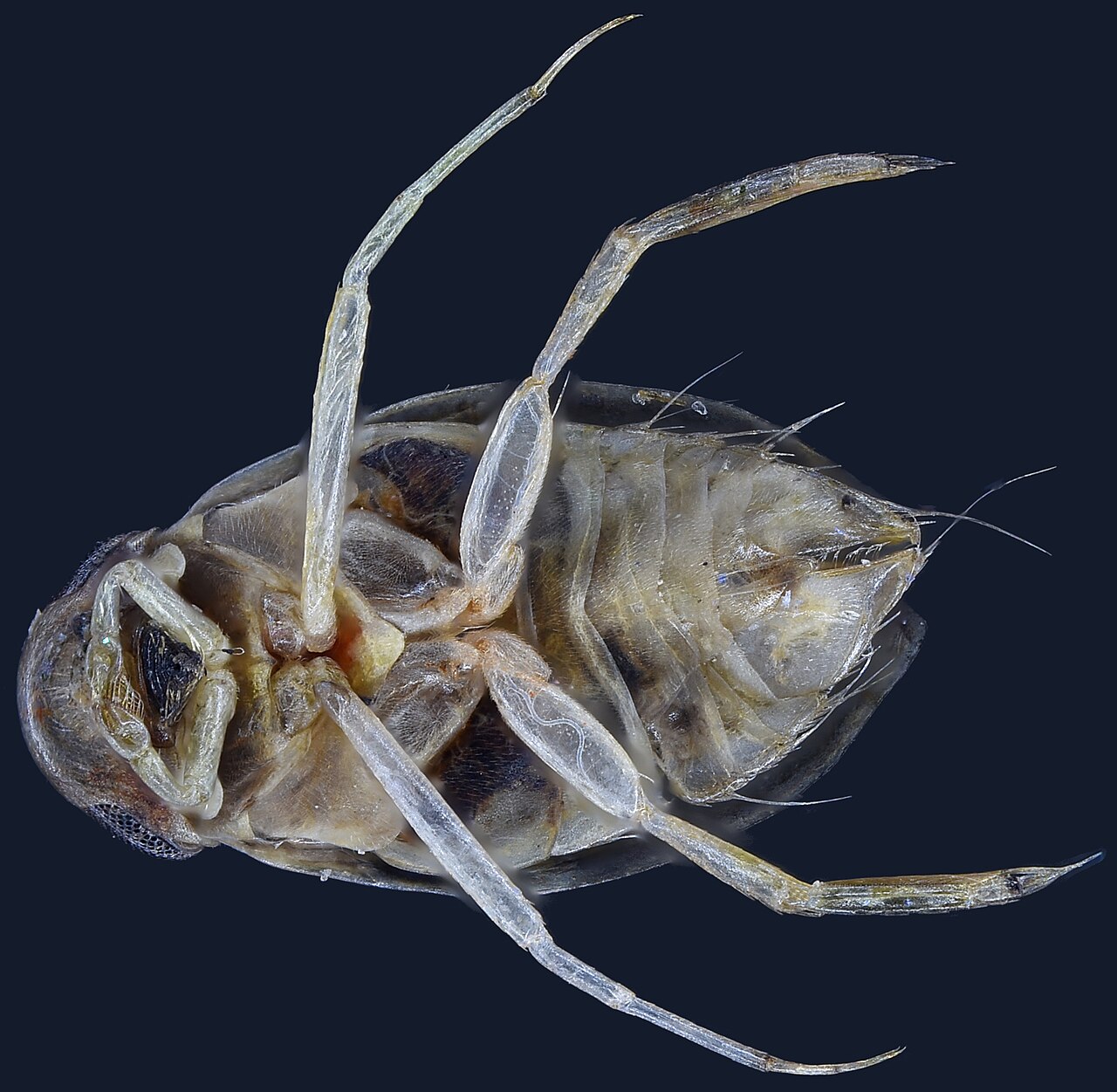
The loudest animal on Earth relative to its body size is a tiny freshwater insect known as a water boatman, specifically a species called Micronecta scholtzi. You might have seen its relatives before without realizing it, those little, oval bugs that row themselves through ponds and ditches with oar‑like legs. At only a few millimeters long, it looks completely harmless and almost boring, yet if you could hear at the right frequencies and volumes underwater, you would realize you are sharing space with a serious noise machine.
What makes this so wild is the comparison with giants like whales and lions. A blue whale can produce calls that travel across ocean basins, and a lion’s roar carries for kilometers on the savanna, but when you adjust for body size, the humble water boatman leaves them behind. Imagine a house cat meowing louder than a rock concert when scaled for size; that is the kind of mismatch you are dealing with here. You are not just meeting a quirky insect; you are meeting a world record holder hiding in plain sight.
How an Insect Turns Its Genitals into a Sound System
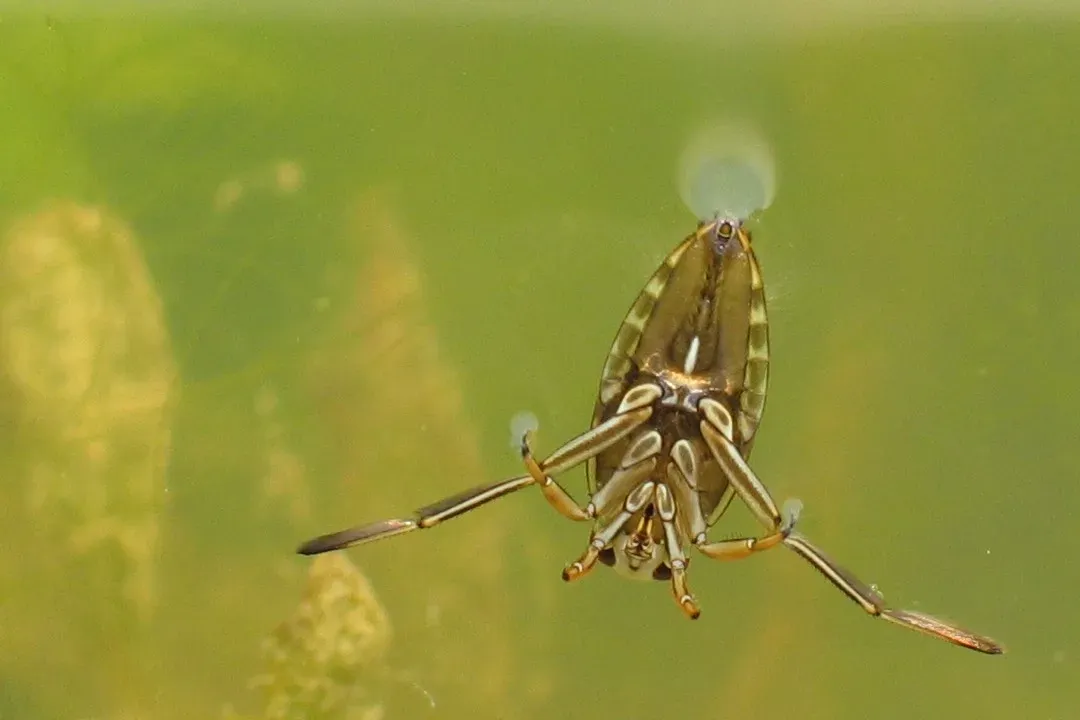
The part that really sticks in your mind is how this insect actually makes its sound. You might expect vibrating wings or vocal cords, but instead, this animal uses a structure most people would never guess: its genitals. The male water boatman produces sound by rubbing a ridge on its penis against a similarly ridged part of its body, in a process similar to a violin bow on strings, except it is taking place in miniature and underwater. The result is a rapid series of vibrations that becomes an incredibly loud chirp.
If that sounds strange, you can think of it as nature’s version of a weird musical instrument your brain would have never invented on its own. Other insects rub wings or legs together to call mates, so the basic idea of stridulation is not unusual, but the location of the sound‑producing organ in this case is unusually intimate. When you picture a male water boatman calling, you are basically imagining a tiny animal turning its reproductive anatomy into an acoustic amplifier. It is bizarre, a bit funny, and also a sharp reminder of how creative evolution can be when the only rule is: if it works, it stays.
How Loud Is “Loud” When You’re Only a Few Millimeters Long?
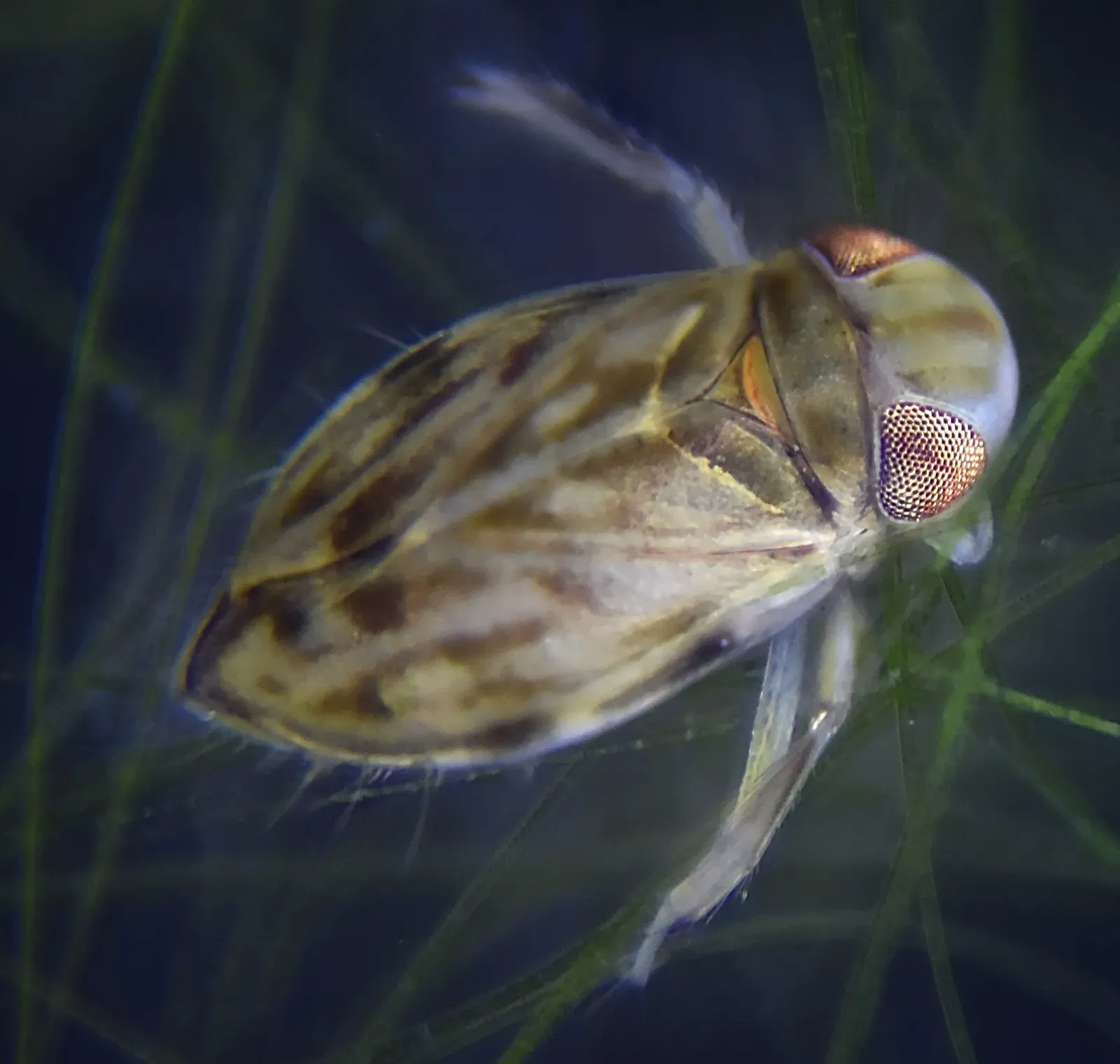
To really appreciate what is going on, you need to translate this weird little chirp into something you can relate to. Measurements taken underwater near these insects have shown sound levels in the range of a noisy conversation or even a busy street when you are fairly close to the source. That might not sound impressive at first, but remember, you are talking about a creature that is only a few millimeters long, hardly larger than a grain of rice. If you scaled that sound level up to match a human body, you would be dealing with volumes comparable to heavy traffic or machinery.
It helps to imagine trying to shout across a room so loudly that someone in the next building can hear you as clearly as if you were standing beside them. That is the sort of acoustic overachievement this insect pulls off for its size. You cannot casually compete with that using your lungs and vocal cords. Even many much larger animals would struggle to produce proportionally similar sound intensities. In other words, if you could hand out trophies for “loudest per centimeter of body length,” this little pond insect would be stepping up to the winner’s podium.
Why You Never Notice the Loudest Animal Around You
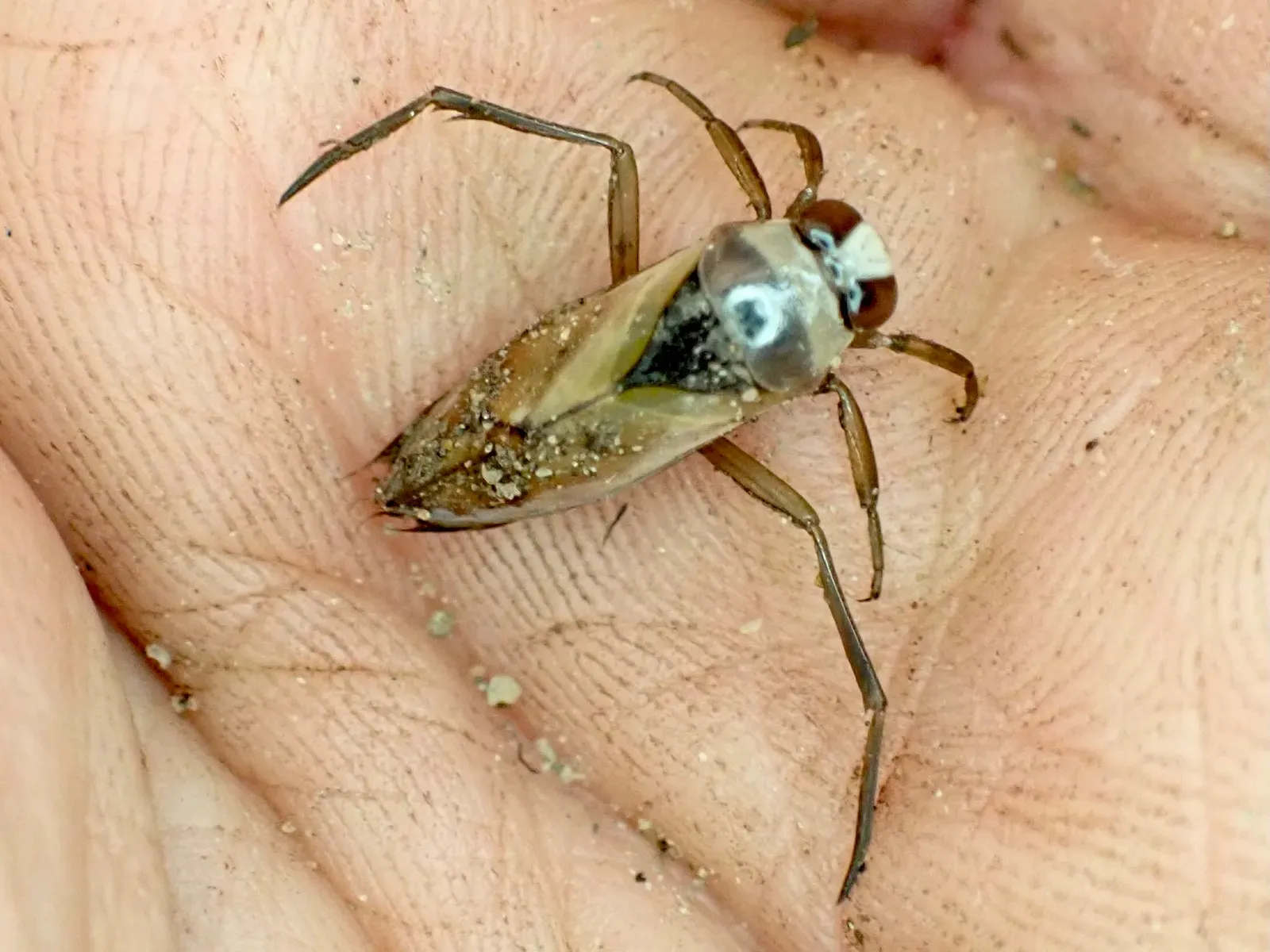
You might wonder why you have never heard this insect if it is so loud relative to its size. The main reason is that most of the sound is produced underwater, and water carries sound very differently from air. Also, a significant portion of the sound energy is at high frequencies that your ears do not pick up easily, especially when you are standing on the bank or walking past. You could be right next to a pond full of these insects, and your brain would register nothing more than quiet ripples and maybe the wind in the reeds.
There is also the simple fact that you do not usually listen carefully to ponds the way you might listen to birds in a forest or waves on a beach. Many freshwater habitats seem visually calm and acoustically empty to you, but underwater they can be anything but silent. Crustaceans snap, insects chirp, fish grunt or drum, and plants release bubbles that pop faintly in the water. In that hidden chorus, the water boatman is belting out its song, but unless you use specialized underwater microphones or sit very close with your ears just at the surface, you will never really know it is there.
The Surprising Reason This Insect Sings So Loudly
So why does this tiny insect bother to make such a huge racket relative to its size? The answer is simple and very old: it is all about attracting mates and competing with rivals. Male water boatmen use their songs to advertise themselves to females, sending the message that they are strong, healthy, and worth choosing. In crowded ponds where many males may be calling at once, being louder and clearer can give you a real advantage, just like a singer who can project over a noisy crowd.
You can think of this as the freshwater equivalent of a nightclub with multiple performers shouting over each other. If you are a male insect in that situation, you want your signal to stand out against the background noise of moving water, other insects, and maybe even rain on the surface. A powerful, sharp sound helps your call travel farther and stay distinct. Over countless generations, males that managed to produce louder, more efficient sounds had better success, and natural selection turned what might have been a modest little noise into something extreme.
Living in a Noisy Underwater Neighborhood
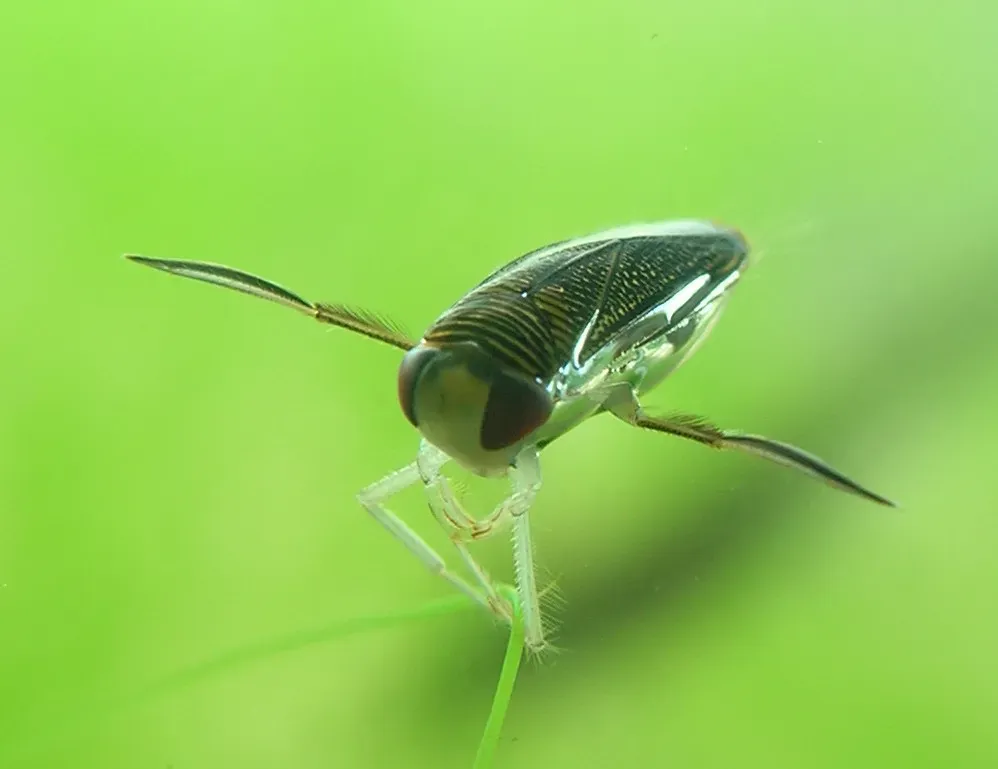
It is easy to imagine ponds and lakes as peaceful, almost silent places, but when you look below the surface, you realize they can be surprisingly noisy neighborhoods. If you listen with underwater microphones, you may hear snapping from aquatic invertebrates, clicking or grunting from fish, and a faint chorus of insect calls blending into a continuous hum. In that submerged soundscape, the water boatman’s song is like a sharp, recurring note punched into the mix, cutting through the murmur of everything else that lives there.
This has consequences for how animals communicate and survive. When you live in an environment where sound travels farther than light or scent, acoustic signals can become your most reliable way of finding mates, warning rivals, or staying in touch with others of your kind. If you are a fish or another insect sharing space with these loud callers, you might even have to adjust your own timing or frequency range to avoid being drowned out. You are not just dealing with a cute curiosity; you are looking at a real piece of ecological competition happening in the acoustic arena.
What This Tiny Screamer Teaches You About Evolution and Physics
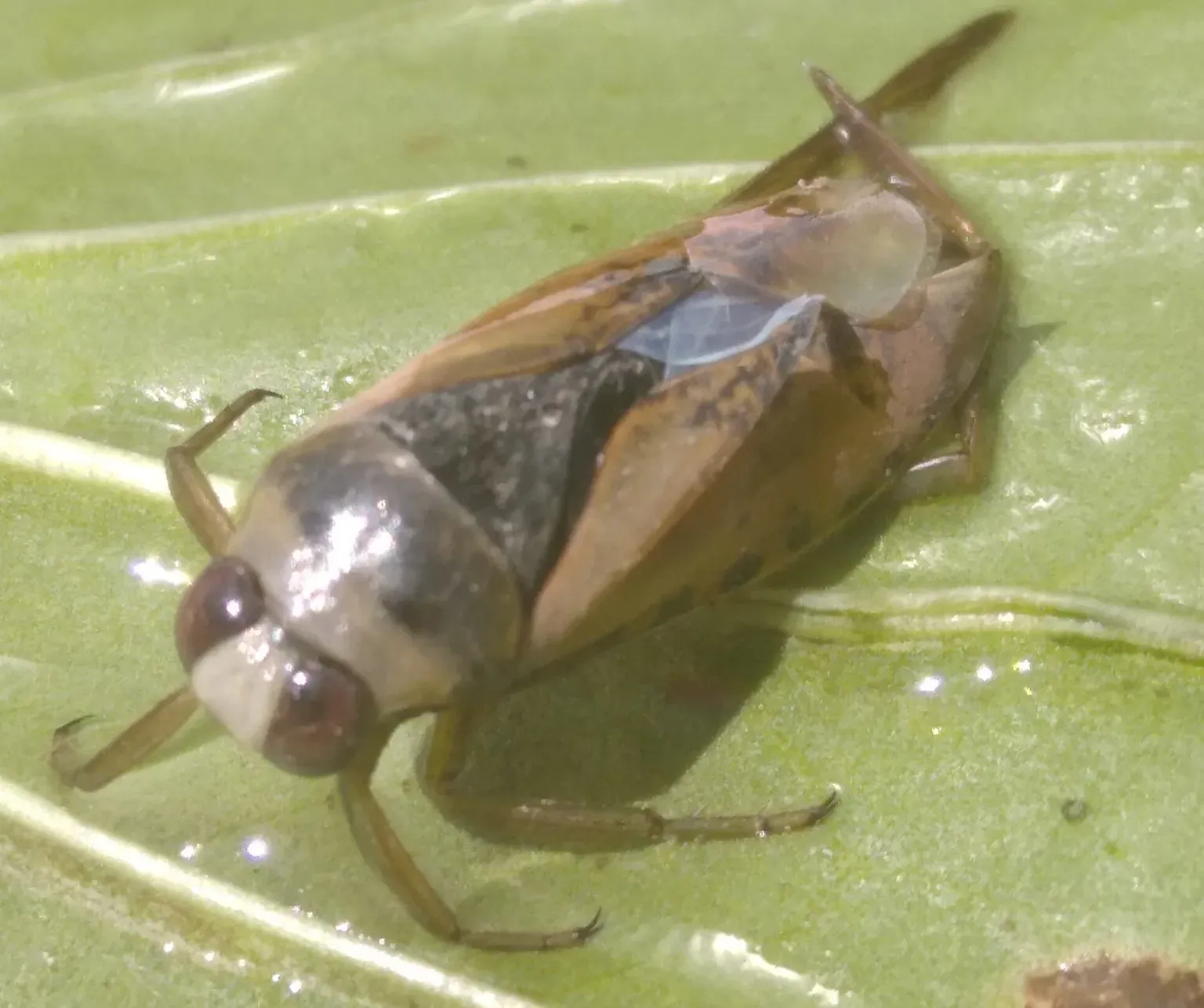
Once you step back, this story is really about how evolution and physics team up to create solutions you would never predict. The water boatman has no voice box, no drum, and no fancy electronics, yet it manages to convert tiny mechanical movements into a sound that punches way above its weight. By using a rough, ridged surface and very fast rubbing motions, it squeezes a lot of acoustic energy out of a small body, like the way a carefully tuned violin can fill a concert hall even though the strings barely move.
For you, this is a reminder that extreme traits often hide in plain sight, especially in animals that seem too small or too ordinary to bother with. You might admire elephants for their size or eagles for their flight, but some of the most impressive records belong to creatures that almost nobody notices. If a millimeter‑scale insect can become the loudest animal on Earth relative to its body size, then the world is probably full of other quiet‑looking overachievers waiting to be discovered. You just need to look closer, listen differently, and let go of your assumptions about what “impressive” is supposed to look like.
How You Could Actually Experience This Sound Yourself
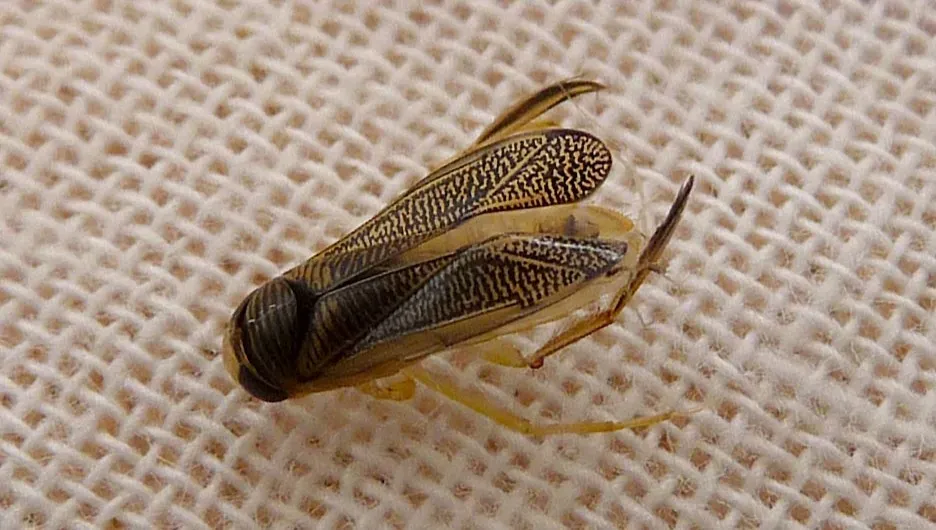
If you ever feel curious enough to experience this phenomenon more directly, you do not need an ocean voyage or a safari. Instead, you would start with a quiet freshwater pond, canal, or slow stream where aquatic insects are common. With a simple underwater microphone, known as a hydrophone, you could lower the sensor just beneath the surface and listen through headphones as an entire hidden world of sound comes to life. You might hear crackles, pops, and hums, but if you are lucky and in the right place, you may catch the sharp, repetitive calls of water boatmen mixed into the background.
Even without equipment, you can still change the way you look at these habitats. The next time you stand by a pond, you can remind yourself that you are likely surrounded by animals communicating at volumes and frequencies your body simply is not built to detect. That shift in perspective alone makes an everyday scene feel almost magical. Instead of staring at a still, green surface and thinking nothing is happening, you can picture a submerged stage full of tiny performers, each sending out signals, competing, and living complex lives that are simply invisible and inaudible to you.
Why This Matters in a World Getting Louder
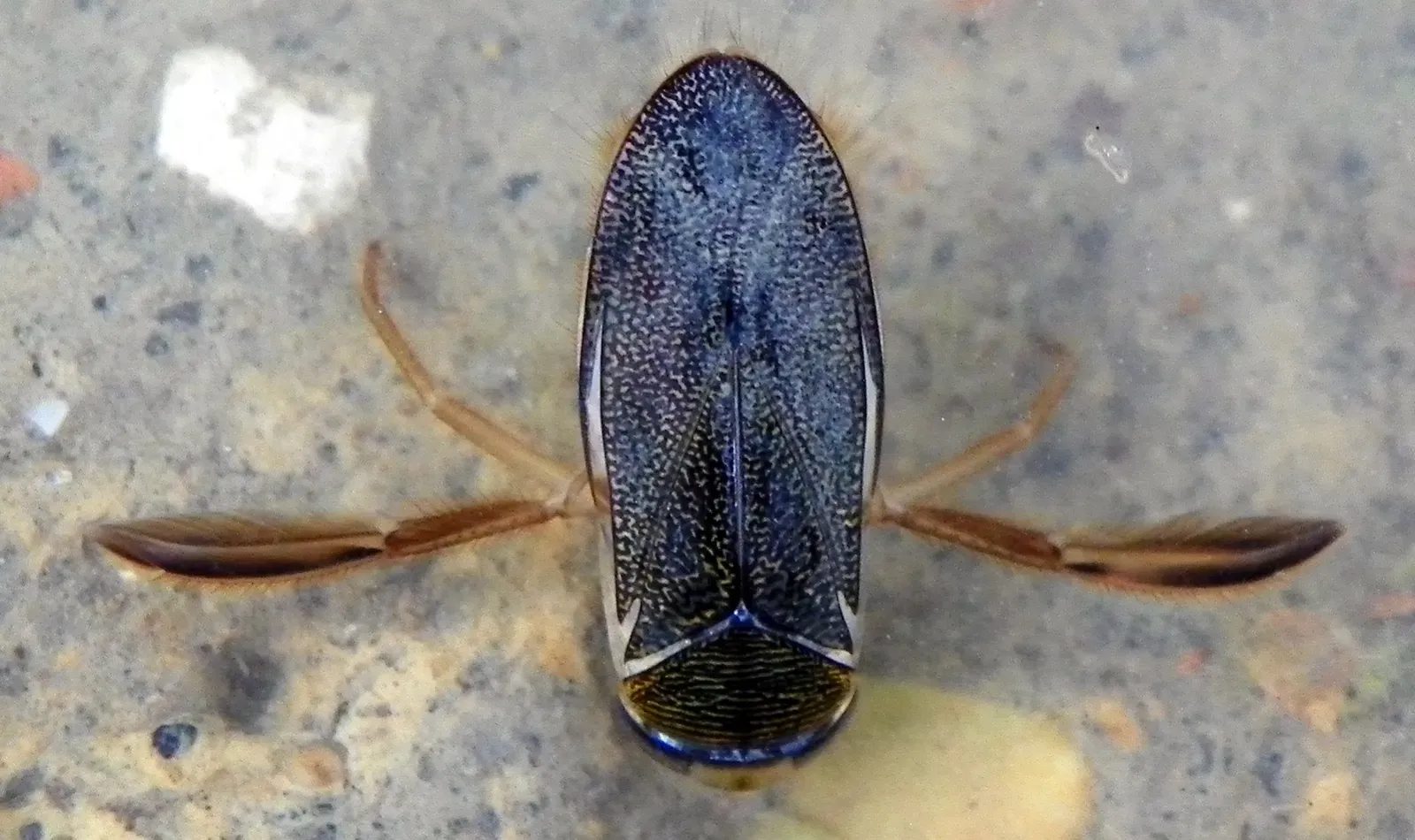
At first, learning about a noisy pond insect might feel like a fun piece of trivia, but it also nudges you to think about sound in a deeper way. As human noise spreads into more natural habitats, from boat engines to construction to constant traffic, the acoustic space that animals rely on becomes more crowded. If you depend on sound to find a mate or avoid danger, and your world suddenly fills with low‑frequency rumble or random mechanical noise, you can lose your edge. Even a super loud insect relative to its size could have its calls masked or distorted by human activity.
When you appreciate how finely tuned these acoustic strategies are, you start to see quiet areas, dark nights, and untouched habitats as resources just as important as clean water or healthy soil. Protecting them does not only help large, charismatic animals; it also matters for the tiny specialists like the water boatman that conquered its niche in such a dramatic way. In a way, respecting natural soundscapes is like giving every species, from insects to whales, a fair chance to keep talking, singing, and shouting in the languages their bodies evolved to use.
Conclusion: The Secret Rock Concert Beneath the Surface
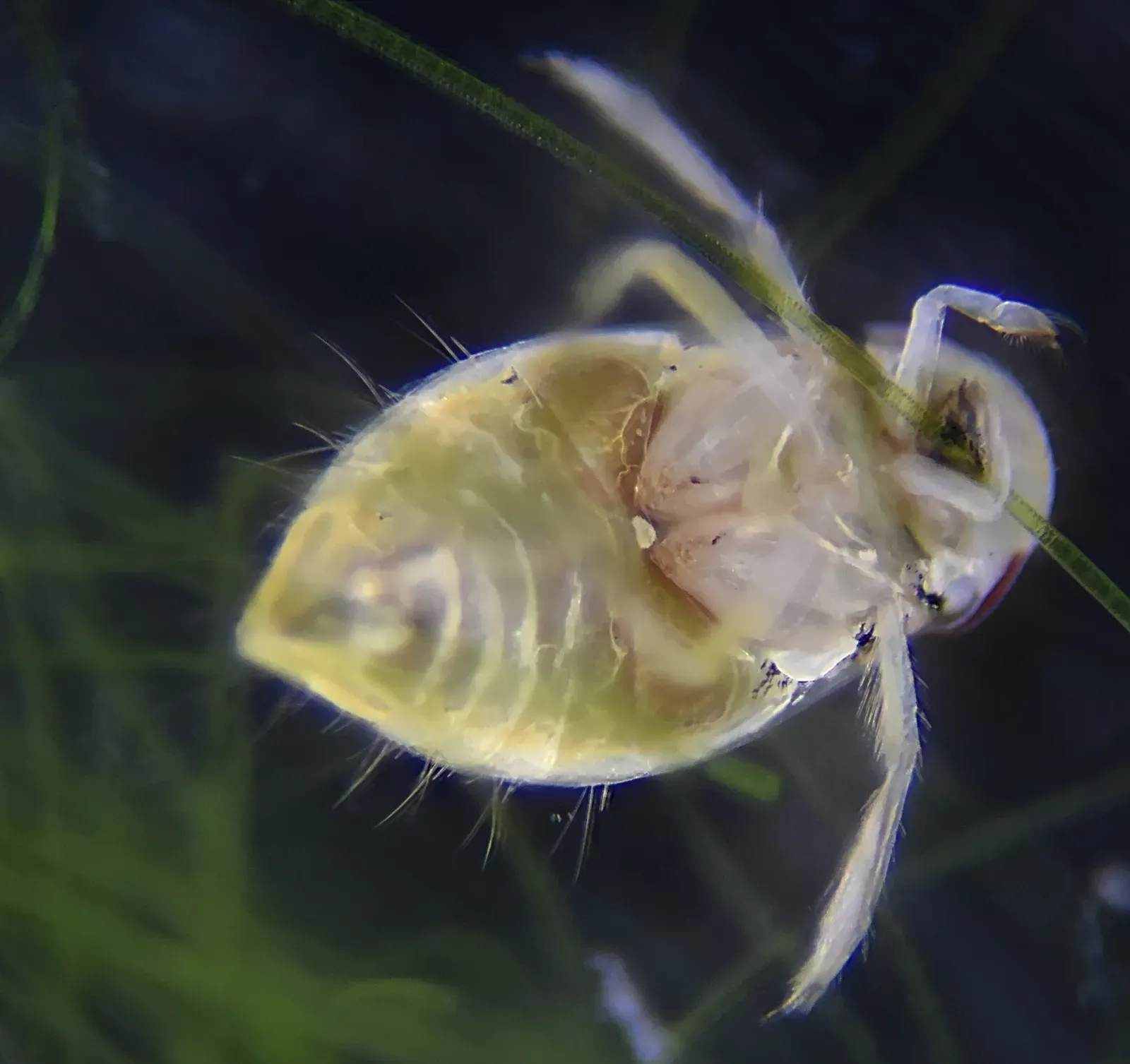
When you put it all together, the idea that the loudest animal on Earth relative to its body size is a tiny pond insect feels almost like a private joke nature is playing on your expectations. You grow up hearing about roaring predators and booming whales, but meanwhile, a creature smaller than your fingernail is shouting its heart out in a forgotten ditch. Its call comes from an unlikely anatomical source, travels mostly underwater, and works so well that it turns an unassuming bug into a world record holder. Once you know this, a quiet pond does not feel so quiet anymore.
This story also leaves you with a gentle challenge: the next time you are outdoors, try assuming there is more going on than your senses can catch at first glance. Somewhere beneath the surface, behind the leaves, or inside the soil, something remarkable is happening, even if it never trends online or ends up in a nature documentary. If a tiny water boatman can become an acoustic champion without anyone noticing for so long, what other hidden champions are you walking past every day without realizing it?