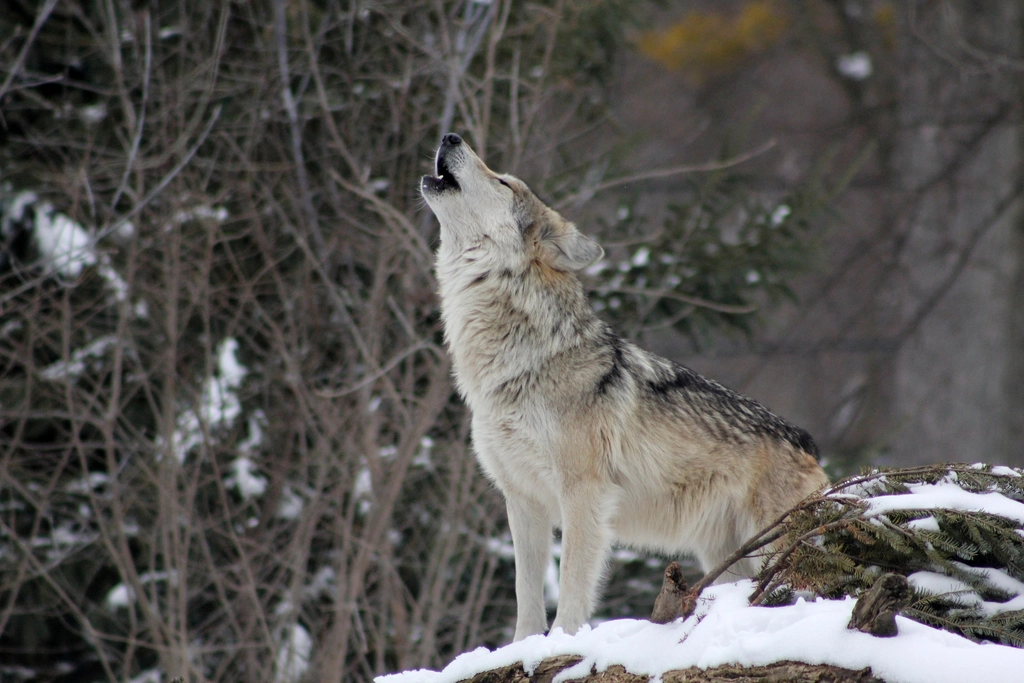

You have probably grown up with the image: a single wolf silhouetted against a full moon, lifting its head to call desperately to its missing pack. It feels tragic, romantic, almost human. But when you look at what wildlife biologists have learned from radio-collared wolves, territory maps, and painstaking field recordings, that picture starts to crack. A lone wolf howling in the dark is usually not begging for company. Very often, it is saying the opposite: stay away, this space is taken, I am not looking for a crowd. When you reframe that haunting sound from a cry for help into a line in the sand, the whole idea of a “lone wolf” changes. You stop seeing just an outcast and start seeing a strategist, an animal taking frightening risks to survive, mate, and carve out a life at the edge of other packs’ power. Once you understand that, you begin to hear something very different in that echoing howl: not loneliness alone, but negotiation, calculation, and at times, defiance.
The Myth You Were Sold About Lone Howls
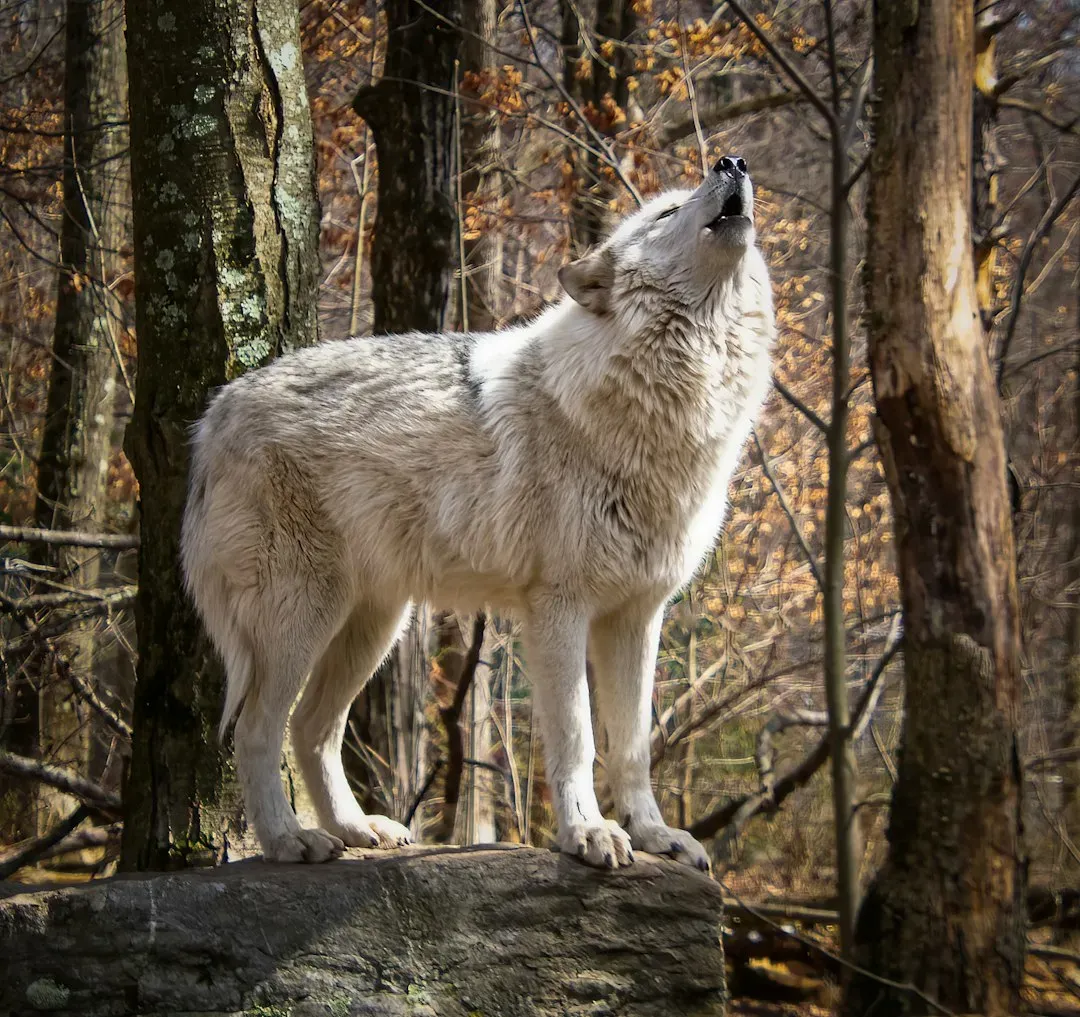
You have been trained by movies, TV shows, and even nature documentaries to hear a single howl as a sad voicemail left for missing family. The story is simple and emotional: a wolf gets separated, calls out, the pack responds, and everyone rushes together in a dramatic reunion. It is compelling because it mirrors what you might imagine doing if you were lost in the dark, using your voice as a lifeline. When you hear that high, steady note roll over a valley, it is natural to assume the animal must be doing the same thing.
Wildlife science paints a more complicated picture. You still see reunion calls, especially when a pack member truly loses track of the group, but that is only one slice of wolf howling behavior. When researchers mapped where howls came from, when they happened, and which animals answered, they kept finding something that doesn’t fit the movie script: lone wolves using howls in ways that looked a lot more like fences than invitations. The sound was often less “come find me” and more “this place is occupied; keep your distance.”
How Wolves Actually Use Their Voices Across the Landscape
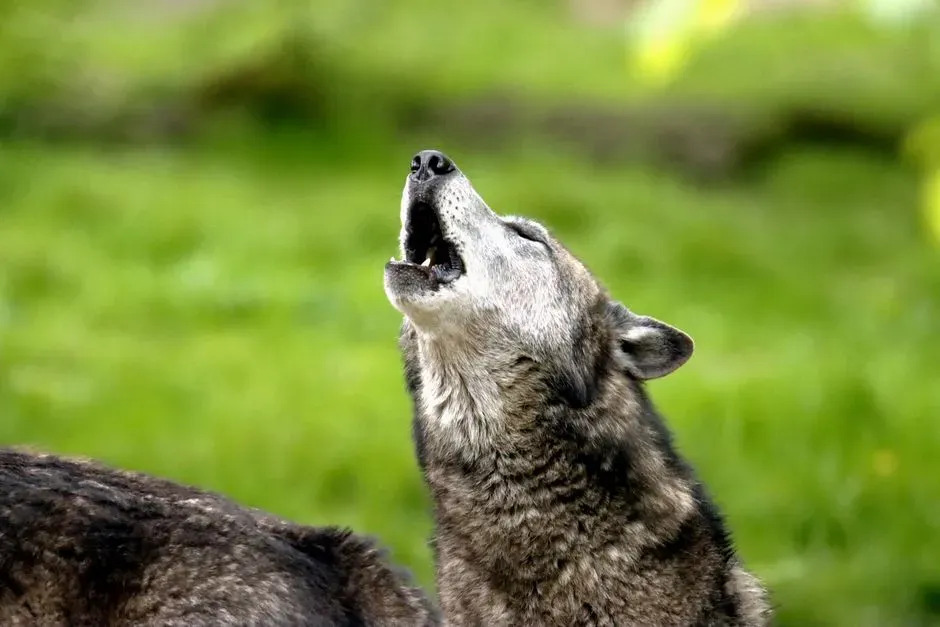
If you treat a wolf howl like a text message, you can start to see why scientists say it is more about controlling space and risk than just gathering friends. A howl can travel for miles in the right conditions, and it slices through trees, hills, and darkness better than scent or body language ever could. Packs use chorus howls to mark their presence, to check in with scattered members, and to warn other wolves that they are ready to defend this area. That alone already breaks the myth that a howl is always a plea; often it is a billboard or a border sign.
For you, the twist shows up when one wolf is howling without the backing vocals of a pack. In those situations, researchers have found that the context matters: where this wolf is standing, how close neighboring territories are, and what season it is. A single howl at the edge of an established pack’s range is rarely an open invitation for company. It is more likely a carefully placed announcement: I am here, I hear you, and I am managing distance, not begging for closeness. Once you think in terms of territory maps instead of movie scenes, that logic makes sense fast.
Why a Lone Wolf Often Wants Space, Not Company
You might assume that if you were a lone wolf surrounded by packs, your best move would be to shout for backup. In reality, joining the wrong audience is a quick way to get killed. Neighboring packs are one of the biggest dangers a wolf faces; they defend their territories fiercely. When you imagine a lone wolf howling, picture someone walking through rival gang neighborhoods at night. They do not yell, “I’m here, come get me.” If they talk at all, they talk carefully, and often they talk to keep things from getting closer, not to pull them in.
Wildlife studies of pack spacing show that howling actually helps different groups avoid crashing into each other. When a solitary animal calls out in this system, it can be signaling presence enough to prevent a surprise encounter while not openly challenging the resident pack. You can think of it like tapping on a wall in the dark to say, “I’m on this side, you stay on that side.” Instead of a homing beacon, the lone howl becomes a tool for controlled separation, a way to move through dangerous neighborhoods without forcing a confrontation.
The Famous “Lonesome Howl” and What It Really Does
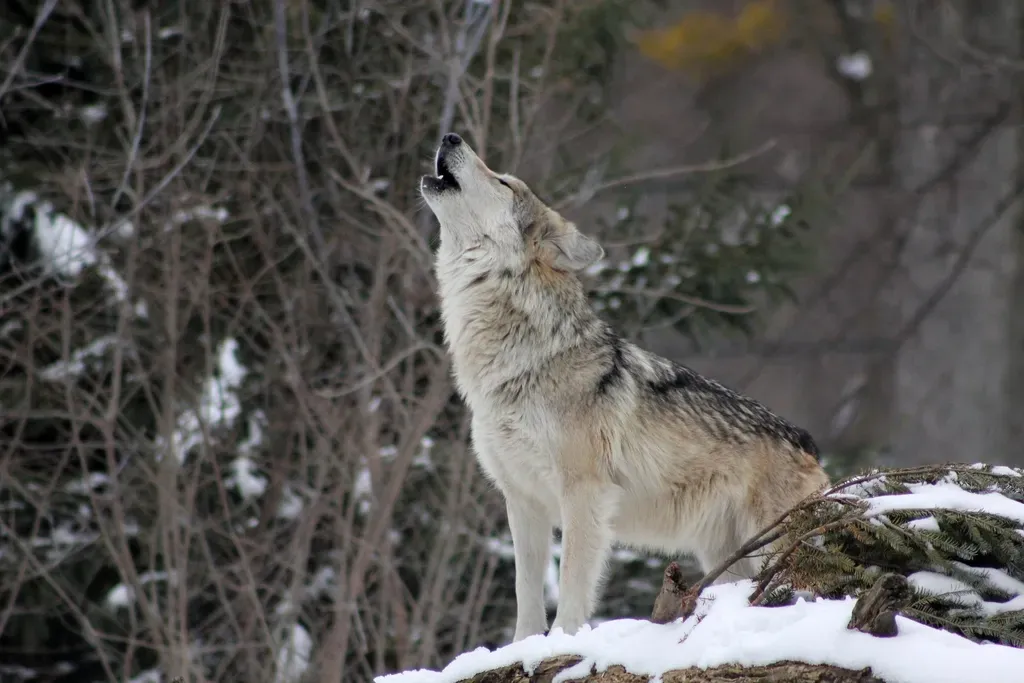
Biologists do recognize something called a lonesome howl: a shorter, often higher-pitched call given by a wolf separated from its pack. On the surface, that sounds like the sad song you were promised. But when you look at when these calls happen, you notice that they are not thrown into the night at random. They tend to show up in situations where a wolf may be temporarily detached, such as during travel or hunting, and needs to re-establish contact while still being very aware of where rivals might be listening.
For you, the key is to see that even this “lonely” call has to walk a tightrope between reunion and risk. If a nearby rival pack hears and moves toward it, the caller could be in serious trouble. That means the lonesome howl works best when it is aimed at pack mates who are already somewhere in earshot and familiar with the caller’s voice. It is still communication within a family, but it is not the reckless, echoing plea the movies suggest. The wolf isn’t broadcasting a universal distress signal; it is threading a needle between “find me” and “do not attract the wrong ears.”
How Lone Wolves Use Howling in the Search for a Mate
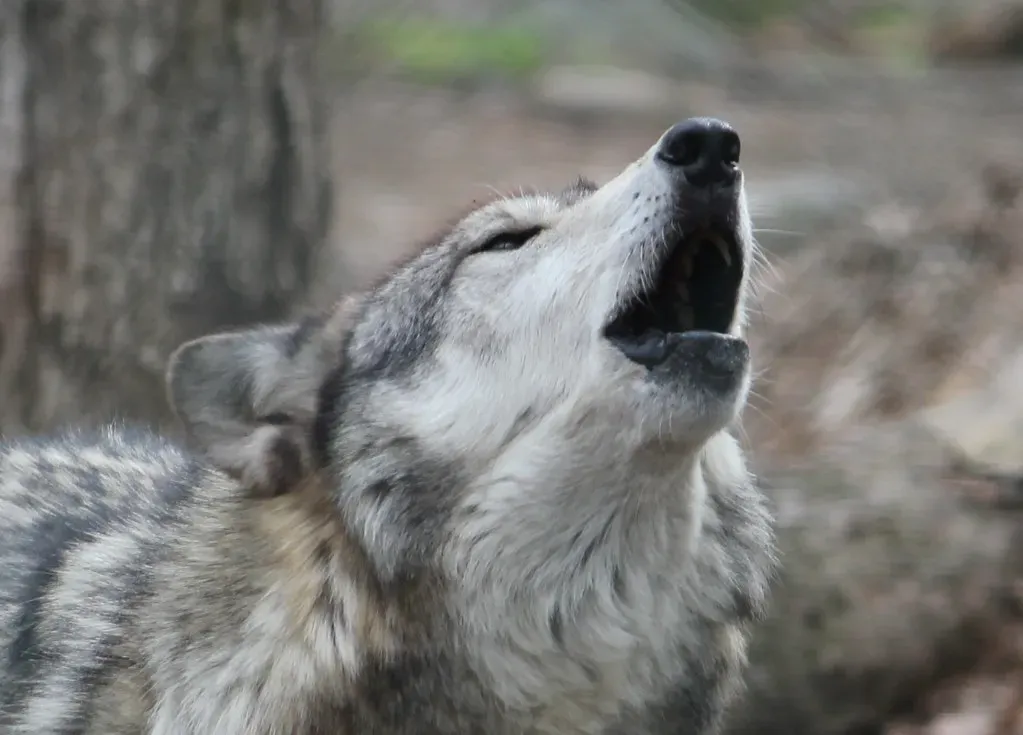
At some point, many wolves leave the pack they were born into and strike out on their own. You might romanticize this as the classic lone-wolf story: the misunderstood outsider who chooses solitude. In real ecological terms, it is often a brutal necessity. A young wolf has limited chances to breed inside its family group, so the only way to pass on its genes is to risk dispersing into unknown territory. During this phase, that eerie single howl takes on yet another twist: it can function like a long-distance dating ad, if you want to put it in human terms.
When you hear a lone howl during dispersal season, you could be listening to an animal probing for another unpaired wolf without inviting whole packs to react. A solitary wolf may pass through the fringes of several territories, using carefully spaced calls that advertise itself to potential mates while still signaling awareness to residents. Think of it like dropping a quiet, targeted message instead of blasting a public announcement. The aim is not to summon a crowd but to find one specific response, the right reply from another loner who is also trying to avoid becoming a casualty of someone else’s well-defended home range.
Rethinking the “Tragic Outcast” Image of the Lone Wolf
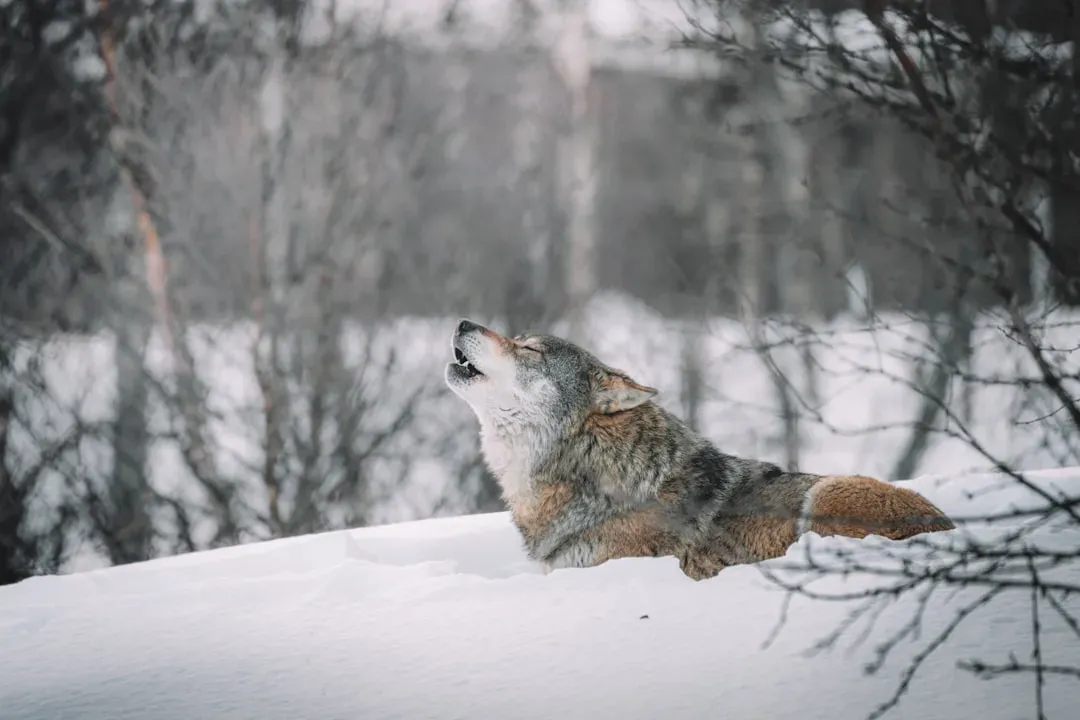
Because of how stories are told, you probably picture a lone wolf as a broken animal: rejected by its pack, doomed to wander, howling from sheer despair. It is easy to project human heartbreak onto that shape in the dark. Once you look at the behavioral data, though, the lone wolf starts to look less like a condemned exile and more like a high-risk explorer. Its howls are often part of a survival strategy that joins caution, nerve, and a willingness to move through hostile ground in search of opportunity.
That does not mean life is easy for a solitary wolf; the odds are harsh, and many never succeed in founding a pack or finding a mate. But when you overlay radio-collar tracks and howl recordings, you see that these animals are not just drifting aimlessly. They are probing weaknesses in the mosaic of existing territories, skirting edges, sometimes circling back to try again. Their howls, far from being pure expressions of hopelessness, often mark these calculated moves. You start to recognize a kind of rough intelligence in how they use their voices, turning sound into a tool to reduce surprise, negotiate space, and take carefully measured risks.
What Lone Howls Teach You About Dogs, Separation, and Emotion
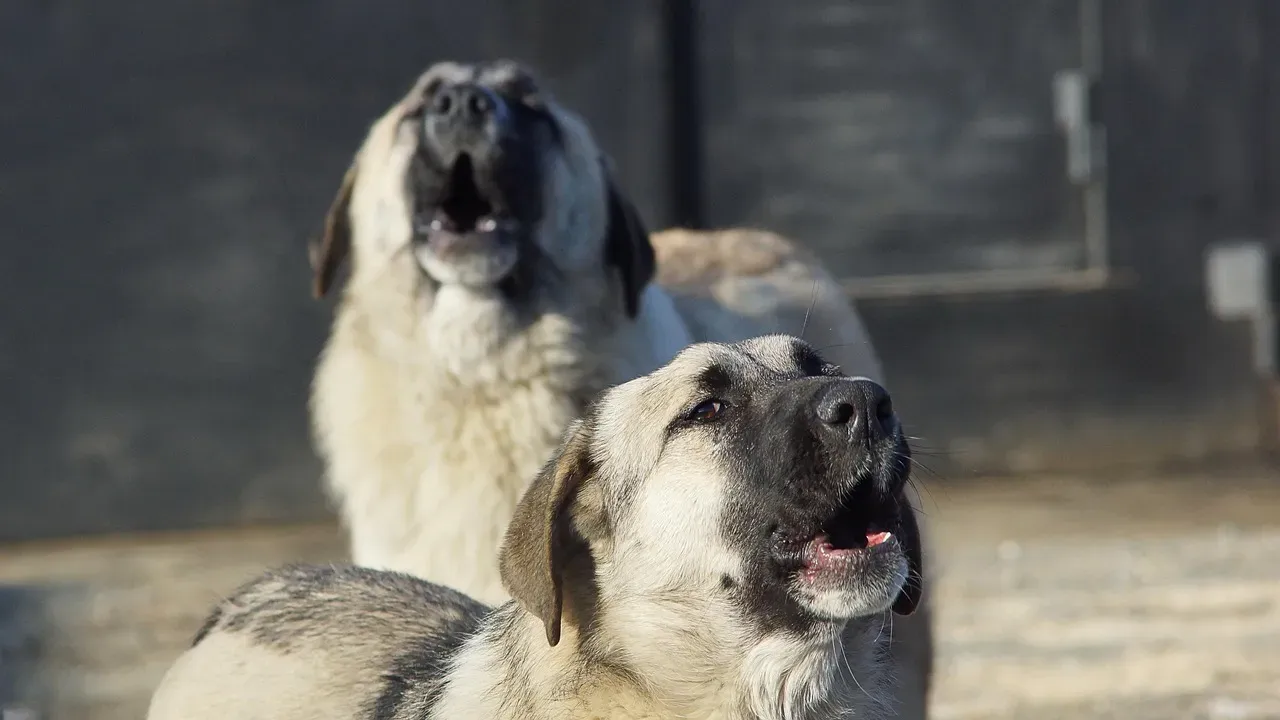
Once you realize that a lone howl is not automatically a call for rescue, you might start hearing your own dog differently. Many dogs still carry fragments of wolf behavior: howling when left alone, when hearing sirens, or when another dog starts the chorus. You might have assumed your dog was making pure sorrowful music for you. In reality, you are probably listening to a mix of instincts: an urge to declare presence, anxiety about separation, and an inherited tendency to use long calls when close contact is broken.
Knowing what lone wolves are actually doing does not make the sound any less emotional, but it lets you respect the complexity behind it. When your dog howls because you left the house, it may not be begging a distant pack to assemble so much as reacting to sudden silence in its social world, trying to bridge that gap with a long-range, old-world signal. You can still feel the tug on your heart, but you also get to recognize that you are witnessing a shadow of wild behavior shaped by territory, distance, and uncertainty, not just a four-legged poet singing to the moon.
How Misunderstanding Lone Howls Skews Your View of Wolves
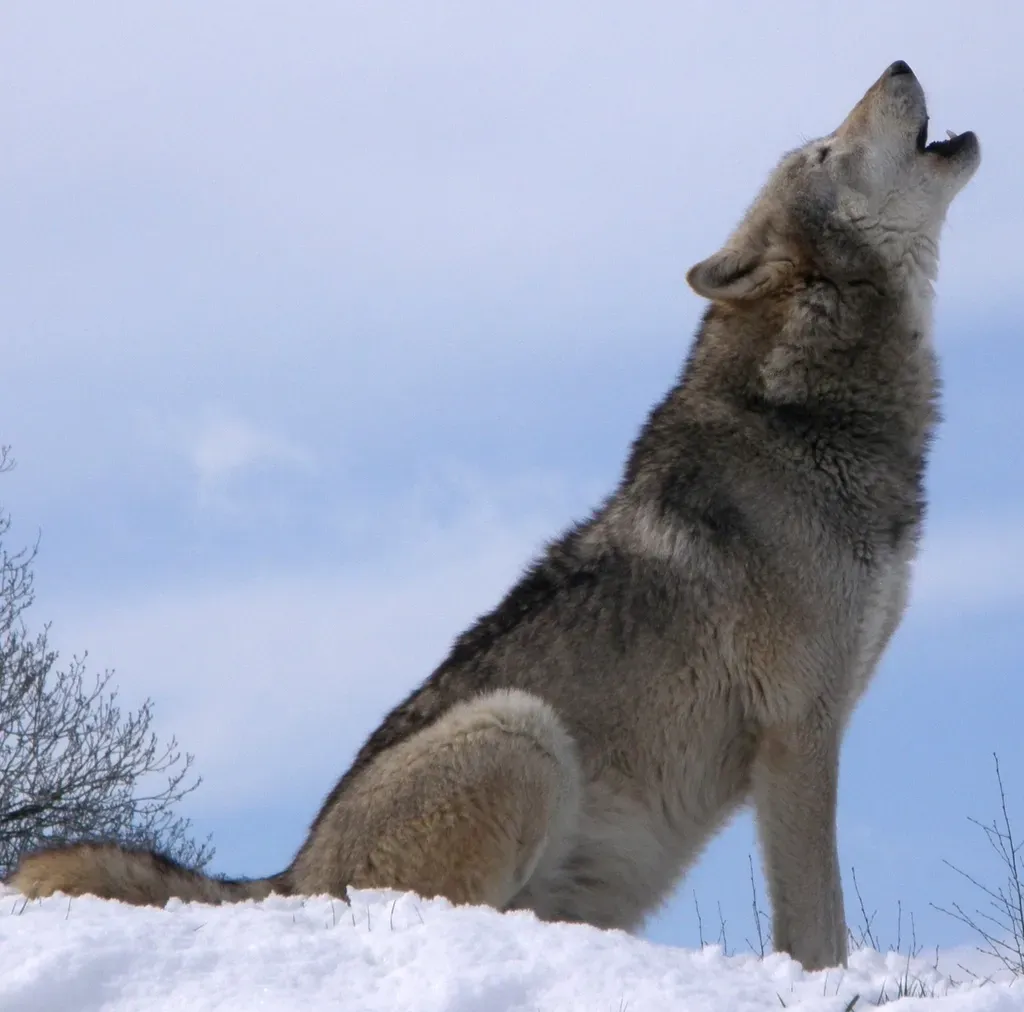
When you misread a lone howl as a cry for the pack, you unconsciously soften wolves into tragic, almost human characters. That sounds kind, but it can actually blur reality and make it harder for you to see what these animals need to survive. If you think a wolf is always asking to be found, you might imagine that it craves human company, rescue, or intervention. In truth, a dispersing or solitary wolf usually needs distance from both other wolves and people, plus enough quiet space to navigate dangerous borders on its own terms.
On a broader level, clinging to the myth of the lonely howler robs you of some of the most impressive parts of wolf behavior. You miss the cool precision with which packs space themselves out across huge territories, using sound rather than constant fighting to hold their ground. You miss how a single wolf can thread its way through that system using carefully timed calls to survive at the edges of others’ power. When you update your mental picture, the animal becomes less of a sorrowful symbol and more of a seriously skilled negotiator of wild space.
Listening Differently the Next Time You Hear a Lone Howl
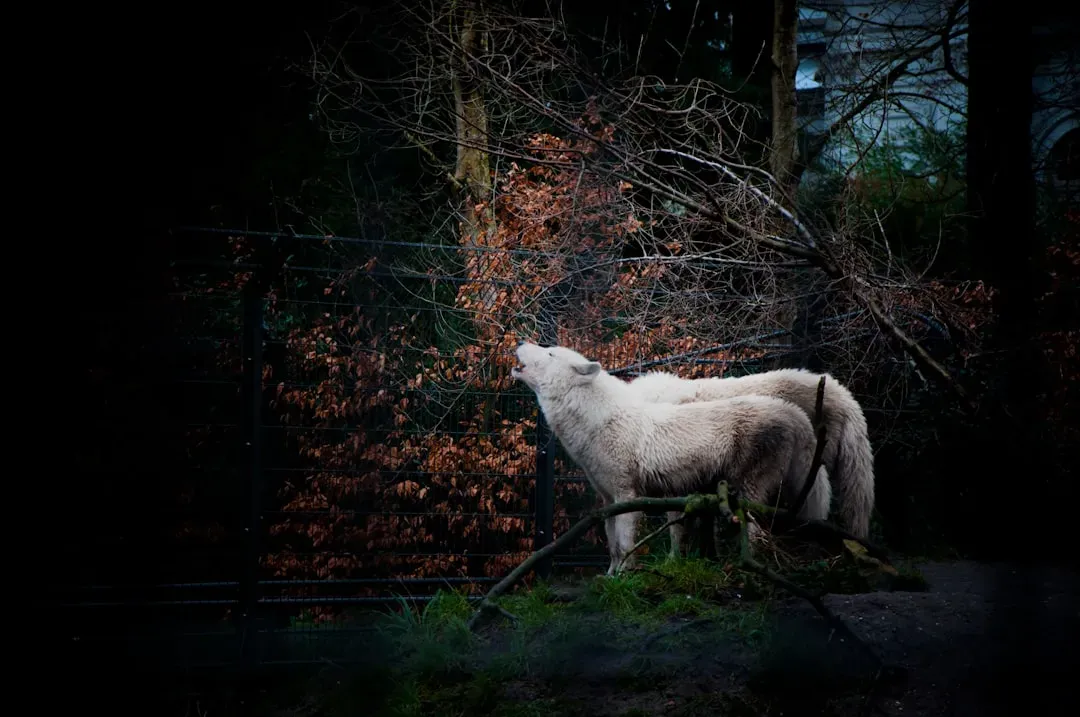
Imagine you are out camping, and somewhere in the distance, a single wolf howls. The old version of you might immediately think, poor thing, it must be desperate to find its pack. Now you know that what you are hearing is more layered. That animal might be skirting the boundary of a powerful pack, announcing its presence just enough to avoid a startling face-to-face. It might be a disperser feeling out the map for a mate. It might even be a temporarily separated pack member threading the line between reunion and safety.
Instead of hearing only tragedy, you can let that sound remind you how carefully a wild animal has to move through a landscape full of invisible lines and silent threats. You can picture territories overlapping like ghostly circles on a dark map, with that howl acting like a sonar ping that keeps the wolf alive. In that moment, the myth of the helpless, heartbreak-stricken loner fades, and a more grounded, more interesting image takes its place: a creature using the only tool it has to balance hunger, fear, opportunity, and the constant danger of getting too close to the wrong neighbors.
Conclusion: The Lone Howl as Strategy, Not Just Sorrow
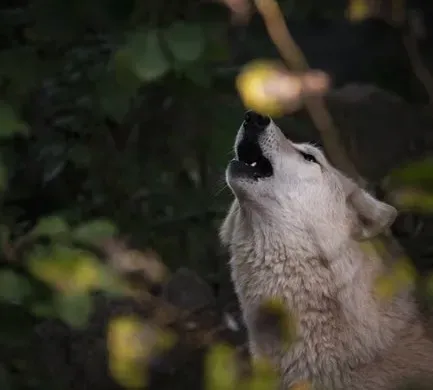
When you strip away the moonlit poster art and listen through the ears of a wildlife scientist, a lone wolf howling in the dark is transformed. You stop assuming it is calling its pack to rush in around it. Instead, you recognize a flexible tool that can keep rivals at bay, reconnect scattered family, and help solitary animals navigate a dangerous world of overlapping territories and limited chances. That shift does not kill the mystery of the sound; if anything, it deepens it, because now you know there are several possible meanings layered into that one drawn-out note.
The next time you hear or imagine that howl, you can let yourself feel the emotion without losing sight of the biology. A lone wolf is rarely just an outcast; it is often a pioneer working the edge of what is possible, using its voice carefully rather than recklessly. In that light, the howl becomes less of a sad song and more of a survival instrument, tuned by evolution rather than by heartbreak alone. When you picture that animal lifting its head to the dark, you might find yourself asking a new question: if this is not a cry for rescue, what kind of quiet strategy is playing out in the shadows that you will never see?