
You probably think you know how you react under stress: maybe you shut down, maybe you explode, or maybe you just power through. But underneath all of that, your nervous system follows patterns that look a lot like the animal kingdom. When researchers talk about fight, flight, freeze, or fawn responses, they are really describing different survival strategies your brain and body have practiced for a long time. Those strategies often cluster in recognizable styles that can be playfully mapped onto animals.
Your birth month does not magically decide your destiny or hard‑code your nervous system. What it can do, though, is loosely line up with trends linked to season of birth: light exposure, maternal stress, illness patterns, and even social timing during pregnancy and early life. When you combine that with what psychology and behavioral science know about stress responses, you get a fun, metaphorical way to understand yourself better. Think of this as a reflective lens, not a rigid label: a way to say, “Oh, that is exactly what I do when I’m overwhelmed,” and then make kinder, smarter choices for your nervous system.
January – The Wolf: Hyper‑Vigilant Leader Under Pressure

When stress hits, you tend to slip into “pack protector” mode, like a wolf scanning the horizon for threats. Your nervous system cranks up your alertness, and you may automatically start taking charge, organizing people, and planning three steps ahead. Instead of collapsing, you often sharpen: your mind becomes more strategic, your senses feel heightened, and you instinctively look for the safest route for everyone involved. You might not even realize you are doing this; to you, it just feels like you have to hold everything together.
Behaviorally, this mirrors what researchers call a strong fight‑plus‑plan response: you do not necessarily lash out, but you mobilize fast, and your system assumes responsibility. The upside is that you can be incredibly reliable in a crisis and often perform better with a bit of pressure. The downside is that your nervous system rarely gets permission to relax; you may stay on guard long after the situation has passed, replaying conversations or imagining what could go wrong next. You recharge best when you consciously shift out of “alpha wolf” mode and allow someone else to lead, even for a little while.
February – The Owl: Quiet Watcher With a Deep Processing System
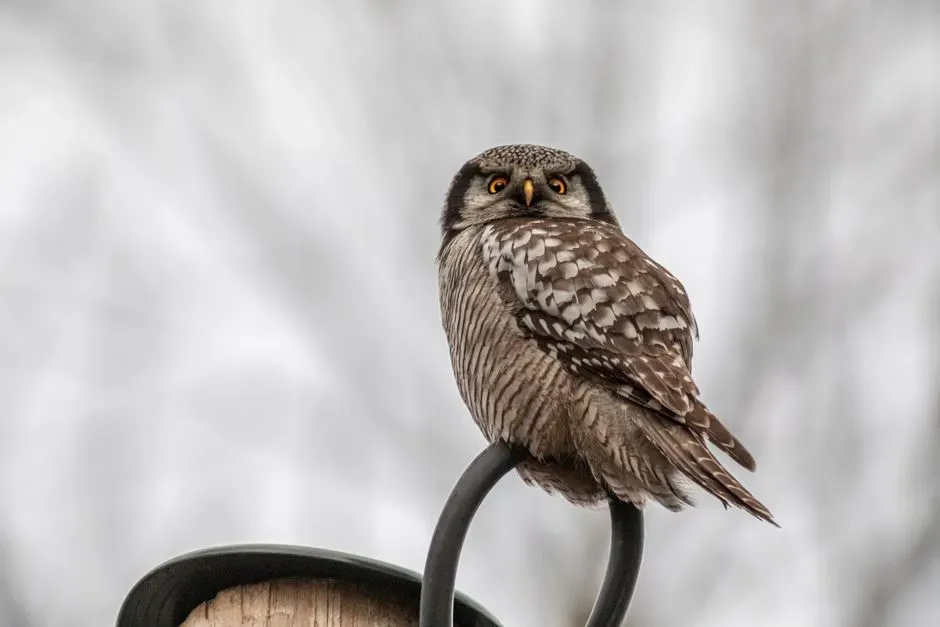
Under stress, you often go quiet first, not because you do not care, but because your nervous system prefers to observe before it acts. Like an owl perched in a tree, you hang back, gather information, and process everything in depth. Instead of reacting impulsively, you might analyze every angle, replay scenarios in your head, or retreat into your thoughts. People around you may misinterpret this as indifference or avoidance, when in reality your internal system is working overtime.
This pattern echoes what research describes as an internalizing stress response: your body might be buzzing, but from the outside you look calm, distant, or spaced out. You may lean more toward a freeze‑plus‑fawn blend, trying to stay neutral, agreeable, and quiet while you sort things internally. The benefit is that you often make thoughtful decisions and see details others miss. The challenge is that your nervous system can get stuck in overthinking, which keeps your body tense for too long. Grounding exercises, gentle movement, and naming your feelings out loud can help turn your careful observation into clear, confident action.
March – The Dolphin: Sensitive, Social, and Easily Overstimulated

Your nervous system reacts to stress like a dolphin suddenly surrounded by rough waves: more aware of everyone else’s emotions than your own. You are highly sensitive to tone, mood, and unspoken tension, and your body tends to sync up with the atmosphere around you. Under pressure, you may try to keep harmony, crack a joke, or comfort others, even when you are quietly overwhelmed. You are usually the one who feels the emotional “temperature” of a room before anyone says a word.
Behaviorally, this aligns with a strong social regulation response: your brain tries to manage stress by adjusting the group dynamic. That can look like a fawn pattern, where you smooth things over, agree to keep the peace, or over‑accommodate others. The beautiful part is that you are often deeply empathic, creative, and emotionally intelligent. The difficult part is that your own nervous system pays the price; because you pick up on so much, you can become overstimulated and drained quickly. You support yourself best by creating boundaries around your time, taking sensory breaks, and letting yourself be cared for, not just the caretaker.
April – The Cheetah: Fast‑Acting, Impulsive, and Action‑Focused

When stress spikes, you bolt into action like a cheetah that has spotted something on the savannah. Your nervous system translates pressure into movement; you would rather do anything than sit in paralysis. That might mean you rapidly tackle tasks, jump into conversations, send messages, or start fixing problems before you have fully thought them through. You feel an inner urgency, as if time is running out, even for everyday problems that are not truly emergencies.
This style mirrors a classic fight‑or‑flight activation, with your body prioritizing speed and decisive action. On the positive side, you are the person who gets things moving when everyone else is hesitating or stuck. On the tricky side, you can burn out your system by constantly chasing resolution, and sometimes your quick decisions need cleanup later. Your nervous system benefits when you introduce micro‑pauses, like taking three slow breaths before responding or walking around the block before sending that heated email. You do not have to stop being fast; you just learn to be fast and wise at the same time.
May – The Horse: Steady, Stoic, and Slow to Show Distress

Under stress, you tend to hold yourself together like a strong, steady horse pulling a heavy load. Your nervous system’s first instinct is to keep going, stay functional, and not make a fuss. You may minimize your own discomfort, tell yourself you are fine, or keep focusing on tasks and responsibilities. Others might not notice you are under pressure because you stay outwardly composed and practical, even while your body is quietly tightening up.
This matches what research often calls a suppression or endurance response, where you downplay emotional signals to keep performing. The strength of this approach is resilience: you can carry a lot and show up reliably, especially when others might crumble. The vulnerability is that your stress can accumulate in your body as muscle tension, headaches, digestive issues, or exhaustion that seems to appear out of nowhere. You support your nervous system by building small release valves into your day, like gentle exercise, honest check‑ins with trusted people, and allowing yourself to say, “Actually, this is a lot for me right now.”
June – The Meerkat: Alert, Socially Tuned, and Easily Startled

When stress shows up, your nervous system behaves like a meerkat popping up from its burrow, scanning everything. You become extra tuned into changes in people’s behavior, shifts in tone, or subtle signs that something might go wrong. You might ask more questions, seek reassurance, or rapidly switch your attention between multiple worries. It can feel like your internal radar will not shut off, constantly checking for the next potential problem.
This reflects a heightened vigilance pattern with a strong social component: your brain mixes anxiety with monitoring your environment and your relationships. The good news is that you are often the first to notice real issues and can prevent smaller problems from becoming bigger ones. The challenge is that your nervous system can treat everyday situations as if they are life‑or‑death threats, which is exhausting over time. Techniques like scheduling “worry time,” practicing relaxation at predictable moments, and deliberately focusing on evidence of safety can help your meerkat brain feel less alone on watch duty.
July – The Elephant: Deep‑Feeling, Loyal, and Slow‑Burn Stress

Your stress response looks a lot like an elephant’s: powerful, emotional, and extremely bonded to your herd. When something stresses you out, your nervous system registers it deeply, especially if it involves relationships, loyalty, or fairness. You may not react intensely in the moment, but you remember how situations made you feel, and past hurts can color how you handle new ones. Your system is wired to protect your connections, so betrayals or conflicts can feel especially destabilizing.
Behaviorally, this shows up as a combination of freeze, fawn, and delayed fight: you may try to keep peace at first, then later feel waves of emotion or anger once you are safe. The beauty of this pattern is that you are often incredibly caring, protective, and committed, especially to your family or chosen people. The difficulty is that you might hold on to stress long after events are over, carrying emotional weight that wears on your body. Your nervous system thrives when you have safe spaces to express your feelings, rituals for letting go, and reminders that you do not have to carry every memory like a heavy stone.
August – The Lion: Confident, Dominant, and Fight‑First Under Threat
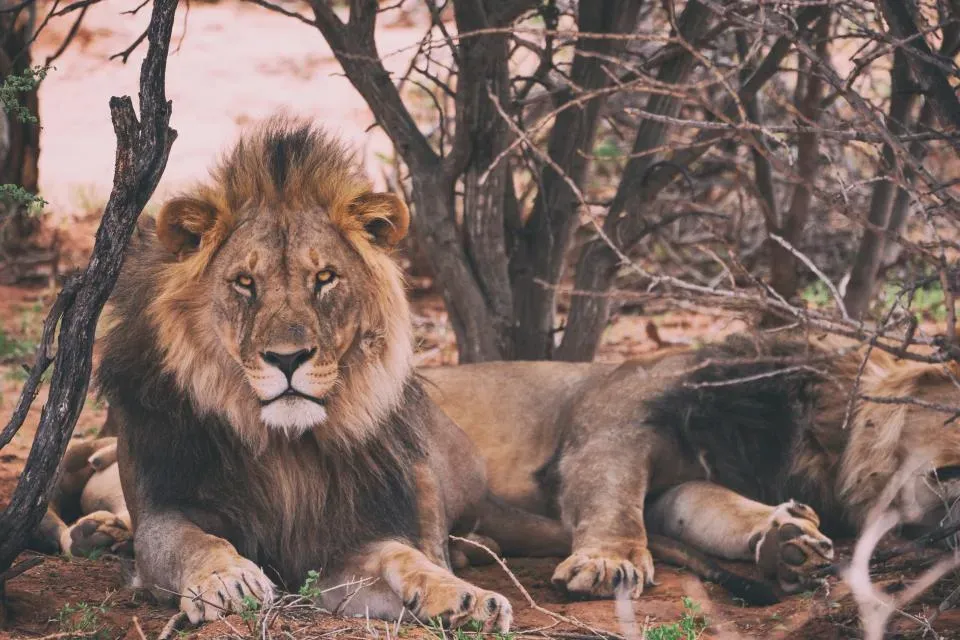
When your system feels threatened, you often react like a lion suddenly challenged on its territory. You are more likely to move into a fight response than a flight one: raising your voice, defending your position, or pushing back strongly against perceived unfairness. Even if you do not explode outwardly, your internal stance becomes firm; you feel yourself bracing, ready to stand your ground. Stress can trigger a deep instinct to protect your pride, reputation, or values.
This pattern is common in people whose nervous systems are wired to equate control with safety. The upside is that you can be brave and decisive, especially when others are afraid to speak up. The downside is that you may overestimate how dangerous certain situations are, leading to unnecessary conflicts or strained relationships. Your nervous system softens when you learn to distinguish real threats from temporary discomfort and give yourself permission to step away instead of always standing your ground. It does not make you less of a lion to rest; it just keeps your roar sustainable.
September – The Fox: Strategic, Cautious, and Escape‑Oriented

Under pressure, you often move like a fox in a forest: clever, cautious, and always aware of the nearest exit. Your nervous system leans toward a flight response, preferring to avoid, sidestep, or outthink stressful situations instead of confronting them head‑on. You might delay difficult conversations, quietly change your environment, or mentally disengage while remaining physically present. It is not that you lack courage; you simply feel safer when you can keep your options open.
This style matches what many researchers see as an avoidance‑based coping pattern, which can be both protective and limiting. On the positive side, you are good at sensing when a situation is not worth your energy and finding creative workarounds. On the negative side, constantly dodging discomfort can keep your nervous system on low‑level alert, never fully resolving what scares you. You support yourself by practicing small, manageable acts of facing stress directly, like starting a hard task for just a few minutes, and then celebrating that effort. Over time, your fox brain learns that sometimes the safest path is actually through, not around.
October – The Raven: Curious, Dark‑Humored, and Emotionally Complex
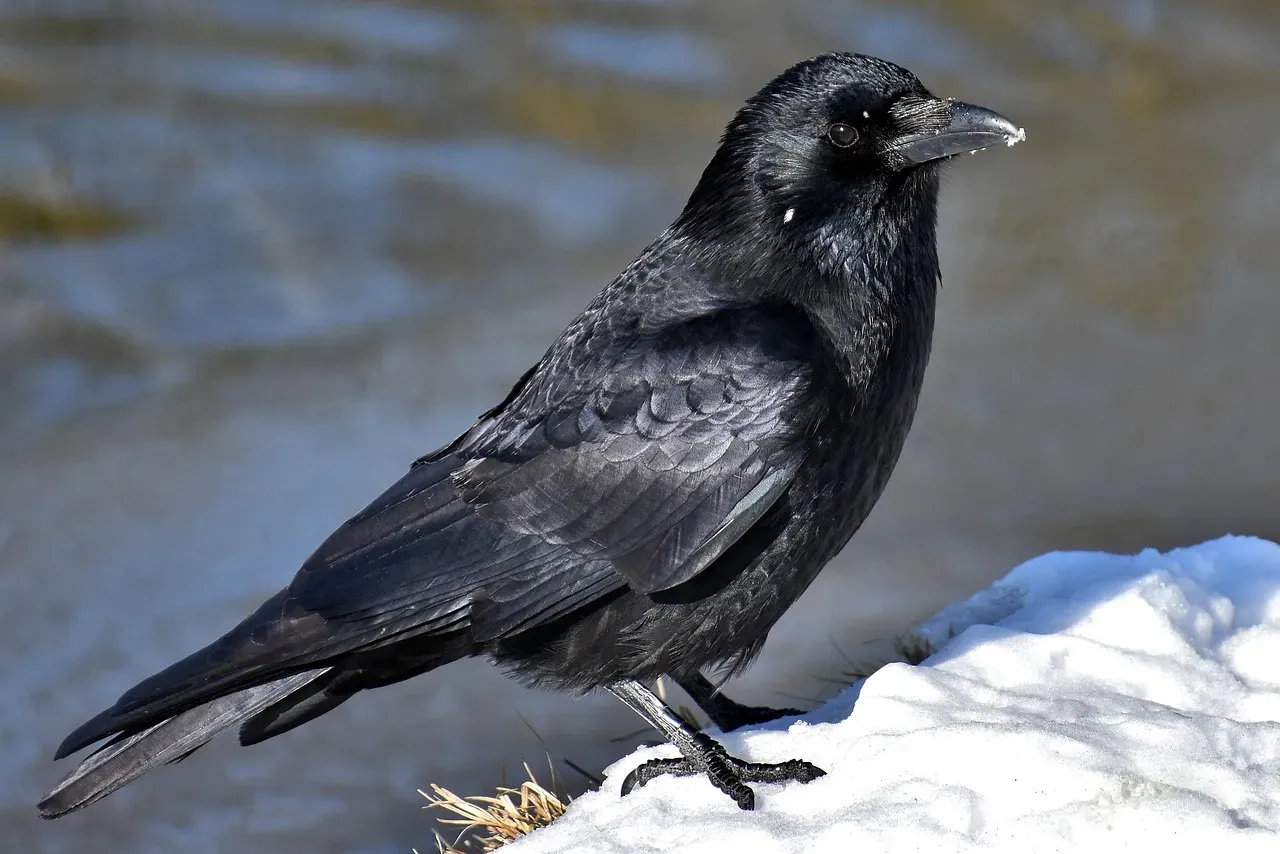
When stress hits, you can resemble a raven circling above a landscape, watching from a distance while picking up every odd detail. Your nervous system often responds with a mix of curiosity and cynicism, and you might handle tension with dry humor, sarcasm, or sharp observations. Instead of melting down, you analyze the situation, notice patterns, and sometimes lean into darker thoughts as a way to make sense of discomfort. People may see you as detached, even when you are feeling a lot underneath.
Behaviorally, this links to what some psychologists call cognitive coping: your brain tries to think its way through stress while muting direct emotional expression. The strength of this is that you can stay mentally agile in hard times and spot inconsistencies or hidden dynamics quickly. The risk is that your emotional body can get sidelined, leaving you with unexplained fatigue, mood swings, or a sense of emptiness. Your nervous system finds balance when you let your feelings catch up with your thoughts, whether through art, journaling, movement, or honest conversations that go beyond jokes and analysis.
November – The Panther: Intense, Private, and Prone to Deep Freeze

Under serious stress, you often go inward like a panther slipping into the shadows. Your nervous system may move into a freeze response: your mind slows down, your body feels heavy or numb, and it becomes hard to find words. You might disappear socially, turn off notifications, or retreat into solitary routines until you feel more in control. This is not weakness; it is your system’s way of lowering stimulation so you can survive emotional overload.
Research on shutdown responses shows that this kind of deep withdrawal is common in people who have dealt with high or prolonged stress at some point. The gift in this pattern is your capacity for depth: when you reemerge, you often bring powerful insights or renewed focus. The challenge is that people around you can misread your silence as anger or indifference, and you might feel misunderstood or unreachable. You support your nervous system by building gentle bridges back to connection, like sending a small check‑in message or setting a time limit on your retreat. Even panthers need a safe spot to rest that is not total isolation.
December – The Bear: Cyclical, Rest‑Driven, and Slow to Activate

Your stress pattern looks a lot like a bear’s seasonal rhythms: you have cycles of high engagement and deep withdrawal. When overwhelmed, your nervous system often wants to shut the door, curl up, and conserve energy. You may sleep more, crave comfort, or feel unmotivated, especially when situations feel out of your control. Instead of snapping or running, you tend to slow down and try to outlast the storm.
This style reflects a strong energy‑conservation response, where your body prioritizes survival by dialing everything down. The positive side is that you are less likely to overreact in the moment and more likely to ride out stress without dramatic explosions. The tough part is that others may label you as lazy or disengaged when you are actually in protective mode. Your nervous system thrives when you honor your need for rest while also including small, consistent actions that keep you from sinking too deeply into hibernation. Think of it as learning to be a bear that naps wisely but still comes out to forage when the sun is out.
Conclusion – Making Peace With Your Inner Animal

Seeing your nervous system as an animal is not about locking yourself into a label; it is about giving your patterns a face, a shape, and a story you can work with. When you recognize that your reactions are not random flaws but survival strategies, you start treating yourself less like a problem to fix and more like a creature to understand. Whether you see yourself in the wolf, owl, dolphin, cheetah, horse, meerkat, elephant, lion, fox, raven, panther, or bear, you are really just noticing how your body tries to keep you safe.
The most important step is not changing your basic wiring but expanding your options. You can be a lion who sometimes chooses to walk away, a fox who occasionally stands still, or a bear who builds routines that keep you connected even when you need to rest. When you know your default animal, you can prepare for stress with tools that actually fit you instead of forcing yourself into someone else’s style. So, now that you have met your inner creature, how will you start caring for it differently the next time life turns up the heat?