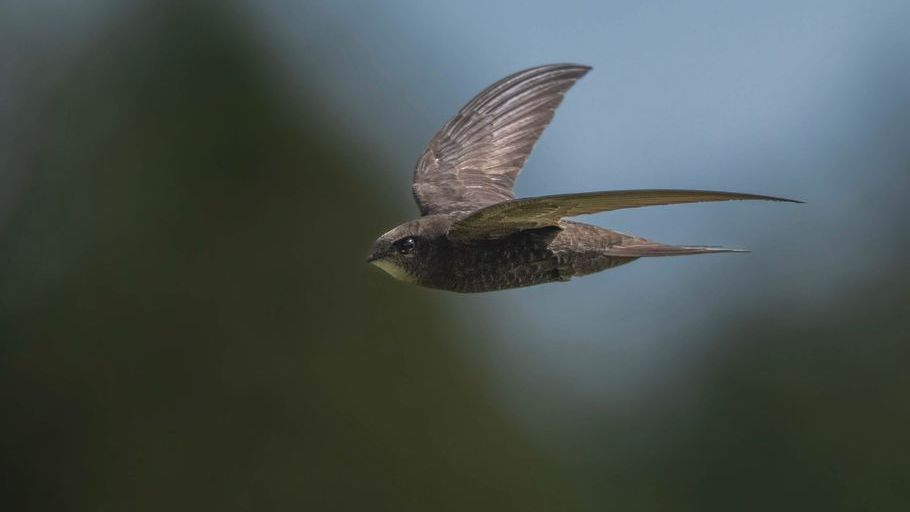

You probably grew up hearing that the peregrine falcon is the fastest bird on Earth, maybe even the fastest animal outright. That is true in one particular, dramatic situation: a vertical hunting dive from high in the sky. But if you focus on what most people imagine when they hear “fastest flying bird” – a bird powering straight ahead in normal, level flight – the crown quietly slips onto the head of a different species entirely, one that most people would walk right past without a second glance.
This low‑key speed champion is not a hulking raptor or some exotic tropical icon. It is a slim, scythe‑winged insect eater you might see wheeling high over a European town on a summer evening, never landing, screaming as it cuts through the sky. You may never have looked twice at it, and you are definitely not alone. Yet when you compare hard measurements of level, powered flight, this unassuming bird outpaces the peregrine and just about every other bird that has ever been studied in detail.
The Myth of the Peregrine Falcon as the All‑Purpose Speed Champion

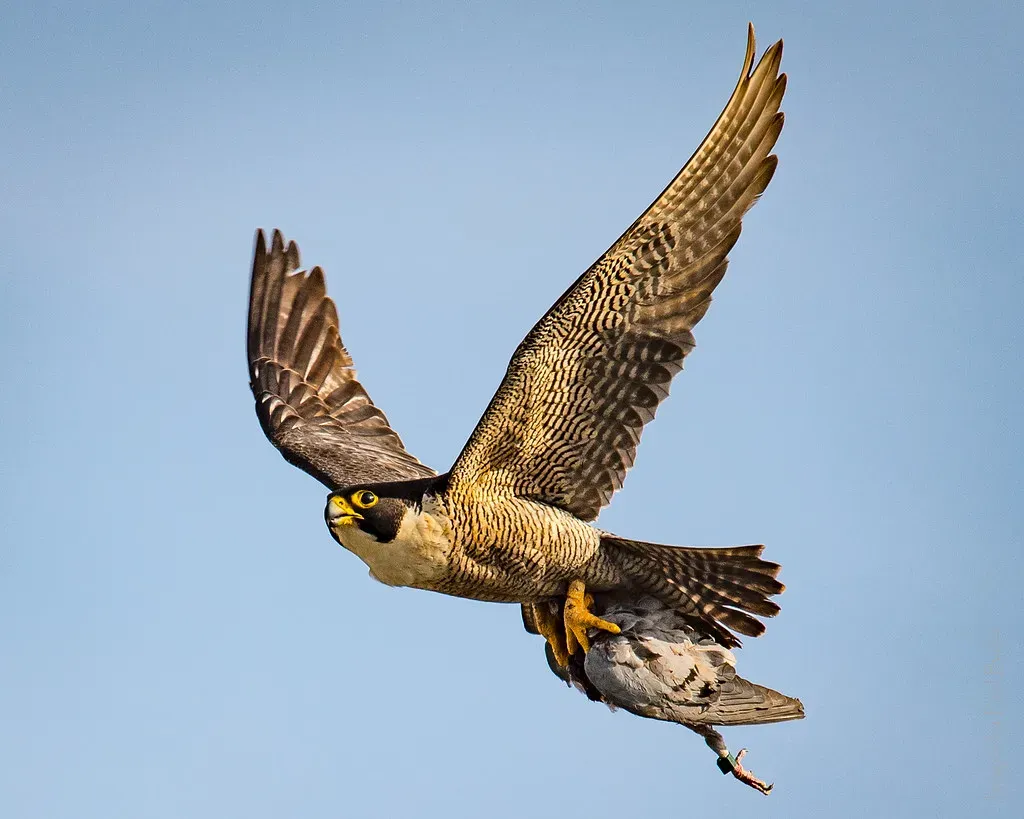
When you picture speed in the animal world, you probably imagine a peregrine falcon plunging like a thrown spear, wings tucked, slicing past a cliff face in a blur. That image is burned into popular science documentaries, school posters, and trivia nights, so you are understandably primed to assume that the falcon must be the fastest at everything related to flight. In a steep dive, it really does reach extraordinary velocities, with carefully measured stoops topping two hundred miles per hour in some cases, thanks largely to gravity, aerodynamics, and exquisite body control.
But a stoop is not how a bird usually flies. In everyday life, the question of “fastest bird” becomes more subtle: are you talking about a controlled fall, or about horizontal, self‑powered flight where the bird is actually working for its speed? When you strip away gravity’s help and look only at straight, level flying with flapping wings, the peregrine falcon suddenly looks less superlative. Its measured speeds in level flight are impressive, but they sit in the same broad range as many strong‑flying waterfowl, pigeons, and swifts. So if you care about how quickly a bird can travel under its own power across the landscape, you need to look beyond the famous falcon.
Level Flight vs. Diving: You Are Really Talking About Two Completely Different Sports
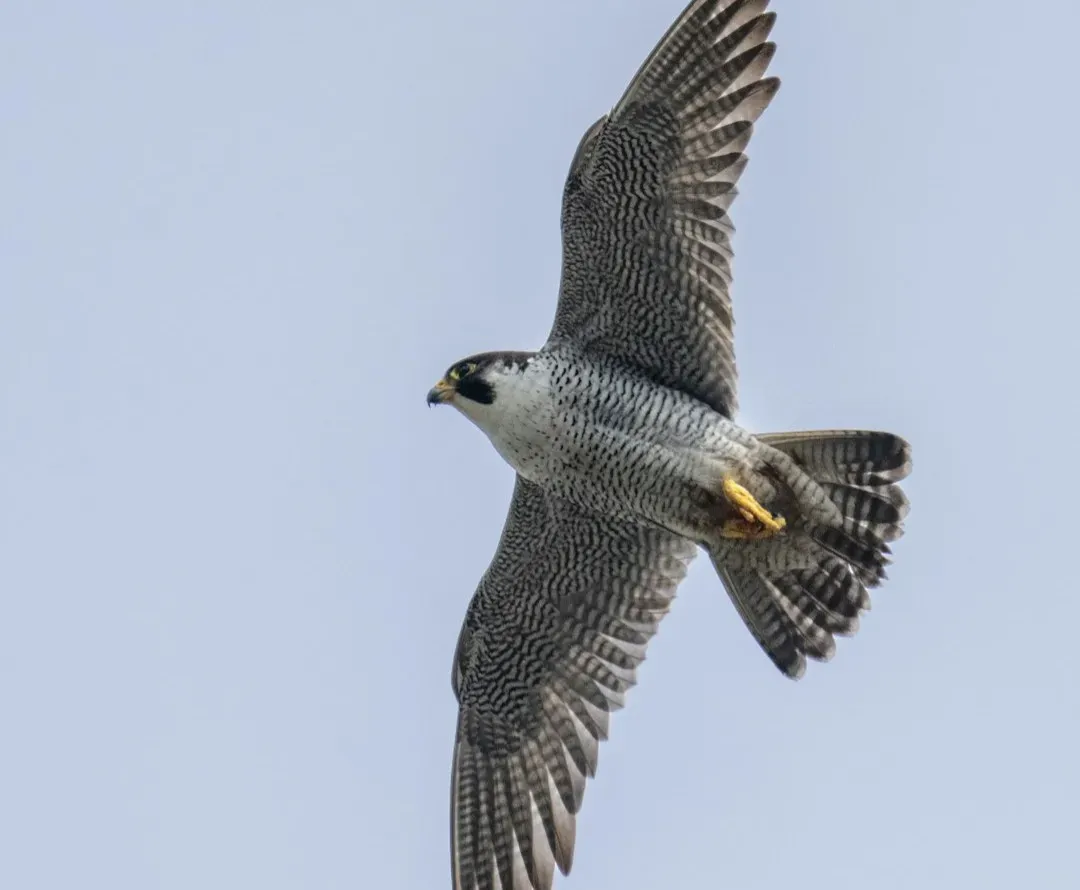
To make sense of bird speed records, you have to separate two very different kinds of motion in your mind. A diving peregrine is doing something a bit like a skydiver or a falling stone: it climbs to height, tucks its wings, and lets gravity pour potential energy into speed, with fine‑tuned body shape and feather structure reducing drag and keeping airflow smooth. That is still incredibly skilled flight, but much of the raw speed is coming from the fact that the bird is falling, not flat‑out flapping forward in a straight line.
Level flight is more like a marathoner or a cyclist hammering along a flat road into the wind. Here the bird has to generate every bit of forward thrust with muscle power, converting stored energy from food directly into speed, while constantly balancing lift, drag, and fatigue. Measuring that honestly means focusing on birds flying horizontally, not dropping, not surfing huge tailwinds, and not using steep slopes. Once you make that clean distinction, you stop comparing a gravity‑assisted plummet to powered flight and instead start asking a far more interesting question: which bird is the best at pure, horizontal speed on its own wings?
Meet the Real Record‑Holder: The Common Swift’s Astonishing Level‑Flight Speed
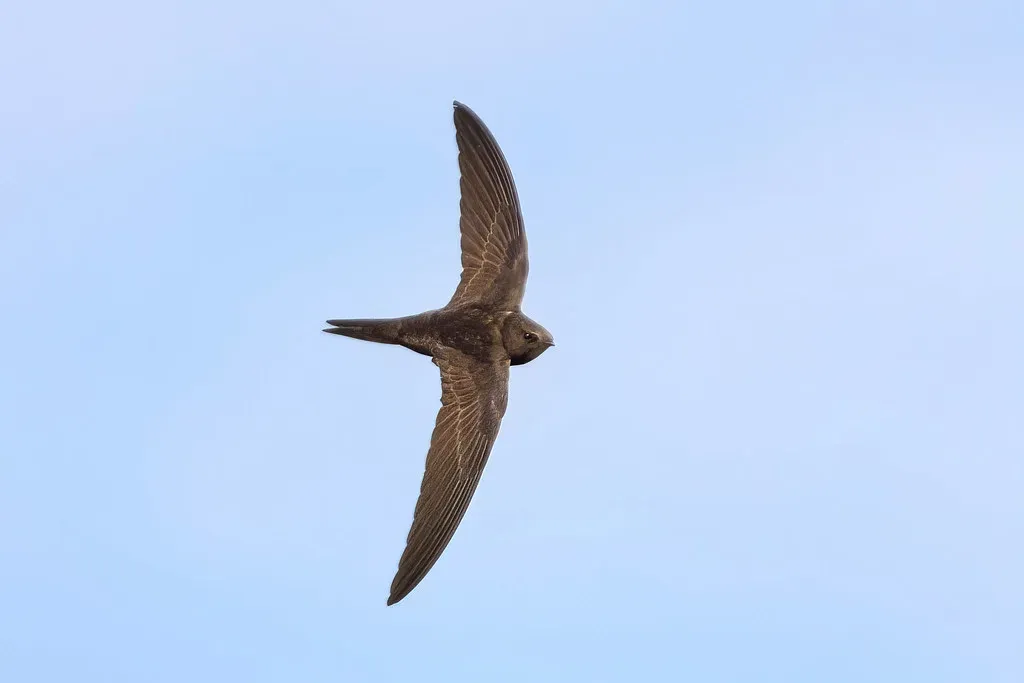
Under that stricter definition, you discover a record that surprises almost everyone the first time they hear it: in carefully controlled studies, common swifts have been clocked at just over one hundred and ten kilometers per hour in sustained, level flight. That is roughly about seventy miles per hour while the bird is still climbing slightly, which makes the performance even more remarkable because it is not simply zooming downhill. Researchers using high‑speed cameras and tracking methods have been able to follow individual swifts and verify these speeds with a level of precision that earlier, more anecdotal claims for other species often lacked.
Once you put the measurements side by side, you see just how wild that is. You are talking about a bird that weighs only a few dozen grams flying as fast horizontally as some small aircraft on approach. Other species, like the much‑discussed white‑throated needletail, have reputations for extreme speed as well, and may in fact be capable of similar or even greater velocities. But the common swift is the one whose level‑flight record has been nailed down most rigorously with modern methods, which is why many scientists and record‑keeping organizations treat it as the safest answer when you ask who really owns the top spot for powered, level flight.
Why Almost No One Can Identify the Fastest Bird on Sight
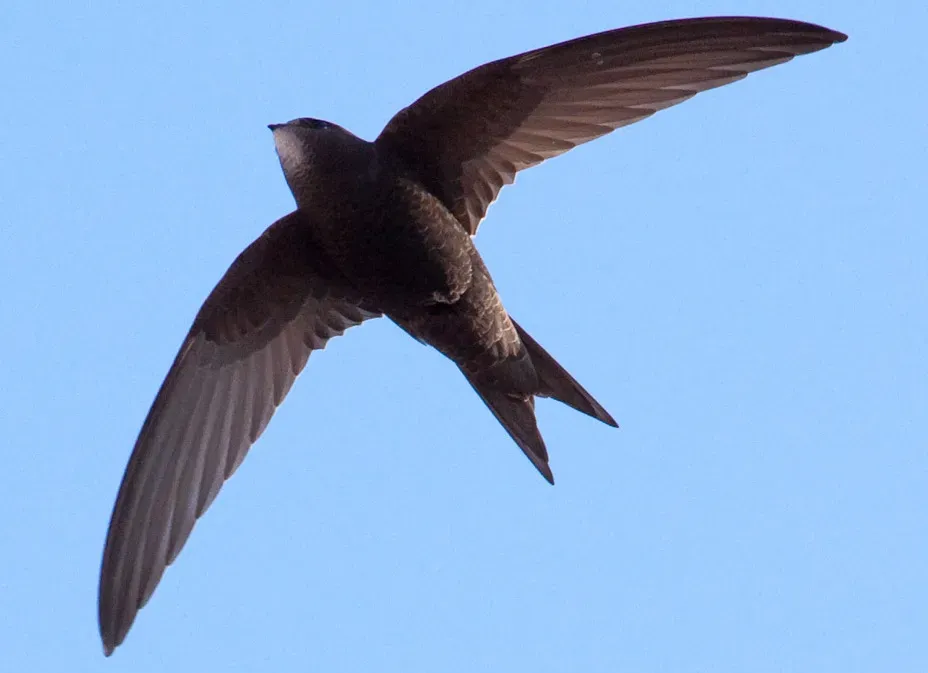
If you went out on a city street and asked people to draw the bird that holds the level‑flight speed record, you would probably get a lot of falcons, eagles, or maybe cartoon roadrunners. Very few people would sketch the common swift, and even fewer could confidently point it out overhead. Part of the reason is purely cultural: nature documentaries love spectacular dives and big, dramatic predators, so the peregrine has soaked up nearly all the mainstream “fastest bird” oxygen, while the swift quietly whistles past in the background.
The bird itself does not help its own fame much either. To your eye, a swift is mostly a dark silhouette with long, crescent‑shaped wings and a stubby tail, usually high enough that you barely get any detail. It does not perch in obvious places like a showy hawk on a pole; it tends to spend most of its time on the wing, sometimes sleeping and mating up there, only visiting nest sites in cavities. Unless you are deliberately looking for those screaming flocks arcing over rooftops on summer evenings, you can easily mistake them for swallows or simply ignore them altogether. So even though you may have seen the world’s fastest level‑flight champion dozens of times, you probably never realized what you were looking at.
The Aerodynamic Secrets That Let a Swift Outrun a Falcon

Once you know that a small insect‑eater can outrun a powerful falcon in level flight, you might wonder how that is even physically possible. The answer sits in the swift’s extreme specialization for life in the air. Its wings form a long, narrow, swept‑back shape that cuts through the air with very little drag, while still generating strong lift at high speeds. You can think of it as the bird equivalent of a high‑performance glider blended with a fighter jet: not great for slow, flappy maneuvering near branches, but phenomenal for sustained, fast cruising in open sky.
On top of that, the swift’s body is incredibly streamlined, with a short neck, compact head, and almost no projection below the wing line to disturb airflow. Its muscles and skeleton are tuned for near‑constant flapping, allowing it to maintain higher speeds for longer without the kind of fatigue that would quickly build up in a heavier, broader‑winged raptor. When you look at a peregrine falcon, its wings are built as a compromise: they must support rapid acceleration, agility in chases, and explosive dives from height. The swift, by contrast, is more like a long‑distance speed specialist that spends most of its waking life cutting along at high speed, and that single‑minded design shows in the numbers.
Life on the Wing: How an Almost Never‑Landing Bird Evolves for Speed

There is another twist to this story that makes the swift’s record feel almost inevitable once you understand its lifestyle. You are dealing with a bird that, for much of the year, barely stops flying at all. Outside of the short breeding season, swifts feed, drink, sleep, and even mate in the air. That means every aspect of their survival depends on covering distance efficiently and quickly, whether they are chasing insect swarms, dodging storms, or migrating across continents between breeding and wintering grounds.
That constant aerial existence puts relentless pressure on the species to become more and more efficient at high‑speed flight with each generation. Imagine if you spent your entire life running and never really walked; your body would end up shaped around that demand. The swift has gone down that evolutionary road in the air. Its feet are tiny and barely useful on flat surfaces, but its wings and flight muscles are masterpieces of specialized design. So when you time it in straight flight over a reliable distance, the result is a bird that treats speeds that would exhaust many other species as its everyday cruising gear.
The Other Contenders: Needletails, Ducks, Pigeons, and Albatrosses
To be fair, the swift does not hold its throne unchallenged, and if you dig into the literature you quickly stumble into debates. Some researchers and organizations highlight the white‑throated needletail, a larger relative of swifts that has often been credited with even higher level‑flight speeds, based on radar and field observations. Racing pigeon enthusiasts point out that top birds in competition can sustain very high average speeds over long distances, to the point where a good pigeon can keep pace with or even beat many raptors in straightforward level flight. Strong‑flying ducks and geese, which migrate huge distances at altitude, also post serious numbers.
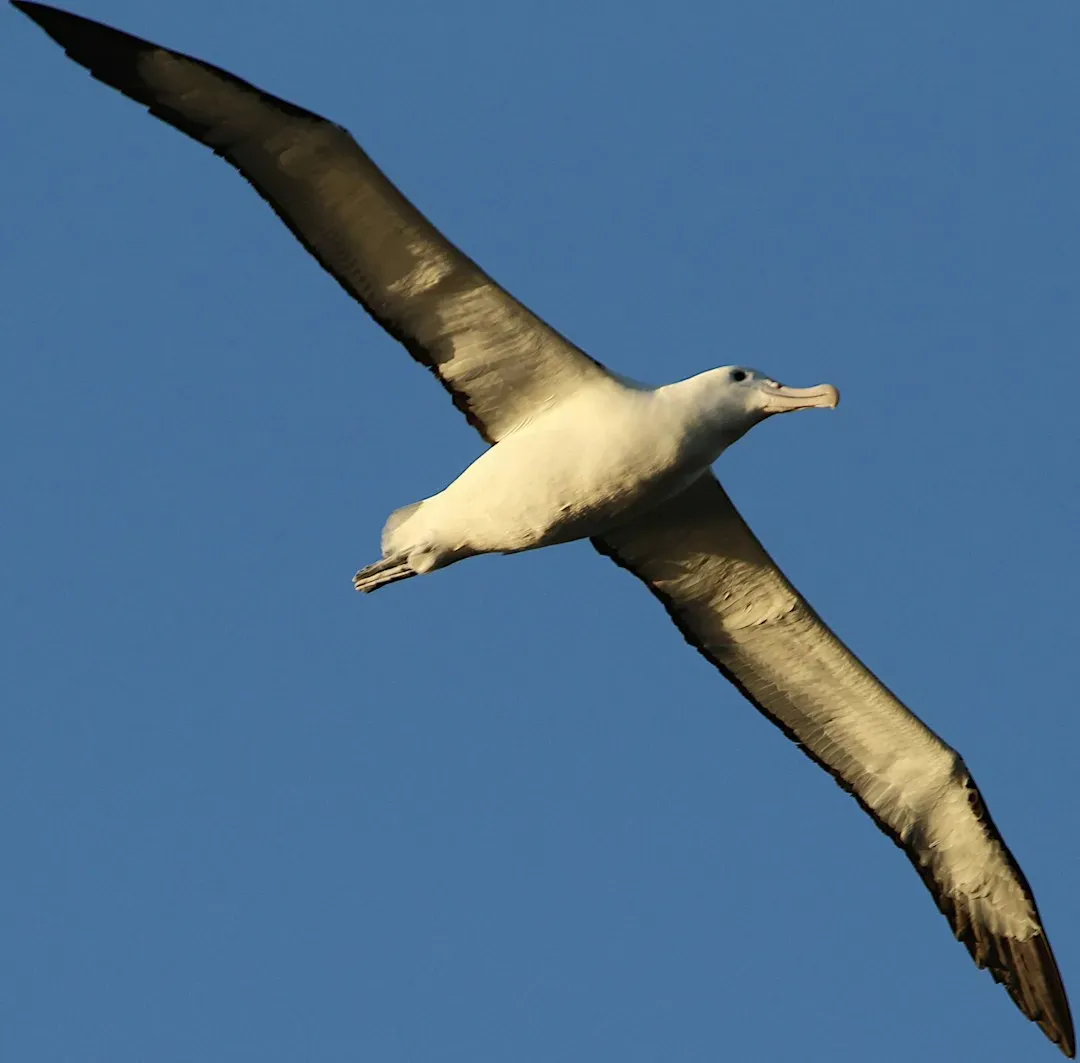
Things get even more complicated if you factor in powerful oceanic species like albatrosses. Some satellite‑tracked individuals have shown extremely high ground speeds, especially when riding strong tailwinds in storms, blurring the line between what is “powered” level flight and what is mostly surfing fast‑moving air. When you read through these examples, you realize that the pure, clean title of “fastest bird in level flight” is less like a single trophy and more like a contest shaped by how you define and measure speed. The common swift tends to come out on top in the most cautious, lab‑supported comparisons, but several species are clearly pushing the limits of what feathered wings can do.
How Hard It Actually Is to Measure a Bird’s Real Flight Speed
All of this hinges on a deceptively simple question: how do you actually know how fast a free‑flying bird is going? For much of the twentieth century, people relied on rough methods like visual estimates, early radar, or timing birds between landmarks, all of which introduced big uncertainties. If you misjudge the bird’s distance from you or its exact route, your speed estimate can easily be off by a large margin. If the wind is strong and you are not correcting properly for it, what looks like the bird’s own speed may in fact be largely the movement of the surrounding air mass.
More modern research uses high‑speed cameras, precise radar systems, or small tracking devices attached to the birds themselves, combined with good knowledge of wind conditions and the birds’ actual flight paths. Once you use that kind of toolkit and insist on clean level‑flight segments without big dives, the data set for many species gets very thin. That is a big part of why the peregrine’s dazzling dive speed is so famous: it has been measured in well‑documented, spectacular tests, while equivalent, carefully controlled studies of horizontal flight are scarcer. The common swift, though, has been fortunate enough to attract that level of scrutiny, which is why its record sits on more solid ground than many older, more anecdotal claims for other birds.
What This Changes About How You See the Skies Above You
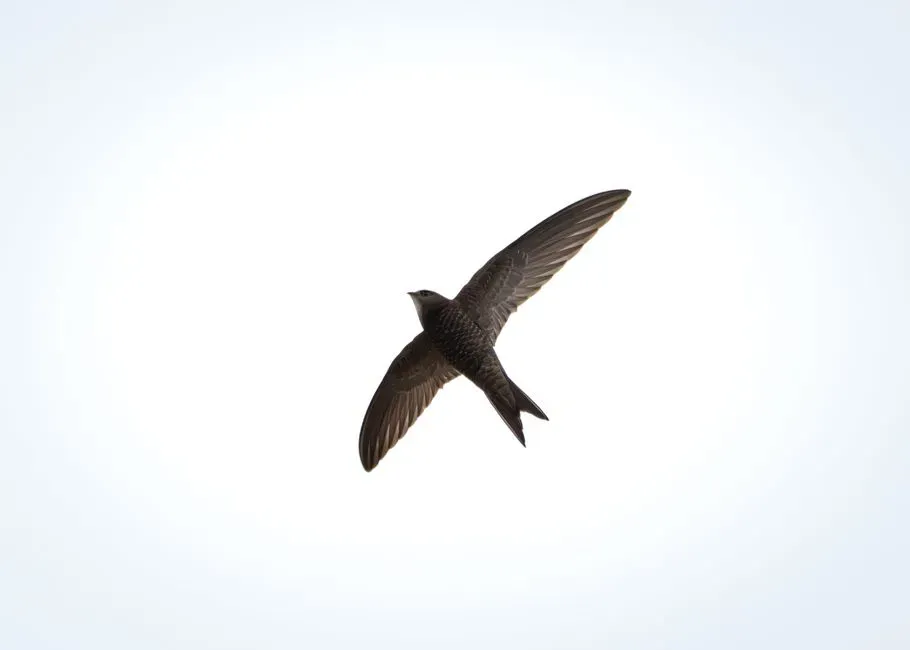
Once you know that the fastest level‑flying bird is not a hulking predator but a slim, dark sickle of a bird shrieking over town squares, the sky starts to feel different. Instead of waiting for a rare, cinematic falcon dive to experience true speed, you can look up on a summer evening and realize you are watching a quiet world record holder carve loops above your head. You might start paying more attention to silhouettes, noticing how the long, narrow wings of swifts differ from the broader, paddle‑like wings of a pigeon or the swept, pointed wings of a falcon.
Personally, once I learned this, I found myself instinctively tracking swifts whenever I heard their harsh calls high overhead. There is something strangely thrilling about knowing that the small, charcoal shapes screaming past are among the most extreme athletes on the planet, even if almost no one around you realizes it. You do not need to travel to a remote cliff or hunt down an elusive eagle to witness peak avian performance. You just need to tilt your head back in the right town, in the right season, and let your eyes adjust to the tiny, fast‑moving commas in the evening sky.
Conclusion: Speed, Stories, and the Birds You Overlook

In the end, the story of the fastest bird in level flight is really a story about how you think about nature. It shows you that the headline‑grabbing champion in one dramatic metric – the peregrine’s gravity‑boosted dive – is not necessarily the undisputed ruler of every dimension of speed. When you focus on self‑powered, horizontal flight, the balance tips toward an aerial specialist that has traded almost everything else about its life for efficiency and velocity in the open air. The fact that the common swift can outrun a falcon in level flight, while most people cannot even name it, is a perfect reminder that fame and performance do not always align.
The next time someone confidently tells you that the peregrine falcon is simply “the fastest bird,” you will know enough to ask a better question: fastest doing what, exactly? Once you draw that line, you unlock a richer, more nuanced way of looking at the skies, where swifts, needletails, pigeons, ducks, and albatrosses all have their own claims to extreme speed depending on circumstance. And who knows – the real record‑holder for pure level‑flight speed might still be out there, whipping past above you while you are busy looking the other way. Would you have guessed that the bird quietly screaming over your rooftop could be the true sprinter of the sky?