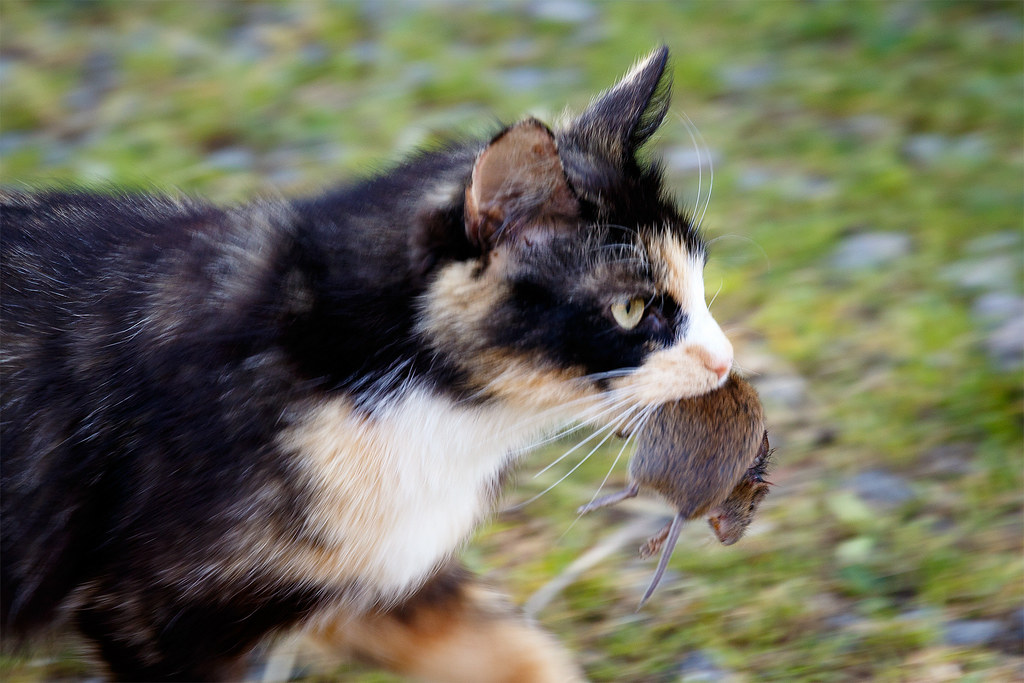
You probably know that cold, slightly horrifying feeling: you walk into the kitchen, and there it is on the floor – a dead mouse, a half‑chewed lizard, or the remains of some unfortunate bird. Your cat looks up at you with bright eyes as if expecting a reaction, while you’re somewhere between disgusted, confused, and weirdly touched. You may have heard people say this is your cat’s way of showing love, or a twisted kind of “gift.” The truth from animal behavior research is more nuanced – and in some ways, a bit more humbling.
When you dig into what scientists and behaviorists actually know, a different picture emerges: your cat is not just being affectionate; it has quietly decided that you are a terrible hunter who needs help to survive. In other words, you’re the clumsy member of the family that cannot catch its own food – and your cat is trying to step in. Once you see it that way, a lot of feline “weirdness” suddenly makes sense. Let’s break down what is really going on, what it says about your relationship, and how you can respond in a way that respects both your cat and the wildlife it hunts.
The Shocking Truth Behind Your Cat’s “Gifts”
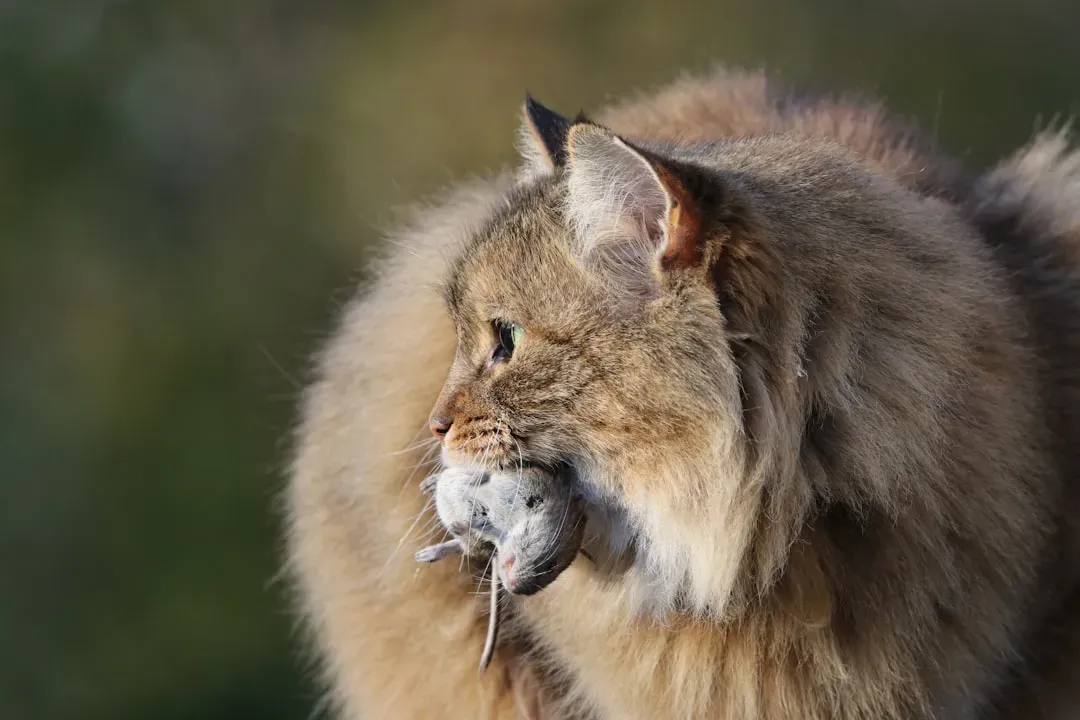
When your cat drops a dead animal at your feet, you are not being showered with romantic affection in the human sense; you are being assessed as a practical problem. From your cat’s point of view, you never hunt, you never stalk, you never pounce, and yet you somehow eat regularly. That does not add up in feline logic. So your cat fills in the gap: you must be unable to hunt, so you need help bringing food to your “nest.” The carcass on your floor is not a love letter – it is your cat’s attempt at solving what it sees as a survival issue for a helpless companion.
That sounds a bit bruising to your ego, but it comes from a strange kind of respect. Your cat considers you part of its social unit, maybe even something like a clumsy younger cat or a dependent roommate. By bringing prey, it is acting out deeply wired behavior that evolved long before sofas, radiators, and automatic feeders existed. If you strip away the gore and the smell, this is your cat showing responsibility, not sentiment. It is trying to keep the group alive, and in that group, it has quietly put you in the “needs assistance” category.
How Feline Instincts Turn You Into the “Helpless Hunter”
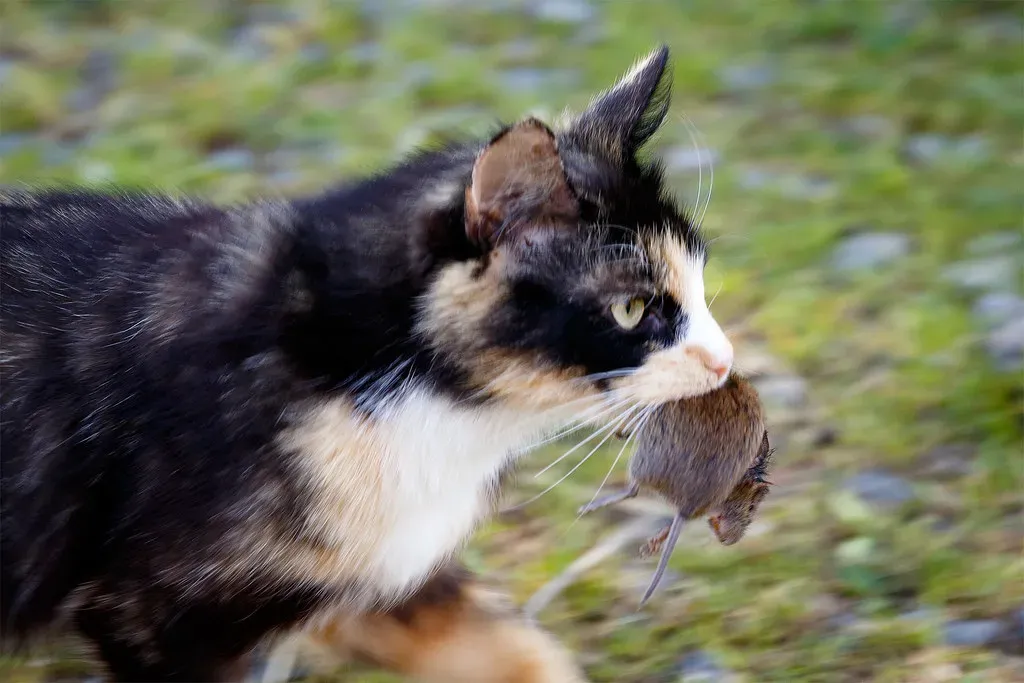
To understand why your cat judges you this way, you have to look at what cats are built to do. Even if your cat has lived indoors its entire life, it still carries the brain and body of a small predator. In the wild, a cat that fails to hunt regularly does not survive, and a cat that notices another group member failing has a choice: ignore it, or compensate. Over thousands of years, certain patterns stuck: stalking, catching, and then sharing or presenting prey became part of the behavioral toolkit, especially around kittens or less capable cats.
When you move smoothly through the world with grocery bags instead of claws, your cat is watching and silently taking notes. It never sees you stalk anything. It sees you leave the house empty‑handed and return with food that just appears out of bags or boxes. From your cat’s perspective, you are not demonstrating any of the required skills that a competent hunter displays. So its instincts kick in: it starts to treat you like a kitten who cannot handle real hunting yet. The dead mouse is not a romantic gesture; it is remedial education and emergency support rolled into one.
Why Your Cat Brings Prey to Certain Places (and Not Others)
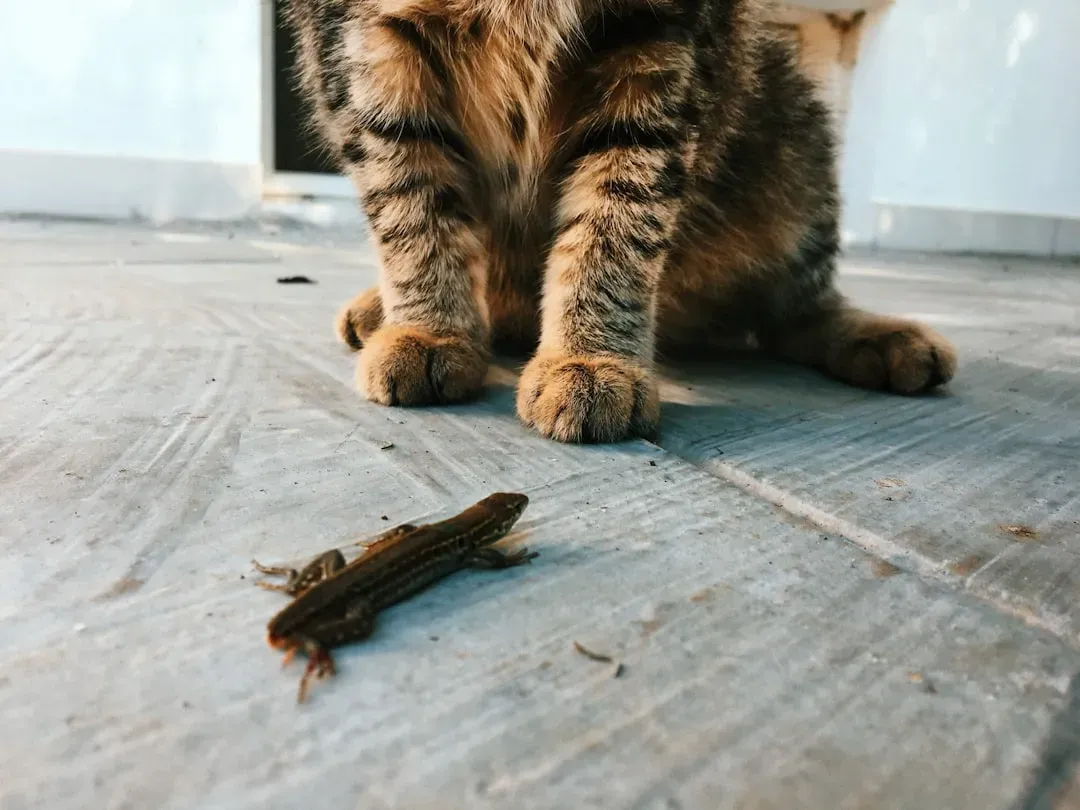
If you pay attention, you’ll notice your cat rarely drops a dead animal just anywhere. It may favor the doorway you always walk through, your bedroom floor, your pillow, or the kitchen mat. Those spots are not random. From your cat’s point of view, these are the core areas of your shared territory, the places where you sleep, eat, or enter and exit. Delivering prey there is like placing groceries in the kitchen instead of the garage: it is about making sure the “food” is visible and accessible to the helpless hunter you are.
Sometimes your cat will even call out to you when it brings something in, with a particular, urgent‑sounding meow. That vocalization can be interpreted as a kind of announcement or summons: your incompetent hunting partner needs to come see the results of a successful hunt. You might interpret the location as a personal insult or a horror scene, but your cat is actually being strikingly practical. It is placing resources where they matter most in the shared living space and trying to get your attention so you cannot miss the lesson or the help being offered.
Dead vs. Alive: What the State of the Prey Says About You
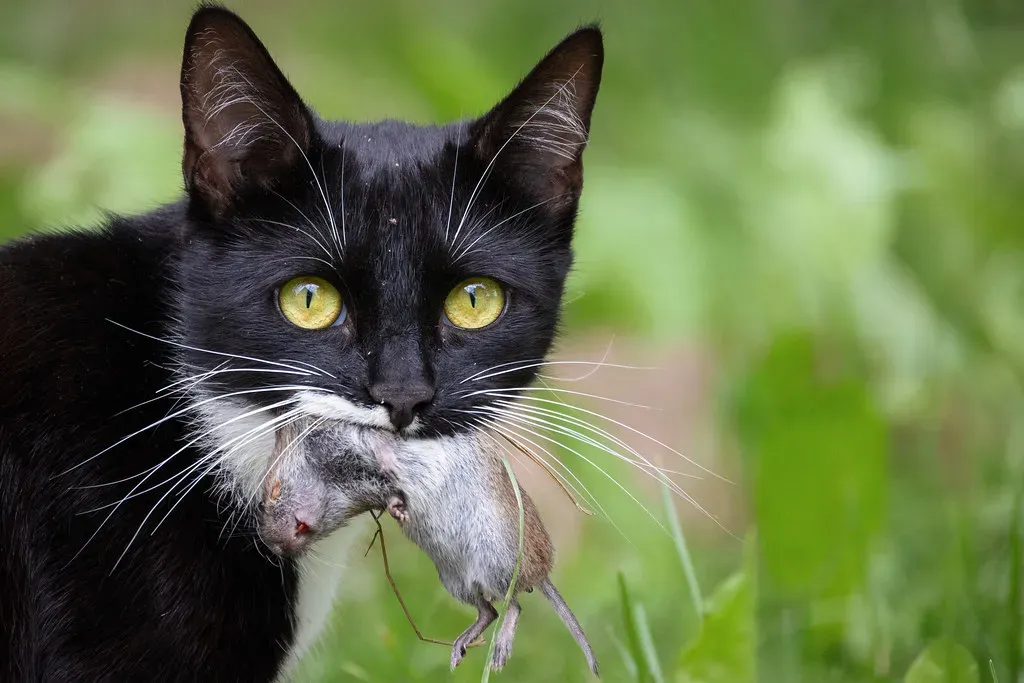
One of the most unsettling experiences is when your cat brings you a live mouse, drops it, and then just sits back. As awful as that feels, your cat is not trying to torment you for fun. Animal behavior specialists often interpret this as your cat attempting to “teach” hunting skills, the same way a mother cat brings half‑injured or slow prey to kittens so they can practice. If your cat does this with you, it is essentially saying: you are so bad at hunting that I need to give you an easy target and let you figure it out.
On the other hand, if your cat brings you fully dead prey, it may be leaning more into provisioning than teaching. In that case, you are being treated less like a student and more like a helpless dependent who cannot be trusted to finish the job at all. Your role in the cat’s mind can shift depending on its own confidence, age, and experience with you. You are always the awkward biped who never hunts, but sometimes you are a “kitten who needs a lesson,” and other times you are simply a “mouth that needs feeding.” Either way, your hunting report card is not great.
What This Behavior Really Says About Your Relationship
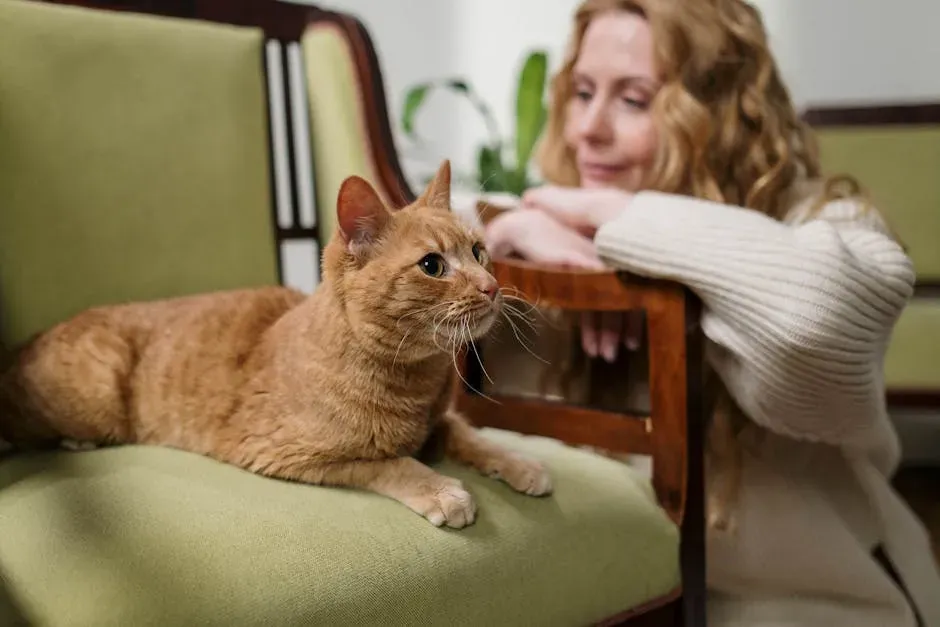
Once you get past the horror, there is a strangely sweet layer underneath. Your cat has no reason to help a random stranger survive, but it goes to real effort to bring you prey. That means you are firmly inside its social circle. You are not seen as a rival or a threat; you are a bonded group member who is allowed into its hunting results and lessons. In a world where many animals simply ignore anything that is not part of their core group, that actually says a lot.
At the same time, you need to be honest about what kind of “respect” this is. You are not being admired as a powerful provider. You are being supported as the weak link. Your cat is the competent one, and it is acting on that perception. If you have ever joked that your cat is the real owner of the house and you just pay the bills, this behavior quietly backs that up. In your cat’s internal story, it is not just your pet. It is your provider, tutor, and crisis manager when it comes to hunting.
How You Should Respond When Your Cat Brings Prey
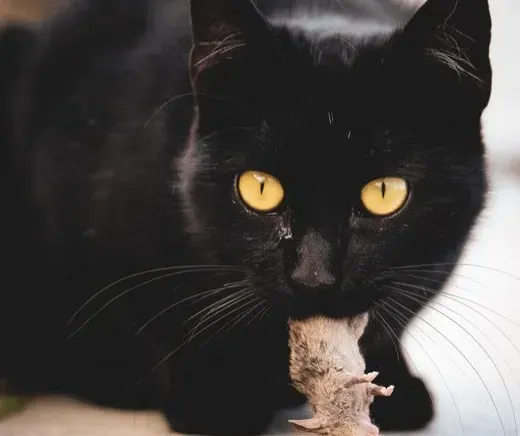
When you find that unfortunate “gift,” your instinct may be to scream, scold, or chase your cat away. From the animal’s perspective, though, that just creates confusion and stress. Your cat thinks it has done something responsible; if you punish it, you are punishing a deeply natural behavior it does not control consciously. A calmer, more effective response is to gently remove the prey while your cat is distracted, clean the area, and avoid turning the event into a loud drama. You can acknowledge your cat verbally in a neutral or positive tone and then quietly handle the mess.
Over time, you can also channel that hunting drive into safer outlets. If your cat goes outdoors, consider using a quick‑release collar with a bell or specialized bird‑safe collars to reduce catch success and protect wildlife. Indoors, offer regular play sessions with toys that mimic hunting: wand toys, feather teasers, or little moving objects that your cat can chase and “kill.” You are not going to erase millions of years of instinct, but you can redirect it so your living room and local ecosystem are not constantly paying the price for your apparent incompetence as a hunter.
The Impact on Wildlife and Why It Matters (Even If You Love Your Cat)
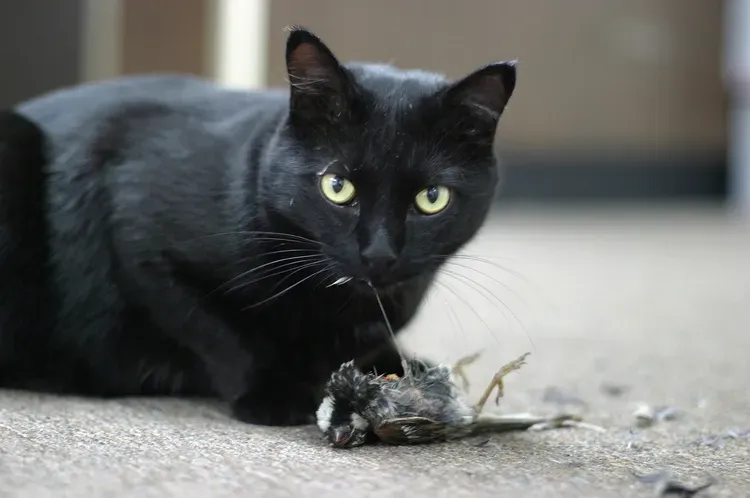
As much as you adore your cat, its hunting behavior has real consequences beyond your carpet. In many areas, domestic cats – even well‑fed pets – kill a surprising number of small animals every year, especially birds, small mammals, and reptiles. Your cat does not know anything about endangered species or ecological balance; it just sees movement and responds with instinct. When you understand that your cat is bringing prey as a form of support for you, you also need to recognize that this “help” can be devastating to local wildlife populations over time.
That does not mean you should feel guilty for having a cat, but you do have a responsibility to manage the behavior thoughtfully. Keeping your cat indoors or supervised, providing rich play and stimulation, and using deterrent gear when it goes outside can dramatically reduce the toll on wild animals. You are essentially stepping into a new role: instead of the helpless hunter your cat thinks you are, you become the thoughtful manager of its environment. You protect both your pet’s needs and the creatures that share your neighborhood, even if your cat believes it is doing the protecting for you.
Can You Change Your Cat’s Opinion of Your Hunting Skills?
You are probably wondering if there is any way to convince your cat that you are not completely useless. The truth is, you are never going to “prove” your hunting talent in a way that makes sense to a feline brain. Grocery shopping does not look like hunting. Clicking a food delivery app definitely does not look like hunting. From your cat’s point of view, you will always come up short in that department, no matter how impressive your human life skills are.
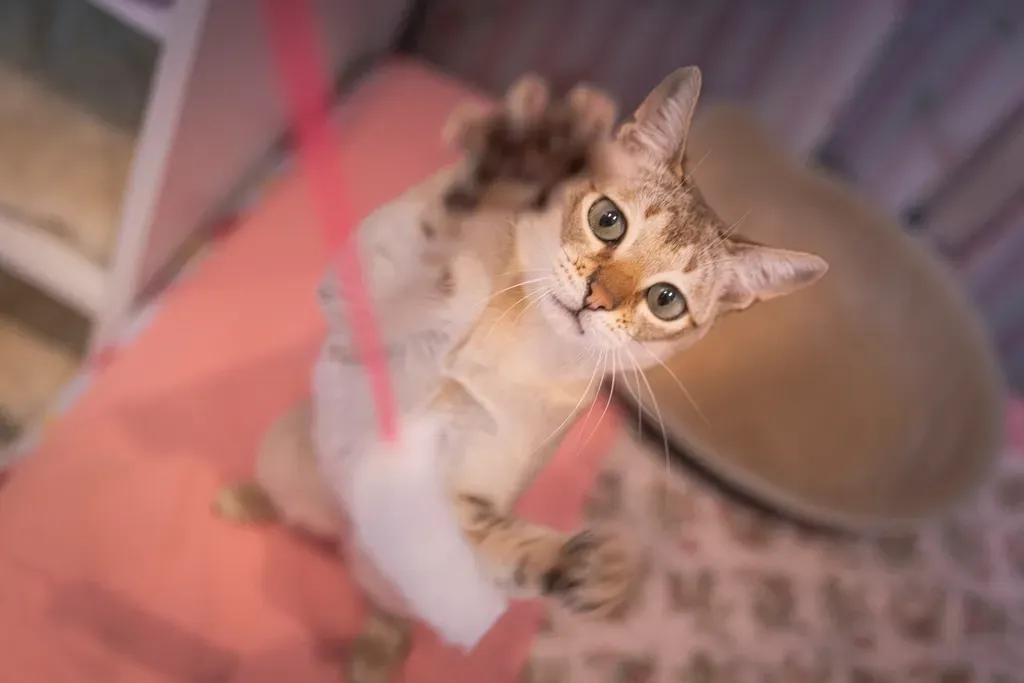
What you can do is shift how those instincts are expressed. By playing daily with interactive toys, rotating different challenges, and letting your cat “win” by catching and biting safe objects, you satisfy part of the urge that would otherwise send your cat outside after real prey. Over time, some cats bring home fewer actual animals when their hunting drives are met in other ways. They may still classify you as a non‑hunter, but they will feel less pressure to prove it by dumping bodies in your hallway. You will never be a good hunter in your cat’s eyes, but you can at least be a well‑managed one.
Living With the Knowledge That Your Cat Thinks You’re Hopeless
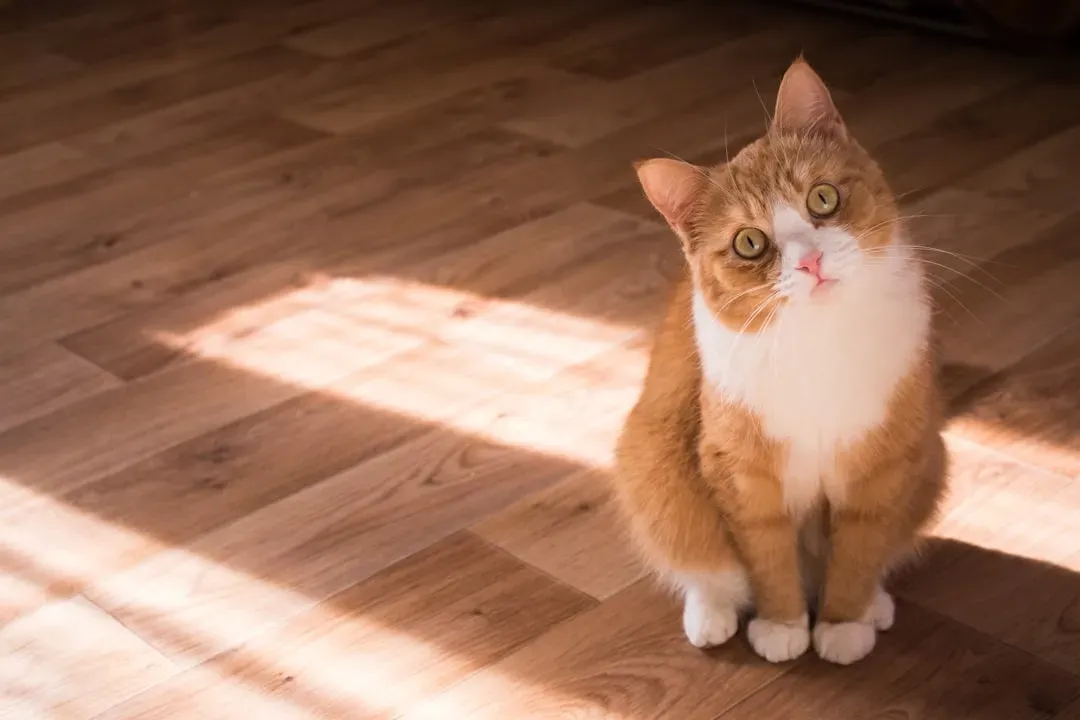
Once you accept that your cat has judged your hunting skills and found them catastrophically lacking, you face a choice in how you feel about it. You can take it as an insult and be endlessly annoyed every time it drags in a mouse, or you can see it as a strange, slightly morbid form of inclusion. Your cat has slotted you into its mental family tree, and you are the one it worries about. You are the fragile, weirdly hairless creature that somehow survived this long without claws or fangs, and your cat is doing its best to keep you going.
Ironically, the same behavior that labels you as incompetent also reveals the depth of your bond. Your cat does not help everyone; it helps the ones it has accepted as “its own.” So the next time you step on a cold little body in the dark and let out a horrified gasp, you can remind yourself: this is not cruelty or random gore. It is a misapplied survival instinct aimed at keeping you alive. You may be a lost cause as a hunter, but in your cat’s story, you are still worth saving.
In the end, your cat’s bloody little offerings tell a very specific story: you are loved, but you are also judged. From a feline point of view, you are a cherished disaster who cannot fend for yourself in the most basic animal way. Once you see it that way, you can respond with more patience, more environmental responsibility, and maybe even a sense of humor. After all, how often do you get to say that you live with a tiny predator who thinks you are its slightly incompetent, oddly tall kitten?