
Walk outside on a bright morning, and the world is usually buzzing with life: sparrows chattering, robins calling, crows arguing from the treetops. Then, without warning, everything shuts off. No chirps, no songs, not even a rustle in the hedge. Most people shrug and figure the birds are just taking a break. They are not. That sudden silence is more like a neighborhood siren, and if you learn to notice it, you’ll never experience your yard the same way again.
Scientists have been quietly piecing together how birds use sound, silence and body language to broadcast danger faster than any human could text a group chat. What looks like a calm, empty moment is often a high-alert situation, where every small creature is weighing the odds of life and death. Once you understand what is really happening, that eerie pause in birdsong starts to feel less like background noise changing and more like stepping into the middle of a story already in progress.
The Sudden Silence Is Usually an Alarm, Not a Nap
The biggest misunderstanding people have about a quiet yard is assuming the birds just got tired of singing. Song, for many species, is risky: it advertises their location to mates, but also to predators. They do not just switch it off casually. When a yard goes from noisy to completely still in a heartbeat, it is far more likely that the birds have detected a threat and shifted into survival mode.
That switch can happen faster than you can process what changed. One second a finch is calling from the feeder; the next, it has frozen under a branch while the entire soundscape collapses. To human ears, it can feel like someone hit a mute button. For the birds, it is the equivalent of all the neighbors diving indoors and locking their doors at once. You are not hearing rest; you are hearing a coordinated emergency response.
Birds Run on a Constant Risk-Assessment System
Most of us treat birdsong as decoration, like a natural soundtrack to our coffee on the porch. For the birds themselves, sound is more like a live news broadcast. They are constantly weighing whether it is safe enough to sing, safe enough to feed out in the open, or time to dive for cover. The fact that they spend so much time acting unbothered does not mean they are relaxed. It means their risk calculations are constantly updating in the background.
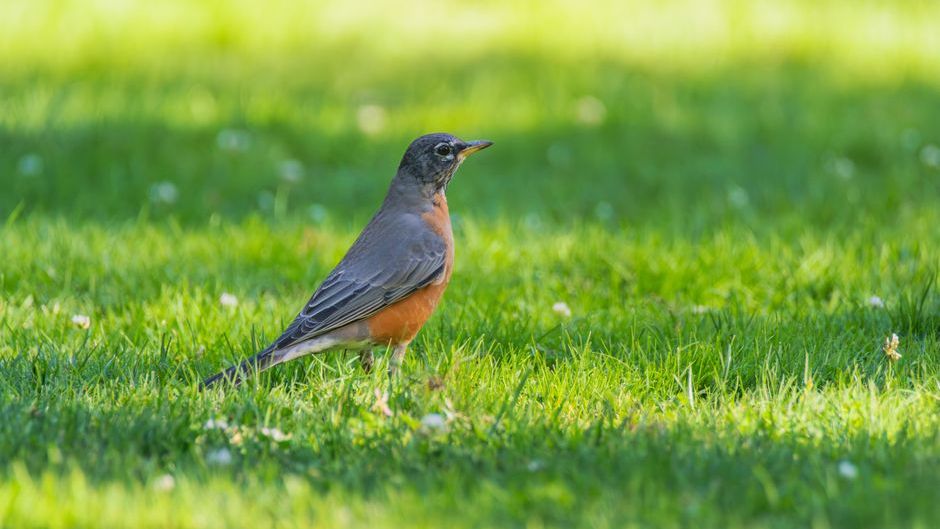
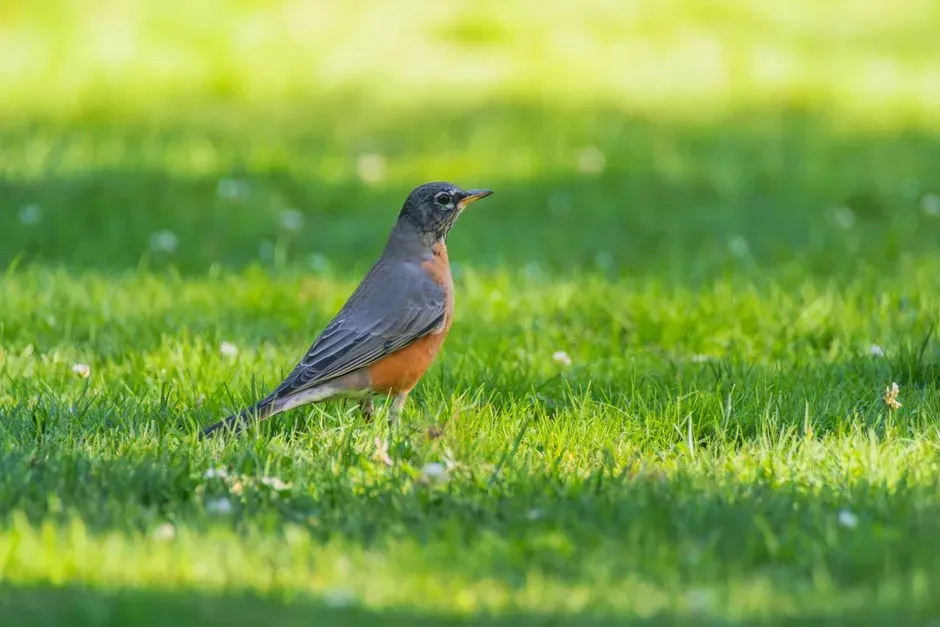
I still remember sitting in a park, watching a robin tug at a worm, and noticing how it never fully zoned out. Every few seconds, it jerked its head up, scanning the sky and the bushes, listening for the faintest change. That is the baseline state: a nervous balance between hunger, mating, and not becoming somebody else’s lunch. When conditions tip toward danger, the entire system shifts instantly from routine to emergency – and that shift is exactly what you experience as sudden silence.
One Alarm Call Can Warn an Entire Mixed-Species Neighborhood
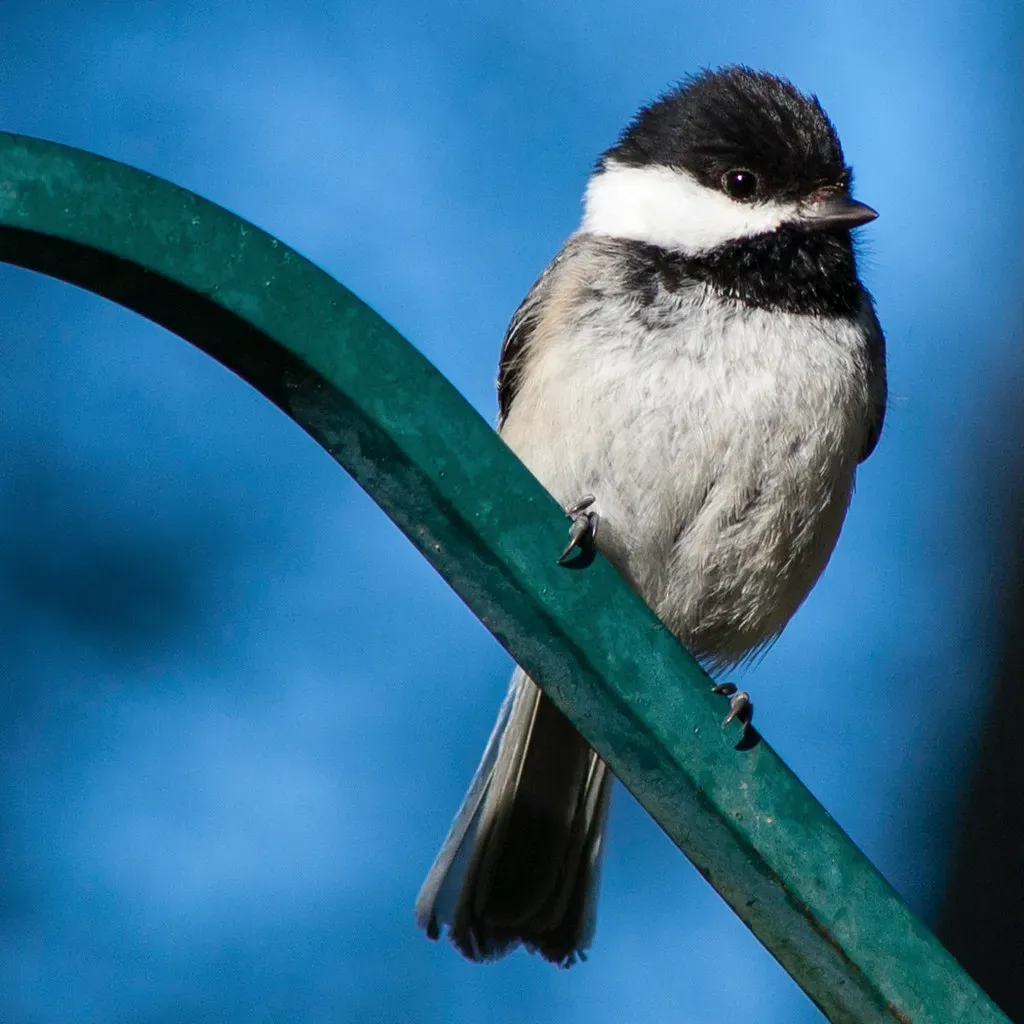
Here is the wild part: when one small bird spots danger and gives an alarm call, species that do not even sound alike or look alike often understand the message. Chickadees, titmice, nuthatches, jays and sparrows frequently forage in loose, mixed groups, and research has shown that many of them recognize each other’s “something is wrong” calls. That means a single sharp cry can ripple outward into a multi-species lockdown.
Imagine living in a neighborhood where everyone speaks different languages but shares the same fire alarm tone. You might not understand each other’s conversations, but you all know exactly what that piercing siren means: drop everything and move. That is effectively how a yard full of different birds operates. When you step outside and realize that every species – from the smallest finch to the loudest jay – has gone silent and vanished into cover, you are seeing the result of a shared warning system that has evolved over millions of years.
Raptors, Cats, and Snakes: The Usual Suspects Behind the Quiet
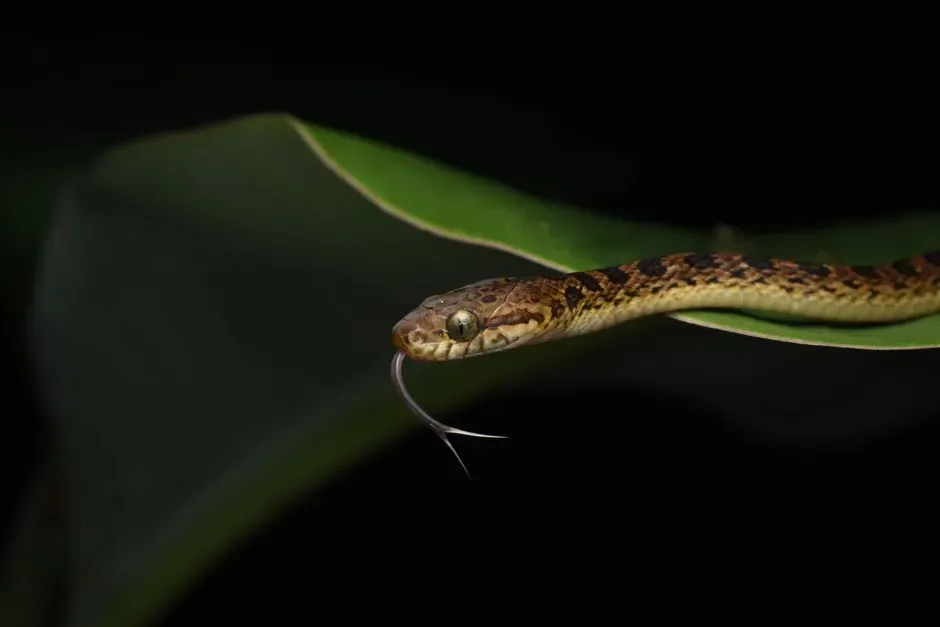
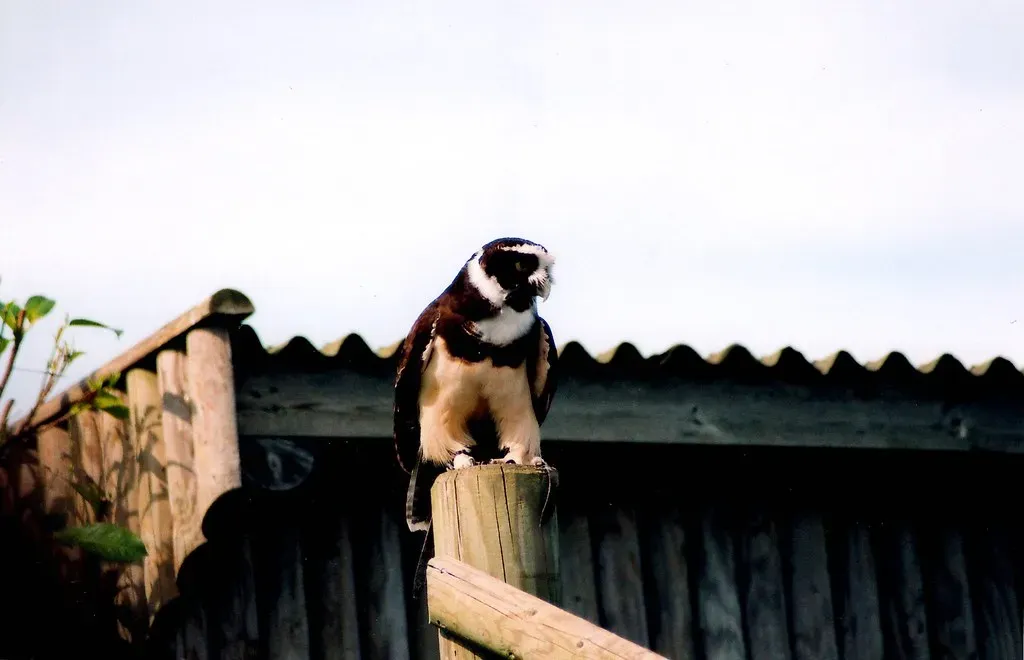
If the birds near you suddenly go quiet, the cause is often still there, hidden in plain sight. Sharp-shinned and Cooper’s hawks slip between branches like ghosts, and a perched hawk can keep a whole yard pinned down for long minutes. Domestic cats stalking through shrubs are another frequent trigger, especially in neighborhoods. Even a snake in low vegetation can put ground-feeding birds on edge, creating a wave of tension that spills into the rest of the soundscape.
You might not spot any of these threats at first because they specialize in staying invisible. A hawk could be sitting motionless on a branch just above your line of sight, or a cat could be crouched under a hedge, eyes locked on the feeder. The birds, with sharper vision and constant scanning behavior, often pick up on these dangers well before we do. That is why silence in your yard can be a clue to look more carefully: scan treetops, power lines, and shadowy corners, and you may find the predator that triggered the shutdown.
Silence Is Just One Part of a Layered “Alarm Language”
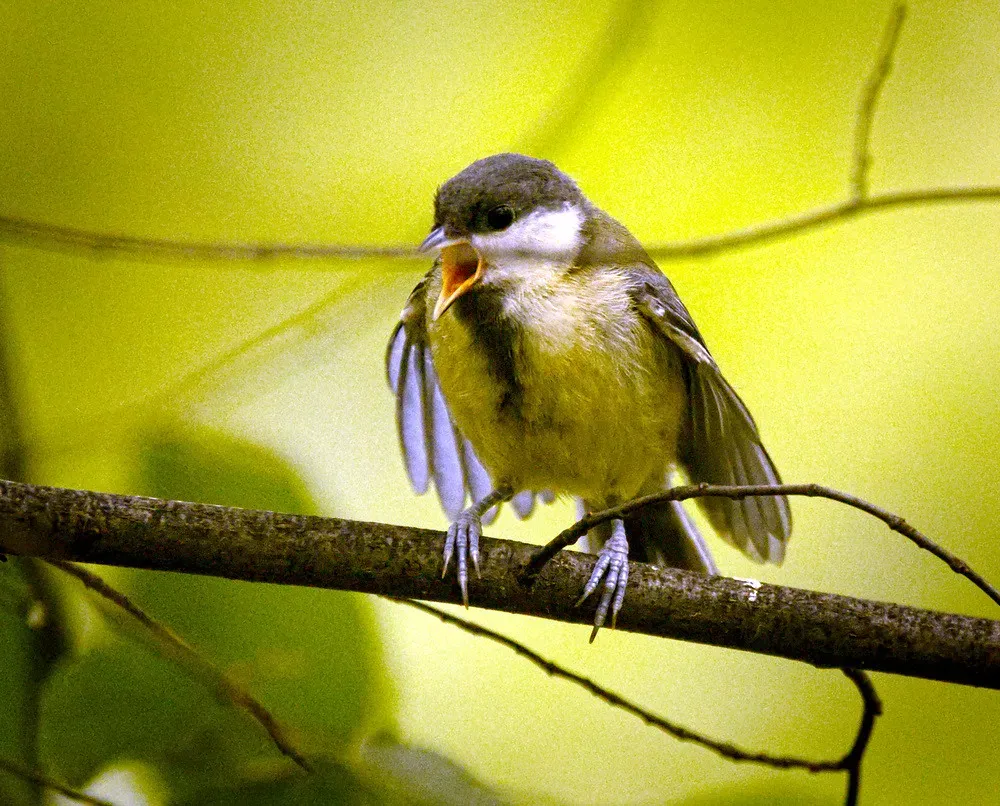
Silence might be the part you notice, but it is rarely the only signal the birds are using. Before or alongside the quiet, there are often specific alarm calls: sharp, repeated notes from jays, rapid chattering from chickadees, harsh scolds from wrens. Some species even vary their calls depending on whether the danger is coming from the air or from the ground, giving other animals clues about where to look and how to respond.
There is also body language. Birds may freeze in place, flatten against a branch, or shift deeper into foliage, making their outlines harder to see. Others may mob a predator, diving and calling to harass it, while more cautious species go completely still. To the untrained eye, this can look like the birds simply “disappeared.” In reality, they just changed channels: from singing and feeding mode to stealth and survival mode, with silence as the background hum of that emergency state.
Predator Dramas: When the Soundscape Slowly Restarts
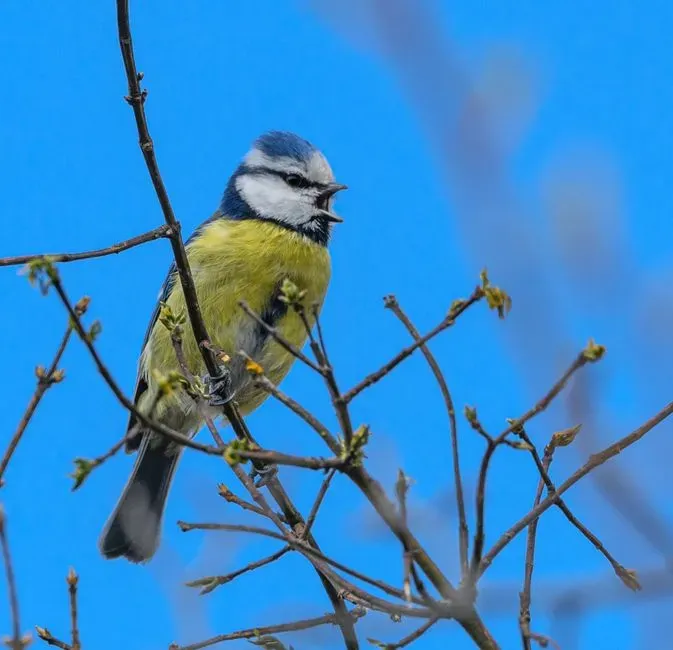
If you stay put after the silence, you can sometimes watch the entire drama play out. Maybe a hawk streaks through and misses its target, then perches in a nearby tree. The yard remains mostly silent, with only a few tentative chips from hidden birds. Minutes later, the hawk gives up and glides away. Only then, bit by bit, do the softer calls return, and eventually, singing resumes. The soundscape does not just snap back on; it rebuilds itself carefully.
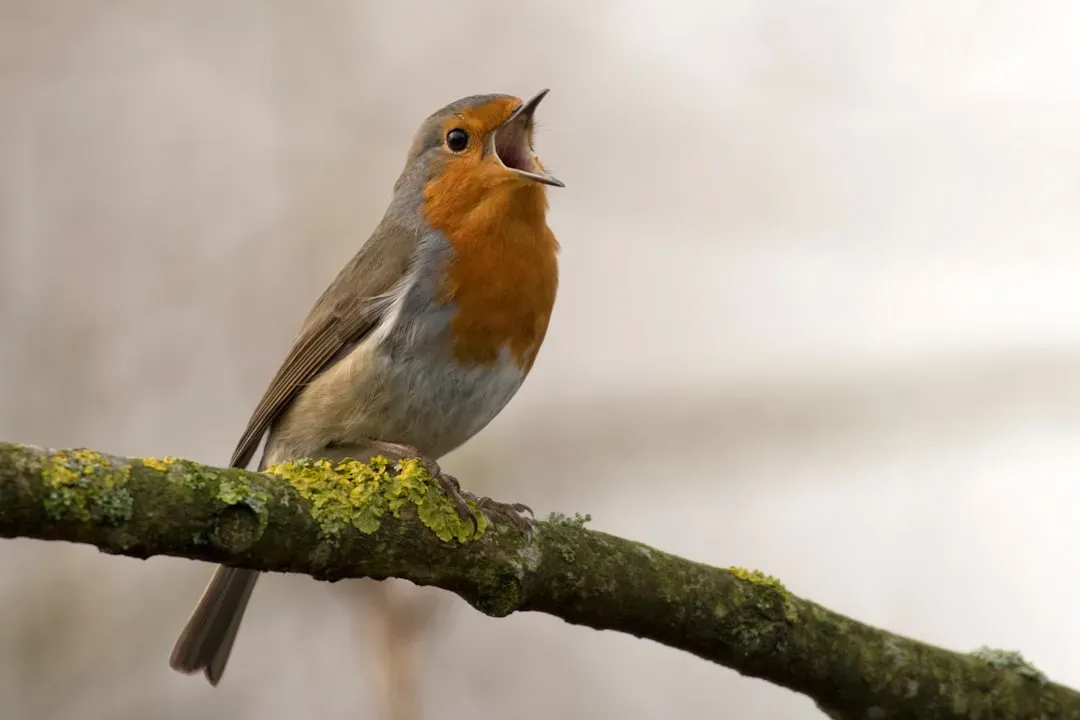
This staggered restart is another sign that the birds are not just randomly noisy or quiet. They are sampling the environment, testing the waters. A chickadee may give a soft contact call, and if no fresh danger appears, others answer. Sparrows emerge from the underbrush, finches return to the feeder, and eventually the robins start their more elaborate songs again. Listening to this process feels a bit like watching a town unlock its doors after a storm has passed. Once you learn to notice it, you start to realize how many of these invisible crises happen every single day.
You Are Also Part of the Signal – Whether You Mean To Be or Not
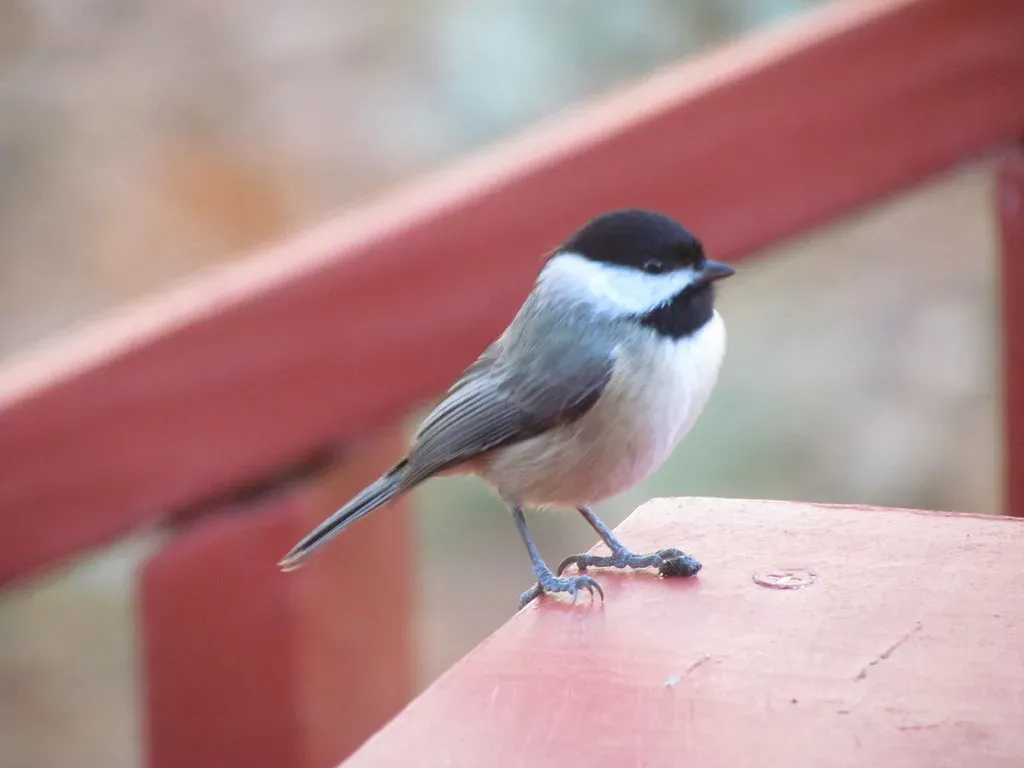
Here is something people rarely consider: you are not a neutral background object in this story. Birds watch you, remember where you walk, and notice how you move. A person bursting into a yard, talking loudly or waving their arms, can trigger its own brief hush or flush of alarm. Over time, if you move calmly and predictably, backyard birds often treat you as a relatively harmless presence, but if you change your behavior suddenly, they react almost instantly.
I have watched this play out on my own street: the same person walking quietly each morning barely causes a pause, but a kid racing outside with a ball sends sparrows exploding from the bushes. Even something as simple as moving a feeder, trimming a shrub, or bringing a dog into the yard can change how birds assess the space. When you notice sudden silence, it is worth asking whether you inadvertently set off part of that chain reaction yourself – and how you might move differently if you want them to feel safer around you.
How to Start “Reading” the Silence in Your Own Yard
The easiest way to turn this from an abstract idea into something real is to practice. Pick a spot where you can sit or stand quietly for ten or fifteen minutes, ideally near trees or a feeder. At first, just listen: what does normal sound like here? Which birds are usually calling, and from where? Once you have a baseline, you will be much quicker to notice when something feels off, when the background chatter thins out or stops altogether.
Next, when you hear a shift toward silence, resist the urge to immediately move around. Instead, scan slowly. Look for a hawk silhouette on a pole or branch, a cat crouched at the edge of the yard, or birds frozen in odd, tense postures. Over time, you will start connecting patterns: a certain harsh call followed by silence might often mean an aerial predator; rustling and scolding near the ground might point to a snake or small mammal. It is a bit like learning a new language – at first, it is all noise, and then suddenly, you recognize your first word.
Why This Hidden Communication System Deserves Our Respect
Once you recognize that bird silence is usually a survival tactic, not a peaceful pause, it becomes harder to treat backyard wildlife as mere decoration. These animals are running a real-time, high-stakes information network just to make it through the day. The fact that we can sit under a tree and sip coffee while their alarm system quietly hums around us is, frankly, a luxury we rarely acknowledge. We are plugged into their world whether we notice it or not.
In my view, learning to read these signals is more than just a fun wildlife trick. It is a small act of respect. When you slow down enough to notice that the yard has gone eerily still, and you take a moment to look for the reason instead of blasting music or starting the leaf blower, you are acknowledging that other creatures share this space and are fighting for their lives in it. The next time your backyard suddenly goes quiet, you might ask yourself: are the birds resting – or are they warning each other about something I have not yet seen?