You’re used to thinking of earthquakes as the violent slipping of huge faults like the San Andreas, but one of the strangest quakes ever recorded broke that rule completely. It happened so deep inside the planet that the normal idea of a “fault line” almost stops making sense, and it left seismologists arguing for nearly a decade about what they were even looking at. You live on a planet that shook from a place where rock should behave more like warm putty than something that can snap.
When you follow how this story unfolded, you see scientists wrestling not just with data, but with the basic laws they thought governed Earth’s interior. At first, it looked like a world‑record event: the deepest earthquake ever, apparently starting in a part of the mantle where earthquakes simply should not exist. Then new analyses came in, old assumptions crumbled, and you’re left with a much more unsettling conclusion: sometimes the ground moves for reasons that don’t fit neatly into your textbook picture of faults at all.
When an Earthquake Happens Where Earthquakes Should Not Exist
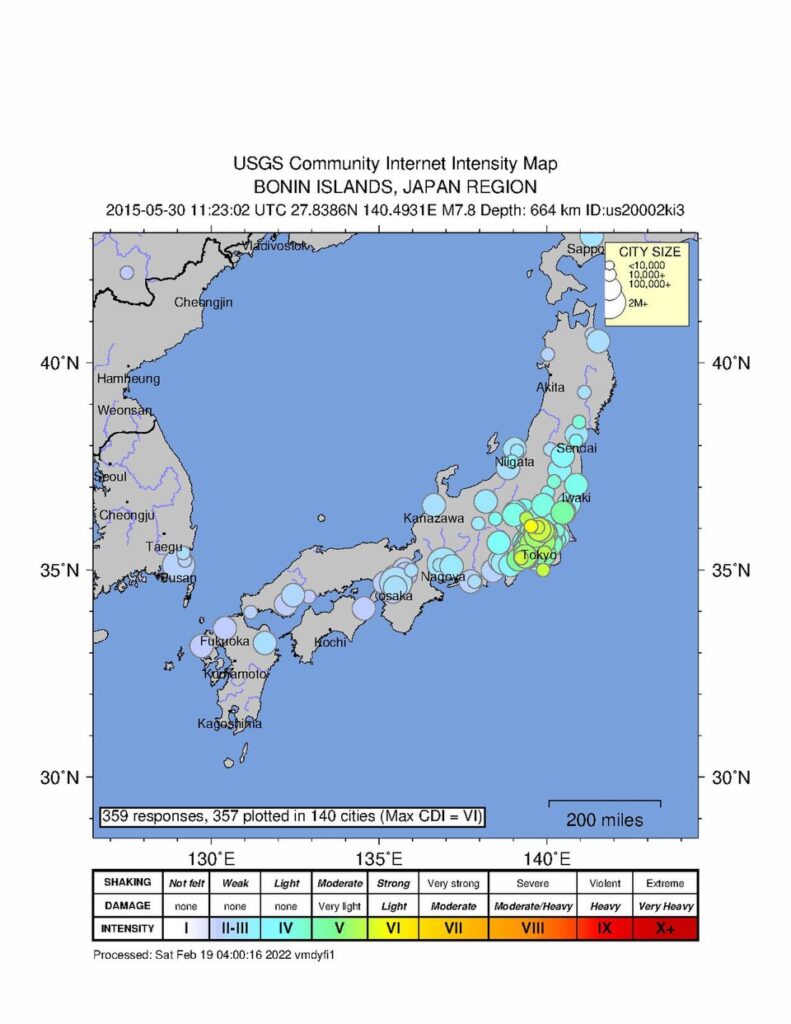
Imagine scrolling through news about a normal day in the Pacific, only to learn that far beneath the Bonin Islands, south of Japan, something impossible may have just happened. In May 2015, seismometers picked up a powerful deep‑focus earthquake sequence roughly beneath this remote area, already extraordinary because the main shock was one of the biggest deep earthquakes ever detected. Early studies suggested that one of the aftershocks started at around 680 kilometers down, flirting with the boundary between the upper and lower mantle, a depth where standard geology says rock cannot snap the way it does in shallow faults. ([nationalgeographic.com](https://www.nationalgeographic.com/science/article/deepest-earthquake-ever-detected-struck-467-miles-beneath-japan?utm_source=openai))
At that depth, you’re far below the brittle crust and uppermost mantle that host the faults you usually hear about on the news. Temperatures and pressures are so extreme that rock should creep slowly instead of breaking suddenly, more like thick honey sliding than glass shattering. Yet seismograms from global networks showed sharp wave arrivals that looked eerily like the signal of a conventional earthquake, not an explosion, not a landslide, and not some fuzzy, slowly unfolding slip. In other words, your planet appeared to have produced an old‑fashioned quake in a place that textbooks had basically written off as quake‑proof.
The Difference Between “Deepest” and “Most Deeply Confusing”
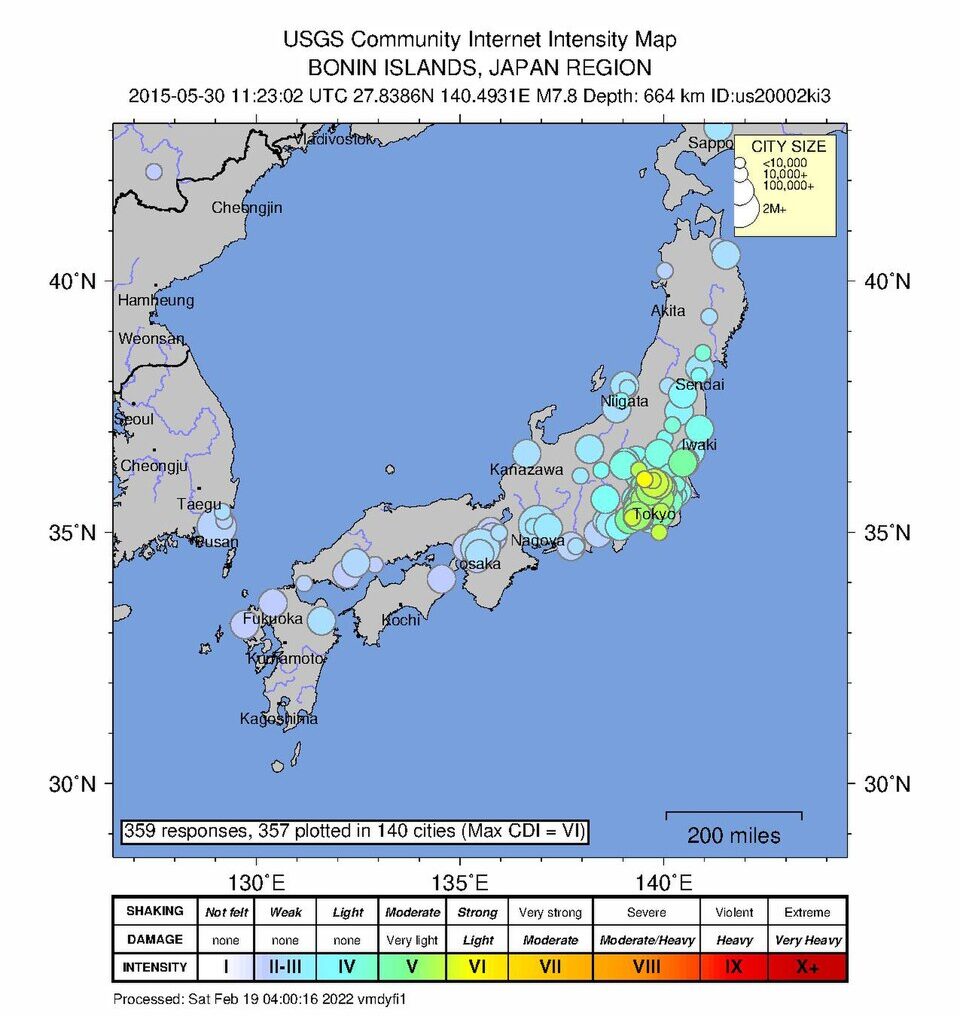
Before you dive further into this oddball event, it helps to separate two ideas that often get blurred: the deepest earthquake ever detected and the deepest earthquake of tectonic origin that scientists actually agree on. Seismologists have seen tiny, well‑documented quakes down near seven hundred kilometers in places like Vanuatu, and they’ve also documented a monster magnitude 8‑plus event at about six hundred kilometers under the Sea of Okhotsk, which still stands as the largest deep earthquake on record. ([earthquaketracker.org](https://www.earthquaketracker.org/learn/earthquake-epicenter-and-depth/?utm_source=openai))
What made the Bonin sequence different is that you weren’t just pushing the depth record by a few kilometers; you were poking at the border between two major layers of the planet. The main shock itself was already near the base of the upper mantle, but that controversial aftershock appeared to fall below a major transition where minerals change structure. That would push the rupture into the lower mantle, a region long considered too hot and too ductile for brittle failure. So when you read headlines about the “deepest earthquake ever detected,” what you are really looking at is the deepest earthquake claim that most seriously challenges how you think rocks behave inside Earth.
No Fault Line? How a Slab Can Break Without a Classic Crack
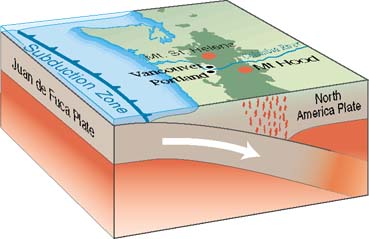
To understand why this event throws experts off, you have to unhook your mind from the surface picture of a fault line as a neat, traceable fracture on a map. In deep subduction zones, an entire plate of oceanic lithosphere is diving into the mantle, bending and sinking like a stiff conveyor belt. That descending slab stays cooler and stronger than the surrounding mantle for a long time, so instead of a sharp fault plane, you get a big, thick zone of stressed, transformed rock that can host odd types of failure. The earthquake in question did not seem to come from a single classic planar fault; it appeared to nucleate within this reeling, contorted slab. ([nationalgeographic.com](https://www.nationalgeographic.com/science/article/deepest-earthquake-ever-detected-struck-467-miles-beneath-japan?utm_source=openai))
Down there, several processes can make the rock suddenly give way even without a well‑defined fault line. One leading idea involves minerals like olivine changing their crystal structure under high pressure, a bit like ice suddenly shifting from one form to another and releasing stored strain. Another possibility is that tiny pockets of fluid trapped in the slab get squeezed until the pressure destabilizes the surrounding rock. In both cases, you get something that feels like an earthquake at the surface but is rooted in a kind of internal rearrangement, not the slip of a long, persistent fault like you might trace across California or Turkey.
How You Detect a Quake That Far Down
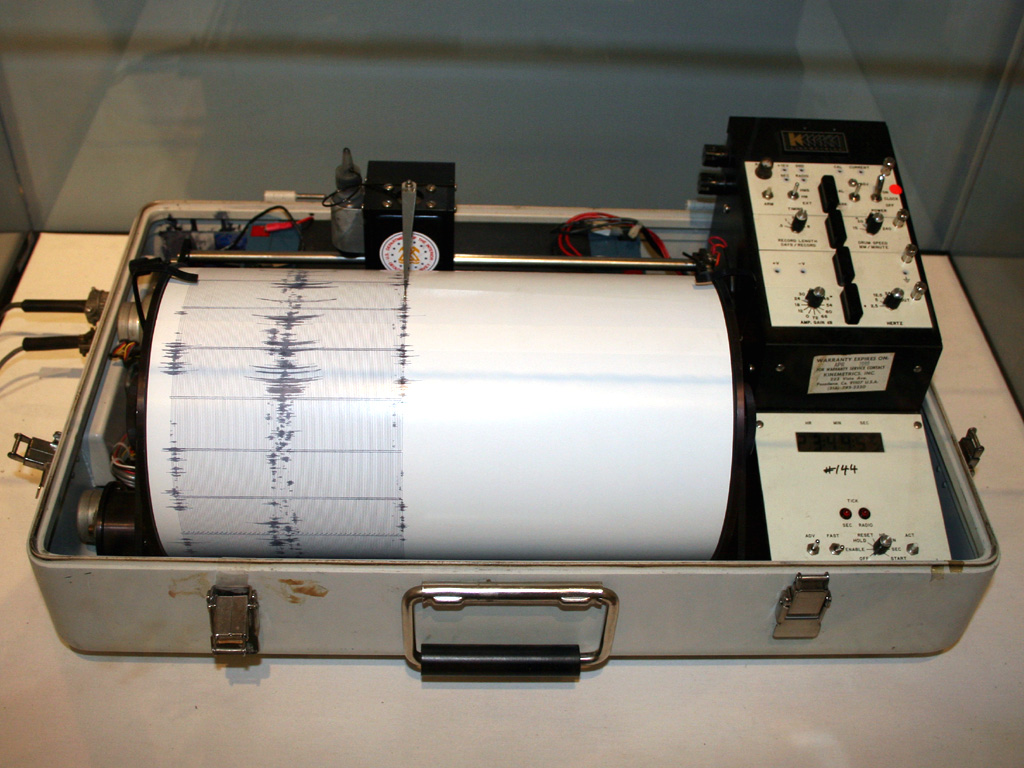
If you want to know where an earthquake really comes from, you rely on a worldwide web of seismometers that measure how seismic waves ripple through the planet. For the Bonin event, scientists used dense arrays and sophisticated waveform matching to line up the tiny wiggles of aftershocks with the main shock, hoping to lock down their depths more precisely. In principle, by comparing the arrival times of different wave types at stations scattered around the globe, you can triangulate a hypocenter – the true starting point of the rupture – like an incredibly precise form of GPS inside the Earth. ([nationalgeographic.com](https://www.nationalgeographic.com/science/article/deepest-earthquake-ever-detected-struck-467-miles-beneath-japan?utm_source=openai))
But when you are dealing with a quake that might have originated hundreds of kilometers deeper than most, little uncertainties suddenly matter a lot. Slight differences in how you model the mantle’s structure can shift your depth estimate by tens of kilometers, enough to move the event from the lower mantle back into the upper mantle transition zone. If you lean heavily on pattern‑matching methods that search for similar waveforms in noisy data, you risk picking up ghosts – artifacts that look like real events but vanish under stricter tests. That is exactly what later researchers argued had happened with the supposed record‑breaking aftershock: the signal many thought was a genuine lower‑mantle quake appears to have been an illusion created by your analysis choices rather than the Earth itself.
Years of Debate: Was It Really an Earthquake at All?
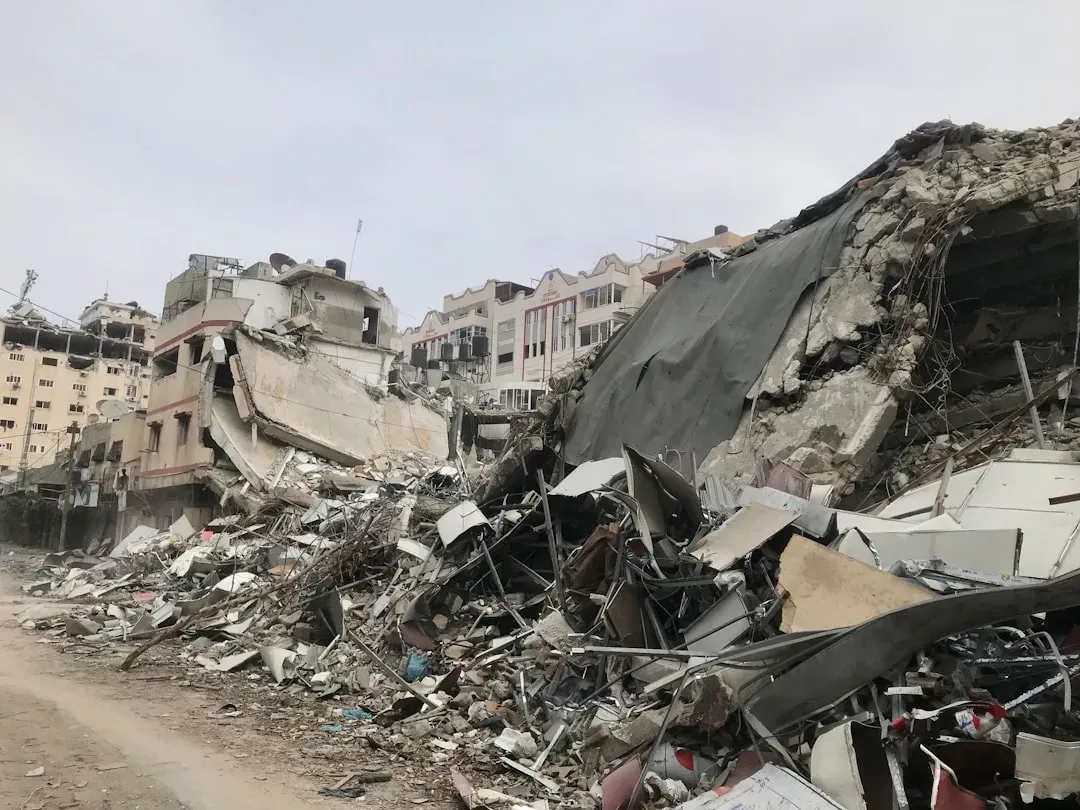
For nearly ten years, the story you would have heard was that the deepest earthquake ever detected had been found beneath the Bonin Islands, shattering the old depth limit. Then, in early 2025, a new group of seismologists revisited the data with different techniques and could not find solid evidence for an aftershock that reached into the lower mantle. Their conclusion was blunt: the event widely cited as the deepest earthquake ever recorded did not hold up to closer scrutiny, at least not as a conventional tectonic quake. That pushed the entire community to reconsider how much confidence you can place in earlier interpretations that leaned on subtle waveform correlations. ([forbes.com](https://www.forbes.com/sites/davidbressan/2025/01/30/deepest-earthquake-was-not-a-seismic-record-after-all/?utm_source=openai))
That does not mean nothing interesting happened down there; it means the label you were using might have been off. Some researchers favor a view where much of what looked like a discrete, super‑deep aftershock can be explained as part of the extended rupture of the already deep main shock. Others suspect that smaller, more diffuse deformation may have happened in the slab, but not in a way that qualifies as a clean, well‑located earthquake with a sharp hypocenter. For you, the takeaway is that even with twenty‑first‑century instruments and powerful computers, scientists can spend years arguing over what exactly the planet did in a matter of seconds.
Deep Earthquakes That Break the Rules Closer to Home
While this extreme case played out under the Pacific, you are also seeing hints of similarly puzzling behavior in places that are much closer to everyday life. Recent work in the western United States has documented earthquakes that appear to originate in the upper mantle beneath the lithospheric plate, not along familiar faults in the crust. In one well‑studied case in northeastern Utah, an event in 2025 was interpreted as a kind of archetype for continental mantle earthquakes, occurring below the crust in rocks that were never mapped as an active fault system. ([sciencedaily.com](https://www.sciencedaily.com/releases/2026/06/260602021636.htm?utm_source=openai))
These quakes are nowhere near as deep as the Bonin event, but they share the same unsettling theme: you can feel shaking at the surface triggered by processes that do not start on a standard fault line. Instead, stresses at the edges of long‑lived crustal blocks, ancient weaknesses, and variations in mantle temperature and composition combine to produce sudden slip. If you live in an area that looks quiet on a traditional fault map, events like this are a reminder that your seismic risk is not just about the lines you see drawn on a diagram, but about three‑dimensional structures miles below your feet that may still be evolving.
What This Means for How You Think About Earthquake Risk
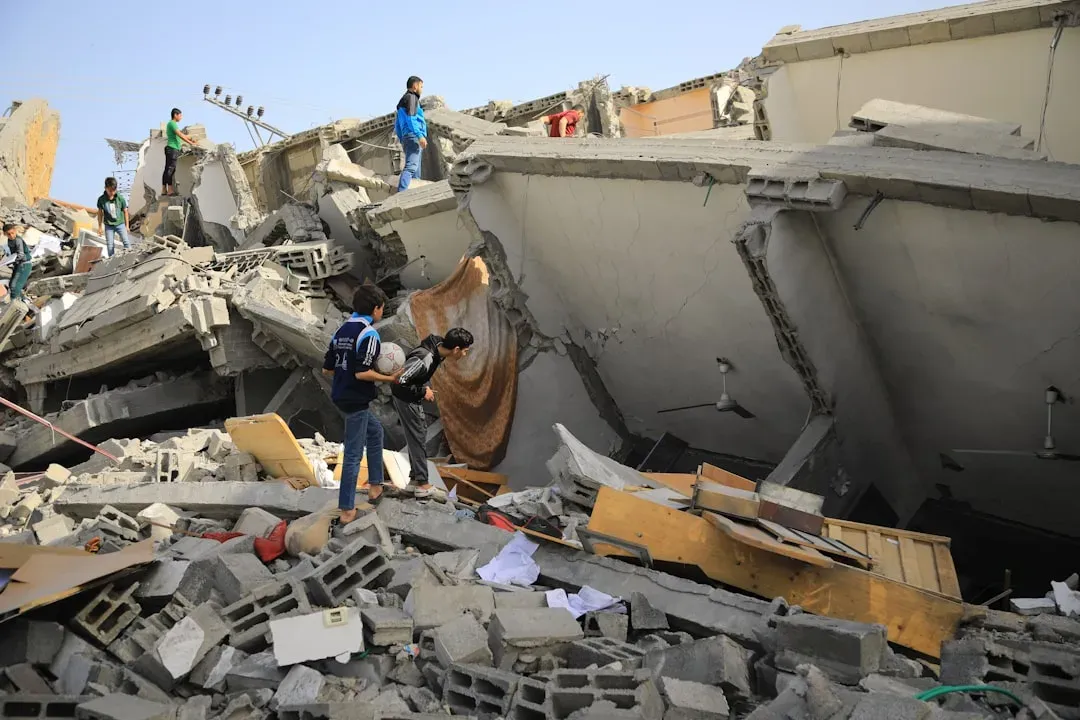
When you hear that the deepest supposed earthquake ever recorded may not have been a traditional fault‑driven event, it might be tempting to shrug and treat it as a technical argument. But the implications spill over into how you estimate earthquake hazards in general. For one thing, if some deep events are driven more by mineral transformations or fluid movement in subducting slabs than by brittle fault slip, then the way their energy radiates could differ slightly from what simple models assume. That affects how you think shaking will spread from a deep source to the cities and infrastructure above. ([earthquaketracker.org](https://www.earthquaketracker.org/learn/earthquake-epicenter-and-depth/?utm_source=openai))
This also complicates your sense of where to watch most closely. Classic hazard maps focus on well‑known crustal and subduction faults because these produce the strongest, most damaging shaking, and that focus still makes sense for practical planning. Yet the Bonin saga and the Utah mantle quakes show that you should be humble about hidden structures in the mantle and lower crust. Even if the deepest claimed earthquake turns out not to be the record it was once thought to be, it exposed how sensitive your conclusions are to assumptions about Earth’s interior – and reminded you that nature doesn’t owe you tidy categories.
Living on a Planet That Still Surprises Its Experts
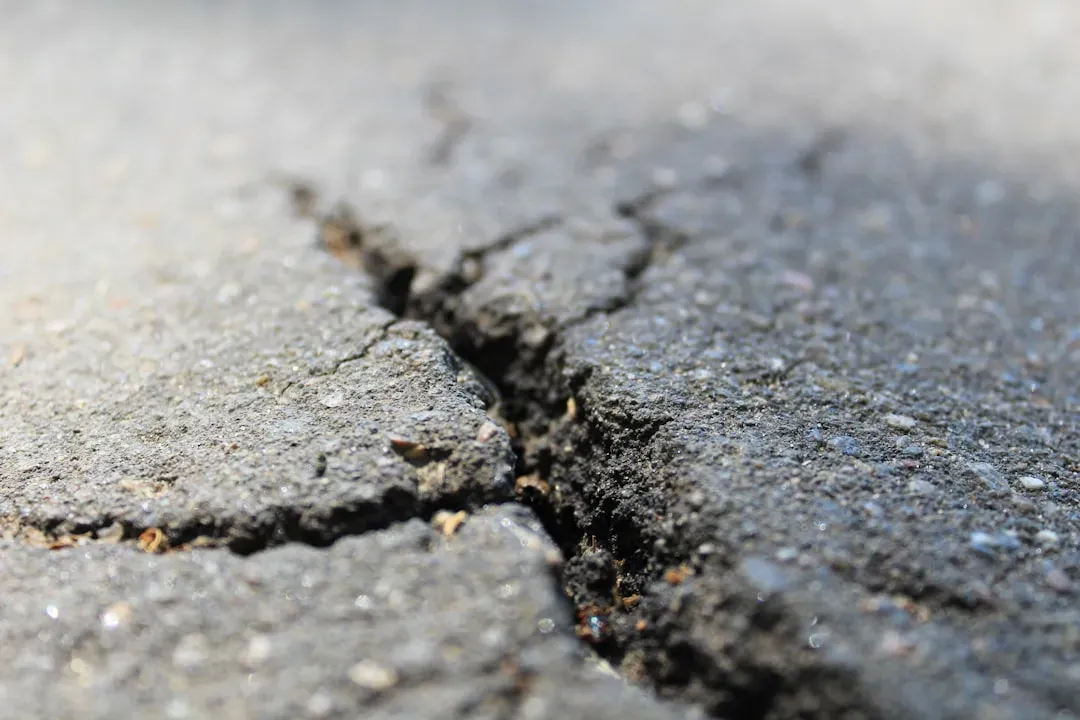
If you zoom out, the story of this ultra‑deep, not‑quite‑on‑a‑fault earthquake is really about how much you do not yet know about the world you stand on. You might assume that by 2026, with dense seismic networks and global data sets, something as basic as the deepest earthquake would be a settled fact, like the tallest mountain or the longest river. Instead, you are watching seismologists revise that record in real time, downgrading one contender and refining others as new methods and better Earth models come online. That process can feel messy, but it is exactly how science is supposed to work when the evidence is thin and the stakes for understanding are high. ([forbes.com](https://www.forbes.com/sites/davidbressan/2025/01/30/deepest-earthquake-was-not-a-seismic-record-after-all/?utm_source=openai))
On a more personal level, this kind of story reshapes how you picture the ground beneath you. It is not just a layer cake of rigid plates sliding along obvious faults; it is a living, deforming sphere where slabs buckle, minerals transform, and rocks fail in ways that do not always leave a neat crack you can draw on a map. The deepest earthquake controversy may have lost its neat record‑book headline, but it left you with a richer, stranger picture of Earth – one where even experts can be genuinely surprised by how and where the planet chooses to break. When you think about the next tremor you feel, will you still imagine only the fault lines you can see, or will you also picture the hidden drama playing out hundreds of kilometers below your feet?
In the end, the quake that seemed to rewrite the depth record ended up rewriting something more important: your confidence that you already understand how earthquakes work. The fact that geologists spent years debating whether it was truly a fault‑driven event, a slab‑wide contortion, or a misread artifact tells you that Earth is still keeping some secrets. If the planet can still surprise you at nearly seven hundred kilometers down, what else is it quietly doing beneath the places you call home?