When you stand on a beach and look at the ocean, it feels huge, but also kind of empty and smooth on the surface. What you do not see is that if you reached down, scooped up just one teaspoon of that water, you would be holding a tiny universe in your hand. That single spoonful can contain tens of millions of living organisms, far more individuals than there are humans on the entire planet, and the vast majority of them are completely unknown to science.
Once you let that sink in, the ocean stops being just a big blue backdrop and starts feeling more like a living galaxy that you happen to live next to. You realize that every wave that breaks on the shore is carrying invisible forests, cities, and food webs that rise and fall in a constant churn of life. In a strange way, you are sharing your world with this hidden majority of life, even though you rarely think about it and almost never see it.
You Are Surrounded by Invisible Crowds
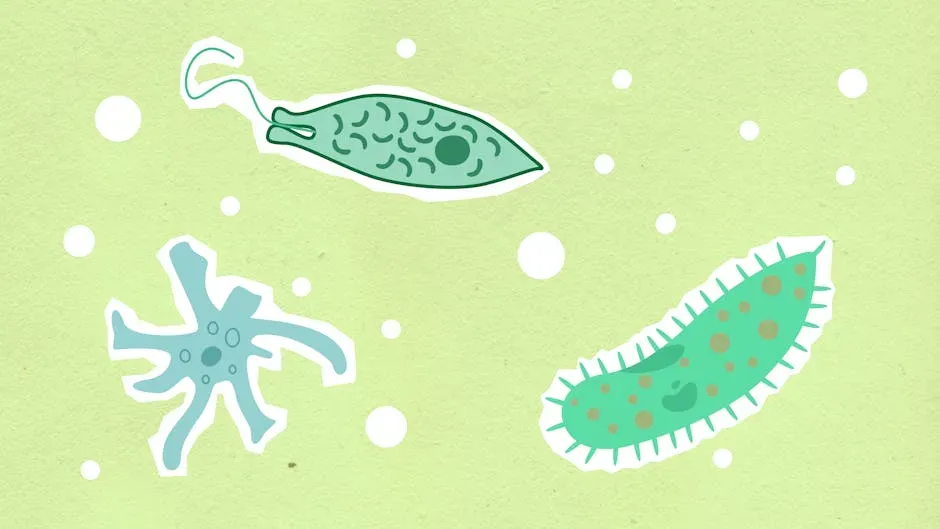
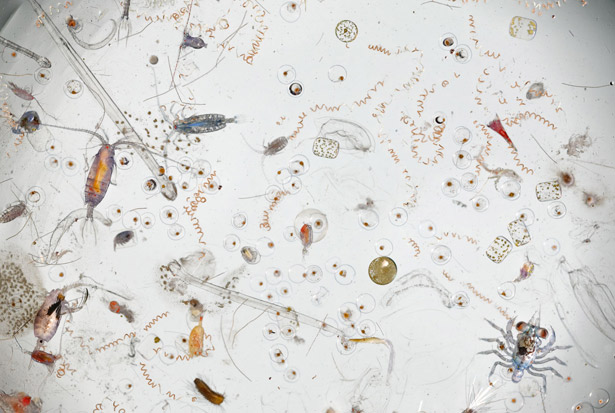
Imagine standing in a stadium packed with people, shoulder to shoulder, thousands of bodies pressed together in a roaring crowd. Now picture that level of crowdedness shrinking down into a single teaspoon of seawater. When you look at the ocean, your eyes smooth everything out into a simple blue, but if you could see the microbes, every drop would look more like a busy city at rush hour than an empty liquid.
In that teaspoon, you would find bacteria, archaea, microscopic algae, viruses, and tiny animals drifting side by side, each doing its own strange little job. You would not be able to recognize them with your bare eyes, but they would be bumping into each other, hunting, reproducing, and dying constantly. You walk past this invisible crowd whenever you stroll along the coast, a bit like walking past an entire metropolis without even knowing the residents exist.
Most of These Creatures Do Not Even Have Names
When you picture biology, you might think of neat labels: Latin names, diagrams, family trees organized like a tidy library. The reality in the ocean is much messier and far more humbling. In that single teaspoon of seawater, most of the organisms you would be holding have never been formally described, named, or even truly understood by scientists.
Researchers can read their genetic fingerprints and see that they are there, but for a vast fraction of them, that is almost all you know. You do not know what they look like under a microscope, what they eat, or how they fit into the bigger story of life. You are used to thinking humans have mapped the world, but here you are, with your feet in the surf, and you might as well be standing at the edge of a dark continent that barely shows up on the map.
Tiny Drifters That Feed the Whole Planet
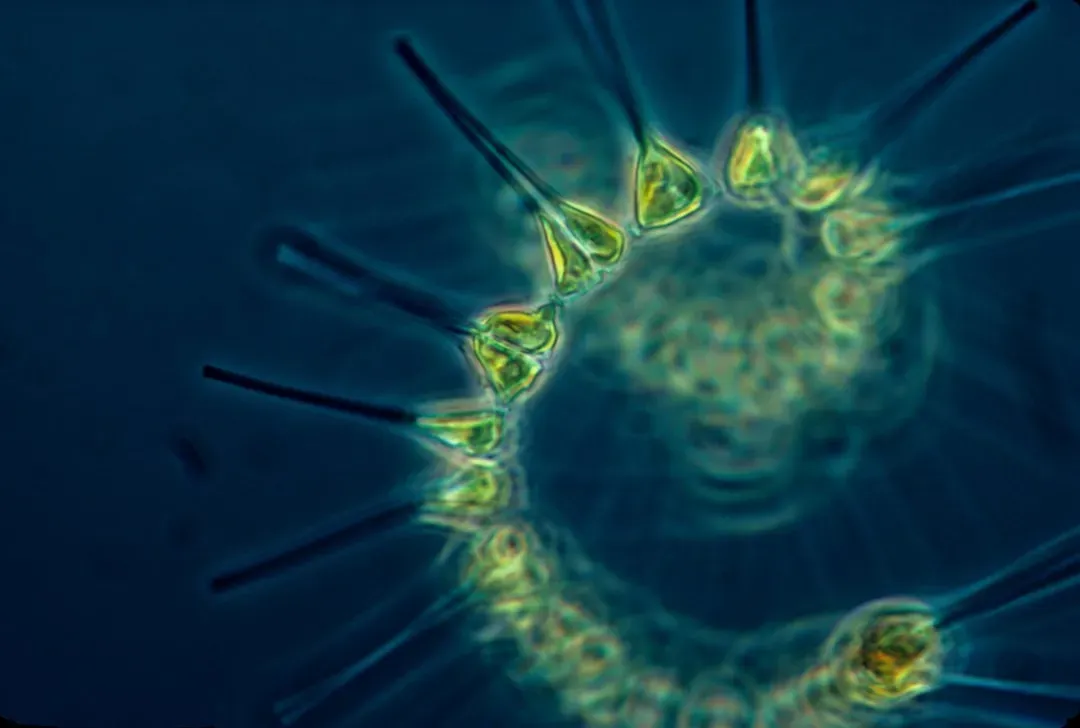
Some of these microscopic drifters, especially the photosynthetic plankton, are quietly making the oxygen you breathe. When you inhale, a surprisingly large share of that oxygen originally came from ocean microbes turning sunlight and carbon dioxide into life. You might think of forests and rainforests first, but the ocean’s invisible pastures are doing at least as much heavy lifting in the background.
At the same time, these tiny organisms form the base of the marine food web, feeding everything from small crustaceans to giant whales in a long chain of mouths and stomachs. If you remove them, the whole pyramid of ocean life starts to collapse from the bottom up. When you see a dolphin jump or a seabird dive, you are really watching the end result of an energy relay that started with microscopic cells floating in that crowded teaspoon you never notice.
The Ocean’s Microbes Quietly Shape Your Climate
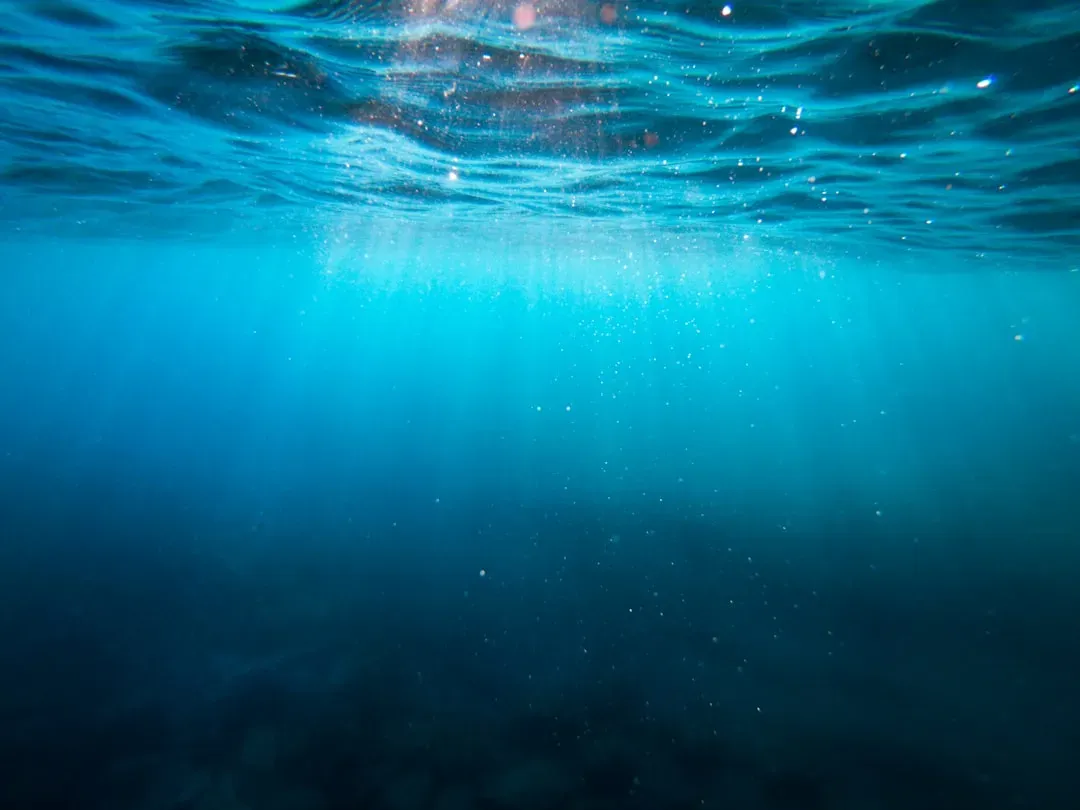
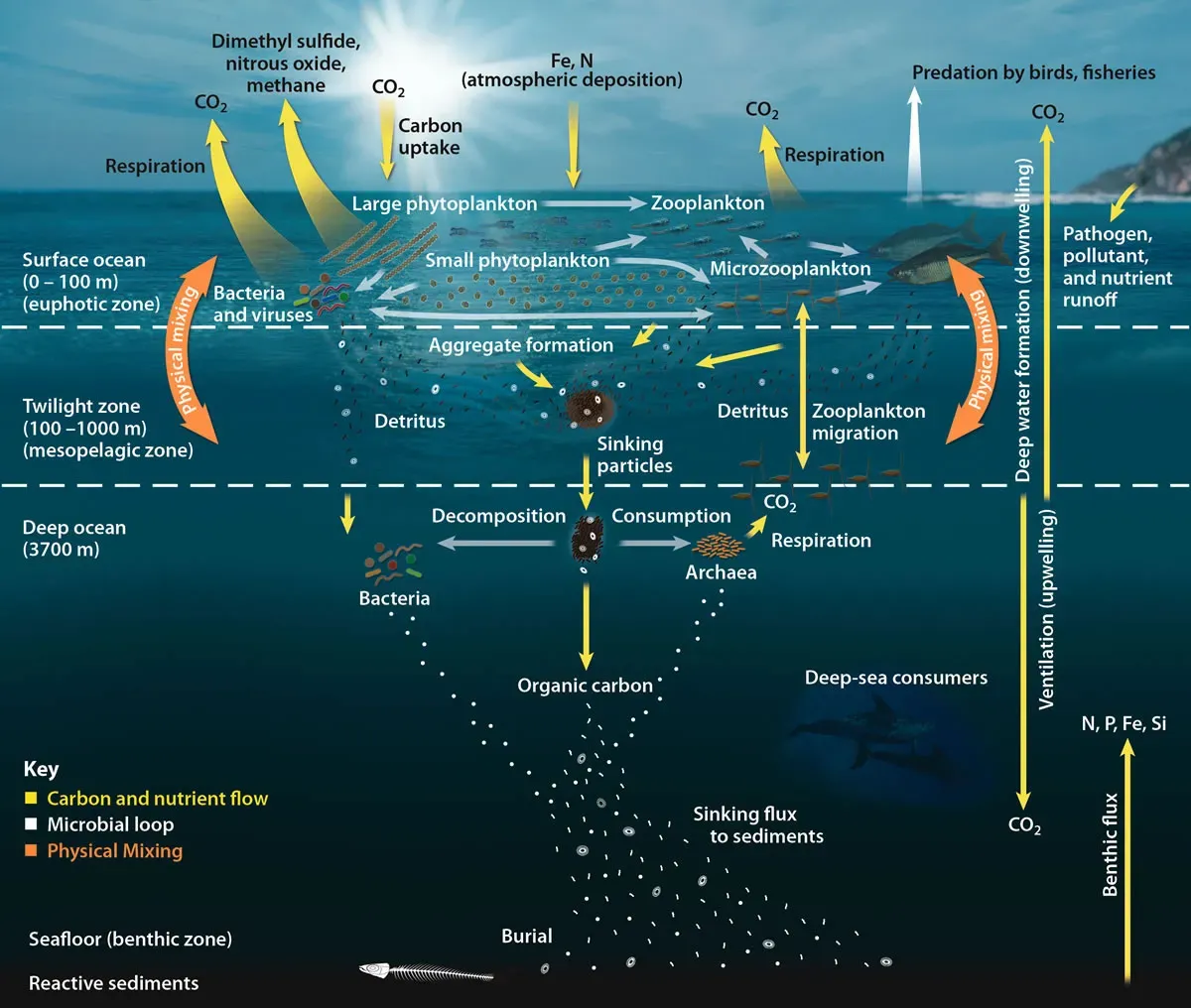
While you are worrying about greenhouse gases, heatwaves, and storms, the ocean’s microbes are busy helping decide how severe those things become. Many of the tiny organisms in a single teaspoon of seawater are involved in moving carbon in and out of the atmosphere, locking some of it away in the deep ocean when they die and sink. You might never see them, but they help buffer the climate you live in, like a hidden thermostat you did not know your house had.
Some of them also release compounds that can influence cloud formation, which then affect how much sunlight reaches the surface and how warm the planet gets. You live in a world where microscopic life is participating in global-scale engineering without asking your permission or even letting you know. It puts your sense of control into perspective when you realize that something you cannot see is helping decide how hot your summers will feel.
You Are Living in the Golden Age of Ocean Discovery
If you had been born a few generations ago, many of these invisible ocean communities would have been completely beyond your reach. Today, with DNA sequencing and advanced microscopes, you can skim a bit of seawater, read its genetic contents, and suddenly glimpse thousands of different lineages. You might not know their stories yet, but you can see the outlines of a massive cast of characters waiting to be introduced properly.
Even now, with all this new technology, a huge fraction of DNA snippets you would find in ocean water do not match anything that has been described. You are living at a moment when every new expedition and every new sample has the potential to reveal whole branches of the tree of life that no one has seen before. Instead of being late to the party of discovery, you are standing right at the opening of the door, watching the room fill up.
Healthy Ocean Water Is Not “Clean” the Way You Think
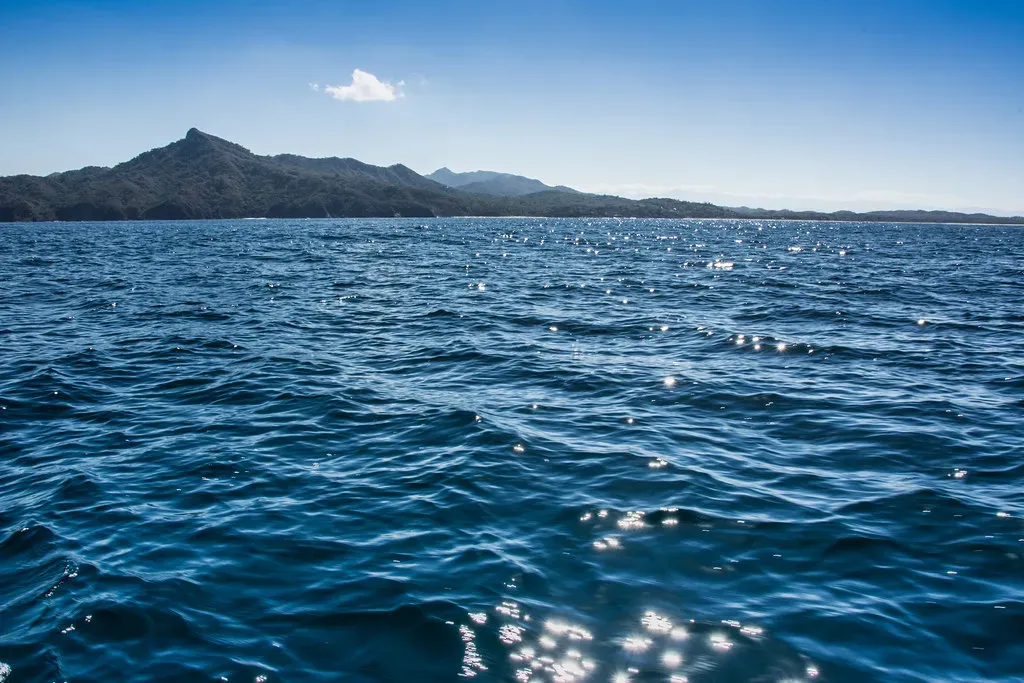
When you hear the phrase clean water, you might picture something clear, sterile, and almost empty, like purified bottled water. For the ocean, that idea would actually be a bit of a nightmare. Truly healthy seawater is thick with life at the microscopic level, a swirling soup of cells and particles that together keep the ecosystem breathing and recycling nutrients.
If you could magically strip that teaspoon of all its microbes until it looked like crystal-clear lab water, you would not be left with a healthier ocean, you would be left with a dead one. The richness of invisible life is exactly what makes the system work: it drives food webs, breaks down waste, and keeps chemical cycles moving. When you start to think of ocean water as alive instead of just wet, the word clean starts to mean balanced and thriving rather than empty and sanitized.
Your Choices on Land Reach into That Teaspoon
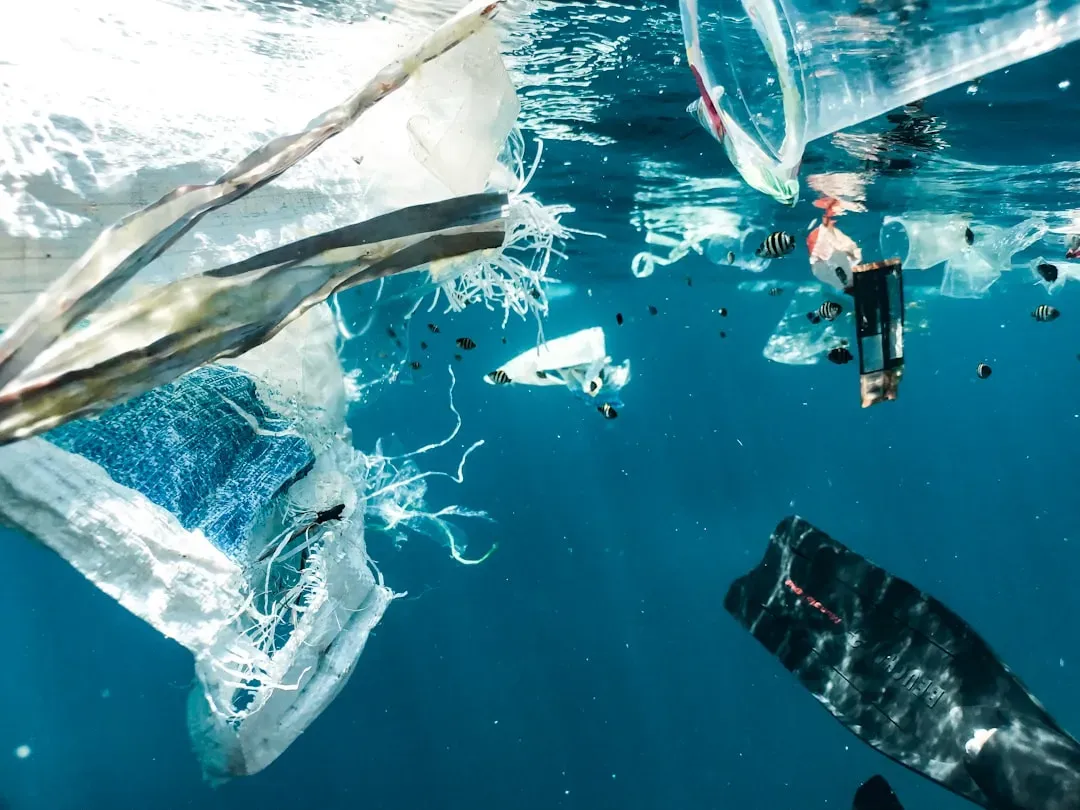
It is easy to believe that what you do on land stays on land, especially if you live far from the coast, but the ocean does not see it that way. The fertilizers you use on your lawn, the plastics you throw away, the fossil fuels you burn for everyday convenience – all of these eventually leave traces that wash into rivers and then into the sea. Once there, they can shift the delicate balance in that teaspoon of water, sometimes pushing harmful blooms or wiping out sensitive species.
When too many nutrients pour into coastal waters, for example, some microbes grow explosively while others suffocate, and oxygen can drop so low that larger animals flee or die. You might never see the microbes directly, but you can see the consequences in fish kills, murky water, or vanished shellfish. Every time you hear about a dead zone or a polluted bay, you are really hearing about a microscopic community that has been pushed past its breaking point.
Why This Hidden Life Should Change How You See Yourself

Once you realize that a single teaspoon of ocean water holds more living beings than there are people on Earth, your sense of your own importance shifts a little. You are still unique, but you are also just one large organism in a world where most life is small, nameless, and doing essential work with zero recognition. That quiet majority of microscopic citizens has been building and maintaining the world you depend on for far longer than your species has existed.
Instead of thinking of yourself as sitting on top of nature, you start to look more like one thread in an enormous, living fabric that stretches from the deepest trench to the clouds. You breathe what these microbes help produce, you eat what their food webs support, and you live under a climate they quietly help moderate. When you next look at the ocean, it is worth asking yourself whether you are just watching waves, or standing at the edge of an invisible crowd that keeps you alive.
In the end, that crowded teaspoon of seawater is a reminder that the world is far richer, stranger, and more layered than your senses let you see. You are sharing the planet with an overwhelming number of tiny neighbors whose names you may never learn but whose work shapes every breath you take. Next time you stand by the sea, maybe you will pause for a second and wonder: if just one spoonful holds an entire universe, what else are you missing in the spaces you think are empty?