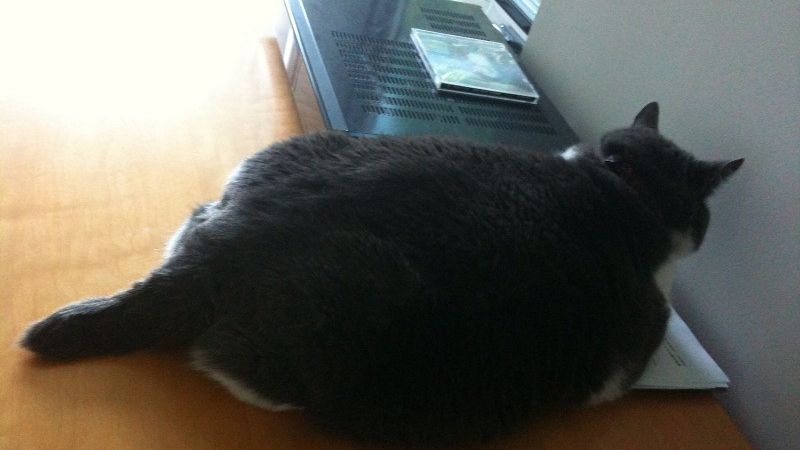
One day your cat is racing through the house like a tiny, furry rocket, and the next day you find them sitting inches from the wall, staring at absolutely nothing… for hours. It feels eerie, almost like they see something you don’t. Most people joke that their cat is just being weird, but in some cases this isn’t quirky behavior at all – it can be a red flag that something inside their brain is going very wrong. When I first learned that “wall-sitting” and “wall-staring” can be linked to serious neurological disease, it completely changed how I watch cats, including my own.
This isn’t about panicking every time your cat zones out, but it is about knowing when “odd” crosses the line into “urgent.” Neurologists are clear on one thing: persistent, unexplained behavior changes can be just as important as a seizure or a collapse. The tricky part is that cats are masters of subtlety and silence. They rarely scream in pain or make a scene. Instead, they quietly go sit in a corner, face the wall, and hope we notice. Once you understand what might be happening in their nervous system, that seemingly funny pose stops being a joke and starts looking like the emergency it can be.
When Is Wall-Sitting Just Weird… And When Is It an Emergency?

Cats do plenty of odd things for totally harmless reasons. A cat might sit facing a wall because there is a faint sound in the pipes, a tiny insect on the paint, a patch of sunlight they like, or they simply chose that spot as their new safe zone. If your cat occasionally parks themselves near a wall for a few minutes and then goes back to eating, playing, grooming, and interacting normally, it usually falls into the “cats are cats” category. Short, occasional, easily interruptible episodes that don’t affect the rest of their day are rarely an emergency on their own.
The picture changes when your cat suddenly starts spending long stretches – we’re talking many minutes to hours – in one position, close to the wall, unresponsive or only vaguely responsive to you. If they combine that with other changes like walking strangely, circling, pressing their head against the wall, seeming confused, or acting like they do not recognize familiar people or places, the situation jumps to “call a vet now.” Acute changes that appear out of nowhere, especially in an adult or senior cat who never did this before, deserve to be treated as potential neurological events until a veterinarian proves otherwise.
The Neurology Behind That Unnerving Wall Stare
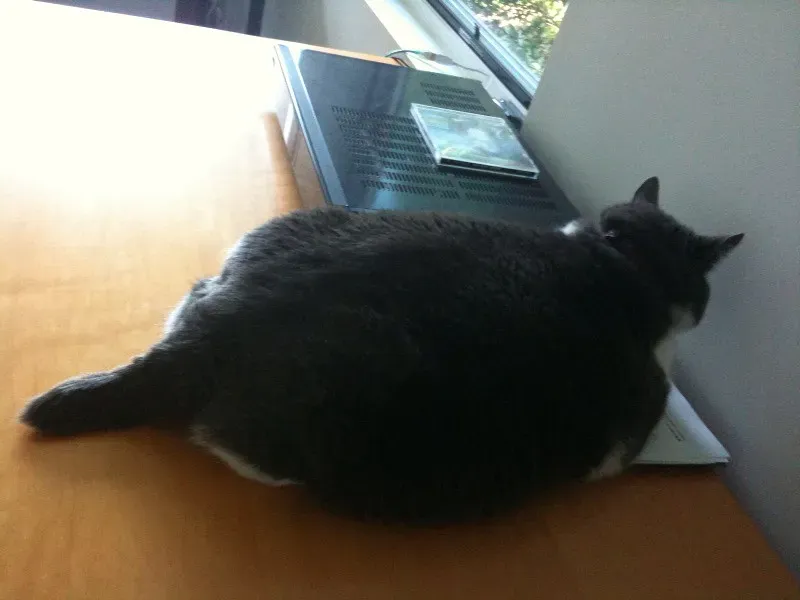
From a brain perspective, your cat’s odd posture is not random. The way they sit, stand, walk, and react to the world is controlled by a finely tuned network of brain regions, spinal cord pathways, and peripheral nerves. When something disrupts those circuits – a lesion, pressure, inflammation, or abnormal electrical activity – the signals can get scrambled. Instead of moving through the house with purpose, the cat may lose their usual sense of direction or engagement and simply anchor themselves in one spot, like a computer that has frozen on a single screen.
Many neurologists think of behaviors like prolonged wall-staring as a kind of “disorientation body language.” The cat might not actually be fascinated by the wall at all; it is just the surface that happens to be directly in front of them when their brain’s ability to process space, vision, or balance goes offline. To you it looks intentional, but to the cat it may feel like being trapped in a fog, with their body defaulting to the simplest possible pose: stand or sit, do not move, shut down interaction. That is why the context matters so much – the same pose in a healthy, playful cat is meaningless, but in a confused, slow, or off-balance cat, it can be a neurologic symptom.
Head Pressing vs. Just Sitting Close: The Crucial Difference
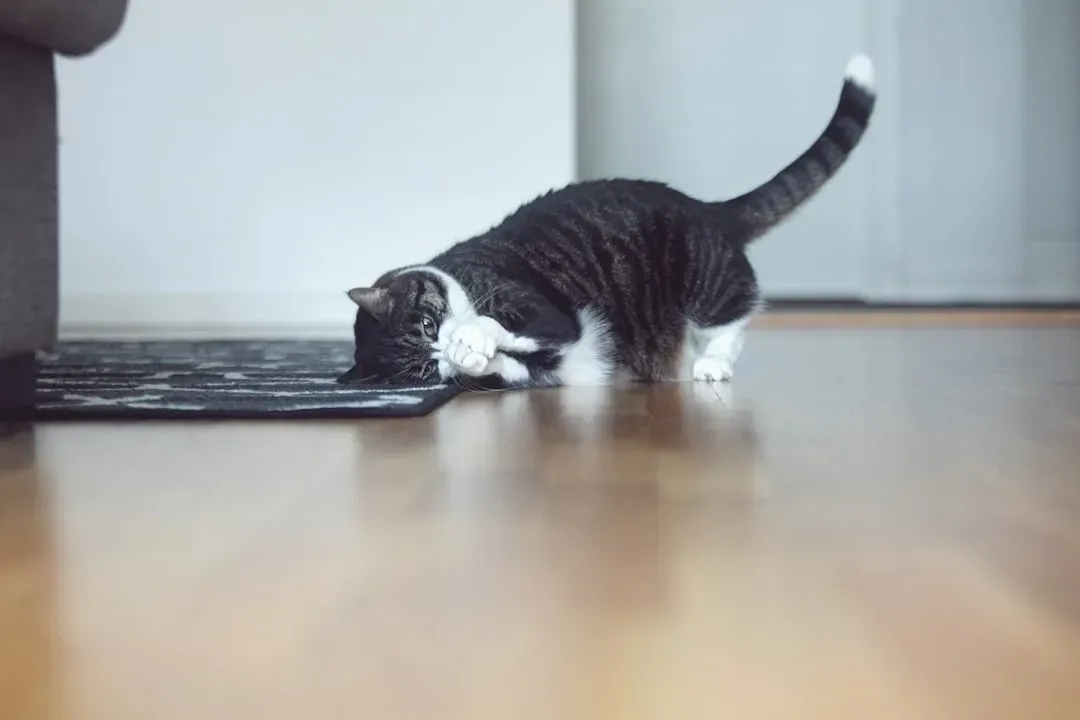
There is a term neurologists use that sounds dramatic because it is: head pressing. This describes a cat (or dog) literally pushing or leaning their head against a solid surface – a wall, a corner, a piece of furniture – and maintaining that pressure for a noticeable period of time. It is not a gentle lean while napping or a quick bump for attention. It is a fixed, persistent posture that looks uncomfortable and unnatural, often combined with a blank or distant expression. Head pressing is widely recognized in veterinary medicine as a red flag for serious brain disease and deserves urgent evaluation.
By contrast, a cat sitting or lying near a wall without clearly pushing their skull into it is a softer sign and can be much trickier to interpret. Some cats like the physical security of a corner and will curl up with their back to the room because it makes them feel safer, not because anything is wrong. The problem is that in real life, the line between “near” and “pressing” is not always obvious, especially to a stressed owner at two in the morning. My rule of thumb: if your cat appears tense or rigid, keeps seeking out walls or corners, stays that way for more than a few minutes, or you have a gut feeling that the pose looks off, treat it like potential head pressing and call your vet, rather than gambling that it is nothing.
Neurological Conditions That Can Make Cats Fixate on Walls
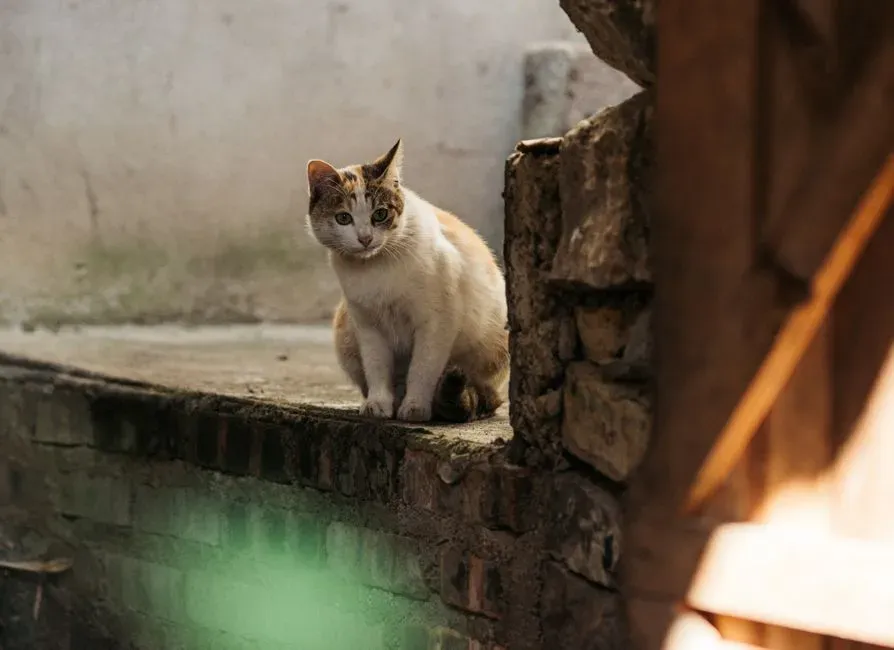
A range of neurological and systemic conditions can lead to strange postures, zoning out, and wall-facing behavior. One big category is brain disease: tumors, inflammatory conditions, infections, or strokes can affect areas responsible for awareness, vision, and coordination. When those centers are damaged or under pressure, the cat may become confused, wander aimlessly, walk in circles, or retreat to a static posture like standing or sitting face-first toward a surface. These cats often show other changes too, such as altered sleep-wake cycles, personality shifts, or a new tendency to get stuck in corners or behind furniture.
Another major driver is metabolic or toxic encephalopathy, which is a fancy way of saying “the brain is sick because the rest of the body is failing.” Liver disease, kidney failure, severe electrolyte imbalances, and certain toxins can all poison or starve the brain, leading to disorientation, pacing, and odd focal behaviors. Seizure-related issues, including partial or focal seizures, can also cause episodes of staring, unresponsiveness, or repetitive motion that look behavioral but are actually bursts of abnormal electrical activity. In all these scenarios, the wall-facing is a symptom, not the main problem – it’s the visible clue that tells you something deeper is going wrong and that your cat urgently needs diagnostic work, not just patience.
Other Red-Flag Symptoms That Often Show Up Alongside Wall Behavior
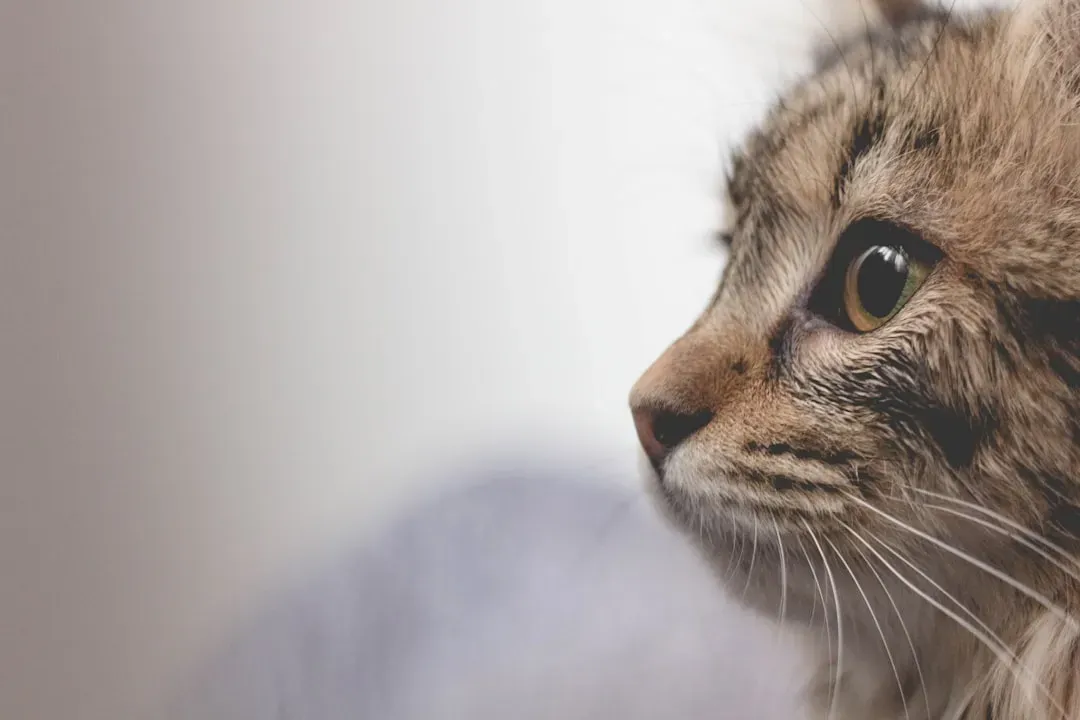
If you are trying to decide whether your cat’s new wall habit is concerning, zoom out and look at the rest of their body language and routine. Neurological events often come with other subtle clues: a slightly wobbly gait, stumbling on jumps they used to land easily, tilting the head to one side, or moving in circles in the same direction again and again. You may notice their pupils are unequal in size, or that they blink slowly or not at all on one side. Some cats seem suddenly clingy or, the opposite, suddenly withdrawn and hiding, as if their personality shifted overnight.
Changes in basic functions are just as important. A cat experiencing brain or systemic disease might start missing the litter box, forgetting where the food bowl is, or sleeping at odd hours and crying at night. They may react slowly when called, seem startled by normal sounds, or stare into corners as if they cannot quite place where they are. When you pair those patterns with long, eerie wall-sits, the picture becomes much clearer: this is no longer just “weird cat stuff.” The more signs that stack up, the more confident you can be that you are looking at a medical problem, not a quirky mood.
What To Do in the Moment: A Calm, Practical Action Plan
When you first notice your cat sitting facing the wall for longer than feels normal, your job is to observe carefully but stay calm. Try to gently get their attention: call their name, clap softly, or touch them lightly. If they respond quickly, turn around, blink normally, and go back to behaving like their usual self, make a mental note of the time and duration. If they remain frozen, seem disoriented, or wobble when they move, consider that a more urgent situation. Take a short video in good light, capturing how they hold their body, their eyes, and how they respond when you move or speak.
Next, check for immediate hazards. Make sure they are not at risk of falling from a height or getting stuck in a tight space, and remove any obvious toxins or medications from reach in case ingestion is a concern. If the episode lasts more than a few minutes, repeats within a short period, or is accompanied by other worrying signs like seizures, collapse, or severe vomiting, contact an emergency veterinary clinic rather than waiting for office hours. On the phone, be ready to describe exactly what you see, how long it has been happening, and any recent changes in food, environment, or health. Clear, calm descriptions help the vet decide how fast you need to come in.
How Vets and Neurologists Investigate: From Exam Room to Brain Scans

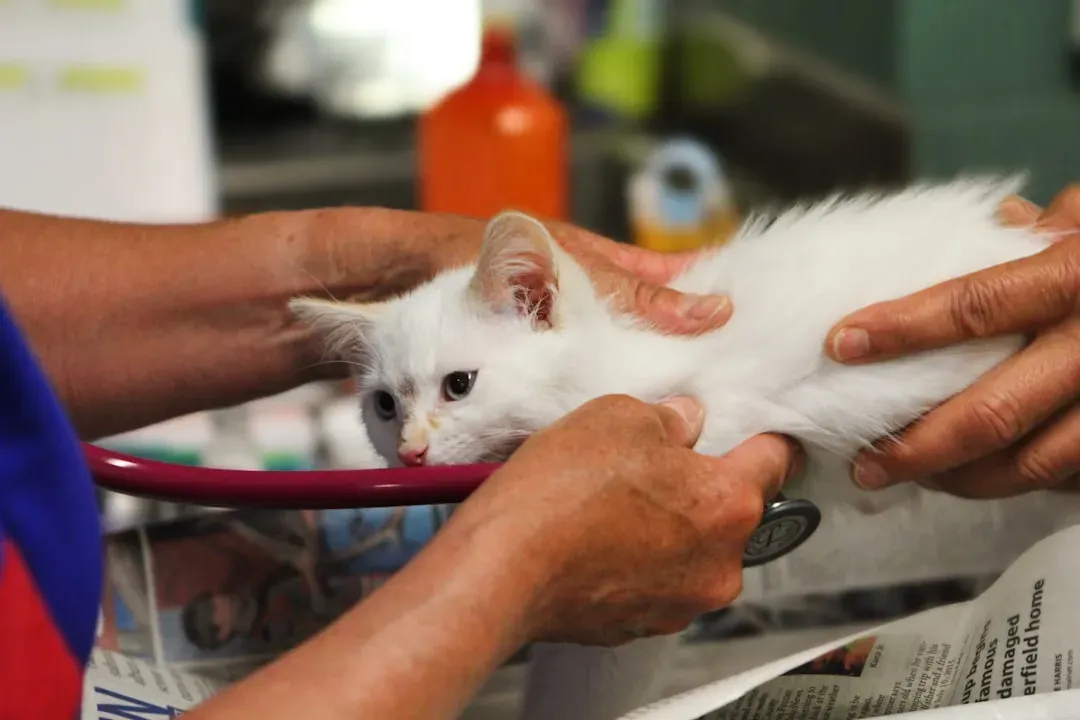
Once you get to the clinic, your veterinarian will not just look at the wall pose in isolation; they will take a full history and perform a detailed neurological exam. This includes checking your cat’s reflexes, muscle tone, coordination, eye movements, and responses to various stimuli. They are basically trying to map out where in the nervous system the problem might be: brain, spinal cord, peripheral nerves, or somewhere outside the nervous system entirely. Basic blood and urine tests are common early steps because they can reveal metabolic problems like liver or kidney disease that might be secondary causes of neurologic signs.
If those first tests suggest a primary brain issue or do not fully explain what is going on, your vet may refer you to a veterinary neurologist. Specialists can offer advanced imaging like MRI or CT to look directly at the brain and skull, as well as procedures like cerebrospinal fluid analysis to look for inflammation or infection. These are big steps, financially and emotionally, and there is no shame in feeling overwhelmed when a vet mentions them. Still, if your cat is repeatedly sitting facing the wall for hours, showing confusion or head pressing, and other causes have not been found, a deeper neurological workup is often the best shot at finding a treatable cause instead of guessing in the dark.
Living With a Neurologically Fragile Cat: Monitoring, Environment, and Mindset

If your cat is ultimately diagnosed with a neurological or systemic condition that explains their wall behavior, life does not automatically turn into a tragedy. Many cats with brain tumors, inflammatory diseases, or metabolic encephalopathy can still enjoy meaningful time with good quality of life when their environment and treatment plan are tailored to their needs. This might mean medications to control seizures or inflammation, special diets to support liver or kidney function, or adjustments to your home to make navigation easier. Think low platforms instead of high shelves, consistent furniture placement, and easy access to litter boxes and food without stairs.
Your role shifts from casual owner to careful observer. Keep a simple log of any odd behaviors – including wall-sitting episodes – with dates, times, and what else was happening around them, like new foods, stress, or missed doses of medicine. This kind of pattern tracking has saved more cats than dramatic heroics, because it helps your vet fine-tune treatment and spot early warnings before a crisis. On a personal note, once you have lived with a neurologically fragile cat, you stop brushing off “quirky” behavior quite so quickly. You learn that noticing one weird thing today can mean catching a big problem early instead of discovering it only when your cat is in real distress.
Opinionated Conclusion: Take the Weird Seriously, But Not Hysterically
In my view, one of the biggest mistakes people make with cats is hiding behind the idea that they are simply mysterious and eccentric, as if that explains everything. Yes, cats are strange little beings, and they absolutely do things we will never fully decode. But there is a big difference between a cat who chooses to be odd and a cat whose brain is quietly failing. Prolonged wall-sitting, especially when it appears suddenly or comes with other changes, falls squarely into the second category until proven otherwise. Pretending it is just funny internet content does our cats a deep disservice.
At the same time, I am not a fan of turning every single quirk into a late-night panic scroll through horror stories. The balanced, grown-up response is this: notice the behavior, document it, look for patterns and other signs, and involve a veterinarian sooner rather than later. You do not need to diagnose a brain tumor from your couch; you only need to be curious and responsible enough not to ignore a potential neurological cry for help. If your cat is suddenly sitting facing the wall for hours, that is your cue to pay attention, not to laugh and look away. Now that you know what might be at stake, what will you do the next time your cat’s “weird” crosses the line into worrying?