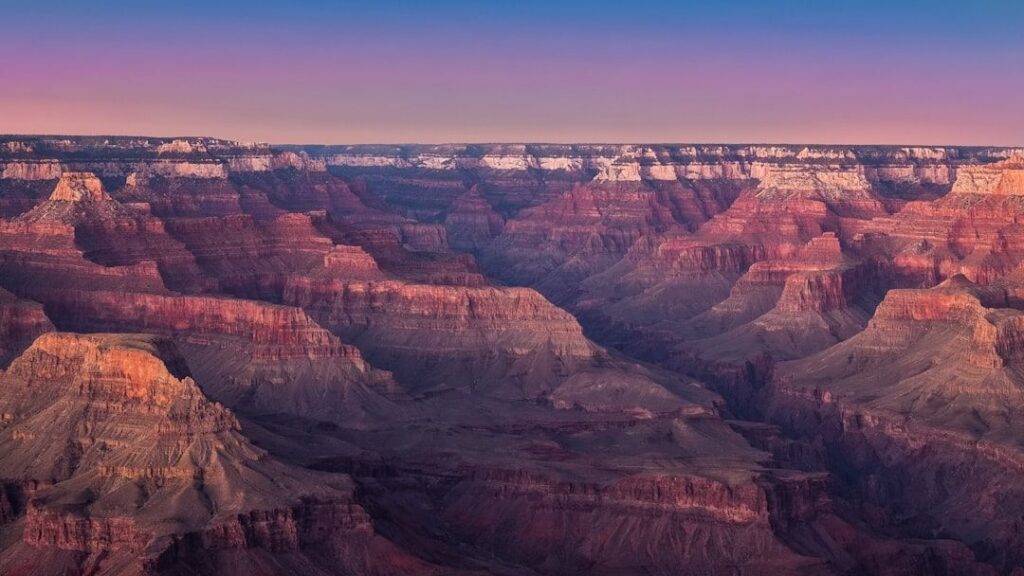
Imagine waking up one morning and realizing that one of the most basic things you believed about the world might be wrong. That is more or less what it feels like when geologists stumble onto a rock layer that refuses to play by the rules. The Grand Canyon has always been a kind of open book of Earth’s history, but every now and then, a new “page” shows up that makes the whole story wobble. When scientists say a layer seems to violate our timelines for North America, they are not screaming apocalypse; they are quietly, nervously, excitedly admitting that the puzzle pieces no longer fit as neatly as we thought.
I remember the first time I stood on the rim, staring down at those stacked colors; it felt less like looking at rocks and more like reading a biography of the planet. You assume that story is settled, that the experts have it mostly figured out. Then you hear that a newly recognized or freshly exposed layer does not match our expected ages, environments, or sequences, and suddenly the canyon feels less like a finished book and more like a draft in progress. That tension – between what we thought we knew and what the rocks are now whispering – is exactly what makes this topic so gripping.
A Canyon That Was Supposed To Be “Solved” Already
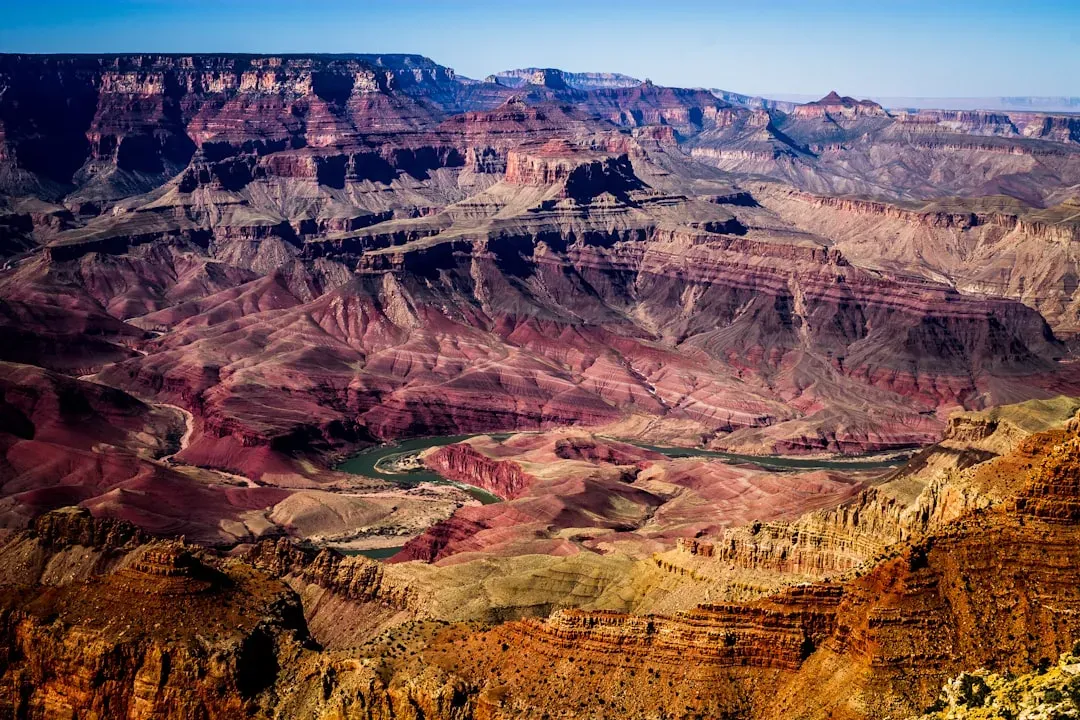
The wildest part of this whole thing is that the Grand Canyon was always held up as the textbook example of a well-understood geological record. Every introductory geology course trots out its carefully stacked layers: ancient basement rocks at the bottom, progressively younger sediments piled neatly on top, carved open by the Colorado River like a knife through a layer cake. For decades, that sequence seemed so solid that other regions were sometimes compared against it as a kind of benchmark for North American geology.
So when geologists say that a particular layer or contact in this supposedly well-understood sequence looks out of place, it stings a bit. It is like discovering a typo in the first line of a classic novel we have all been quoting for years. You can still read the story, but doubt creeps in: if we missed this, what else did we overlook? That unease is not a sign geology is broken; it is a sign the science is alive and still being rewritten by new data.
How A “Rogue” Rock Layer Can Break The Rules
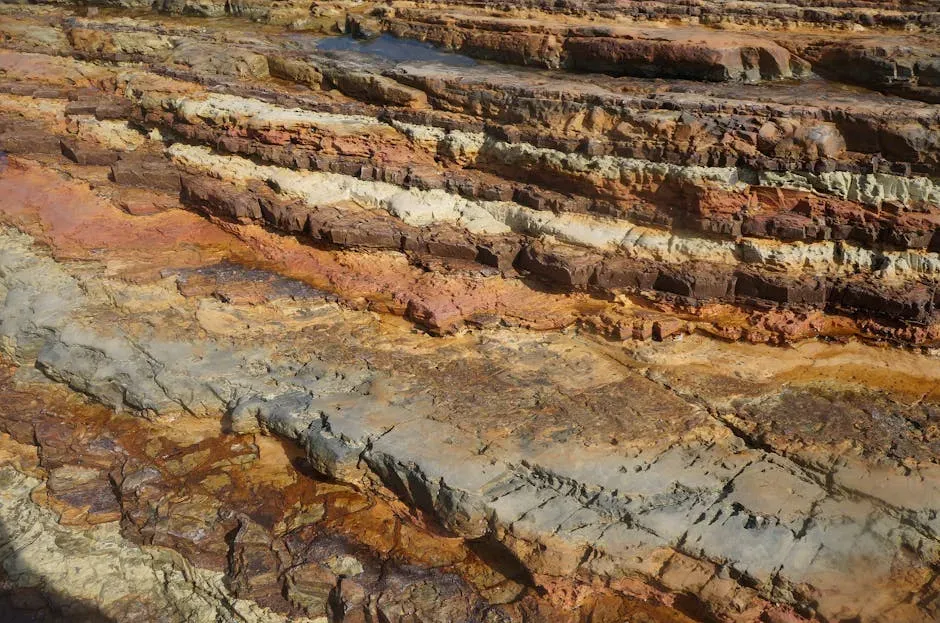
At first glance, it sounds dramatic to say a rock layer violates our timelines, but in geology that usually means something more subtle than a Hollywood-style revelation. It might be a layer that appears much older or younger than the units it is sandwiched between, based on radiometric dates or fossil content. Or it could show structures – like cross‑bedding, fractures, or metamorphic textures – that imply a history that does not line up with the surrounding rocks. It is not that the layer is magical; it is that it tells a story that clashes with the script we had in hand.
Think of it like finding a smartphone casually sitting in the middle of a medieval archeological dig. You would not immediately throw out everything we know about history, but you would question the context, the dating, and maybe even your assumptions about the site. In the Grand Canyon, a “rogue” layer might suggest erosion or tectonic episodes we did not realize happened when they did, or that sediments were deposited under conditions that do not fit the climate or sea‑level models we built for that time. The rock itself is just sitting there; it is our timeline that starts to look wobbly.
Timelines In Geology Are Less Straight Lines And More Patchwork Quilts
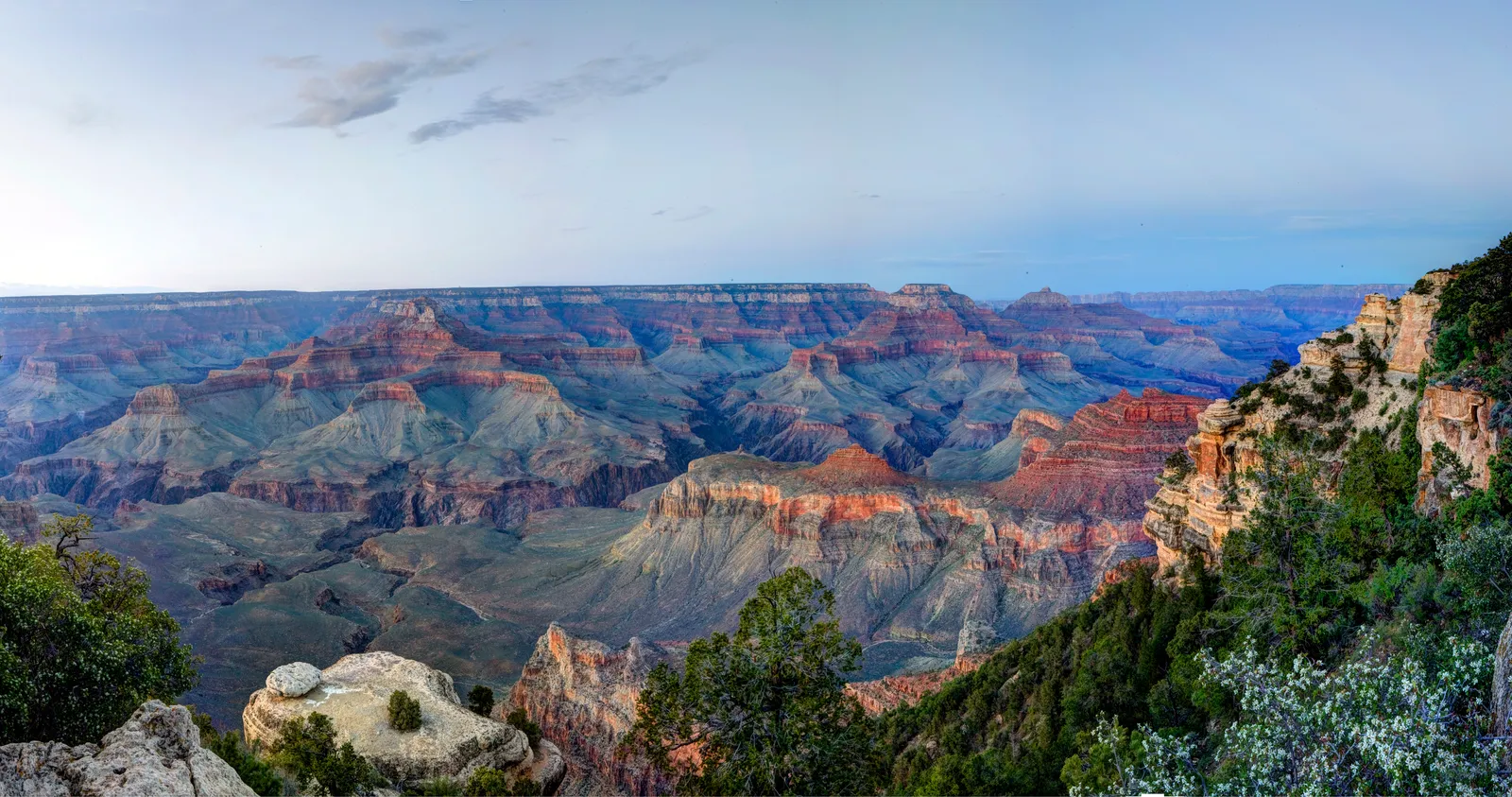
To really grasp why one odd layer is such a big deal, it helps to know how geologic time is stitched together in the first place. Scientists rely on a mix of methods: radiometric dating of minerals, identifying characteristic fossils, matching patterns of layers across wide regions, and interpreting structures that record ancient environments. None of these tools is perfect on its own; it is the overlap of evidence that normally locks the timeline into place like overlapping puzzle pieces. When everything lines up, we feel confident assigning ages and reconstructing North America’s history.
But that confidence is always conditional. Add a layer that does not fit – one that gives a surprising age, shows fossils we did not expect, or interrupts the order of deposition – and the neat picture becomes a patchwork quilt with a square sewn in upside down. Suddenly, questions erupt: Did we misdate something? Is the layer tectonically displaced from where it formed? Are we mixing events from very different times because erosion removed the original context? One stubborn layer can hint that entire chapters of the continental story – mountain building, inland seas, erosion pulses – need to be reordered or reinterpreted.
What “Violating The Timeline” Actually Looks Like In The Field
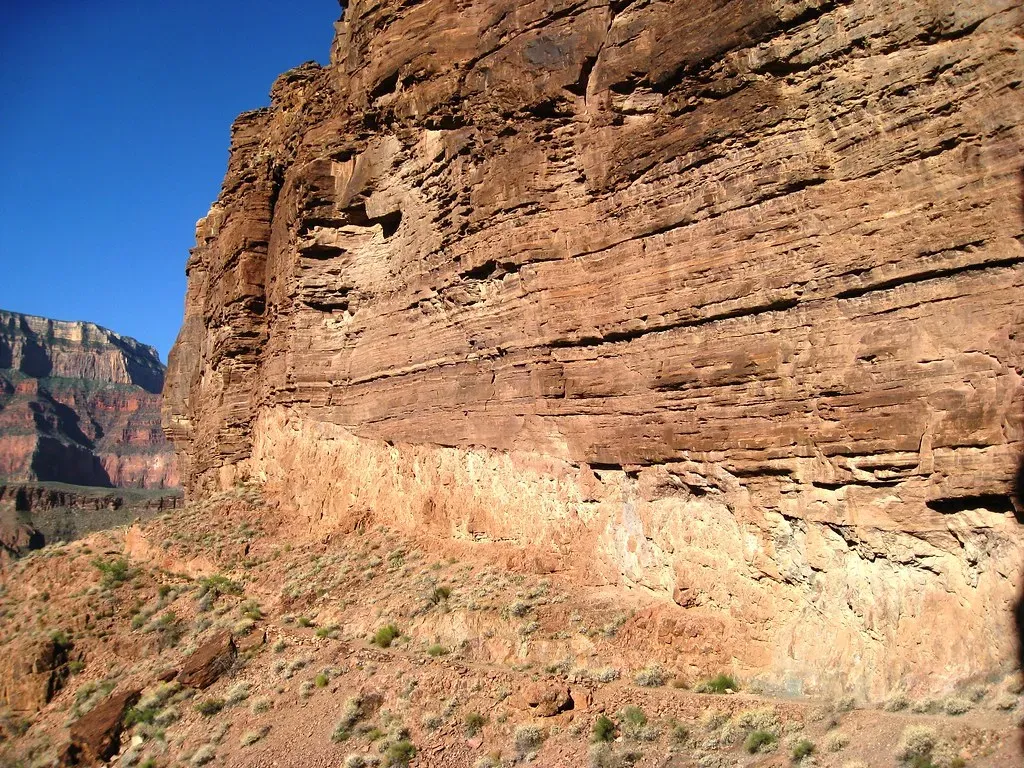
If you were hiking in the canyon and walked right past this kind of layer, you might not even notice anything odd. To the untrained eye, it might just be another band of sandstone, shale, or limestone, maybe a slightly different color or texture. For a geologist, though, certain clues jump out: fossils out of place, minerals that date to the wrong era, or a surface where older rocks seem to rest directly on much younger ones with no gradual transition. These sharp breaks, called unconformities, are nature’s way of hiding lost time – but occasionally the pattern of those breaks defies expectations.
Field geologists obsess over details like grain size, orientation of layers, and subtle changes in chemistry. When measurements and lab results say, in effect, this rock should not be here at this age, the entire regional framework has to be questioned. Maybe a section was thrust on top of another by faulting, or a river once cut deeper and later filled a valley with sediments from a different era. Or perhaps long‑accepted dates need recalibration. None of these possibilities is comfortable, but all of them keep scientists tramping back into the canyon heat, trying to reconcile out‑of‑place evidence with an updated map of North America’s past.
Why The Grand Canyon Matters So Much For North America’s Story
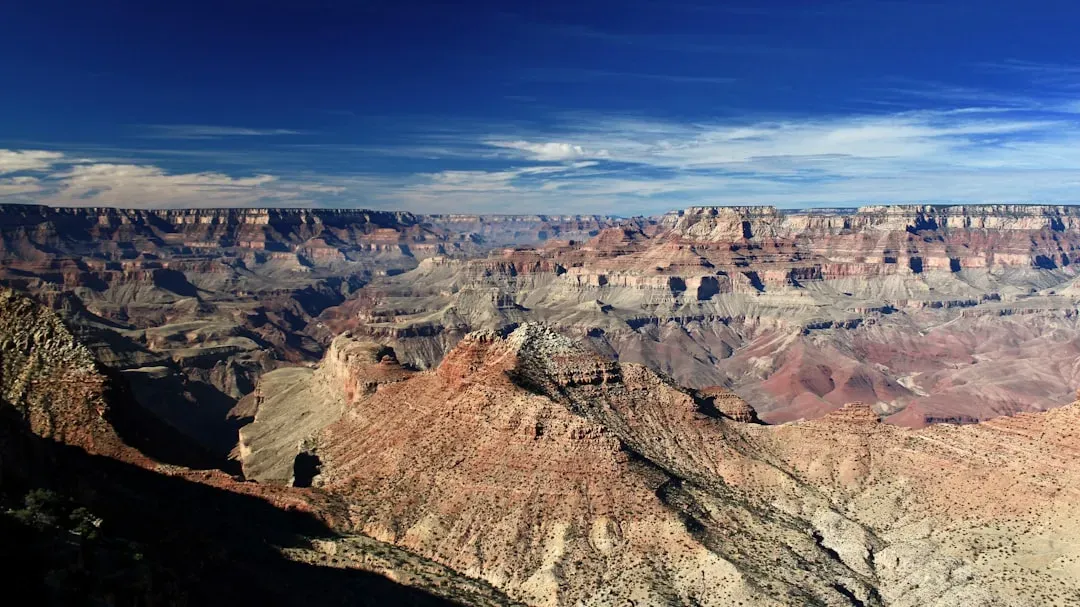
The Grand Canyon is not just a scenic backdrop; it is one of the most important reference sites for understanding how the continent evolved over billions of years. Its exposed rocks record ancient seas, desert dunes, river plains, volcanic episodes, and the deep crystalline roots of old mountain ranges. Because so many ages and environments are stacked and visible in one place, researchers have used the canyon for decades as a kind of master timeline to anchor what happened elsewhere on the continent. It is like the index at the back of a history book that helps you place other events.
So if a newly recognized or freshly exposed layer in that sequence throws off the dates, order, or environment for even part of the canyon, the ripples spread far beyond Arizona. Models of when North America was flooded by shallow seas, when mountains rose and eroded, or when life spread across ancient coastlines may all need tweaking. I find it humbling that a strip of stone a few meters thick, in a gorge millions of people have already gazed into, can still force PhD‑level arguments about what actually happened. It is a quiet reminder that even our favorite “finished” case studies are negotiable.
How New Technology Keeps Catching Old Assumptions Off Guard
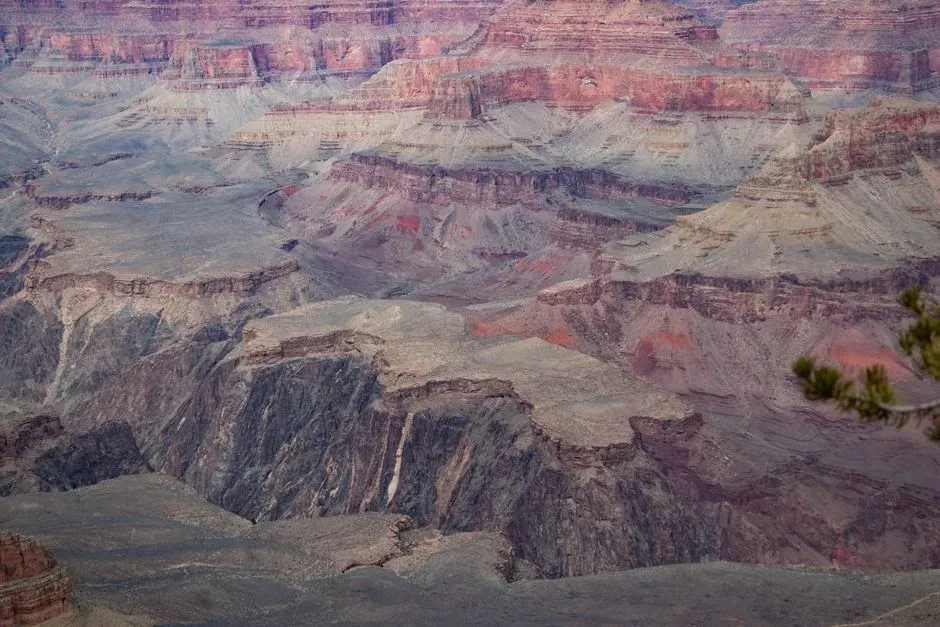
One reason we still uncover timeline‑breaking surprises in a place as studied as the Grand Canyon is that our tools keep getting better. Radiometric dating techniques become more precise, letting scientists tease apart ages that used to blur together. Geochemical analyses can identify subtle signatures of where sediments came from, even tracing grains back to distant mountain belts. High‑resolution mapping, drones, and digital models let researchers see subtle structures or layering patterns that older surveys glossed over. What looked like one uniform bed decades ago might reveal itself as a composite of very different episodes when scrutinized with modern gear.
This evolution in technology means that “new” rock layers are not always literally new; sometimes they are newly distinguished as separate units or newly dated with methods that assign them an unexpectedly old or young age. Older interpretations often assumed simple, steady processes because that was all the data could support at the time. As evidence sharpens, those simple stories give way to more tangled plots involving repeated uplift, erosion, and redeposition. I actually love that this keeps happening. It proves geology is not a dead discipline that memorizes names of rocks; it is an investigative science that upgrades its conclusions whenever better evidence arrives, even if that means admitting we got some timelines wrong.
Why This Does Not “Disprove Geology” (And Why Some People Will Say It Does)
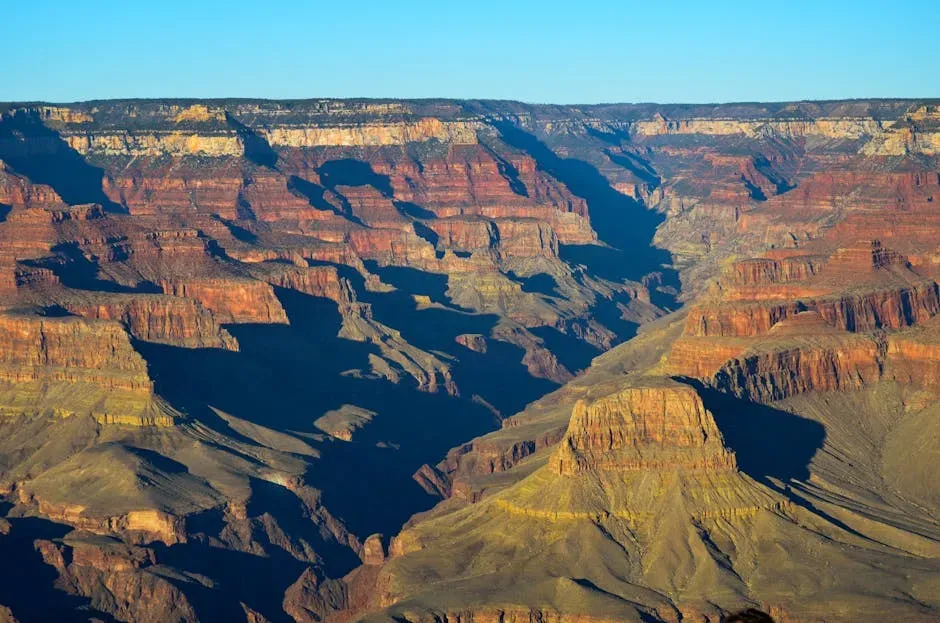
Whenever a result comes out that seems to contradict established geologic timelines, you can almost set your watch by the reactions. Some people rush to claim that if one layer is out of place, then the entire geological timescale must be flawed, and maybe the whole idea of deep time is up for grabs. But that is like arguing that if a GPS puts one street in the wrong spot, the entire concept of maps is a sham. In reality, the fact that we can detect anomalies at all shows how detailed and testable the framework already is. You cannot call something an outlier unless you know what the pattern normally looks like.
Science thrives on these contradictions. A layer that appears to violate expectations becomes a target for more work: additional dating methods, more field mapping, comparisons with other regions, and re‑examining older assumptions. Most of the time, the resolution turns out to refine, not overturn, the big picture: maybe an event happened slightly earlier than we thought, or an episode of erosion was more dramatic than expected. I get wary when people grab onto a single surprising find to attack an entire field, because that move usually skips the hard part: following the evidence through all the unglamorous, careful steps it takes to turn a puzzle into a revised, supported story.
How One Canyon Layer Could Reshuffle The Continent’s Past
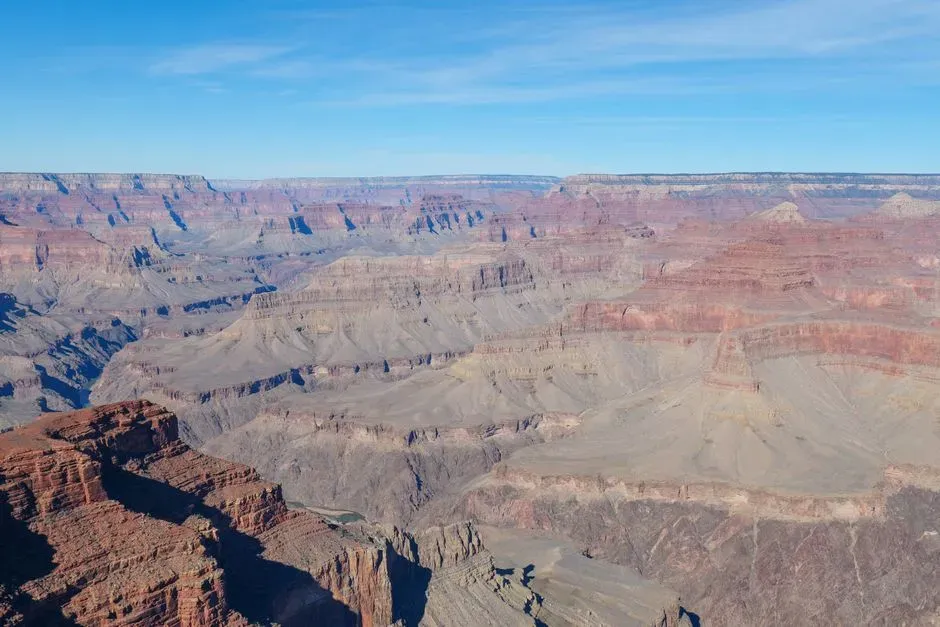
Even if a controversial Grand Canyon layer does not rewrite every chapter of North American history, it can absolutely reshuffle key scenes. Suppose a unit turns out to be older than the rocks beneath it, or reveals fossils that belong to a time window we thought did not exist in that region. That might force geologists to redraw the outlines of ancient shorelines, reconsider which mountain ranges were shedding sediment at which times, or rethink how fast erosion chewed down highlands and transported material across the continent. Timelines are not just dates on a chart; they link climate, tectonics, and life in cause‑and‑effect chains.
When a single piece of that chain slides out of its expected slot, you sometimes have to replay the whole sequence. Maybe inland seas lasted longer or arrived earlier, altering the habitats where early life evolved. Maybe a period of stability we assumed was quiet was actually interrupted by a previously unrecognized tectonic jolt. What fascinates me is how these shifts can stay hidden in plain sight for so long. The rocks were always there, yet what they meant changed the moment we learned to read them differently. It is a little like rewatching an old movie and suddenly realizing a minor scene was actually the key to the entire plot all along.
Conclusion: A Canyon That Keeps Refusing To Sit Still
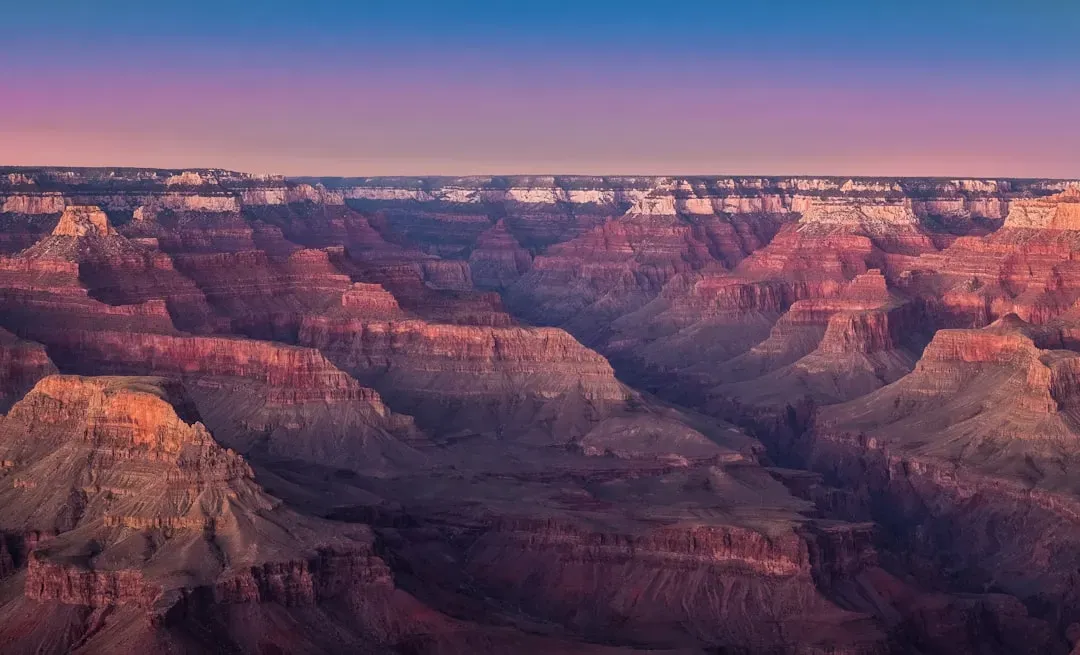
I will be blunt: I think the Grand Canyon’s habit of undermining our confidence is one of the best things about it. Every time a newly exposed or newly interpreted layer throws shade on our neat timelines, it is a reminder that Earth’s history is not a static chart on a classroom wall. It is a living argument, constantly revised as new data arrive. To me, the real scandal would be if the canyon never surprised us again, because that would mean we had stopped looking closely enough or had become too attached to our own stories to let the rocks talk back.
When geologists say a rock layer seems to violate every timeline we have for North America, they are not confessing failure; they are calling for a rewrite. That rewrite might be modest in the end, or it might nudge entire chapters of the continent’s past into new positions. Either way, the Grand Canyon has done its job: it has reminded us that even our most trusted narratives are provisional, and that curiosity, not certainty, is the real engine of science. Standing on the rim, staring at those defiant bands of stone, I cannot help wondering: if this is what we are still discovering in the most famous canyon on Earth, what hidden plot twists are waiting in the places we barely ever look?