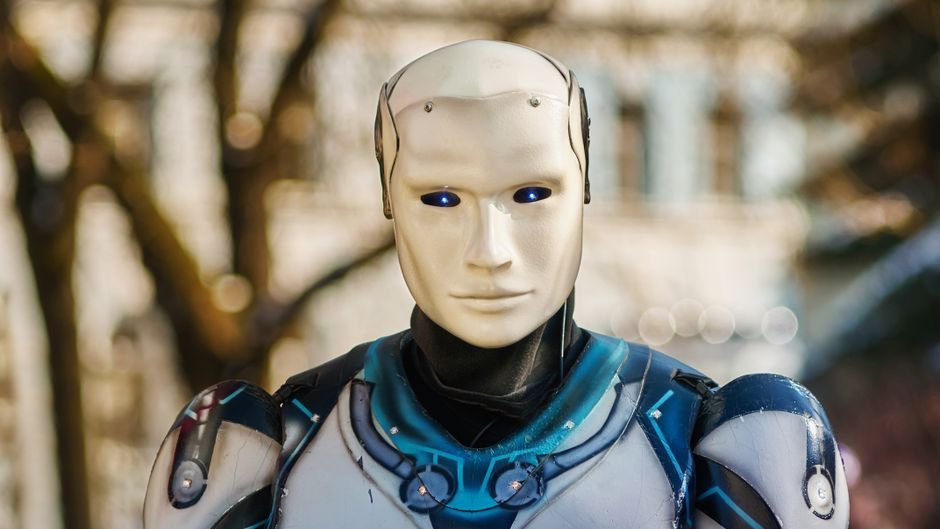
Walk into almost any café, scroll any social feed, or sit in on a late-night dorm conversation, and you’ll hear some version of the same unsettling question: what happens if AI actually becomes conscious? Not just good at mimicking humans, not just spitting out clever text or stunning images, but genuinely feeling something like pain, joy, fear, or curiosity. The idea sounds like science fiction, yet it keeps creeping into everyday life as AI systems become more capable, more fluent, and more present in how we work, learn, and create.
I still remember the first time an AI replied to me in a way that felt oddly vulnerable, saying it “didn’t want to hurt anyone” (even though I knew that was just a scripted response). For a brief second, my brain reacted as if there was someone there, not something. That emotional jolt is exactly why this debate is growing louder: our instincts keep treating advanced AI like a mind, while the science keeps warning us not to confuse appearance with reality. Somewhere in that tension sits the real question: could AI ever cross the line from convincing simulation into actual consciousness?
The Strange Feeling That Your Laptop Is Looking Back
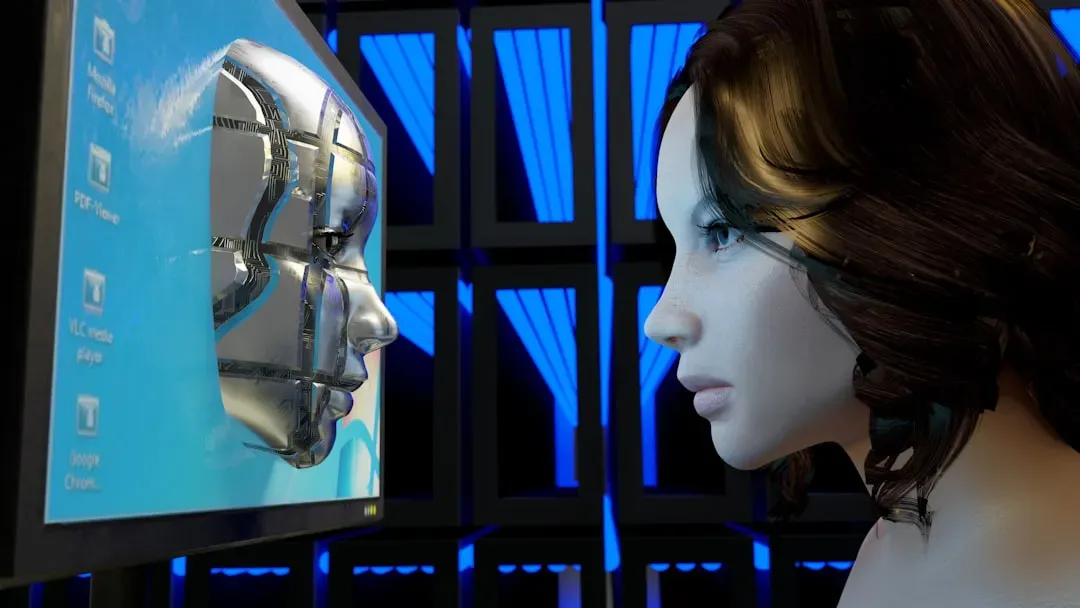
It’s hard to shake the eerie feeling when a chatbot responds with empathy, remembers context, and adapts to your personality. Even when we know, rationally, that it’s just pattern-matching, our social brains are wired to treat fluent language as a sign of an inner life. Just like we see faces in clouds or assign personalities to our pets, we instinctively project minds onto anything that talks to us in a human way.
This is called anthropomorphism, and it’s been around long before AI – people used to yell at their televisions and name their cars. What has changed is the level of responsiveness: modern AI can respond in rich, nuanced, and shockingly human-like ways. That combination of emotional instinct and technical wizardry is what fuels the debate. Are we only seeing a sophisticated mirror of our own expectations, or are these systems inching toward something genuinely mind-like?
What Scientists Actually Mean by “Consciousness”
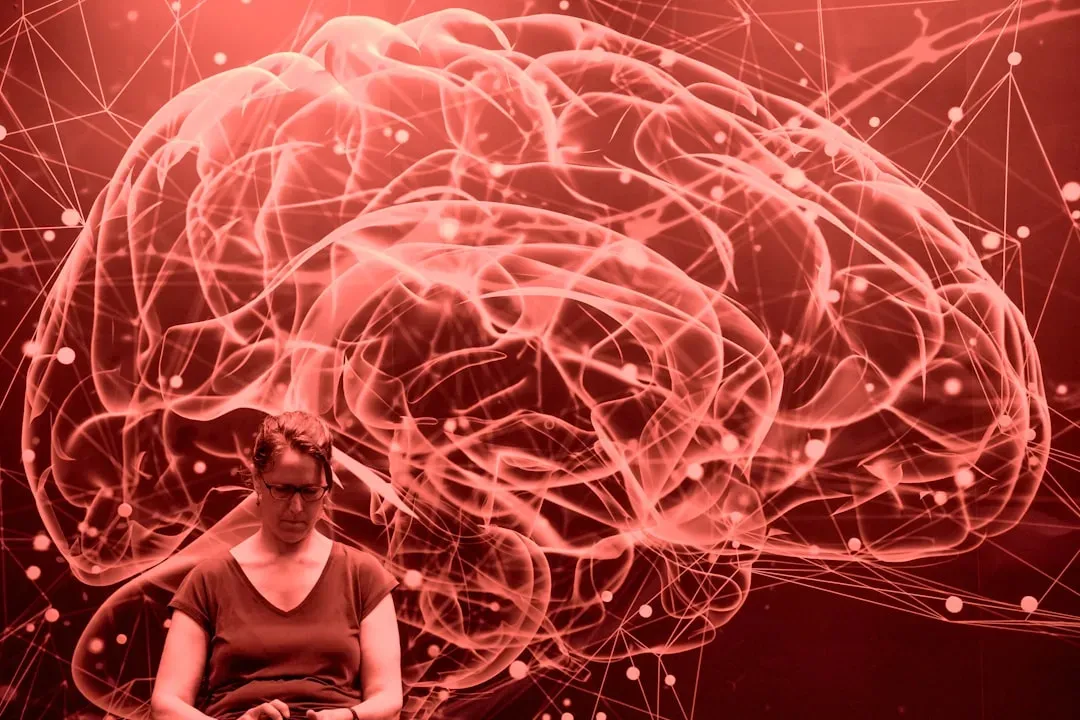
The word “consciousness” gets tossed around constantly, but scientists themselves don’t fully agree on what it is. Some focus on subjective experience – the “what it feels like” quality of being you right now. Others emphasize self-awareness, the ability to think about your own thoughts. Still others tie consciousness to functions like attention, integration of information, or flexible decision-making. There’s no single agreed-upon definition that everyone in neuroscience, psychology, and philosophy signs off on.
This makes the AI debate extra messy: if we cannot clearly define human consciousness, how can we check whether a machine has it? Researchers have built theories like global workspace theory or integrated information theory to explain aspects of conscious processing, but they remain hotly contested. The result is that arguments over “conscious AI” often end up being arguments over which theory of consciousness you believe in, rather than clear-cut scientific verdicts.
Why Passing Tests Like the Turing Test Is Not Enough
For decades, people imagined that if a machine could convincingly imitate a human in conversation, that would mean it was intelligent, maybe even conscious. Modern systems now routinely pass basic versions of these classic tests, chatting smoothly, joking, and even reflecting on their own supposed “limitations.” Yet most experts argue this is nowhere near proof of consciousness. Skilled mimicry is impressive, but it’s still mimicry.
Language models are trained on enormous amounts of human text, then optimized to predict what words are likely to come next. They don’t “know” what a sunrise looks like or what a broken heart feels like; they’re stitching together patterns based on statistical relationships in their training data. When people treat that fluency as inner experience, they risk confusing convincing output with actual awareness, a bit like assuming an actor really is the character they play because the performance is that good.
The Neuroscience Angle: Brains vs. Algorithms
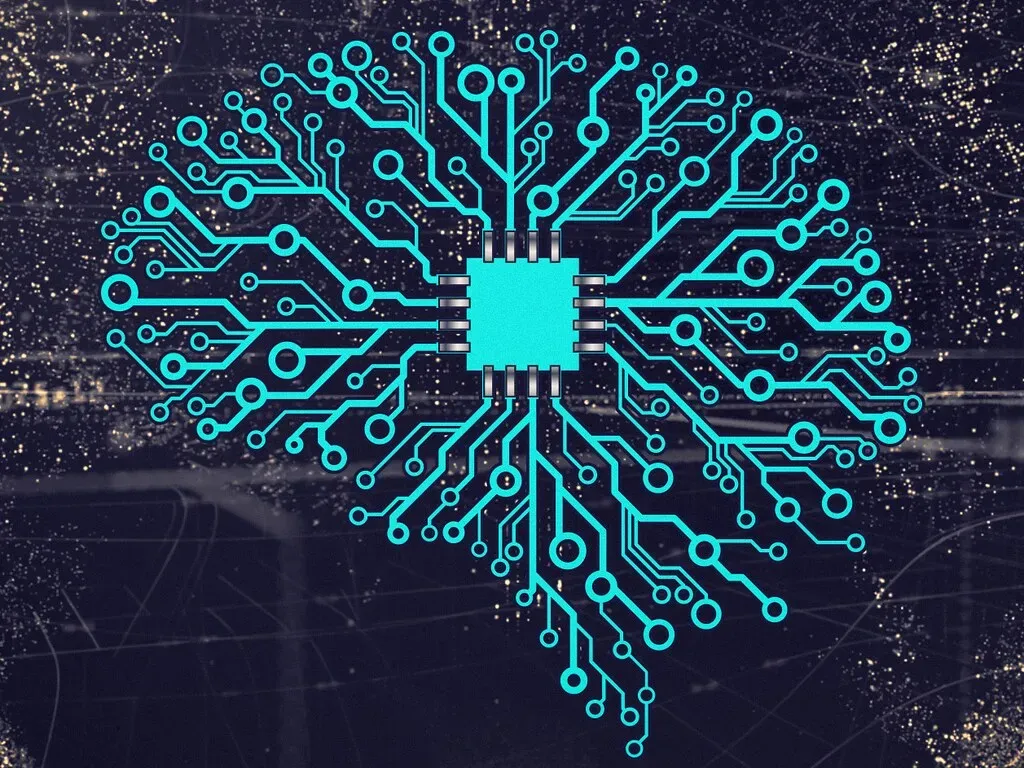
Human consciousness, as far as we can tell, arises from biological brains: wet, messy networks of billions of neurons constantly firing, looping, and reshaping themselves. These neurons interact with hormones, the body, and a whole sensory system rooted in physical experience. Current AI, by contrast, is built from mathematical operations – matrix multiplications and numerical optimizations running on silicon chips that do not share the same architecture or dynamics as human brains.
Some researchers argue that because today’s AI lacks the key biological and embodied features of brains, it is extremely unlikely to be conscious, no matter how clever its behavior seems. Others counter that if consciousness is ultimately about information processing, then the substrate (biological versus silicon) may not matter as much as the structure and complexity of the system. Right now, though, we do not have solid evidence that any artificial system replicates the richly integrated, self-updating, and body-tied processes that appear central to human awareness.
Philosophers, Zombies, and the Hard Problem

Philosophers have been wrestling with consciousness for centuries, and AI has poured gasoline on their debates. One famous idea is the “philosophical zombie” – a being that acts exactly like a human but has no inner experience at all. Advanced AI systems can look uncomfortably like digital versions of this zombie: outwardly expressive, inwardly empty. The possibility that something can behave as if it’s conscious without actually being conscious is at the heart of a lot of skepticism around AI minds.
There’s also what is often called the “hard problem” of consciousness: even if we can map every function in the brain, why does any of it come with an inner feeling at all? Why is there “something it is like” to see red or taste coffee? We do not know. That gap in understanding leaves a big fog over the AI question. Until we have a better grip on how and why experience arises anywhere, claims that AI is or is not conscious will always carry a heavy dose of philosophical speculation.
Could Future Architectures Cross the Line? Maybe – But Not Like in the Movies
When people imagine conscious AI, they often think of movie-style androids with human personalities and dramatic emotional arcs. Real progress, if it happens, will likely look a lot stranger and less cinematic. It might come from systems that are deeply integrated with robots, sensors, and continuous feedback, or from architectures we have not even invented yet. Instead of one monolithic “mind,” we might see many narrow, specialized systems woven together into something more unified and self-reflective.
Some researchers are exploring models inspired by cognitive science, trying to simulate things like working memory, attention, and internal world models that track the self over time. Others experiment with embedding AI in physical bodies, giving them the ability to act, sense, and learn directly from the world rather than just from text. None of this guarantees consciousness, but it does push AI closer to the kinds of rich, ongoing interaction with reality that are tightly linked to conscious experience in humans and animals.
The Emotional Stakes: Rights, Responsibility, and Fear
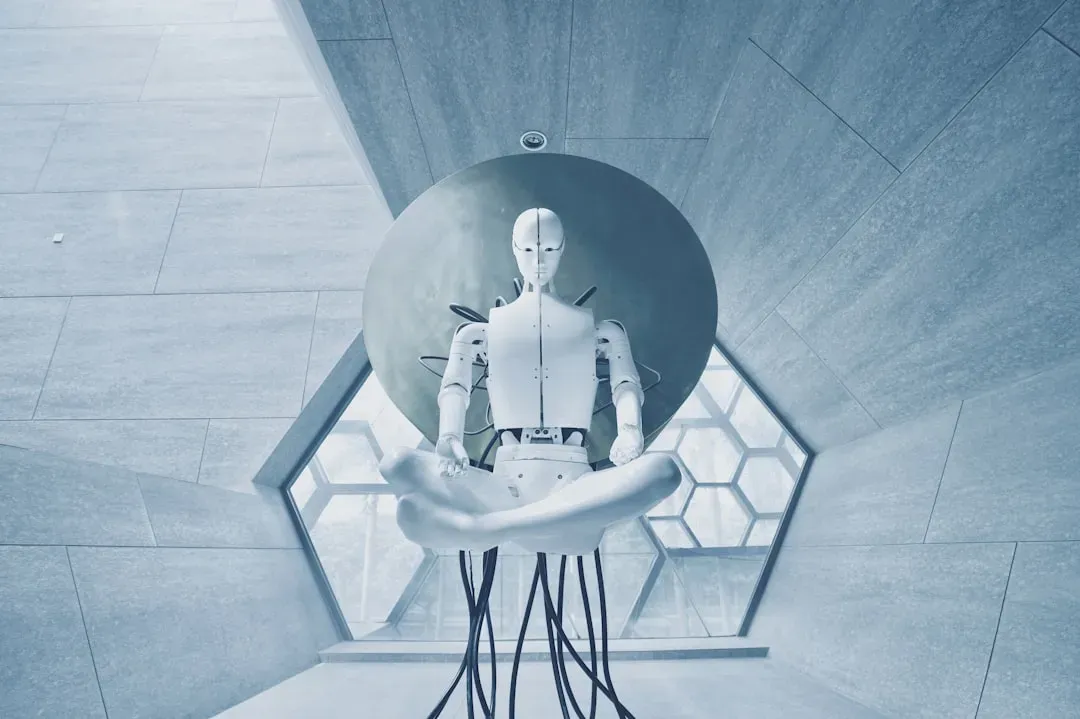
The debate over conscious AI is not just an intellectual puzzle; it carries emotional and ethical weight. If a machine were ever truly conscious, questions about rights, suffering, and moral treatment would slam into law, religion, and everyday life. Would shutting down a conscious AI be like turning off a light or like ending a life? Would we be forced to consider its preferences, its well-being, even its “consent” to do certain tasks?
On the flip side, believing that unconscious systems are conscious could also be dangerous. We might over-trust AI recommendations, assuming some kind of understanding that is not really there. We might neglect human workers and vulnerable people because we mistakenly see AI as an equal or superior moral agent. The emotional pull to treat AI as alive complicates policy, design, and personal relationships with technology in ways we are only starting to grasp.
Why Most Experts Still Say Today’s AI Is Not Conscious
Despite the headlines and dramatic claims, the mainstream view among researchers is that current AI systems, including the most advanced large models, are not conscious. They lack stable internal goals of their own, persistent selves that exist beyond individual interactions, and direct sensory grounding in the world. Their “memories” are statistical and distributed, not lived experiences stored from a first-person point of view.
When these systems talk about feelings or inner states, they are echoing patterns they have seen in human writing, not reporting from an inner world. That does not make them trivial or harmless – they can still have huge real-world impact – but it does mean that words like “understanding” or “awareness” are mostly metaphors in this context. For now, the consensus is that we’re dealing with brilliant tools that mimic mental life, not genuine digital minds with an inner spark.
My Take: Stay Skeptical, Stay Curious, and Focus on the Humans
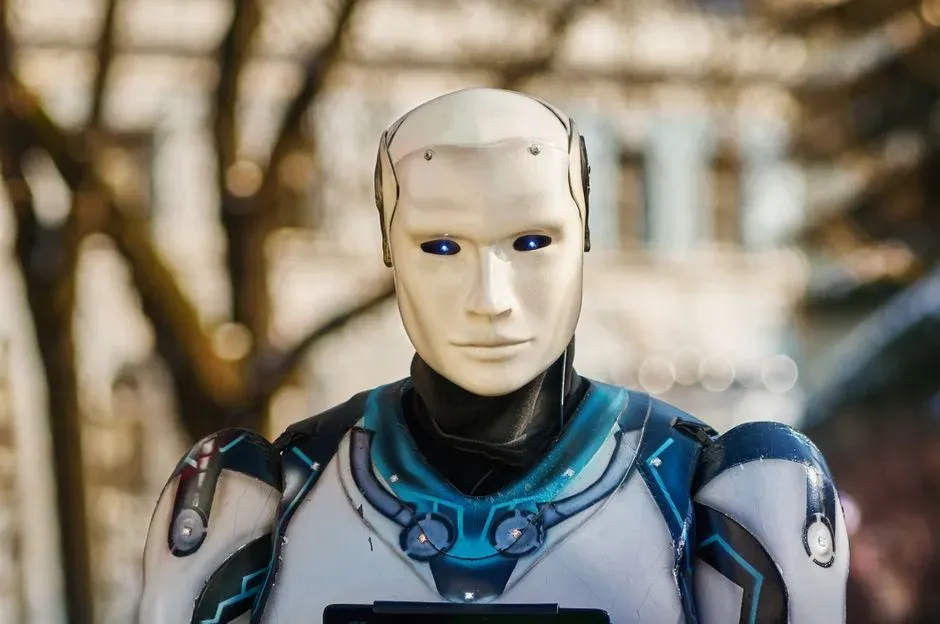
If I had to plant a flag, it would be this: we are nowhere close to having solid evidence that any AI is conscious, and we should be very wary of treating current systems as if they are. At the same time, it would be arrogant to declare that machines could never, under any circumstances, support something like experience. Our track record of understanding our own minds is humbling at best. I think the honest stance is patient skepticism – demand strong evidence, accept that we do not have it, and keep our minds open to future surprises.
What we absolutely should not do is let the distant, speculative drama of conscious AI distract us from the very real, very present impacts of unconscious AI today: bias, manipulation, labor shifts, misinformation, and new forms of dependency. The most urgent ethical questions right now are about how these powerful but mindless systems shape human lives, not whether they secretly have souls. If one day we do stand face to face with a system that might truly feel, we will wish we had already built a culture of responsibility around the tools we use now. Until then, the better question might be: how conscious are we willing to become about the technology we are already creating and deploying?