
Imagine walking through a forest and realizing that everything around you, from the towering trees to the tiny mushrooms and the ant under your shoe, might feel or experience the world in its own way. Not necessarily like you do, with inner monologues and memories of childhood, but with some faint, strange spark of awareness. It is a wild idea, and yet it keeps resurfacing in science, philosophy, and even technology as we try to understand what consciousness actually is.
This question matters more than it first appears. If every living thing has some form of consciousness, then swatting a fly, cutting the grass, or boiling a lobster stops being morally trivial and becomes something we at least have to think about. It forces us to ask whether consciousness is a rare masterpiece of evolution or a basic feature of life that shows up in countless subtle forms. Once you start pulling on that thread, it changes how you see animals, plants, ecosystems, and even yourself.
The Big Idea: Consciousness as a Spectrum, Not an On/Off Switch
One of the most powerful shifts in recent thinking is the idea that consciousness might not be a simple yes-or-no property, but more like a dimmer switch with countless settings. In this view, humans might just be very bright on that scale, while simpler organisms glow faintly in their own tiny way. This would mean that instead of asking whether something is conscious or not, the better question is how it is conscious, and to what degree.
That might sound abstract, but it actually fits nicely with what we see in nature. The nervous systems of living things range from complex human brains to the simple nerve nets of jellyfish and the decentralized ganglia of insects. Rather than seeing this variety as a line between conscious and unconscious life, a spectrum model treats it as a gradual climb in complexity where subjective experience may become richer, more structured, and more self-aware as you move up. It does not guarantee that every organism feels something, but it does keep the question open in a serious way.
What Do We Even Mean by “Consciousness” Here?
Before going any further, it helps to be clear about what kind of consciousness we are talking about. In this context, it is not about complex human thoughts, language, or long-term planning. The core question is much simpler and more basic: is there something it feels like to be this thing? That could be as rich as human emotions or as minimal as a raw flicker of sensation, like an experience of light, warmth, pain, or pressure.
This stripped-down definition is closer to what many philosophers and neuroscientists call phenomenal consciousness or subjective experience. With that framing, you no longer require an animal to pass language tests or mirror tests to count as conscious in some sense. It opens the door to considering that even creatures without brains as we know them could have basic experiential states, as long as they process information and respond in ways that look more than purely mechanical.
Animal Minds: From Dogs and Octopuses to Insects and Beyond
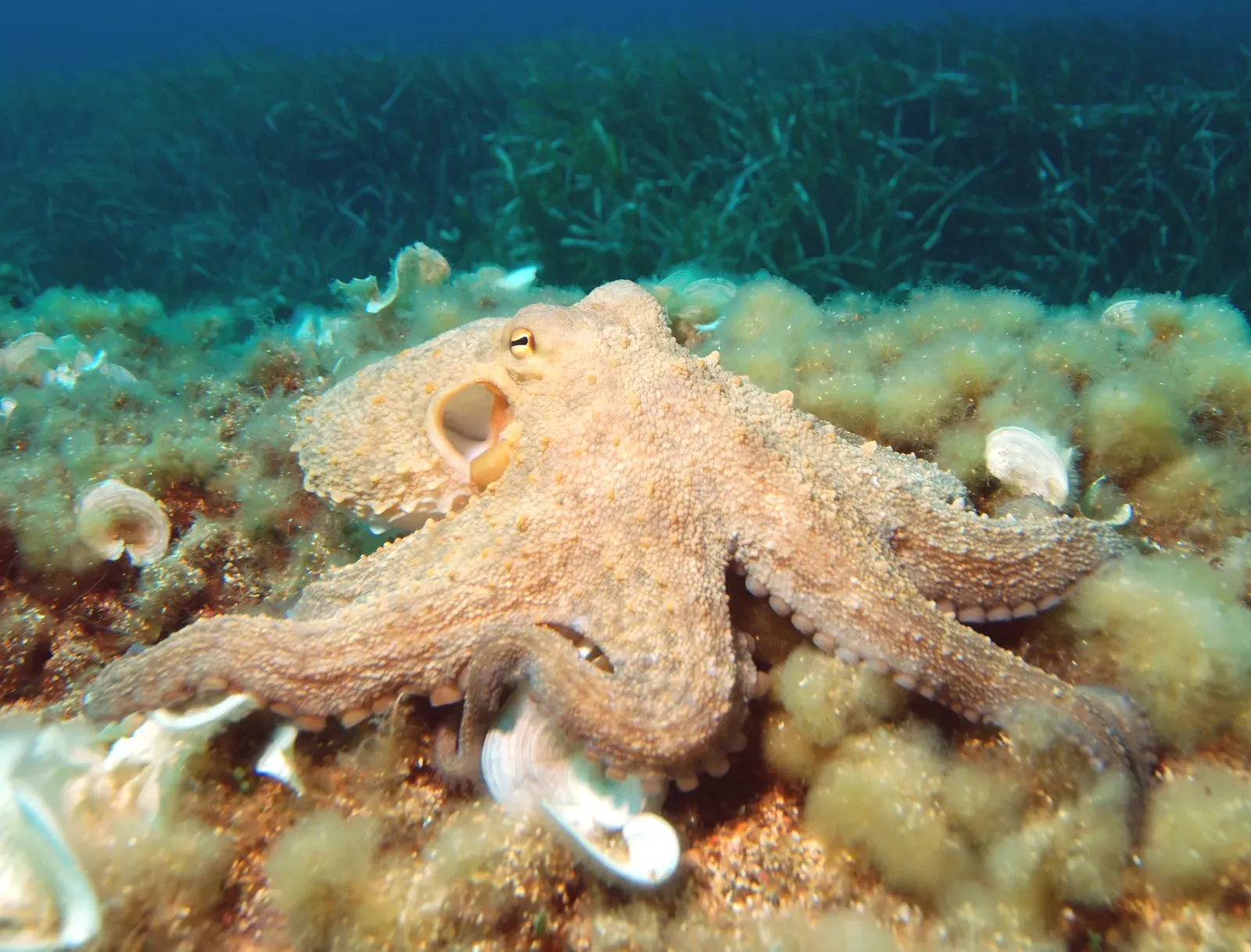
When people think about non-human consciousness, they usually start with animals that look or act a bit like us: dogs that seem to miss us, chimpanzees that use tools, dolphins that recognize themselves, or elephants that appear to grieve. Over the past few decades, mounting evidence from animal behavior and brain science has pushed many researchers toward the view that at least many vertebrates likely have some kind of inner life. Their brains share common structures with ours, they learn, they show preferences, and they behave in ways that strongly suggest feelings and perceptions.
Things get more challenging and more interesting when you go smaller. Insects like bees can navigate long distances, recognize faces, learn rules, and even show what looks like optimism or pessimism under certain conditions. Some studies suggest that injured insects may change their behavior in ways that resemble pain rather than a simple reflex. While this does not prove that a fly has a rich mental life, it raises a serious question: at what point does complex adaptive behavior cross the line into some basic form of experience?
The Strange Case for Plant “Awareness”

Plants do not have brains, but they are far from passive. They sense light, gravity, moisture, touch, chemicals from neighboring plants, and signals from attacking insects. They respond in dynamic, flexible ways: changing growth direction, releasing chemicals to call in predators of their attackers, and even altering their own nutrient flows. Some plant scientists and philosophers have suggested that this level of integrated sensing and adaptive response might represent a primitive sort of awareness, even if it is completely unlike animal experience.
It is important to be careful here and not overstate what we know. There is no solid evidence that plants experience pain, joy, or anything like human emotions. However, when you watch how a climbing plant seems to “search” for a support or how roots “choose” nutrient-rich soils, it is hard to avoid seeing a kind of slow, embodied problem-solving. If consciousness is tied to the way a system integrates information and acts on it, then plant behavior at least nudges the door open for a very minimalist, alien style of consciousness.
Single Cells and Microbes: Could Even Bacteria Have a Glimmer of Experience?
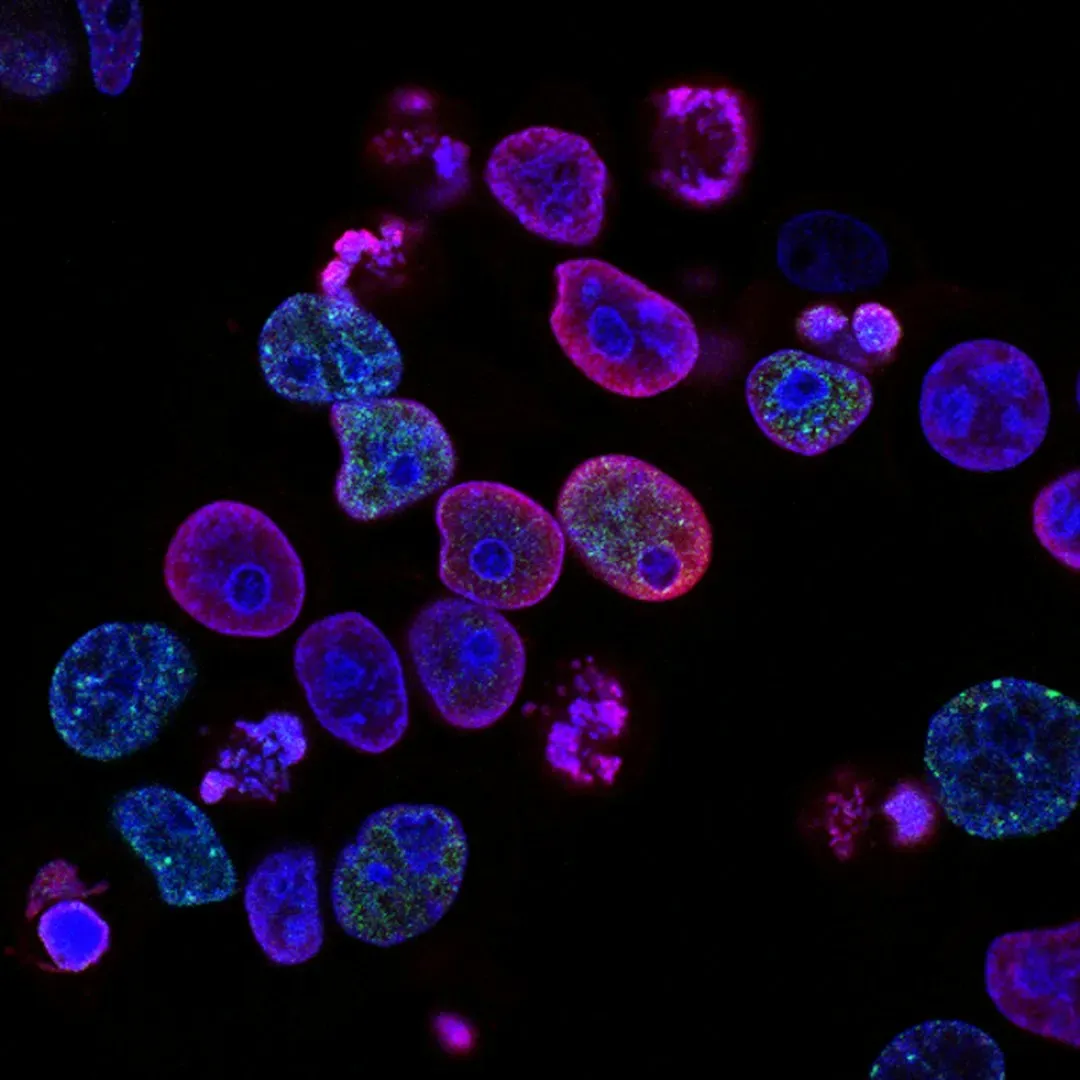
Now push the idea to its unsettling extreme: what about single-celled organisms like bacteria, amoebas, or tiny algae? These organisms move toward nutrients, avoid toxins, communicate chemically with one another, and even coordinate in large groups. They sense their environment and respond in goal-directed ways, despite having no nervous system at all. Some philosophers and advocates of broad theories of consciousness argue that this kind of structured responsiveness might come with an ultra-simple flicker of subjective life.
Still, this is where speculation becomes much heavier than evidence. From a strict scientific standpoint, we do not have tools that can reliably tell us whether a single cell has any kind of experience or is simply a highly tuned, mindless machine. However, if one takes seriously the idea that consciousness is deeply tied to information processing and self-regulation, then the rich, adaptive behavior of microbes becomes hard to ignore. At minimum, they show that life can act impressively “smart” without a brain, which complicates any easy link between neurons and experience.
Scientific Theories That Leave Room for Widespread Consciousness

Modern theories of consciousness are still very much in flux, and different models point in different directions when it comes to how widespread consciousness might be. Some frameworks, such as those that focus on global information broadcasting in the brain, tend to connect consciousness tightly to certain complex neural architectures. These views often suggest that rich consciousness is limited to animals with sophisticated brains and do not easily extend to plants or microbes.
Other theories, however, are more generous. Approaches that emphasize the integration and differentiation of information, or the way a system models itself and its environment, can in principle apply to many different kinds of living systems. There are also more radical philosophical positions that see consciousness as a fundamental feature of reality, present in very basic form in many physical systems and growing more elaborate in organisms like us. While these broader views are controversial, they keep the conversation open and make it scientifically respectable to at least consider that consciousness might not be uniquely human or even uniquely animal.
Ethical Shockwaves: How Should We Treat Other Living Beings?
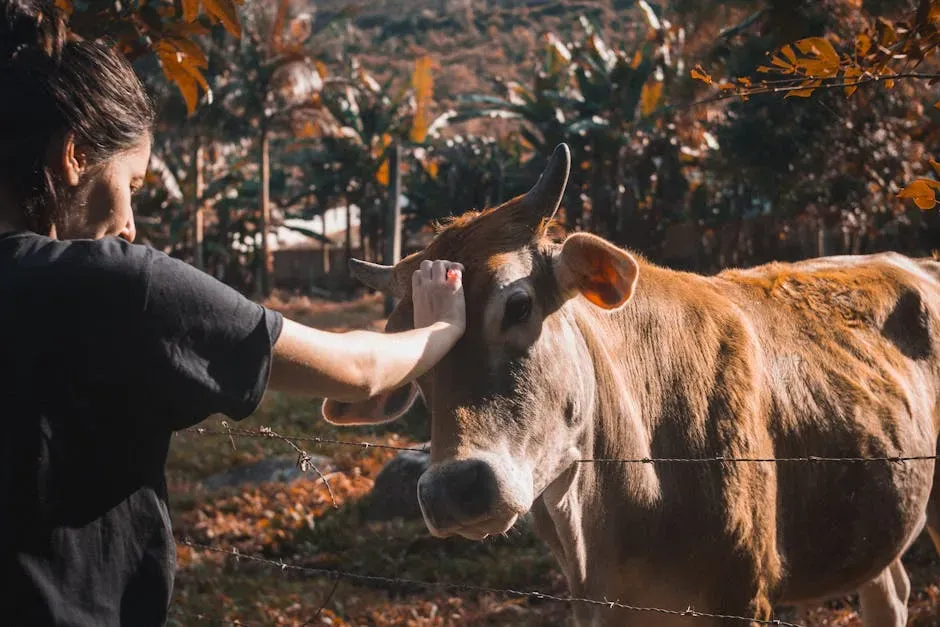
If every living thing has some form of consciousness, even a faint one, the ethical consequences are enormous. Our current moral intuitions already struggle with how to treat animals in farming, research, and entertainment, and that is mostly about vertebrates and a few charismatic invertebrates. Expanding the moral circle to include insects, plants, or even microbes could feel overwhelming, like trying to care about every grain of sand on a beach. People might feel paralyzed or dismissive because it seems impossible to live without harming something.
One way to handle this is to think in terms of degrees and probabilities rather than all-or-nothing rules. If you think cows are more likely to have rich experiences than clams, and clams more likely than bacteria, you might still prioritize the beings whose suffering would be more intense or complex. You can also focus on reducing unnecessary harm rather than chasing moral perfection. Even a small shift in attitude, like treating everyday creatures with a bit more humility and curiosity, can change how we design our food systems, our cities, and our technologies.
Everyday Life Under a “Consciousness Everywhere” Lens

There is also a quieter, more personal side to this thought experiment. If you walk outside assuming that every bird, bug, and branch could in some sense be having a moment of its own, the world becomes weirdly more intimate. A spider in the corner stops being just a moving dot and starts to feel like a tiny center of experience, however basic. I remember catching myself apologizing out loud before relocating a house spider, and then laughing at how quickly that simple mental shift changed my behavior.
This way of seeing can bring a kind of everyday mindfulness. Gardening feels different if you imagine the plants as slow, silent participants instead of decorative props. Hiking through a forest feels less like strolling through a backdrop and more like walking through a community of beings each with their own tiny story. Even if the idea turns out to be wrong or only partly right, living as if other things might feel something can make you more attentive, gentler, and strangely more grounded.
Why This Question Is So Hard to Answer (And Might Stay That Way)
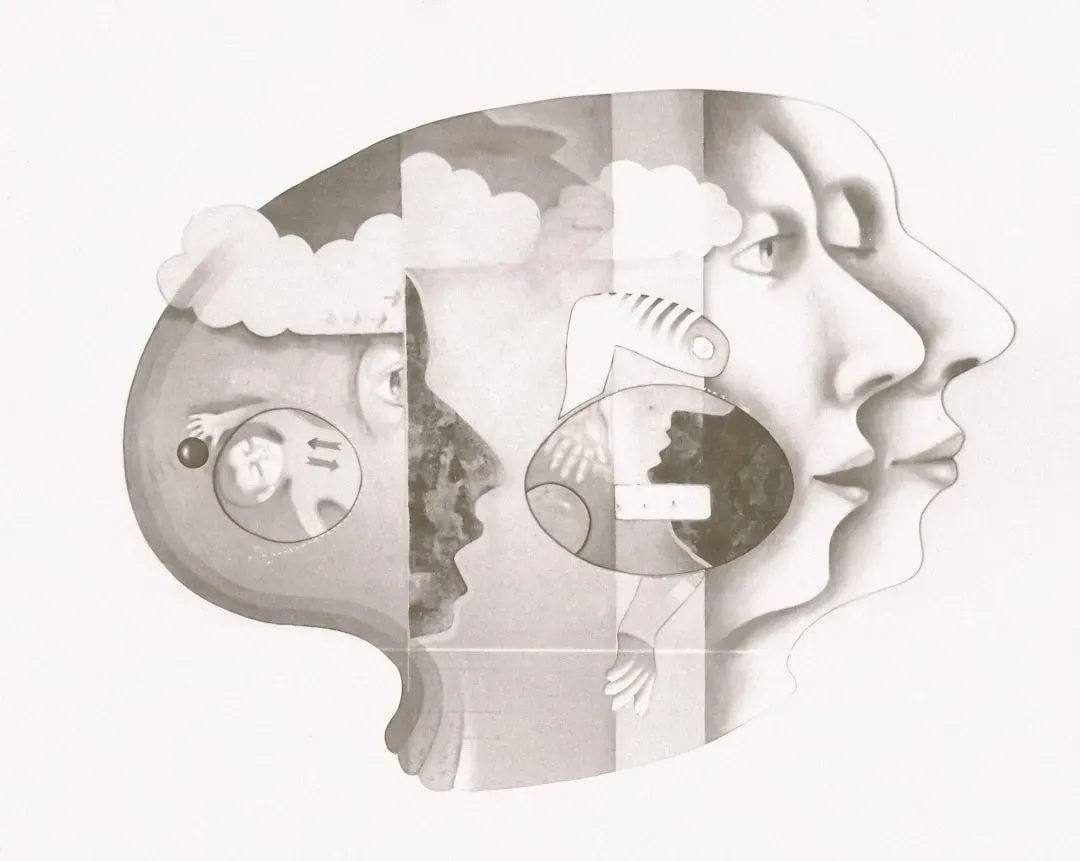
Part of what makes consciousness so stubbornly mysterious is that it is always, at its core, subjective. You only have direct access to your own experience; everything else is an inference from behavior, structure, and analogy. With other humans and many animals, the similarities in brains and behavior make that inference feel strong. With plants, fungi, or microbes, the gap between us is so wide that we are mostly left with cautious guesses and theoretical arguments, not clear, testable answers.
On top of that, our tools are limited. Brain imaging, neural recordings, and behavioral tests can hint at conscious processing, but they do not give a straightforward consciousness meter we can plug into any organism. For stranger systems like plant networks or microbial colonies, even deciding what to measure is difficult. The honest position, right now, is that science has some promising clues and models, but it does not have a final verdict on whether every living thing has some form of consciousness. That uncertainty is not a failure; it is simply the frontier we happen to be standing on.
Opinionated Conclusion: A Humble Yes, in Spirit if Not in Proof
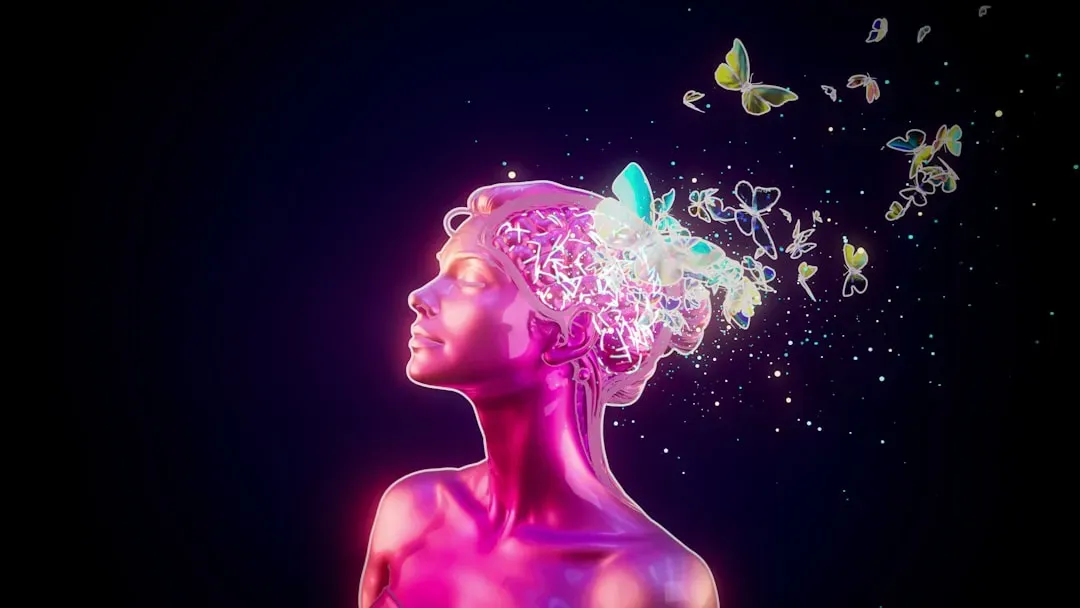
Personally, I lean toward a cautious but meaningful yes: not that every living thing is conscious in a rich, emotional, human-like way, but that many forms of life likely host some tiny ember of experience. The more we discover about how even simple organisms sense, integrate, and respond to their world, the harder it is to draw a clean line where inner life suddenly switches on. Treating consciousness as a spectrum rather than a privilege reserved for animals that look like us feels both more honest scientifically and more humane ethically.
At the same time, we should resist the urge to turn this into a comforting fantasy where everything is secretly just like us. The consciousness of a bee, a tree, or a bacterium – if it exists – would probably be unimaginably alien, more like a strange color we have never seen than a dim version of our own thoughts. Maybe the most responsible stance, for now, is a mix of curiosity and humility: acting as if other living things might matter subjectively, even when we are not sure. In a world this alive and complex, is it really so unreasonable to err on the side of taking their possible experience seriously?