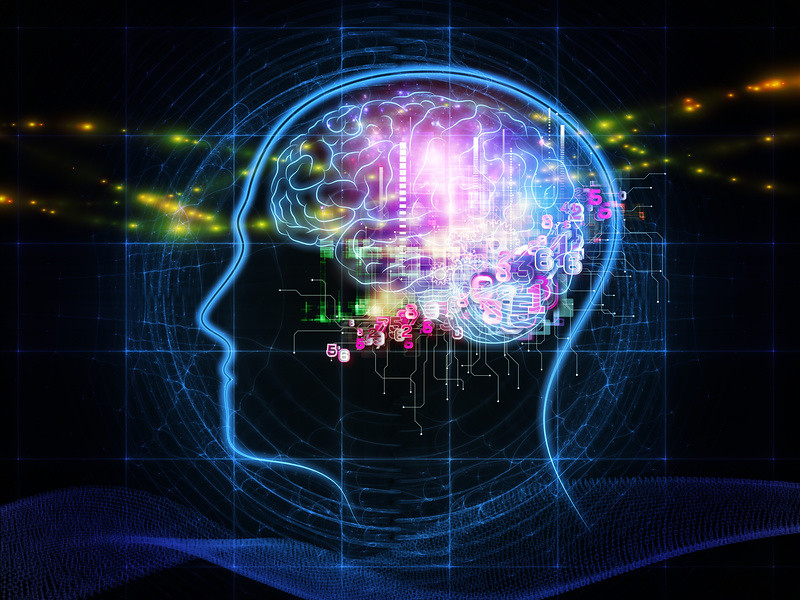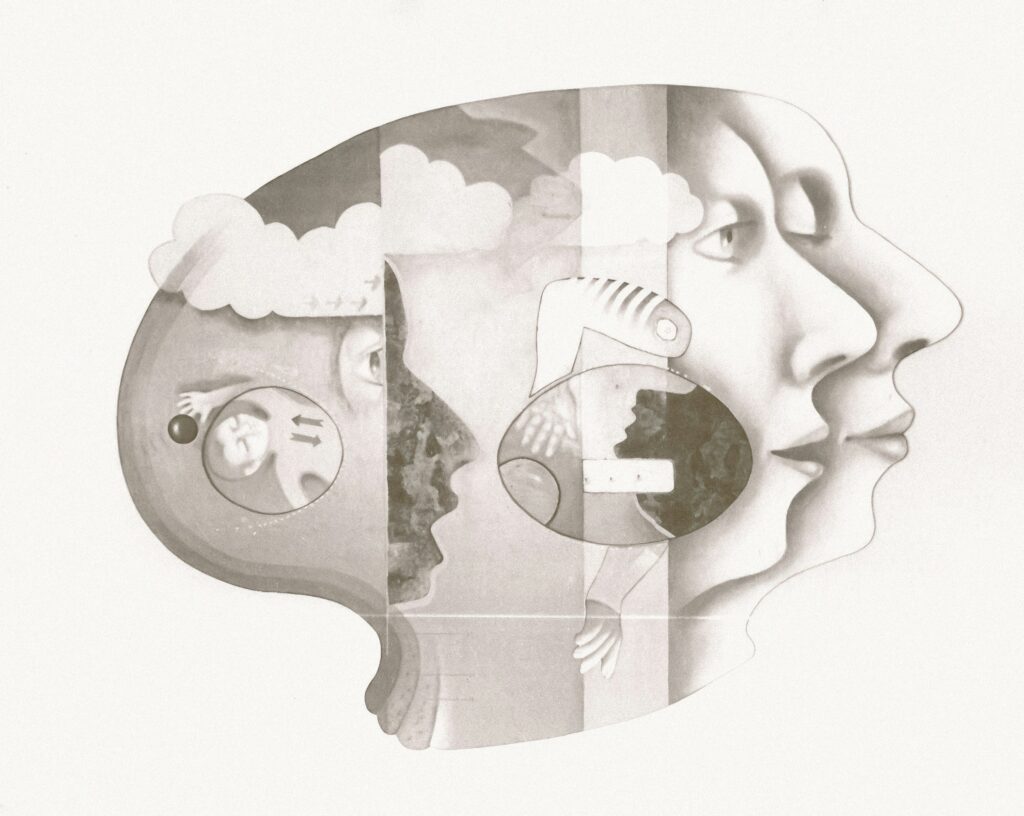

You know that strange moment when you are not fully asleep, not fully awake, and everything feels slightly unreal? Maybe your alarm is ringing, your dream is still playing in the background, and for a few heartbeats you are not totally sure who or where you are. Those weird 90 seconds can feel longer than they really are, and for neuroscientists, they are pure gold: a live transition of your brain rebooting your conscious experience.
In the last few years, researchers have started to watch this transition with incredible precision. Using brain imaging, electrodes, and clever sleep-lab experiments, they are beginning to map what actually happens to your consciousness as you surface from sleep. It turns out you do not just flip on like a light switch; you come back online in a specific sequence of events, some fast, some surprisingly slow. Once you know what is happening in your brain during this tiny window, those groggy, surreal wake-up moments start to make a lot more sense.
The “Global Broadcast” Turns Back On in Your Cortex
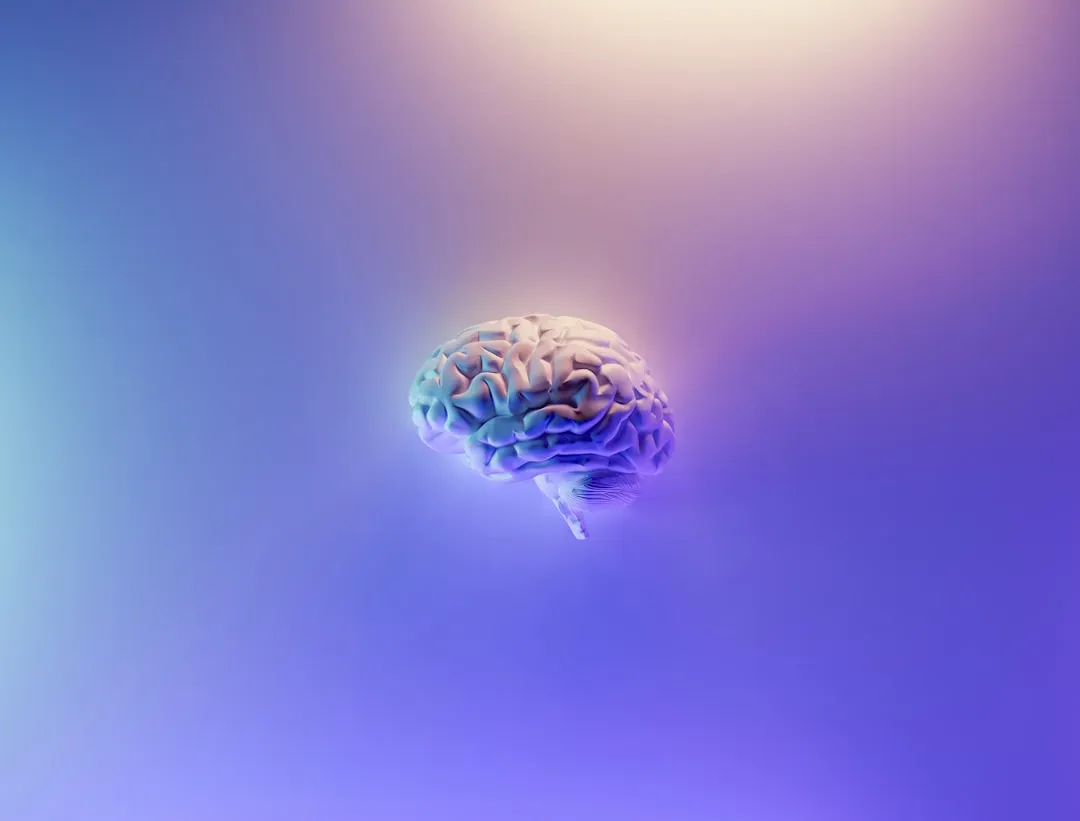
Picture your conscious mind as a city at night. During deep sleep, most of the lights are off, traffic is minimal, and only a few essential buildings are still glowing. As you start to wake up, your cortex – the wrinkled outer layer of your brain responsible for thinking, sensing, and awareness – begins to switch those lights back on. Instead of lighting everything all at once, your brain ramps up activity in certain hubs that help different regions talk to each other again.
One of the best-supported ideas is that conscious experience depends on widespread communication across the cortex, not just raw activity in one spot. During sleep, especially deep non-REM sleep, that large-scale communication is heavily reduced. In the 60 to 90 seconds as you wake, those long-range connections begin to re-establish. You can think of it like your brain reconnecting its Wi‑Fi networks: signals that were mostly local inside separated “neighborhoods” now start synchronizing across larger distances, allowing you to experience a coherent, unified “you” again.
Your Thalamus Hits the “Wake” Switch for Sensory Reality

If the cortex is your city of consciousness, the thalamus is like the central train station routing all the incoming traffic from your senses. While you sleep, the thalamus partly closes the gates, limiting the flow of outside information so your brain can disconnect from the external world and stabilize sleep. As you wake, that gating gradually opens, and those sensory trains – sounds, light, touch – start rushing in with more and more intensity.
In that 90-second window, your thalamus helps your brain decide what to pay attention to first. The sound of your alarm, the light through your curtains, the weight of your body against the bed all begin to compete for priority. At first, the signals can feel oddly distant or muted, which is why you might hear your alarm “inside your dream” before you fully register it as real. As thalamic activity ramps up and there is stronger coupling between thalamus and cortex, the external world wins that tug-of-war, and you snap into the sense that you are awake in a room, not wandering through a dream.
Dream Imagery Collides With Incoming Sensory Data

Those surreal half-dream moments you get while waking are not just random weirdness; they are your brain trying to merge two incompatible data streams. On one side, your sleeping brain is still generating vivid internal imagery and narratives, especially if you are coming out of REM sleep. On the other side, your waking brain is starting to process real sensory input from your body and environment. For a short time, both systems are active enough to influence your experience, but not yet synchronized.
This overlap is why you can hear your real alarm become part of your dream storyline, or why you might briefly see or feel things that fade the moment you fully wake. Your visual system, for example, is used to “filling in the blanks” and making the best guess from noisy information. During this transition, it is working with a mixture of internal and external signals, so your conscious experience can feel oddly unstable. Once the waking sensory stream gains the upper hand and your brain settles into a consistent model of reality, the dream material collapses and your usual sense of the world returns.
Your Sense of Self Reassembles in Pieces, Not All at Once

You might assume that “you” either exist or do not, but the transition between sleeping and waking suggests your sense of self comes back in layers. At first, you might only have a vague awareness that something exists – some observer, some place. Then, bit by bit, more details join in: you remember who you are, where you are, what time it is, and what you need to do today. It is like watching a blurry photo slowly sharpen and reveal recognizable shapes.
This gradual reassembly of self is tied to networks in your brain often called the “default mode network,” which are active when you are thinking about yourself, your memories, and your inner narrative. During deep sleep, activity and connectivity in these self-related networks are dampened or reorganized. As you wake, their communication with the rest of the cortex ramps up again, which is why your personal story, your worries, and your plans for the day start flowing back. That slow, slightly disorienting feeling you sometimes get when waking in an unfamiliar place – needing a few seconds to remember why you are there – is your self-model syncing up with your actual surroundings.
Your Motor System Releases the Brakes and Rejoins Awareness

In REM sleep, your brain often paralyzes most of your skeletal muscles so you do not physically act out your dreams. When you wake from this state, that motor “lock” has to be lifted while your conscious awareness is coming back online. Usually, this release is smooth and well-timed, so by the time you are fully awake, you can move, stretch, and hit the alarm without thinking about the choreography your brain just ran through behind the scenes.
Sometimes, though, that timing slips, and you can experience the unnerving phenomenon of sleep paralysis: your awareness wakes up before your motor system is fully re-enabled. In that case, you feel awake but unable to move, and your brain may still be generating dream-like imagery, which can make the experience feel intense or frightening. Even in normal wake-ups, you can often feel a subtler version of this motor reboot – the heavy-limbed, syrupy sensation as you first try to sit up or turn over. What you are feeling there is your brain re-integrating your body into your conscious field, giving you back voluntary control bit by bit.
Your Emotional Brain Sets the Tone for the Entire Day
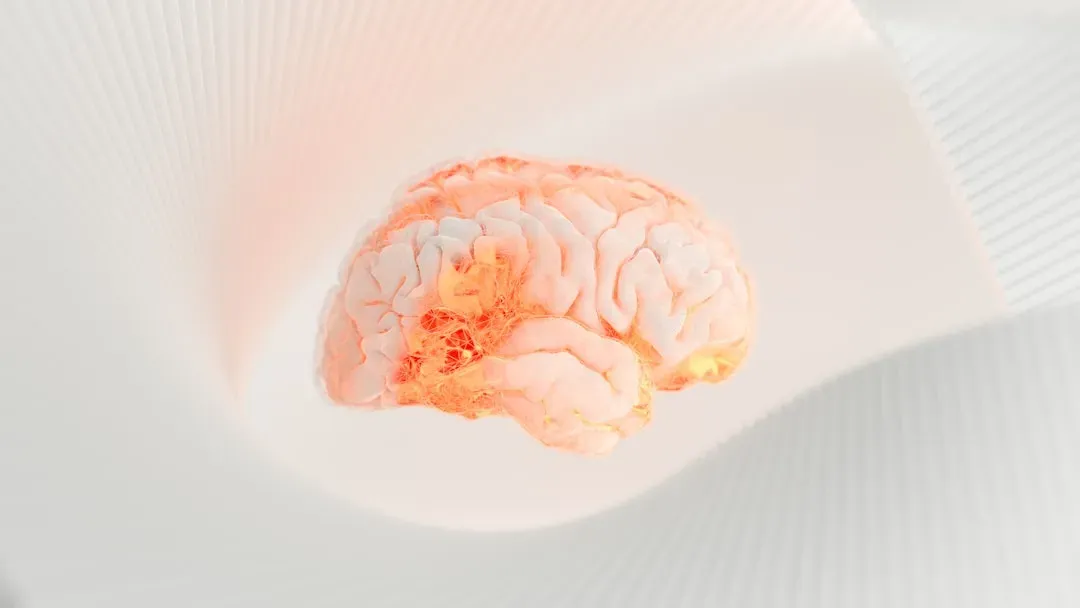
During sleep, especially in REM, emotional and memory-related areas like parts of your limbic system stay quite active, even when your rational, planning-heavy frontal areas are dialed down. As you move into wakefulness, the balance between these emotional circuits and your prefrontal cortex starts to shift. In the first 90 seconds or so, that balance is still settling, which is why you can wake up feeling oddly sad, anxious, relieved, or peaceful with no clear reason.
If you wake suddenly from a stressful dream, your body might still be riding a surge of stress hormones and elevated heart rate, while your thinking brain is only just catching up. On the other hand, if you wake gently from a calm sleep stage, your emotional circuits may be relatively quiet, and your frontal systems slowly re-establish control. This is part of why your first moments of the day can feel so emotionally loaded: your brain is choosing, in a sense, what kind of day you are about to have, even before you get out of bed. By noticing this early emotional tone, you can sometimes stop a bad mood from snowballing and intentionally reset how you want to meet the day.
Conclusion: The Most Overlooked 90 Seconds of Your Life

The next time you wake up, you can think of those first 90 seconds as a miniature origin story of your daily consciousness. Your cortex is re-lighting its networks, your thalamus is opening the gates to sensory reality, your dream world is battling with external input, your self is reassembling, your body is coming back under your control, and your emotional brain is setting the tone. You are not just “waking up”; you are being rebuilt, layer by layer, into the person who will walk through the rest of the day.
Once you understand that this transition is an active, delicate process, you may feel a little more forgiving toward your groggy, confused, or emotional mornings. You might even treat those brief moments between sleep and waking as something worth noticing instead of rushing past, like watching the backstage crew change sets before the show begins. If your consciousness really is a kind of daily miracle, this is the instant when it reappears – quietly, reliably, and much more intricately than it feels from the inside. The question is, now that you know what is happening there, will you ever experience those 90 seconds the same way again?