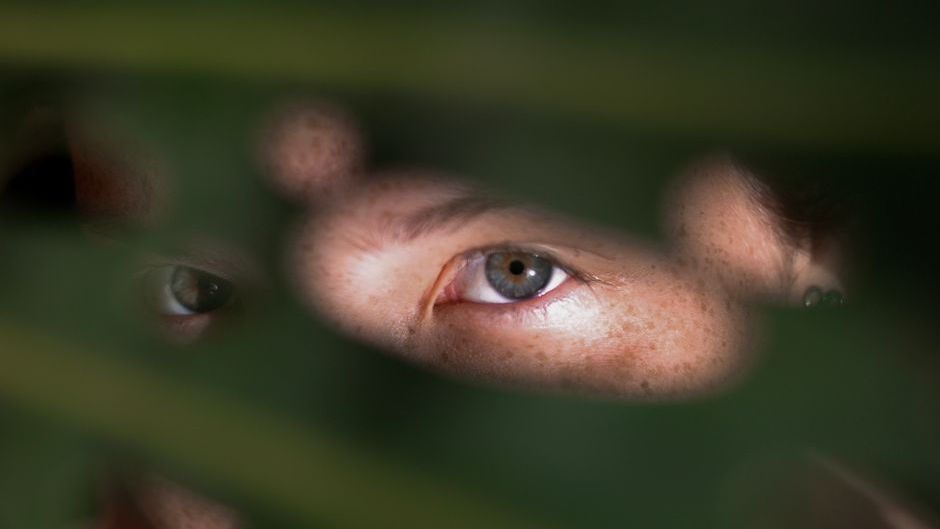

You know that prickly feeling on the back of your neck, the one that makes you suddenly straighten up and glance over your shoulder? You do a quick scan, see nothing unusual, and tell yourself you’re just being paranoid. But that quiet, stubborn sense of being watched lingers anyway, like a shadow you can’t quite shake off. It can feel irrational, even a little embarrassing, and yet it’s powerful enough to change what you do next, where you walk, and how safe you feel.
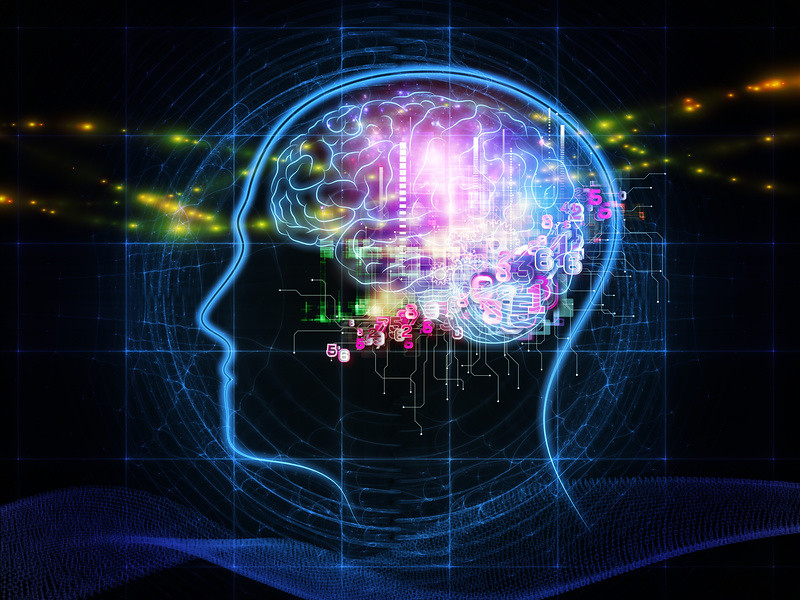
What you may not realize is that this uncanny sensation is not just in your head in the dismissive sense. It is in your brain in a very literal sense. Long before you consciously decide to turn around, a small, almond-shaped structure deep in your brain, the amygdala, is scanning the world for threats your eyes and your conscious mind might have missed. You are not imagining that your body knows something before you do; you are experiencing one of the oldest survival systems you carry around all day, quietly running in the background like an ancient security alarm.
The Amygdala: Your Brain’s Silent Threat Detector
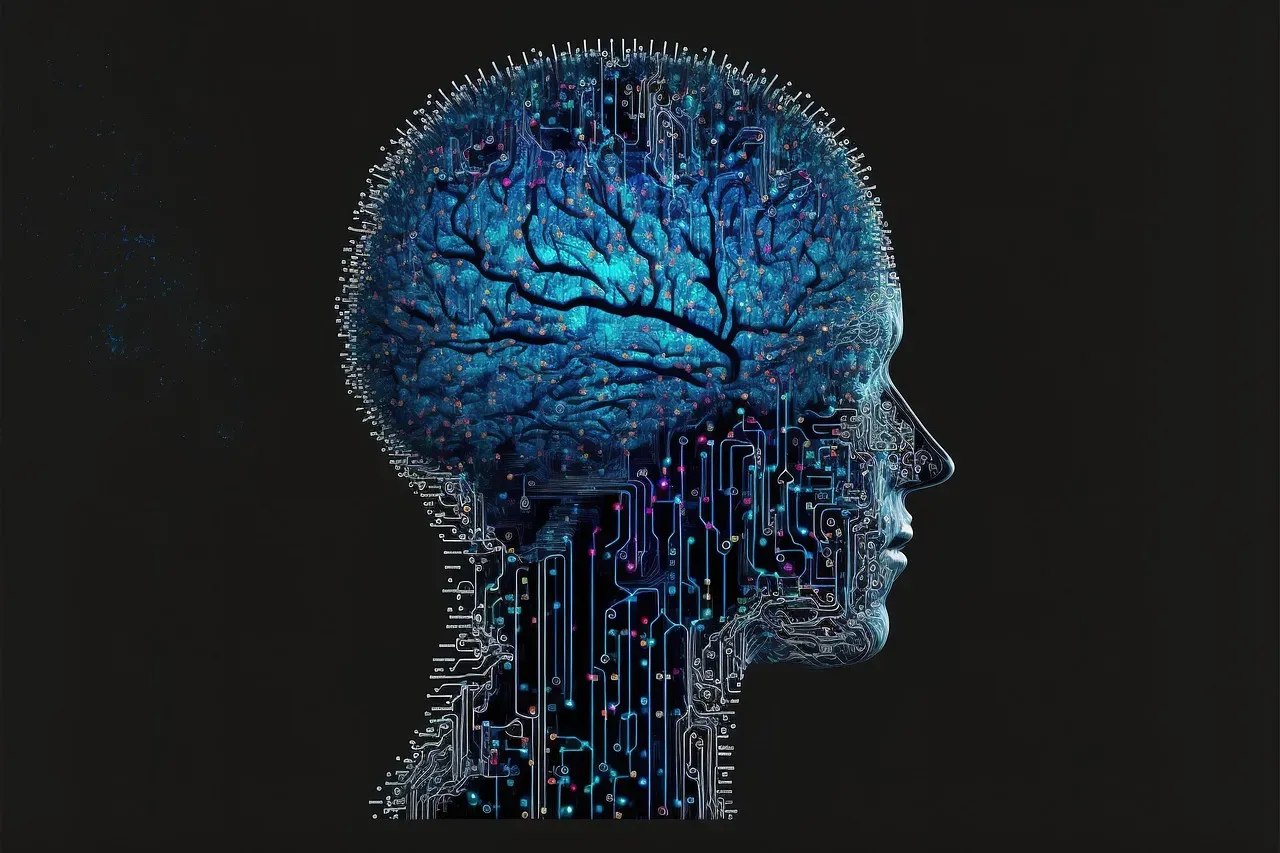
Deep inside your brain, buried under the folds of your cortex, sits the amygdala, one on each side, about the size and shape of an almond. You rarely think about it, you can’t feel it working, and yet it is constantly active, evaluating emotional significance in everything from facial expressions to sudden noises and subtle changes in your environment. You could think of it as your built-in guard dog: vigilant, a little jumpy, and highly tuned to anything that might hint at danger.
While your conscious mind is busy with emails, errands, and everyday worries, your amygdala is quietly scanning for patterns that previously signaled threat – angry faces, looming shapes, sudden movements at the edge of your vision. It does not wait for you to form a complete, logical story before it reacts. Instead, it fires rapidly and automatically, nudging your body into a state of readiness before you even know why your chest feels tight or why you just decided to cross the street. That uneasy sense of being watched often starts here, in this ancient, emotional hub.
How Your Brain Sees Danger Before You Do

You tend to think of “seeing” as something that happens only when you pay attention, but your brain is constantly processing visual information you never consciously notice. Signals stream from your eyes into multiple pathways: some go to the visual cortex, where you build a detailed picture of the world, and others take a faster, rougher shortcut straight to the amygdala. That shortcut does not care about clarity or detail; it cares about speed, which is exactly what you need in a potential threat.
This means your amygdala can react to the rough outline of a figure, a flicker of movement, or the posture of a person in your periphery before you consciously register who or what you are seeing. You might feel your shoulders tense or your heart quicken a beat before you even realize you have looked up. When you get that eerie feeling that you are being watched, it may be because your brain picked up on small cues – like someone’s head turning in your direction or a subtle shift in the environment – that never made it into full awareness. Your body, however, already got the message.
Why You Can Feel Watched Even When No One Is There
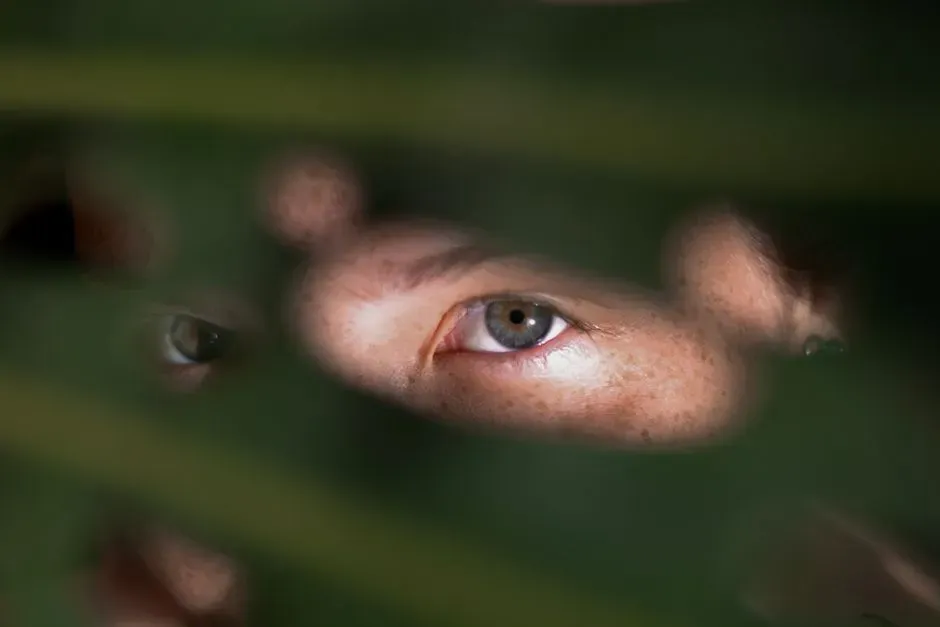
That odd moment when you feel eyes on you and turn to discover nothing out of the ordinary can leave you doubting your own instincts. But your brain is not trying to be perfectly accurate; it is trying to be safe. Your amygdala is wired to err on the side of caution, which means it will sometimes trigger a false alarm rather than risk missing a real threat. From an evolutionary standpoint, reacting to ten nonexistent predators is better than ignoring the one that is real.
So when you sense someone watching you and see no one, it might be that your brain responded to an ambiguous cue – a shifting shadow, a reflection in glass, a sound behind you – that could mean danger but probably does not. Your conscious mind then looks around, finds nothing clearly threatening, and labels the whole thing “just my imagination.” What you are really experiencing is a mismatch between a fast, ancient warning system and a slower, more analytical system that wants solid evidence before it agrees there is a problem.
Your Body’s Alarm System: From Goosebumps to Hyper-Awareness

When your amygdala senses something might be wrong, it does not just sit there and quietly worry. It flips on your body’s alarm network, alerting other brain regions and kicking the sympathetic nervous system into gear. Your heart rate can climb, your breathing can subtly change, your muscles can tighten, and your senses can sharpen. You might notice the hairs on your neck standing up or a sudden wave of alertness, as if someone turned the brightness up on the world around you.
In that moment of feeling watched, you may find yourself scanning your surroundings more methodically, listening for footsteps, or checking over your shoulder more than once. You might slow your pace, walk closer to other people, or head toward a better-lit area without fully connecting those choices to the initial sensation. All of this is your brain and body working together to tilt the odds in your favor, giving you a slight edge if something actually is off. Even if the alarm turns out to be false, the system has done exactly what it was built to do.
When Your Threat Detector Becomes Oversensitive

While this constant scanning can protect you, it can also go into overdrive. If you have lived through trauma, ongoing stress, or situations where danger was unpredictable, your amygdala can become more sensitive and easier to trigger. You might notice yourself feeling watched more often, jumping at small sounds, or reading neutral faces as suspicious. Your body may react as if you are in danger even in places that are objectively safe, leaving you exhausted or on edge.
Conditions like anxiety disorders and post-traumatic stress are closely tied to changes in how your threat systems operate. Instead of calming down once you see there is no clear danger, your body can stay stuck in a high-alert mode, as though it no longer fully trusts the world – or your own safety in it. If you recognize yourself in that description, it is not a character flaw or drama; it is your brain’s protection circuitry working too hard. Understanding that this is a biological process, not a personal failing, can make it easier to seek help and to be kinder to yourself when your alarms go off.
How Attention, Beliefs, and Culture Shape What You Feel

Your amygdala does not operate in isolation; it is constantly interacting with your thoughts, attention, and beliefs about the world. If you already feel uneasy walking alone at night, you are more likely to notice possible cues of danger, and your amygdala will be quicker to react to them. Past experiences, things you have been warned about, and stories you have heard from others all color what your brain considers threatening. Over time, your inner map of “safe” versus “unsafe” situations becomes deeply personal and highly specific.
Culture plays a role too. The way you are taught to interpret eye contact, personal space, or a stranger’s presence can shift how often you feel watched or threatened. In some environments, a direct stare signals aggression; in others, it is just normal social behavior. Your brain learns these rules and uses them to decide when to stay calm and when to sound the alarm. So when you feel like someone is watching you, you are not just reacting to raw sensory data; you are reacting through the lens of everything you have learned, believed, and experienced about danger and safety.
Training Your Brain to Respond Instead of Just React
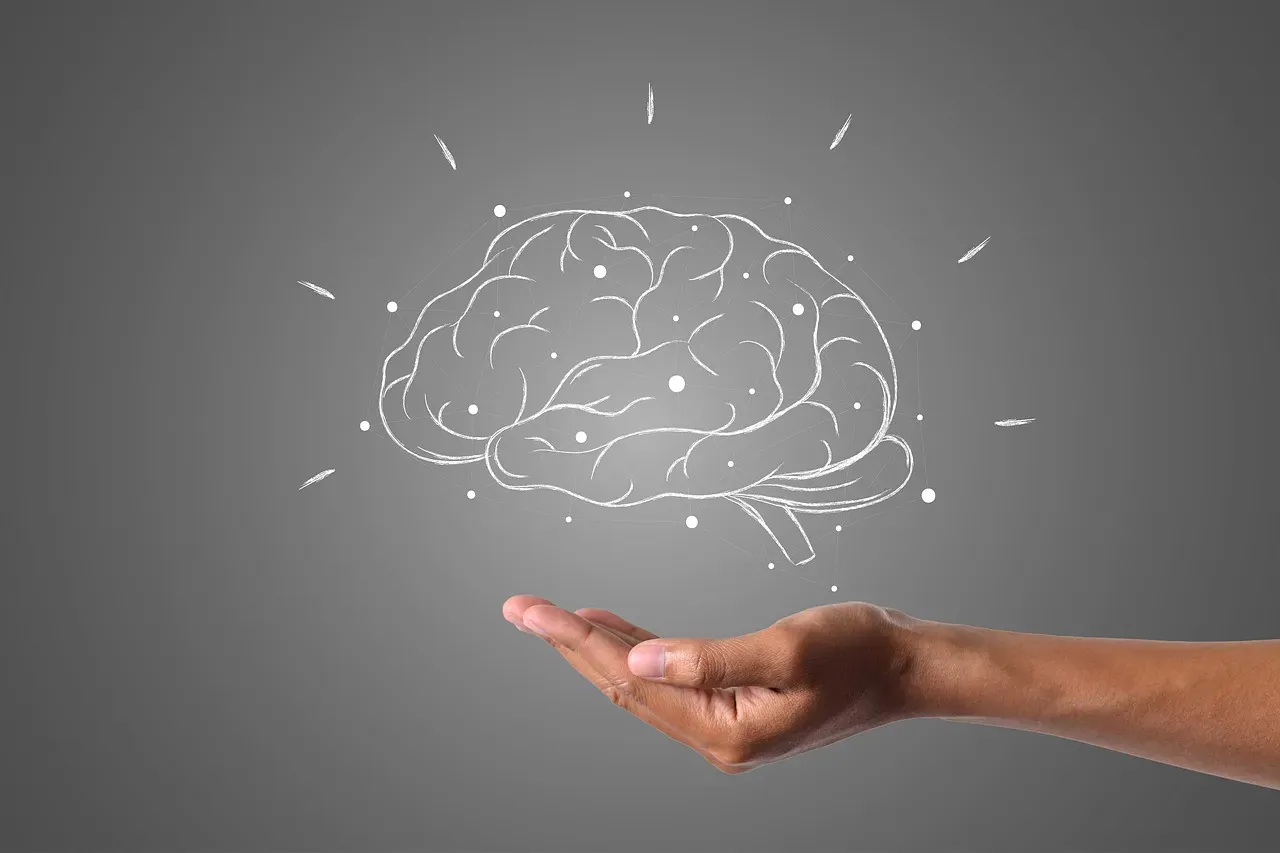
The good news is that even though your amygdala runs on ancient instincts, you are not stuck with every reflexive surge of fear it sends your way. Other brain regions, especially those involved in reasoning and self-reflection, can learn to step in and help regulate that response. Practices like slow, deliberate breathing, body awareness, and grounding techniques can signal to your nervous system that it is safe to de-escalate. Over time, you can become better at noticing the first rush of anxiety without letting it fully take over.
You can also reshape your threat expectations by gently challenging them. If you often feel watched in certain situations, you might experiment with staying present, observing your surroundings carefully, and then seeing what actually happens rather than immediately retreating into worst-case scenarios. When your experiences repeatedly contradict your fears, your brain can gradually update its “danger map,” making your amygdala a bit less jumpy. You are not trying to turn off your inner alarm system – that would be risky – you are teaching it to reserve its loudest warnings for moments that truly deserve them.
When to Trust Your Gut – and When to Question It
That inner jolt that makes you spin around or cross the street is not something you need to apologize for. Sometimes your amygdala really does pick up on social cues, changes in tone, or subtle movements that your conscious mind has not fully processed yet. In uncertain or potentially risky situations, giving some weight to that feeling can be a smart move. Walking toward light, staying closer to others, or removing yourself from a space that simply feels wrong can be a reasonable, protective choice.
At the same time, it helps to recognize that your gut is not a mystical, infallible guide. It is a blend of fast pattern recognition, personal history, and bias. If you notice that you frequently feel targeted or watched in ordinary situations, or only by certain groups of people, it is worth pausing to ask whether your brain is overgeneralizing from past experiences or stereotypes. Learning to say to yourself, “My alarm just went off; let me check what is actually happening,” lets you honor your instincts without becoming controlled by them.
Conclusion: Your Ancient Alarm in a Modern World
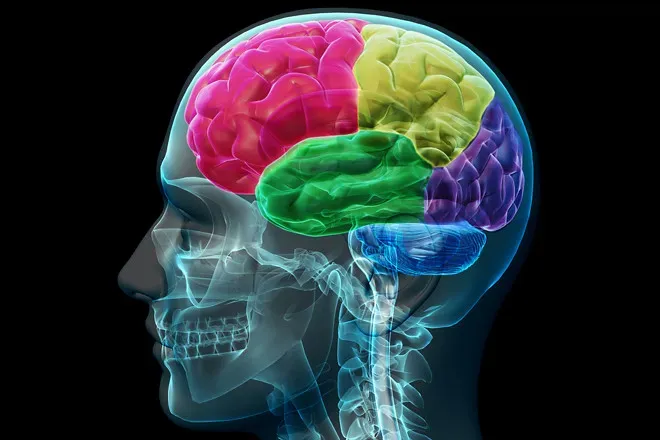
The next time you feel that strange, insistent sense that someone is watching you, you can see it for what it really is: your ancient survival hardware doing its best to protect you in a world that moves faster than ever. Your amygdala is constantly on the lookout, sometimes getting it wrong, sometimes getting it right, but always working behind the scenes to keep you one step ahead of potential danger. That eerie shiver down your spine is not proof that something supernatural is happening; it is proof that your nervous system is remarkably tuned to the subtleties of your environment.
When you understand how this system works, you can respond with more curiosity and less shame, more wisdom and less panic. You can thank your brain for the warning, look around with clear eyes, and then decide what truly serves your safety and peace of mind. You carry inside you a collaboration between instinct and insight, reflex and reflection. The real skill is learning how to listen to both. Knowing that, what will you do the next time that invisible gaze seems to brush across the back of your neck?