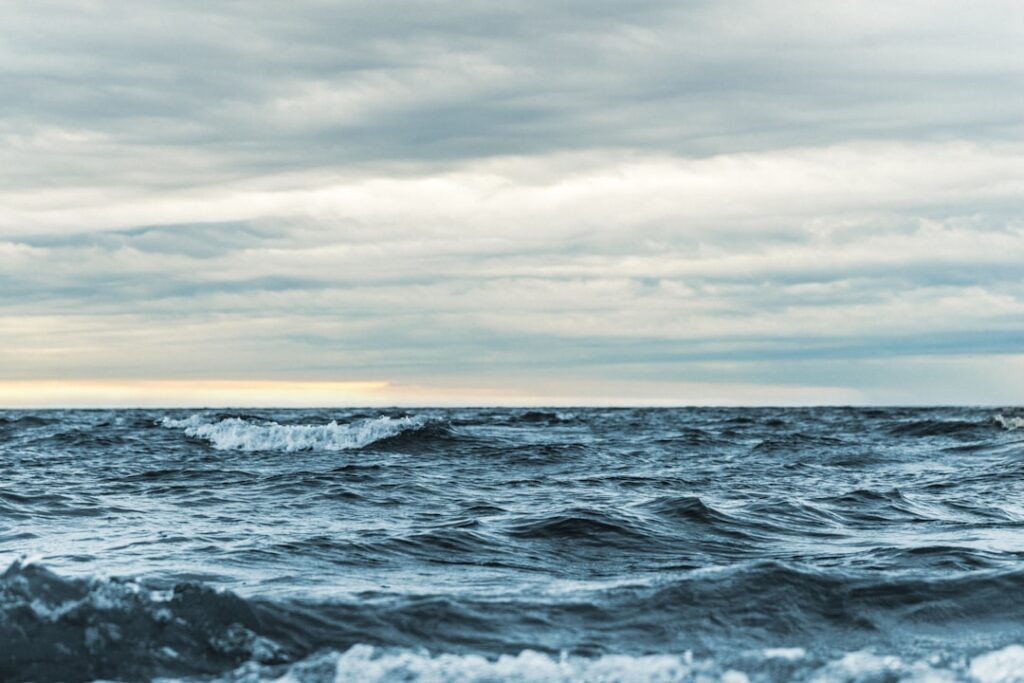
You probably imagine a lush green forest when you think about where your oxygen comes from. Trees, leaves, rainforests, that sort of thing. But as you sit here breathing, roughly about half of the oxygen in your lungs was made far from any forest, out over a rolling, restless blue world that most people only ever see from the shore. The real shocker is that much of that oxygen is produced by life forms so tiny you could stare straight at them in a bucket of seawater and never know they were there.
Once you realize that invisible marine microbes are quietly powering your every breath, the ocean stops being just a scenic backdrop and turns into something more like a living, breathing partner. You are tied to drifting single cells that float on sunlight, to fragile glassy algae, to bacterial powerhouses that will never get a nature documentary of their own. If that does not change how you look at the sea, you might not yet be paying close enough attention.
The Ocean As A Giant, Hidden Oxygen Factory
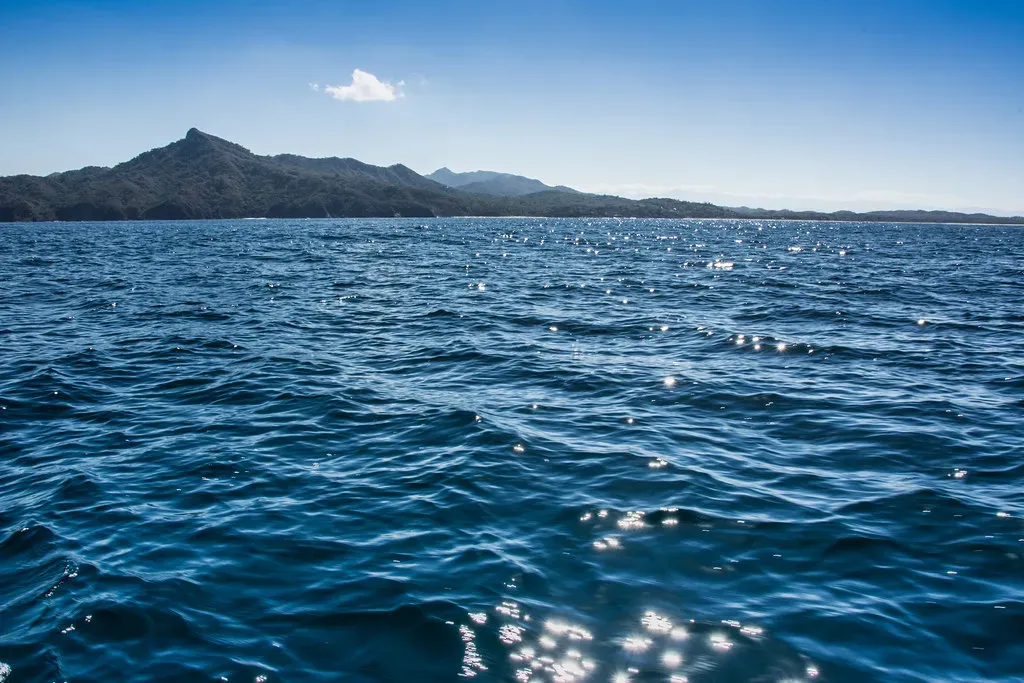
If you could zoom out and look at Earth the way astronauts do, you would see a planet mostly covered by water, and that is your first big clue. With the ocean wrapping around nearly three quarters of the globe, you are looking at one enormous, sunlit chemical reactor. Every day, microscopic organisms at the surface take in carbon dioxide and, using light, split water molecules and release oxygen as a byproduct. You can think of it as billions upon billions of tiny solar panels, all switched on at once, quietly supporting your next breath.
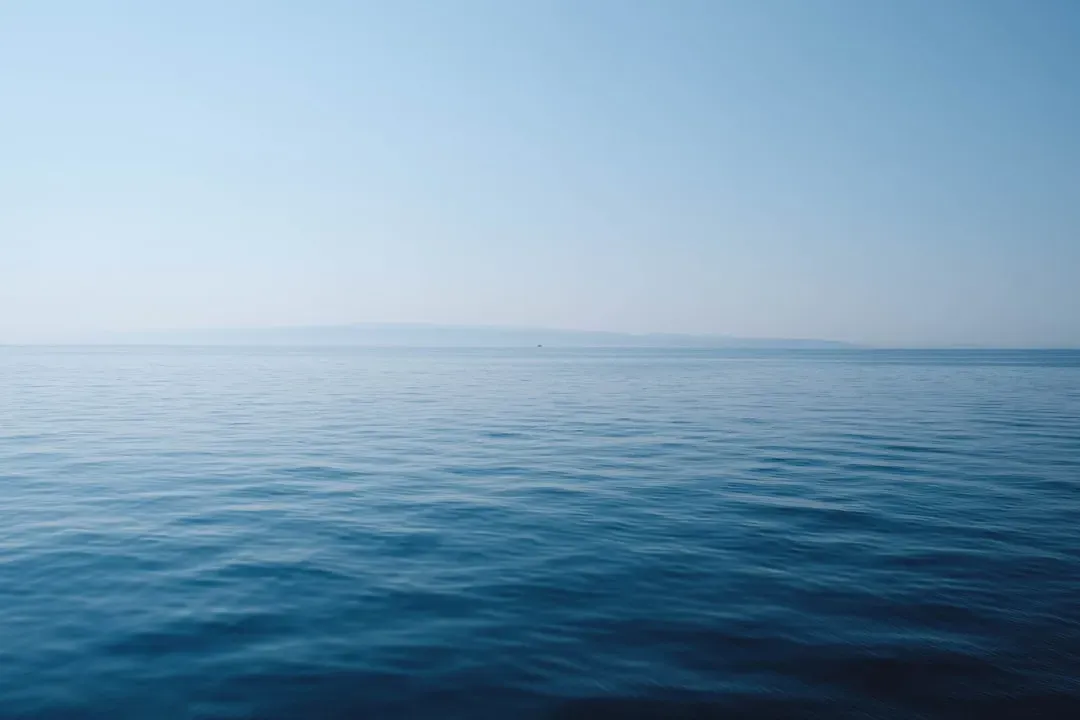
Marine biologists estimate that the ocean is responsible for roughly about one half of the oxygen added to the atmosphere each year, with the rest coming from land plants. That does not mean half of every breath is precisely ocean-made, but it does mean your long-term oxygen supply is deeply tied to what happens at sea. When you look at a calm blue horizon, you are not just seeing water; you are looking at the surface of the biggest biological engine on the planet, one that has been churning out oxygen for hundreds of millions of years.
Meet Phytoplankton: The Tiny Plants You Never See
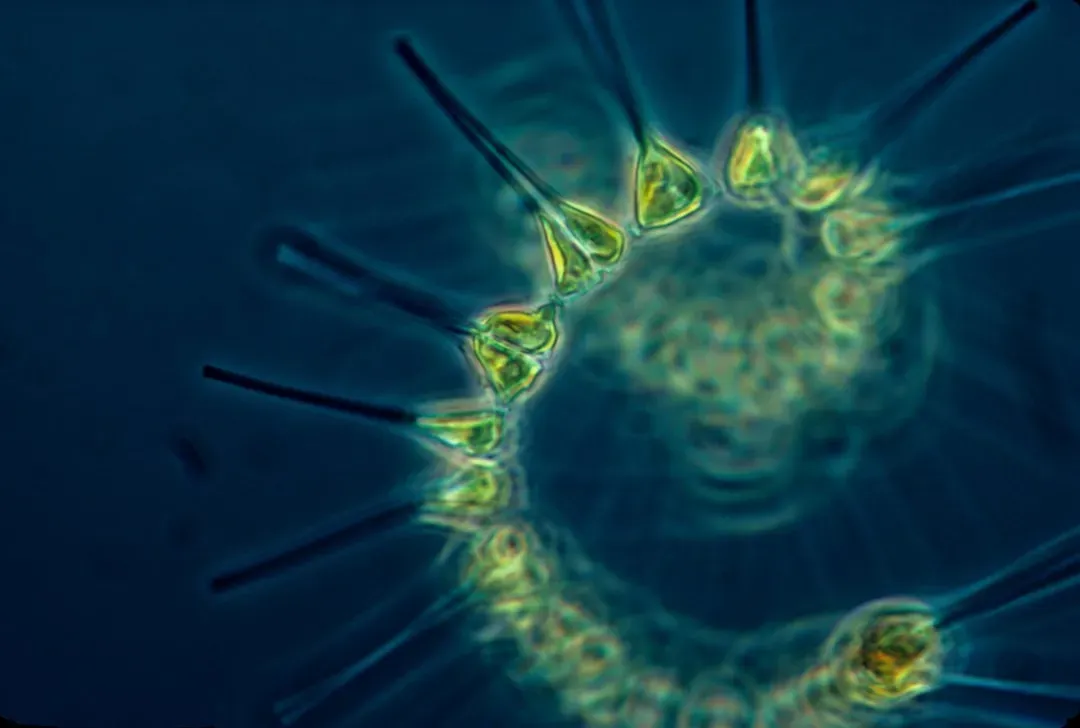
When you hear the word plankton, you might picture cartoon characters or aimless specks in the water. In reality, you should think of phytoplankton as the ocean’s invisible forests. These are microscopic, plantlike organisms that drift in the sunlit upper layer of the sea, using photosynthesis just like trees do on land. They are too small for you to see individually, but when conditions are right, they can bloom so massively that satellites can actually detect their color from space.
Each one of these single-celled drifters pulls in carbon dioxide and, with sunlight, turns it into organic carbon and oxygen. If you lined up trillions of them, they would still only make a thin film across the sea, but together they pump out a staggering amount of oxygen. You can imagine every wave crest carrying an invisible meadow on its back, constantly growing, dividing, and dying. You may never notice them while you are swimming, but they are quietly making it possible for you to swim and still have air to breathe when you come up.
Diatoms: The Glass-Armored Powerhouses
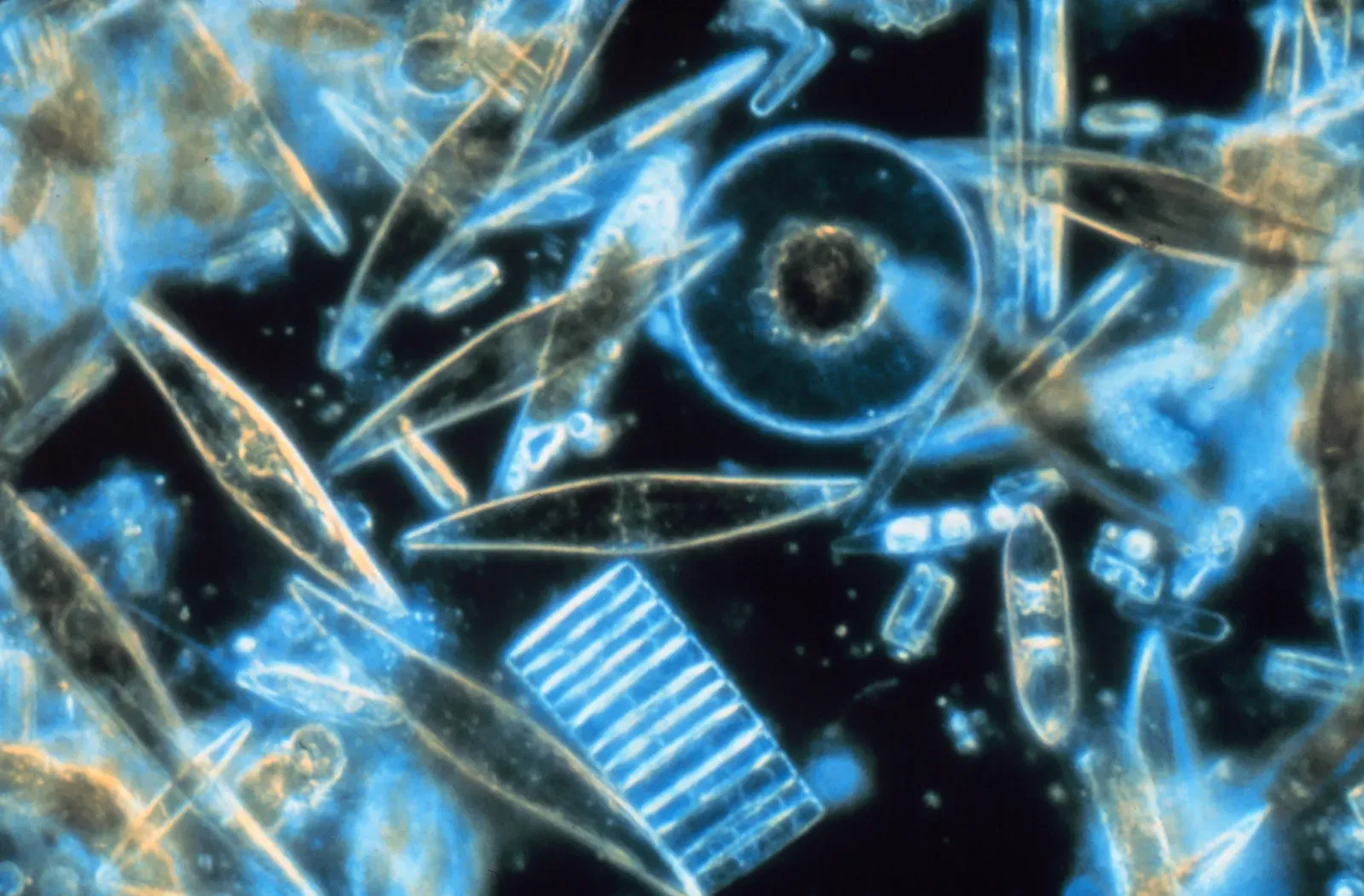
Among the different kinds of phytoplankton, diatoms are the rugged overachievers. You can picture them as tiny microscopic jewelry boxes made of glass, each one wrapped in an intricate shell of silica that looks like it belongs under a microscope more than in a biology textbook. These glass-armored cells are incredibly efficient at turning light and nutrients into new growth, multiplying quickly when conditions are good and forming vast blooms across cold, nutrient-rich waters.
Because diatoms grow so fast and so abundantly, they punch far above their weight in global oxygen production. Some estimates suggest that diatoms alone are responsible for a surprisingly large fraction of the oxygen you rely on, despite being utterly invisible to the naked eye. When a diatom dies, its glassy shell can sink to the seafloor, slowly building layers of silica-rich sediment and locking away carbon. So as you breathe, you are not just relying on random microbes, but on a global system of glass-armored factories working for you around the clock.
Prochlorococcus And Friends: The Smallest Oxygen Engines On Earth
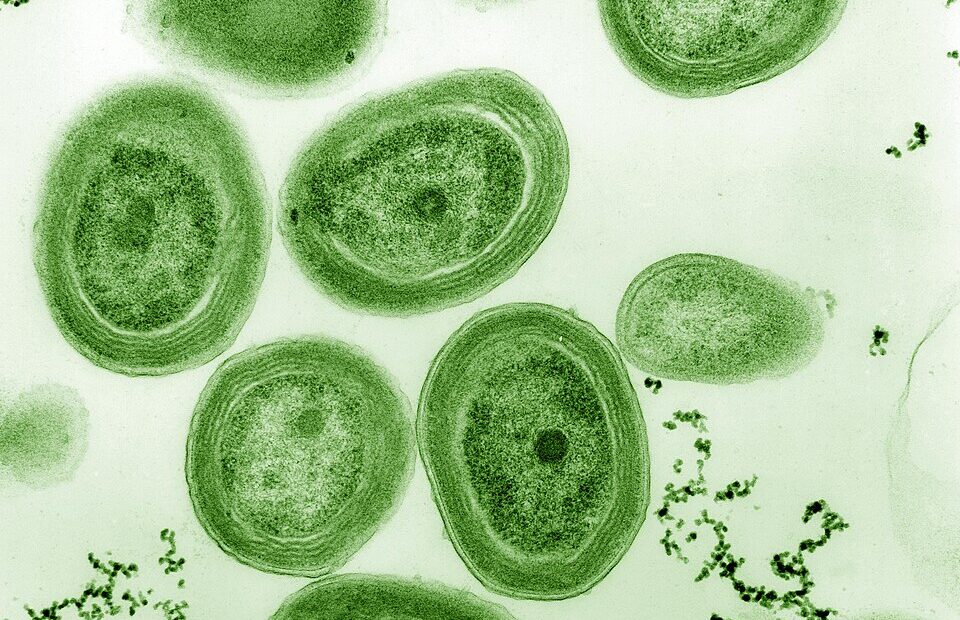
If diatoms are the big glassy workhorses, Prochlorococcus is the quiet champion you never heard of. This tiny cyanobacterium is so small that a single drop of seawater can hold tens of thousands of them, and yet you would see only clear liquid. You can think of it as a microscopic solar cell stripped down to the essentials: absorb light, fix carbon, release oxygen. It thrives especially well in warm, clear, nutrient-poor waters where other, larger organisms might struggle, and it quietly fills vast regions of the open ocean.
Even though a single Prochlorococcus cell is minuscule, together they form what might be the most abundant photosynthetic organism on the planet. When you stand on a tropical beach and gaze across shimmering blue water, you are looking over one of their strongholds. Every ray of sunlight that hits the surface is an opportunity for these cells to power another round of photosynthesis. In a way, your own daily life is intertwined with an ocean-spanning community of bacteria that you will never see, never touch, and almost certainly never think about unless you pause to imagine them.
How Photosynthesis In The Sea Keeps You Breathing
At its core, what keeps you breathing is a simple chemical trick: using sunlight to split water and fix carbon. Marine phytoplankton and cyanobacteria absorb light with their pigments, capture carbon dioxide dissolved in seawater, and build sugars and other organic molecules. Oxygen is the leftover piece in this process, released into the water and eventually diffusing into the atmosphere. You can think of it as a giant trade: the ocean takes some of the carbon that would otherwise trap heat in the atmosphere and gives you oxygen in return.
This constant cycling does not happen evenly everywhere or all the time. The ocean’s surface is like a patchwork of deserts and gardens: some regions are nutrient-poor and relatively quiet, while others are bursting with productivity. Storms, currents, and upwelling events can suddenly bring nutrient-rich deep waters to the surface, triggering blooms that sharply increase oxygen production. When you feel a cool ocean breeze, you are standing at the boundary of a world where chemistry, light, and motion are continuously reshaping the air you depend on.
Why You Cannot Just “Thank The Ocean” And Forget About Land Plants
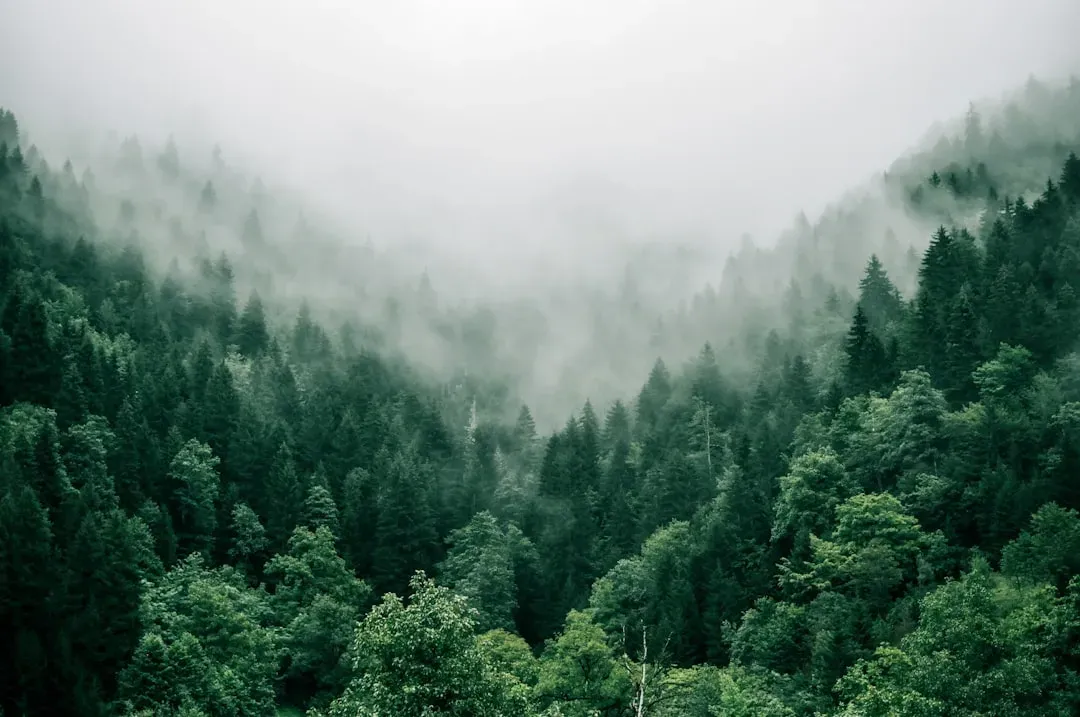
It is tempting to hear that the ocean produces roughly half of your oxygen and conclude that forests, grasslands, and wetlands are somehow less important. You might even think you can worry less about deforestation because the sea has your back. But the reality is more subtle: what really matters for long-term oxygen levels is the balance between oxygen produced and oxygen consumed. On land, when plants grow and some of that organic material ends up buried or stored long term, oxygen can accumulate in the atmosphere over geological time.
In the ocean, most of the organic matter created by phytoplankton is quickly eaten, decomposed, or recycled, which also uses up oxygen. A portion does sink and get buried, but a lot is turned back into carbon dioxide relatively fast. So you are not choosing between land and sea here; you need both. Forests, soils, wetlands, and seagrass meadows help regulate carbon and oxygen over longer timescales, while marine microbes drive rapid daily and seasonal cycles. When you protect one and ignore the other, you are basically trying to balance on one leg instead of standing firmly on two.
How Climate Change And Pollution Threaten Your Invisible Oxygen Partners
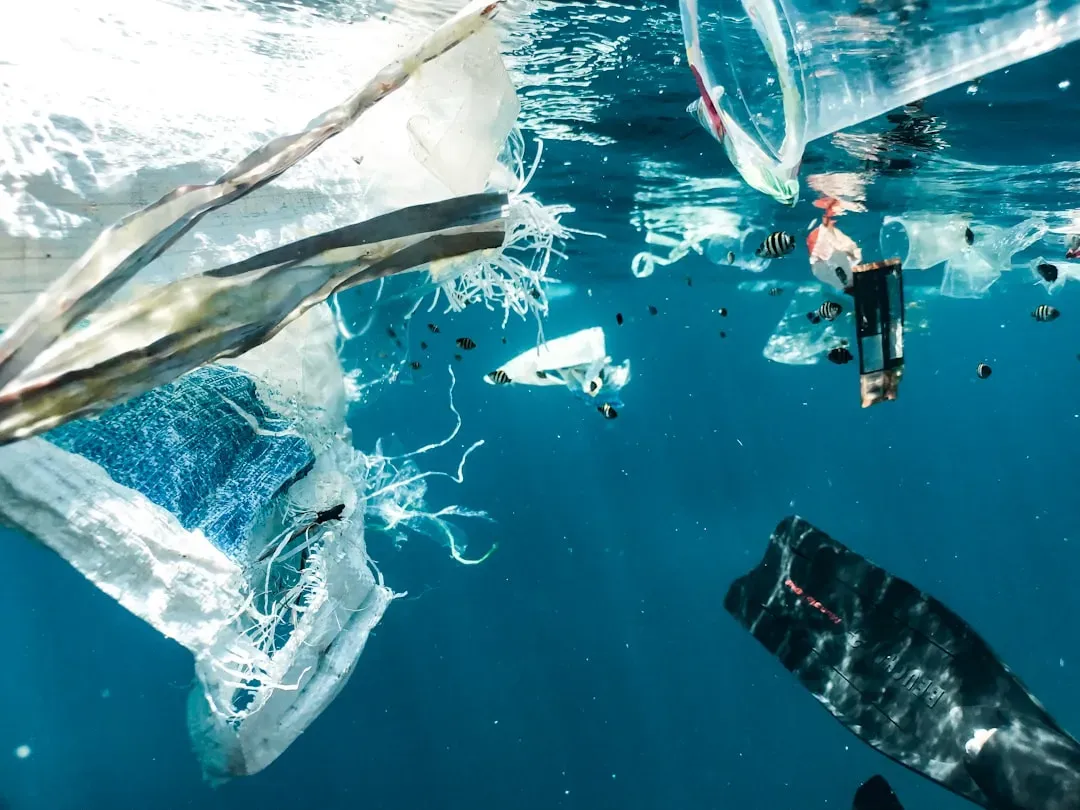
You might assume something as vast as the ocean is too big for humans to seriously affect, but its smallest inhabitants are often the most sensitive. As the planet warms, surface waters tend to become more stratified, meaning the layers of the ocean do not mix as well. When mixing weakens, fewer nutrients rise from the deep to fuel phytoplankton growth, and that can shift who thrives and who struggles. Some regions may see productivity drop, changing how much oxygen is produced and how much carbon is taken up.
On top of that, increasing carbon dioxide in the air dissolves into the ocean and makes the water more acidic, which can affect some phytoplankton groups and the animals that rely on them. Nutrient pollution from rivers can create coastal dead zones where decomposing algal blooms strip oxygen from the water, harming fish and other marine life. Even if the global oxygen concentration in the atmosphere does not suddenly crash, these changes can ripple through food webs that ultimately support your food and your climate. When you burn fuel, waste nutrients, or ignore plastic and chemical pollution, you are nudging a system that quietly helps keep you alive.
How Your Daily Choices Touch The Middle Of The Ocean
It is easy to feel disconnected from all this if you live far from the coast, but your choices travel much farther than you do. The electricity you use, the car you drive, the food you buy, and even the clothes you wear all link back to energy use, emissions, and resource extraction that shape the ocean’s future. Every ton of carbon dioxide that does not go into the atmosphere is one less push toward warmer, more stratified, more stressed oceans. When you reduce waste, support cleaner energy, or vote for policies that protect air, water, and climate, you are indirectly standing up for the microbes that support your breathing.
Even very practical decisions make a difference: eating more low-impact foods, wasting less, supporting sustainable fisheries, and cutting back on unnecessary plastic. These ideas are not abstract slogans; they are concrete levers you can pull that change how much pressure is placed on marine ecosystems. You might never see Prochlorococcus or a diatom, but the systems that support them respond to the sum of millions of individual choices, including yours. You are not just a passive beneficiary of ocean oxygen – you are also a participant in the story of whether that system stays stable.
Conclusion: The Next Breath You Take Is A Quiet Gift From The Sea
As you inhale right now, you are drawing in a mix of gases shaped by forests, soils, and an unimaginable number of tiny ocean drifters. Half of that oxygen story plays out beyond the horizon, in sunlit water churned by currents and storms, powered by cells too small for you to ever see. Once you understand that connection, the ocean stops being just a place for vacations or pretty photos and becomes a kind of distant partner you rely on every single moment, even while you sleep.
You do not need to memorize species names or become a scientist to honor that relationship, but you do need to recognize that your choices on land echo across the sea and back into your lungs. Every step you take toward a lower-impact, more thoughtful life is a small act of gratitude toward the invisible organisms that keep the air breathable. The next time you stand outside and take a deep breath, will you picture a forest, a vast blue ocean, or both working together for you?