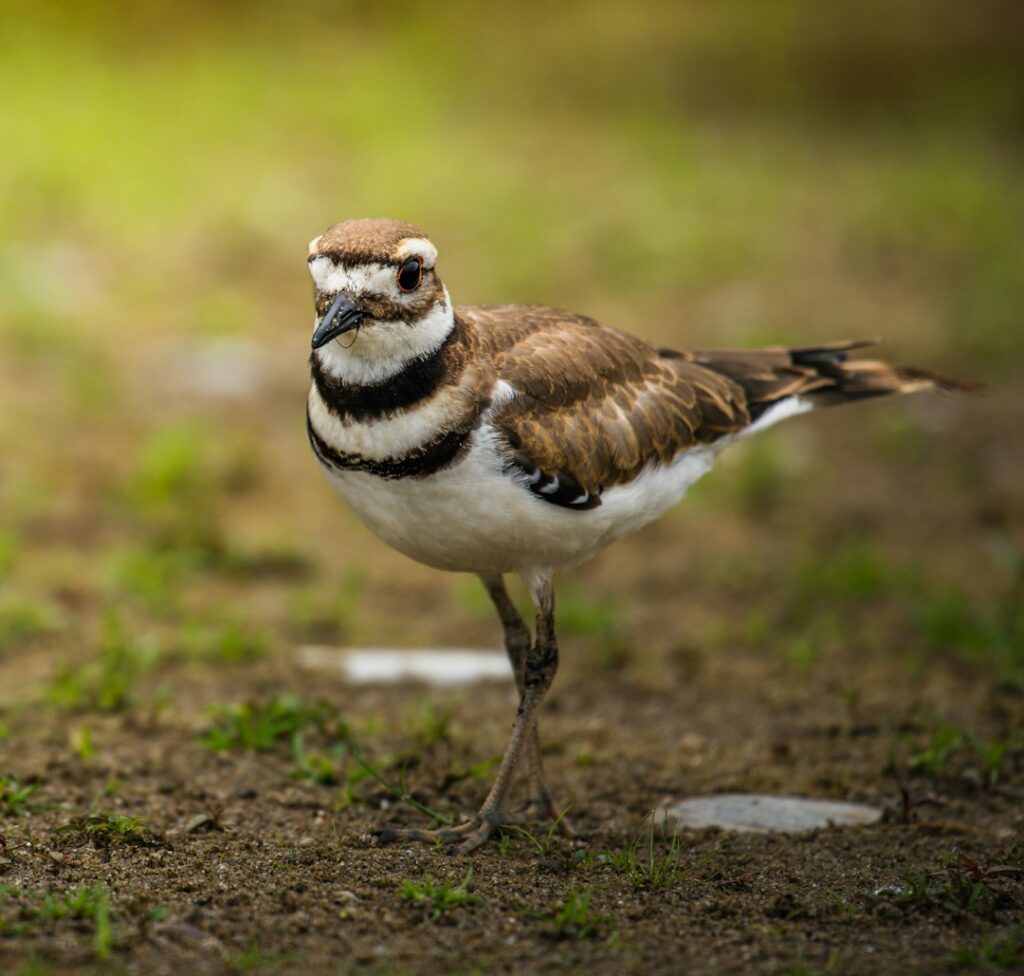

You might walk right past a killdeer and never realize you’ve just met one of the smartest survival strategists in the bird world. At first glance, this slim, brown-and-white bird looks pretty ordinary, maybe just another noisy thing near a parking lot or ball field. But if you get a little too close to its nest, you suddenly step into a drama worthy of a nature documentary. Spend a bit of time around killdeer and you start noticing patterns: the strange calls at night, the wild “injured” flopping, the eggs hidden in what looks like random gravel. None of it is accidental. Every odd move has a purpose, fine‑tuned by thousands of generations of trial and error. Once you know what you’re looking at, you’ll never see that “little brown bird” the same way again.
1. You Meet Killdeer In The Most Unexpected Places
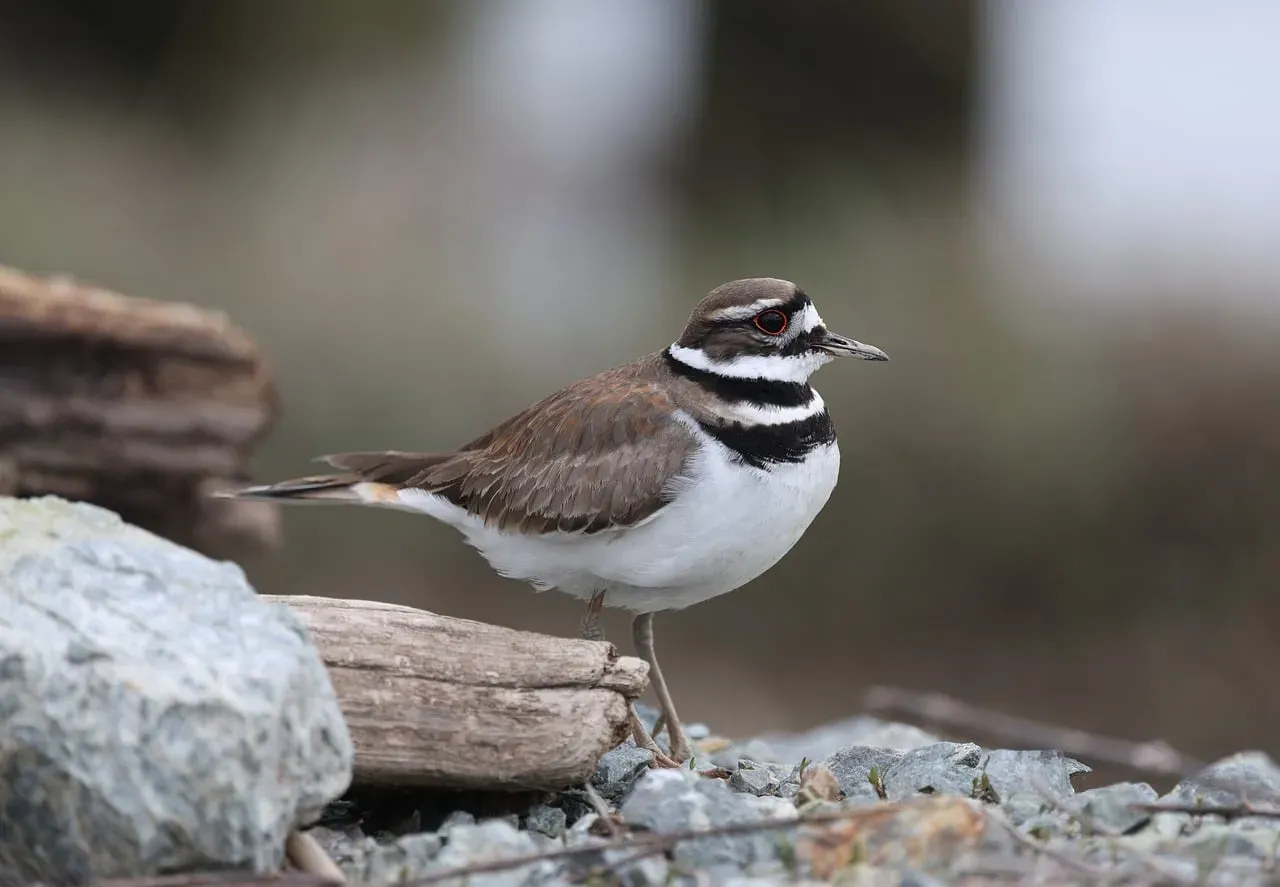
You probably expect shorebirds to stick to beaches and marshes, but killdeer seem to have missed that memo. You’re just as likely to meet one in a Walmart parking lot, a school playground, a gravel driveway, or the middle of a soccer field as you are near a lake. Instead of building complicated nests in trees, killdeer simply scrape a shallow bowl right on the ground in wide open areas and call it home.
That choice looks reckless to you at first, but it’s highly strategic. Open ground gives a killdeer a clear, all‑around view, so it spots danger early and has space to run or fly. The bare or gravelly surface also happens to match the speckled pattern of its eggs and its own brown back, turning bird and nest into a natural camouflage trick. Once you start watching open spaces with “killdeer eyes,” you realize just how many of these birds are quietly living right next to your daily routine.
2. You Hear Their Name Every Time They Call
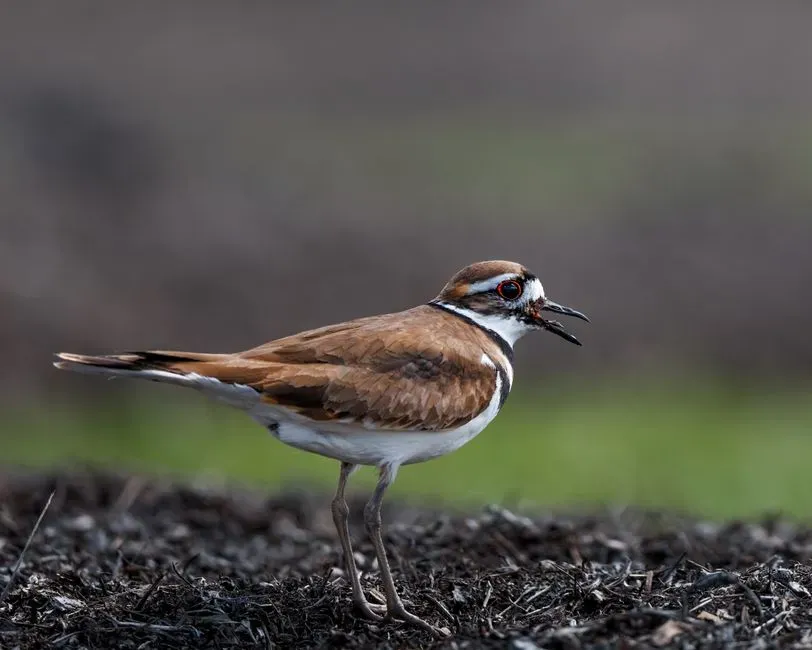
If you’ve ever heard a sharp, repeating “kill–dee, kill–dee” overhead and wondered what it was, you already know the killdeer by ear. Their common name literally comes from that piercing call. They shout it while flying, while warning each other about danger, and sometimes just while looping around at dusk like feathery security alarms. Once you connect the sound to the bird, you’ll start hearing them everywhere.
This loud voice is more than just noise to you when you understand its purpose. A killdeer’s call travels far across open ground, so it can warn a mate, distract a predator, or shout at you long before you stumble onto a nest. When you walk closer and the calls suddenly get faster and more intense, that is your cue: you’re near babies or eggs, and the bird is begging you to move along. It’s like an audio fence line you only notice once you start paying attention.
3. You Get Fooled By Their Famous “Broken Wing” Act
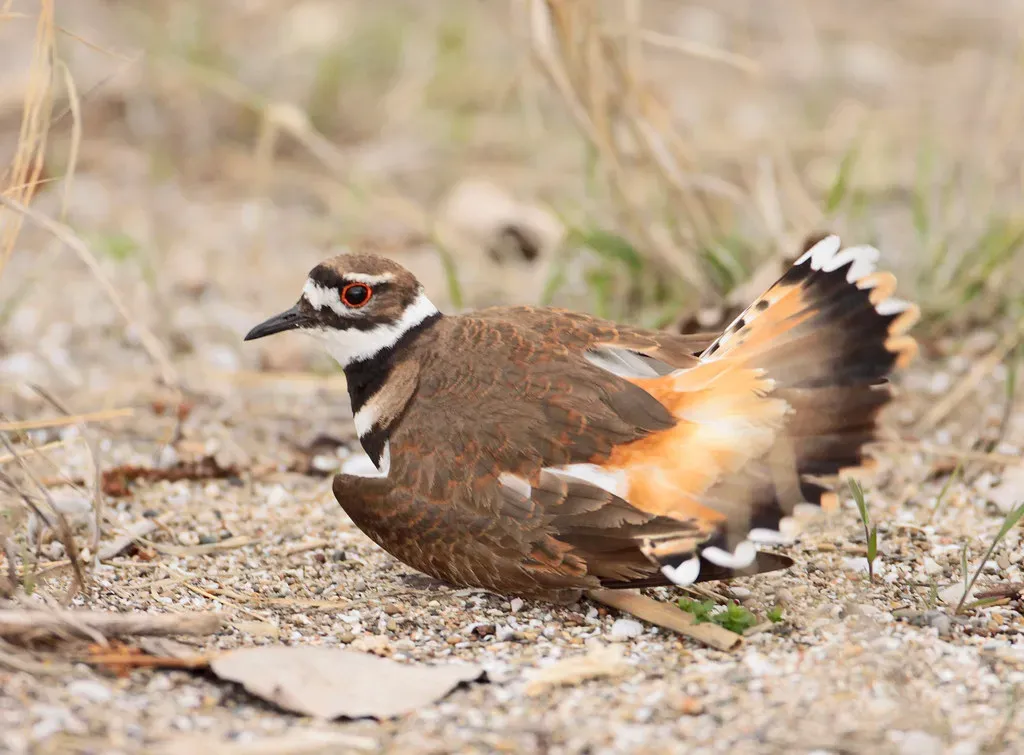
One day you’re walking across a field and a bird suddenly crashes to the ground in front of you, flopping and dragging a wing like it’s badly injured. Your first instinct is to feel sorry and move closer to help. That is exactly what the killdeer wants. This bird is not hurt at all; it’s running one of the most famous survival scams in nature, the broken‑wing display, designed to pull you away from its vulnerable nest or chicks.
If you watch closely, you’ll see how carefully the bird manages this “injury.” It keeps just far enough ahead that you can almost catch it, leading you step by step away from the real danger zone. Only when the bird decides its family is safe does the performance end: the “crippled” parent suddenly takes off, flying strongly and loudly scolding you from a safe distance. The first time you witness this, it’s almost shocking to realize you were outsmarted by a bird pretending to be helpless.
4. You Walk Past Their Nests Without Ever Seeing Them
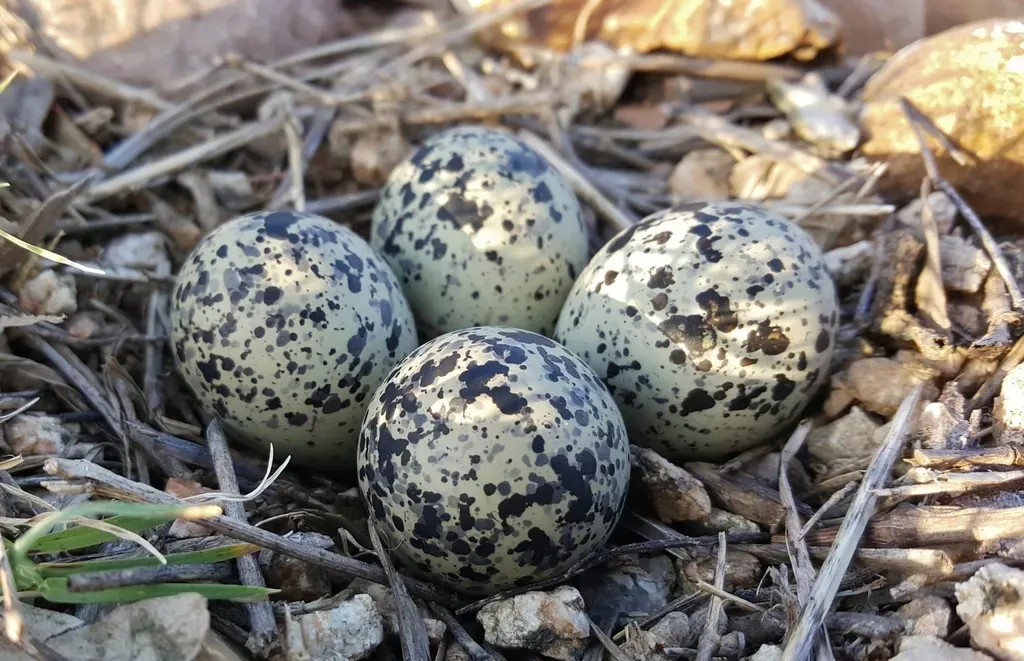
When a killdeer chooses a nest site, it doesn’t drag in twigs or weave anything fancy. Instead, it scrapes a shallow depression in gravel, sand, or short grass, sometimes adding a few small stones, bits of shell, or random white objects. To your eyes, it just looks like messy ground. To a predator that hunts by sight, that same mess makes the eggs almost disappear. The speckled, brownish eggs match the pebbles so well that you can be inches away and still miss them.
Because of this, you often only realize you are near a nest when the parents start yelling and playing injured. People routinely discover killdeer nests on job sites, driveways, construction gravel, and sports fields only after a frantic bird gives them away. If you ever do spot a nest, you’ll be surprised by how exposed it looks, but that exposure is part of the trick: nothing looks less suspicious to a predator than “just more rocks.” Once you see how perfectly the eggs blend in, you understand why camouflage can sometimes beat a fortress.
5. You Watch Tiny Chicks Sprint The Same Day They Hatch
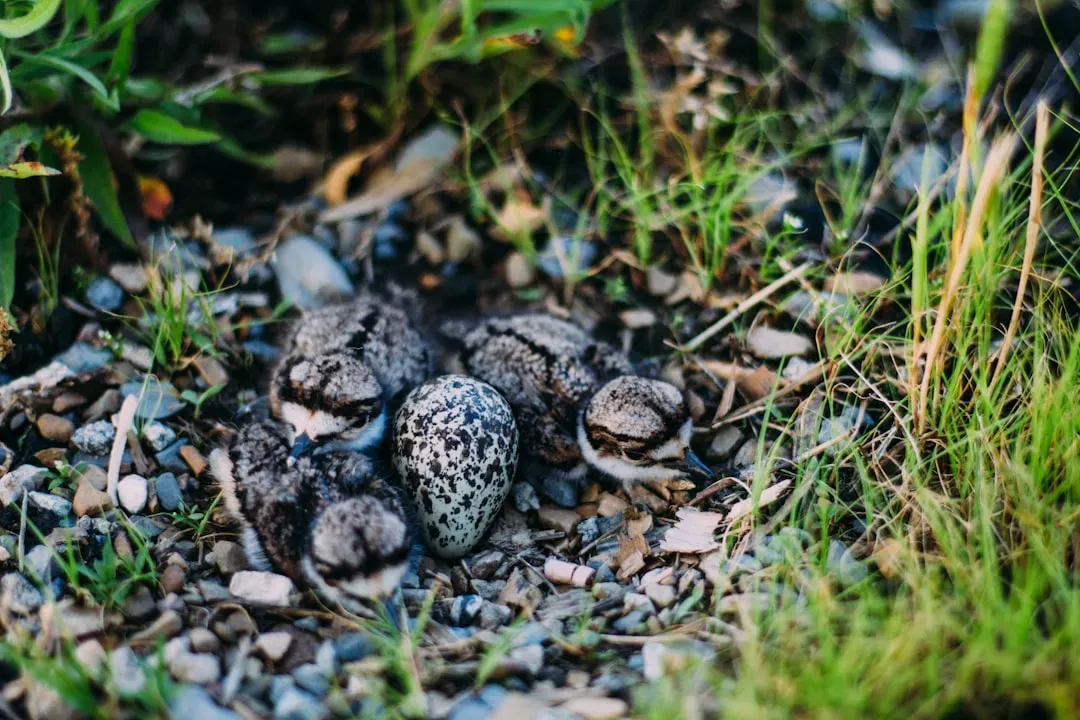
Most baby animals you know arrive in the world helpless, but killdeer chicks are more like tiny wind‑up toys that activate the moment they dry off. Within hours of hatching, they are up on their long legs, running after their parents, and pecking for their own food. They skip the whole nestling stage you might picture from backyard songbirds and jump straight into life on the move.
For you as an observer, this creates a strange contrast. The downy chicks look like little puffballs on stilts, impossibly fragile, yet they can sprint across open ground and vanish into short grass in seconds. Instead of being fed at a nest, they follow their parents around, learning where to find insects and staying loosely grouped. When danger comes, those same long legs and low bodies let them freeze and disappear against the dirt, while the parent runs interference with yet another dramatic performance.
6. You See Them Hunt With A Strange “Foot Trembling” Trick
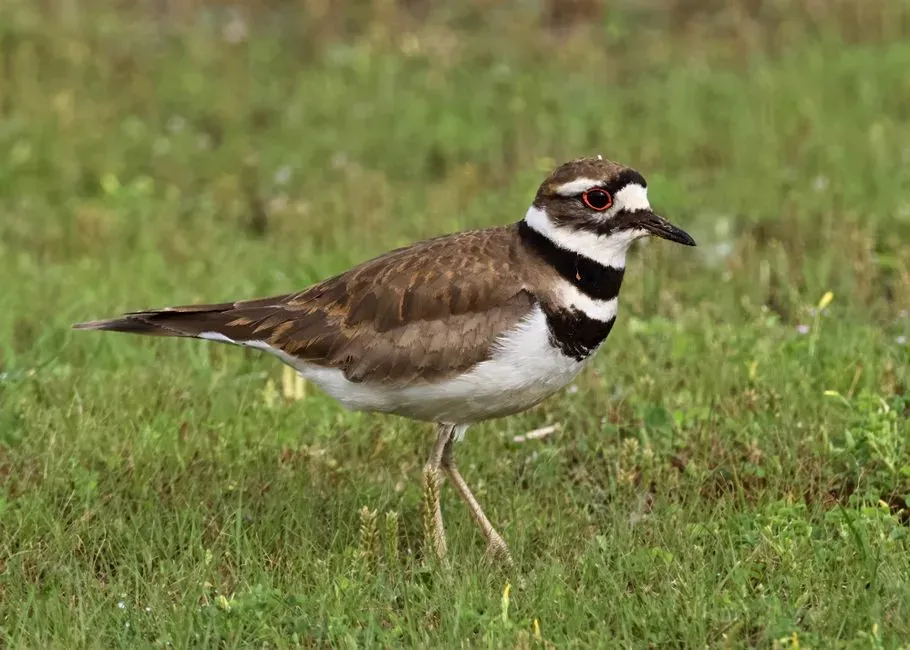
If you ever watch a killdeer up close along the edge of a puddle or wet lawn, you might notice an odd behavior: it stands on one leg and rapidly vibrates the other foot on the ground or in the water. At first, it looks like the bird is just fidgeting. In reality, you’re watching a clever hunting technique known as foot trembling, which stirs up hidden insects and other small prey so the bird can quickly grab them.
When you think about it, this move is a perfect example of how killdeer turn simple actions into survival tools. Many ground insects and aquatic invertebrates freeze when they sense movement; the trembling foot confuses them, flushes them out, and makes them visible. To you, it is just a quick shake and a darting peck. To the killdeer, it is a repeatable, energy‑efficient way to turn invisible food into an easy meal, especially on flat, open ground where cover is scarce.
7. You Notice How Bold They Are Around Huge Animals
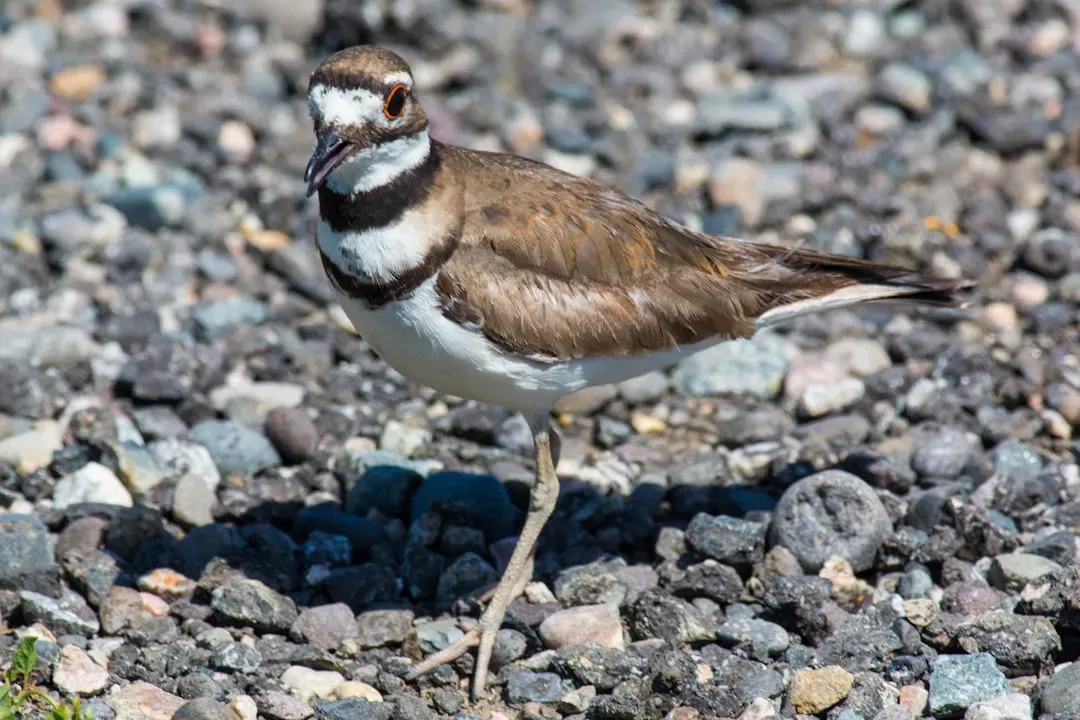
Most small birds steer clear of big animals like cows and horses, but killdeer sometimes do the opposite. When a grazing animal lumbers straight toward their nest, they switch to a different performance often called the “ungulate display.” Instead of playing injured, the bird puffs itself up, spreads its tail, lowers its head, and charges at the much larger animal while calling loudly. Imagine a robin‑sized bird running full tilt at a thousand‑pound horse; it looks absurd, but it often works.
You might expect such a little bird to vanish or play dead, yet it chooses confrontation when stealth alone will not protect stationary eggs from heavy hooves. The sudden flash of wings and tail, the aggressive posture, and the sharp calls can startle a grazing animal just enough to make it change direction. Watching this, you get a real sense of how far a killdeer will go to protect its nest. Size, in that moment, matters less than guts and timing, and this bird has both.
8. You Realize They Thrive On Human‑Made Landscapes
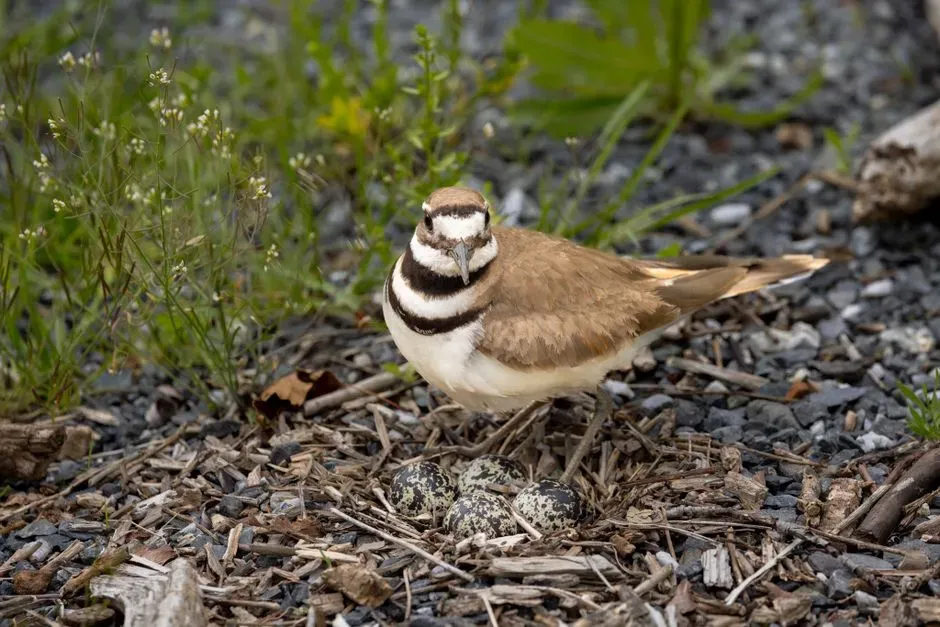
As more natural habitats get paved, plowed, or mowed, many species struggle, but killdeer have managed to turn your world into theirs. They readily nest on gravel roofs, airport edges, golf courses, construction sites, and even right beside busy sidewalks. To you, these places may seem harsh and artificial; to a killdeer, they can look like perfect open terrain with few trees for predators and lots of bare ground for camouflage.
Of course, this adaptability comes with risks you might not see at first. Eggs laid in driveways, on ball fields, or near roads can be crushed by vehicles, trampled by people, or disturbed by constant activity. When you understand how thin that safety margin is, you can make small choices that help: walking around a marked nest, delaying mowing a patch of ground, or simply heeding the frantic parent bird and giving it space. You realize that, without meaning to, you share your built environment with a wild strategist trying to raise a family at your feet.
9. You Discover Their Survival Story Is Also A Warning
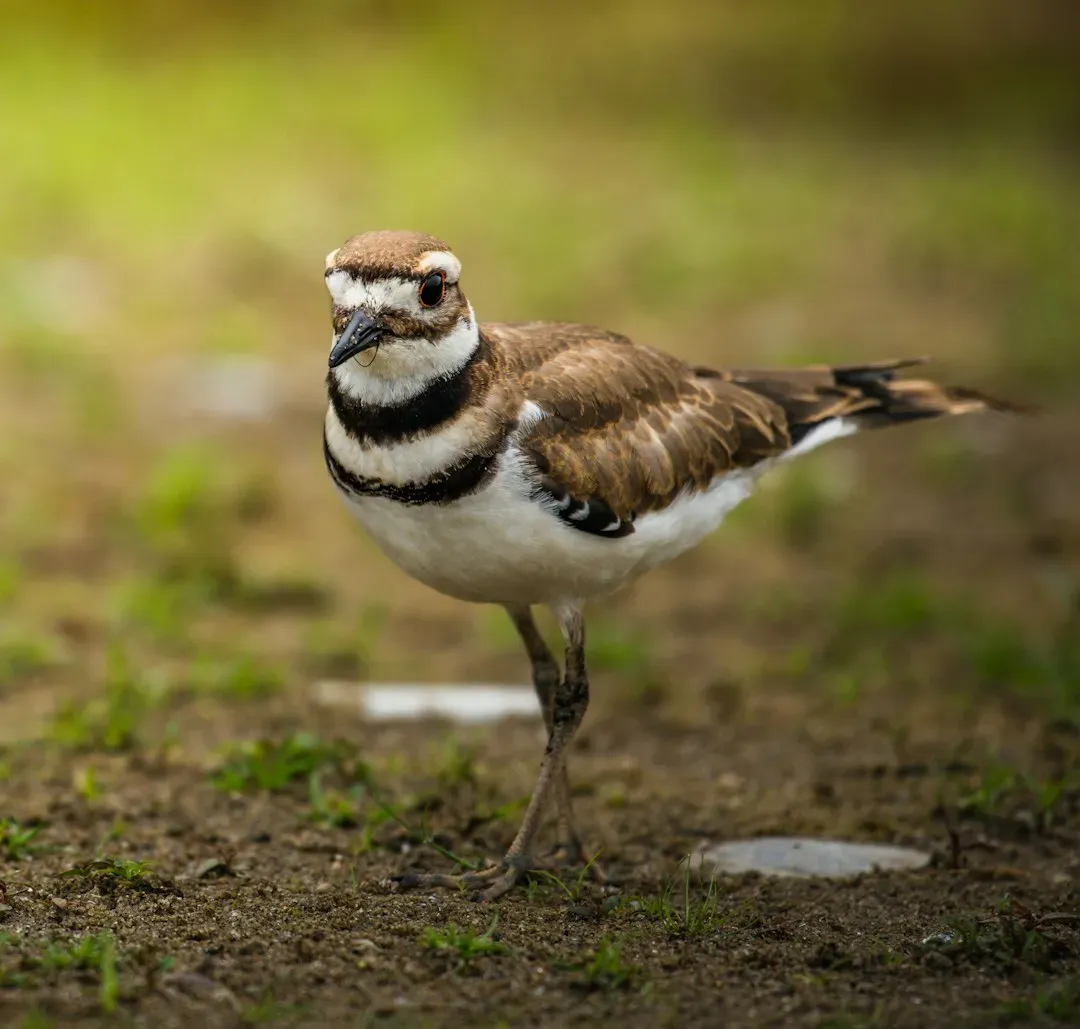
On the surface, killdeer seem to be doing fine because you see them so often, but long‑term surveys tell a more sobering story. Over the last several decades, their overall numbers have gradually declined across much of North America. Habitat changes, pesticide use, disturbance at nesting sites, and climate shifts all nibble away at their success. You would never guess it from a single loud bird yelling at you from a parking lot, yet the bigger picture shows a quiet, slow loss.
Knowing this, your perspective changes when you run into them. That dramatic broken‑wing act or bold charge feels less like a quirky show and more like a species fighting to keep its place in a changing landscape. You start to see each nest as the endpoint of a long chain of survival strategies that barely keep up with modern pressures. If a bird this clever and adaptable is slipping, it makes you wonder how many more fragile species are disappearing without you even noticing.
10. You Can Actually Help Them Just By Paying Attention
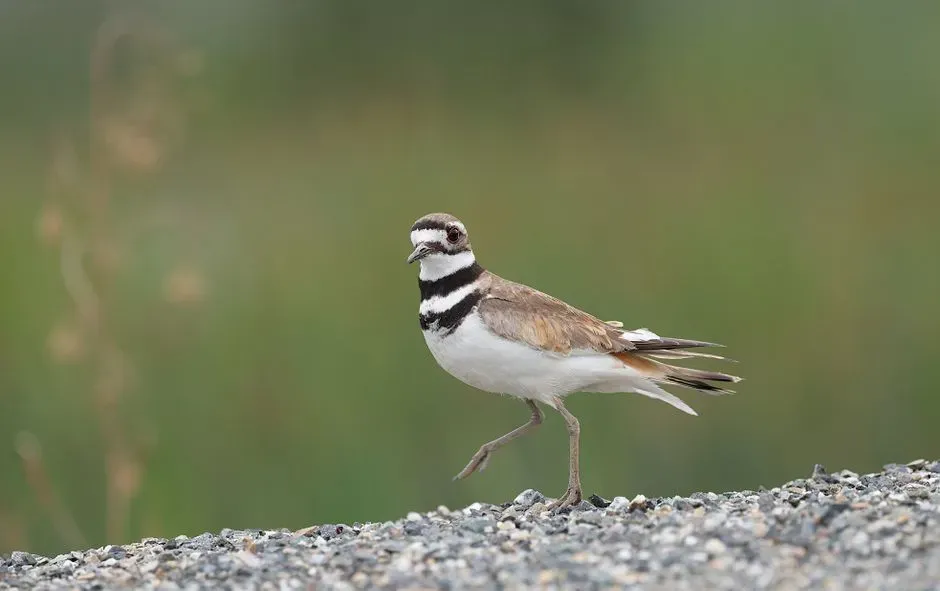
Once you recognize killdeer behavior, you suddenly gain the power to make their lives easier with almost no effort. When you hear that sharp, urgent call or see a bird pretending to be injured, you can simply stop, look around for a nest or chicks, and then give the area a wide berth. If you find a nest in a risky spot, you can mark it with a small ring of stones, a temporary flag, or a simple note so others avoid stepping or driving on it without ever touching the eggs.
You can also turn your awareness into small habits that add up: keeping dogs on leash in open nesting areas, delaying heavy yard work during peak breeding times, or talking to neighbors and coworkers about the “weird bird” they keep seeing in the parking lot. Before long, you become the person who spots the camouflage where others see only gravel. In a world where so many problems feel too big to touch, helping a killdeer family get through one more season is a rare kind of victory you can hold in your own hands.
Conclusion: You Never Look At That “Ordinary” Bird The Same Way Again
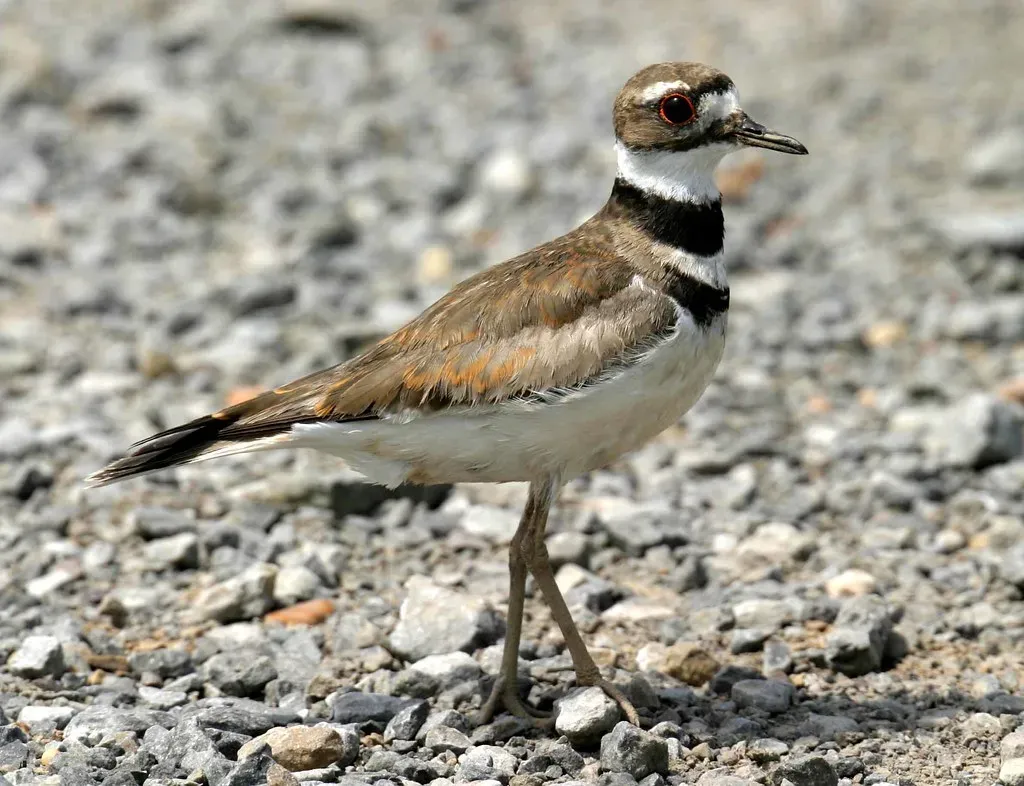
Once you know what to watch for, every killdeer you meet feels like the lead character in a survival story happening right under your nose. The fake injuries, the invisible nests, the sprinting chicks, the bold charges at huge animals – all of it adds up to a bird that refuses to rely on strength or shelter and instead wins with strategy. You start to appreciate how many tiny decisions, honed over countless generations, stand between a clutch of exposed eggs and a new generation of agile, shouting adults.
The next time you hear that sharp call or see a bird flopping dramatically across a field, you will not just shrug and walk on. You will know you are being invited into a moment that has played out for ages: a small parent gambling everything on its ability to outthink a threat. In that instant, you get to choose whether you play the predator or the ally. Now that you know what is really going on, which role will you take?