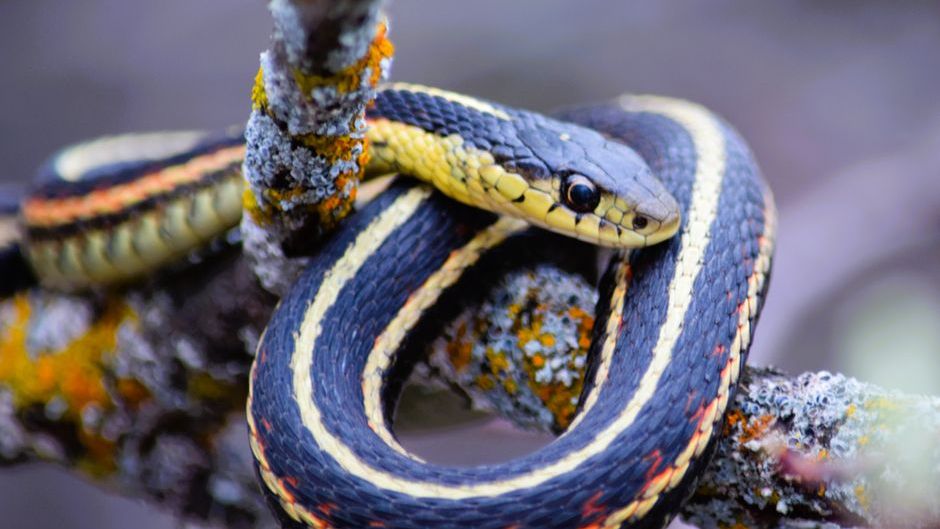

If you’ve ever lifted a flowerpot or walked through tall grass and seen a slim, striped snake whip away, there’s a good chance you’ve met a garter snake. They’re some of the most common snakes you’ll ever share a yard with, but beneath that familiar striped look is a surprisingly tough little survivor that’s been quietly winning the backyard game for a very long time.
As you get to know them better, you start to realize garter snakes are anything but boring. They push the boundaries of what you think snakes can eat, how they handle winter, and even how they defend themselves without ever striking at you. Once you understand a few of their stranger tricks, you may find yourself rooting for the shy striped snake in the corner of your garden bed instead of jumping away from it.
They Can Tolerate Venom That Would Kill Other Animals
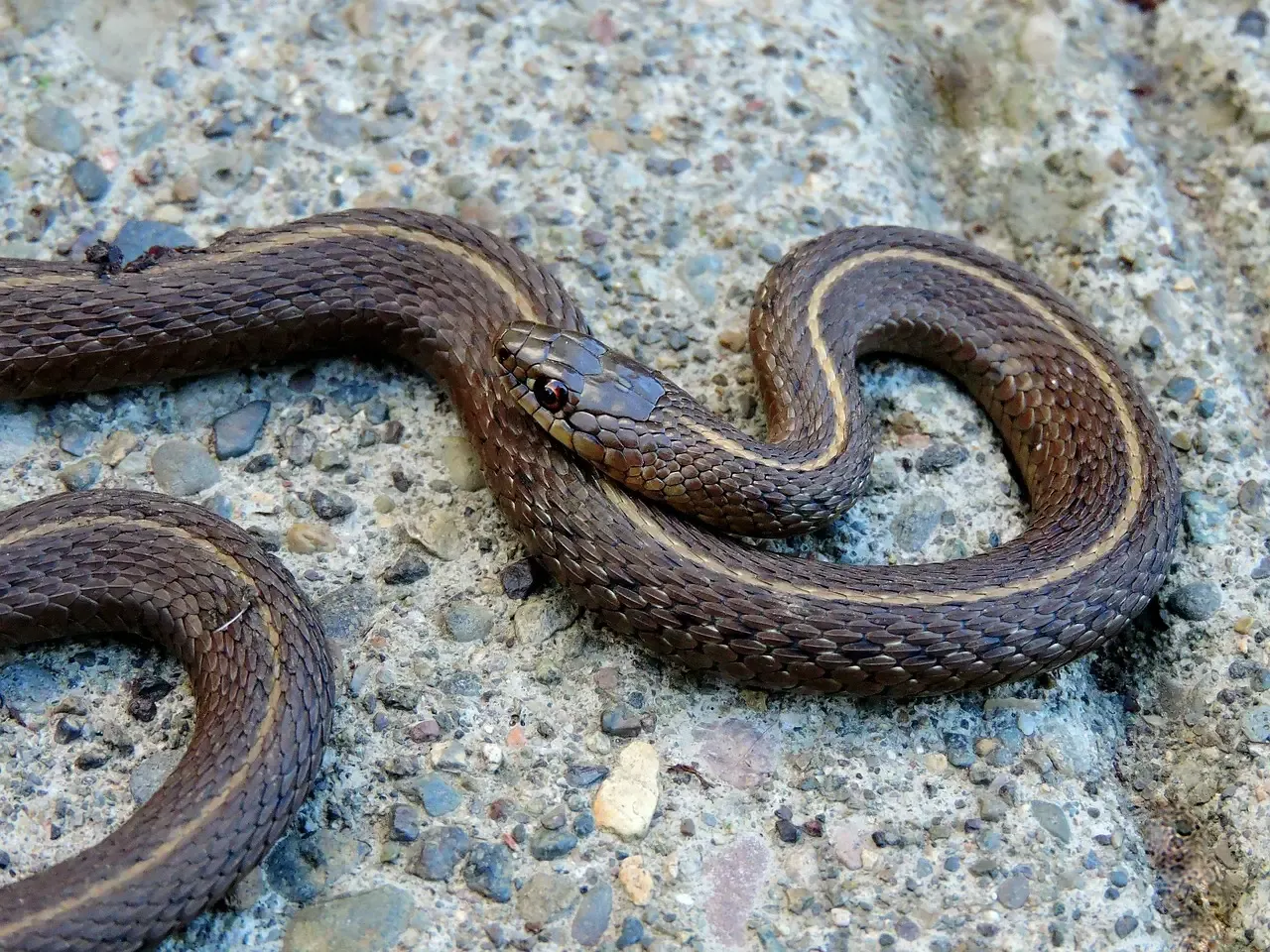
You might not expect it, but your average garter snake can shrug off toxins that would seriously harm or kill many other animals. Some populations have evolved resistance to the powerful poison of rough‑skinned newts, which are toxic enough that one newt could potentially kill a much larger predator. For you, that means the little snake you see sliding along a stream bank is playing chemical roulette on a level that most backyard wildlife simply can’t handle.
This resistance gives garter snakes access to prey that other predators wisely avoid, which is a huge survival advantage. In a way, they’ve unlocked a secret menu in nature’s restaurant, where the dishes are dangerous but the competition is low. When you see a garter snake swallowing something that looks like a harmless little salamander, there’s a good chance it’s actually managing a dose of poison that would be like you drinking a glass of bleach and walking away fine.
Their “Harmless” Bite Is Actually Mildly Venomous
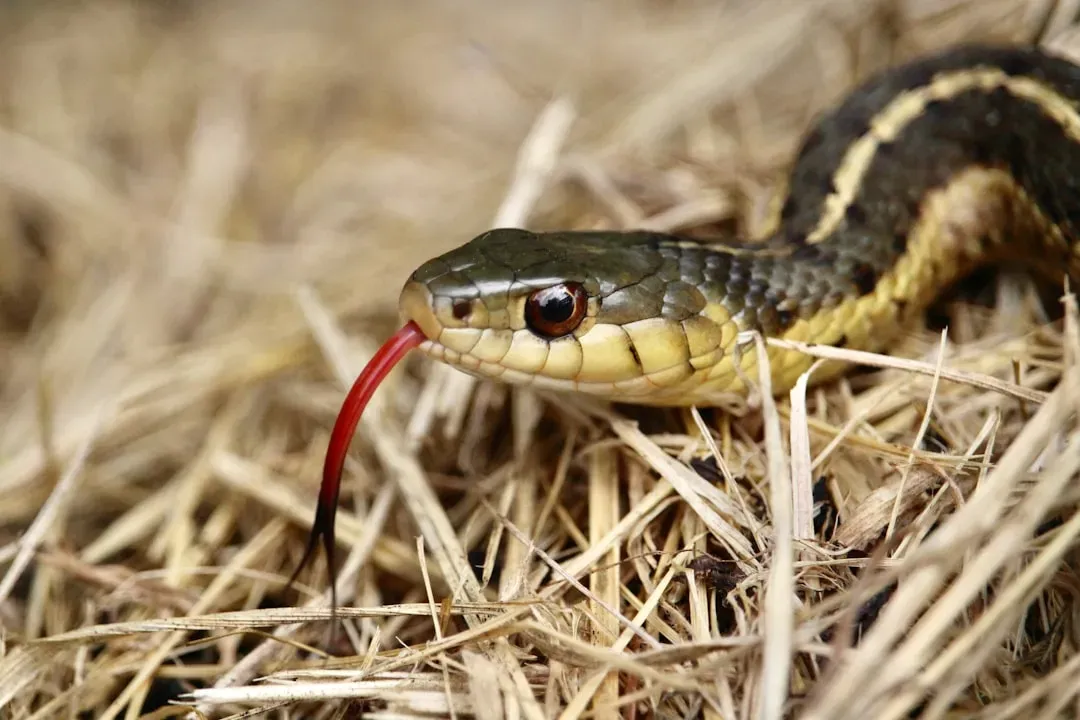
You’ve probably heard that garter snakes are totally harmless, and in practical terms, that’s true for you. But if you look closer, many species have a mild venom delivered through enlarged rear teeth, not the classic hollow fangs you associate with rattlesnakes. The venom helps subdue small prey like frogs and fish, but on your skin it usually just causes little or no reaction, maybe some slight irritation if you’re sensitive.
This hidden venom system is one of the reasons they’re so effective as hunters despite their small size. You might think of them as the “garden cat” of the snake world, quietly helping keep certain pests in check with tools you never realize they have. As long as you give them space and handle them gently or, better yet, not at all, that mild venom remains a problem only for the unlucky worm or amphibian they grab for dinner.
They Survive Winter by Cramming Into Massive Snake Dorms
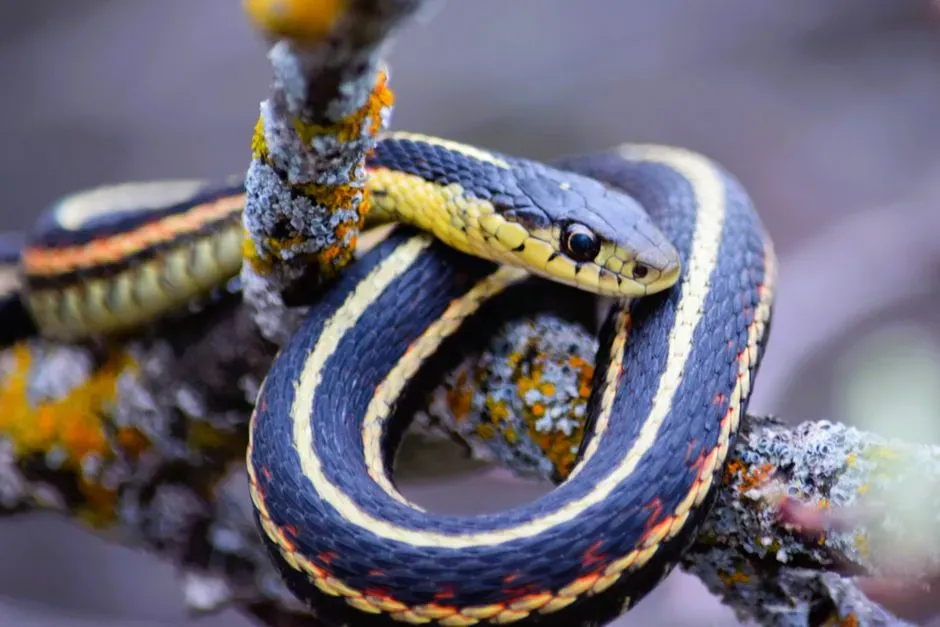
By huddling together, they conserve heat and moisture, boosting their odds of surviving long, brutal winters. When spring finally warms the soil, they pour back out of these dens like a living ribbon, ready to hunt, mate, and spread across the landscape again. You might see just one or two in your yard, but behind those few individuals could be a much larger community that rode out the cold as a group just below your feet.
They Use a Nasty Musk Defense That Really Sticks With You
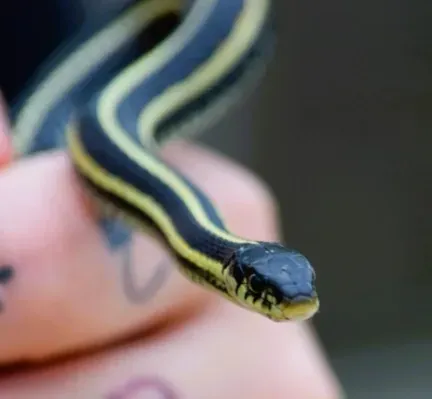
If you ever pick up a garter snake, you quickly learn their favorite trick: they release a strong‑smelling musk from glands near the base of the tail. It’s a sharp, sour, almost rotten scent that clings to your skin and clothes long after you put the snake down. This smell is their way of telling would‑be predators, including you, that they are not worth the trouble.
The musk mixes with urine and sometimes a bit of feces, making the whole experience especially memorable. Over time, predators like raccoons and birds learn that biting a garter snake often comes with a foul aftertaste, so they might think twice next time. If you ever get sprayed, you’ll understand immediately why that simple, low‑tech defense has helped these snakes survive for ages without needing big fangs or dramatic displays.
They Eat a Shockingly Wide Variety of Prey
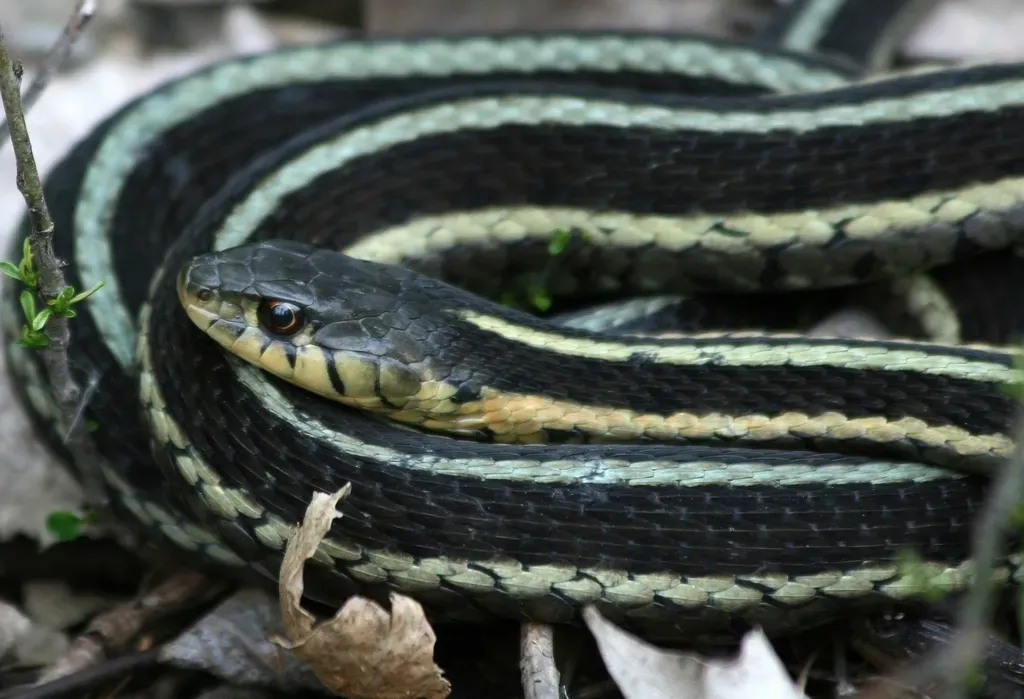
Most people assume snakes are picky carnivores that stick to one type of prey, but garter snakes are surprisingly flexible eaters. Depending on where you live, yours might dine on earthworms, slugs, frogs, toads, salamanders, small fish, tadpoles, leeches, or even the occasional small rodent. This broad menu means that when one food source dries up, they can pivot to another without missing a beat.
For your backyard, that adaptability is a big part of why they thrive around people. Garden ponds, damp lawns, compost piles, and rock borders all create mini buffets for garter snakes. If you keep a small water feature, you’re basically running a tiny restaurant where they can grab fish or amphibians on one visit and slugs or worms the next. This kind of flexibility is a classic survivor’s skill: never starve if you can help it.
They Can Swim Like They Were Built for It
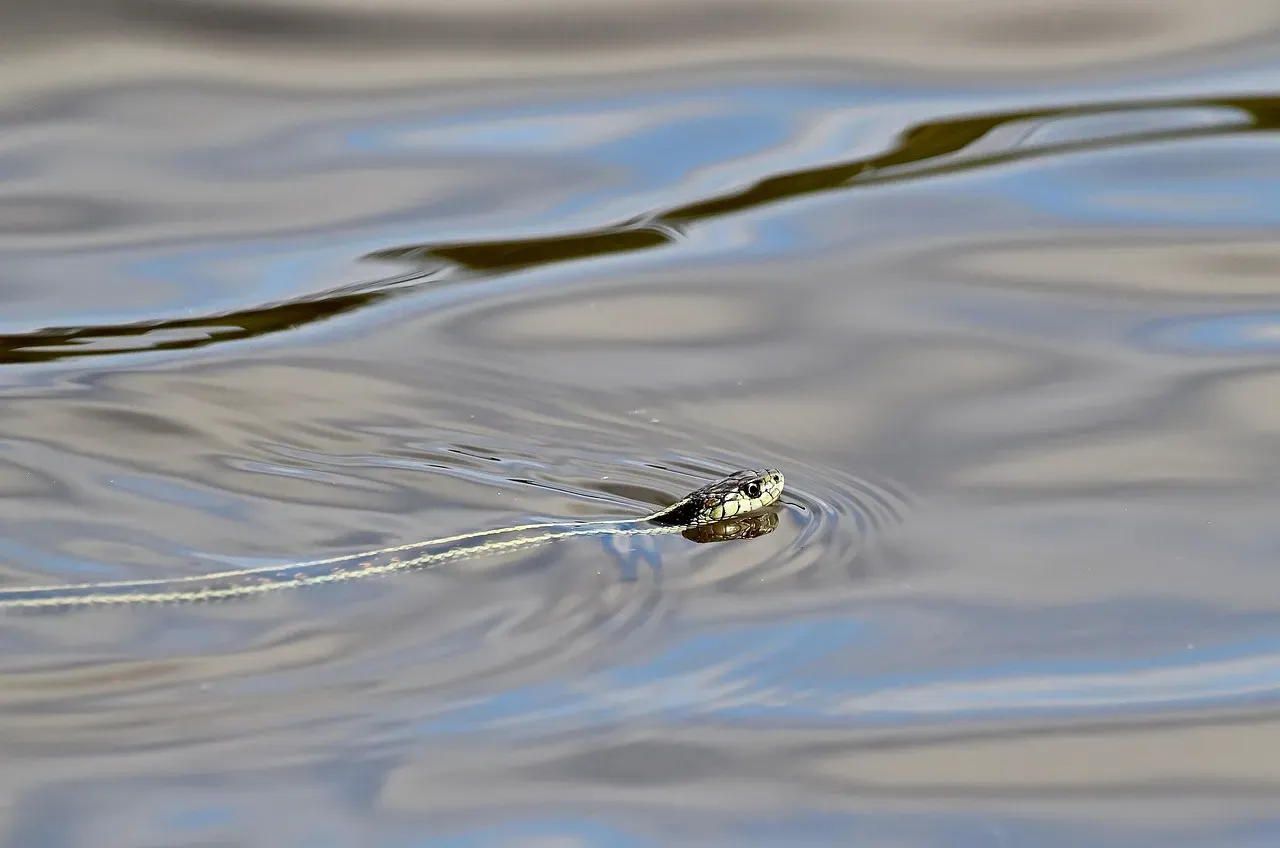
When you picture a snake, you probably imagine it sliding through grass, but garter snakes are equally at home in the water. Their slender bodies and side‑to‑side motion let them cut through ponds, ditches, and slow streams with surprising speed. If you watch quietly by a backyard pond, you might see one gliding just under the surface, using the water as both a hunting ground and escape route.
Being skilled swimmers gives them a major edge over predators that hesitate at the water’s edge. They can dive to avoid hawks, slip into a creek to lose a cat, or disappear into reeds where few land‑based hunters will follow. It also opens up an entire extra layer of habitat that many other small snakes simply cannot use. In your yard, that means any wet, messy spot can be a refuge rather than a danger zone for them.
They Rely Heavily on Scent Trails, Not Just Sight
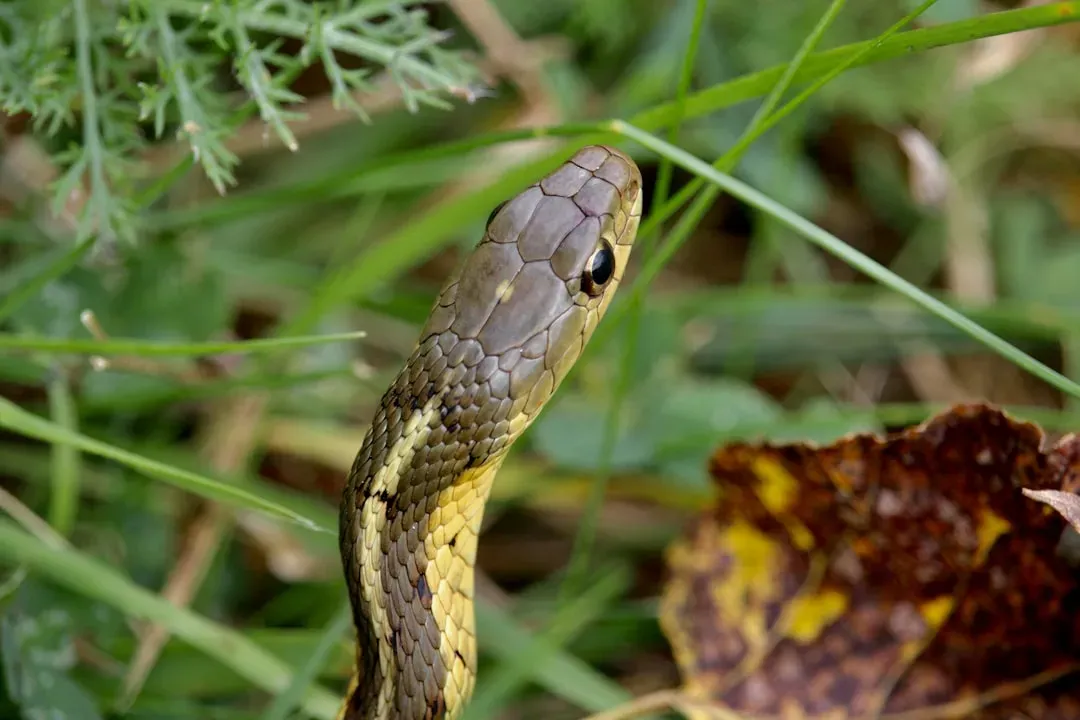
When you see a garter snake flicking its tongue, it’s not trying to scare you; it’s collecting chemical clues from the air and ground. You might rely on your eyes first, but a garter snake depends heavily on scent, using a specialized organ in the roof of its mouth to read the world almost like you’d read a book. Every tongue flick brings in tiny particles that tell it where prey went, whether another snake passed by, or if danger is nearby.
This super‑powered sense of smell lets them navigate complex backyards full of hidden corners, thick mulch, and patchy grass. Even if a frog hops away or a worm disappears into loose soil, a garter snake can follow the invisible chemical trail like a bloodhound. When you watch one pause, tongue flicking rapidly, you’re seeing it build a mental map of your yard that’s based more on invisible scents than on what you or I would ever notice.
They Often Give Birth to Live Young Instead of Laying Eggs
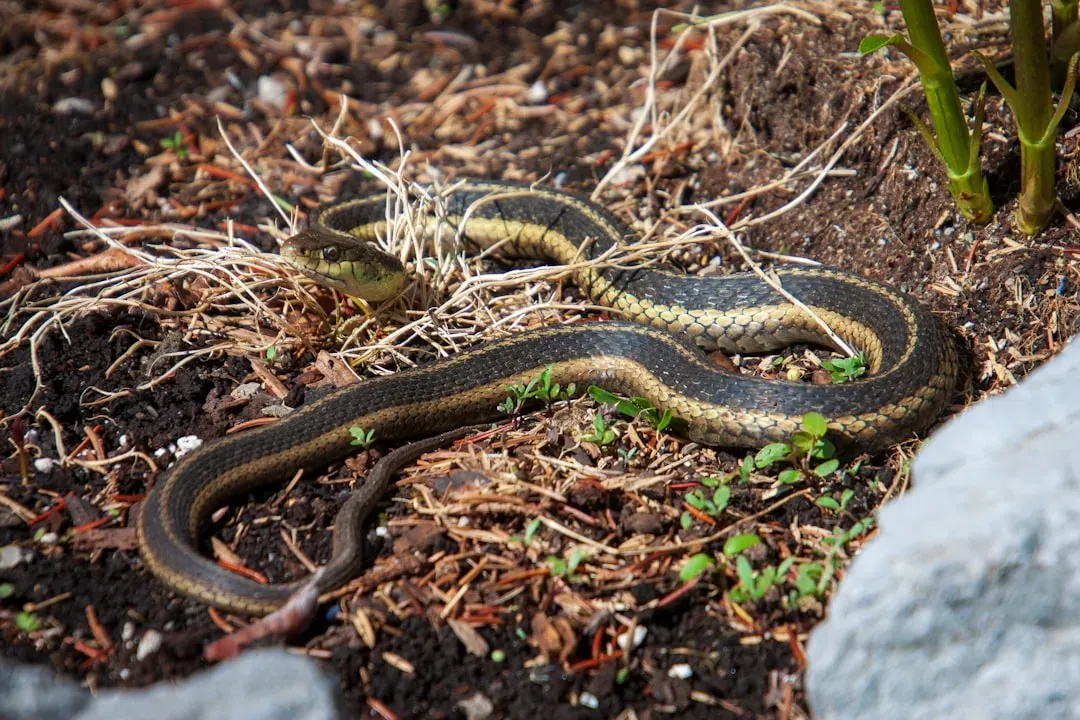
Many people assume all snakes lay eggs, but garter snakes break that rule in a pretty dramatic way. Instead of digging a nest, females usually carry developing embryos inside their bodies and give birth to live, fully formed baby snakes. That means you might suddenly see a cluster of tiny, pencil‑thin garter snakes appear in late summer without ever finding a single eggshell.
By keeping the young inside, the mother can move to warmer or safer spots, which is a big deal in cooler climates or unpredictable weather. The babies are born ready to fend for themselves, scattering quickly into grasses, leaf litter, and cracks where they can hide from predators. If you ever spot very small garter snakes in your yard, you’re seeing the result of a survival strategy that trades a shallow nest for a kind of mobile incubator.
They Use Sunlight Like a Life‑Support System
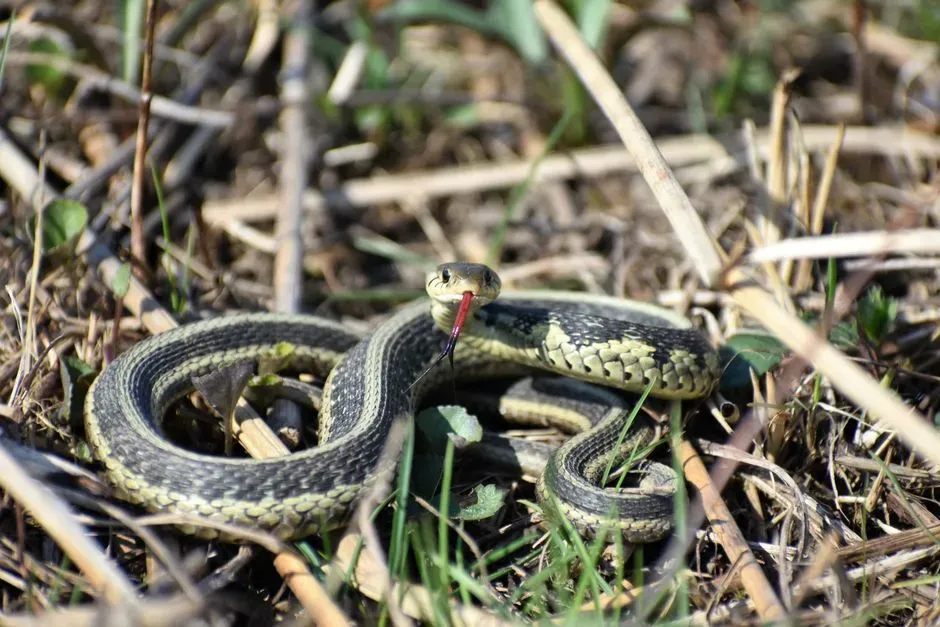
Because garter snakes are cold‑blooded, they depend on external heat to keep their bodies running, and they’re masters at using sunlight to their advantage. You might notice one stretched out on a rock, a garden step, or even your driveway early in the day, soaking up warmth like a living solar panel. It’s not just lounging; that heat powers digestion, movement, and even their immune system.
In your yard, this means the placement of rocks, logs, and sunny patches can literally shape where garter snakes can live. They shuttle between warm basking spots and cool hiding places, fine‑tuning their temperature in a way that would put a thermostat to shame. If you ever see one disappear under a board after basking, it’s not being shy so much as carefully managing its internal fuel level to stay ready for both hunting and escape.
They Thrive in Human‑Dominated Landscapes Better Than Many Snakes
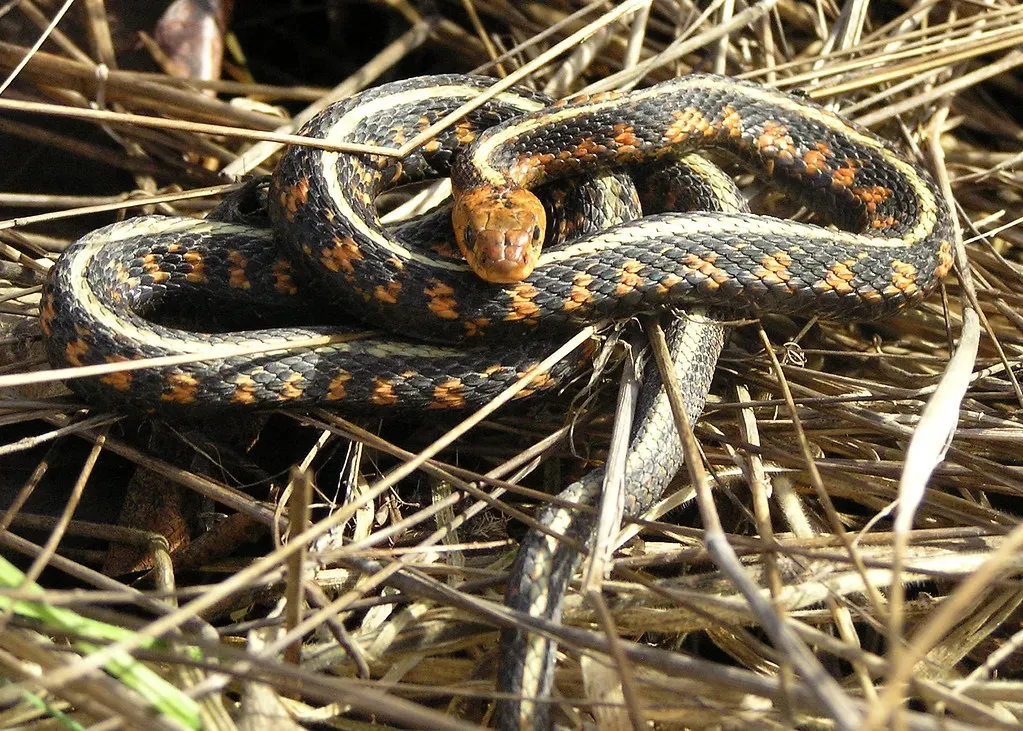
While a lot of wild animals struggle when neighborhoods expand, garter snakes often manage to hang on, and sometimes even do better. Lawns, gardens, drainage ditches, and ornamental ponds can accidentally create a perfect patchwork of food, water, and shelter. As long as you avoid heavy pesticide use and leave a few messy corners, you’re offering them a place to hunt and hide right under your nose.
Their generally calm nature, small size, and adaptability make them one of the few snakes that can coexist with you without constant conflict. They quietly eat pest species, dodge most pets, and rarely pose any risk to people. If you choose to see them as quiet allies rather than intruders, you’ll notice how well they’ve learned to survive in the cracks and edges of human life. In a world where so much wildlife is disappearing, that kind of resilience is both strange and a little inspiring.
Conclusion: The Quiet Survivors You Never Knew You Needed
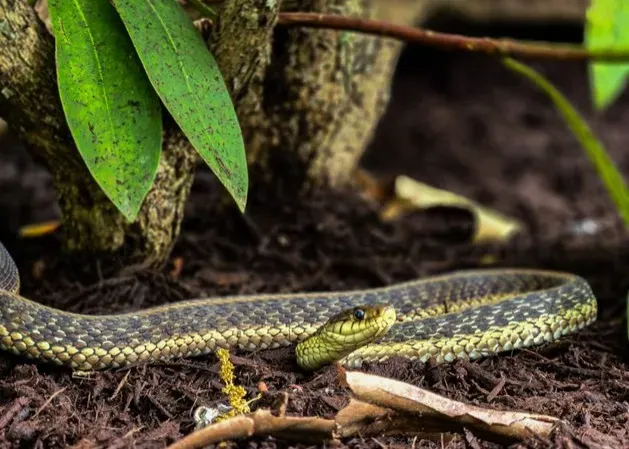
Once you peel back the initial fear or surprise of seeing a snake in your yard, garter snakes start to look less like unwanted guests and more like tough, adaptable neighbors. They shrug off toxins, outsmart winter, navigate by scent, and raise live young, all while dodging cars, mowers, pets, and people. You share space with a survivor that has quietly mastered your backyard far more completely than you ever will.
The next time you spot those familiar stripes slipping through the grass, you’ll know there’s a lot more going on than a simple slither and a quick escape. You’re looking at a bundle of strange, finely tuned survival tricks wrapped in one small, unassuming body. Maybe, instead of chasing it away, you’ll give it a little room to keep doing its work. Knowing what you know now, does that little striped snake seem a bit more like an ally than a threat?